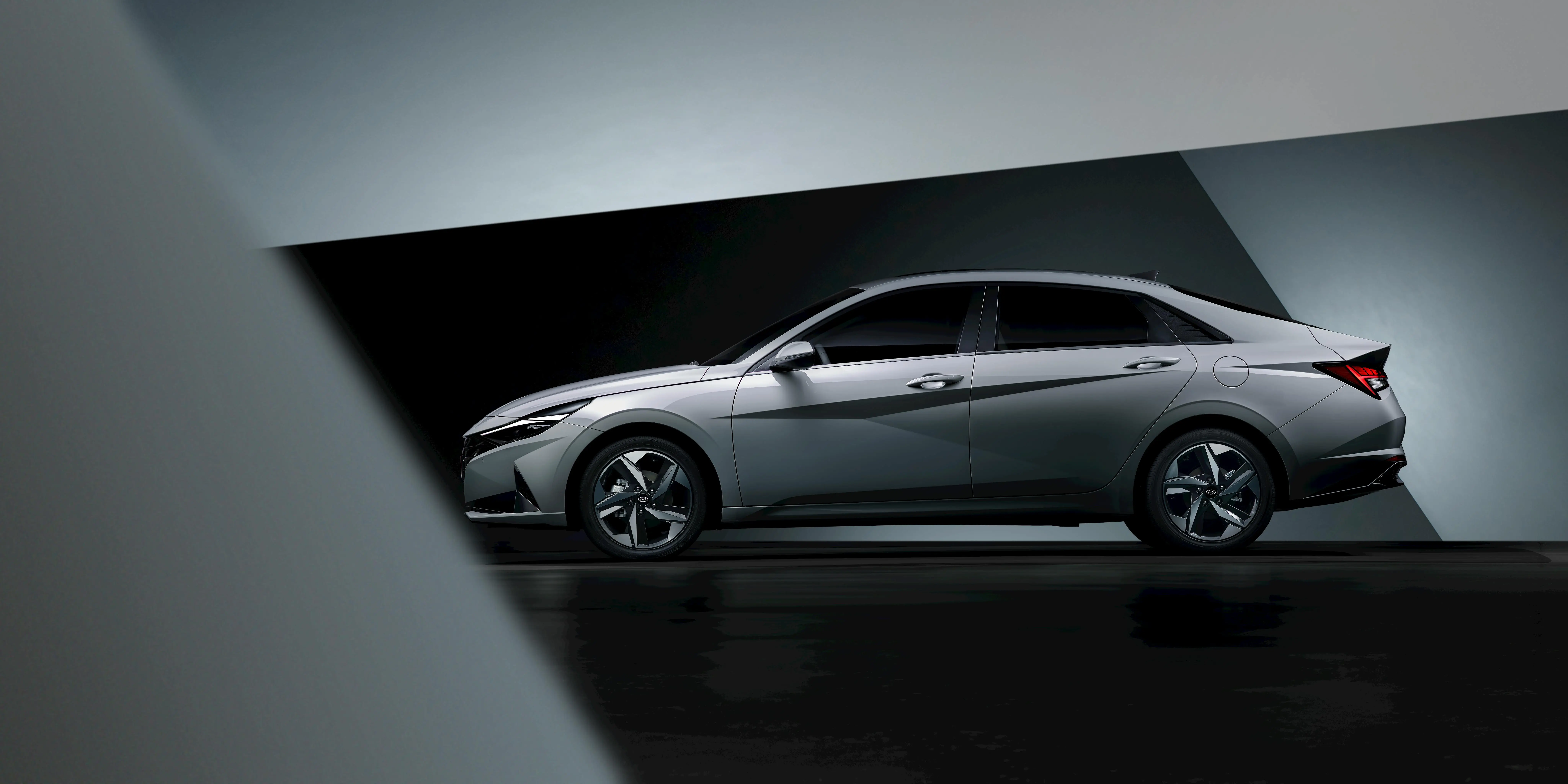

The question comes up on every USFK rotation. You are driving around Pyeongtaek, you see something interesting -- a grey-market Skyline, a clean early Hyundai, a JDM Land Cruiser variant you have never seen stateside -- and you start doing the math on whether you could bring it home when your orders come through. The answer depends entirely on which type of vehicle you are looking at.
There are three distinct scenarios, and they have different rules, different costs, and different levels of practical feasibility. This article covers each one honestly.
For information on shipping your existing American POV to Korea for your tour, the complete guide to shipping your car to Korea for PCS covers that direction. What follows focuses exclusively on the return trip with a vehicle you purchased in Korea.
Scenario 1: Buying a Korean-Spec Kia, Hyundai, or Genesis and Bringing It to the USA
This is the scenario most service members ask about first, and it is also the most complicated for most vehicles.
Korean domestic market vehicles -- a Kia Sportage, Hyundai Tucson, Genesis G80, and similar models -- are built to Korean safety and emissions standards. Those standards differ from US FMVSS (Federal Motor Vehicle Safety Standards) and EPA requirements. A Korean-spec vehicle cannot be imported to the US and registered for road use without going through a compliance process.
What US Compliance Requires for Sub-25-Year Korean Vehicles
-
Full FMVSS safety modifications: lighting configurations, bumper standards, seatbelt systems
-
EPA emissions certification or modification to bring the vehicle to US-equivalent standards
-
Certification through a licensed Independent Registered Importer (RI)
The cost of this compliance process for a modern Korean-spec vehicle typically runs from $10,000 to over $50,000 depending on the specific model and what modifications are required. For most vehicles, that cost makes the import economically unviable -- particularly when the same model is available new or used in the US without the compliance overhead.
The 25-Year Exception: Where This Gets More Interesting
Korean vehicles manufactured in 2001 or earlier now qualify for the 25-year exemption from both FMVSS and EPA requirements. This threshold advances each calendar year -- confirm the current eligibility cutoff with your customs broker at the time of purchase, not when you are reading this.
Older Hyundai, Kia, and Daewoo models from the late 1990s are now beginning to enter this window. A clean, low-mileage early-generation Hyundai Sonata or Kia Sportage from that era, if you find one in exceptional condition during your tour, presents a very different compliance picture than a current-model Korean SUV.
Does SOFA Help With Korean Export?
SOFA status facilitates your personal customs treatment in Korea, but it does not exempt a Korean-spec vehicle from US import compliance requirements. SOFA may streamline the Korean export side. It has no effect on what the EPA requires when the vehicle arrives in the US.
Verdict: Not worthwhile for modern Korean-spec vehicles in most cases. The compliance cost typically exceeds the financial logic of the import. Worth exploring for pre-2001 Korean classics if you find a genuinely clean example -- but confirm costs with a licensed US importer before purchasing, not after.
Scenario 2: Buying a JDM Vehicle Through Korea's Grey Market
Japan-manufactured vehicles circulate in the Korean used car market through grey market channels, and Camp Humphreys-area dealers occasionally have inventory that reflects this. A Nissan Skyline, an Evolution in JDM specification, a Land Cruiser variant that was never sold in the US -- these do appear, sometimes with Korean registration titles.
This scenario is layered in ways that are worth understanding before you commit.
Country of Origin: Japan, Not Korea
This is the most important thing to know. For a vehicle manufactured in Japan but registered in Korea, US customs determines compliance requirements based on the manufacturing country -- Japan -- not the country of most recent registration.
A JDM vehicle with a Korean title is still a Japanese-manufactured vehicle for EPA and NHTSA purposes. The Korean registration does not change the import classification.
The 25-Year Rule Applies Based on Manufacture Date
If the Japanese-manufactured vehicle is 25 years old or older at the time of US entry, the EPA and FMVSS exemption applies -- regardless of where it was most recently registered. A 1999 Nissan Skyline GT-R is eligible for most examples -- confirm the specific manufacture date on the chassis documentation, as NHTSA uses the manufacture date rather than model year for eligibility purposes. A 2005 Subaru Legacy STI in JDM trim is not.
The Korean title complicates the documentation package but does not change the eligibility determination. What matters for the 25-year calculation is the vehicle's manufacture date, confirmed against the chassis documentation.
Korean Title Complications and What They Require
A Korean-titled JDM vehicle must go through export deregistration from Korean vehicle registration authorities before it can be shipped. Your unit's legal assistance office or a licensed Korean customs agent can advise on the specific process for your vehicle.
The deregistration process generates the equivalent of a cancelled registration certificate, which the US customs documentation package requires. This is manageable, but it adds administrative steps and lead time.
Documentation you will need:
-
Korean deregistration certificate (cancelled registration)
-
Japanese chassis documentation confirming manufacture date and origin
-
Purchase documentation in your name
-
Export clearance from Korean customs
Verdict: Viable for 25-year-eligible JDM vehicles with clean Korean registration and a clear ownership history. More complex than buying directly from Japan due to the Korean title layer, but not prohibitive for the right vehicle. Confirm the manufacturing date and 25-year eligibility before you purchase -- not after. A licensed customs broker with JDM export experience can advise on the full documentation package for the specific vehicle you are considering.
Scenario 3: Buying a US-Spec Vehicle from Another Service Member
This is the simplest scenario, and for most service members it is the most practical.
A fellow service member finishing their tour may sell their US-spec POV rather than ship it home. That vehicle is already compliant with US safety and emissions standards, already has a clean US title history, and can be exported from Korea and imported to the US through the standard private vehicle process.
What to Verify Before You Buy
-
Clean US title in the seller's name -- or a valid power of attorney if the title is held by a lender
-
No outstanding finance unless the lender has confirmed in writing that export to Korea was permitted when the car was shipped over
-
KVI inspection status: whether any modifications were made to pass Korean vehicle standards that would need to be reverted before US registration
The KVI modification point is worth attention. Some service members make changes to their US-spec vehicle to pass Korean inspection -- adjusted lighting, exhaust modifications, window tint compliance -- that may need to be undone before the car can be registered in certain US states. Ask the seller directly what, if anything, was changed for KVI.
How SOFA Affects the Transaction
Both buyer and seller being SOFA-status personnel in Korea simplifies the transaction from a Korean regulatory perspective. The vehicle's US title history should be clean and continuous. The export process for a US-spec vehicle sold between service members is the most straightforward vehicle export scenario from Korea.
Verdict: The most practical option for most service members. If you can find the right vehicle from a departing service member at a fair price, this path has the fewest compliance complications on the US re-entry side. The main work is in the vehicle-specific due diligence -- title, finance status, and KVI modification history.
Which Scenario Makes Sense for You: A Quick Reference
| Scenario | Feasibility | Main Risk | Best for |
|---|---|---|---|
| Korean-spec Kia/Hyundai/Genesis (modern) | Low for most buyers | $10K to $50K+ compliance cost | Not recommended unless pre-2001 |
| Pre-2001 Korean classic | Viable | Finding a quality example | Enthusiasts with specific models in mind |
| JDM grey market via Korea (25-year eligible) | Viable with complexity | Documentation layering, lead time | Buyers targeting specific JDM models |
| JDM grey market via Korea (sub-25-year) | Very low | Same compliance issues as Korean-spec | Not recommended |
| US-spec from fellow service member | High | KVI modification history | Most service members |
Why West Coast Shipping for Your Korea Vehicle Export
Whether you are shipping a 25-year-eligible JDM vehicle out of Pyeongtaek or exporting a US-spec POV purchased from a departing service member, the US side of the documentation and freight process is where West Coast Shipping operates.
WCS has been managing international vehicle shipments for over 17 years, including vehicles purchased in Korea by USFK service members. A dedicated WCS account manager handles US customs documentation, export coordination, and container logistics for your specific vehicle situation -- including JDM exports where the documentation package is more complex than a standard private vehicle shipment.
Military shipping companies that understand the distinction between a Korean-titled JDM vehicle and a US-spec POV know that these are not the same customs proposition. WCS does.
For the full USFK vehicle decision framework -- including whether to ship your existing car to Korea or leave it in storage -- the complete military car shipping guide for USFK covers all the decisions together.
The international car shipping service is the starting point for a current quote and a direct conversation with the WCS military and JDM export team.
Ready to Ship a Vehicle Home from Your USFK Tour?
Get an Instant Quote for Your Vehicle Export
Use the WCS shipping calculator to see current rates for your specific vehicle, Korea departure port, and US destination.


Military Car Shipping to Korea: USFK PCS Guide for Service Members

Ship Your Car to Korea or Leave It in Storage? The USFK PCS Decision