

In the last few weeks, West Coast Shipping has received four requests to ship a car or motorcycle home from the United States at the end of a North American road trip. In each case the vehicle had entered the US by road from Canada or Mexico, and in each case US Customs would not approve it for export by container. The missing document was the same every time: CBP Form 7501, the entry record a vehicle receives only when it is formally imported.
Shipping your own vehicle to North America for a long drive is a popular way to see the continent, and the trips themselves rarely cause problems. The difficulty appears at the end, when the owner is ready to send the vehicle home. This article explains what went wrong in the four cases, why the owners' paperwork did not resolve it, and how to plan a trip that ends with the vehicle on a ship.
Four Vehicles, One Missing Document
The vehicles and routes were different. The outcome was not.
- A German couple shipped their Mercedes-Benz G-Class to Halifax, drove across Canada to Alaska and continued into the US. When the car broke down in California, they asked us to ship it to Germany from our California warehouse.
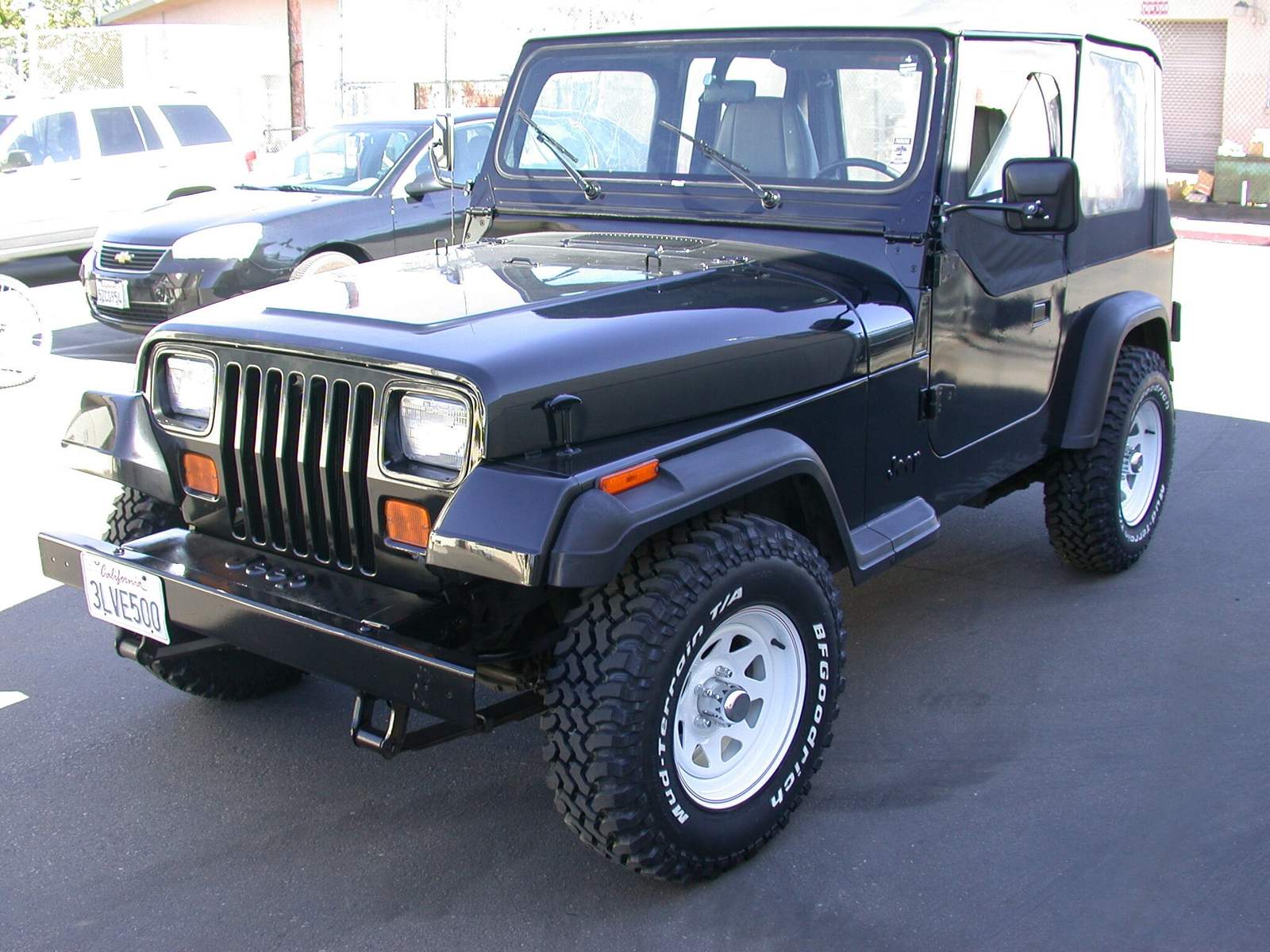
- An overland traveller from China landed his Jeep Wrangler in Vancouver, drove south to Houston and asked to ship it home from there.
- A German-registered BMW adventure motorcycle arrived at our New Jersey warehouse for shipment to Bremerhaven.
- A visitor rode his Harley-Davidson across a land border and wanted to ship it home at the end of the trip.
None of the four could be loaded into a container, because none had a US entry record for the vehicle.
What CBP Form 7501 Is and Why Export Depends on It
Exporting a vehicle by ocean from the United States requires approval from US Customs and Border Protection (CBP) at the port of export. For a vehicle that is not US-titled, the export regulations in 19 CFR 192.2 call for two things: the foreign title or registration, and evidence that the vehicle legally entered the United States. That evidence is the CBP Form 7501 Entry Summary, filed when a vehicle is formally imported.
A vehicle that arrives at a US seaport and clears customs receives a 7501. A vehicle driven across a land border by a visitor usually does not. The officer admits the traveller, sometimes stamps the passport, and no entry record is created for the vehicle.
"The Border Officer Said I Didn't Need One"
For the purpose of entering the country, that is correct. One of the four owners received a written reply from a CBP supervisor at an Alaska port of entry: visitors are not required to import their vehicles when they come for tourism, so the vehicle does not need to be exported, and CBP cannot issue a 7501 after the fact.
The statement is accurate as far as it goes. A vehicle admitted this way can be driven back out the way it came in. Exporting it by ocean container is a separate process, approved by the CBP office at the port of export, and that office requires proof of entry. The two offices apply different rules, and both are following them correctly.
Why Foreign Documents Are Not Sufficient
Owners understandably present everything they have: the purchase contract, the registration certificate, the foreign title, inspection certificates, the bill of lading from the original shipment and their passport stamps. For export purposes, none of it establishes legal entry.
US Customs cannot verify documents issued by a foreign government. If foreign papers alone were accepted, a stolen US vehicle could be given foreign documents, presented as an import and shipped out of the country. CBP therefore treats foreign documents as supporting evidence only. They assist the case, but they do not prove that this vehicle legally entered the United States. A passport stamp records the traveller's entry, not the vehicle's.

Already in the US Without a 7501: Your Options
The options are limited, and we prefer to state that clearly rather than let an owner rely on one of them.
- Visit the CBP office at the port of export in person. Bring every document you hold, explain how the vehicle entered, and ask whether the office will create an entry record. This has the highest chance of success, although no office is obliged to agree.
- Contact that office in writing if you cannot attend in person. It is worth asking. In our experience the answer is usually no.
- Drive the vehicle back across the border it entered through, then ship it home from Canada or Mexico. A commercial car carrier usually cannot do this for you: without entry papers, the vehicle has no documentation to cross the border on a truck.
After-the-fact filings that occasionally succeeded a few years ago are no longer dependable. CBP practice has tightened, and we advise clients on the basis of current practice rather than past exceptions.

How to Plan a Road Trip That Ends With a Shipment
If your trip will end with the vehicle going home by sea or air from a US port, make that decision before the vehicle leaves home.
- Enter through a US seaport with a formal entry. The vehicle is properly imported, receives its 7501 and can be exported again at the end of the trip. A typical route is to ship into New Jersey, drive west and ship home from California. Depending on the vehicle, this can involve EPA and DOT paperwork, a customs bond and duties, and we walk you through each step.
- If you do enter by land, ask the officer to formally enter the vehicle and keep every document you are given. Not every port will do this, which is why we recommend the seaport route.
- Speak with a shipper before the vehicle leaves home. A short conversation at the planning stage is the difference between a vehicle on a ship and a vehicle stranded in the US.
Frequently Asked Questions
What is CBP Form 7501?
CBP Form 7501, the Entry Summary, is the US Customs record created when goods, including a vehicle, are formally imported into the United States. It records the importer, the vehicle, its declared value and the duties paid.
Can I ship a car out of the US that I drove in from Canada or Mexico?
Usually not by ocean container. CBP at the port of export requires evidence that the vehicle legally entered the US, normally a CBP Form 7501, and a vehicle driven in by a visitor generally has no entry record. The dependable alternative is to drive it back across the same border and ship from there.
Can CBP issue a 7501 after the vehicle is already in the US?
Generally no. Entry is filed at the time of import. Some CBP export offices will consider creating a record if every document is presented in person, but none is obliged to.
Does a foreign title or registration prove entry into the US?
No. CBP treats foreign documents as supporting evidence only, because it cannot verify documents issued by another government.
How do I bring my own car to North America and ship it home from the US?
Import it formally through a US seaport, with a customs bond and the EPA and DOT paperwork for a temporary import, so that it receives a CBP Form 7501. At the end of the trip, that record allows the vehicle to be exported by ocean or air.
More Export and Import Guides
- International Car Exports: What Customs Documents Do You Need?
- Importing a Car to the USA
- International Motorcycle Shipping Rates
- Air Freight for Cars and Motorcycles
Planning a Road Trip With Your Own Vehicle?
West Coast Shipping ships door to door by ocean and air from our own warehouses in California, Florida and New Jersey, covering all of the US for imports and exports. Our own team loads every vehicle and handles every document. Tell us your route and we will plan the import side so the vehicle can be shipped home when the trip is over. Contact us before you ship, or get a rate with our online car shipping calculator.
It's your dream car. Let's bring her home.


25-Year Rule for US Car Imports 2025: Complete Classic Import Guide
Oldsmobile 442: What 442 Stands For, Values by Year | 2026