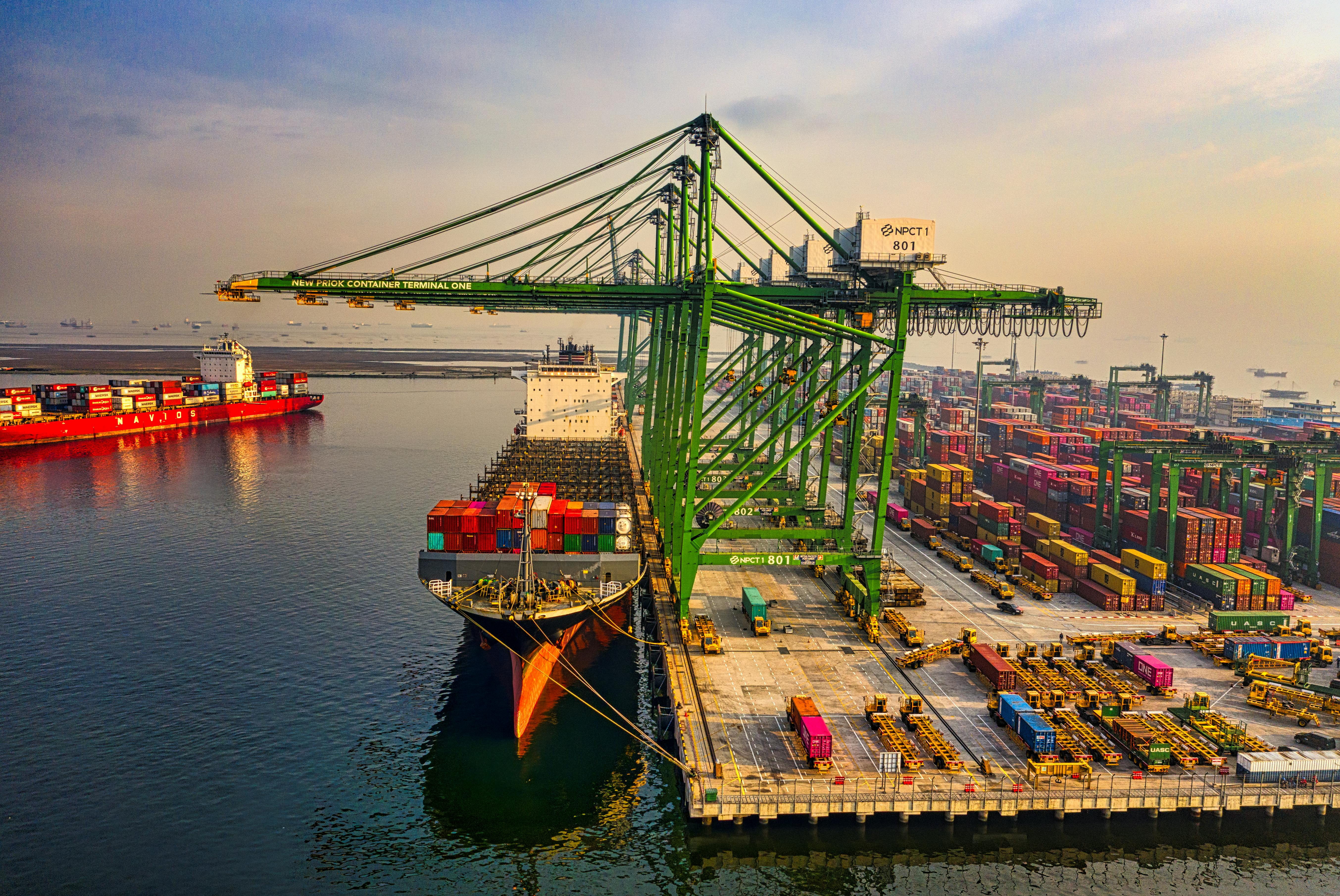

Choosing the right European port is one of the most underrated levers in any Europe to USA car import plan. Two cars with the same purchase price can end up with very different landed costs simply because one left from the wrong port at the wrong time.
In 2026, West Coast Shipping sees most Europe to USA imports flow through a handful of hubs that balance cost, frequency and handling quality. This guide focuses on those ports, shows real example rates and timelines, and gives honest guidance on when you might want to avoid each one. For broader context on how ports fit into daily drivers and project cars, see the main overview on Europe to USA car imports 2026: daily drivers, ports and project cars.
2026 Benchmarks: Europe to New York Ocean Freight and Transit
Before looking at each port individually, it helps to anchor the discussion with actual numbers. West Coast Shipping’s recent Europe to USA cost guides show very consistent pricing for consolidated container freight into New York.
For standard passenger vehicles in shared containers, example rates for 2025–2026 have clustered around:
-
Antwerp to New York: ocean freight 2,750 dollars in approximately 18 days
-
Rotterdam to New York: ocean freight 2,750 dollars in approximately 18 days
-
Bremerhaven to New York: ocean freight 2,750 dollars in approximately 18 days
-
Le Havre to New York: ocean freight 2,750 dollars in approximately 18 days
-
Southampton to New York: ocean freight 2,750 dollars in approximately 26 days
These figures come from West Coast Shipping’s articles on Europe to US import costs, detailed cost breakdowns from top European ports and US car import cost guides.
Please note that these are approximate estimates and should not be considered final prices. Actual costs may vary depending on vehicle type, shipping method, and market conditions. For an accurate quote, use our car import calculator or contact our team directly.
With those benchmarks in mind, you can treat port choice less as a mystery and more as a targeted decision.
Antwerp, Belgium: The Consolidation Workhorse
Why Antwerp is often the first choice
Antwerp is one of West Coast Shipping’s primary consolidation gateways for vehicles heading to the United States. The full Europe to USA import guide describes it as Belgium’s top automotive export hub, with strong coverage into New York and other East Coast ports.
Antwerp makes particular sense when:
-
Your vehicle is located in Belgium, the Netherlands, Luxembourg or western Germany
-
You want to use a shared container to reduce per car freight
-
You prefer a port that sees a steady volume of classic and modern cars rather than sporadic flows
Recent West Coast Shipping medians show Antwerp to New York consolidated container rates around 2,750 dollars per car with roughly 18 days of ocean transit, which aligns with the general benchmarks above.
Typical use cases from Antwerp
From Antwerp, West Coast Shipping frequently moves:
-
German and Belgian classics bought through dealers or private sellers
-
Modern cars picked up in Belgium or neighbouring countries
-
Mixed containers combining several customers’ vehicles to keep costs efficient
If your car is already within a reasonable trucking distance of Antwerp, it is often the natural first port to price.
When it might make sense to avoid Antwerp
There are times when Antwerp is not the best choice, even if you see attractive rates. It may be worth considering an alternative when:
-
Your car is based closer to another major port, and the extra trucking to Antwerp erodes the freight savings
-
Consolidation schedules from Antwerp do not match your timing, while another port has a more convenient sailing window
-
Industrial action or port congestion makes short term operations less predictable
In those situations, ports like Rotterdam or Bremerhaven can sometimes offer a more balanced route once you factor in inland transport and schedule reliability.
Rotterdam, Netherlands: Volume, Flexibility and Strong Schedules
Rotterdam’s position in Europe to USA flows
Rotterdam is Europe’s largest port by volume, and that scale carries over into vehicle exports. For many European car imports, it functions as a flexible alternative to Antwerp with equally competitive rates and strong connections into New York.
West Coast Shipping’s cost guides list Rotterdam alongside Antwerp, Bremerhaven and Le Havre as one of the main ports where container shipping to New York averages roughly 2,750 dollars per vehicle with around 18 days on the water.
Rotterdam tends to work especially well when:
-
Your vehicle is located in the Netherlands, western Germany or nearby regions
-
You want robust sailing frequency and multiple carrier options
-
You are building a multi car or multi customer consolidation that needs a flexible hub
Strengths that matter in practice
In day to day logistics, Rotterdam’s strengths show up in several ways.
-
Plenty of container capacity, which can reduce schedule constraints
-
Good availability of specialist automotive warehouses familiar with import export requirements
-
Strong rail and road links into Germany and the rest of northern Europe
If you are buying more than one car across different locations, Rotterdam often becomes a practical central point for consolidating everything into a single container.
When Rotterdam is not the best answer
There are also situations where Rotterdam is not ideal. You may want to look at other ports when:
-
A nearby port like Antwerp or Bremerhaven offers the same rate and timeline but shorter inland transport
-
Your exporter has a much stronger presence in another hub, leading to better service and consolidation options there
-
You need a specific sailing that is only available out of a competitor port for your timeframe
In other words, Rotterdam is powerful, but it is not automatically the right answer if your vehicle’s geography points somewhere else.
Bremerhaven, Germany: German Metal’s Natural Gateway
Why Bremerhaven keeps showing up in German import plans
Bremerhaven is a central node in Germany’s automotive export system. It handles everything from brand new production to classic cars and used vehicles, which makes it a natural choice when you are buying in Germany or nearby countries.
West Coast Shipping’s Europe cost breakdown notes that for German routes into New York, container shipping from ports like Bremerhaven tends to sit at the same 2,750 dollar level with about 18 days in transit.
Bremerhaven is often the best match when:
-
You are buying in Germany, Austria, Switzerland or parts of central Europe
-
You want an export environment that handles German brands and documentation every day
-
You expect your car to join a consolidation alongside other German and central European vehicles
Practical advantages of Bremerhaven
In practical terms, Bremerhaven offers several advantages.
- Deep experience with high value German classics and modern premium cars
- Well established container and RoRo facilities for vehicles of all types
- Strong inland connections to key German cities and neighbouring countries
If your seller is already accustomed to shipping through Bremerhaven, your logistics path can become more straightforward.
When Bremerhaven is not the right fit
Bremerhaven is not always ideal for cars located far to the west or south. You may want to consider another port when:
-
The car is in France, Belgium, or Spain and trucking it to Bremerhaven would add significant cost and time
-
Your shipper has better consolidation volumes in Antwerp, Rotterdam or Le Havre for your particular timeline
-
You need a non standard solution, such as a very specific US destination, that is better served from another hub
In those scenarios, it is worth asking West Coast Shipping to model alternative port and trucking combinations using the car import calculator as a starting point.
Le Havre, France: Atlantic Hub for France and Southwestern Europe
Le Havre’s role in Europe to USA car routes
Le Havre is France’s main Atlantic port and a key exit point for vehicles sourced in France, parts of Belgium, northern Spain and neighbouring areas. It appears frequently in West Coast Shipping’s guides both as a primary export hub and as part of example cost scenarios.
For Le Havre to New York, West Coast Shipping lists consolidated container freight around 2,750 dollars per car with an ocean time of roughly 18 days, matching the other major mainland ports.
Le Havre tends to be a strong choice when:
-
Your vehicle is located in France or within short trucking distance in neighbouring regions
-
You are buying from French dealers, auctions or private sellers who already work with Le Havre
-
You want to avoid unnecessary cross border trucking to more distant ports
Situations where Le Havre shines
In practice, Le Havre works very well for:
-
French classics and modern cars heading to the US
-
Buyers who have sourced vehicles from multiple locations inside France and want a single export hub
-
Expat moves involving cars plus household goods that are already being routed through French ports
If your entire purchase and paperwork trail is French, staying within that system until the car leaves the EU can simplify both VAT treatment and logistics.
When Le Havre may not be optimal
Le Havre is less attractive when:
-
The vehicle is located deep in central or eastern Europe and would require long trucking legs compared to Bremerhaven or Rotterdam
-
Consolidation frequencies from Le Havre are lower for your target month, while another port offers more frequent groupage departures
-
Your choice of US port or shipping method is better supported through German or Benelux hubs
In those cases, the right answer is often to balance inland transport, consolidation timing and freight rates rather than defaulting to Le Havre simply because the vehicle is in France.
Southampton, United Kingdom: UK Gateway with Longer Sailings
Why Southampton remains central to UK exports
Southampton is the main UK hub for vehicle exports to the United States. It handles a wide mix of right hand drive and left hand drive vehicles, including European models that were imported into the UK earlier in their lives.
West Coast Shipping’s cost guides note that container shipping from the UK to New York typically aligns with mainland Europe on price, at around 2,750 dollars per vehicle, but with longer ocean transit of roughly 26 days.
Southampton is usually the logical choice when:
-
You are buying in England, Wales or parts of Scotland and do not want to truck the car into mainland Europe
-
You want to combine UK purchases into a single consolidated container
-
You are comfortable with a slightly longer transit in exchange for fewer border crossings and simpler inland logistics
Real strengths of Southampton in 2026
In concrete terms, Southampton offers:
-
Established container and RoRo flows into New York and other US ports
-
Good handling experience with classics, modern cars and mixed loads
-
Reasonable access from key UK automotive markets
If your car starts its life in the UK, avoiding an extra channel crossing and keeping everything within one customs zone until export can make the process cleaner.
When to consider alternatives to Southampton
There are, however, scenarios where Southampton is not ideal. You may want to think about alternatives when:
-
You are buying in continental Europe and the car is currently in the EU, where moving it into the UK adds complexity and cost
-
Your timing is extremely tight and the extra week or so of transit versus some EU ports makes a difference
-
You are particularly sensitive to small differences in handling charges and want to compare total landed cost from a EU port instead
In such cases, West Coast Shipping can help you compare UK based export scenarios with EU based ones, using real data rather than guesses.
Using Ports Strategically: How to Choose Among Antwerp, Rotterdam, Bremerhaven, Le Havre and Southampton
Start from where the car actually is
The most practical way to choose a port is to start with the vehicle’s location and work outward rather than starting from a list of “best ports” in the abstract.
A straightforward decision flow often looks like this:
-
Identify the car’s exact city and seller location
-
List the nearest two or three major export ports
-
Ask which of those ports your shipper uses most often for consolidations into your target US port
-
Use the car import calculator to generate estimates for those specific port combinations
This approach reflects how West Coast Shipping treats Europe to USA imports in real life, as shown in their Europe to US cost guide and hidden US import cost breakdown.
Balance freight rates, inland trucking and schedules
All five ports can offer very similar ocean freight rates into New York. The real differentiators are usually:
-
How much you spend on inland trucking to reach each port
-
How long you wait for a consolidated container to fill and depart
-
How predictable operations are at a given port during your shipping window
A port with a slightly higher freight rate but shorter inland transport and quicker consolidations can end up cheaper and faster overall than the apparent “cheapest” option.
Stay aligned with your broader import strategy
Port choice also interacts with your broader plan. If you are planning multiple imports over time, or if you are mixing daily drivers and project cars, it may make sense to build around the hub that fits your long term needs.
The main article on Europe to USA car imports 2026: daily drivers, ports and project cars shows how these port decisions sit alongside questions about compliance and vehicle type.
Get Port Specific Estimates for Your Europe to USA Import
Europe has many ports, but most successful US import plans in 2026 still revolve around a small group of proven hubs. Antwerp, Rotterdam, Bremerhaven, Le Havre and Southampton each offer strong routes into New York, with recent example rates of about 2,750 dollars per car and transit times between 18 and 26 days. The trick is choosing the one that fits your vehicle’s location, your budget and your schedule.
You can use West Coast Shipping’s car import calculator to compare scenarios such as Antwerp to New York versus Bremerhaven to New York for your specific vehicle value and destination. From there, West Coast Shipping can refine those estimates with live consolidation schedules and inland transport options so that you are not just picking a port, but building a complete Europe to USA route that makes sense.


Bring Your European Daily Driver to the USA in 2026

Europe to USA Car Imports 2026: Daily Drivers, Ports, Projects