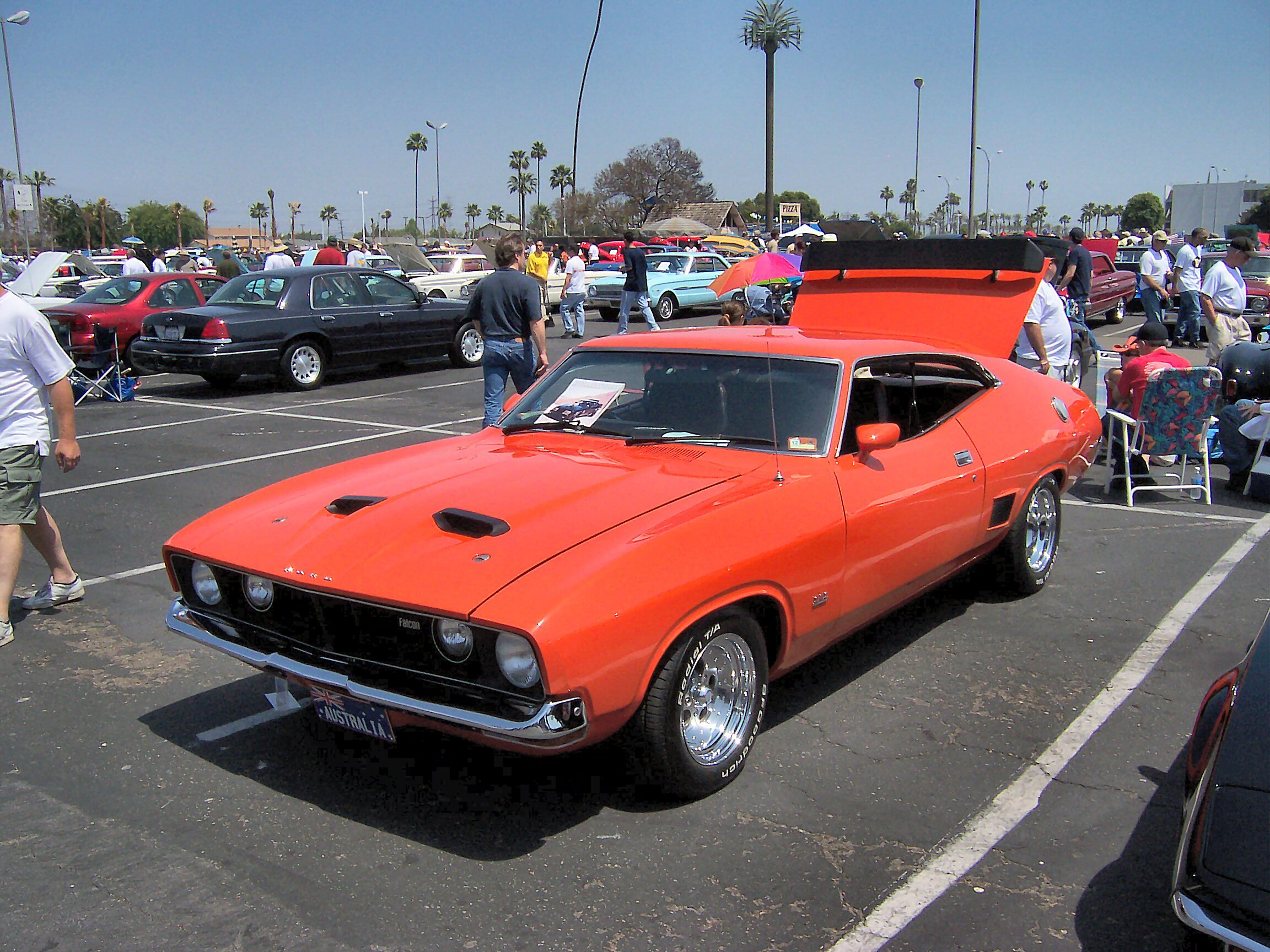

If you are planning to import an American car into Australia and it is less than 25 years old, the Specialist and Enthusiast Vehicles (SEVs) register is the starting point for the entire process. Getting this step right before purchasing the vehicle can save significant time and money. Getting it wrong can mean buying a car that has no clear compliance pathway in Australia.
This guide explains what the SEVs register actually is, why it exists, how to search it correctly, and what comes next once you confirm your vehicle is listed.
What Is the SEVs Register?
The SEVs register is a publicly available database maintained by the Australian Department of Infrastructure, Transport, Regional Development, Communications and the Arts. It lists road vehicle models and variants that have been assessed as meeting the eligibility criteria set out in section 129 of the Road Vehicle Standards Rules 2019.
The purpose of the register is straightforward. Australia's standard vehicle type approval process is designed for vehicles sold new at scale through authorised distributors. Most American muscle cars, performance coupes, and specialist vehicles were never part of that system in Australia, either because they were never officially sold there or because they have since been discontinued. The SEVs register creates a formal pathway for these vehicles to enter the market legally without requiring full new-vehicle type approval.
It is worth understanding what the register is not. A vehicle appearing on the SEVs register is confirmation that the model is eligible for import consideration. It is not an import approval, and it does not allow a vehicle to be shipped to Australia immediately. The register is the first gate in a multi-step process, and buyers who treat it as the final answer tend to encounter problems later.
Why the SEVs Scheme Exists
Filling a Gap in the Market
Australia's vehicle market is relatively small by global standards, which means many performance models, limited-production variants, and niche vehicles that are sold in the US, Europe, and Japan never received an Australian distribution agreement. The SEVs scheme exists to allow enthusiasts and collectors to import these vehicles without requiring manufacturers to go through the full type approval process retroactively.
The scheme replaced the earlier Specialist and Enthusiast Vehicle Scheme when the Road Vehicle Standards Act 2018 came into force on 1 July 2021. The updated framework broadened some eligibility criteria while tightening the compliance process through the ROVER system, Australia's centralised digital platform for vehicle import applications and approvals.
Who the Register Is Designed For
The SEVs pathway is primarily used by three types of importers: private enthusiasts who want a specific vehicle for personal use, small-scale commercial importers who source vehicles professionally, and Registered Automotive Workshops that manage the compliance process on behalf of buyers.
Private buyers can apply for a concessional Register of Approved Vehicles (RAV) entry approval directly, but they must have access to an approved Model Report for the vehicle and the vehicle must appear on the register both at the time of application and at the time the decision is made. That last point matters more than many buyers realise, and the reason is explained below.
What Vehicles Are Eligible for the SEVs Register?
Not every vehicle qualifies, and the eligibility criteria are more specific than they might first appear. To be listed on the SEVs register, a vehicle must meet at least one of the following criteria:
-
Performance: High-performance vehicles with specifications significantly superior to mainstream vehicles available in Australia
-
Environmental: Vehicles meeting or exceeding current applicable emissions standards in Australia
-
Mobility: Vehicles manufactured with or modified to include special features to assist people with a disability
-
Left-hand drive: Vehicles originally manufactured as left-hand drive, where right-hand drive versions are not available in any other country, or were not originally manufactured in right-hand drive for that country
Beyond meeting at least one criterion, the vehicle must also satisfy a market availability test. It must either have never been genuinely available to Australian consumers as a new vehicle, or no longer be genuinely available as a new vehicle in Australia.
This is the eligibility logic that captures most American muscle cars. A Dodge Challenger SRT Hellcat was never sold through authorised Australian dealerships in left-hand-drive configuration, and Challenger production has now ended entirely. A sixth-generation Chevrolet Camaro ZL1 was never offered in Australia through official channels. These market realities are what put those models in scope for SEVs consideration.
A Note on Variant Specificity and Register Expiry
One detail that catches buyers off guard is how granular the register's listings can be. A Dodge Challenger SRT Hellcat Redeye may be listed while a standard Challenger R/T is not. A Chevrolet Camaro ZL1 1LE may appear while a base Camaro SS does not.
The register assesses eligibility at the make, model, and variant level, not simply by nameplate. Searching only for "Dodge Challenger" and finding any result does not confirm that the specific variant you are purchasing is eligible. Always search the exact variant designation before making any purchase decisions.
There is a second timing risk that is less obvious but equally important. SEVs register entries expire after three years. A vehicle that was listed when you first checked may no longer be listed when your RAV entry application is formally assessed. Re-entry onto the register requires a full new assessment and is not guaranteed. This is the primary reason listings disappear, and it is why the advice to verify register status as close as possible to the application date is not just procedural caution. It reflects a real and fairly common source of complications for buyers who move slowly between checking the register and submitting their application.
How to Check the SEVs Register: Step-by-Step
Where to Search
The SEVs register is searchable through the ROVER system, Australia's Road Vehicle Online Reporting portal. The public search function for SEVs approvals is available at the SEVs approvals register.
This is the only authoritative source. Third-party lists and forum compilations may be outdated, and the consequences of relying on an unofficial source when making a five-figure purchase decision are obvious.
What to Search
Before opening the register, have the following information ready:
-
Make and manufacturer: For example, Dodge or Chevrolet, not a parent company name
-
Model name: Challenger, Camaro, Corvette, Mustang
-
Variant or trim level: SRT Hellcat, ZL1, GT500, Stingray Z51
-
Model year: Some register entries are year-specific, particularly for variants that changed specification across production runs
Enter the make and model first, then filter the results by variant. If multiple entries appear for the same model, read each one carefully because they will differ by variant, year range, or specification.
Interpreting the Results
A confirmed listing on the register means the vehicle model and variant has been assessed as meeting SEVs eligibility criteria. At this point, the buyer knows the import pathway exists. The next questions are whether a Model Report is available for that specific variant, which is required for the concessional RAV entry application, and which Registered Automotive Workshop can perform the compliance work.
If a search returns no results for the vehicle, it does not necessarily mean the vehicle can never be imported. It means it is not currently listed. An application can be submitted to the Department to have a vehicle model assessed for inclusion, though this adds time and uncertainty to the process. For buyers with a specific car under consideration, a vehicle not appearing on the register at the point of purchase is a meaningful risk that should factor into the decision.
What Comes After Confirming SEVs Eligibility?
Applying for a Concessional RAV Entry Approval
Once a vehicle is confirmed on the SEVs register, the next step is applying for a concessional Register of Approved Vehicles entry approval through the ROVER portal. This is the formal import approval that permits the vehicle to physically enter Australia.
The ROVER application requires identity verification (100 points of identification), vehicle details, confirmation of the SEVs register entry, and access to an approved Model Report for the vehicle. The application fee is approximately AUD $50. Processing times can extend to 45 to 60 days, which means starting the ROVER application well before the intended shipping date is important for keeping the timeline on track.
Compliance Through a Registered Automotive Workshop
After the RAV entry approval is granted, the vehicle must be presented to a Registered Automotive Workshop for compliance work before it can be registered for road use in any Australian state or territory. The compliance process involves modifications to meet Australian Design Rules, which commonly includes:
-
Lighting and lighting system adjustments to meet Australian standards
-
Speedometer calibration or replacement for metric display
-
Child restraint anchorage points where not already present
-
Noise and emissions testing
-
Any model-specific requirements identified in the RAW's evidence package
Compliance work cannot be performed by the vehicle owner. Only a RAW that holds an approved evidence package for the specific vehicle model can certify compliance. This means selecting the right RAW is not a minor logistical detail. It is a step that directly affects whether the vehicle can be registered at all.
The scope and cost of compliance varies considerably between vehicle types and between individual RAWs. Getting a written compliance estimate from a RAW before purchasing the vehicle is one of the most consistently useful pieces of advice for anyone considering a SEVs import, because the compliance cost is a fixed component of the total landed price regardless of how efficiently everything else goes.
After Compliance
Once compliance is complete, the RAW issues a Consumer Information Notice (CIN), which is required for state or territory registration. At that point, the vehicle can be registered and used on Australian roads as normal.
For a detailed walkthrough of the full import compliance process including the ADR checklist, documentation requirements, and ROVER application steps, this complete guide to importing vehicles to Australia covers the end-to-end process in practical detail.
SEVs vs. the 25-Year Rule: Which Applies to Your Vehicle?
The SEVs pathway applies to vehicles under 25 years old. For vehicles manufactured in 2001 or earlier as of 2026, the 25-year concessional rule offers an alternative route with generally lower compliance complexity and, for qualifying historic vehicles, an exemption from Luxury Car Tax.
If you are considering a classic American muscle car rather than a modern performance vehicle, the 25-year rule may be the more relevant pathway. The main guide to American muscle cars in Australia covers both pathways in a direct side-by-side comparison, including the tax treatment differences and what the compliance process looks like under each route.
Shipping Your US Car to Australia
Once the SEVs approval and compliance pathway are confirmed, the shipping process itself is the next planning step. Container shipping is the standard method for American muscle cars and performance vehicles being exported to Australia, providing full enclosure throughout the voyage.
West Coast Shipping handles container shipments from US ports to Brisbane, Sydney, and Fremantle. Approximate ocean freight estimates for US to Australia shipments:
| Origin | Destination | Estimated Cost | Transit Time |
|---|---|---|---|
| New York | Brisbane | ~$2,150 | ~49 days |
| California | Fremantle | ~$2,550 | ~30 days |
| Florida | Sydney | ~$2,550 | ~52 days |
These are approximate estimates and should not be considered final prices. Actual costs vary depending on vehicle dimensions, container type, and market conditions. For an accurate quote, use our shipping calculator or contact our team directly.
Note: Freight costs and transit times are subject to change based on carrier schedules and market conditions.
For current container availability and shipping options from the US to Australia, the WCS Australia shipping page is the right starting point.
Ready to Ship Your Vehicle to Australia?
Whether you are importing a modern Hellcat through the SEVs pathway or a classic Corvette under the 25-year rule, use our shipping calculator to get a freight quote based on your vehicle, US origin port, and Australian destination. West Coast Shipping's team handles export documentation, container loading, and coordination through arrival at Brisbane, Sydney, or Fremantle.

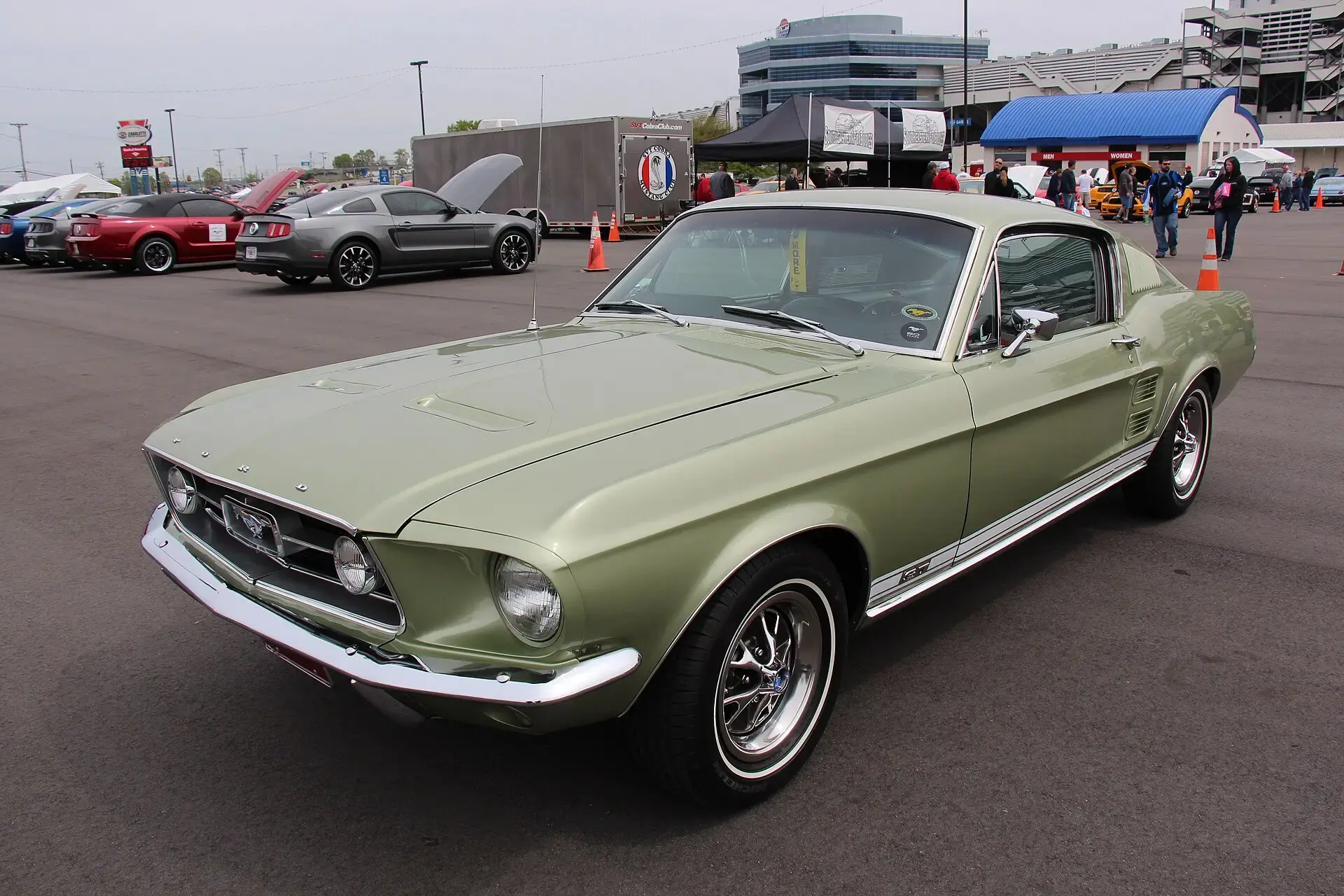
Top 5 American Muscle Cars Imported to Australia (2026)
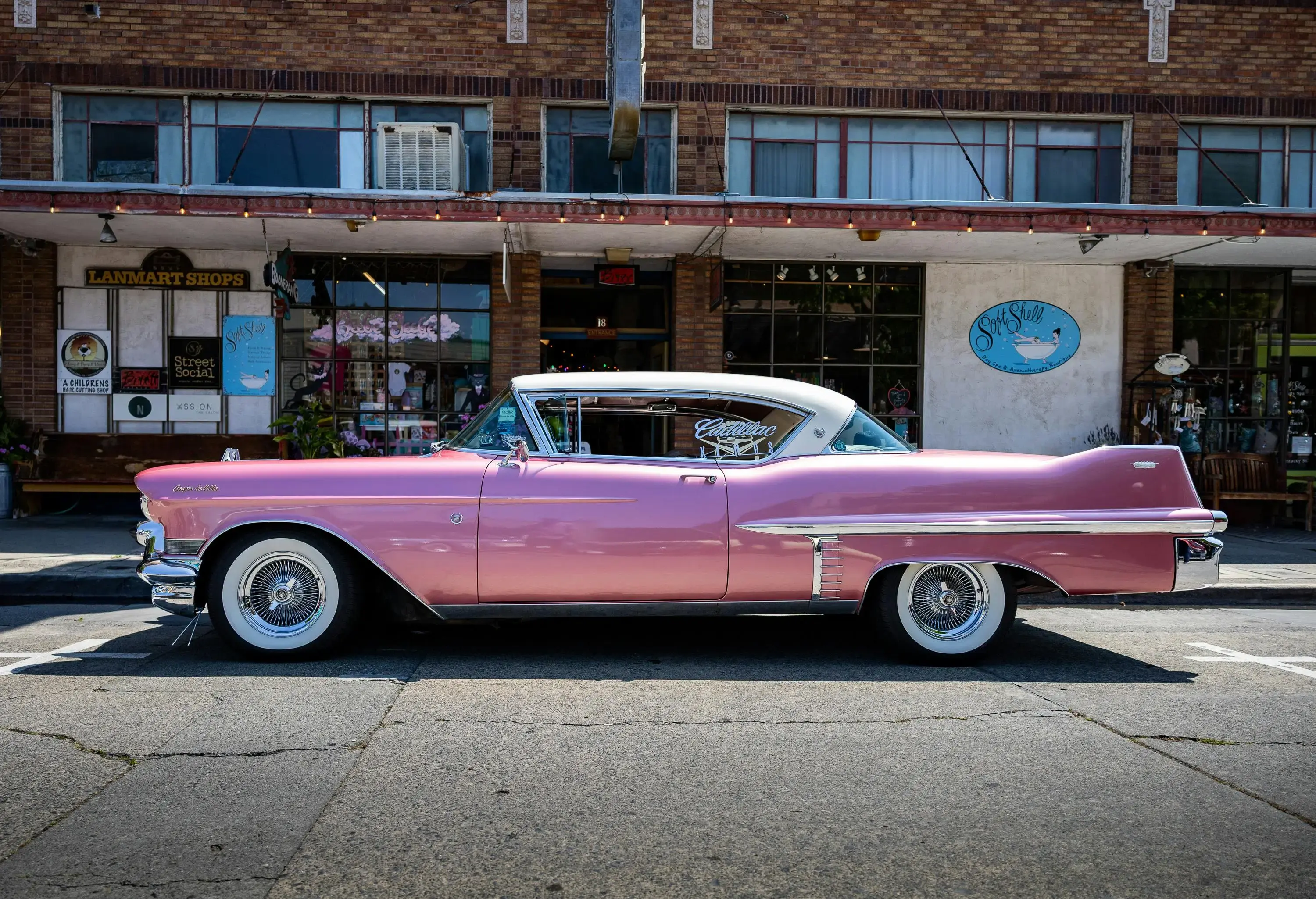
SEVs vs 25-Year Rule: Which Australia Import Pathway Fits?