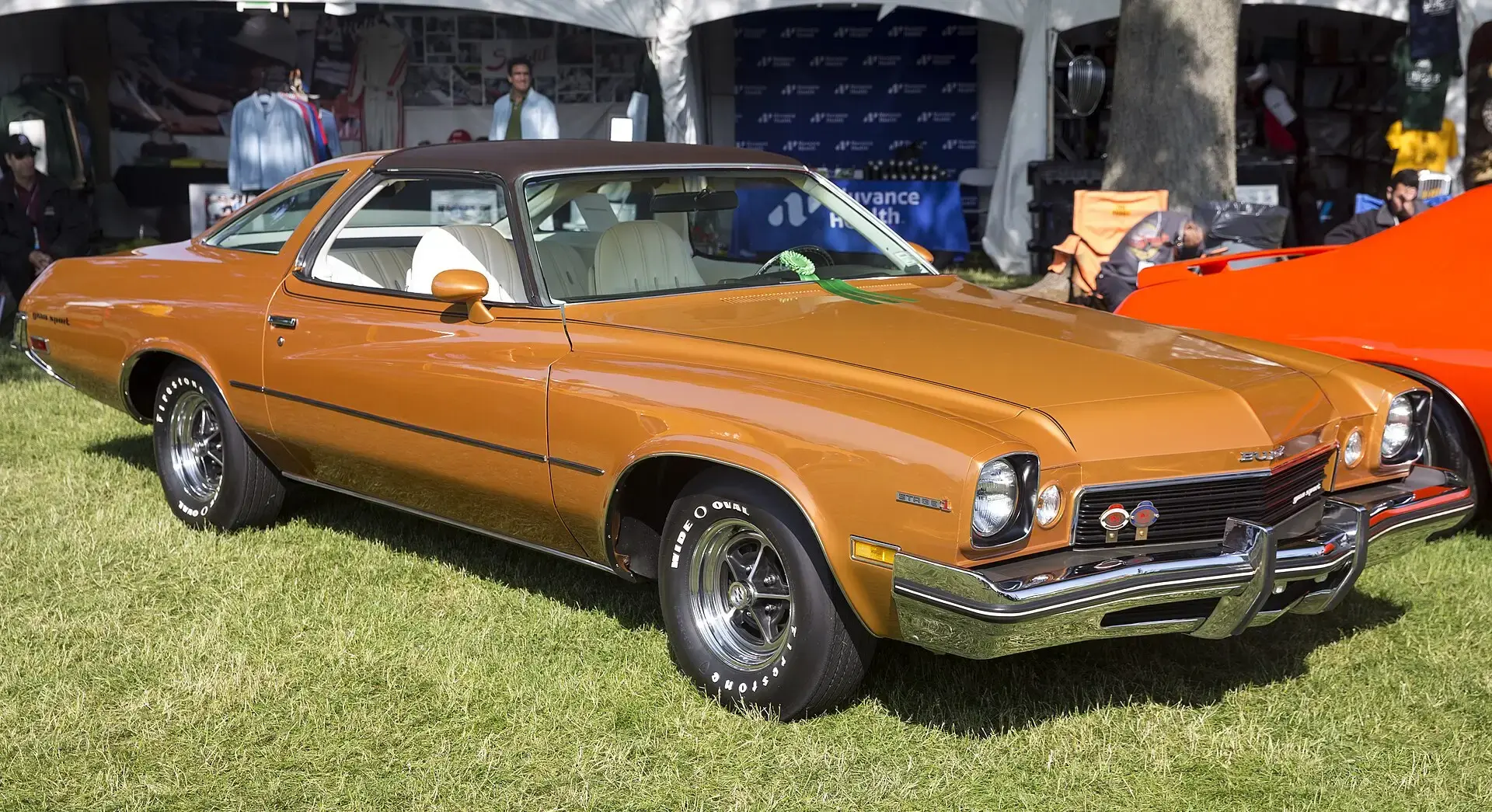

Buick’s Gran Sport story is one of the most interesting arcs in the classic muscle‑car era. What began in 1965 as a performance option on the Skylark quietly evolved into a full model line with its own engines, trims, and ultimately the wild GSX halo car. By 1972, the GS badge represented a distinct blend of luxury and performance that set Buick apart from its louder GM siblings.
For international collectors, understanding this evolution is essential when evaluating 1965–1972 GS and GSX cars for import or export. This article traces the Gran Sport’s journey from option package to performance icon and outlines key shipping considerations for moving these Buicks overseas with West Coast Shipping’s international car shipping services. For a full deep dive into the 1970 GSX and 455 Stage 1 engine, see the main guide on 1970 Buick GSX Stage 1, 455 torque monsters and Gran Sport’s peak evolution.
1965: Gran Sport Arrives as a Skylark Option
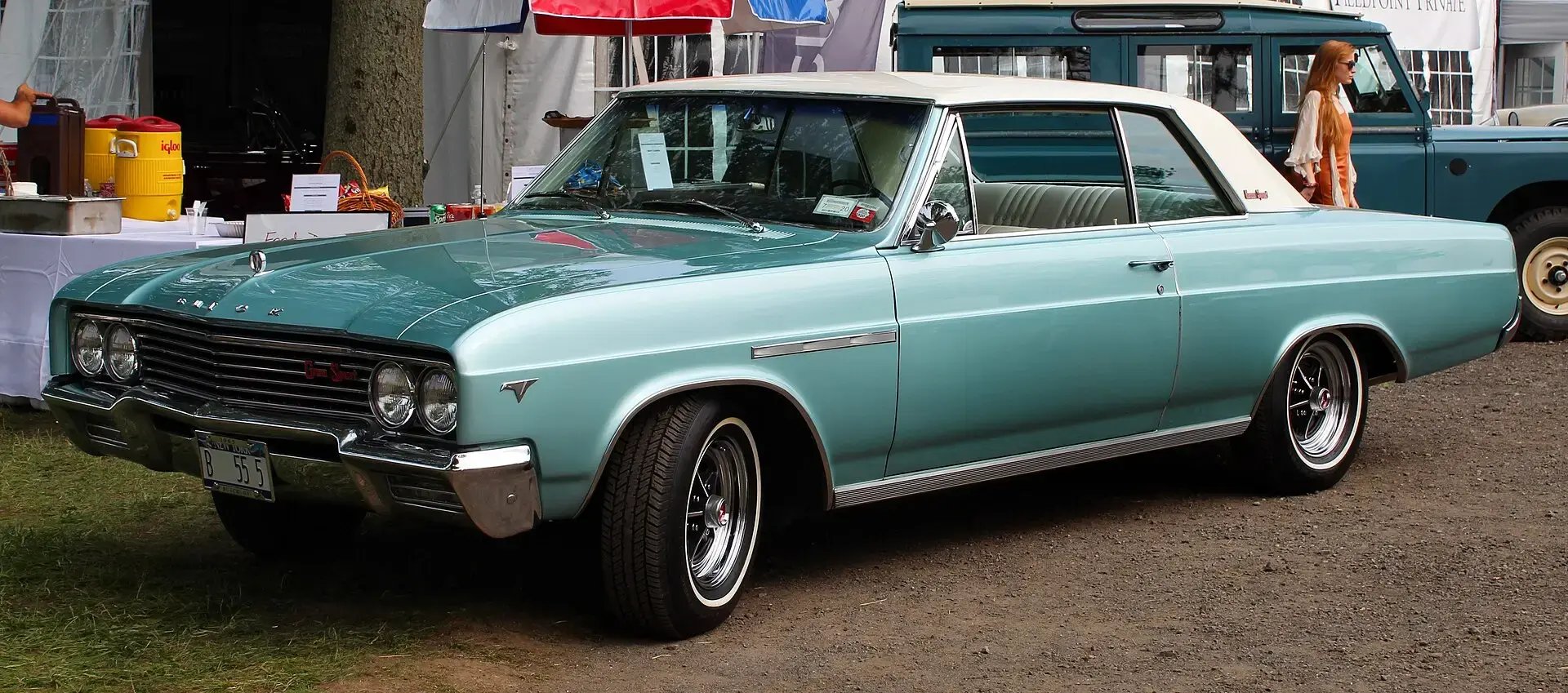
Buick’s Response to the GTO Formula
When Pontiac’s GTO proved that a mid‑size body with a big‑block V8 could attract younger buyers, Buick responded with the 1965 Skylark Gran Sport option. Rather than launching an entirely new model, Buick:
-
Offered a larger, more powerful V8 than the standard Skylark engines.
-
Added performance gear like dual exhaust, upgraded suspension, and suitable gearing.
-
Kept the Skylark’s relatively upscale interior and exterior trim.
The result was Buick’s first true entry into what would become known as luxury‑leaning muscle cars: strong performance, but with more comfort and refinement than many rivals. Enthusiast histories, including those summarized in external model guides, consistently describe the 1965 Skylark GS as Buick’s “muscle car that still felt like a Buick.”
Early Gran Sport Identity
As an option package, early Gran Sports were subtle:
-
Badging and minor trim changes identified them to those in the know.
-
Many buyers were older than the typical muscle‑car demographic, appreciating both power and comfort.
-
The cars did not dominate magazine covers, but they established a template Buick would build on for the next seven years.
For modern collectors, these first‑year cars represent the starting point of the GS story—important more for their historical role than for outright performance compared to later models.
1967–1969: GS Becomes Its Own Model
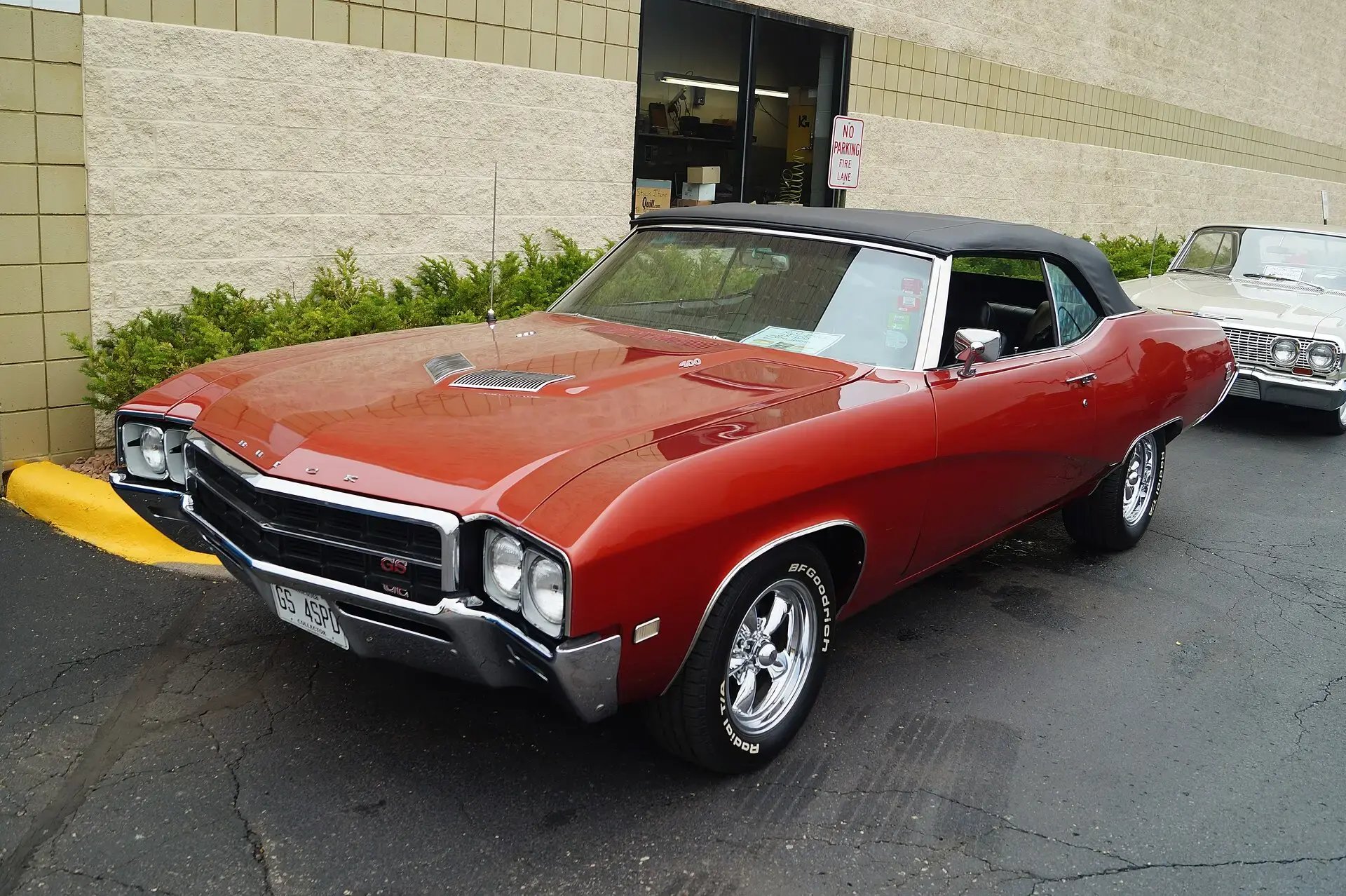
From Option to Standalone Model
By 1967, Buick elevated the Gran Sport into a distinct model line, using the GS nameplate on Skylark‑based cars:
-
Model names reflected engine displacement—GS 340 and GS 400 initially, followed by GS 350 and GS 400/455 as engines evolved.
-
Styling followed GM A‑body updates, but GS models gained unique emblems, hood treatments, and trim.
-
Buick continued to emphasize a more refined cabin and ride quality than many direct competitors.
This move mirrored trends across GM, where performance variants were increasingly treated as models rather than mere options. It also signaled that Buick saw real value in cultivating a performance sub‑brand.
Performance and Positioning in the Late ’60s
In the 1968–1969 period, GS models:
- Offered strong small‑block and big‑block V8s that kept pace with contemporaries like the Oldsmobile 442 and some GTOs.
- Maintained a reputation for straight‑line strength plus better‑than‑average comfort and noise control.
- Sold in smaller numbers than the most popular muscle cars, reinforcing their “insider’s choice” reputation.
West Coast Shipping’s coverage of luxury‑tilted American muscle often highlights Buick’s GS alongside cars like Pontiac’s Grand Prix—vehicles aimed at buyers who wanted performance wrapped in a more sophisticated shell.
1970–1972: GS 455, Stage 1, and the GSX Halo
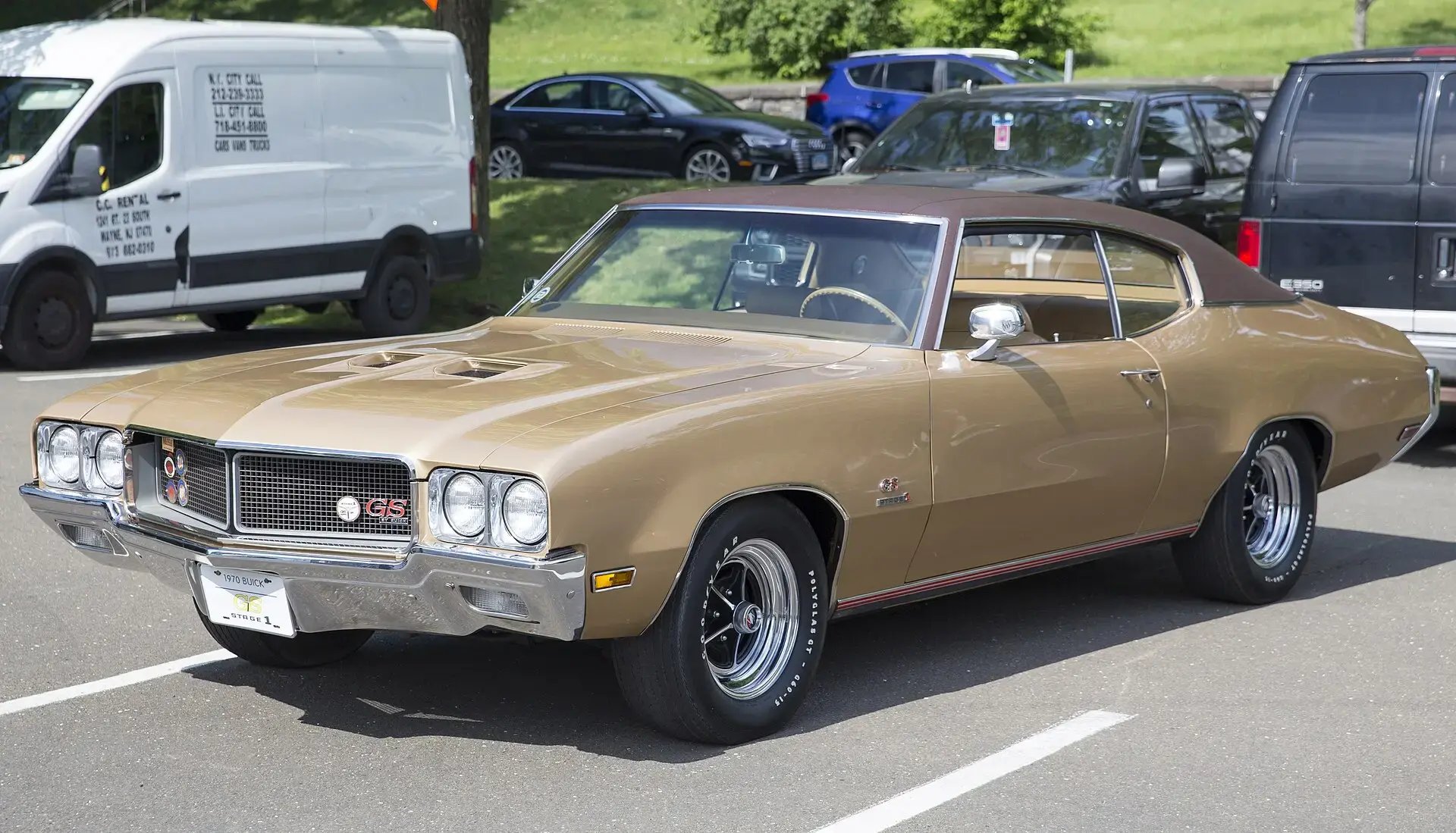
The Displacement Breakthrough
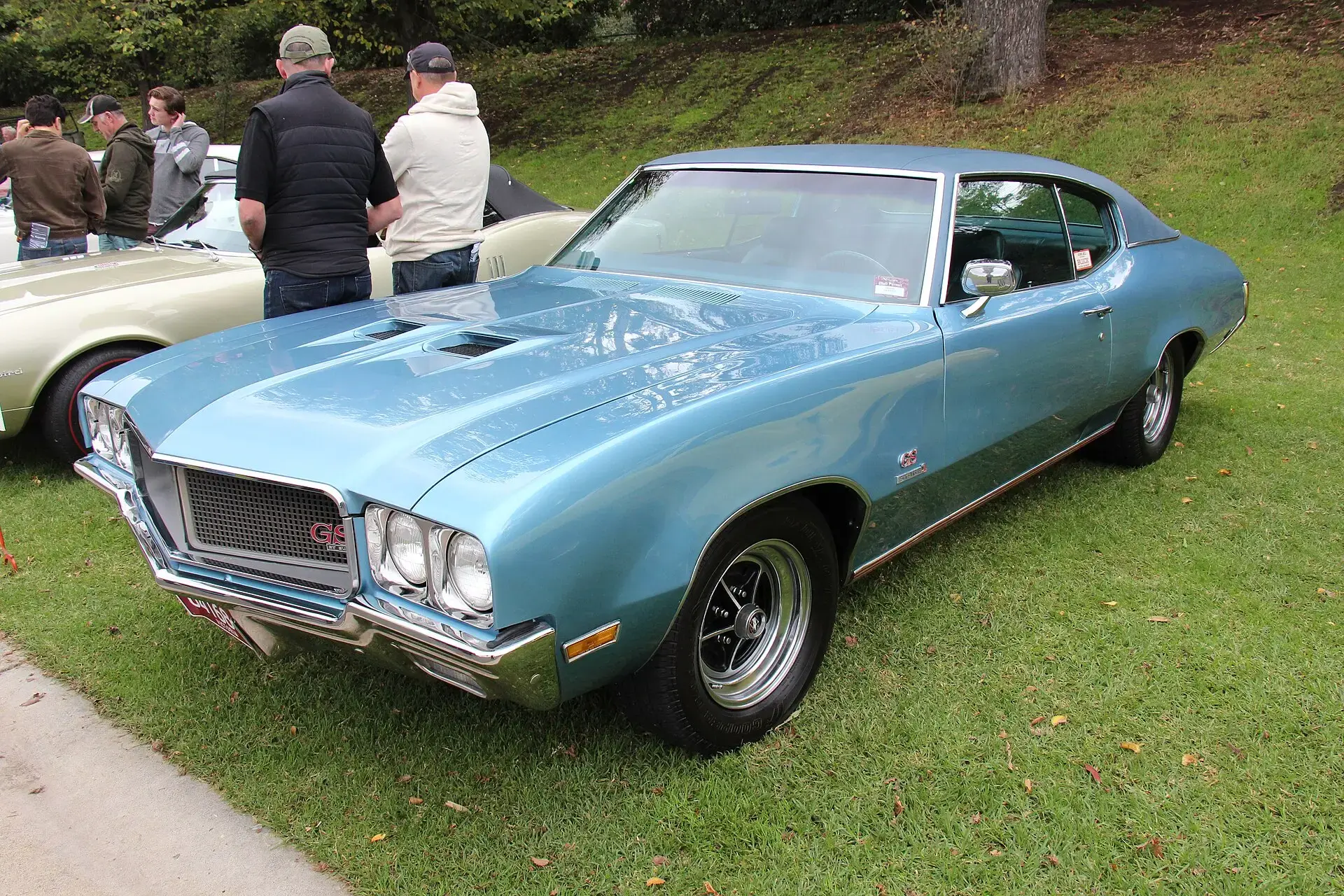
For 1970, GM lifted its internal cap on engine size in mid‑size cars. Buick seized the opportunity by introducing the GS 455, powered by a 455‑cubic‑inch V8 that dramatically increased torque and overall performance. Buyers could then add the Stage 1 package, which included:
-
Higher compression and revised cylinder heads for improved breathing.
-
A more aggressive camshaft and carburetor setup.
-
Tuning aimed at maximizing low‑ and mid‑range torque.
The Stage 1 option transformed the GS into a serious straight‑line performer. Period tests and modern recreations show Stage 1‑equipped GS models running quarter miles in the low‑13‑second range—easily competitive with the era’s best.
For an in‑depth technical look at the engine, the dedicated article on Buick 455 Stage 1 torque monsters explains how Buick prioritized real‑world torque over spec‑sheet horsepower.
GSX: Gran Sport Goes All-In
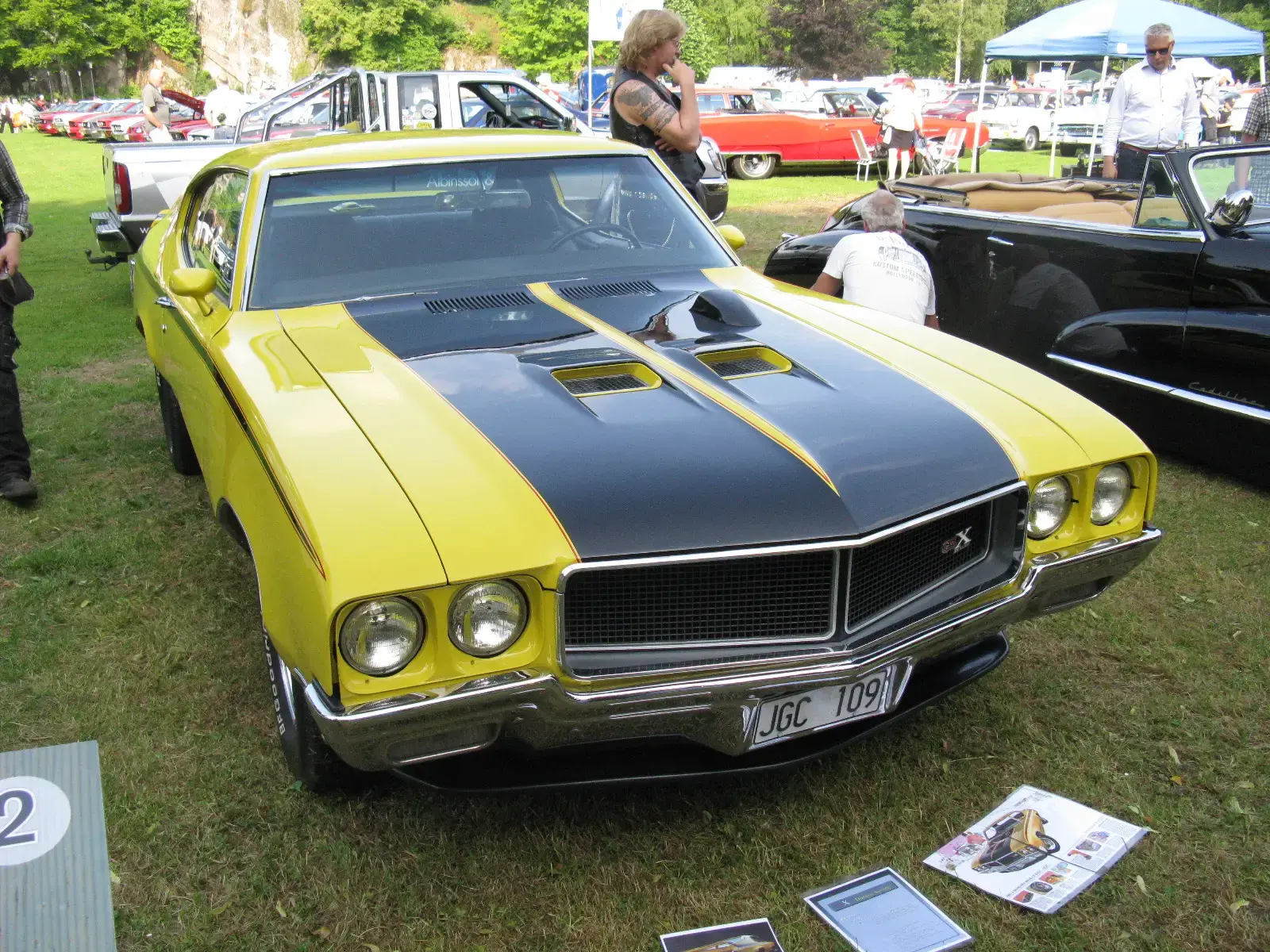
The 1970 GSX, available only on GS 455 models, was the Gran Sport line’s most extroverted expression:
-
Loud, high‑impact paint (Saturn Yellow or Apollo White) with stripes and unique graphics.
-
Front and rear spoilers, hood tach, and GSX badging.
-
Standard performance chassis upgrades, with the Stage 1 engine available as the ultimate drivetrain.
In effect, the GSX was a limited‑production halo car designed to draw showroom traffic to the entire GS range. Although built in small numbers, it anchored Buick’s performance image and remains the most recognizable Gran Sport variant today. WCS’s mini‑feature on the 1970 GSX Stage 1 as “the fastest muscle car nobody remembers” explores that paradox in more detail.
1971–1972: Compression Drops, Character Remains
After 1970, tightening emissions rules and the industry shift from gross to net horsepower ratings took their toll:
-
Compression ratios dropped, and published power numbers declined for both GS 350 and GS 455 models.
-
Despite lower ratings, the cars retained much of their torque‑rich character in street driving.
-
Styling updates and option reshuffling signaled that the classic muscle‑car era was winding down.
By 1972, the original GS/GSX performance peak had passed, but the model line had left a clear legacy: a seven‑year run that captured the rise and pivot of American performance within Buick’s more refined brand identity.
Why Gran Sport Evolution Matters to Today’s Collectors
Understanding the Hierarchy
From a collector’s perspective, the Gran Sport family includes several key tiers:
-
1965–1966 Skylark Gran Sport options – Important origin models, typically valued for historical significance.
-
1967–1969 GS 340/350/400 models – Standalone GS nameplates with increasing variety; often more affordable entry points into Buick muscle.
-
1970–1972 GS 350 and GS 455 – Peak‑era cars, with Stage 1 examples and GSX halo models commanding the highest interest and prices.
Knowing where a specific car fits in this hierarchy helps buyers judge whether an asking price, restoration level, and documentation package make sense. WCS’s article on the $25k–$75k muscle car sweet spot shows how mid‑tier GS models sometimes offer particularly good value relative to better‑known competitors.
Building a Cohesive Collection
Some collectors aim to represent the GS story across key milestones:
-
A 1965 Skylark Gran Sport to capture the origin.
-
A late‑’60s GS 400 or GS 350 as the “mature” mid‑size performance car.
-
A 1970 GS 455 Stage 1 or GSX to represent the ultimate expression.
-
A 1971–1972 GS as a coda to the first Gran Sport era.
This kind of curated set is especially compelling in markets where any Buick muscle is rare—something West Coast Shipping has seen repeatedly when consolidating multi‑car containers for clients in Europe and the Middle East.
Evaluating a Gran Sport for International Purchase
Documentation and Authenticity
Because the GS and GSX names cover many permutations, correct identification matters:
-
VIN and trim tags – Confirm model year, body style, plant, and basic configuration.
-
Engine and transmission codes – Determine whether a car left the factory with a particular small‑block, big‑block, or Stage 1 engine.
-
Build sheets and invoices – Validate whether a car was a true GSX, Stage 1, or special‑market variant rather than a later clone.
When sourcing cars remotely, especially from auctions or private sellers, many overseas buyers work with marque specialists or trusted U.S. appraisers to validate rare combinations before committing.
Condition, Modifications, and Goals
Gran Sports span everything from:
-
Preserved survivors with patina and original drivetrains.
-
High‑end restorations aimed at shows and concours events.
-
Driver‑grade or modified cars intended for regular road use.
Your intended use should dictate your tolerance for modifications:
-
If you want an investment‑grade piece, originality, rare options, and high‑quality restoration matter most.
-
If you want to enjoy the car on modern roads, discreet upgrades to brakes, cooling, or ignition may be acceptable or desirable.
WCS’s content on importing classic American muscle back to the U.S. highlights how expectations differ between purists, drivers, and investors on both sides of the Atlantic.
Shipping Gran Sport and GSX Models Overseas
Compliance and Import Rules
Before arranging export from the U.S.:
-
Confirm the car’s age‑based status – 1965–1972 GS and GSX models generally qualify as classics under many countries’ rules, but each jurisdiction has its own thresholds and benefits.
-
Check technical and emissions expectations – Even for classics, you may need to meet basic safety, lighting, or inspection requirements.
-
Engage a customs broker – A licensed broker in the destination country can advise on duties, taxes, and any classic‑vehicle provisions.
For a high‑level overview of how import taxes and duty‑free options vary by country, West Coast Shipping’s global car import taxes guide is a useful starting point to discuss with local advisors.
Choosing the Right Shipping Method
For GS and GSX models, especially Stage 1 and GSX variants, most buyers prefer container shipping:
-
Shared container
-
Reduces cost by combining multiple customers’ cars.
-
Suits buyers shipping one or two vehicles and comfortable with some flexibility on timing.
-
-
Dedicated container
-
Keeps one client’s vehicles and permitted parts together in a single 20‑ or 40‑foot box.
-
Ideal for multi‑car purchases or high‑value restorations that justify tailored loading layouts.
-
The international car shipping page explains how WCS:
-
Collects vehicles across the U.S. and brings them to private facilities in California, Florida, and New Jersey.
-
Loads and secures vehicles with custom blocking and bracing, including low‑clearance and non‑running classics.
-
Manages ocean bookings and coordinates with destination agents for customs clearance and port handling.
Typical ocean transit times range from about two to three weeks to many European ports and four to eight weeks to Asia‑Pacific, plus time for consolidation and customs.
Documentation and Pre-Loading Checks
To keep the process smooth:
-
Ensure title and bill of sale are in the correct names and match the VIN.
-
Provide clear photos of the car, VIN plate, and any obvious modifications.
-
Consider a pre‑loading condition report—especially for higher‑value GSXs or Stage 1 cars—so there is a documented baseline when the vehicle enters the export pipeline.
WCS’s international car shipping services checklist offers a step‑by‑step overview of how a well‑organized shipment should look from inquiry to delivery.
Important Disclaimer and Information Limits
This article is based on publicly available historical sources, enthusiast research, and general industry practices as of early 2026. Details for 1965–1972 Buicks—such as exact production numbers, engine specifications, and option availability—can vary between sources and may be updated as new documentation becomes available.
Before making any purchase, restoration, or export/import decision involving Buick Gran Sport or GSX models:
-
Always verify technical and historical information with factory literature, build documentation, marque registries, and recognized Buick specialists. Summary articles are not a substitute for vehicle‑specific research when originality or specification correctness materially affects value.
-
Always confirm current customs, tax, and registration requirements directly with licensed customs brokers, relevant government agencies, and local registration authorities in both origin and destination countries. Rules on duty, emissions, safety, and registration can change without notice and may be applied differently case by case.
-
Do not treat this article as investment advice. Classic‑car values, including GS and GSX prices, are volatile and influenced by economic conditions, tastes, and regulatory changes. Any references to “demand,” “rarity,” or “market trends” are descriptive only and do not guarantee future price behavior or resale outcomes.
-
Treat all regulatory and financial commentary as general context, not as legal, tax, or financial guidance. Only qualified professionals with up‑to‑date, local knowledge can advise you on your specific situation.
West Coast Shipping provides logistics services—vehicle collection, export handling, secure container loading, ocean transport, and coordination with your chosen customs and legal professionals. It does not provide legal, tax, or financial advice, nor does it interpret or apply laws on your behalf. You remain solely responsible for your own due diligence and professional consultation.
For a focused look at how the GSX and 455 Stage 1 represent the Gran Sport’s performance peak, see the main article on 1970 Buick GSX Stage 1, 455 torque monsters and Gran Sport’s peak evolution.
Use West Coast Shipping’s Calculator for Your Gran Sport Project
Use West Coast Shipping’s calculator to:
-
Estimate international shipping costs for GS and GSX models on your preferred routes.
-
Compare shared and dedicated container options based on budget, timeline, and vehicle mix.
-
Build a clear logistics plan you can share with your customs broker, restorer, and financial advisors as you assemble or relocate your Buick Gran Sport collection.
Get a Shipping Quote for Your Buick Gran Sport or GSX
Whether you are buying a 1965 Skylark Gran Sport, a late‑’60s GS 400, or a 1970 GSX Stage 1 halo car, getting the logistics right is as important as choosing the right example.

1970 Buick GSX Stage 1: Forgotten Factory Freak Muscle Car
Buick 455 Stage 1: The Torque Monster Buick Got Right