

The total cost of shipping a car from the UK to the USA is rarely what buyers expect when they first start looking at UK auctions. Freight, duty, destination charges, and delivery all stack on top of the purchase price in ways that are easy to underestimate if you are working from a single quote. This guide breaks down every cost component with real figures, real UK vehicle examples, and the current duty landscape so you can build an accurate landed cost before committing to a purchase.
For the full overview of the import process, documentation, and service options, the UK to USA car import service page covers that in detail. What follows is strictly the cost picture.
What Are the Main Cost Components When Shipping a Car from the UK?
Every UK car import to the USA involves four distinct cost layers. Understanding each one separately is what lets you build a reliable total before the car ships.
The four components are:
-
Ocean freight (Southampton to your US destination port)
-
US destination charges (port-side fees on arrival)
-
Import duty (based on the vehicle's customs value and UK origin)
-
Delivery from the US port to your final location
None of these figures are fixed, and they interact with each other in ways that can shift the total meaningfully depending on your vehicle, your route, and your destination state. The sections below cover each one with current estimates and worked examples.
Ocean Freight Costs: Southampton to US East Coast Ports
For most vehicles -- cars, motorcycles, and light personal vehicles -- container shipping is the standard and recommended method for a UK-to-US shipment. Your vehicle travels inside a sealed steel container for the entire crossing, shielded from salt air, weather, and port handling. There is no weather exposure at any point in the journey, which matters on an Atlantic crossing that can take two to three weeks.
Container Shipping from the UK
Container consolidation is the model used by West Coast Shipping and most specialist vehicle shippers. Your car is placed in a shared container with other carefully loaded vehicles, which provides full enclosed protection at a fraction of the cost of booking a dedicated container.
Shared container (consolidation) rates from Southampton to the US East Coast currently range from approximately $1,500 to $2,800, depending on vessel schedule, container availability, and destination port. A dedicated 20-foot container runs considerably higher and is typically reserved for vehicles requiring custom bracing or for buyers shipping multiple items alongside the car.
For classic cars, high-value vehicles, motorcycles, or any vehicle where paint and condition are a priority, container shipping is the appropriate choice. It is also simply the practical choice for the vast majority of personal vehicle shipments regardless of value.
Container rates vary by origin, destination, container type, and vessel availability. Contact WCS for a current quote specific to your vehicle.
RoRo Shipping from the UK
RoRo (Roll-on, Roll-off) is a freight method primarily used for oversized vehicles, heavy machinery, and commercial fleet shipments where the sheer size or weight of the cargo makes container loading impractical. With RoRo, the vehicle is driven or loaded onto the vessel and secured on an open deck for the crossing -- meaning it is exposed to sea air, weather, and port conditions throughout transit.
For standard passenger cars and motorcycles, container shipping is generally the better fit. RoRo may be worth discussing with your shipping coordinator if you are moving an oversized vehicle or piece of equipment that cannot be accommodated in a standard container.
The Port New York/New Jersey is the most commonly used East Coast arrival points for UK vehicle shipments. Florida is an option for buyers in the southeastern US.
RoRo freight rates vary by vessel schedule, vehicle dimensions, and market conditions. Contact WCS for a current quote specific to your vehicle.
Which Method Is Right for Your Vehicle?
Container shipping is the right choice for:
-
Standard passenger cars
-
Motorcycles
-
Classic, collector, or high-value vehicles
-
Any vehicle where paint condition and protection from the elements matter
-
Vehicles requiring custom bracing or fragile exterior components
RoRo is typically used for:
-
Oversized vehicles that cannot fit inside a standard shipping container
-
Heavy machinery and commercial equipment
-
Large commercial fleet shipments
For most UK imports -- whether a modern saloon, a 1990s Land Rover Defender, a Jaguar E-Type, or a motorcycle -- container shipping is the standard recommendation. The protection it provides over the Atlantic crossing is not a luxury for high-value vehicles; it is simply the right way to move a vehicle you care about.
US Destination Charges: What You Pay on Arrival
Destination charges are the port-side costs incurred once your vehicle arrives in the US. These are separate from the ocean freight invoice and are paid directly to the destination port agent. Buyers sometimes receive a shipping quote that covers freight only and are then surprised by the destination charges when the car arrives.
Typical destination charges at East Coast US ports:
-
Terminal handling and processing fees: approximately $200 to $400
-
Customs examination fee (if the shipment is selected for examination): $100 to $300 additional
-
Vehicle inspection at the port (if required): $50 to $150
-
Documentation handling: $50 to $150
These figures vary by port and by agent. Baltimore and NJ/NY are broadly similar in their destination charge structure. Jacksonville can vary depending on the volume of vehicle traffic at the time of arrival.
Delivery from the Port to Your Final Location
Once the car clears customs and is released from the port, it needs to get to you. Enclosed car transport from an East Coast port to a destination within the same state or nearby typically runs $200 to $600. Cross-country enclosed transport from an East Coast port to California or the Pacific Northwest runs significantly more -- typically $900 to $1,500 for enclosed, or less for open transport.
If you are within driving distance of the port and the car is running, self-collection is an option in most cases and eliminates this cost entirely.
Destination charges and domestic delivery costs vary by port, agent, and final destination. Contact WCS for a current breakdown specific to your route.
UK Car Import Duty in 2026: What You Actually Pay
Import duty on UK-origin passenger vehicles is calculated on the declared customs value of the vehicle -- the actual transaction price as assessed by US Customs and Border Protection. The rate depends on whether the vehicle qualifies for any exemptions.
The Current UK-Specific Tariff Rate
Under the US-UK Economic Prosperity Deal formalised in Executive Order 14309 (June 2025), UK-origin passenger vehicles benefit from a preferential 10% total tariff rate -- inclusive of the 2.5% MFN base duty and a reduced 7.5% Section 232 rate -- within an annual tariff-rate quota of 100,000 vehicles. This is confirmed in CBP quota bulletin QB 26-508 and administered quarterly via CBP quota bulletins.
For UK imports within the quota, the total duty exposure is 10% of the vehicle's customs value. This compares favourably to the 27.5% (2.5% base plus 25% Section 232) that applies to vehicles imported from countries without a preferential arrangement.
The 100,000 vehicle annual quota is administered quarterly -- confirm current quota availability with your customs broker before shipping, particularly for shipments planned in the second half of the calendar year.
The 25-Year Exemption: 2.5% Base Duty Only
Vehicles manufactured 25 years or more before the date of entry into the US qualify for exemption from the Section 232 component under HTS 9903.94.04. A qualifying vehicle pays only the 2.5% base MFN duty -- regardless of quota status and regardless of the UK-US trade arrangement.
As of 2026, vehicles manufactured in 2001 or earlier are eligible. This threshold advances each calendar year.
All tariff rates and quota arrangements are subject to change by executive action. Verify current rates with a licensed customs broker before purchasing.
Duty Calculation Examples Using Real UK Vehicles
Jaguar E-Type Series 2 (1968 to 1971 production): Fully 25-year exempt. No Section 232 exposure. A mid-grade Series 2 at UK auction typically sells for £60,000 to £100,000 (approximately $75,000 to $125,000 at current exchange rates). At 2.5% base duty, the duty bill runs to approximately $1,875 to $3,125. Substantial in absolute terms but modest relative to the vehicle's value.
Land Rover Defender 110 (1994 production, 25-year eligible): Fully 25-year exempt. At 2.5% base duty only. A solid 1994 Defender 110 in usable condition might purchase for £28,000 to £38,000 (approximately $35,000 to $48,000). Duty at 2.5% runs to approximately $875 to $1,200.
Aston Martin DB9 (2004 to 2006 production, sub-25-year): Not yet 25-year eligible for most examples, subject to the 10% preferential UK rate within quota. A DB9 in good condition might purchase at UK auction for £35,000 to £55,000 (approximately $44,000 to $69,000). At 10% total duty rate, the liability runs to approximately $4,400 to $6,900. Note that eligibility is assessed on the manufacture date rather than model year -- the DB9 had early deliveries carrying a 2003 manufacture date, which would make those specific examples eligible in 2028. Confirm the build date for any specific DB9 with your customs broker before purchasing.
Bentley Continental GT (2003 to 2006, sub-25-year): Similar sub-25-year position to the DB9. A first-generation Continental GT at UK auction might purchase for £20,000 to £35,000 (approximately $25,000 to $44,000). At 10%, duty runs to approximately $2,500 to $4,400. The Continental GT offers extraordinary value relative to its original price, and the duty cost is manageable relative to the purchase price for a buyer who has done the research.
Total Landed Cost: A Worked Example
The following example uses a 1996 Land Rover Defender 90 -- fully 25-year eligible -- shipped in a shared container from Southampton to Port of New York, with enclosed delivery to a buyer in New Jersey. The ocean freight figure is based on a current WCS rate for this route at the upper end of the shared container range, reflecting current vessel scheduling.
| Cost component | Estimated amount |
|---|---|
| UK purchase price (private sale or low-premium auction) | £22,000 (~$27,500) |
| UK auction buyer's premium (10-15% at major auction houses) | £2,200 to £3,300 (~$2,750 to $4,125) |
| Export preparation and documentation | £300 to £600 (~$375 to $750) |
| Ocean freight: Southampton to New York (typically 14 to 26 days depending on vessel and routing) | $2,750 |
| Trucking to US destination from port | $400 |
| Import duty (2.5% of $27,500 customs value) | $688 |
| Customs broker fee | $350 |
| Estimated total landed cost (private sale, no auction premium) | ~$32,063 |
| Estimated total landed cost (major auction, 10% buyer's premium) | ~$34,813 |
Note: if the vehicle requires transport to Southampton port from a UK seller's location, budget an additional $400 to $600 depending on distance and collection method. This is not included in the totals above.
For comparison, the same vehicle as a 2003 Defender (sub-25-year, subject to the 10% UK preferential duty rate) would pay approximately $2,750 in total duty on a $27,500 customs value -- compared to $688 for the 25-year-exempt example above. The incremental duty cost of the sub-25-year model is approximately $2,062.
All figures are illustrative estimates. Exchange rates, vehicle valuations, and freight rates change. The ocean freight figure reflects a current WCS rate for the Southampton to New York route and is subject to change. Transit times should be confirmed with WCS at the time of booking. Obtain current quotes before committing to a purchase.
Why West Coast Shipping for Your UK Import
Getting the cost picture right before the car ships is one thing. Making sure the car actually arrives in the condition you paid for is another. West Coast Shipping manages UK vehicle imports from start to finish -- US export documentation, container selection and loading, customs clearance coordination, and delivery from the port to your door.
Every shipment is handled in-house by a dedicated account manager with no third-party handoffs between Southampton and your driveway. For UK classics where paint condition, mileage authenticity, and careful handling matter, that single point of accountability is the most important thing a shipping company can offer.
WCS operates from warehouses in California, Florida, and New Jersey. For UK imports arriving on East Coast routes, the New Jersey facility is the primary receiving point, positioned to serve buyers from New England to the Mid-Atlantic efficiently. Container consolidation keeps freight costs substantially lower than a dedicated container load while providing the enclosed, protected environment that collector vehicles need for an Atlantic crossing.
For the full context on UK import costs, 1990s classic picks, and the 12-car rule for UK sellers, the UK car imports to the USA in 2026 guide covers all three topics in detail.
Ready to Calculate Your UK Import Costs?
Get an Instant Quote for Your UK Car Shipment
Use the WCS shipping calculator to see current rates for your specific vehicle, shipping route, and destination port.

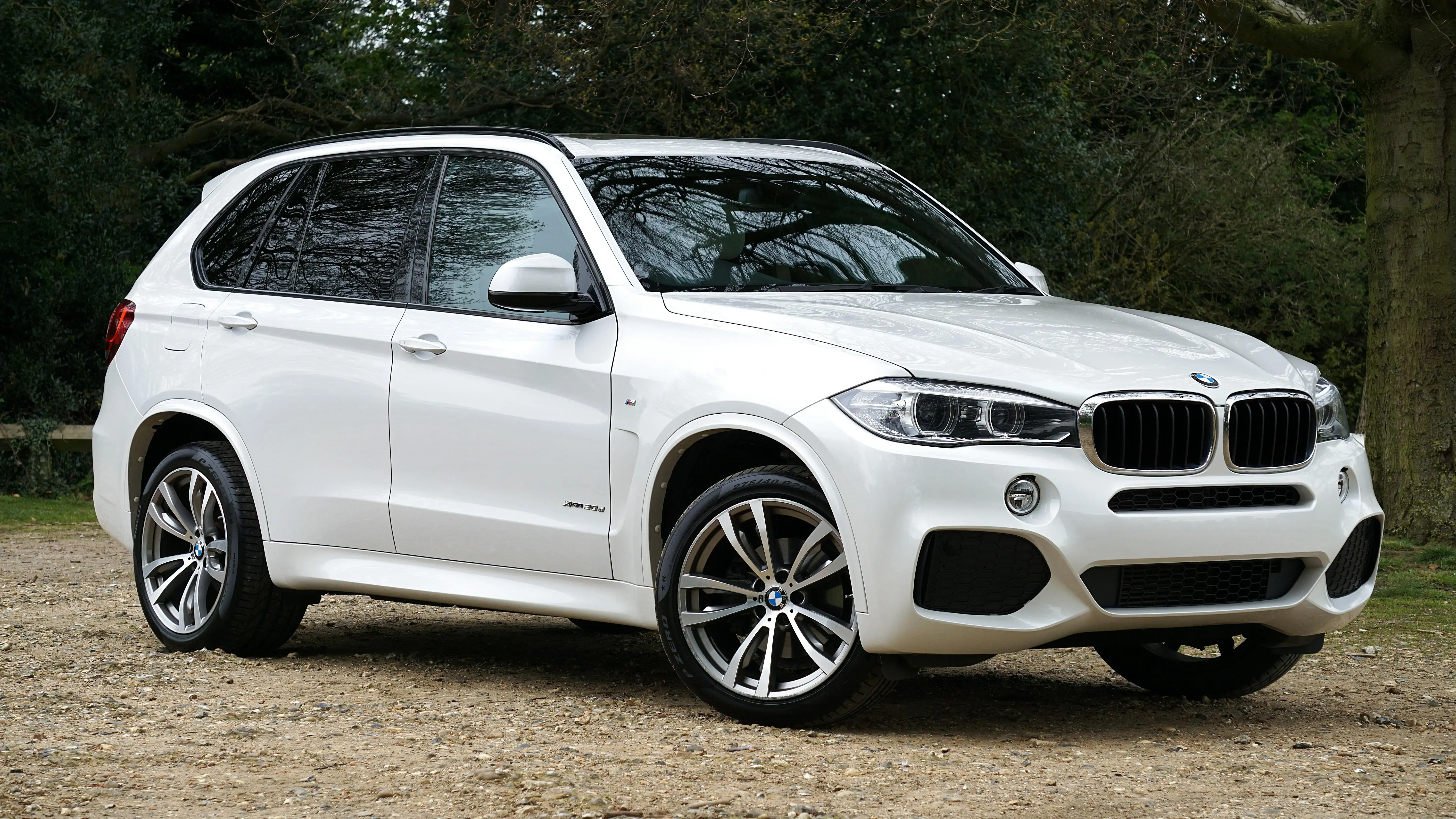
How Much Does It Cost To Import A Car From The UK To The US In 2026?
Top 10 cars imported to Ukraine from the US