

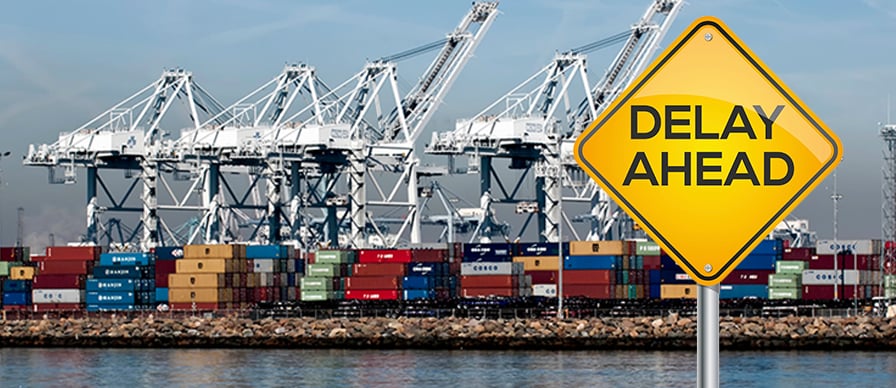
European port congestion has returned as a significant disruptor to international car shipping in December 2025, with the continent's three largest automotive gateways—Rotterdam, Hamburg, and Antwerp—experiencing vessel delays, terminal capacity constraints, and inland transport bottlenecks. These disruptions are extending transit times and raising costs for vehicle imports to the United States. For collectors importing classic European cars, dealers sourcing inventory, and private buyers bringing vehicles across the Atlantic, understanding these disruptions and how to navigate them has become essential to planning successful shipments.
The current congestion is not a sudden crisis but rather the culmination of multiple factors that built through late 2025. Labor actions disrupted operations in the fall, ongoing Rhine River water-level issues are constraining inland barge capacity, and the operational strain of shipping alliance transitions is creating residual backlogs. Unlike the brief port congestion spikes of previous years, these issues have proven persistent, with delays at major Northern European hubs remaining materially above normal baselines even as other global ports have stabilized.
What's Causing the December 2025 European Port Congestion
The current wave of European port disruptions stems from a convergence of operational, labor, and infrastructure challenges that have compounded throughout late 2025.
Labor Actions and Strike Aftermath
Northern European ports experienced significant labor disruptions earlier in 2025, with recent strikes in Belgium adding fresh complications in November. While the most acute strike periods have ended, their effects continue to ripple through the system in December. Terminal productivity remains below optimal levels as facilities work through accumulated container backlogs. The threat of renewed labor action creates scheduling uncertainty, preventing the full recovery of berth schedules and extending the time it takes to process vehicles for export.
Inland Transport Bottlenecks
The Rhine River and connecting inland waterways, which normally provide efficient distribution from Rotterdam and Antwerp deep into European manufacturing centers, have experienced recurring low-water episodes throughout 2025. These conditions force barges to operate at reduced capacity, creating bottlenecks that prevent containers from reaching port terminals promptly. When inland transport slows, cargo accumulates at consolidation warehouses, delaying the movement of vehicles to the port for loading.
Alliance Transitions and Schedule Reliability
The major shipping line alliances underwent significant restructuring in 2025, creating operational friction as services were redesigned and vessel rotations changed. These transitions, combined with ongoing diversions around the Suez Canal that continue to absorb global vessel capacity, have made European port calls less reliable. This has led to "blank sailings" (cancelled voyages) and schedule slides that make it difficult to predict exact departure dates for US-bound vehicle shipments.
The Three Most Affected Ports for Vehicle Shipping
While congestion affects ports throughout Northern Europe, three critical automotive gateways are experiencing the most significant delays for car shipping to the United States.
Rotterdam: Europe's Largest Port Faces Persistent Strain
Rotterdam processes more containerized vehicles than any other European port, making its ongoing congestion particularly impactful for US importers. As of December 2025, the port continues to experience vessel waiting times and yard congestion that exceed historical averages. The port's deep integration with Rhine River barge networks means that when barge capacity tightens, containers destined for the port face delays in arrival, causing shipments to miss their intended vessel cut-offs.
Hamburg: Northern Germany's Gateway Battles Multiple Challenges
Hamburg, Germany's largest port and a crucial hub for automotive logistics, has experienced some of the longest vessel wait times in Europe during late 2025. Labor shortages and increased cargo volumes diverted from other congested ports have stretched Hamburg's operational capacity. For American buyers importing German vehicles—from classic Mercedes-Benz models to modern Porsches—these delays can add a week or more to expected shipping timelines as containers sit in the yard awaiting vessel space.
Antwerp: Belgium's Hub Works Through Strike Aftermath
Antwerp-Bruges, a massive hub for both RoRo and containerized vehicles, faced what officials described as severe congestion following national strikes in November 2025. Container dwell times—the time a box sits at the terminal—have remained elevated in December. The port's role as a critical transshipment hub means that disruptions here cascade throughout the Northern European network, often causing vehicles consolidated in Antwerp to wait longer than anticipated for their ocean vessel.
How European Port Congestion Affects Car Imports to the United States
The operational challenges at European ports translate into concrete impacts for anyone shipping vehicles across the Atlantic.
Extended Transit Times and Schedule Uncertainty
The most immediate effect of European port congestion is longer overall shipping timelines. A vehicle that might normally take 18-22 days for door-to-door delivery from Europe to the US East Coast can now extend to 30-40 days. These extensions come at multiple stages: delays in getting the vehicle to the consolidation facility, longer waits for available container space, and potential missed vessel departures. Schedule reliability has deteriorated, making it difficult to guarantee specific arrival dates for time-sensitive deliveries.
Increased Costs Throughout the Shipping Chain
Port congestion drives costs up at multiple points. Terminal handling charges may increase when facilities operate under strain, and storage fees accumulate when vehicles spend extra days in European facilities awaiting consolidation. Additionally, inland transport costs from European pickup locations to ports have risen as barge capacity tightens and road transport prices surge to absorb the overflow.
Impact on Classic Car Imports
Collectors importing classic European vehicles under the 25-year rule for US car imports face particular vulnerability. Classic cars often represent significant financial investments, and extended transit times increase exposure to potential risks. Furthermore, imports timed for specific auctions or car shows in early 2026 may be jeopardized if sufficient buffer time is not built into the shipping schedule.
Container vs RoRo: Which Method Handles Congestion Better?
European port congestion affects different shipping methods in distinct ways, making the choice between container and RoRo shipping even more consequential in late 2025.
Container Shipping Advantages During Disruptions
Container shipping generally handles port congestion more gracefully than RoRo. Container terminals, while congested, maintain more flexible scheduling and allow vehicles to be held in secure bonded warehouses away from the immediate port chaos. This means that even when port terminals are backed up, vehicles destined for containerization can be kept safe until a confirmed booking is available, avoiding daily storage charges at premium port facilities. Furthermore, containers offer routing flexibility; if Rotterdam is gridlocked, a container can often be rerouted to a different port of loading more easily than a RoRo booking.
RoRo Limitations in Congested Environments
RoRo (Roll-on/Roll-off) shipping requires specialized terminal infrastructure. When these facilities face capacity constraints or labor shortages, RoRo operations can face severe delays. Vehicles waiting for RoRo vessels must often sit in open port storage areas, exposed to the elements for longer periods during congestion. For high-value or classic cars, the protection and flexibility of container shipping make it the superior choice during the current disruption.
Strategic Responses: What Car Importers Should Do Now
European port congestion in late 2025 requires importers to adjust their planning and shipping strategies to ensure smooth delivery.
Build Longer Lead Times into Plans
The most fundamental adjustment is timeline expectation. Importers should plan for 5-7 weeks door-to-door for Europe-to-US shipments—meaningfully longer than the standard timeline. If you are purchasing a vehicle for a specific event or need it by a certain date in 2026, start the shipping process 2-3 weeks earlier than you normally would.
Consider Alternative European Departure Strategies
While Rotterdam, Hamburg, and Antwerp handle the majority of traffic, alternative routes may offer advantages. For shipments originating in Southern Europe, routing through Mediterranean ports like Genoa or Valencia can sometimes bypass the Northern European bottleneck. West Coast Shipping's guide to importing European cars explores these routing alternatives in depth.
Leverage Professional Shipping Services
During periods of disruption, established relationships become decisive advantages. Shipping providers with long-standing European partnerships can often secure consolidation space and container bookings that might not be available to occasional shippers. Professional handling of European export documentation is also critical; any paperwork errors during a congestion crisis can result in weeks of additional delay.
How West Coast Shipping Navigates European Port Disruptions
At West Coast Shipping, managing European port congestion for clients is part of our core expertise. We have implemented specific strategies to mitigate the impact of December 2025's delays.
Established European Consolidation Network
Our long-term partnerships with consolidation facilities throughout Europe provide capacity access even when ports are congested. Rather than relying on a single entry point, we maintain relationships across multiple European countries. This allows us to hold vehicles in secure, professional facilities while awaiting consolidation, protecting your investment from port storage fees and exposure.
Multi-Port Flexibility and Routing Intelligence
We continuously monitor operational conditions at European ports. If Rotterdam experiences severe delays, we have the capability to route shipments through alternative gateways without requiring clients to coordinate multiple providers. Our team analyzes vessel schedules daily to find the most reliable departure options for your vehicle.
Transparent Communication Through Disruptions
When delays occur—whether from port congestion, vessel schedule changes, or inland transport bottlenecks—we provide proactive updates. Real-time tracking visibility means you know where your vehicle is throughout the journey, allowing you to plan accordingly, whether that means adjusting travel plans or rescheduling vehicle delivery.
Outlook for European Port Operations in 2026
Understanding the future trajectory of these disruptions helps importers make informed decisions for the coming months.
Expert Forecasts for Q1 2026
Industry analysts expect European port conditions to improve gradually through the first quarter of 2026, but not to return fully to pre-disruption levels immediately. As the holiday peak season volume subsides in January, terminal density should decrease, allowing ports to clear backlogs.
Structural Issues That May Persist
However, structural challenges will likely persist into 2026. The vulnerability of inland waterways to weather conditions and the ongoing adjustments of shipping alliances suggest that volatility will remain a feature of the transatlantic trade lane. Planning for buffer time and utilizing flexible shipping methods will remain prudent strategies for the foreseeable future.
Navigate European Port Delays with Confidence
The congestion affecting Rotterdam, Hamburg, and Antwerp in December 2025 presents real challenges, but they are manageable with the right partner and strategy. By choosing containerized shipping for better protection, planning for extended timelines, and leveraging flexible routing options, you can successfully import vehicles despite the current bottlenecks.
West Coast Shipping's experienced team is ready to help you navigate these complexities, ensuring your vehicle arrives safely and as efficiently as possible.
Start Your Shipment Today
To see how these changes affect your specific shipment or to get a lane-by-lane cost breakdown, Request an instant quote using West Coast Shipping’s international car shipping calculator. You can also contact our team directly to discuss the best routing strategy for your vehicle in the current market.


Container Vs RoRo: Best Way To Ship Vehicles To Thailand
Running Aground in Deep Water - Ships Stuck in Muck in LA Port