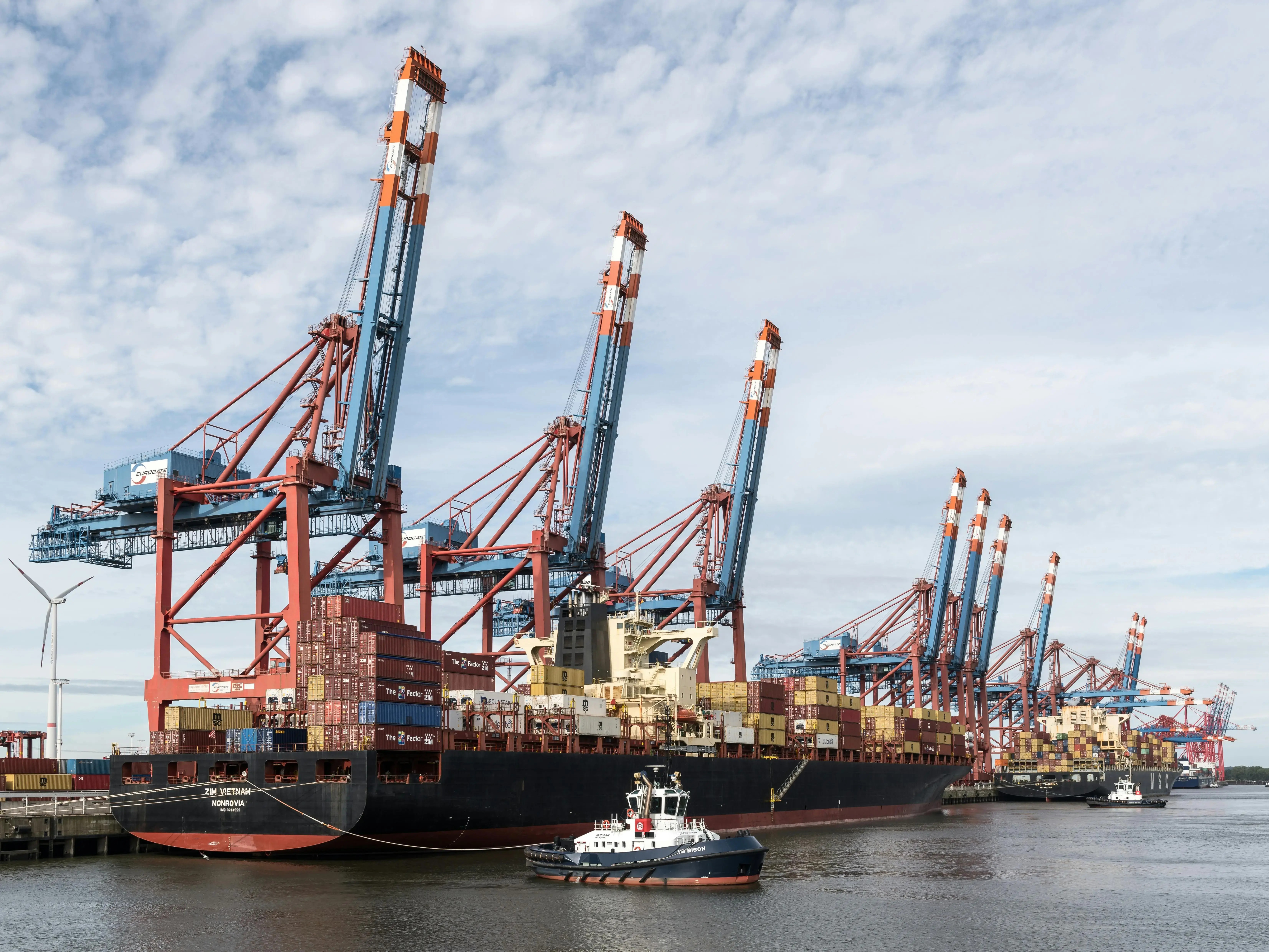

The EPA compliance challenge for a European diesel is not a larger version of the gasoline compliance problem. It is a fundamentally different problem, and most buyers do not discover how different until they are already committed to a purchase. This guide explains exactly where the regulatory wall sits, which vehicles run into it, and where the one real opening is -- the 25-year exemption that makes classic diesel imports viable when modern ones are not.
For the broader compliance picture on importing any European car to the US, the full European car import compliance checklist covers the general framework. What follows is diesel-specific.
Why Euro 6 and US EPA Standards Are Not Interchangeable
This is the foundational misunderstanding that sends buyers into a wall. A European diesel certified to Euro 6 -- the current European standard -- has been tested and approved by European regulatory authorities. That certification has no standing with the US EPA.
These are parallel regulatory systems. They measure similar pollutants. They do not share a testing protocol, a certification process, or a legal basis that transfers across jurisdictions. A manufacturer certificate showing Euro 6 compliance is not evidence of US compliance from the EPA's perspective. It is evidence of compliance with a different standard in a different regulatory system.
What Euro 6 Actually Measures
Euro 6 sets limits on nitrogen oxides (NOx), particulate matter (PM), carbon monoxide (CO), and hydrocarbons. For diesel vehicles specifically, the NOx limit under Euro 6 is 80 mg/km on the WLTP test cycle.
What the EPA Measures and How It Differs
The EPA's Tier 3 standards for diesel vehicles use different test cycles and, critically, require independent certification rather than manufacturer self-certification on European-style type approval grounds. The actual NOx limits for diesel are broadly comparable between Euro 6 and EPA Tier 3, but the testing methodology -- specifically the real-world driving emissions testing that became mandatory in Europe after Dieselgate -- uses different procedures and different weighting than the EPA's FTP-75 and US06 test cycles.
The result is that a European diesel that passes Euro 6 on European test cycles cannot be assumed to pass equivalent EPA testing, and in most cases has never been submitted for EPA certification at all. Manufacturers who sell diesel vehicles in the US get EPA certification for those models. A European diesel sold only in Europe has no EPA certification on file and would need to be independently tested and certified to obtain one.
The Practical Cost of Independent EPA Certification
Independent EPA certification for a single vehicle -- the process a private importer would need to use for a modern European diesel -- is not a form you fill out. It requires emissions testing at an EPA-accredited laboratory, documentation of compliance with all applicable standards, and potentially hardware modifications to bring the vehicle into compliance. Independent EPA certification for a single vehicle -- based on industry estimates for laboratory testing and compliance work -- typically runs from $50,000 to over $100,000 depending on the vehicle and its distance from compliance. Confirm current costs with an EPA-accredited compliance specialist before making any import decisions based on this estimate.
For an individual buyer importing one car, that cost is prohibitive at almost any vehicle value. A $40,000 modern European diesel with a $75,000 compliance bill is not a viable import. This is why virtually no modern European diesel vehicles are imported into the US by private buyers.
How Dieselgate Permanently Changed EPA Scrutiny of Diesel Imports
Before September 2015, the informal treatment of European diesel imports existed in a somewhat permissive environment. The diesel category was small, the vehicles were predominantly older models, and EPA scrutiny of the certification claims made by smaller diesel importers was relatively light.
The Volkswagen emissions scandal changed that permanently.
What Dieselgate Actually Revealed
In 2015, the EPA and CARB discovered that Volkswagen had installed defeat device software in approximately 500,000 diesel vehicles sold in the US under the TDI brand. The software detected when the vehicle was undergoing emissions testing and activated full emission controls. Under normal driving conditions, those controls were partially or fully deactivated, and real-world NOx emissions ran at up to 40 times the certified level in the most affected models -- with the actual multiple varying across different engine variants and driving conditions.
The technical sophistication of the deception -- the software activation logic, the sensor detection, the integration across multiple model lines and model years -- indicated an organised and deliberate approach rather than an accidental calibration error. The scale of the fraud, combined with Volkswagen's initial denials, produced a response that permanently altered regulatory attitudes toward diesel certification claims.
The EPA's Post-Dieselgate Posture
Following the VW settlement, the EPA implemented more rigorous documentation requirements for any diesel import and became significantly more skeptical of manufacturer emissions compliance claims for diesel vehicles. Independent real-world emissions testing became a more prominent feature of the certification process.
For private importers attempting to bring modern European diesel vehicles to the US, the post-Dieselgate environment means that any compliance pathway requires more evidence, more testing, and more regulatory engagement than it did before 2015. The combination of high independent certification costs and elevated EPA scrutiny closes the door on modern diesel imports for all practical purposes.
This is not directed specifically at Volkswagen -- the VW settlement is resolved and current Volkswagen diesel products have been remediated or withdrawn from the US market. The post-Dieselgate scrutiny applies to the category broadly.
The 25-Year Exemption: The Only Practical Pathway for European Diesel Imports
This is where the picture reverses for buyers who know where to look.
The 25-year rule -- the same exemption that makes 1970s classic cars generally attractive for US import -- applies equally to diesel vehicles. A vehicle manufactured at least 25 years before the date of US entry is exempt from both NHTSA Federal Motor Vehicle Safety Standards and EPA emissions requirements. These vehicles were manufactured before the current regulatory frameworks existed, and the exemption acknowledges that compliance retrofitting is not required.
For diesel buyers, this creates a meaningful import window that does not exist for modern diesels. The only question is which specific classic diesel vehicles make the import case.
Mercedes W123 300D (1976 to 1985)
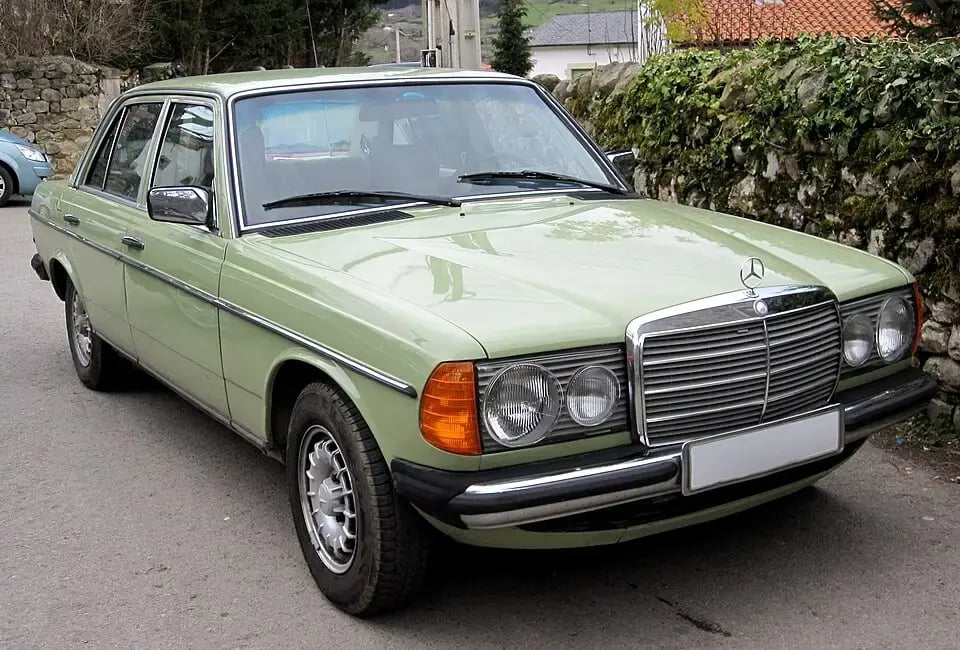
The W123 300D is the most practically significant target for US buyers interested in a classic European diesel import. It is the diesel variant of Mercedes' mid-size W123 platform, powered by a 3.0-litre naturally aspirated prechamber diesel engine (the OM617 five-cylinder). The 300D was sold in the US market through 1985, which means US buyers have some domestic familiarity with the platform -- but European-market examples are typically better preserved than US examples, and dry-climate German or Swiss examples can arrive in exceptional original condition.
The OM617 engine has a documented reputation for longevity that goes beyond collector mythology. Examples with documented 400,000-kilometre service histories are common. The diesel is not fast -- 0-60 in approximately 20 seconds for the naturally aspirated version -- but for a buyer interested in a usable, durable classic diesel with genuine character, there is no more practical choice in the 1970s classic car category.
European auction prices for clean W123 300D examples in original condition currently run from approximately £6,000 to £15,000 in the UK, with pristine low-kilometre examples from private estates sometimes reaching higher. The 300TD estate variant commands a premium. At these prices, the import cost from Europe is rational, and the resulting landed cost compares favourably to the price of comparable US-market examples.
UK auction prices and shipping rates are subject to change. Use the car import calculator to estimate landed costs for your specific vehicle.
Peugeot 504 Diesel (produced in diesel form from the early 1970s through 1983)
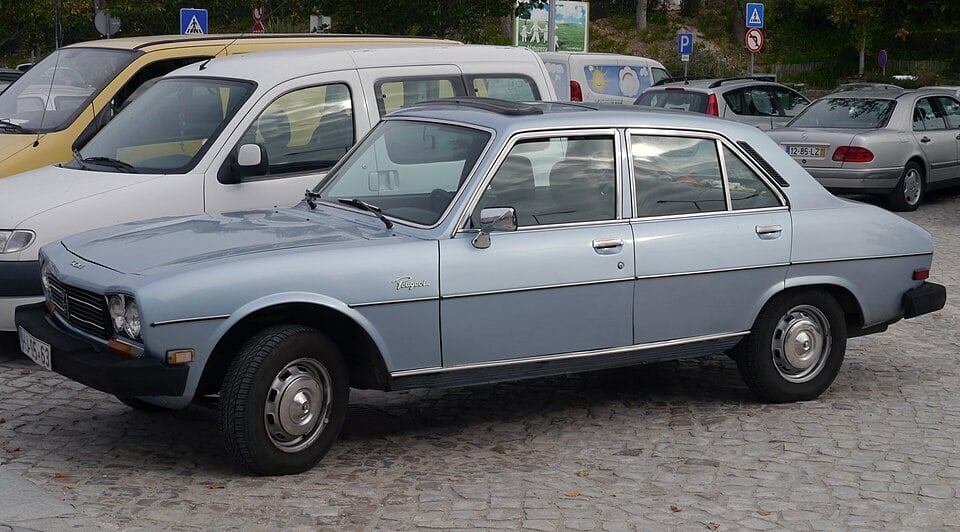
The Peugeot 504 diesel is the more obscure choice but shares many of the W123 300D's characteristics: a naturally aspirated prechamber diesel, genuine mechanical simplicity, and a longevity profile that continues to attract classic car buyers who value durability over performance.
French production quality of the period was variable, and the 504 requires the same pre-purchase due diligence as any European classic: rust inspection (the French climate is less forgiving than central Germany's), engine history verification, and confirmation that the vehicle's documentation matches its claimed mileage. But a well-preserved 504 diesel -- particularly from a southern French or Spanish-market example -- is a genuinely interesting import car from Europe.
The 504's collector market in the US has been growing quietly as 1970s European cars have attracted more attention, and pricing has not caught up to what the vehicle offers. For a buyer willing to source carefully and accept the parts sourcing realities of a French classic in the US, the 504 diesel offers character and rarity at prices that remain accessible.
Golf TDI (Pre-1996 Examples)
The original Golf TDI -- launched in 1989 in Europe and produced through the 1990s in progressively refined specifications -- is now beginning to enter the 25-year eligibility window for earlier examples. The first-generation TDI (using the 1Y and AAZ engines) predates the Dieselgate-era VW systems entirely and represents the VW diesel platform before electronic emissions management became the dominant engineering challenge.
Pre-1996 Golf TDI examples qualify for the 25-year EPA exemption and are import-legal. The 1Y and AAZ TDI engines are mechanically straightforward by modern standards and the Mk2 Golf TDI in particular has a following among buyers interested in practical, usable classic imports rather than purely show pieces.
BMW 530d and E46 330d (Approaching Eligibility)
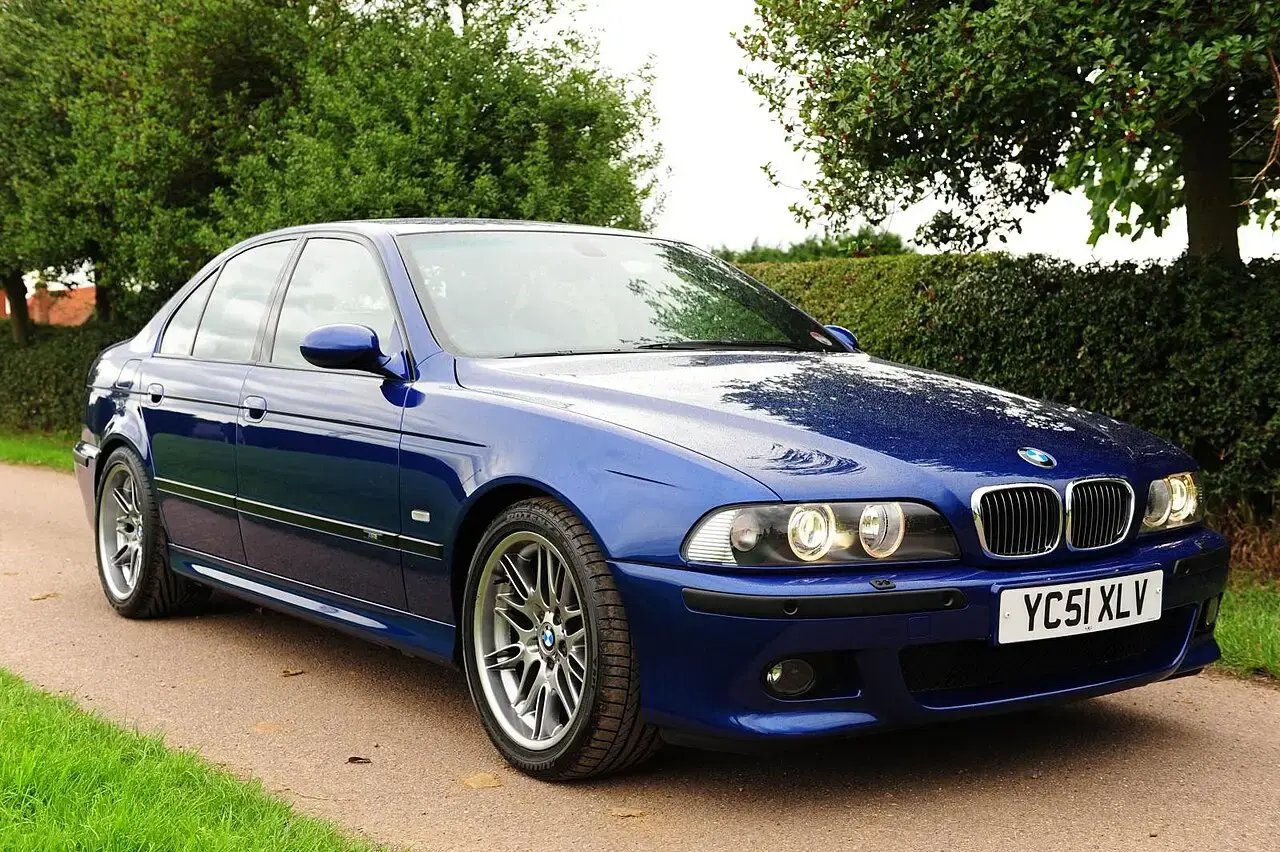
The BMW E39 530d (1998 to 2003) and E46 330d (1999 to 2005) are approaching or entering the 25-year eligibility window for earlier examples. The M57 diesel engine in these models has a strong reputation in European markets, and US buyers who have driven these cars in Europe often express interest in bringing one home.
For buyers with flexible timing, the eligibility window for 1998 to 2001 E39 examples has recently opened or is opening shortly. For the E46 330d, 1999 examples became eligible in 2024. For later examples in both series, the relevant year for eligibility purposes is the manufacture date on the vehicle's documentation, not the model year.
California CARB and the State-Level Complication
Federal EPA compliance and state registration are separate regulatory systems, and California's CARB requirements create an additional layer even for federally-exempt classic diesel imports.
Why California Is Different
California's Air Resources Board (CARB) operates under a waiver from federal EPA standards that allows California to set its own vehicle emissions rules, which in practice are stricter than federal standards. California requires vehicles registered in the state to meet CARB standards, and the 25-year federal exemption does not automatically satisfy CARB requirements.
For classic diesel vehicles seeking California registration, the pathway runs through the Bureau of Automotive Repair's Referee Program -- a dedicated inspection process for vehicles that cannot be assessed through standard smog testing. This is the same process that applies to other non-OBD2 vehicles and non-US-spec imports.
What to Expect from the Referee Program for Classic Diesels
The Referee Program assessment for a classic diesel typically involves a visual inspection of emissions-related equipment and, in some cases, a tailpipe emissions test. Classic diesel vehicles from the 1970s and early 1980s generally use simple mechanical injection systems with no electronic emissions management, which means the visual inspection is more relevant than a modern computer-controlled diagnostic.
The practical outcome varies by vehicle and inspector. Some classic diesels clear the process without difficulty. Others face additional scrutiny or requirements depending on the vehicle's condition and the completeness of its emissions-related equipment. For a buyer planning to register a W123 300D or Peugeot 504 diesel in California, speaking with a California-based specialist who has registered the same model is the most reliable way to understand what to expect before the vehicle arrives.
Outside California
Buyers in other states generally find that classic diesel import registration involves fewer complications than California-level complexity. Emissions testing requirements and exemptions vary by state and model year, and most states handle 25-year-old vehicles under standard historic or antique vehicle provisions that do not require California-style emissions testing. Confirm your specific state's current requirements before importing, but the barrier for most states is significantly lower than California's.
Why West Coast Shipping for Your European Diesel Import
Importing a classic diesel from Europe involves the same ocean freight logistics as any other European vehicle import, but it often involves vehicles with more specific handling requirements. A well-preserved W123 300D or a low-mileage 504 diesel in original condition is not a vehicle that should travel on an open RoRo deck. It deserves an enclosed container, professional loading, and a shipping partner who understands what "original condition" means in the context of a collector vehicle.
West Coast Shipping has been managing European vehicle imports for over 17 years, with dedicated account managers who handle US export clearance, container loading, and documentation from start to finish. No third-party handoffs, no gaps between vendors. Your vehicle is collected from the seller or auction house in the UK, Germany, France, or elsewhere in Europe, professionally loaded into an enclosed container, and delivered to the US destination port with full documentation for customs clearance.
For 1970s classic cars and classic diesel imports specifically, WCS's consolidation model keeps per-vehicle container costs significantly lower than a dedicated container while providing the same enclosed, protected transit environment. The WCS New Jersey warehouse handles East Coast arrivals from Europe and the UK; the California facility serves Pacific routes for buyers on the West Coast.
For the full context on European car imports -- including private seller due diligence and 1970s auction buying -- the complete European car import guide covers all three angles in detail.
Ready to Calculate Your European Diesel Import Costs?
Get an Instant Quote with the WCS Car Import Calculator
Use the car import calculator to estimate shipping costs for your specific vehicle, European origin, and US destination port.

Import a Car from Europe: Private Sellers, Auctions & Diesel Rules
Switzerland To USA Car Import Guide: VIN, Costs, Duty, and Diesel Tips