

Information current as of December 4, 2025.
The automotive world is buzzing after a surprising development that could reshape how kei cars are viewed in the United States. According to recent reports, President Donald Trump has signaled support for kei-style vehicles in the U.S., instructing the Department of Transportation to clear a path for small, compact cars to be manufactured and sold domestically. During a White House briefing on fuel-economy policies, he stated that he had authorized the secretary to immediately approve the production of these vehicles—a move that has generated wide industry discussion.
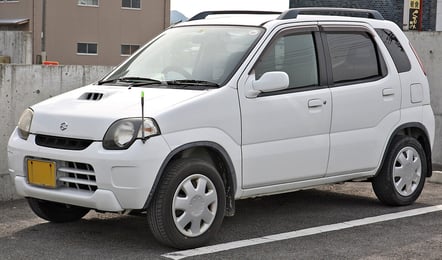
At this stage, no federal safety or emissions regulations have actually changed—this is an early policy signal, not a finalized law. Federal standards remain in effect for new vehicles, and analysts are treating the move as a directive for regulators to begin work, not as instant legalization of all kei imports.
For years, collectors and dealers have navigated strict rules to import a car to the US, often relying on the 25‑year exemption or accepting state‑level “off‑road only” limitations for kei trucks and microcars. This new signal suggests a potential shift in federal policy and a willingness to revisit how tiny, efficient vehicles fit into the U.S. fleet—but it does not, by itself, change today’s import rules for used JDM kei cars.
What This Means for Car Shipping
If regulators follow through on this directive, it could reshape demand patterns and logistics decisions for anyone planning to import kei cars or kei‑style micro vehicles. From an international car shipping standpoint, here are the concrete implications to watch.
Demand and Sourcing: Japan and Beyond
-
Increased interest in kei platforms. Enthusiasts, small businesses, and dealers are likely to double down on scouting Japanese auction houses and exporters, especially for classic kei trucks and vans that already qualify under the 25‑year rule.
-
Potential for U.S.‑built kei‑style vehicles. The directive is aimed primarily at allowing small, kei‑like cars to be produced and sold in the U.S. market, which could eventually reduce the need to import new microcars while keeping demand strong for unique JDM models.
Even if regulations change more for domestic production than for imports, visibility around kei cars tends to raise import interest across the board.
Routes, Ports, and Volume Planning
-
Japan–U.S. lanes become more strategic. If you import kei cars in volume, you will likely concentrate shipments from major Japanese ports into West Coast gateways like Los Angeles or Oakland, then decide whether to distribute by truck or rail.
-
East Coast and Gulf options. As demand spreads east, some importers may use the Panama Canal to reach ports like New York, Jacksonville, or Houston, especially if their customers are in the Southeast or Northeast.
West Coast Shipping’s guides on global routes and port choice show how origin, destination, and inland legs interact; this same logic will apply to kei loads.
Container vs RoRo for Kei Cars
Kei cars are small, boxy, and light—making them ideal candidates for container shipping, which WCS recommends for most vehicles:
-
Container shipping (preferred for kei cars):
-
Designed for standard vehicles like cars, SUVs, and microcars.
-
Multiple kei vehicles can fit in a single 40‑foot container using racking systems, lowering per‑unit cost.
-
Full enclosure offers excellent protection from weather, salt spray, and port equipment.
-
Works seamlessly with consolidated loads and dealer‑volume shipments.
-
-
RoRo (niche use cases):
-
Mostly used today for oversized vehicles and heavy machinery that do not fit efficiently in standard containers.
-
Can be cost‑competitive with containers in some lanes, but not inherently cheaper or more expensive.
-
Vehicles are driven on and off open decks or internal ramps and are exposed to more handling and environmental factors than in a sealed container.
-
For kei cars and most passenger vehicles, container shipping is the better fit: it matches the dimensions of these small vehicles, enables dense and efficient loading, and provides better overall protection. RoRo remains a useful tool for very large or specialized equipment, but it is no longer the default choice for compact cars and microtrucks.
If you are new to choosing between methods, West Coast Shipping’s broader explainers on international car shipping and related method guides are useful context before you lock in a route.
Customs and U.S. Compliance Considerations
Despite the headlines, U.S. import rules still look like this today:
-
25‑year NHTSA exemption. Vehicles that are 25 years old or older are exempt from Federal Motor Vehicle Safety Standards, which is why so many 1990s kei trucks and vans have already been legally imported.
-
EPA emissions rules. Emissions exemptions typically apply to vehicles at least 21 years old in original configuration, but you still must file the correct EPA forms at import.
-
State‑level restrictions. Even if a kei truck is federally legal under the 25‑year rule, some states limit or refuse on‑road registration and title, treating them as low‑speed or off‑road vehicles.
Trump’s directive is focused on domestic production and sale of kei‑style cars. It does not automatically create new import exemptions for newer kei cars; those would require separate changes to NHTSA, EPA, and CBP rules.
The recent news suggests a possible future in which new kei-style cars could be manufactured for the U.S. market, and regulators may eventually revisit how these vehicles are classified. For now, however, anyone considering importing a kei car must continue to follow existing NHTSA, EPA, and state DMV requirements, relying on the current 25-year rule and established U.S. import-compliance standards.
Cost Impacts and the Role of Consolidation
-
Per‑unit ocean cost can be very low. Because kei cars are so compact, you can often load more units per container than with standard sedans. That means shared container shipping and dealer consolidations become especially powerful tools for keeping landed cost down.
-
Calculator‑driven planning. As interest spikes, using technology to compare routes, ports, and volumes becomes critical. Articles such as How to use our car shipping calculator show how to model different port and container scenarios before you commit to a purchase.
For multi‑unit shipments, exporters and dealers can use consolidation logic similar to the patterns West Coast Shipping outlines in its bulk and wholesale guides, but applied specifically to kei car dimensions and weights.
Conclusion
The potential shift in attitudes toward kei cars at the federal level is one of the most intriguing developments for the import community in recent years, but it is important to separate signal from law. The president’s comments direct regulators to explore a path for kei‑style cars to be built and sold in the U.S., yet the 25‑year rule, EPA paperwork, and state‑by‑state registration realities still govern how you import kei cars from Japan today.
If regulators follow through, it could eventually open the U.S. market to a wider range of kei‑style vehicles—both new models built here and, potentially, more flexible rules for imports. For now, though, anyone planning to import a kei car should continue treating current NHTSA and EPA frameworks as the baseline and use careful logistics planning—anchored around container shipping rather than RoRo—to keep costs and risks under control.
If this news has you seriously considering your first kei truck, van, or microcar, the next step is to put real numbers behind the idea. Use our car import calculator to compare routes, ports, and methods for your specific vehicle and origin, then fine‑tune your plan with the help of our team. You can start instantly here: Use our car import calculator.

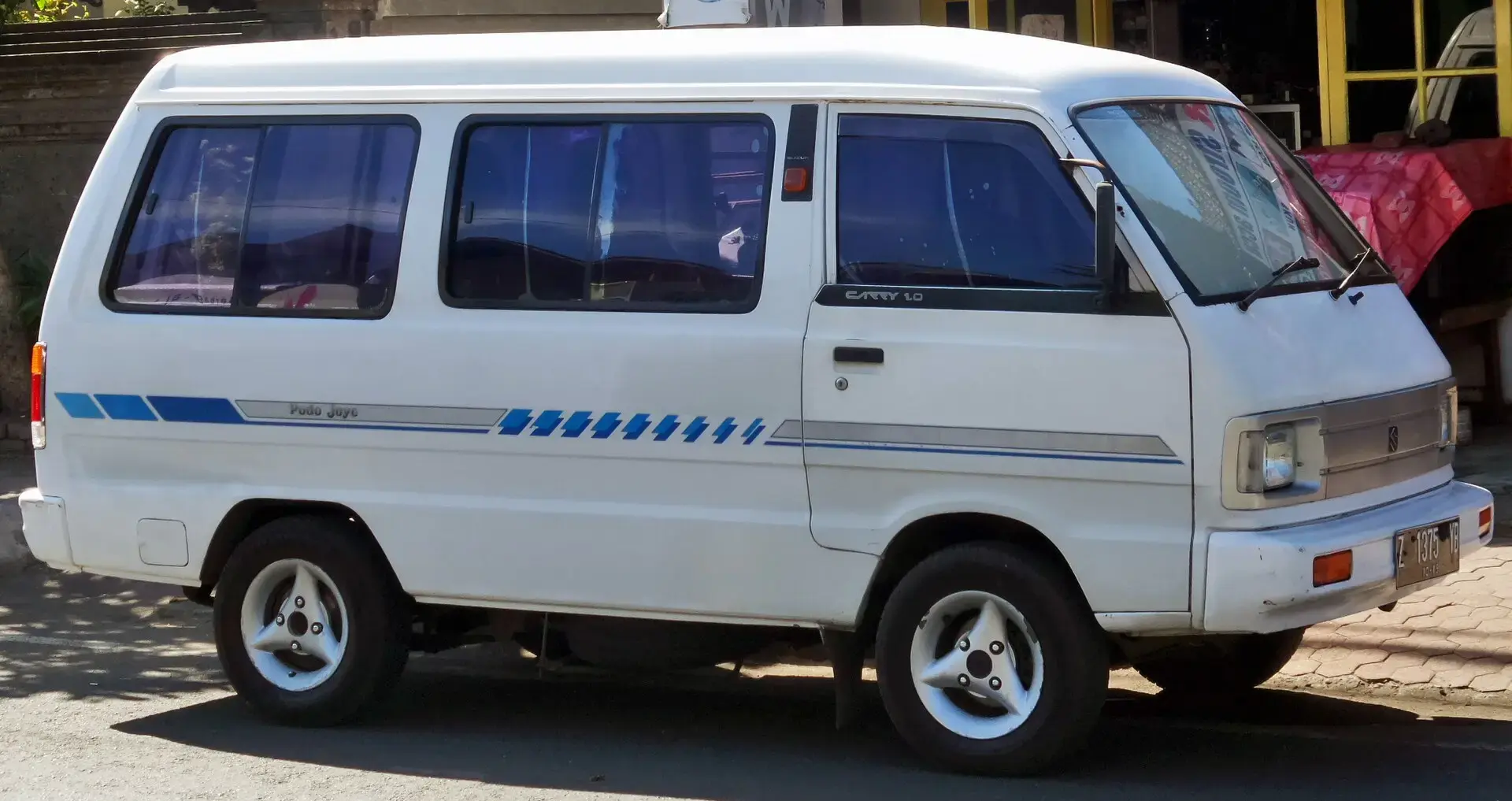
2001 Suzuki Carry Kei Truck: 25‑Year Import & Shipping Guide
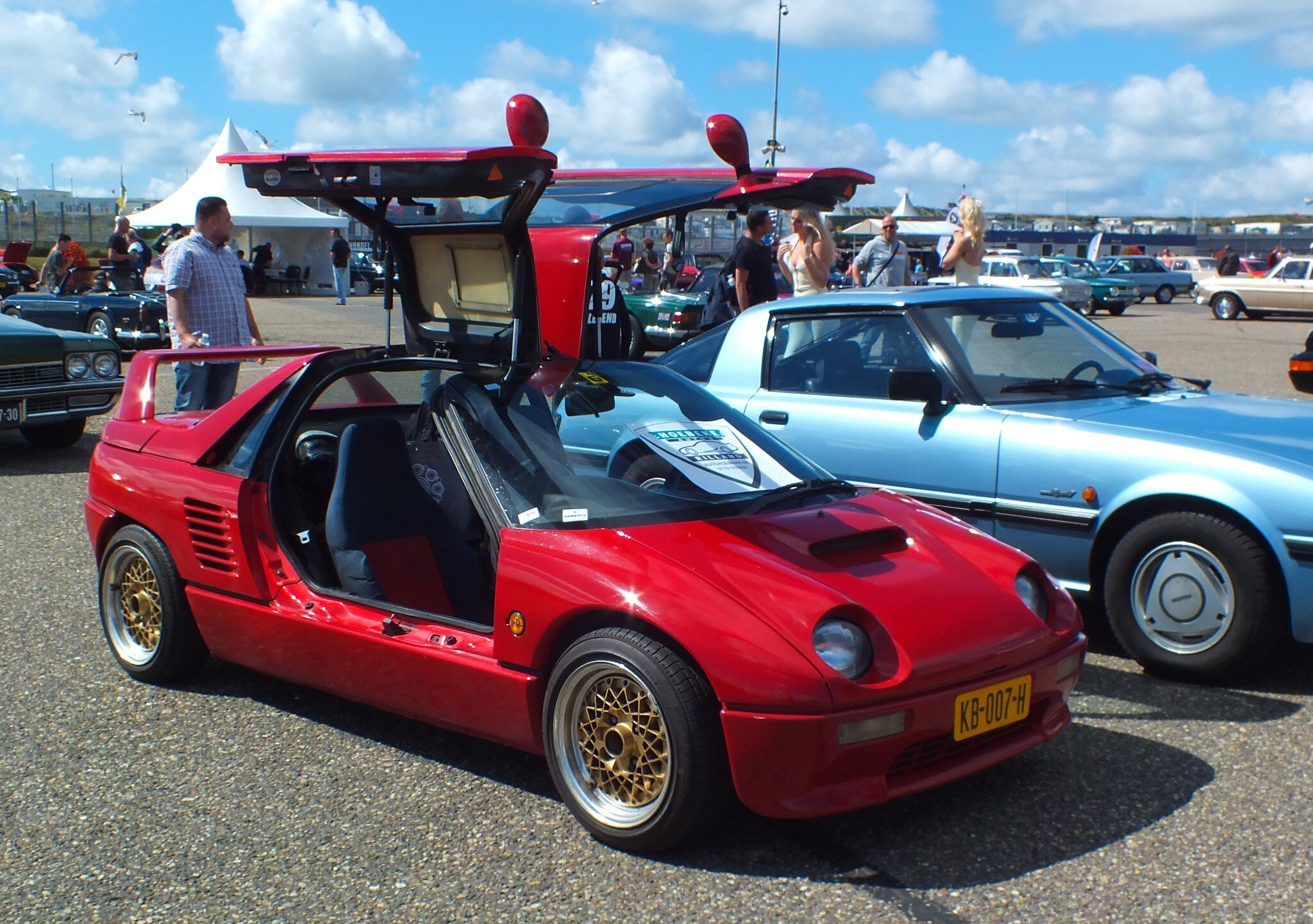
Kei Cars & Trucks from Japan: Their Growing Popularity & How to Import them to the US