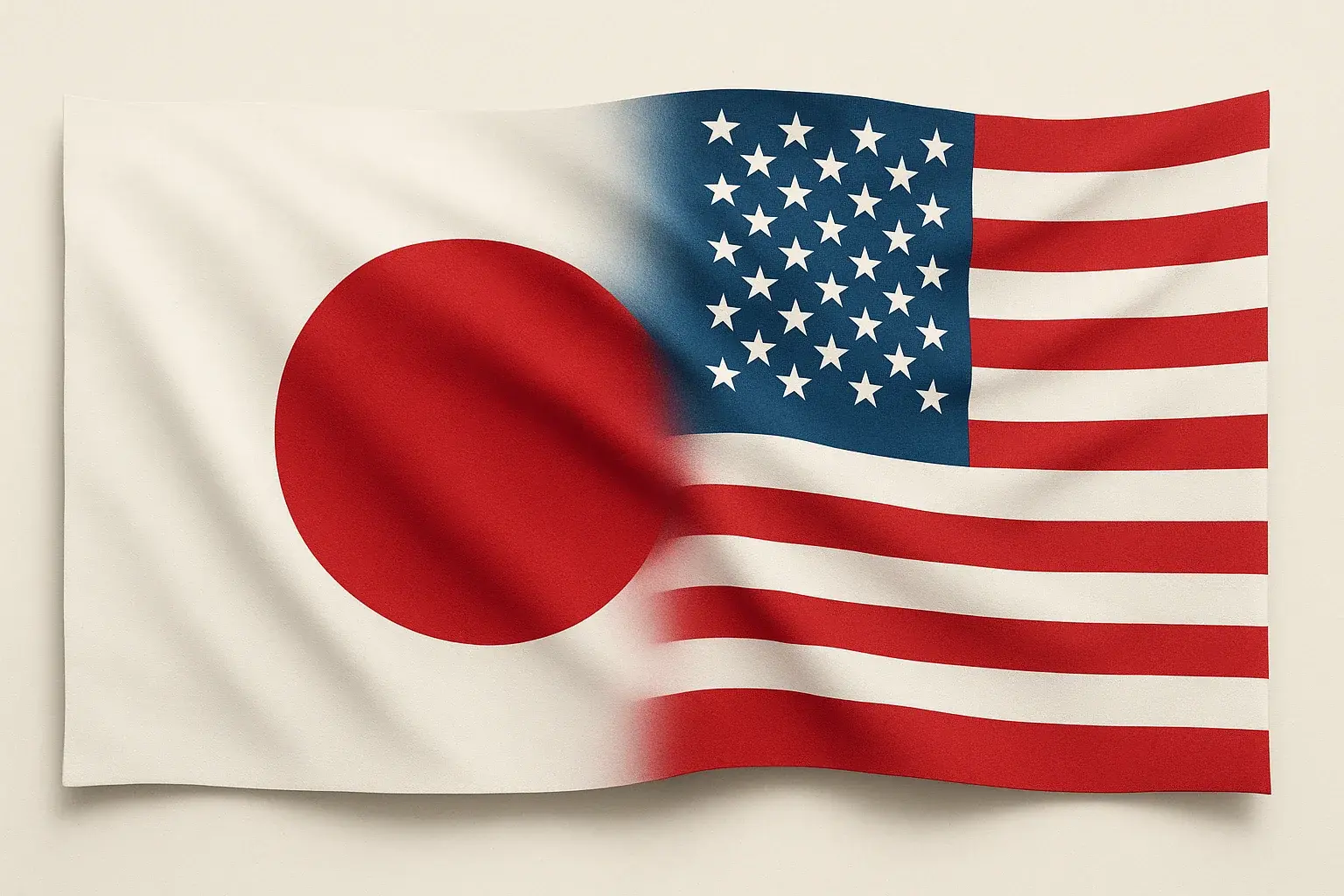

The tariff you pay to import a motorcycle into the USA depends on where the bike was made, how it is classified under US customs codes, and whether it qualifies for any exemptions. Most buyers go into the process with a rough number in mind and discover the real figure is more nuanced. This guide covers current duty rates by origin country, the HTS codes that determine classification, and exactly how the 25-year rule interacts with tariff obligations in 2026.
For shipping methods, container options, and base freight rates, Internacional Motorcycle Shipping Page covers that in full. What follows is specific to the duty and tariff side of the calculation.
How US Motorcycle Tariffs Are Structured
Before comparing rates by country, it helps to understand the framework. US import tariffs on motorcycles are determined by two things working in combination: the Harmonized Tariff Schedule (HTS) classification for the specific vehicle, and the country of origin.
HTS Codes for Motorcycles
Motorcycles fall under HTS Chapter 87. The applicable subheading is determined by engine displacement:
| Engine Displacement | HTS Code | Base Duty Rate |
|---|---|---|
| Under 50cc | 8711.10.00 | Free |
| 50cc to 250cc | 8711.20.00 | Free |
| 250cc to 500cc | 8711.30.00 | Free |
| 500cc to 800cc | 8711.40.00 | Free |
| Over 800cc | 8711.50.00 | Free |
The base duty rate on motorcycles entering the US is free across all displacement categories for all major origin countries relevant to US importers, including Japan, EU member states, the UK.
What this means in practice: for most motorcycle imports, the base duty is not where the cost exposure comes from. The variables that create financial risk are the Section 232 tariffs introduced in 2025 and, for buyers comparing origin countries, the different documentation and classification requirements that affect the total landed cost.
Tariff rates reflect current 2026 HTS schedules and are subject to change via executive action, trade negotiations, or Congressional action. Verify current rates with your customs broker and the USITC tariff database before shipping.
The Section 232 Tariff: The Variable That Changes Everything
In April 2025, the US imposed a 25% Section 232 tariff on imports of certain motor vehicles and automotive parts. This is the tariff that has introduced the most uncertainty into motorcycle import planning since the base HTS rates were established.
The Section 232 proclamation was primarily aimed at passenger vehicles and light trucks. Motorcycles are classified differently under the HTS, and their treatment under Section 232 is not a straightforward yes or no. The applicability depends on the specific HTS subheading, the CBP classification determination for the individual vehicle, and any subsequent modifications to the proclamation's scope.
This is not a situation where a general answer serves most buyers well. A customs broker confirmation on Section 232 applicability for your specific motorcycle and HTS classification is the only reliable way to know your exposure before committing to a purchase.
The 25-Year Exemption from Section 232
This is where the 25-year rule produces direct financial impact, as distinct from the compliance exemption it is more commonly known for. HTS subheading 9903.94.04 provides an exemption from Section 232 tariffs for vehicles 25 years of age or older. For a motorcycle that would otherwise fall within Section 232 scope, this exemption is financially meaningful.
To illustrate the scale: a 25% Section 232 tariff on a $15,000 motorcycle adds $3,750 to the landed cost. On a $25,000 Ducati 996 in concours condition, it adds $6,250. The HTS 9903.94.04 exemption eliminates that entire addition for qualifying vehicles. This is separate from and in addition to the FMVSS and EPA compliance exemption that the 25-year rule is more commonly discussed in connection with.
Section 232 tariff applicability and the HTS 9903.94.04 exemption are subject to modification by executive action. Confirm current status with a licensed customs broker before shipping.
Motorcycle Tariffs by Country of Origin
Japan
Japanese motorcycles have dominated the US import market for decades, and the tariff framework reflects a long-established trading relationship. Base HTS duty rates on Japanese-origin motorcycles are free across all displacement categories. The US and Japan do not have a comprehensive bilateral free trade agreement, but motorcycle-specific rates have remained at the base free level regardless.
The practical cost drivers for a Japanese motorcycle import are therefore shipping freight, customs value declaration accuracy, and Section 232 applicability rather than the base duty rate. For classic Japanese bikes under the 25-year exemption, the Section 232 exposure is eliminated via HTS 9903.94.04.
Even with free base duty rates, customs value declaration accuracy matters for Section 232 assessments and for establishing the correct transaction value on record. CBP takes a dim view of undervaluation on high-demand collector bikes, and the penalties for misrepresentation apply regardless of whether the duty rate being evaded is 2.5% or 25%.
European Union
EU-origin motorcycles -- Italian, German, Austrian, French -- enter the US under the same base HTS free rates that apply to Japanese bikes. The US and the EU do not have a bilateral trade agreement covering motorcycles, but the base rates are already free, so the absence of an FTA does not create a tariff disadvantage relative to Japan.
The Section 232 consideration applies equally to European bikes. A 2003 Ducati 999 from Italy, being under 25 years old, would need broker confirmation on its Section 232 exposure. That said, the 999 will cross the 25-year threshold in 2028 -- buyers considering this model may find that the timing of their purchase affects their duty exposure, and waiting two years eliminates the Section 232 question entirely. A 2001 Ducati 996 from the same Italian factory already qualifies for the HTS 9903.94.04 exemption and is free from Section 232 tariffs.
One distinction worth noting for EU imports: origin documentation. A motorcycle purchased through a European dealer or auction requires a manufacturer certificate of origin or equivalent EU documentation to confirm the good's origin country for customs purposes. This affects the classification and rules of origin assessment at CBP, particularly for bikes assembled across multiple EU countries or with components from non-EU sources.
United Kingdom
Post-Brexit, UK-origin motorcycles are assessed under US tariff schedules for British goods separately from EU goods. The base HTS duty rates remain free for UK-origin motorcycles in standard displacement categories, consistent with the rates for Japanese and EU bikes.
UK origin documentation follows British rules of origin requirements that differ from EU documentation since Brexit. A Triumph motorcycle manufactured in Hinckley, England carries UK-origin documentation. A Japanese-made bike sold through a UK dealer but with Japanese manufacture carries Japanese-origin documentation -- the country of sale is not the relevant criterion. This distinction is worth confirming with a customs broker for any bike sourced through UK channels to ensure the rules of origin documentation is correct before shipping.
Section 232 applicability for UK-origin bikes follows the same framework as EU bikes: broker confirmation needed for sub-25-year examples, HTS 9903.94.04 exemption available for 25-year qualifying bikes.
Other Origins
Motorcycles from countries without preferential trade relationships with the US are assessed at the base HTS rates, which are free for standard motorcycle displacement categories. In practice, the major import origin countries for US buyers are Japan, Italy, Germany, Austria, and the UK -- the base free rates apply across all of them, and the Section 232 variable is the primary differentiator.
How Country of Origin Affects the Total Import Cost
Given that base duty rates are free across the major origin countries, the actual financial difference between importing from Japan versus Italy versus the UK is not a tariff rate differential -- it is a combination of freight cost, customs value, and Section 232 exposure.
A useful way to frame the comparison:
For 25-year-qualifying classics (any origin): The duty picture is the most favorable available. Base HTS rates are free, and HTS 9903.94.04 removes the Section 232 exposure. The total duty component of a classic motorcycle import from Japan or Europe is effectively zero under current rules. The landed cost is dominated by purchase price and shipping freight.
For sub-25-year bikes (any origin): Base HTS rates remain free, but Section 232 exposure needs broker confirmation. If Section 232 applies at 25%, a $15,000 motorcycle from Japan and a $15,000 motorcycle from Italy face identical duty exposure -- the rate does not vary by origin country in the Section 232 framework. The origin country question affects documentation requirements more than it affects the rate.
Documentation complexity by origin: Japan tends to have the most straightforward export documentation for US buyers, partly because of the volume of Japanese vehicle exports and the established auction-to-export pipeline. European bikes often require additional documentation to establish country of manufacture, particularly for premium brands with complex supply chains. UK bikes post-Brexit require rules of origin documentation that differs from what EU-based sellers produce.
Why West Coast Shipping for Your Motorcycle Import
Getting the tariff calculation right before a purchase is important. Getting the shipping right after is what determines whether the bike actually arrives in the condition you paid for.
West Coast Shipping has managed international motorcycle shipments for over 17 years, handling bikes from Japan, Europe, and the UK through its warehouse facilities in California, Florida, and New Jersey. Every shipment is managed in-house by a dedicated account manager -- no third-party handoffs, no documentation gaps between vendors, and a team that understands the difference between a daily commuter and a collector bike that needs to arrive unmarked.
For Japanese classics arriving on Pacific routes, the California warehouse is the primary receiving point. For European and UK bikes, the New Jersey facility covers East Coast and transatlantic arrivals efficiently. Container consolidation keeps freight costs significantly lower than a dedicated container while providing the enclosed, protected environment that a motorcycle needs for an ocean crossing.
WCS account managers can help coordinate with licensed customs brokers on the documentation and classification questions that affect your duty exposure -- so you have access to the right expertise before committing to a purchase. That upstream clarity is part of what makes the process manageable.
For the broader context on the 25-year compliance exemption, relocation shipping rules, and motorcycle import regulations, the complete motorcycle shipping guide covers the full regulatory picture.
Tariff Quick Reference: Motorcycle Imports to the USA
Base HTS duty rate (all major origin countries): Free across all displacement categories
Section 232 tariff (April 2025 onwards): 25% where applicable -- confirm with customs broker for sub-25-year motorcycles
25-year exemption (HTS 9903.94.04): Eliminates Section 232 tariff exposure for motorcycles 25 years or older
Key takeaway by buyer scenario:
For classic and vintage motorcycles under the 25-year rule, current regulations produce a zero duty outcome on the base rate and Section 232 sides simultaneously. The landed cost is freight plus purchase price.
For modern or near-modern bikes, the base rate is still free but Section 232 exposure requires confirmation. The financial risk for a high-value bike is material and worth quantifying before purchase.
Origin country affects documentation requirements and export pipeline more than it affects the duty rate. Japan has the most established export process for US buyers. European and UK bikes require additional documentation steps that add administrative lead time.
Ready to Calculate Your Motorcycle Shipping Costs?
Get an Instant Quote for Your Motorcycle Shipment
Use the WCS shipping calculator to see current rates for your specific bike, shipping route, and destination port.

US-UK Trade Deal Cuts British Car Tariffs: Impact on Auto Shipping
Complete Cost Guide: Importing Cars from Germany to USA 2025