
Race Car Shipping: What You Can Ship With Your Race Car
What Counts as Race Car Shipping
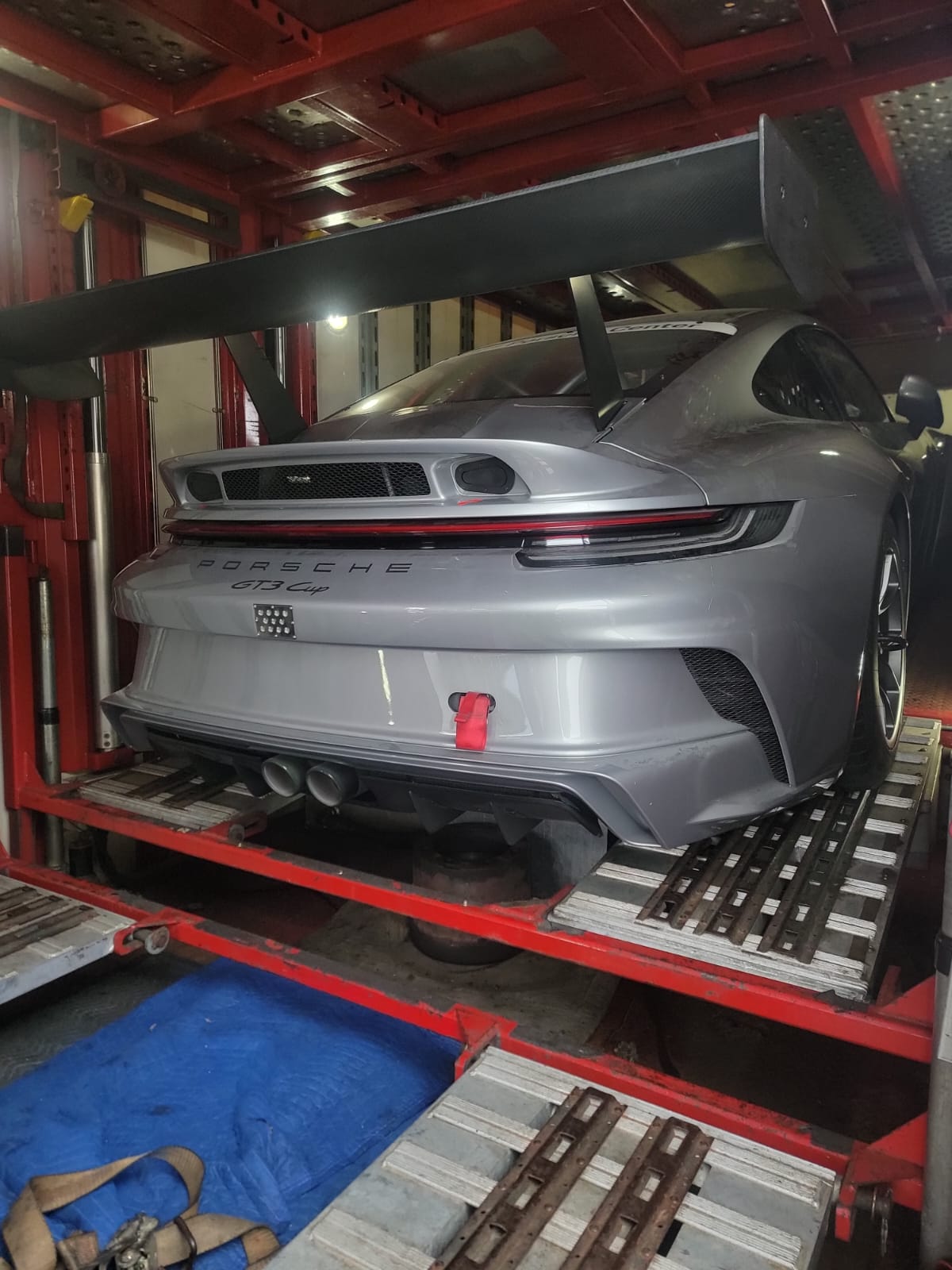
Race car shipping is more than moving a vehicle from point A to point B. It is about transporting a competition machine, supporting equipment, and often an entire track‑day or race weekend in one move.
Unlike standard car shipping, race car transport usually involves:
-
Lowered suspensions, aero kits, splitters and diffusers
-
Non‑road‑legal setups, cages, harnesses and slicks
-
Crates of wheels, tyres, spare parts and tools that need to travel with the car
These differences affect how the vehicle is loaded, secured and documented. They also change what you can and cannot put inside or around the car for international moves.
If you are planning to send a car to an overseas event, a long‑term campaign or a single dream track day, working with a specialist in international car shipping makes it much easier to structure the move correctly from the start.
What You Can Ship With a Race Car
The good news is that, in containers, race car shipping can accommodate a surprising amount of equipment, provided it is properly packed and allowed by carriers, ports and customs.
Spare parts
Many race‑related spare parts can travel in the same container as the car when they are clean, dry, correctly secured and permitted under carrier and customs rules. Typical examples include:
-
Wheels and tyres (often mounted on rims, sometimes on tyre racks or in boxes)
-
Brake components such as rotors, pads and calipers
-
Suspension arms, control arms, dampers and springs
-
Body panels, splitters, wings and canards
-
Exhaust systems and manifolds, provided they are free of excessive residue
Teams often mount spare wheels along the container walls or place them in cages or pallets to keep them from shifting. Smaller items usually go into labeled boxes or crates.
Tools and workshop equipment
Tools are generally allowed in container shipments as long as they are packed like cargo and declared correctly for customs. Commonly shipped items include:
-
Hand tools and socket sets
-
Jacks, jack stands and wheel dollies
-
Torque wrenches, impact guns and compressors (empty of oil and fuel where required)
-
Workbenches, tool chests and small storage cabinets
The key is to treat the container as a rolling workshop: everything should be boxed, strapped or bolted down so that nothing can move if the ship hits rough seas.
Safety gear
Safety equipment is usually straightforward to ship if it meets local restrictions:
-
Race suits, gloves, shoes and helmets
-
Seats and harnesses
-
Nets, steering wheels and spare interior components
-
HANS devices and similar driver‑restraint systems
Some items, such as fire suppression bottles and certain extinguishers, fall under dangerous goods rules and typically require special declarations, DG handling, or to be shipped empty or separately in line with carrier and IMDG requirements. When in doubt, it is better to ask your logistics provider before you load.
What Is Restricted or Not Allowed
There are clear limits on what can travel with a race car, especially on international ocean freight. Rules vary by country and carrier, but the following areas are where most people run into trouble.
Hazardous materials
Items that fall under dangerous goods regulations are often restricted or require special declarations. These may include:
-
Pressurised gas cylinders
-
Certain fire extinguishers and fire systems
-
Race fuel additives and chemicals
-
Large lithium or lead‑acid batteries when not installed in a vehicle
Professional teams sometimes ship regulated items under specific dangerous goods procedures. Private racers and small teams are usually better off moving these separately or sourcing them at destination.
Fuel and fluids
Almost every carrier will require the race car’s fuel tank to be reduced to a low level, typically no more than about one‑quarter full, and will prohibit loose fuel containers inside the car or container. In practical terms this usually means:
-
No extra cans or drums of fuel loaded with the car
-
No open containers of oils, cleaners or chemicals
-
No visible leaks anywhere on or under the vehicle
Small residual fluids inside the car’s systems are generally tolerated if there are no leaks. Loose jerry cans, drums or open containers of fuel or chemicals are usually not allowed in the same container as the car.
Loose or improperly packed items
The most common mistake in race car shipping is using the car as a moving van. Problems include:
-
Loose boxes piled in the cabin or trunk
-
Unsecured wheels or tyres that can shift and damage the car
-
Tools left on the floor, which can become projectiles in transit
-
Unlabeled parts or personal items that complicate customs clearance
Anything inside the container should be packed, labeled and secured as if it were a separate shipment. If an item would move in a hard braking event on the road, it will move in a storm at sea.
Container vs Other Shipping Methods
Race cars can travel by several methods, but container shipping is usually the preferred option for international moves.
Why container shipping is usually best
A container provides:
-
Physical protection from weather and salt
-
A sealed environment while the car waits during port congestion
-
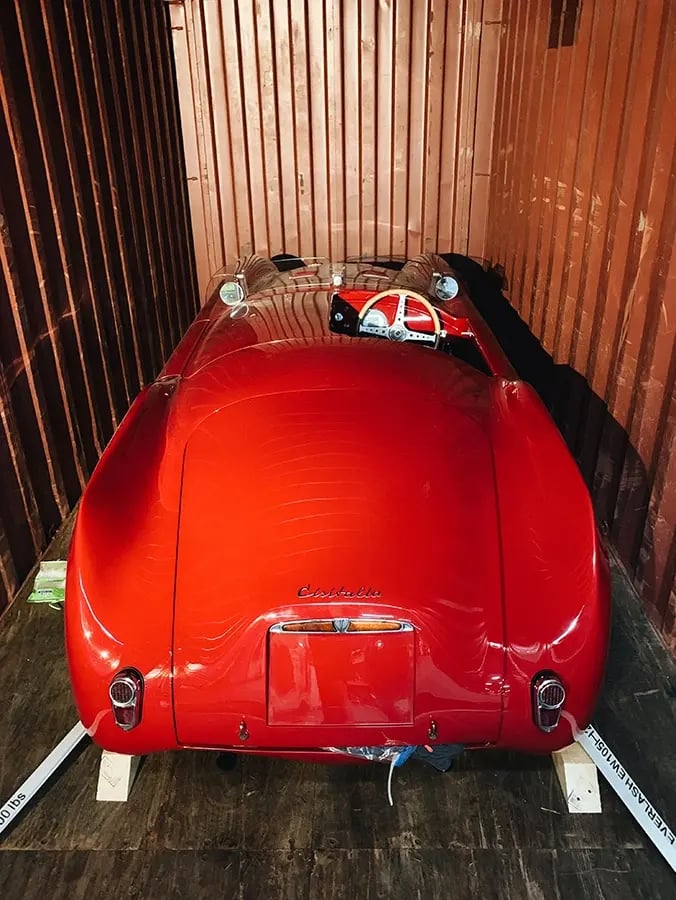
A controlled space for low clearance cars, which can be winched and strapped to a platform
-
Room for spare parts, tools and equipment to travel around the car
RoRo services are sometimes possible for race cars that can drive on and off, but standard rules typically forbid additional loose equipment inside the vehicle, and you have less control over how the car is parked and handled. Air freight is ideal for tight race calendars, although cost and capacity make it more common for top‑level professional teams.
West Coast Shipping typically recommends containerised international car shipping for race cars because it balances protection, flexibility and the ability to pack a complete kit of parts around the vehicle.
How Professional Teams Handle Equipment
Top‑tier motorsport outfits treat logistics as a discipline in its own right. They rely on carefully designed packing lists, standardised containers and multimodal networks that combine sea, air and road.
For a deeper look at how this works at the very highest level, including how entire garages, pit walls and spares packages move between races, explore our breakdown of F1 logistics and how Formula 1 teams transport race equipment. Even if you are running a club car or a private GT machine, many of the same principles apply on a smaller scale.
Smaller teams and privateers can borrow that mindset: think in terms of “race kits” and repeatable setups rather than one‑off packing jobs for each event.
Best Practices for Shipping Race Cars and Parts
A good race car shipping plan reduces surprises at both departure and arrival. These practices work for everything from track‑day cars to factory‑backed entries.
Plan your packing strategy
Start by deciding what absolutely must travel with the car and what can be sourced at the destination. Then structure the container around that:
-
Place the car where loading ramps and access make sense for its ride height
-
Build dedicated zones for wheels, spares and tools
-
Use pallets, racks and crates instead of loose stacking
-
Keep frequently needed items near the doors for faster unloads
A simple rule is to pack heavy, dense items low and secure them first, then layer lighter boxes and gear on top.
Create detailed inventory lists
Customs and port authorities care about what is in the container, not only the car itself. Helpful habits include:
-
Listing each major item or crate with a clear description
-
Separating race parts from personal effects
-
Matching inventory labels on boxes to the master list
-
Noting serial numbers where relevant for high‑value components
Accurate inventories speed up customs clearance and make it easier to spot if anything goes missing during the journey.
Label and document everything
Clear labeling helps everyone involved:
-
Mark boxes with contents, team name and destination track or event
-
Identify fragile or high‑value items
-
Keep printed copies of packing lists and key documents with the shipment and in digital form
If your race car qualifies as a competition vehicle for customs purposes in your origin and destination countries, align your documentation with that status. For more background on how race vehicles are treated at borders, you can review guides like our race‑focused import and export articles on the West Coast Shipping blog and combine them with this detailed overview of international car shipping.
Talk through restrictions in advance
Regulations can vary by origin, destination and carrier. Before you load:
-
Confirm how much fuel can remain in the tank
-
Ask about rules for batteries, extinguishers and gas bottles
-
Clarify any local port restrictions on chemicals or aerosols
-
Decide which items should travel by separate service
Addressing these points early reduces the risk of delays, re‑packing at the port or unexpected storage charges.
If you discuss costs as you design the load plan, keep in mind that any figures you see online are only starting points. These are approximate estimates and should not be considered final prices. Actual costs may vary depending on vehicle type, shipping method, and market conditions. For an accurate quote, use our shipping calculator or contact our team directly.
Race Car Shipping: Get Expert Help for Your Next Event
Race car shipping is easiest when the car, parts and paperwork are treated as one integrated project. Whether you are sending a track‑day car to a bucket‑list circuit, campaigning a GT car abroad or supporting a multi‑car amateur team, the right partner can turn a complex move into a predictable process.
West Coast Shipping has long experience moving competition vehicles, spares and support gear through major ports worldwide. If you are planning your next race, test or track event, explore our international car shipping services, then get in touch for a tailored plan that covers your car, your parts and your schedule.
-093789-edited.png?width=220&height=79&name=wcs_final_logo_(1)-093789-edited.png)