

Bringing your motorcycle on an international relocation is a different kind of logistics problem than a standard freight shipment. The duty exemption that makes it financially viable has conditions attached, the timing of your shipment relative to your own arrival matters more than most people expect, and the paperwork requirements vary by destination country in ways that are easy to get wrong. This guide focuses on what is specific to relocation -- not the general shipping process, which is covered at International Motorcycle Shipping page.
Is Your Motorcycle Actually Eligible for the Duty Exemption?
Most countries that allow duty-free importation of personal vehicles during a relocation do so under a transfer of residence exemption -- sometimes called a removal goods exemption or duty relief. The framework sounds straightforward, but eligibility has real conditions that need to be met before anything is shipped.
The two core requirements that appear across most destination countries are:
-
Prior ownership and use: You must have owned and personally used the motorcycle for a minimum period before your relocation -- typically six months, though some destinations require twelve. A bike bought specifically for the move, or purchased shortly before departure, will likely not qualify.
-
Prior residency outside the destination country: You must have been habitually resident outside the destination country for a defined period -- usually twelve consecutive months -- before establishing new residency there.
Both conditions need to be met simultaneously. A buyer who has lived outside the UK for fourteen months but only owned their motorcycle for four months may fail the ownership condition even if the residency condition is satisfied.
The word "habitually" carries more weight than it might appear to. It is assessed on facts and circumstances, not just a day count. Extended work assignments, long visits, or prior periods of residency in the destination country could complicate an otherwise clean eligibility picture. If your history is anything other than straightforward, confirm your status with a licensed customs broker before committing to the shipment.
The Ownership Duration Condition: What Evidence You Need
Establishing that you have owned and personally used the motorcycle for the required period is not just a matter of declaring it on a form. Customs authorities at the destination expect documentary evidence, and gaps in that record can delay clearance or trigger a full duty assessment.
The documents that typically support a prior ownership claim are:
-
The original title or registration document in your name, dated at least six months before your relocation
-
Registration renewal records showing continuous ownership
-
Service records or maintenance invoices linked to your name and a non-destination address
-
Any financing documentation tied to the purchase date
If you bought the motorcycle privately and it took time to transfer the title, the clock for the ownership condition generally starts from the registration date in your name -- not the purchase date. This distinction can matter if the timing is close to the minimum threshold.
One practical note: some buyers discover only at the point of shipping that their ownership documentation is incomplete. Finding this out while the bike is still at home is considerably less stressful than finding it out at a destination port. Pull your paperwork together early and have a customs broker review it before booking the shipment.
Why the Timing of Your Shipment Is the Highest-Risk Variable
The exemption in most jurisdictions requires the motorcycle to arrive within a defined window relative to your change of residency -- typically within twelve months of establishing residency in the new country. But the more immediate risk runs in the other direction: what happens if the bike arrives before you do.
If your motorcycle clears customs at the destination port before you have established any administrative footprint in that country -- no tax registration number, no residency registration, no rental contract in your name -- the exemption application becomes very difficult to support. In some cases it becomes impossible to claim retroactively, and the full duty liability falls due.
This scenario comes up more often than it should, usually because a buyer booked the shipment on the carrier's schedule rather than their own arrival timeline. A container leaving Los Angeles in early October and transiting three weeks to Europe will arrive before a buyer who is still completing their US exit arrangements.
The practical rule is simple: ship the motorcycle to arrive a few weeks after you do, not before. That buffer gives you time to register with the local tax authority, sign a lease, and begin building the residency evidence that supports the exemption claim. It is a small scheduling adjustment that eliminates a significant financial risk.
How the Exemption Actually Works: Application Process by Destination
The eligibility conditions are broadly similar across countries, but the administrative process for claiming the exemption varies significantly. Here is what to expect at the most common destinations for US expats.
Moving to Spain
The exemption is administered by the Agencia Tributaria under EU Council Regulation 1186/2009. The application is submitted at the time of customs entry -- not before shipping, and not retrospectively.
You will need your NIE (Número de Identificación de Extranjero) before the motorcycle can be registered in Spain. The ITV (Inspección Técnica de Vehículos) roadworthiness inspection is mandatory before road registration can be completed. US-spec motorcycles commonly require headlight beam adaptation to pass ITV -- the beam pattern on American-market bikes is typically set for right-hand-traffic roads, but Spain's ITV will check it against EU standards regardless. A rear fog light is required on new EU-type-approved motorcycles. For imported US-spec bikes, ITV inspectors may assess its presence depending on the motorcycle's category and the inspector's interpretation -- confirm the specific requirement for your model with a Spanish gestor before shipping.
The exemption is available once per relocation and cannot be reclaimed if you have already used it for a prior EU move.
Moving to Germany
Germany adds a layer that does not exist in most other countries: even if you qualify for the removal goods duty exemption, your motorcycle will still need to pass an Einzelgenehmigung (single-vehicle approval) under German road vehicle regulations if it lacks EU type approval. The Kraftfahrt-Bundesamt (KBA) oversees the type approval framework, and the physical inspection is conducted by TÜV or DEKRA -- running as a completely separate process from customs clearance.
The practical implication is that you are managing two parallel administrative tracks after your bike arrives: the customs exemption application with the Zollamt, and the technical inspection with TÜV or DEKRA. Neither one speeds up the other. Budget time for both, and ideally have the bike inspected within the first few weeks of arrival so the technical approval does not become the bottleneck ahead of registration.
Moving to the UK
The UK Transfer of Residence Relief is the post-Brexit equivalent of the EU removal goods framework. The relief can eliminate UK import duty and VAT (20%) on a qualifying motorcycle -- verify the current applicable duty rate for motorcycles specifically on the GOV.UK tariff tool before shipping, as the rate differs from the passenger vehicle rate.
The relief requires a ToR1 form to be submitted to HMRC before the motorcycle is shipped. HMRC issues a Unique Reference Number (URN) upon approval, which must appear on the shipping documentation for the relief to apply at port. The ToR1 can be submitted by the applicant directly or by an appointed agent -- such as your removal company or customs broker -- acting with your authority. What cannot be delegated is personal responsibility for the accuracy of the declaration: the eligibility conditions must be truthfully certified by the applicant, regardless of who completes the paperwork. Processing times vary -- HMRC advises submitting the ToR1 as early as possible once your move is confirmed, allowing several weeks in case of delays. Do not book your shipment before the URN has been confirmed.
If the motorcycle arrives without a valid URN in place, duties and storage charges will apply upfront. A retrospective claim may be possible through HMRC's customs reconsideration process, but this is not guaranteed and adds cost and delay at a period when you will already have other things to manage. Confirm the current procedure with a licensed customs broker if this situation arises.
The DVLA registration process requires a valid MOT certificate for bikes over three years old, proof of ownership, and customs clearance documentation.
Moving to Australia
Australia has a mandatory pre-shipment step that does not exist elsewhere: a Vehicle Import Approval (VIA) from the Department of Infrastructure must be obtained before the motorcycle can be shipped. This is not a post-arrival formality -- the bike cannot legally be shipped without it. Processing typically takes two to four weeks.
On arrival, a biosecurity inspection by DAFF (Department of Agriculture, Fisheries and Forestry) is mandatory and is particularly rigorous for off-road motorcycles, where soil contamination from previous off-road use can trigger quarantine treatment or cleaning requirements. If your bike has been used on trails or unpaved terrain, a thorough professional cleaning before shipping is worth doing.
GST at 10% applies on the customs value even when the duty exemption applies under the removal goods framework. The two are assessed separately.
Exemption conditions, processing timelines, and authority requirements vary by country and are subject to change. Confirm current requirements with a licensed customs broker before shipping.
What Happens After the Exemption Is Granted: The Post-Import Restrictions
Most buyers focus on whether they qualify for the exemption and pay less attention to what happens after it is granted. The post-import conditions matter, particularly if your circumstances might change in the first year or two.
Across most jurisdictions, a motorcycle imported under a transfer of residence exemption cannot be sold, loaned, hired out, or transferred to another person for a defined period after importation. The restriction period is twelve months under EU Regulation 1186/2009, which covers Spain, Germany, and other EU destinations, and under equivalent UK rules. For Australia and other non-EU destinations, confirm the specific restriction period with your customs broker -- it may differ. If the bike changes hands before that window closes, the full duty liability is reinstated and must be paid. In some countries a fine is also levied on top of the duty.
This matters practically for buyers whose plans might change. A job relocation after eight months, a decision to upgrade the bike at the ten-month mark, or simply a change of plans could put you inside the restriction window. Know the specific restriction period for your destination country before shipping, and factor it into your decision about whether bringing the bike is the right choice.
The Documentation Checklist for a Relocation Motorcycle Shipment
Having the right paperwork in order before your bike reaches port smooths every stage of the process, from customs clearance to road registration. Here is what is typically required:
-
Original title or registration document in your name (dated at least six months before your move)
-
Service records or maintenance invoices establishing personal use
-
Proof of prior residency outside the destination country (lease agreements, utility bills, employer letters)
-
Valid passport
-
Proof of new residency in the destination country (where required at time of import)
-
Completed removal goods exemption application forms for the destination country
-
For the UK specifically: ToR1 approval and HMRC Unique Reference Number (URN)
-
For Australia specifically: Vehicle Import Approval (VIA) issued pre-shipment
-
Port of entry release authorization if using a freight forwarder
Your customs broker at the destination should have copies of all documentation well before the vessel arrives. Gaps that surface at the port are considerably harder to resolve than gaps identified at home.
Why West Coast Shipping for Your Relocation
A motorcycle relocation is not a shipment you want to hand to a company that treats it as a standard freight transaction. The timing of the shipment relative to your arrival needs to be coordinated deliberately. The export documentation on the US side needs to be handled correctly. And the motorcycle needs to be properly secured in a container -- upright, braced, and protected -- rather than treated as a smaller version of a car load.
WCS has over 17 years of experience shipping vehicles internationally, including personal motorcycles as part of relocation moves. Dedicated account managers handle the US export documentation and work around your travel timeline, so the shipment schedule is built around your arrival rather than the carrier's calendar. Bikes ship via container consolidation from WCS warehouse facilities in California, Florida, and New Jersey, with regular sailings to Europe, Australia, and beyond.
For the full picture on the 25-year rule, tariff rates, and country-specific import conditions across all motorcycle shipping scenarios, the complete motorcycle shipping guide covers the broader regulatory and financial context.
Shipping rates vary by origin port, destination, container configuration, and vessel schedule. Contact WCS for a current quote for your specific motorcycle and relocation route.
Ready to Ship Your Motorcycle?
Get an Instant Quote for Your Motorcycle Shipment
Use the WCS shipping calculator to see current rates for your specific bike, shipping route, and destination port.

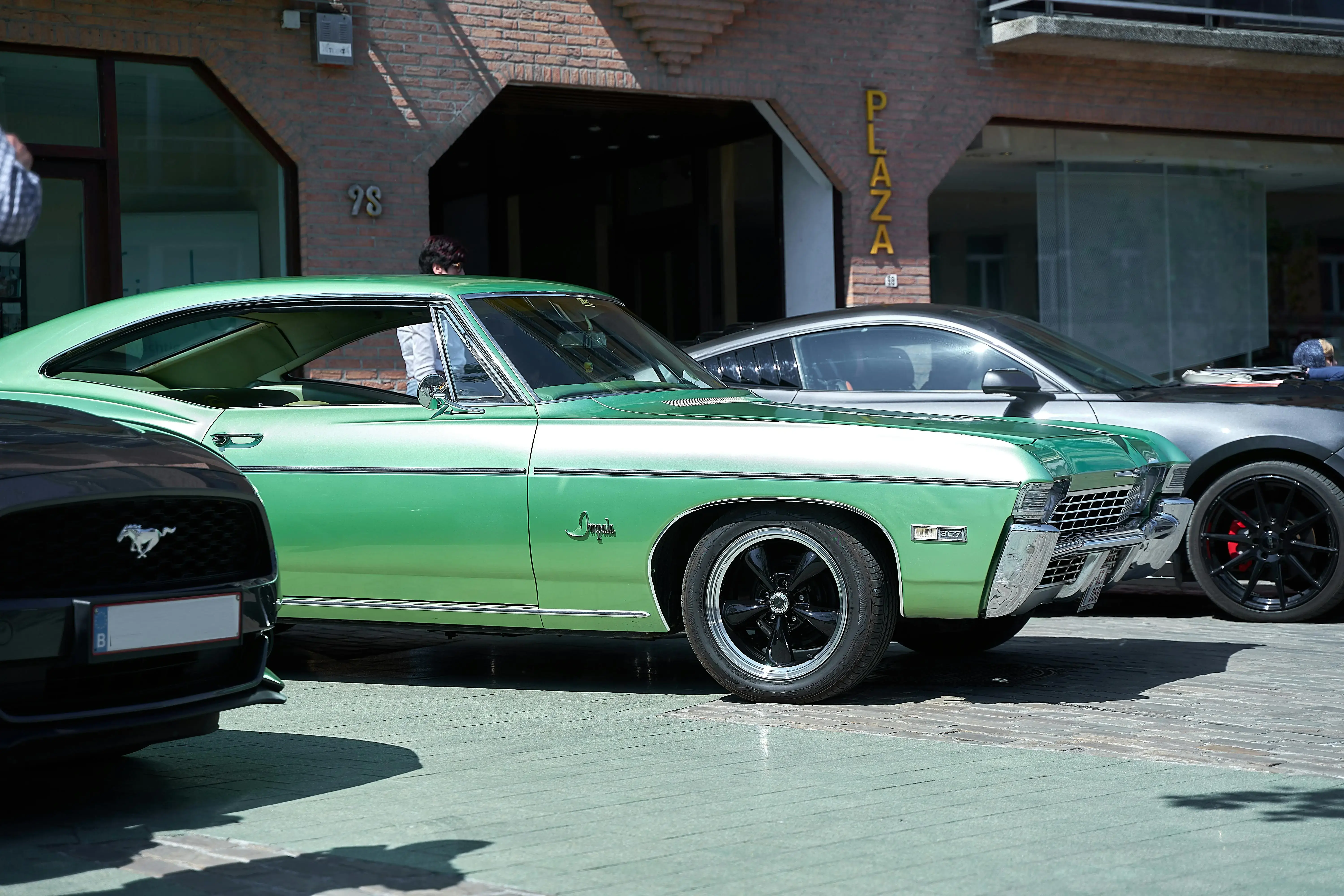
Moving to Spain from USA: Car Shipping & Import Timeline Guide
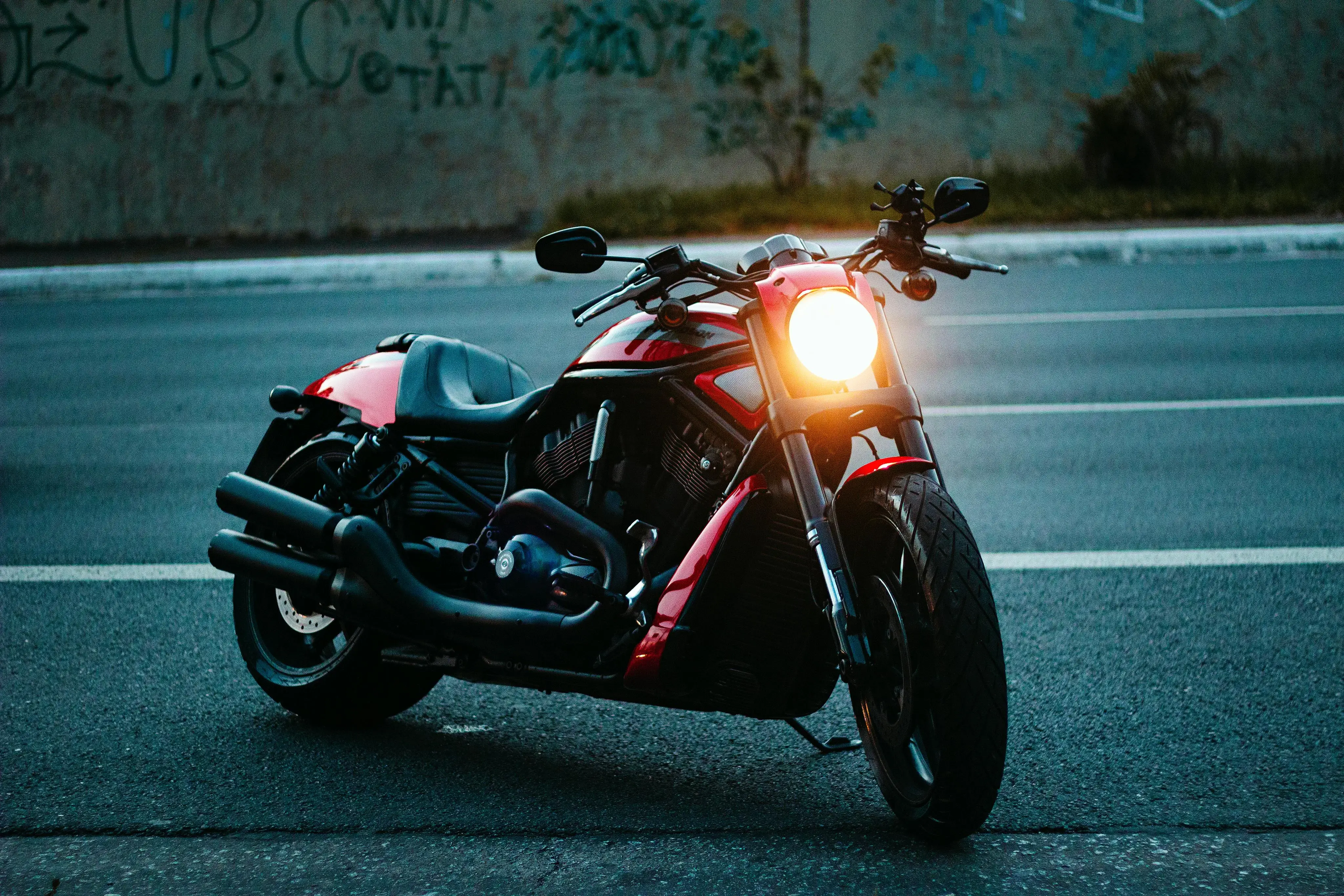
Ship A Motorcycle To Turkey: Costs, Customs, Protection