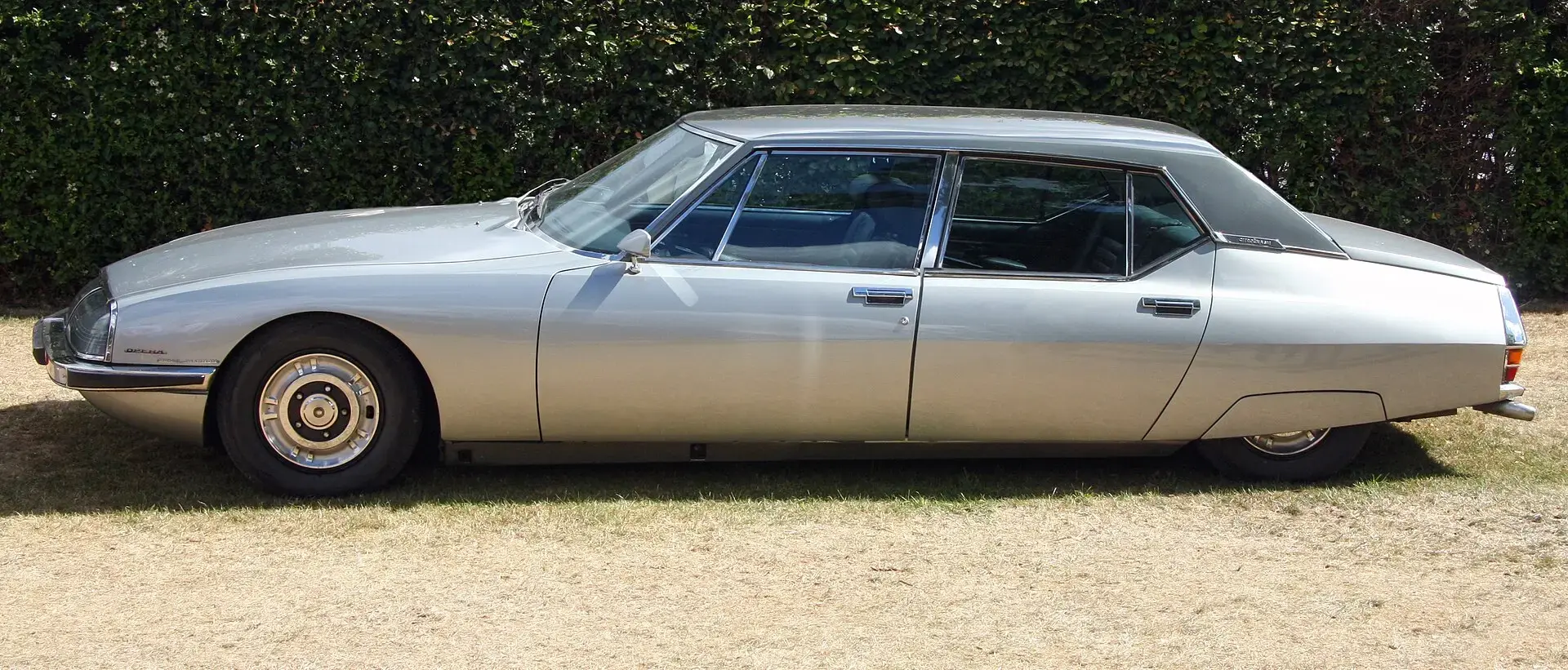

The Citroën DS is no longer just a design icon on posters and museum floors. Over the last decade, it has quietly become one of the most exported French classics to the United States, especially via specialist France–US lanes and 25‑year‑rule imports. From its 1955 debut at the Paris Motor Show to the final DS 23 models in the mid‑1970s, the DS combined radical styling with hydropneumatic suspension in a way that still feels futuristic.
This article walks through the DS’s 1955–1975 evolution in plain language—what changed, why it matters for today’s buyers, and how that history translates into real‑world import decisions in 2026. For a broader comparison of DS and SM projects, including value and spec choices for US importers, see the main feature on Citroën DS & SM imports, evolution, specs, and US value in 2026. When you are ready to move from research to logistics, West Coast Shipping’s international car shipping hub explains how DS imports are handled from French seller to US driveway.
1955 Launch: Hydraulics and Design from Another Planet
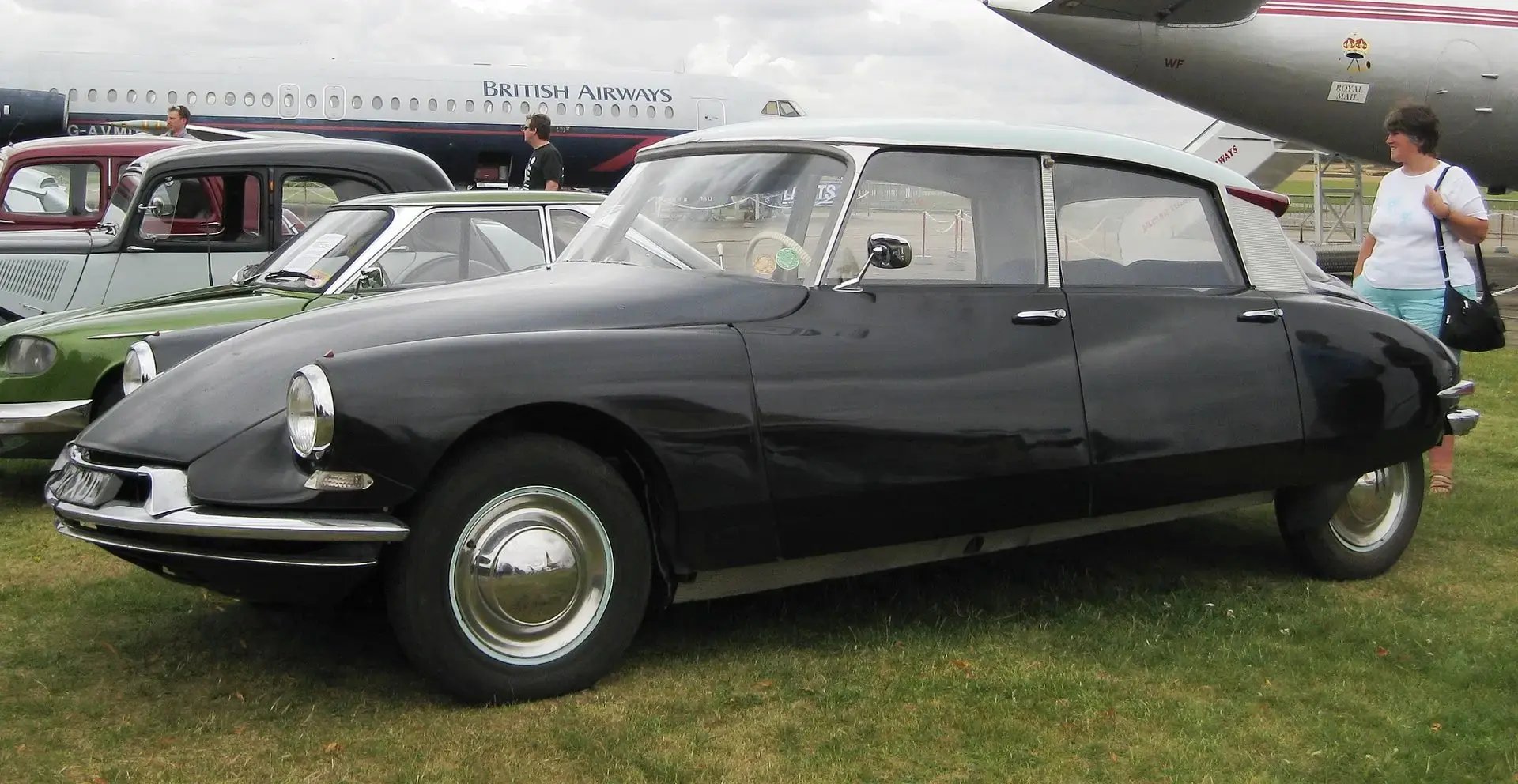
DS19: Suspension, Steering, and Braking in One Hydraulic System
At its 1955 launch, the DS19 shocked visitors with technology that went far beyond styling. Citroën’s engineers used a high‑pressure hydropneumatic system to manage not just suspension, but also steering, brakes, and—on semi‑automatic cars—clutch and gear selection.
Key innovations enthusiasts still talk about today:
-
Self‑leveling hydropneumatic suspension that kept the car flat under load and allowed adjustable ride height.
-
Power‑assisted, high‑pressure brakes that delivered stopping power very different from rival sedans.
-
A Citromatic semi‑automatic gearbox on some DS models, using hydraulics to operate the clutch while the driver selected gears.
West Coast Shipping’s dedicated guide on why you should find and import a Citroën DS to the States highlights this hydraulic architecture as one of the core reasons American enthusiasts consider the DS so special compared with more conventional European sedans of the same era.
Aerodynamic Shape and Front‑Wheel‑Drive Layout
Beyond the hydraulics, the DS19’s exterior and layout were years ahead of its time.
-
A low, aerodynamic body with fully faired rear wheels, designed to reduce drag and wind noise.
-
Front‑wheel drive and a unitary body structure, continuing Citroën’s tradition from the Traction Avant.
-
Unstressed outer panels that could be unbolted for easier repair, a useful feature for cars that might now be repaired or restored after import.
For US importers in 2026, that combination of engineering and design explains why buyers are willing to ship DSs across the Atlantic, as described in WCS’s France‑focused guides like Import a Car from France: Your Guide to International Shipping.
1960s Refinement: Engines, Brakes, and Body Variants
New Engines and Mechanical Updates
Over its 20‑year production run, the DS did not stand still. In the 1960s, Citroën progressively improved the car:
-
New engine and gearbox configurations arrived in the mid‑1960s, with changes to driveshafts, front brakes, and wheel mounting.
-
Power increases and gearing tweaks made the DS more comfortable at sustained motorway speeds.
-
Cooling and electrical systems were improved as usage patterns shifted toward longer, faster journeys.
These incremental upgrades matter for today’s buyers: a late‑1960s DS often feels significantly more relaxed on modern roads than an early 1950s car, even though both qualify under the 25‑Year Rule for US Car Imports.
DS, ID, and Practical Body Styles
Citroën also widened the DS family to suit more types of owners.
-
The ID (later rebranded) offered a simplified, more affordable version with fewer hydraulic functions, appealing to cost‑conscious buyers.
-
Break/Familiale wagons added long‑roof practicality and became favorites for families and commercial users.
-
Different trim levels and regional derivatives allowed Citroën to assemble DS models in multiple countries, including plants outside France.
From a shipping perspective, wagons and long‑roof variants can be particularly attractive to US buyers who want a DS that can handle both events and real‑world hauling.
Late‑Run Evolution: DS21, DS23 and Pallas Refinements
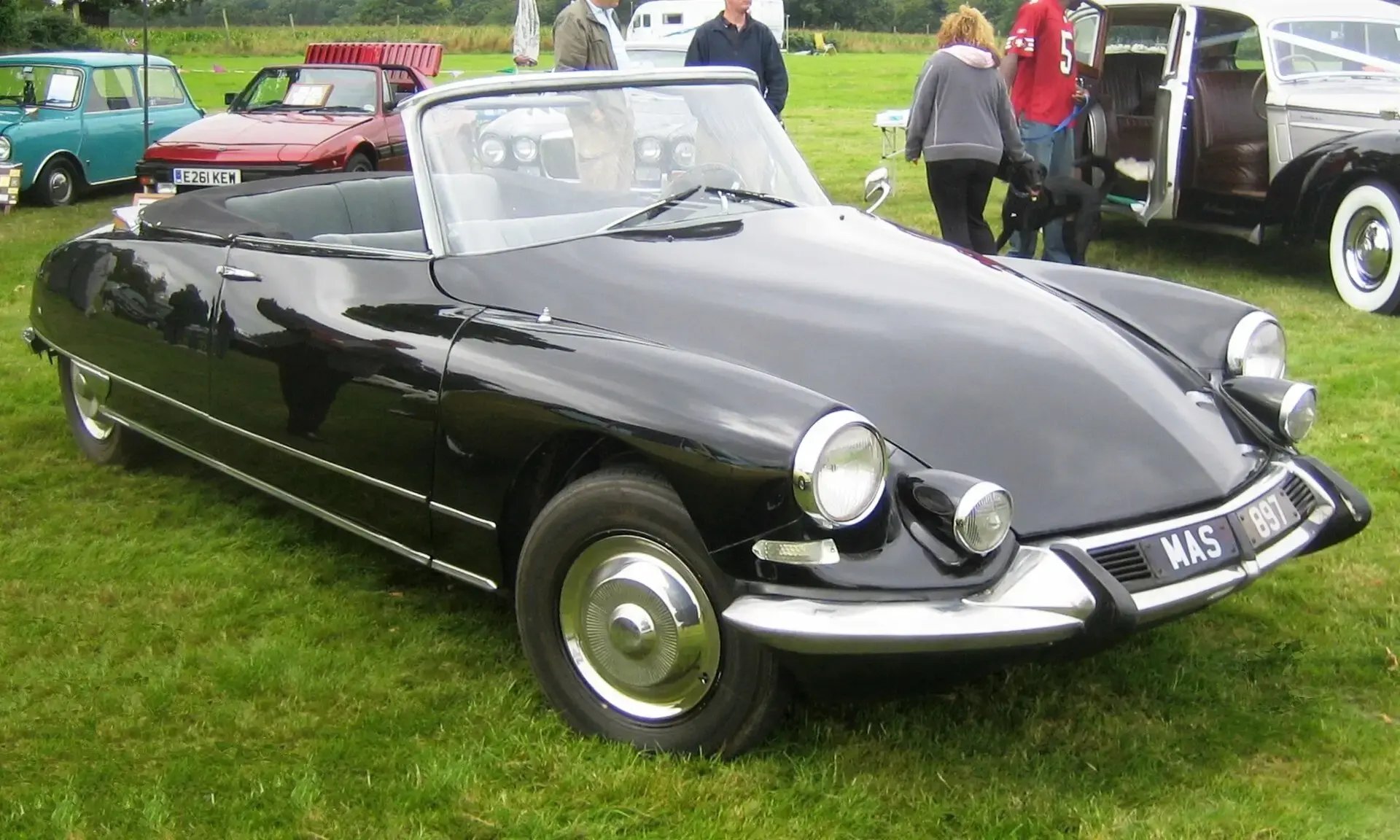
DS21 and DS23: More Power for Motorway Use
By the late 1960s and early 1970s, Citroën introduced larger‑displacement engines to keep up with traffic and expectations.
-
DS21 models delivered more power than the original DS19, making Autobahn and autoroute travel more realistic.
-
The final DS23 variants used a 2.3‑liter engine, with some versions gaining electronic fuel injection (IE) for better performance and drivability.
These late cars are especially attractive to US enthusiasts who plan to actually use their DS on interstates rather than just in local shows. West Coast Shipping’s DS import guide encourages buyers who value real‑world drivability to focus on these later engines, especially for long‑distance touring.
Pallas Trim: Comfort, Sound Deadening, and Visual Detail
Citroën also created upscale trim packages, the most famous being Pallas.
-
Extra sound insulation and plusher interiors made long trips more comfortable.
-
Additional chrome and brightwork visually distinguished Pallas cars from base models.
-
Better materials and finishing gave high‑spec DS models an ambiance closer to a luxury saloon than a simple family sedan.
In the current market, late DS 23 Pallas cars are often treated as the “final form” of the DS line. The main DS/SM article on WCS positions them as the most refined and sought‑after DS variants for US importers who want the best blend of comfort, performance, and collectability.
Why the Citroën DS Became France’s Most Exported Classic
Export Presence During its Original Lifespan
During its original sales period, Citroën exported DS models across Europe and to markets like North America, though US sales remained modest due to dealer‑network and support limitations.
-
The DS was officially sold in the US from the mid‑1950s into the early 1970s, but a limited dealer network and unfamiliar technology constrained volumes.
-
In Europe, the DS became a common sight not only in France but also in countries like Belgium, the Netherlands, Germany, and the UK.
-
Assembly in multiple plants (France and abroad) further increased the total number of DS cars available for later export as classics.
WCS’s analysis of France as a source for US imports, including the article on How Much It Costs to Import a Car from France to the US, notes that the DS now forms a significant share of French classic exports to the United States, alongside models like the Peugeot 404 and Renault Alpine.
Post‑25‑Year‑Rule Demand from the United States
The turning point for DS exports to the US was not the original sales period but the long‑term impact of the 25‑year rule.
-
Once every DS variant became 25 years old, US buyers could import them without meeting modern EPA and DOT requirements, provided documentation and customs entries were correct.
-
Enthusiast media and online communities revived interest in DS models, positioning them as high‑character alternatives to more expensive German or Italian classics.
-
Combined with relatively accessible prices in France and Western Europe, this sparked a steady flow of DS imports summarized in WCS’s dedicated DS article.
That is why many WCS France shipments now include at least one DS in a shared container, often alongside other European classics sourced via French auctions covered in the guide to best France car auction sites for US buyers.
Choosing the Right DS Generation to Import
Early DS19s and DS21s: Historical Feel vs Usability
From an import and ownership standpoint:
-
Early DS19 and early DS21 cars maximize historical authenticity and visual impact, especially with original interior materials and details.
-
They may, however, require more careful restoration of hydraulics and electrics, given age and component availability.
-
These cars are ideal for collectors who value originality and period‑correct details over long‑distance highway usability.
WCS often sees early DS imports aligned with show‑ or collection‑focused projects, where shipping is one part of a broader restoration and display plan rather than frequent daily use.
Late DS21 and DS23 (Including Pallas): Balanced for Real‑World Use
Later DS models, especially DS21 and DS23, offer a more balanced profile for US imports:
-
Larger engines and, in some DS23 IE cars, fuel injection, improve acceleration and cruising.
-
Hydraulic systems benefit from years of refinement, and replacement parts are well understood by specialists.
-
Pallas trim adds meaningful comfort upgrades that matter on longer US drives.
The main DS/SM article on WCS explicitly frames DS23 Pallas as the go‑to recommendation for buyers who want “one DS to do it all”—from cars‑and‑coffee events to occasional interstate trips.
How DS Evolution Shapes Your Import and Shipping Plan
Sourcing DS Models in France and Europe
The DS’s long production run and wide European distribution mean that good candidates can be found across the continent.
-
France remains the primary hunting ground, with strong specialist support and reasonable supply across DS21 and DS23 models.
-
The Netherlands, Belgium, and Germany often have well‑documented, restored examples marketed specifically for export.
-
Auction platforms and specialist dealers are key sources; WCS’s article on France car auction sites outlines how to navigate bidding and due diligence.
Before you bid or buy, pairing these sourcing options with the 25‑Year Rule for US Car Imports helps confirm that your chosen DS meets age‑based eligibility and documentation requirements.
Translating DS Evolution into Shipping Choices
Once you have a target DS:
- The international car shipping hub explains how WCS collects cars in Europe, consolidates them in containers, and ships them to US ports from facilities in California, Florida, and New Jersey.
- Larger projects—such as importing multiple DS or a DS plus parts pallet—can benefit from dedicated containers, as discussed in the International Car Shipping Services Checklist.
- For single‑car projects, shared containers from France and nearby ports often provide the best balance of protection and cost.
Because hydropneumatic cars are sensitive to improper handling, WCS’s container‑first approach and in‑warehouse loading processes described on the international car shipping page are particularly relevant for DS buyers.
Important Disclaimer and Information Limits
This article provides a general historical and practical overview of Citroën DS evolution from 1955–1975 and summarizes typical import and shipping patterns as of early 2026. It is intended for informational and promotional purposes only and does not constitute legal, tax, customs, regulatory, financial, or investment advice.
Before purchasing or importing a DS:
-
Verify technical and historical details (engine type, model year, trim level, originality) with factory literature, VIN resources, marque clubs, and recognized Citroën specialists.
-
Confirm import eligibility, duties, and any applicable tariffs with a licensed customs broker, using resources like WCS’s 25‑Year Rule for US Car Imports and Global Guide to Car Import Taxes, Duty‑Free Options & Regulations as high‑level orientation only.
-
Check state‑level registration and emissions rules at your destination in the US, since these vary and may affect your ability to title and use the car.
-
Treat all value or appreciation commentary as descriptive, not predictive. Classic‑car markets are volatile and influenced by factors beyond the scope of this article.
West Coast Shipping provides logistics services—collection, export handling, container loading, ocean freight, and coordination with your chosen customs broker and local agents—and does not interpret or apply laws, represent clients before authorities, or provide legal, tax, or financial advice. You remain solely responsible for your own due diligence and professional consultation.
For a deeper comparison between DS generations and the Citroën SM from a value and logistics perspective, see the main article on Citroën DS & SM imports, evolution, specs, and US value in 2026.
Use West Coast Shipping’s Calculator for Your DS Project
Start from West Coast Shipping’s international car shipping page to:
-
Get instant container shipping rates from European ports to your preferred US gateway using WCS’s calculator and quote tools.
-
Compare shared vs dedicated container options based on whether you are importing one DS or building a multi‑car shipment.
-
Build a clear, duty‑aware budget you can review with your customs broker and advisors before committing to your next Citroën DS purchase in France or elsewhere in Europe.
Get a Shipping Quote for Your Citroën DS
Whether you are targeting an early DS19 for historical charm, a DS21 for balanced usability, or a late DS23 Pallas as the ultimate evolution, the import math is only complete when you factor in real shipping costs and timelines.


Citroën DS 23 Pallas: Best French Classic to Import (1973–1975)
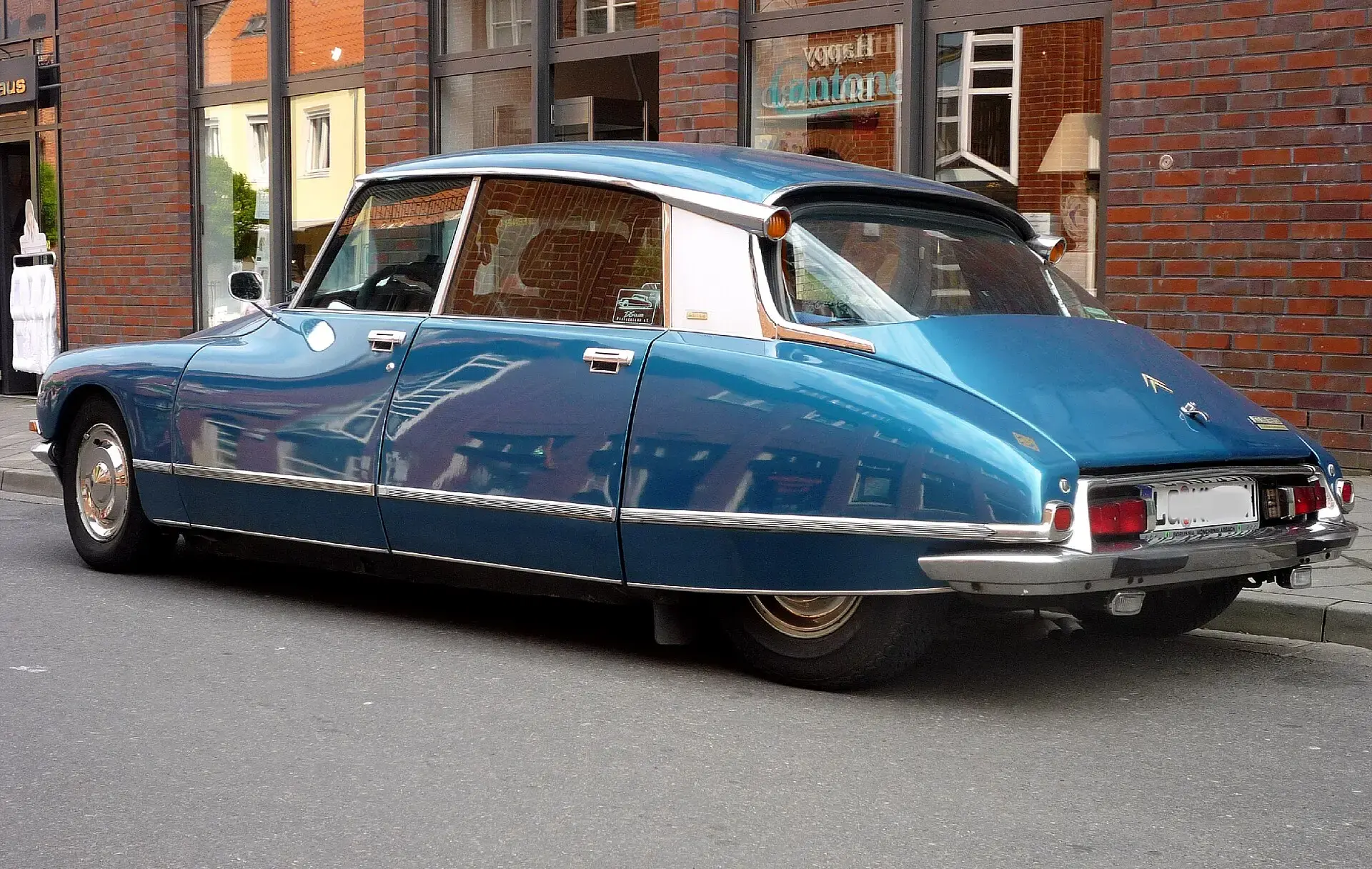
Citroën DS vs SM: Best Hydraulic Classic to Import in 2026