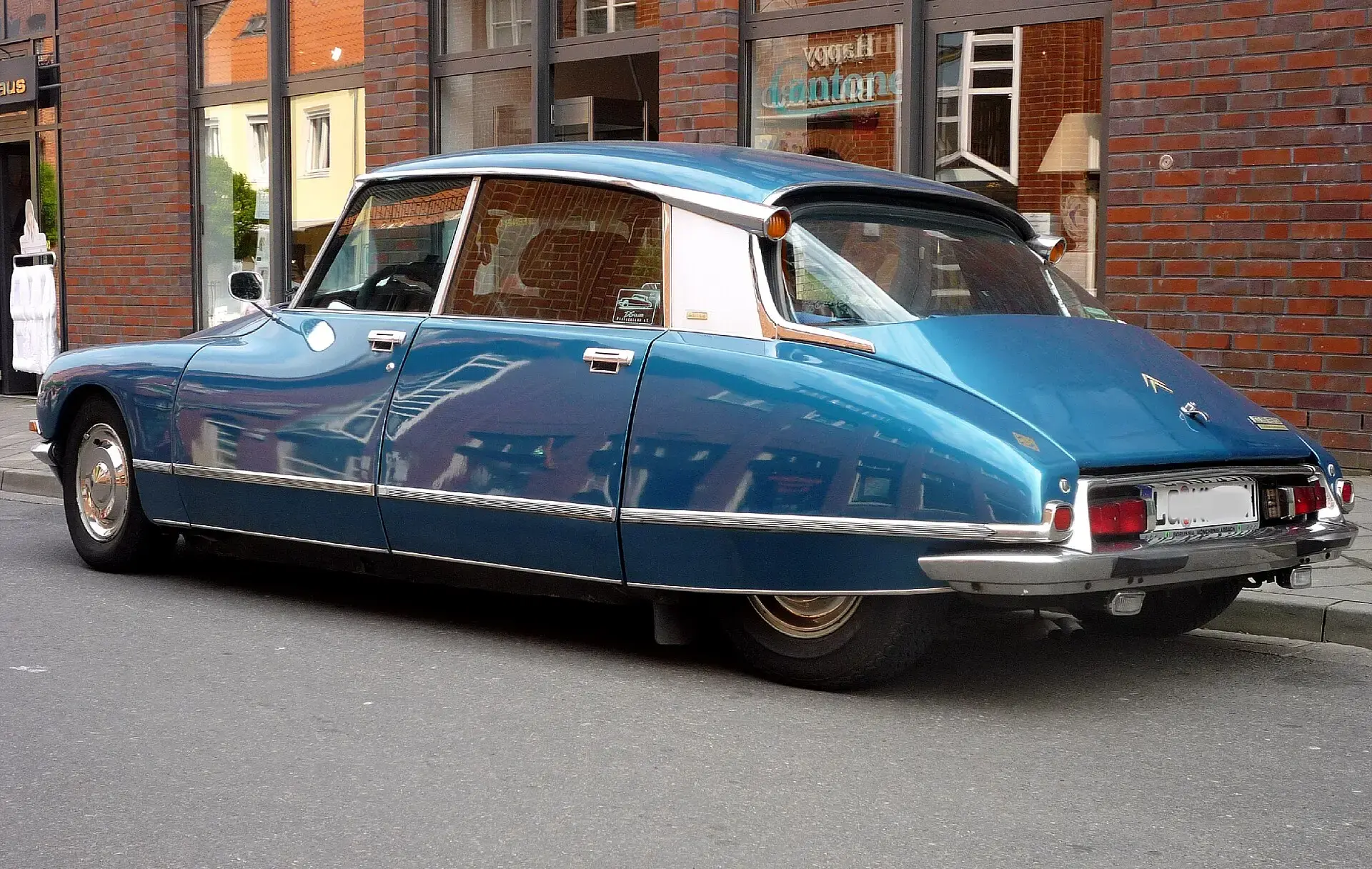

The Citroën DS is no longer a hidden secret in the United States. Between the 25‑year rule and a strong European supply, it has quietly become one of the most exported French classics to the US, especially via dedicated France–US lanes that West Coast Shipping runs and documents in guides like the overview on importing a Citroën DS to the States. From early 1950s hydropneumatic pioneers to late DS 23 Pallas fuel‑injected models, buyers now treat the DS as a realistic, manageable import rather than an exotic unicorn.
Alongside the DS sits its more complex cousin, the Citroën SM—a Maserati‑engined GT with the same hydraulic DNA and a very different market profile. This article explores three connected topics for US‑based buyers:
-
How the Citroën DS evolved from 1955–1975 into France’s most exported classic sedan.
-
Why the DS 23 Pallas (1973–1975) represents the most refined, sought‑after DS variant for import.
-
How DS vs SM compares for value, complexity, and shipping strategy if you are importing a French hydraulic classic in 2026.
Where relevant, it ties back to WCS resources on importing a car from France, France–US shipping rates and paperwork, and the global international car shipping overview, all of which help convert DS or SM research into an actual logistics plan.
Citroën DS Evolution (1955–1975): How Hydraulics Created France’s Most Exported Classic
1955: A Shape and Suspension from the Future
When the Citroën DS debuted at the 1955 Paris Motor Show, it shocked the industry:
-
Hydropneumatic suspension automatically maintained ride height and soaked up bumps in a way no contemporary sedan could match.
-
A streamlined body, front‑wheel drive, and wide track delivered exceptional stability and comfort.
-
Early cars used a high‑pressure hydraulic system not just for suspension, but also for steering, brakes, and even gear selection on semi‑automatic models.
Today, that combination of radical styling and technology is exactly what appeals to US buyers who are already familiar with mainstream European classics. WCS’s broader coverage of European classic imports and value highlights how DS prices remain accessible compared to Italian and German icons, making them attractive targets under the 25‑year rule for US car imports.
Want to go deeper into how the DS became France’s signature export classic? Take a look at our detailed guide on Citroën DS evolution 1955–1975 and US import basics.
Mid‑Life Upgrades: DS19, DS21 and Body Variants
Across the 1960s, Citroën evolved the DS family rather than replacing it:
-
Engine displacement increased and power improved, moving from early DS19 units toward more capable DS21 powerplants.
-
Brake systems and hydraulics were refined for reliability and serviceability.
-
The lineup expanded beyond the standard sedan to include the ID (a slightly simplified DS), the practical Break/Familiale wagons, and elegant coachbuilt bodies in some markets.
For US importers in 2026:
-
Early cars (late 1950s–early ’60s) offer the most historic feel, but parts and trim originality become more critical.
-
Late‑’60s DS21s sit in a sweet spot of improved performance and refinement without the complexity of fuel injection.
-
Wagons and rare coachbuilt variants command higher prices but deliver unique practicality or style.
WCS’s France‑focused guides, including the detailed look at shipping cars from France to the US, show that DS sedans and wagons now move regularly alongside German, Italian, and British classics in consolidated containers.
Late Evolution and the Role of the 25‑Year Rule
By the early 1970s, the DS was approaching the end of its run, but Citroën continued to refine:
-
Larger engines and—eventually—fuel‑injected variants improved highway capability.
-
Interior updates and the Pallas luxury package added comfort, sound deadening, and upscale materials.
-
The DS remained a uniquely smooth and stable long‑distance car, even against newer rivals.
Today, every DS is comfortably past the 25‑year threshold, which simplifies US imports. As WCS explains in the Citroën DS import guide, that means DS models can typically enter the US under age‑based exemptions without needing to meet modern crash or emissions standards—although documentation and state‑level registration still require careful attention.
Citroën DS 23 Pallas (1973–1975): The Final, Most Refined DS to Import
What Makes the DS 23 Pallas Special?
Among DS variants, the DS 23 Pallas—produced roughly from 1973–1975—is widely seen as the final, most refined evolution:
-
A 2.3‑liter engine (often with fuel injection in DS 23 IE versions) gave better power and drivability than earlier DS19/21 engines.
-
The Pallas trim brought extra sound insulation, plusher seats, richer materials, and more chrome and stainless details.
-
Late‑production hydraulic systems benefited from years of incremental improvement and updated components.
For US buyers, that combination of strongest engine, best trim, and mature systems makes the DS 23 Pallas the “default” choice when budget allows. It is the DS most frequently recommended in WCS’s customer consultations and appears prominently in pages like top cars to import in 2025 when French classics are discussed.
Curious what makes the DS 23 Pallas stand out from earlier DS models in terms of power, comfort, and import value? Check out our article on Citroën DS 23 Pallas as the final, most refined DS to bring to the US.
Sourcing DS 23 Pallas Cars in Europe
The best DS 23 Pallas candidates often come from:
-
France – Still the primary source of well‑documented cars, often with strong specialist support.
-
The Netherlands, Belgium, and Germany – Countries with active Citroën communities, good restorers, and transparent export procedures.
-
Southern Europe – Dry‑climate examples from Spain or southern France can be appealing if rust is a concern, though documentation may vary.
WCS’s article on importing a car from France and the cost breakdown on how much it costs to import a car from France to the US give realistic expectations for freight and duty, typically starting around container rates in the $2,750 range to East Coast ports plus US duties and fees.
Technical and Market Considerations
When evaluating a DS 23 Pallas for import:
-
Hydraulic condition is more important than cosmetics. A presentable car with tired hydraulics can become expensive quickly; pre‑purchase inspections should focus on spheres, lines, the pump, and system leakdown.
-
Injection vs carburetor. Fuel‑injected DS 23 IE models offer better performance and efficiency but add complexity. Some buyers prefer carbureted versions for simplicity; others prioritize the IE’s drivability.
-
Documentation and restoration quality. Properly restored Pallas cars with photos, invoices, and specialist involvement will command higher prices but often save money over the life of the project.
Because DS values still trail some German and Italian icons, they can be a strong value play when combined with realistic expectations on maintenance and parts sourcing. WCS’s broader import‑trend analysis in US car import 2025 global source rankings points out that France remains an attractive hunting ground for under‑appreciated classics—DS 23 Pallas included.
DS vs SM: Which Citroën Hydraulic Classic Offers Better Value for US Import in 2026?
Citroën DS: The “Usable Classic” Baseline
In 2026, the DS offers several advantages for US‑based buyers:
-
Parts availability and expertise – Global DS parts suppliers and specialist workshops (especially in Europe) make it relatively straightforward to keep a DS running once you understand the hydraulic system.
-
Manageable running costs – While not cheap, DS maintenance costs are usually lower than SM costs, especially where Maserati engines and specialized parts are concerned.
-
Versatile use case – A DS sedan or wagon can be a weekend classic, a mild daily in fair weather, or a cross‑state tourer if properly set up.
WCS’s DS‑specific content on why it makes sense to import a DS to the US often frames the car as a “high‑comfort European classic” that can still be used with confidence on real roads, not just stored as a fragile museum piece.
Not sure whether a DS or an SM offers better value, risk profile, and driving experience for US roads? Check out our comparison article on Citroën DS vs SM for US imports in 2026
Citroën SM: Exotic GT with Higher Ceiling—and Higher Risk
The Citroën SM uses similar hydropneumatic principles but in a very different package:
-
A Maserati‑derived V6, unique front‑end architecture, and more aggressive GT styling.
-
More complex systems and more expensive engine‑related parts and labor.
-
A smaller global fleet and fewer specialist shops, especially in North America.
From a US buyer’s perspective:
-
Upside potential – SMs are rarer and more exotic; top‑tier examples can appreciate faster and attract more attention at concours or high‑end auctions.
-
Ownership risk – Rebuilding an SM drivetrain or dealing with neglected hydraulics can exceed the entire purchase price of a decent DS.
-
Usage profile – Many owners treat SMs as special‑occasion GTs rather than frequent drivers, which shapes how shipping and storage are planned.
Because of that risk/reward profile, WCS frequently sees SM purchases paired with more conservative logistics decisions—dedicated containers, tighter pre‑purchase inspections, and careful route planning via the international car shipping hub.
Value Comparison for US Imports in 2026
For many US buyers in 2026, the value comparison looks like this:
-
Best “all‑round” value:
-
A solid DS 21 or DS 23 Pallas from a reputable European specialist, imported under the 25‑year rule, offers high comfort, distinctive styling, and manageable running costs.
-
-
Best “hero car” value if you accept risk:
-
A well‑documented SM from a top‑tier European shop can be a centerpiece of a collection and a standout at any event.
-
It makes the most sense if you already have access to a trusted SM specialist and are comfortable with the potential for large, irregular bills.
-
-
Best “rational DS choice” in 2026:
-
The DS 23 Pallas remains the default recommendation where budget allows, for the reasons above: final evolution, best engine, best trim, and strong market demand.
-
Whichever path you choose, the shipping and import process is similar—something WCS covers in detail for France‑sourced classics in the France import guide and the article on how much it costs to import a car from France to the US.
Shipping Citroën DS and SM Models from France to the US
Typical France–US Logistics Flow
Citroën DS and SM projects usually follow a familiar pattern:
-
Search and purchase in Europe – Often in France, but also in the Netherlands, Belgium, Germany, or Spain.
-
Collection and inland transport – The car is picked up from the seller and moved to a French port or consolidation hub (Le Havre, Marseille, etc.).
-
Export paperwork and consolidation – EX‑A export documents, customs clearance, and grouping with other vehicles.
-
Ocean transport to the US – Typically in a 20‑ or 40‑foot container, either shared or dedicated.
-
US customs, duties, and delivery – Entry under the 25‑year rule, payment of duties, and onward transport to your destination.
The article on shipping cars from France to the US outlines typical timelines—often around 18 days of ocean transit plus time for consolidation and customs—and cost drivers for each step.
Choosing the Right Shipping Method for DS and SM
For hydraulic Citroëns:
-
Container shipping is strongly preferred over RoRo because of ground clearance, age, and value considerations.
-
Shared containers help control cost when you are shipping a single DS or SM alongside other clients’ vehicles.
-
Dedicated containers make sense if you are moving multiple cars at once (for example, a DS, an SM, and a spare‑parts pallet), as described in the international car shipping services checklist.
The international car shipping page explains how WCS:
-
Collects vehicles from sellers, moves them to private facilities in California, Florida, and New Jersey, and loads them into containers.
-
Offers both consolidated and dedicated container options, plus air freight for time‑sensitive or particularly valuable projects.
-
Coordinates with your chosen customs broker so that documentation and timing match your import plan.
Important Disclaimer and Information Limits
This article is based on general historical and market information about Citroën DS and SM models, as well as public information about US import frameworks and WCS’s own logistics experience, as of early 2026. It is not legal, tax, customs, regulatory, financial, or investment advice.
Before making decisions about buying or importing a DS or SM:
-
Verify all technical and historical information with factory documentation, marque clubs, and recognized Citroën specialists. Specifications, production dates, and trim details can vary by market and source.
-
Confirm current import duties, tariff treatments, and 25‑year rule applications with a licensed customs broker or trade professional. WCS articles like the 25‑year rule guide and global import tax overview provide general orientation, but rules and interpretations can change.
-
Check state‑level registration and emissions rules at your destination in the US, as these can differ significantly and may affect your ability to title and drive the car.
-
Do not treat any price or appreciation commentary as investment advice. Classic‑car markets are volatile; past trends do not guarantee future results.
West Coast Shipping provides logistics services—vehicle collection, export handling, container loading, ocean freight, and coordination with your chosen customs broker and local agents. It does not interpret or apply laws, represent clients before government agencies, or provide legal, tax, or financial advice. You are solely responsible for your own due diligence and for engaging qualified professionals.
For a broader comparative view of DS, GSX‑R, and Gold Wing projects, see the main article on 50 years of Japanese and European icons and WCS’s broader classic‑import coverage.
Use West Coast Shipping’s Calculator for Your Citroën Project
Use West Coast Shipping’s calculator and online tools—starting from the international car shipping page—to:
-
Estimate container shipping costs from French and European ports to your preferred US gateway.
-
Compare shared versus dedicated container options tailored to the value and number of DS or SM models you plan to import.
-
Build a duty‑ and freight‑aware budget that you can review with your customs broker and financial advisors before committing to your next French hydraulic classic.
Get a Shipping Quote for Your Citroën DS or SM
Whether you are targeting an early DS19, a late DS 23 Pallas, or a high‑spec SM GT, the real‑world cost of getting the car from France to your US driveway is just as important as the purchase price.


Citroën DS 23 Pallas: Best French Classic to Import (1973–1975)
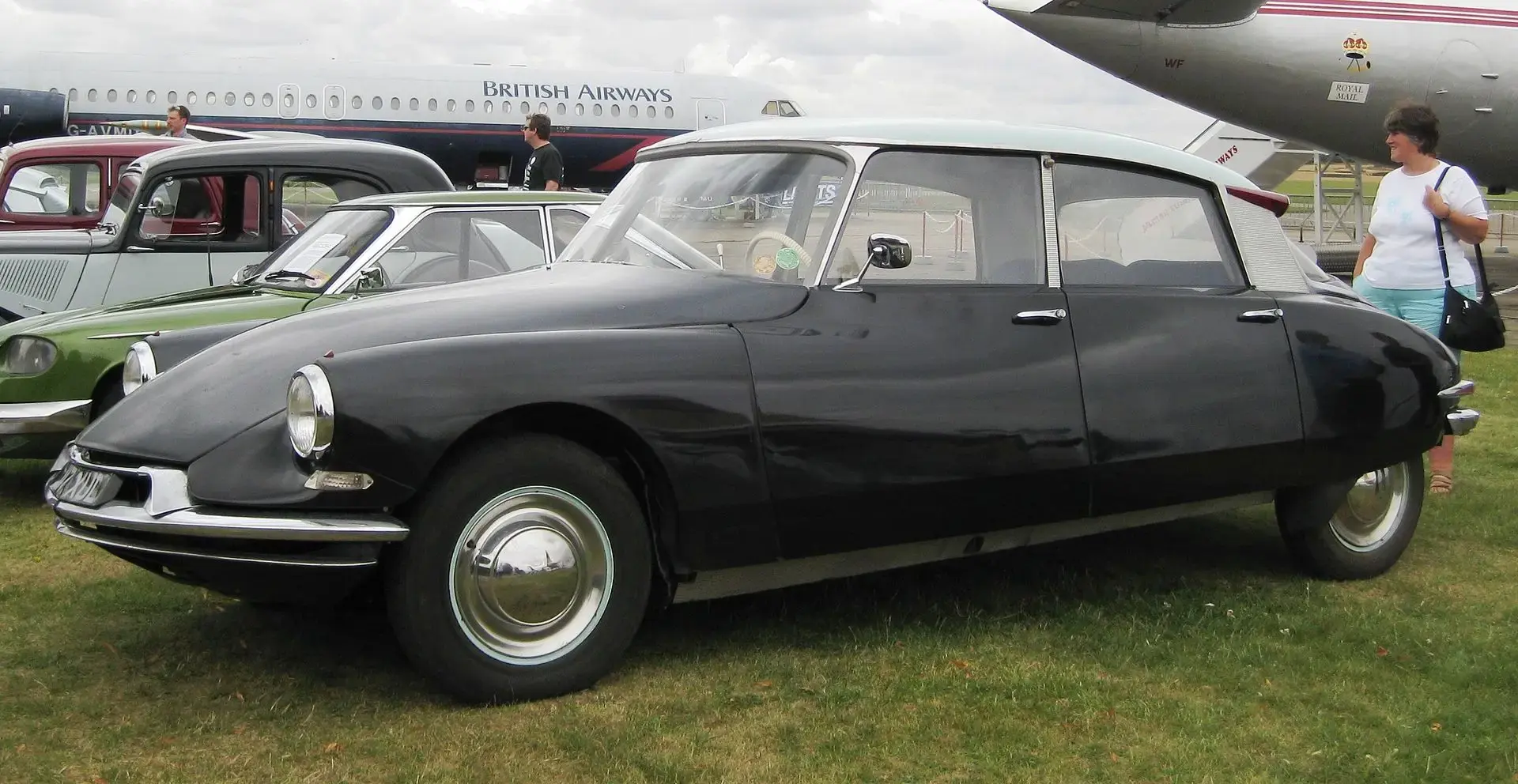
Citroën DS Evolution 1955–1975: Hydraulics & US Import Basics