
Copart vs. IAA: A Salvage Auction Showdown for International Buyers
For professional salvage car importers and buyers in key global markets like Georgia, Poland, Germany, Netherlands, Ukraine, Ghana, Lithuania, and the UAE, selecting the right auction partner is crucial. Copart and IAA (Insurance Auto Auctions) dominate the U.S. salvage market, and while both offer vast inventory, their operational styles, inventory focus, and post-sale processes have distinct differences that directly impact the international buyer's bottom line.
Here is a detailed comparison of the two leading platforms based on recent market observations and buyer experience.
Key Differences: Presence, Inventory, and Affordability
|
Feature |
Copart |
IAA (Insurance Auto Auctions) |
|
Global Reach & Strategy |
Larger global presence with more official locations. Brilliant strategy of partnering with 3rd parties in overseas markets to simplify the international buying process. |
Significant presence, but focuses more on direct insurer relationships. |
|
Cost (Fees) |
More competitive due to high buyer volume. Auction fees, buyer fees, and storage fees tend to be slightly higher. |
Generally more affordable in overall fees. |
|
Inventory Focus (Breadth) |
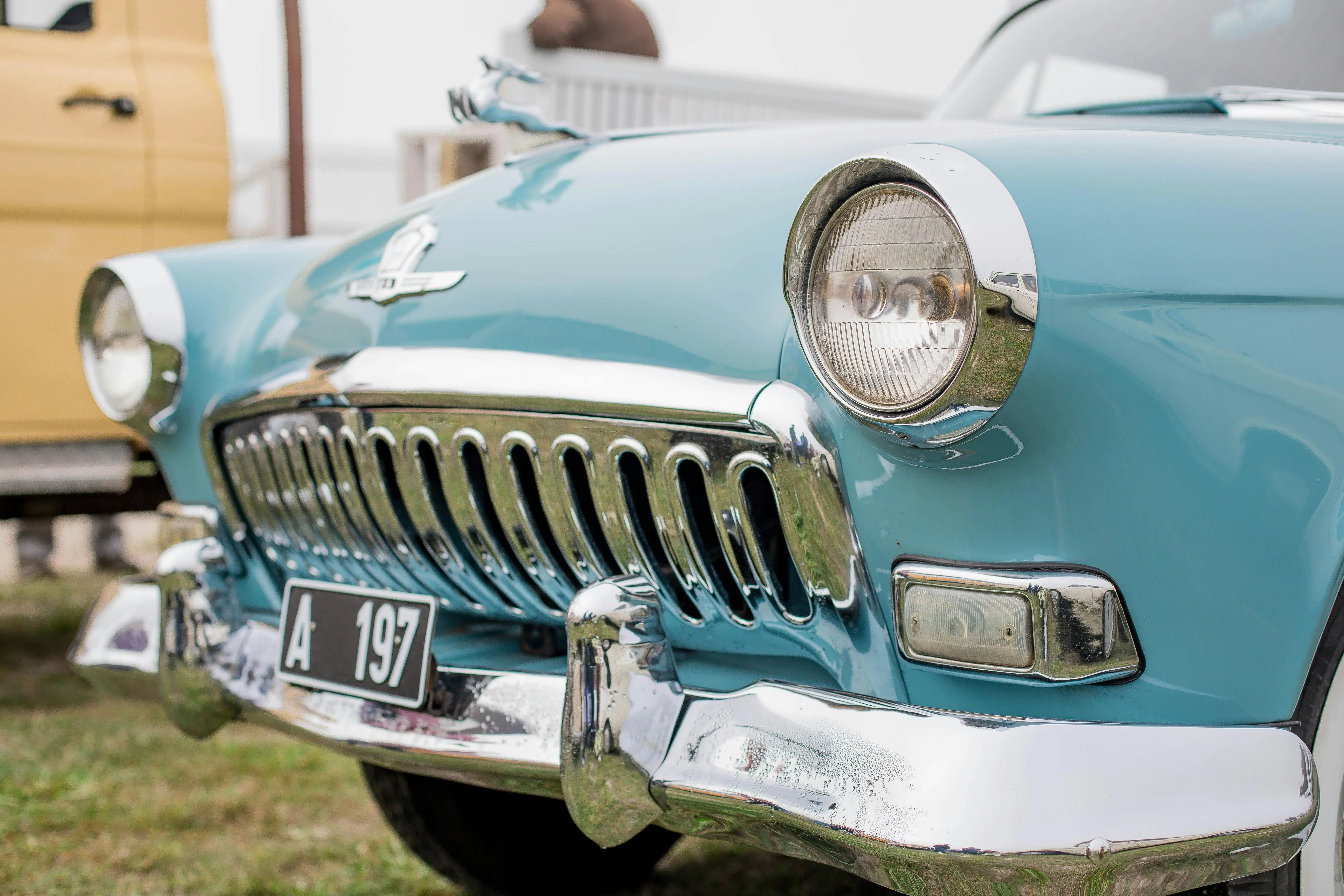
Largest variety of vehicles, including those needing more work. Excellent source for older classic cars that are still running and driving, and more exotics. |
Strong focus on newer, better-condition, and more easily repairable vehicles (insurance-grade). |
|
Inventory Focus (Type) |
Caters to a broader market, including dismantlers, rebuilders, and exporters seeking maximum variety. |
Primarily caters to rebuilders and dealers seeking high-quality, late-model, salvage-titled vehicles. |
|
Competitiveness |
More competitive and draws a larger volume of direct buyers from overseas, leading to potentially higher final bid prices. |
Bidding is often less competitive than on Copart. |
Platform Evolution and Shifting Buyer Preferences (Last 3-5 Years)
Both platforms have grown significantly with the increasing global demand for salvage vehicles. While they remain highly comparable, an experienced buyer's preference often hinges on the vehicle type being sought:
- Copart: Buyers gravitate towards Copart for its sheer variety and volume. It has become the primary source for a great selection of older classic cars that run and drive, and for a wider range of vehicles that may require more extensive work. It is also the go-to for finding unique exotics.
- IAA: The preference for IAA is driven by the desire for newer, more easily repairable cars. IAA has maintained its reputation for providing high-quality, insurance-grade inventory, making it easier for buyers who prioritize lower repair costs and quicker turnover.
Vehicle Quality, Photos, and Condition Reports
The information provided to a remote international buyer—the photos and reports—is critical to mitigating risk.
|
Aspect |
Copart |
IAA (Insurance Auto Auctions) |
|
Photo/Report Quality |
Generally good, but can be less consistent and sometimes less detailed than IAA. Condition reports are sometimes an extra cost. |
Slightly more professional and consistent across the board. Vehicles are generally better documented with detailed condition reports and sometimes 360-degree views/videos (often included in the fee structure). |
|
Inventory Quality |
Condition can be highly variable; greater due diligence is required. |
Tends to have newer, better-condition vehicles, providing a more predictable purchase. |
Post-Sale Experience: Logistics and Titles
For international buyers, the process after the bid is won is where logistical efficiency truly matters. IAA tends to offer a smoother overall post-sale experience.
|
Post-Sale Factor |
Copart |
IAA (Insurance Auto Auctions) |
|
Free Storage Time |
More restrictive, often leading to quicker accrual of storage fees. |
More generous free storage time at their yards before storage fees begin, providing a better buffer for logistics planning. |
|
Title Handling |
Titles often not available on-site at sub-lots, requiring additional back-office work to ensure timely mailing. This can cause delays. |
Titles get mailed out quicker, and the post-purchase process is generally easier and faster. |
|
Delivery/Pickup |
Increasingly more difficult to find vehicle transporters and appointment times for vehicle collection are often more limited, adding logistical friction. |
Generally easier to coordinate vehicle pick-up. |
Shipping and Importing Salvage Cars from the United States
The movement of non-operational salvage vehicles from the auction yard to an overseas port is done exclusively via shipping containers. This method is the only viable option for professional importers due to its superior safety, global reach, and cost-effectiveness.
The Standard: Consolidated Container Shipping
Unlike other transport methods, container shipping offers three key advantages essential for the salvage market:
- Safety and Security: Vehicles are loaded, secured, and sealed inside a steel container, offering complete protection from weather, salt corrosion, and damage during transit and port handling.
- Global Port Access: Container ships service virtually every major port worldwide, ensuring vehicles can reach any overseas destination.
- Maximum Affordability: The most affordable shipping option is consolidated container shipping. Companies like West Coast Shipping specialize in loading multiple vehicles (typically 2-4) from different buyers into a single container. This process splits the total freight cost, resulting in low per-vehicle rates and allows for quick departure times as containers are filled rapidly due to consistent weekly volumes.
Top Destination Ports for US Salvage Imports
The following ports serve as major global hubs for the onward distribution of U.S. salvage vehicles into their respective regional markets, including Eastern Europe, Central Asia, and the Middle East:
|
Destination Country (Market) |
Key Destination Port(s) |
Role in Salvage Logistics |
|
Georgia |
Poti |
Primary gateway for re-export into Central Asia (e.g., Armenia, Azerbaijan) and a major market itself. |
|
UAE |
Jebel Ali (Dubai) |
The dominant transshipment hub for the Middle East, Africa, and South Asia, making it a critical entry point. |
|
Germany |
Bremerhaven |
A central European hub with major customs clearance infrastructure; acts as an entry point for Germany and Central Europe. |
|
Belgium |
Antwerp |
A primary gateway for U.S. imports into the EU, offering fast onward transport links across the continent. |
|
Netherlands |
Rotterdam |
Europe's largest port; offers extensive container services and inland connections for distribution across Western Europe. |
|
Lithuania |
Klaipeda |
A crucial hub serving the Baltic states and providing access to markets further east. |
|
Poland |
Gdansk |
A vital port for Polish importers and a key entry point for vehicles destined for Ukraine. |
US Salvage Imports vs. Chinese Cars
While the Chinese automotive market is growing and some customers may cross-shop new Chinese models against salvage imports, the demand for salvaged American vehicles remains robust across the international market.
The primary drivers for continued strong demand for US salvage imports are:
- Lower Prices: Salvage vehicles offer a significantly lower entry price point for luxury and trusted global brands.
- Trusted Brands: Brands sourced from the U.S. generally have a higher perception of quality and reliability worldwide.
- Parts Availability: There is much wider and more established global availability of parts for American-market brands, making repairs significantly easier and cheaper in target countries like Georgia, Ukraine, and Ghana.
Regulatory Note: Saudi Arabia
While regulations vary by country, it is a critical factor for international buyers. Note that Saudi Arabia, a formerly active market for salvage imports, has recently introduced new restrictions, highlighting the importance of staying informed on local customs and import laws in all markets, including Poland, Germany, Lithuania, and the UAE.
Frequently Asked Questions About Copart & IAA
Is Copart or IAA better for international salvage buyers?
Both platforms work well for international buyers, but they excel in different areas. Copart is stronger for sheer volume, variety, and global reach, especially if you need a wide mix of vehicles or older stock. IAA tends to offer a smoother post-sale experience, more generous storage, and faster title handling, which reduces export delays. In practice, most professional importers use both and choose the auction based on the specific car and business model, not brand loyalty.
Which auction is better for classic cars and exotics?
Copart is usually the better source for older classics that still run and drive, as well as unusual exotics. Its inventory tends to include more high-mileage vehicles, projects, and unique models that are attractive for restoration or part-outs. If your business focuses on classic American cars or rare units for niche markets, Copart will typically give you more options per week.
How do new Chinese cars impact demand for US salvage vehicles?
New Chinese models are increasingly visible in many markets, but they have not replaced demand for US salvage units. International buyers still value the brand recognition, parts availability, and resale liquidity of US and European marques sourced from American auctions. In many regions, salvage imports remain the most cost-effective way to access luxury or well-known brands, even alongside cheaper new alternatives.
Can I buy multiple cars from both Copart and IAA and ship them together?
Yes, many exporters routinely combine vehicles from both auctions into the same container, provided they are moving through compatible ports and schedules. This strategy lets you cherry-pick the best lots from each platform while still benefiting from consolidated freight rates. It also increases loading flexibility, which helps containers sail on time and keeps storage charges under control.
How does consolidated container shipping work for auction cars?
Exporters collect vehicles from multiple Copart and IAA yards and bring them to a loading warehouse near the port. Cars are inspected, photographed, and then positioned, blocked, and braced inside a steel container—usually two to four units depending on size. Once the container is full, it is sealed, delivered to the terminal, and shipped to the destination port, where each buyer’s vehicles are unloaded and handed off to their local agent or transporter.
Ready to turn your next Copart or IAA win into a profitable import?
Get a fast, door-to-port container shipping quote and lock in logistics before the storage clock starts ticking.


Can I Ship Salvage Cars To El Salvador? 2026 Complete Guide
Salvage Imports In Ghana: 2025 Guide To Wholesale Cars & Costs