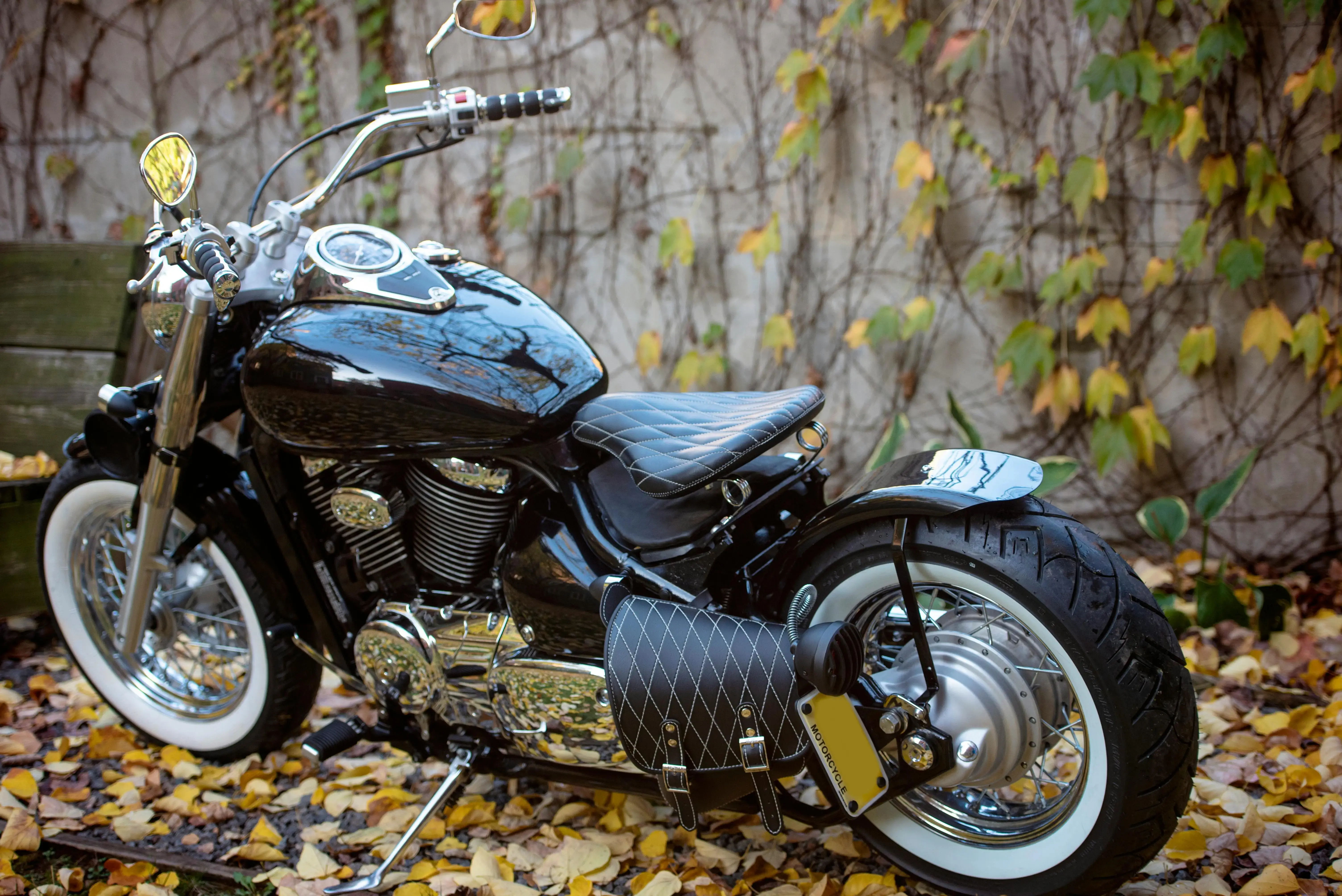

If you already own a Harley-Davidson in the EU and are moving to the UK, you do not have to start from scratch with a full MSVA test. The GB conversion IVA scheme lets you reuse the bike’s existing EU type approval and focus only on a handful of UK‑specific changes such as headlights, speedometer units, and fog‑light position.
This article explains how GB conversion IVA works specifically for EU‑registered Harleys, which bikes qualify, what modifications you need, and how the approval certificate feeds into DVLA registration. For a broader overview of MSVA vs IVA and how to choose between the UK and EU in the first place, read the main guide UK Harley-Davidson Import Guide: MSVA, IVA & DVLA Registration alongside this article.
1. What GB Conversion IVA Is and When a Harley Qualifies
GB conversion IVA is a post‑Brexit approval route run by the Vehicle Certification Agency (VCA) for vehicles that were built to a European specification and already hold EU type approval. The VCA describes the scheme on its vehicle importing information page and provides the dedicated motorcycle form on the GB conversion IVA: motorcycles document.
According to the official Application for GB Conversion IVA – Motorcycles (MR‑002) form, your Harley typically qualifies if:
-
It has a European Certificate of Conformity (CoC) with 51 or 52 numbered items confirming EU type approval.
-
It was first registered in an EU or EEA country and not originally built to full UK spec.
-
It is less than 10 years old from its date of first registration; the form explicitly states that motorcycles over 10 years old are exempt from this VCA procedure and should go straight to DVLA.
If your Harley is over 10 years old, or was first registered outside Europe, the VCA guidance notes that you will usually need to follow other routes such as MSVA via DVSA instead of GB conversion IVA. The main UK Harley-Davidson import guide compares these alternatives.
2. Why GB Conversion IVA Is Easier Than Full MSVA
The VCA’s description of the GB Conversion IVA process explains that it is document‑based, not a physical inspection. You make declarations about the Harley’s suitability for UK roads and supply evidence of specific alterations required by UK Construction and Use legislation and the Road Vehicles Lighting Regulations.
Compared with full MSVA:
-
You do not take the motorcycle to a DVSA test station.
-
You reuse the EU Certificate of Conformity, rather than proving compliance item‑by‑item.
-
The changes are focused on UK‑specific details like which side of the road you drive on and the units used on the speedometer.
The official MR‑002 form and VCA guidance make clear that GB conversion IVA is intended for vehicles that already meet EU standards; the goal is to bridge the gap between right‑hand‑traffic EU use and left‑hand‑traffic UK use.
Practically, this means less workshop time, lower risk of surprise failures, and a faster path to registration than starting from zero with MSVA.
3. Key Modifications for EU‑Registered Harleys
The VCA application form lists the evidence you must supply with your GB conversion IVA application:
-
Headlight evidence
-
Speedometer evidence
-
Fog‑light evidence (if applicable)
Each must be backed by a dated, vehicle‑specific invoice or statement from a VAT‑registered garage, dealer or MOT station. For a typical EU‑spec Harley-Davidson, this translates into three main modifications.
3.1 Headlight for left‑hand traffic
EU‑market Harleys are built for right‑hand traffic, with a dipped beam that illuminates the right side of the road and can dazzle oncoming drivers in the UK. The VCA guidance explains that alterations may be necessary to ensure compliance with UK lighting regulations.
For most Harleys, you will:
-
Replace the headlamp with a UK‑spec unit designed for left‑hand traffic, or
-
Adjust the existing lamp (where the design allows) to remove any kick‑up to the right and produce a flat or left‑biased pattern.
Your evidence could be:
-
A workshop invoice describing the headlight replacement or adjustment and confirming that it is suitable for the UK.
-
A statement from an MOT test station on headed paper confirming that the dipped beam meets UK requirements.
3.2 Speedometer showing MPH
The UK expects a speedometer that displays miles per hour. The VCA’s documentation asks for speedometer evidence because many EU‑spec bikes show only km/h. On a modern Harley, there are typically three solutions:
-
Reprogram the digital instruments to show MPH as the main or secondary unit.
-
Replace the instrument cluster with a dual‑scale MPH/kmh unit.
-
Fit a replacement dial or overlay with MPH markings, supported by professional calibration.
Your evidence should be a dated invoice or signed statement from a garage confirming what was done and that MPH is now displayed.
3.3 Rear fog light (if fitted)
Not all motorcycles have rear fog lights, but if your Harley does, UK rules generally require the fog light to be centrally mounted or on the right‑hand side of the vehicle. Some EU bikes place it on the left, which is fine for right‑hand‑traffic countries but not ideal for the UK.
In those cases, the modification is usually to:
-
Relocate the fog light to the correct position, or
-
Replace it with a compliant unit in the correct location.
Again, a dated invoice or workshop statement must accompany your GB conversion IVA application.
4. The GB Conversion IVA Application Step by Step
The UK’s guidance on getting vehicle approval and the MR‑002 form together outline a clear process for Harley owners.
Step 1: Gather your documents
Before you fill out the form, assemble:
-
The European Certificate of Conformity (CoC) – original or scanned copy.
-
Headlight evidence – invoice or statement, dated within 3 months, with the garage’s VAT or MOT number.
-
Speedometer evidence – same requirements as above.
-
Fog‑light evidence – if the motorcycle has one and it required modification.
-
The Harley’s 17‑digit VIN and details of its first registration date and country.
The MR‑002 form makes clear that if the bike is more than 10 years old, you should not apply to VCA; instead, contact DVLA for registration rules, as older vehicles are exempt from GB conversion IVA.
Step 2: Complete the MR‑002 form
Download the Application for GB Conversion IVA – Motorcycles (MR‑002) from the GB conversion IVA: motorcycles page. In the form, you will:
-
Confirm vehicle details (VIN, make, model, country of origin).
-
Tick the boxes for the documents you are submitting (CoC, invoices, statements).
-
Declare that the Harley was built to a European specification and is being imported from another European country.
The guidance notes on pages 3–4 of the form help you decide whether GB conversion IVA is the right scheme for your motorcycle.
Step 3: Pay the fee
The MR‑002 application states a £100 fee for a GB conversion IVA application, payable by credit/debit card via GOV.UK Pay or by cheque made out to “DFT – Vehicle Certification Agency”.
The government’s broader page on getting a certificate of GB conversion IVA repeats that there is a £100 fee and links back to the form. As with all fees, you should confirm the current amount on GOV.UK before applying, in case there have been updates.
Step 4: Submit to VCA
Send your completed MR‑002 and supporting documents to VCA:
-
By email, with scanned copies of all documents and payment made via GOV.UK Pay, or
-
By post, including a cheque and paper copies of the evidence.
The VCA’s vehicle importing information page gives contact details and explains that applications may take longer to process during busy periods.
Step 5: Receive your GB conversion IVA certificate
Once VCA is satisfied that your Harley meets UK requirements, they will issue a GB conversion IVA certificate electronically and return any original documents by post, along with a hard copy of the certificate. The guidance notes explain that if payment was by cheque, the approval will be held until funds have cleared.
If they cannot issue a certificate because evidence is incomplete or the bike does not qualify, they will contact you to explain what additional information or alternative route (such as MSVA) is required.
5. Common Pitfalls and How to Avoid Them
VCA’s documentation and third‑party guidance reveal a handful of recurring mistakes that delay or derail GB conversion IVA applications for motorcycles. Harley owners can avoid most of them with a little planning.
Pitfall 1: VIN mismatch or missing CoC details
The MR‑002 guidance stresses that the VIN on the CoC and the motorcycle frame must match and that the CoC must include a proper EU type‑approval number. If your CoC is missing or incomplete, you should contact Harley-Davidson or the national distributor to obtain a duplicate before applying.
Pitfall 2: Weak or generic workshop evidence
The form sets out strict requirements for invoices and statements:
-
They must be vehicle‑specific, dated within 3 months, and identify the Harley by VIN or registration.
-
They should clearly describe the work done (for example, “headlamp replaced with UK‑spec unit suitable for left‑hand traffic”).
-
They must include the garage’s VAT number, MOT station number or company registration number.
Generic receipts or undated notes are often rejected; investing in good documentation upfront saves weeks of back‑and‑forth.
Pitfall 3: Using the wrong approval route
The guidance notes on MR‑002 explain several cases where GB conversion IVA is not appropriate, such as:
-
Motorcycles over 10 years old.
-
Bikes first registered outside Europe without relevant documents.
-
Vehicles that have been heavily modified away from their EU type‑approved configuration.
In these cases, you may be directed to DVSA and the Individual Vehicle Approval or MSVA scheme instead. If you are unsure, the government recommends contacting VCA directly or reviewing the advice in “How to import a vehicle into the United Kingdom,” which also points you to GB conversion IVA where a CoC does not confirm UK suitability.
6. DVLA Registration After GB Conversion IVA
GB conversion IVA is an approval step; it does not by itself give you a number plate. To ride your Harley legally in the UK, you still need to complete customs and DVLA registration.
6.1 Customs and NOVA
As set out in the official guidance on how to import a vehicle into the United Kingdom, you must:
-
Tell HMRC about the vehicle in the NOVA (Notification of Vehicle Arrivals) system within 14 days of arrival.
-
Pay any import duty and VAT that are due or demonstrate that the bike qualifies for relief (for example, as part of a personal move).
Only once HMRC has processed NOVA and confirmed there are no outstanding tax issues can you proceed to DVLA registration.
6.2 DVLA application pack
The DVLA’s page on registering an imported vehicle explains that for a previously EU‑registered motorcycle you will typically submit:
-
The GB conversion IVA certificate from VCA.
-
The EU registration document or other proof of first registration.
-
The European Certificate of Conformity.
-
HMRC’s NOVA reference.
-
A completed V55/5 form (for private individuals) or V55/4 for businesses.
-
Proof of identity and UK address.
-
The £55 first‑registration fee and payment for UK road tax.
Once processed, DVLA will issue a UK registration number and V5C logbook. At that point your Harley is fully UK‑registered and can be taxed and used on public roads.
7. Where GB Conversion IVA Fits in Your Shipping Plan
GB conversion IVA handles the regulatory side; you still need a plan for how the Harley will physically move from its EU location to the UK and then to the workshop handling modifications.
West Coast Shipping’s international motorcycle shipping rates page outlines costs and methods for moving bikes in containers between the USA, UK, EU and other markets. While many GB conversion IVA cases involve bikes that are already in Europe, the same infrastructure is often used to:
-
Move Harleys from continental Europe to UK ports in shared containers.
-
Store and unload the bikes at UK depots while customs and NOVA are processed.
-
Transfer them to partner workshops for headlamp, speedometer and fog‑light modifications before VCA and DVLA paperwork.
For owners who are relocating and combining household goods with the bike, West Coast Shipping can help design a consolidated move, then slot the Harley into an approval sequence built around the steps described in this article and in the UK Harley-Davidson import guide.
Get a GB Conversion IVA‑Ready Shipping Quote
If you are planning to bring an EU‑registered Harley into the UK, the smartest approach is to align shipping, workshop time, GB conversion IVA, and DVLA registration in one timeline. Start by using the calculator on the international motorcycle shipping rates page to estimate transport costs and transit times, then use this GB conversion IVA guide and the main UK Harley-Davidson Import Guide: MSVA, IVA & DVLA Registration to plan the approval and registration steps that will turn your EU Harley into a fully legal UK bike.

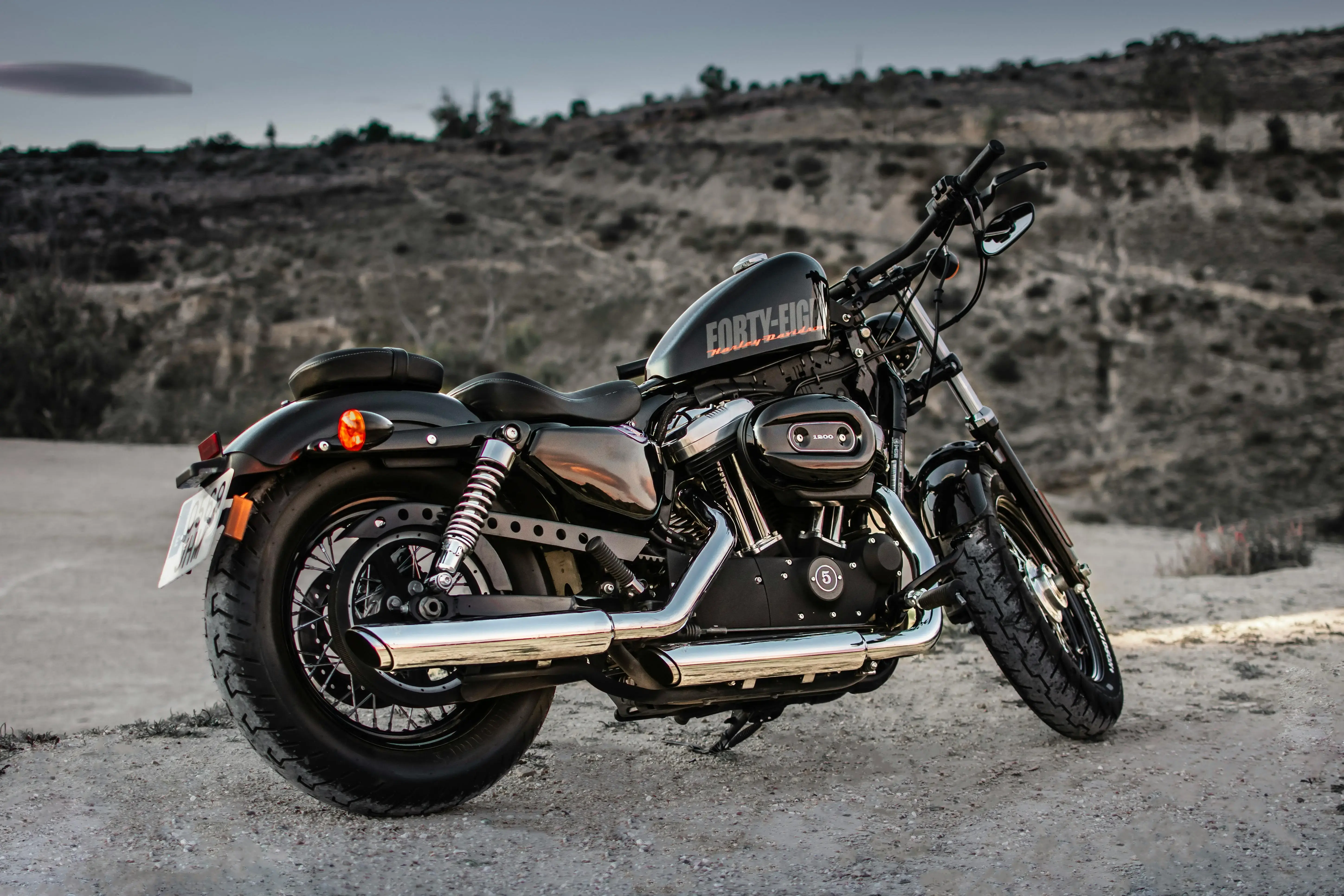
UK Harley-Davidson Import Guide: MSVA, IVA & DVLA Registration
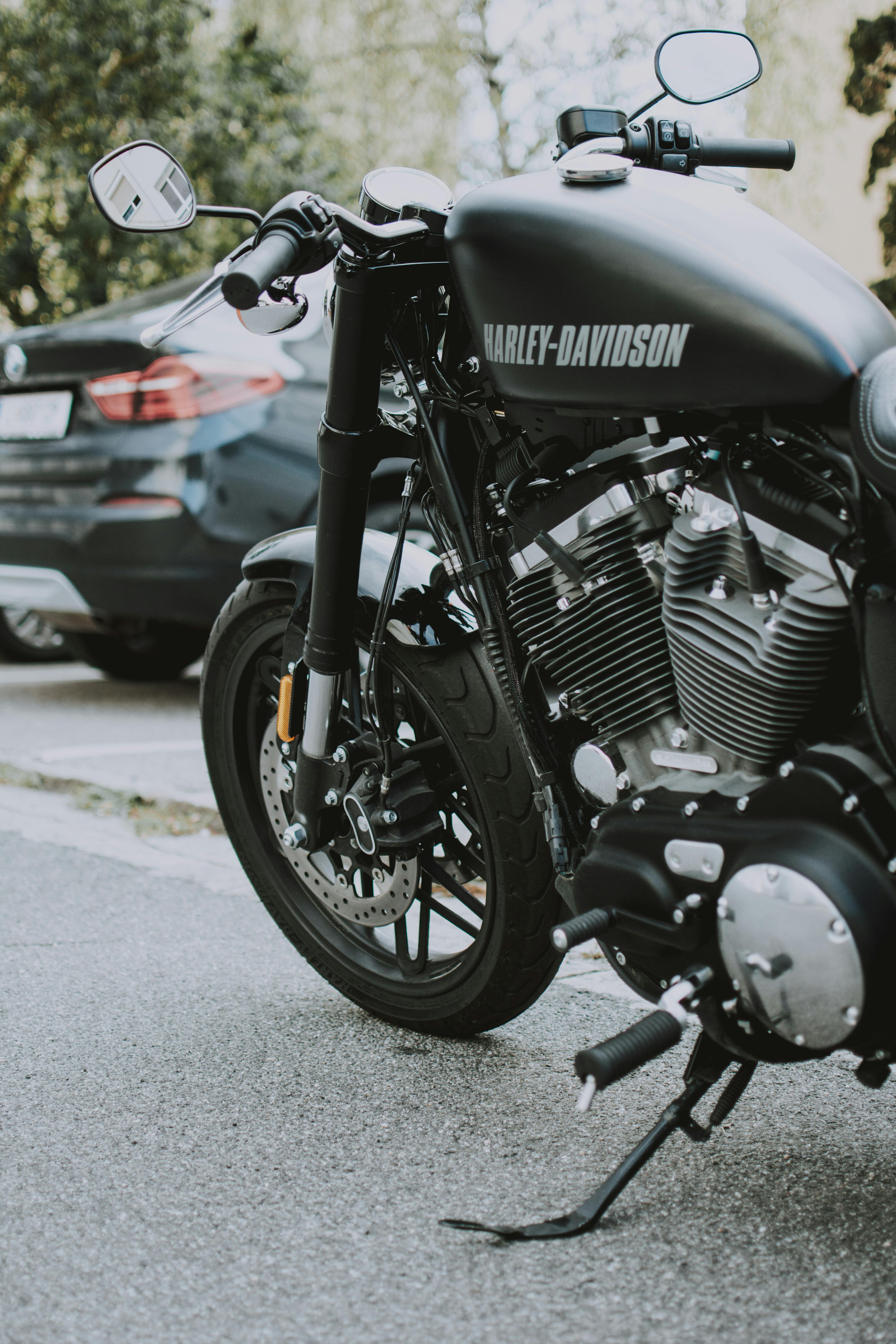
Harley-Davidson and the EU Tariff Paradox: How 50% Duties Backfired