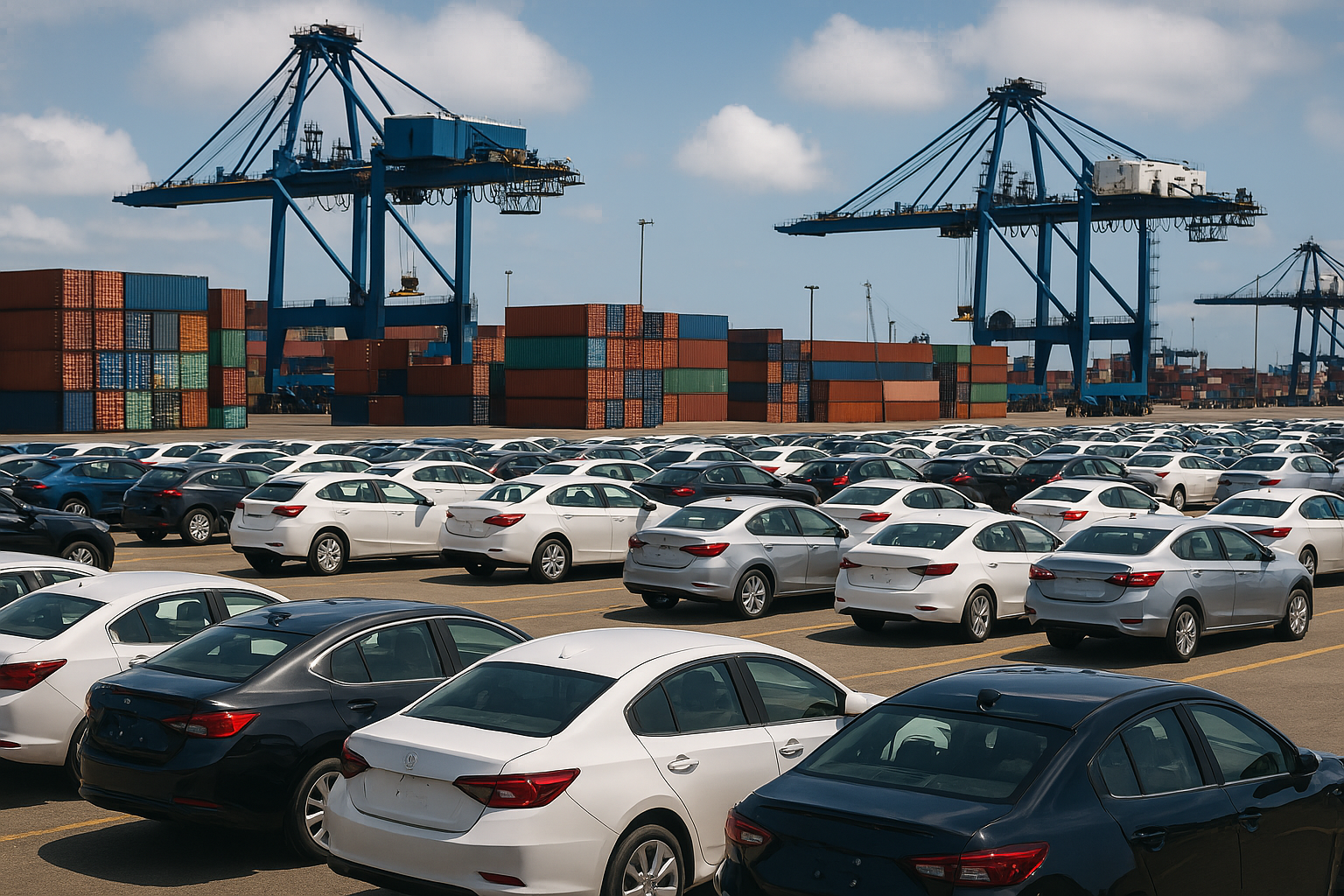

Among enthusiasts and commentators, the Honda CB750 is widely described as a motorcycle that redefined what a mass‑market road bike could be at the end of the 1960s. Various period tests and retrospective articles portray the 1969 CB750 as a key moment in the move toward large‑capacity, multi‑cylinder “universal” superbikes, combining performance, reliability, and usability in a way that was unusual for its time. Later generations adapted that formula to changing rider expectations from the 1970s through the early 2000s.
For current and prospective owners—especially those considering cross‑border moves—it is helpful to understand how the CB750 story is commonly broken down into distinct eras, and how each era’s characteristics can affect both riding and logistics.
1969–1976: The Original SOHC CB750 Four
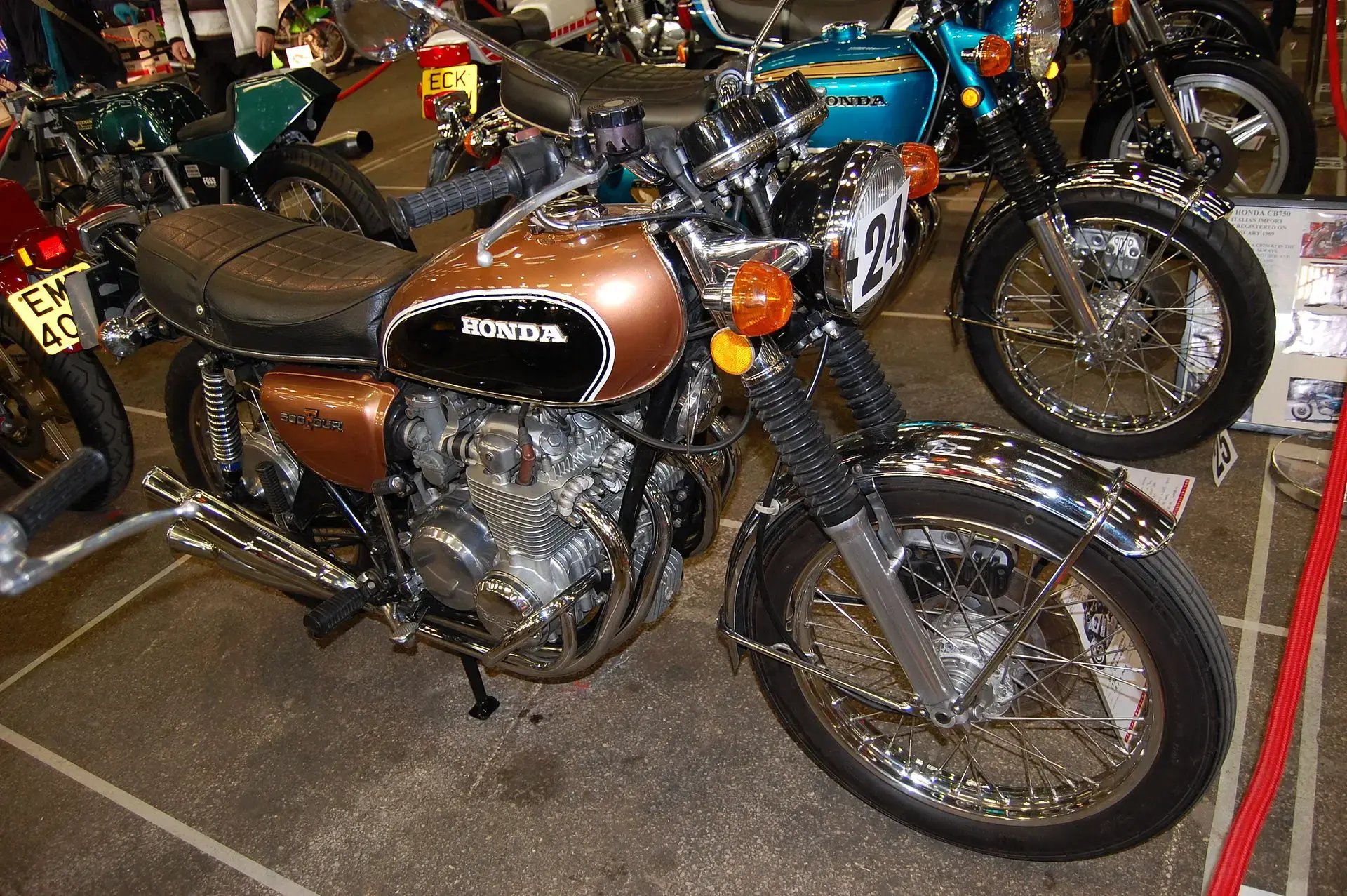
How Enthusiasts Commonly Describe the K-Series
Public sources and enthusiast literature frequently refer to the 1969 CB750 K0 as the archetypal version that “changed everything” in the big‑bike market. The early K‑series bikes are commonly characterized by:
-
A transverse inline‑four engine in the 736cc range with a single overhead camshaft
-
Four carburetors and a five‑speed gearbox aimed at smooth, flexible performance
-
A hydraulic front disc brake and electric starter that were notable features on a high‑volume road bike at the time
Within this family, the very first K0 units are often described as having “sandcast” engine cases—produced in relatively limited numbers before Honda is understood to have moved to die‑cast cases. Exact production figures, casting timelines, and specification details can vary between sources and markets, so anyone basing a purchase or restoration strategy on these distinctions should verify them directly with factory literature, marque registries, or recognized CB750 specialists.
Practical Ownership and Shipping Considerations
Early SOHC CB750s often sit high on collectors’ wish lists. As a result, owners considering international shipping for a K‑series bike typically:
-
Arrange pre‑purchase inspections or detailed condition reports to document originality, mechanical health, and any non‑period modifications.
-
Budget for engine, brake, and electrical work after arrival, as age‑related wear and long storage can affect even apparently well‑preserved bikes.
-
Treat any conversations about “desirability” or “market strength” as descriptive of recent sales and community sentiment, not as guarantees of appreciation or liquidity.
Because these bikes can be both valuable and mechanically sensitive, choosing appropriate crating or securing methods and transit routes is important. West Coast Shipping’s international motorcycle shipping rates page provides an overview of how lane, bike size, and handling choices influence cost planning for vintage models like the CB750.
Late 1970s–Early 1980s: DOHC Super Sport and Derivative Models
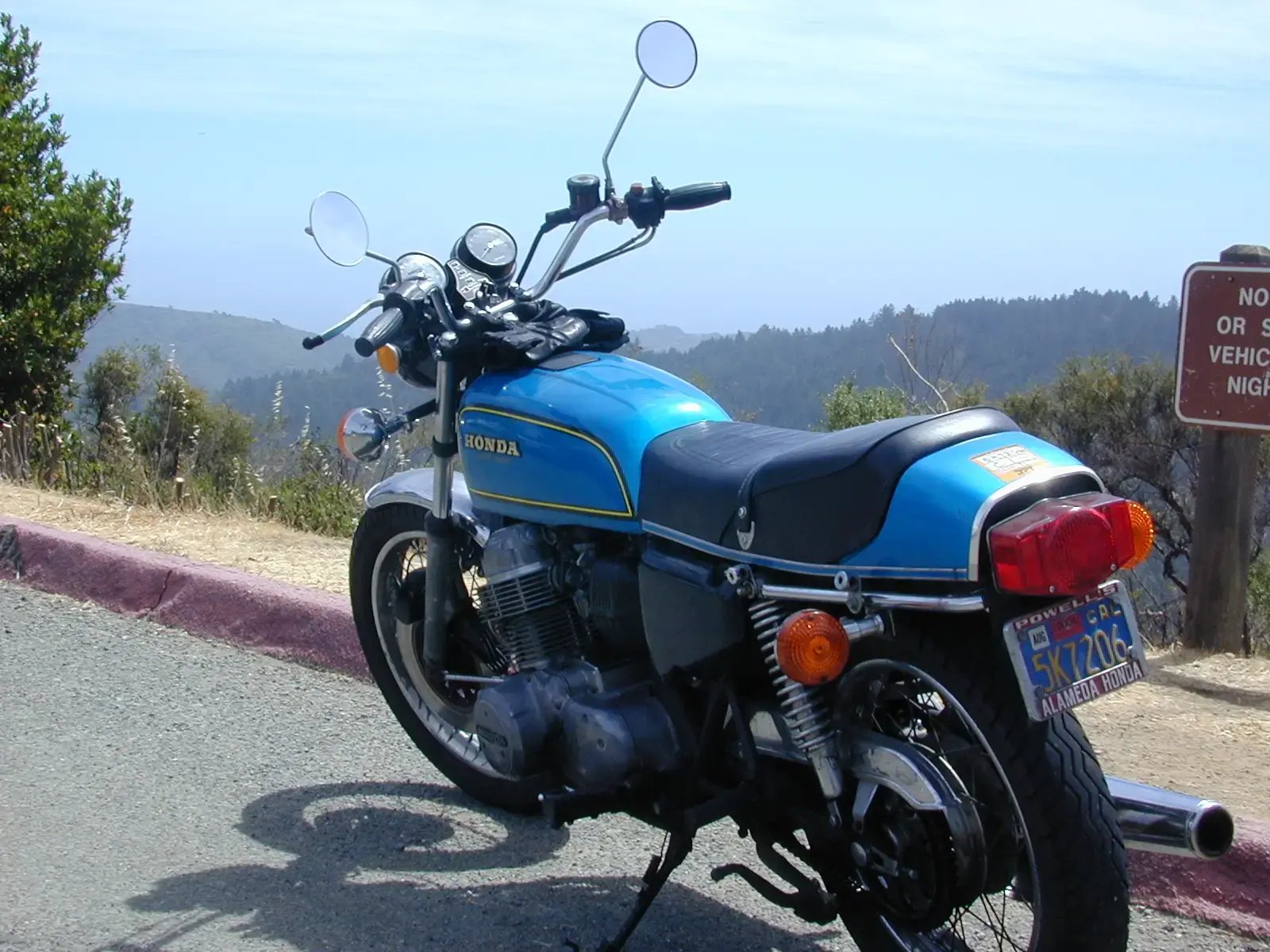
Twin-Cam Performance Evolution
By the late 1970s, other manufacturers had responded to the original CB750, and Honda is widely reported to have introduced DOHC (“double overhead cam”) CB750 variants to keep pace. These twin‑cam models are typically described as featuring:
-
A DOHC inline‑four engine of around 748cc with four valves per cylinder, tuned for higher‑revving performance compared to the SOHC bikes
-
Updated chassis geometry and braking components to better support sportier riding
-
Styling and ergonomics influenced by emerging “Super Sport” tastes of the era
Again, exact technical specifications can differ by year and market, so prospective buyers should rely on VIN‑specific documentation and expert guidance, rather than general summaries, when making decisions.
Customs, Standards, and Use Cases
Around this period, Honda also offered CB750 derivatives that leaned toward custom/cruiser roles or retained standard/naked ergonomics. Enthusiast discussions often note that:
-
Super Sport versions appeal to riders who want sharper handling and more aggressive engine characteristics than the original K‑series.
-
Custom variants offer period styling cues but may have ergonomics and chassis setups that feel more relaxed and less sporting.
From a logistics standpoint, DOHC CB750s are often considered practical choices for riders who plan to use the bike regularly in a new country: they feel more modern than early K0–K2 models, while still being mechanically approachable compared to highly complex later machines.
1980s–2003: Nighthawk and “Modern Classic” CB750s
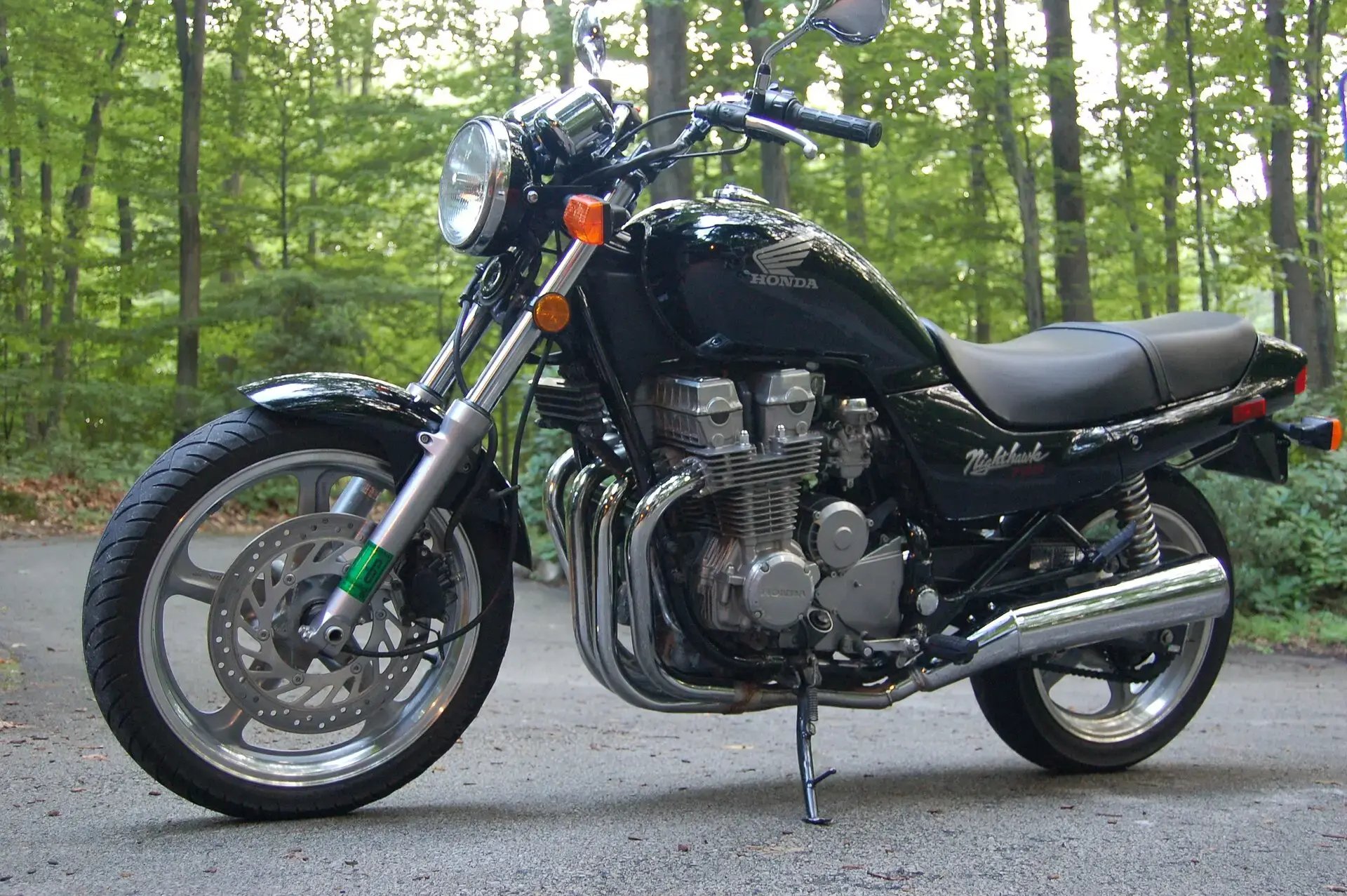
CB750SC Nighthawk: Everyday Use in Focus
In the early 1980s, Honda introduced the CB750SC Nighthawk, which many sources describe as a reliable, low‑maintenance standard built around CB‑series mechanical DNA. Commonly cited characteristics include:
-
A DOHC inline‑four engine tuned for smooth midrange rather than peak output
-
Upright ergonomics, simple bodywork, and a focus on practicality
-
A reputation among owners for durability and straightforward servicing when maintained properly
These bikes have often been used as commuters or weekend all‑rounders, which means condition can vary widely. Anyone considering export or import of a Nighthawk‑era CB750 should pay close attention to mileage, service history, and signs of heavy everyday use.
Retro and Late-Production CB750s
In some markets, Honda sold later CB750s with retro‑inspired styling—round headlights, classic tank lines, and relatively simple instrumentation—paired with more contemporary brakes and chassis components. Enthusiasts typically view these bikes as:
- Less complex than cutting‑edge contemporary sportbikes, which can make them attractive for owners who prefer analog experiences.
- More forgiving and practical than some earlier CB750s, especially for urban use and short‑ to medium‑range rides.
For cross‑border projects, these late CB750s can be appealing because they often require less intensive restoration work than very early examples while still carrying the CB750 name and aesthetic.
CB750 as Collectible and Rider’s Bike: Market Reality vs. Expectations
Across all generations, public commentary and auction results suggest that certain CB750 variants—especially early K‑series bikes and well‑executed customs—can attract strong interest. At the same time, it is critical to keep several caveats in mind:
-
Collectible motorcycle markets are volatile. Periods of heightened demand can be followed by corrections or long plateaus.
-
Descriptions such as “prized,” “sought after,” or “easier to sell” are generalizations based on recent patterns; they do not guarantee that any given CB750 will appreciate or find a buyer quickly.
-
Restoration and maintenance costs can easily outstrip expected resale value, especially for projects that require significant mechanical or cosmetic work.
Anyone considering a CB750 as part of a collection or cross‑border move should treat the decision primarily as an enthusiast choice. If potential resale or long‑term value is an important factor, independent appraisals and specialist market advice are strongly recommended.
Shipping a Honda CB750 Internationally: Key Planning Points
Although the CB750 began as a domestic Japanese model, it is now firmly embedded in the global classic scene. Moving one across borders—whether from the US to Europe, to Japan, or in the opposite direction—requires coordinated planning across compliance, documentation, and logistics.
Regulatory and Compliance Checks
Before committing to an international move:
-
Speak with a licensed customs broker in the destination country to understand how your specific CB750 (year, variant, and modifications) is likely to be classified under current regulations.
-
Confirm any age‑related pathways, emissions expectations, lighting requirements, and noise limits, rather than assuming that a “classic” label automatically simplifies entry.
-
Verify how local registration authorities treat non‑domestic or older motorcycles; some jurisdictions have specific inspection programs or documentary requirements for non‑local VINs and non‑original equipment.
All regulatory and tax decisions must ultimately be made by the appropriate authorities and your professional advisors. Age‑based concepts, rules of thumb, and enthusiast anecdotes should never substitute for current, written guidance from customs and registration specialists.
Documentation and Condition
International CB750 projects typically run more smoothly when:
-
Titles (or local equivalents), bills of sale, and any historical paperwork are complete, accurate, and consistent with VIN and engine numbers.
-
Clear, dated photos document condition before shipping, helping all parties address any questions that might arise during transit or upon arrival.
-
Sellers and buyers agree in writing on the motorcycle’s described state, including any known non‑original parts or modifications.
Because CB750s span several decades and multiple mechanical generations, documentation can also play a role in confirming exactly which variant you are dealing with—important for both regulatory classification and future resale.
Logistics, Routes, and Cost Structure
Once regulatory feasibility is confirmed, logistics planning with a carrier such as West Coast Shipping usually covers:
-
Origin to export hub: Whether the CB750 will be delivered directly to a WCS facility or transported there via domestic carrier.
-
Shared vs. dedicated containers: Single CB750s often travel in shared containers, while dealers and collectors may use dedicated containers for multiple bikes and/or mixed cargo.
-
Crating and securing: Choosing between custom or modular crates and stand‑based securing systems inside containers, guided by the bike’s value and fragility.
To understand how different routes, consolidation options, and handling levels translate into approximate cost, consult West Coast Shipping’s international motorcycle shipping rates. That resource explains the main factors that influence pricing and can help CB750 owners create a realistic budget before booking.
Important Disclaimer and Information Limits
The information in this article is based on commonly available public sources, enthusiast commentary, and general industry practices as of February 2026. Model ranges, specifications, production details, and historical significance assessments for the Honda CB750 can vary by market and by source.
Before making any purchase, restoration, or export/import decisions:
-
Always verify technical and historical details with marque experts, factory literature, dedicated CB750 registries, or reputable specialist workshops.
-
Always confirm current regulatory requirements directly with customs authorities or through a licensed customs broker in both origin and destination countries. Rules governing vehicle imports, emissions, safety, and registration can change without notice and may be applied differently in individual cases.
-
Do not rely on this article for investment decisions. Collectible motorcycle markets are volatile and inherently uncertain. Any references to demand, desirability, or market behavior are descriptive only and do not guarantee any future value, saleability, or rate of return.
-
Treat all regulatory and tax discussions as general context, not as legal or customs advice. Only qualified professionals with up‑to‑date access to local laws and tariff schedules can advise you properly on your specific CB750 and route.
West Coast Shipping provides logistics services—pickup, export handling, ocean transport, and delivery coordination—but does not interpret or apply customs, tax, or registration laws, and does not provide financial or investment advice. You remain solely responsible for your own due diligence and professional consultation.
Get a Honda CB750 Shipping Estimate with West Coast Shipping
If you are planning to move a Honda CB750 across borders—whether as part of a relocation, a collection strategy, or a single dream‑bike purchase—the next step is to obtain a clear logistics estimate and timeline.

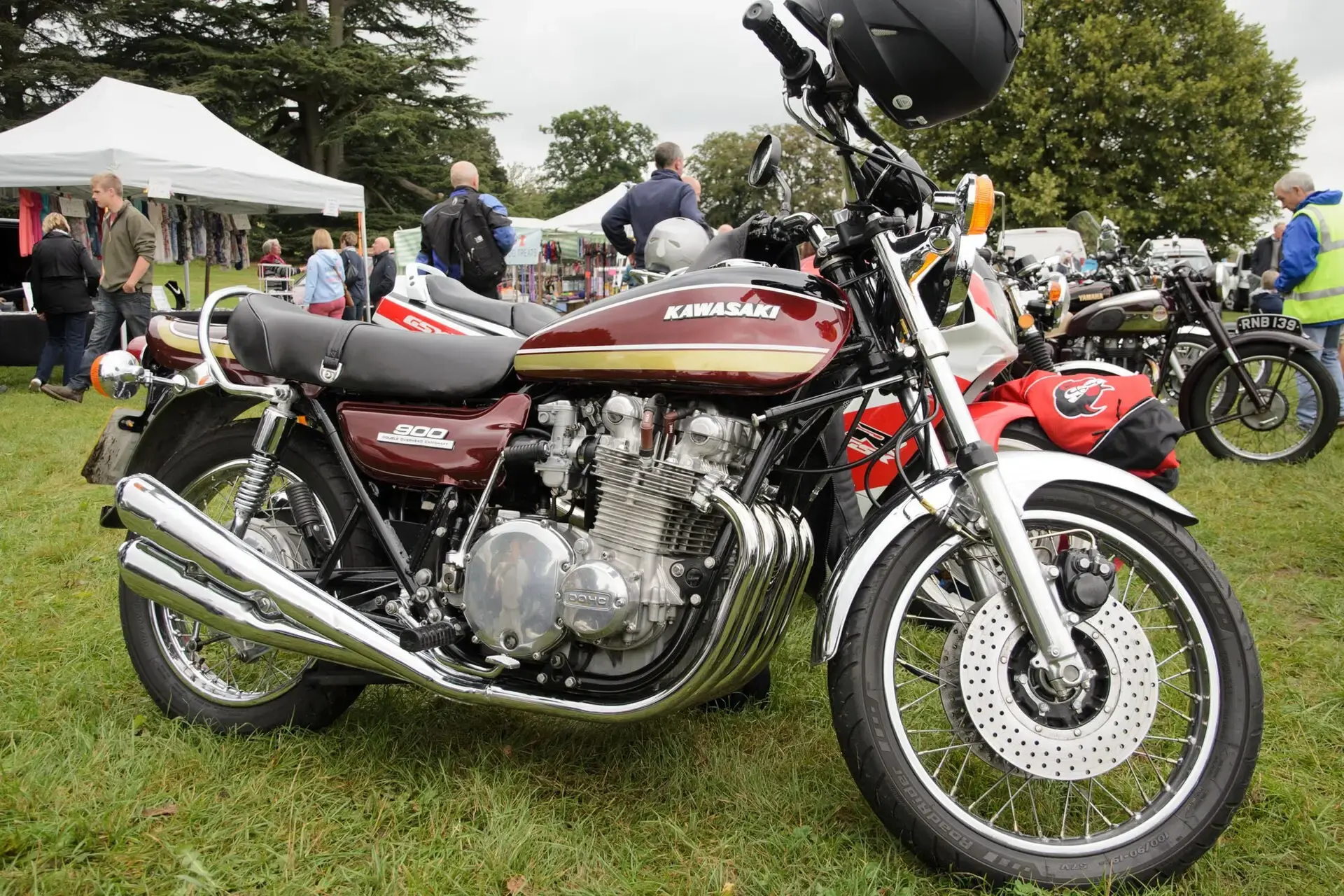
Kawasaki Z1 900: The Legend Born From Honda’s Missed Chance
How To Use Our Car Shipping Cost Calculator For International Shipping