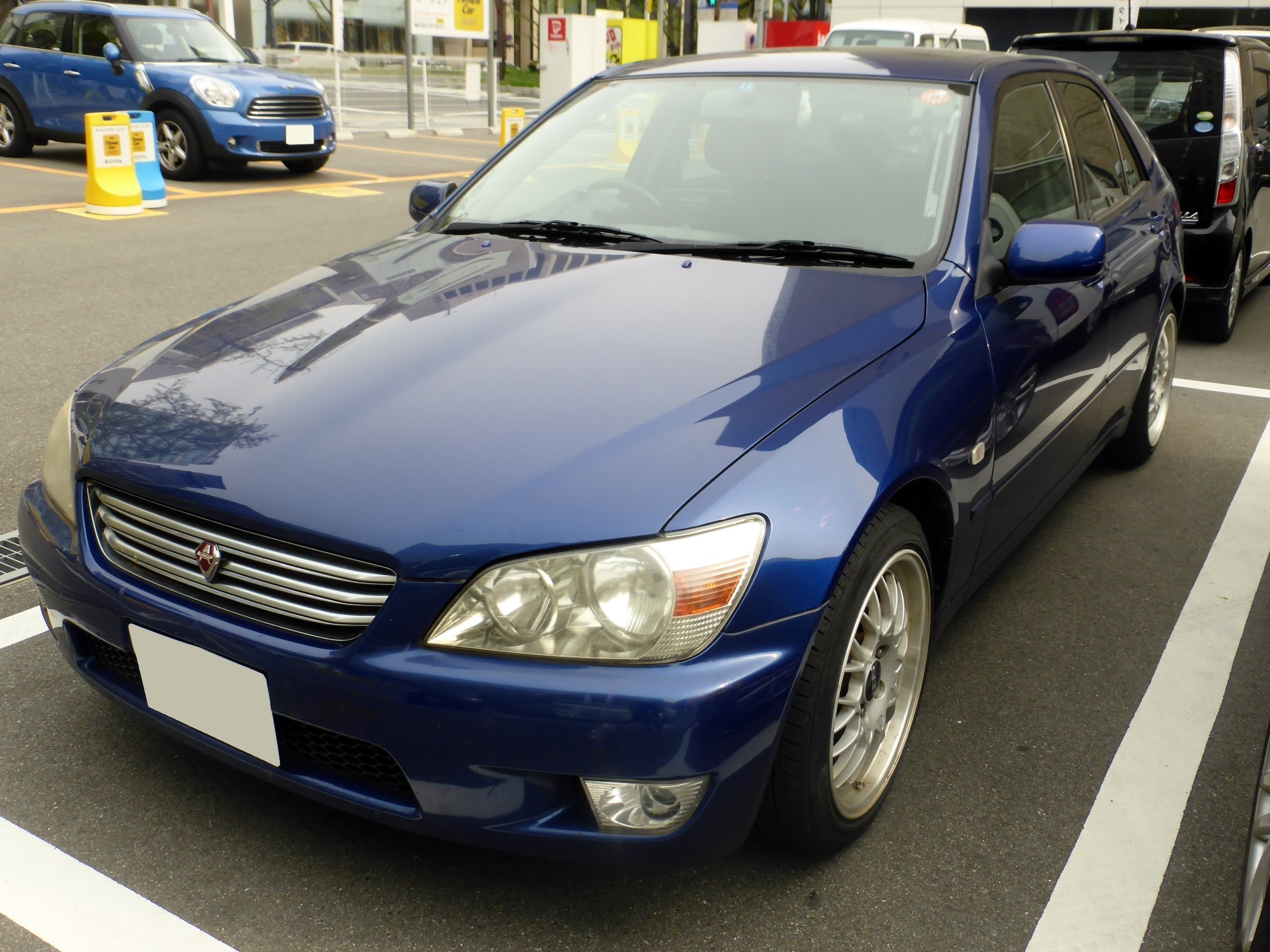

A modern electric car built for another market almost never clears the US 25-year rule, and a Chinese-built one pays a 100% Section 301 tariff on top. The EV import that works today is the old one: Toyota launched the Prius in December 1997, so the first hybrids are now old enough to come in as classics.
Our view: skip the new EV you cannot register and shop for the early hybrids and battery cars crossing the 25-year line. This guide covers the safety and emissions rules, the duty, battery shipping and the documents.
The 25-Year Rule Covers Electric Cars Too
NHTSA's rule has no carve-out for batteries: "A motor vehicle that is at least 25 years old can be lawfully imported into the U.S. without regard to whether it complies with all applicable FMVSS." The clock runs from the month of manufacture, so in late 2026 you are shopping for cars built in late 2001 or earlier.
A younger car not built to US safety standards "cannot be lawfully imported into the U.S. on a permanent basis unless NHTSA determines it eligible for importation," and then a Registered Importer has to bring it into conformity. Electric cars add one more standard to prove: FMVSS No. 305, which covers electrolyte spillage, battery retention and shock protection for passenger cars with propulsion voltage over 60 volts DC.
EPA rules apply as well. The Clean Air Act prohibits importing "any motor vehicle" that does not conform to EPA standards, and EPA's older-vehicle exemption starts at 21 years. Our take: for a current EV built for Europe, China or Japan, the conversion is rarely a realistic project. We would not buy one for US registration.
The Early Hybrids and EVs Worth Importing Now
The first electrified cars are where the 25-year rule opens a door. Every Prius built from the December 1997 launch through late 2001 is now past 25 years, and so is any other hybrid or battery car built in that window.
We think these cars will stay collectible for the same reason a first-year Mustang does: they are the first of their kind. Check the build plate before you bid, buy the most original example you can find, and treat the battery pack as part of the inspection, not an afterthought.
What Duty an Imported EV or Hybrid Pays
| Car | Duty | Rule |
|---|---|---|
| Any passenger car, heading 8703 | 2.5% base | USITC HTS |
| Under 25 years old | 25% Section 232 on top; EU-built and Japan-built cars 15% all-in | Proclamation 10908, from April 3 2025; Federal Register 2025-18660 and 2025-17908 |
| 25 years or older | No Section 232; EU-built 10% combined, Japan-built 12.5% combined | CBP Section 232 FAQ; CBP CSMS #69326983, from July 24 2026 |
| China-built electric car | 100% Section 301 | USTR notice, 89 FR 76581, from September 27 2024 |
| Every formal ocean entry | MPF 0.3464% ($34.58 minimum, $670.86 maximum), HMF 0.125% | Federal Register 2026-15530; 19 CFR 24.24 |
Sources: Proclamation 10908, CBP Section 232 FAQ, CBP CSMS #69326983, USTR Section 301 notice, FY2027 user fees.
Worked Example: a $10,000 Japanese Hybrid
Take a Japan-built 1999 hybrid bought for $10,000 (an example, not a quote). Duty at 12.5% is $1,250, MPF is $34.64 and HMF is $12.50, for $1,297.14 in US duty and entry fees. CBP also lists a passenger vehicle exemption under U.S. note 52(f), so settle the rate with your licensed customs broker before you bid. Freight comes on top, and our car import calculator prices the lane.
Shipping an EV or Hybrid: Battery First
Ocean and air carriers treat a car with a lithium-ion pack as dangerous goods, and each sets its own rules on state of charge, inspection and paperwork. Get the carrier's requirement in writing before you book, declare the battery on the shipping documents, and ship a pack with no damage or leaks.
A container suits most cars, strapped down and locked in. RoRo works for a car that runs. Air is there when the date matters, with the strictest battery rules of the three. Our container shipping guide has the details.
One more check before you pay: some manufacturers decline to update or service a car built for another market. Ask the brand with the VIN in hand.
Documents CBP Asks For
- The carrier's original bill of lading
- The bill of sale
- The foreign registration
- EPA form 3520-1 (emissions)
- DOT form HS-7 (safety), filed at the time of import
A licensed customs broker files the US entry. Our own team loads every car and handles every document on our side, including the battery details the carrier asks for. Bringing your own EV on a visit and taking it home again is a temporary import, covered in our temporary import guide.
How We Bring It In
We ship door to door, by ocean or air. Cars arrive through our own warehouses in California, Florida and New Jersey, covering all of the US for imports and exports. Bought from a dealer in Japan, at an auction or at a show in Europe, the plan is the same. See importing a car from Japan and how we ship a collector car.
FAQ
Can I import an electric car to the US?
Yes, if it is at least 25 years old from its month of manufacture, or if it was built to US safety standards. A younger car built for another market needs NHTSA to find the model eligible and a Registered Importer to convert it, including FMVSS No. 305 for the battery system.
Can I buy a BYD and bring it to the US?
Not for road use today. A BYD built for China or another market was not certified to US safety standards, so it cannot be imported permanently unless NHTSA finds the model eligible. China-built electric cars also pay a 100% Section 301 tariff.
What duty does an imported EV or hybrid pay?
The base rate for cars is 2.5%. Cars under 25 years old add 25% Section 232 (15% all-in for EU-built and Japan-built cars). Cars 25 years or older skip Section 232 but pay 10% (EU-built) or 12.5% (Japan-built) combined. Add MPF (0.3464%) and HMF (0.125%).
Which hybrids are old enough to import?
Any hybrid built at least 25 years before the import date. Toyota launched the Prius in December 1997, so the first cars are already past the line.
How do you ship an electric car?
By ocean in a container or RoRo, or by air. Carriers set their own battery rules for state of charge and inspection, and the battery must be declared on the shipping documents.
More Import Guides
- The 25-year rule
- What duties do I pay today on classic car imports?
- Import a car from Japan
- Import a car from Germany
- Import costs and duty from Europe
- Container shipping for vehicles
Bring Your Early Hybrid Home
Found a first-generation Prius or another early electrified car at an auction in Japan or a show overseas? Price your lane with our car import calculator and we will plan the rest, door to door.
It's your dream car. Let's bring her home.

Import a Car from Europe to the USA: Costs and Duty | 2026

25-Year Rule for US Car Imports 2026: Complete Classic Import Guide