
American motorcycle collectors and enthusiasts face a complex tariff landscape when importing vintage European, Japanese, and other foreign motorcycles to the United States. Modern motorcycles from most countries face standard 2.4% import duty plus potential additional tariffs reaching 25-30% or more depending on origin and current trade policy, creating significant cost barriers that can add thousands of dollars to import transactions. However, classic motorcycles manufactured 25 or more years ago qualify for dramatically reduced duty rates under the same exemption framework benefiting classic car imports, while additional loopholes for show motorcycles, race bikes, and temporary imports create pathways for duty mitigation or elimination entirely. Understanding these tariff structures, exemption qualifications, and strategic import approaches helps collectors minimize costs and navigate US Customs procedures successfully.
This article examines the practical application of the 2.5% classic motorcycle exemption, explores tariff exemption loopholes for show, race, and temporary import motorcycles, and analyzes how current tariff structures are reshaping classic motorcycle market dynamics, pricing trends, and collector behavior. Whether you're importing a 1970s Italian superbike, a vintage British parallel twin, or a Japanese classic from the golden era, understanding US tariff frameworks ensures accurate cost budgeting and compliant import procedures. West Coast Shipping provides comprehensive international motorcycle shipping services, coordinating logistics supporting compliant tariff treatment and customs clearance for collectors importing bikes from European, Japanese, and global sources.
Importing a Vintage European Motorcycle to the US: The 2.5% Classic Loophole in Practice
The 25-year import rule—formally codified in US Customs regulations and the Imported Vehicle Safety Compliance Act of 1988—creates dramatic duty reduction for classic motorcycles manufactured 25 or more years prior to import date. This exemption transforms import economics by reducing duties from modern motorcycle rates (2.4% base plus potential Section 232 tariffs totaling 25-30% or higher) to a flat 2.5% rate plus minimal fees, saving thousands of dollars on valuable vintage bike imports while simplifying EPA and DOT compliance procedures.
Want to import a vintage motorcycle under the 2.5% classic exemption? Check out our detailed guide to vintage motorcycle imports and the 2.5% classic exemption, with eligibility rules, documentation steps, and how West Coast Shipping handles ocean or air shipping for your prized bike.
Understanding the 25-Year Exemption Framework
Classic motorcycles qualifying for 25-year exemption enjoy three distinct advantages that fundamentally alter import feasibility and cost structures. First, duty rates drop to 2.5% of declared value under HTS code 9903.94.04 (the classification excluding Section 232 tariffs) regardless of the motorcycle's country of origin, manufacturing details, or displacement category. This flat 2.5% rate applies universally to qualifying classic motorcycles whether they're Italian Ducatis, British Triumphs, Japanese Hondas, or German BMWs.
Second, classic motorcycles gain exemption from EPA emissions compliance requirements that otherwise necessitate expensive modifications or Registered Importer services for modern motorcycles lacking EPA certification. The 25-year rule presumes classic motorcycles represent collectible items rather than primary transportation, exempting them from emissions standards designed for regular-use vehicles. This exemption eliminates modification costs that can reach $2,000-5,000 for modern motorcycle EPA compliance through registered importer channels.
Third, classic motorcycles receive exemption from DOT safety compliance verification that modern imports require. While imported motorcycles must still comply with state registration requirements and protection standards, federal DOT safety certification procedures don't apply to 25-year-old machines, streamlining import documentation and eliminating compliance conversion costs.
The Critical Manufacturing Date Calculation
The 25-year exemption calculates eligibility from the motorcycle's manufacturing date—not its model year designation—creating important timing considerations for bikes approaching eligibility thresholds. A motorcycle designated as a 2001 model but manufactured in December 2000 qualifies for 25-year exemption when imported in December 2025 or later, while a motorcycle manufactured in January 2001 must wait until January 2026 regardless of its 2001 model year designation.
This manufacturing date distinction matters particularly for European and Japanese motorcycles where model years often don't align precisely with manufacturing years. Collectors should obtain manufacturer documentation confirming production dates for motorcycles near eligibility boundaries, as US Customs bases exemption qualification on verifiable manufacturing dates rather than model year claims appearing on titles or registration documents.
As of early 2026, motorcycles manufactured through January 2001 qualify for 25-year exemption, with eligibility rolling forward monthly. February 2001 motorcycles become eligible in February 2026, March 2001 in March 2026, continuing forward indefinitely. This rolling eligibility creates constant market dynamics as each month brings new vintage motorcycles into exemption qualification, expanding the pool of cost-effective import candidates for American collectors.
Practical Application: European Classic Motorcycle Import
Consider a practical example demonstrating the 25-year exemption's financial impact. An American collector purchases a 1995 Ducati 916 from a European seller for €15,000 (approximately $16,400 at current exchange rates). Shipping costs from Europe to New York typically total around $2,750 for consolidated container service. The total CIF (Cost, Insurance, Freight) value therefore reaches approximately $19,150.
Under the 25-year classic exemption, import duties total 2.5% of the declared value ($479) plus a Harbor Maintenance Fee of 0.125% ($24) and a Merchandise Processing Fee of 0.3464% (approximately $66), creating total customs duties and fees of roughly $569.
Customs broker services for entry filing typically add $350–500, bringing total US import costs excluding domestic transport to approximately $919–$1,069.
Without the 25-year exemption, the same Ducati 916 as a modern import would face the base duty of 2.5% ($479) plus Section 232 tariffs potentially reaching 25% ($4,787) depending on current policy and origin country. This would push total duties to over $5,260, plus the same fees and broker charges.
The 25-year exemption therefore saves approximately $4,700–$5,200 on this transaction—a substantial reduction that often makes importing vintage European motorcycles financially viable.
Documentation Requirements for Classic Exemption
Successfully claiming 25-year exemption requires proper documentation establishing the motorcycle's manufacturing date and supporting customs classification under the exempt tariff code. Essential documents include the original title or registration certificate from the origin country showing the motorcycle's make, model, year, and VIN, manufacturer documentation confirming production date when available (particularly important for bikes near eligibility boundaries), bill of sale documenting purchase price and transaction details, and detailed photographs showing the motorcycle's condition and identifying features.
US Customs may request additional verification for high-value motorcycles or when manufacturing dates appear questionable based on title documentation. Working with customs brokers experienced in European vehicle imports ensures proper documentation preparation and reduces clearance delays from incomplete filing or inadequate age verification.
Common Mistakes and How to Avoid Them
The most common error involves assuming model year alone qualifies motorcycles for 25-year exemption without verifying actual manufacturing dates. Customs officers scrutinize age claims carefully, particularly for valuable machines where duty savings incentivize aggressive interpretation of eligibility rules. Buyers should obtain manufacturer certificates or factory build records confirming production dates for motorcycles where months matter for exemption qualification.
Another frequent mistake involves neglecting to specify the correct HTS classification codes on entry documents. Customs brokers must explicitly reference HTS code 9903.94.04 (the classic vehicle exemption code) on entry forms, as simply classifying under base motorcycle codes triggers modern duty rates even when 25-year exemption should apply. Professional customs brokers familiar with classic vehicle imports understand proper code selection and avoid classification errors that cost thousands in unnecessary duties.
Finally, some importers attempt to claim 25-year exemption for motorcycles with substantially modified or non-original engines that may not match title documentation. Customs maintains authority to reject exemption claims for heavily modified machines where alterations suggest the motorcycle no longer represents the original 25-year-old vehicle intended for exemption coverage. Maintaining original specifications or documenting modifications that preserve the motorcycle's essential identity strengthens exemption claims.
Motorcycle Tariff Exemptions for Show, Race & Temporary Import
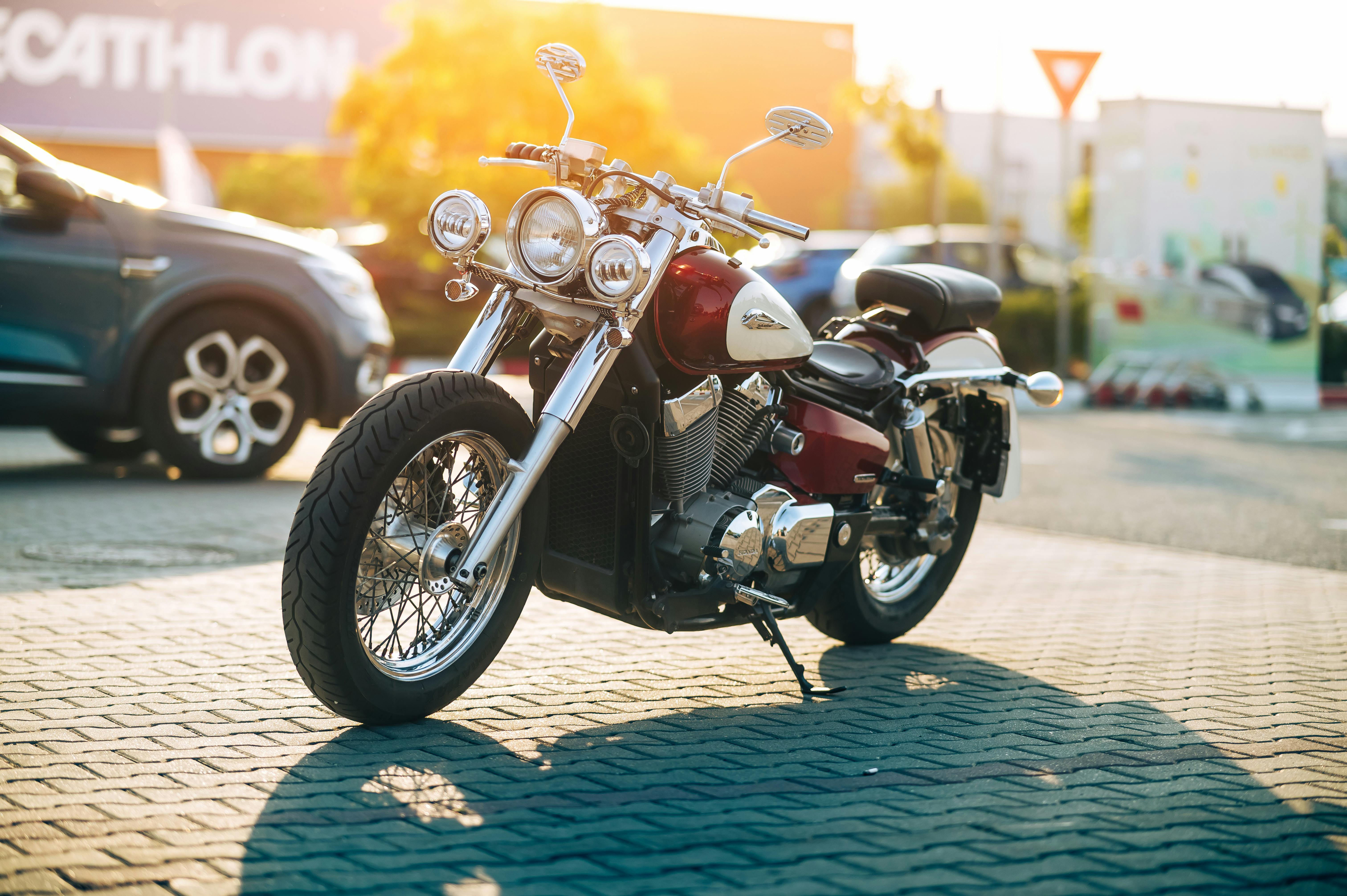
Beyond the 25-year classic exemption, US Customs regulations provide additional tariff exemption or mitigation pathways for motorcycles imported for specific purposes including show and exhibition, competition and racing, and temporary import for limited-duration use. These specialized exemptions create opportunities for duty avoidance or deferral when motorcycles meet specific criteria and importers follow proper procedures.
Want to ship your motorcycle for a US show or race under temporary exemptions? Check out our expert guide on temporary import exemptions for motorcycle shows and races, covering ATA Carnet options, timelines, bonding requirements, and West Coast Shipping's fast air freight solutions to meet event deadlines.
Show and Exhibition Exemption: HTS 9817.00.50
Motorcycles imported solely for show and exhibition purposes—including museum displays, motorcycle shows, dealer showroom displays, or educational exhibitions—may qualify for duty-free treatment under HTS code 9817.00.50 provided they meet specific conditions and importers maintain compliance with exhibition requirements. This exemption applies to both classic and modern motorcycles when genuine exhibition purposes exist rather than attempts to circumvent normal import duties.
Qualifying for show exemption requires demonstrating the motorcycle will be used exclusively for exhibition rather than personal use, sale, or regular operation. Documentation supporting show exemption claims includes confirmed participation in specific motorcycle exhibitions or shows with dates and venues, museum or gallery contracts establishing exhibition arrangements, dealer showroom display agreements documenting the motorcycle's exhibition purpose, or educational institution confirmations verifying the motorcycle's instructional role.
Show exemption motorcycles must depart the United States after exhibition completion or convert to permanent import status through standard duty payment procedures if the owner decides to retain the motorcycle domestically. US Customs requires importers to post bonds securing future duty payment if motorcycles don't export after exhibition completion, with bond amounts typically equaling 200% of potential duty values ensuring compliance motivation.
Race and Competition Exemption Considerations
Motorcycles imported specifically for racing competition may qualify for temporary import status under procedures designed for professional competition equipment entering the US for specific events. This approach particularly benefits international racing teams bringing motorcycles for American race participation, though strict documentation and timeline requirements apply limiting broad availability for typical collectors.
Race exemption requires demonstrating the motorcycle's sole purpose involves competition participation rather than street use or resale, with documentation including confirmed race entry in specific competitions, racing team credentials establishing professional competition context, and return shipping arrangements proving the motorcycle will export after competition completion. US Customs may require carnets (international customs documents guaranteeing re-export) or substantial bonds ensuring motorcycles don't remain in the US beyond authorized competition timelines.
The practical applicability of race exemption for individual collectors remains limited, as most collectors importing vintage race bikes intend permanent retention rather than temporary import for specific competitions. However, collectors bringing motorcycles for vintage racing events with definite completion dates and planned European return might explore this pathway with customs brokers familiar with temporary import procedures.
Temporary Import Under Carnet: ATA Carnet System
The ATA Carnet system—an international customs document facilitating temporary import of goods including motorcycles—allows duty-free temporary import to the United States for periods up to one year with possible extensions. Carnets suit situations where motorcycle owners want to bring bikes to the US temporarily for touring, events, or extended visits without permanent import commitment or duty payment.
Obtaining ATA Carnets requires application through authorized issuing organizations (US Council for International Business in the United States), payment of carnet fees typically ranging $200-400 plus security deposits or guarantees equaling 40% of the motorcycle's value, and compliance with strict timeline and documentation requirements including customs validation at import and export. Carnet holders must export motorcycles before carnet expiration or face duty assessment and security deposit forfeiture.
Temporary import via carnet works well for European owners bringing motorcycles to the US for specific riding trips, rally participation, or extended touring vacations where permanent import isn't desired. However, carnets create administrative burden and deposit requirements that may not justify their use for most collectors seeking permanent US motorcycle retention.
Practical Considerations and Compliance Requirements
Show, race, and temporary import exemptions all require rigorous compliance with timeline restrictions, usage limitations, and export verification procedures that customs authorities enforce seriously. Violations—including using show motorcycles for personal riding, selling temporarily imported bikes, or failing to export after authorized periods—trigger duty assessment, penalty charges, and potential criminal liability for customs fraud in egregious cases.
These exemption pathways suit specific circumstances where genuine temporary import or exhibition purposes exist, but they don't provide practical duty avoidance for collectors seeking permanent motorcycle acquisition. The 25-year classic exemption remains the primary duty mitigation strategy for most American collectors importing vintage bikes for personal collections and enjoyment.
Collectors considering specialized exemption pathways should work with customs brokers experienced in temporary import procedures and exhibition classifications, as improper exemption claims create customs scrutiny, clearance delays, and potential denial of entry or duty assessment at full modern rates. Professional guidance ensures exemption qualification before committing to import procedures that may not deliver anticipated duty savings.
How Motorcycle Tariffs Are Reshaping the Classic Bike Market: Price Trends & Collector Shifts
Current US import tariff structures create market distortions affecting classic motorcycle values, collector behavior, and international trade patterns in ways that reshape which bikes American enthusiasts acquire, how much they pay, and where they source vintage machines. Understanding these market dynamics helps collectors make informed acquisition decisions and anticipate future value trends influenced by tariff frameworks that won't disappear quickly.
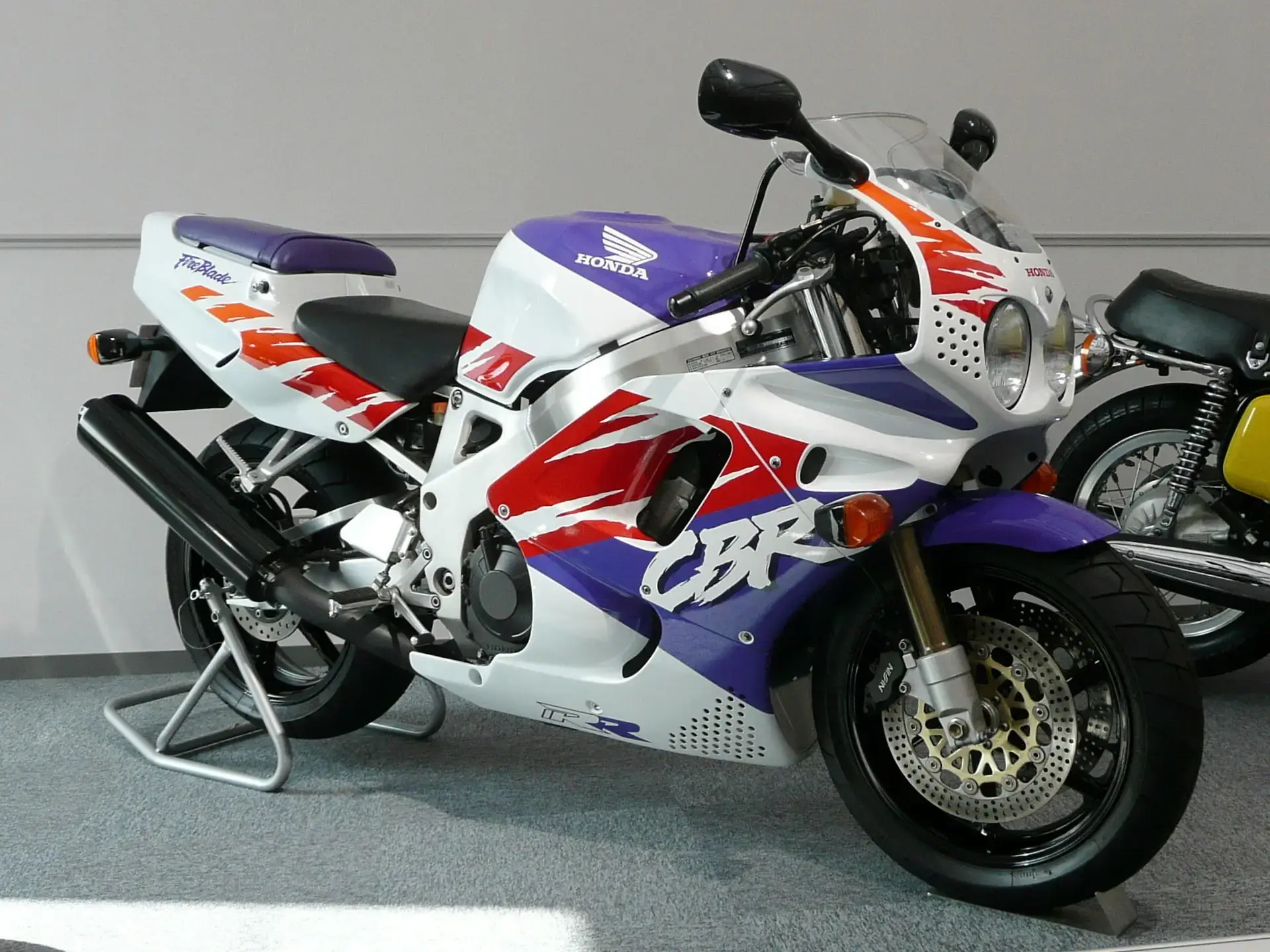
Want to understand how tariffs are reshaping the classic motorcycle market? Check out our analysis in motorcycle tariffs and their impact on classic bike prices and trends, exploring cost shifts, import strategies, and how West Coast Shipping helps collectors navigate duties for ocean shipments from key markets.
The Pre-2000 Premium: How the 25-Year Rule Affects Pricing
The 25-year exemption's rolling eligibility creates artificial value distinctions between motorcycles just over 25 years old versus those approaching but not yet reaching exemption qualification. A 1999 motorcycle manufacturedthrough December qualifies for 2.5% duty import in late 2024, while an otherwise identical 2000 model manufactured in January faces modern duty rates until January 2025—a timing difference that can create $3,000-5,000 cost disparities for identical machines based purely on manufacturing date.
This dynamic manifests as price premiums for motorcycles safely within exemption eligibility compared to nearly identical newer examples that haven't crossed the 25-year threshold. European sellers sometimes see American buyers specifically seeking 1999 or earlier examples of particular models while showing no interest in 2000-2001 variants despite minimal mechanical differences, reflecting import cost consciousness driving purchase decisions.
As each new model year rolls into 25-year eligibility, market dynamics shift forward—2000 models that faced modern duties in 2024 become cost-effective imports in 2025, potentially depressing values for 1999 examples as supply expands with additional eligible model years. Collectors timing purchases around eligibility transitions may find better values by waiting for specific model years to reach exemption qualification rather than paying premiums for slightly older examples in markets already reflecting import demand.
Origin Country Effects: How Tariffs Favor European Over Asian Imports
Current tariff structures, particularly Section 232 automotive tariffs and various trade policy measures, create different duty burdens for motorcycles by origin country that affect which regions American collectors source from. European motorcycles—Italian Ducatis, British Triumphs, German BMWs—face base 2.4% duty plus potential Section 232 additions that vary by policy implementation and country-specific trade agreements. Japanese motorcycles may face different tariff treatments reflecting Japan-US trade relationships distinct from European frameworks.
For modern motorcycles under 25 years old, these origin-based duty variations can create substantial cost differences—$2,000-4,000 or more on $20,000-30,000 motorcycles—that influence which countries American collectors import from. If Japanese motorcycles face higher aggregate tariffs than European alternatives due to specific trade policy configurations, European classic market access becomes more attractive than Japanese sourcing even when mechanical preferences might favor Japanese machines.
The 25-year exemption neutralizes these origin-based distortions by applying uniform 2.5% rates regardless of manufacturing country, creating level playing fields for vintage European, Japanese, British, and other imports. This explains why American interest in Japanese classics from the 1970s-1990s has surged as more models cross exemption thresholds—collectors who might face prohibitive duties on modern Japanese bikes can import vintage equivalents cost-effectively under classic exemption.
Dealer and Commercial Import Behavior Changes
Motorcycle dealers and commercial importers adjust inventory strategies responding to tariff incentives, increasingly focusing on pre-2000 classic inventory where duty structures deliver better margins compared to modern imports facing high tariff burdens. Dealers importing European or Japanese classics for US resale benefit from 2.5% duty rates that allow competitive pricing against domestic classic motorcycle markets without absorbing thousands in import duties that would erode profit margins or force uncompetitive retail pricing.
This commercial focus on classic exemption-eligible inventory increases supply of pre-2000 motorcycles in US markets, potentially moderating price appreciation that would otherwise occur from simple supply-demand dynamics. As dealers bring more exempt classics into US markets, collector buyers face broader selection and potentially better pricing than would exist if commercial importers avoided international sourcing due to prohibitive duty structures.
Commercial importers also increasingly time container shipments around eligibility transitions, holding off on certain model year imports until exemption qualification ensures better duty treatment. A dealer might delay importing 2000-model motorcycles until 2025 when 25-year exemption applies rather than importing in 2024 and absorbing modern duty rates, creating inventory timing strategies that reflect tariff frameworks as much as market demand.
Collector Behavior Shifts and Acquisition Patterns
American collectors demonstrate changing acquisition patterns influenced by tariff structures, with several trends emerging from current duty frameworks:
Focus on Exemption-Eligible Years: Collectors increasingly prioritize motorcycles safely within 25-year exemption rather than accepting slightly newer examples that face modern duties. This manifests as concentrated demand for 1995-2000 motorcycles (all exemption-eligible as of 2025-2026) with less interest in 2001-2005 models despite minimal mechanical evolution, creating market segmentation driven purely by tariff boundaries rather than motorcycle quality or desirability.
International Sourcing Expansion: Lower duties on classic imports encourage American collectors to source vintage motorcycles from broader geographic markets including Europe, Japan, Australia, and other regions where specific models existed in greater numbers or better conditions than US-market availability. Collectors willing to coordinate international shipping logistics access global classic markets previously avoided due to prohibitive import costs.
Appreciation Timing Strategies: Some collectors acquire motorcycles just before they reach 25-year eligibility, holding them domestically through eligibility transition when broader collector access through duty-advantaged imports potentially drives values higher. A collector purchasing a rare 2001 motorcycle in 2024 might see value appreciation as the model crosses into 2026 exemption eligibility and American demand increases freed from duty barriers.
Vintage Racing and Track Day Growth: The 25-year exemption's cost benefits support growth in vintage motorcycle racing and track day participation by reducing acquisition costs for suitable race bikes. Collectors importing 1990s Japanese superbikes, Italian race replicas, or British classics for track use benefit from duty savings that make building competitive vintage race programs more economically viable.
Market Price Trends Reflecting Tariff Influences
Several classic motorcycle categories show price trends clearly influenced by US tariff structures and exemption frameworks:
1990s Japanese Superbikes: Models like Honda CBR900RR, Yamaha YZF-R1, Suzuki GSX-R750, and Kawasaki ZX-9R from the 1990s demonstrate strong US demand as they cross exemption thresholds, with prices rising 15-30% above European market values reflecting American import demand freed from modern duty burdens. European sellers recognize American buyer interest and price accordingly, though tariff savings still deliver favorable total landed costs for US collectors.
Italian Sportbikes: Ducati 916/996/998 series, Bimota models, and Aprilia RSV Mille from the late 1990s show pronounced US market appreciation driven partially by cost-effective import access under classic exemption. These bikes' racing heritage, distinctive styling, and mechanical character create sustained collector interest that tariff structures amplify by eliminating duty barriers.
British Classics: Triumph, Norton, and BSA motorcycles from the 1970s-1990s maintain stable pricing influenced by exemption-eligible status eliminating duties that would otherwise discourage US import. British classic values reflect collector enthusiasm without tariff distortions, creating market equilibrium between European and American pricing that doesn't exist for newer British motorcycles facing duty barriers.
BMW Airheads and Early Oilheads: BMW R-series motorcycles through the late 1990s demonstrate strong US collector demand supported by exemption-eligible import economics. These reliable, characterful machines appeal to riders seeking vintage BMW experience without modern complexity, with tariff savings making European sourcing cost-competitive against limited US-market examples.
Long-Term Market Implications
Tariff structures create lasting effects on classic motorcycle markets extending beyond immediate duty cost impacts. As American collectors increasingly source vintage bikes internationally under exemption frameworks, domestic US classic motorcycle supply grows through import volume, potentially moderating long-term appreciation for models readily available through international markets. Conversely, pre-1990 classics already long exempt may see stronger appreciation as collector focus shifts toward earlier eras where supply remains more limited and international sourcing doesn't flood US markets with fresh examples.
The tariff landscape also influences which motorcycles achieve "modern classic" status worthy of collection and preservation. Manufacturers' models from the late 1990s-early 2000s that reached American shores in limited numbers may see stronger collector interest as exemption eligibility enables cost-effective import access to European or Japanese market examples compensating for US-market scarcity. Models that sold poorly in America but succeeded in other markets become viable collector acquisitions through international sourcing once tariff barriers fall away.
Understanding these tariff-driven market dynamics helps American collectors anticipate value trends, identify acquisition opportunities, and source vintage motorcycles strategically from international markets where exemption frameworks deliver meaningful cost advantages. As current tariff structures seem likely to persist—the 25-year exemption is well-established in US law and unlikely to face repeal—collectors can make long-term acquisition decisions factoring tariff influences into value assessments and market timing strategies.
Disclaimer: This article is provided by West Coast Shipping as general informational content. It is not legal, customs, or tax advice. All information regarding US import duties, tariff rates, exemption procedures, and customs regulations is based on publicly available information and West Coast Shipping's industry experience as of early 2026. US Customs import duties, tariff rates, HTS classifications, exemption qualifications, and regulatory procedures can change without notice and may vary by specific motorcycle specifications, origin country, import circumstances, and current trade policy. The 25-year exemption calculations, duty rates, and procedural requirements described in this article represent general frameworks subject to interpretation by US Customs and Border Protection officers at ports of entry. Actual duty assessments, exemption approvals, and compliance requirements depend on specific case details, proper documentation, and customs officer discretion. Cost savings estimates and duty calculations represent illustrative examples and actual import costs vary based on motorcycle values, shipping methods, broker fees, and applicable fees beyond base duties. Before making decisions regarding motorcycle imports, duty planning, or exemption strategies, consult qualified professionals including licensed US customs brokers experienced with motorcycle imports, international shipping providers understanding motorcycle logistics, and legal advisors regarding current import regulations. Nothing in this article should be treated as a guarantee of duty rates, exemption approval, cost savings, or regulatory compliance. Always verify current US Customs requirements with qualified professionals before committing to international motorcycle purchases or import procedures.
Calculate Your International Motorcycle Shipping Costs

Motorcycle Show, Race & Temporary Import Exemptions | US Guide
Motorcycle Tariffs Reshaping Classic Bike Market | Price Trends