

Shipping motorcycles to Ghana in 2026 means working within Ghana Revenue Authority (GRA) duty rules, ICUMS electronic customs procedures, and DVLA registration—plus, for larger shipments, planning efficient container loading and consolidation.
This guide reflects the current GRA Vehicle Importation table for motorcycles under HS 8711 and West Coast Shipping's live motorcycle shipping calculator data. It is a practical companion to West Coast Shipping's global international motorcycle shipping service, which provides lane-specific pricing and timelines from the USA to ports like Tema.
Ghana Motorcycle Import Duties & Taxes 2026: Complete Cost Calculator for Tema Port
GRA classifies motorcycles under HS 8711 in its Vehicle Importation table. For "Motor Cycle/Bikes 8711", that table shows this structure:
Import Duty: 20%
VAT: 12.50% (as shown on the current GRA vehicle table for motorcycles)
NHIL (National Health Insurance Levy): 2.50%
GETFund levy: 2.50%
AU Levy: 0.20%
ECOWAS Levy: 0.50%
EXIM Levy: 0.75%
Special Import Levy: 2%
Examination fee: 1% (on CIF)
These percentages are applied on a duty-inclusive base (CIF plus duty and certain other charges), so they compound rather than just stacking on CIF.
Want to learn more about how Ghana Customs actually calculates what you pay? Visit the guide on 2026 Ghana motorcycle duties and the Tema cost calculator for step-by-step examples.
VAT note: 12.5% vs 15%
There is an important nuance around VAT:
The GRA motorcycle table still shows VAT 12.5% for HS 8711.
More recent tax and trade guidance notes that Ghana's standard VAT rate has been increased to 15% for many goods, applied on CIF + duty + other charges.
For a 2026 shipment, the safest way to handle this is:
VAT 12.5% is shown on the current GRA vehicle table for motorcycles, but Ghana's standard VAT rate has been increased to 15% in more recent tax guidance. Always confirm the current effective VAT rate and how it is applied with your broker at the time of import.
Levies and fees: full vs illustrative lists
For motorcycles, the full GRA structure includes all of the levies listed above (NHIL, GETFund, AU, ECOWAS, EXIM, Special Import Levy) plus the 1% examination fee on CIF. Earlier generic summaries sometimes referenced EDIF at 0.5%; the current motorcycle table uses EXIM 0.75% instead.
For a genuinely complete 2026 calculation, your broker will apply:
Import Duty 20%
VAT (12.5% per GRA motorcycle table, or 15% if updated VAT is in force)
NHIL 2.5%
GETFund 2.5%
AU 0.2%
ECOWAS 0.5%
EXIM 0.75%
Special Import Levy 2%
Examination fee 1% of CIF
Any other policy-driven charges that appear in the current schedule
Because these levies can change via budget measures or policy decisions, always have your clearing agent run the numbers directly in ICUMS using the latest GRA data.
Examination / processing fees
GRA's vehicle table shows a 1% Examination Fee on CIF for motorcycles, regardless of duty rate. Other official guidance also references 1% inspection/processing charges applied more broadly, not only to zero-rated goods.
A compliance-safe summary is:
Motorcycles incur a 1% examination fee on CIF, as shown in the GRA vehicle table; other processing or inspection fees may apply depending on regime and shipment type.
Example motorcycle duty calculation (illustrative only)
To understand how percentages combine, consider a used motorcycle with CIF = $5,000 arriving at Tema, using a simplified subset of the GRA motorcycle structure. This example is strictly illustrative, not a full statutory computation.
Assume for illustration:
Import Duty: 20%
VAT: 12.5%
NHIL: 2.5%
ECOWAS: 0.5%
Examination fee: 1% on CIF
Step 1: Import Duty
CIF: $5,000
Duty = 20% × $5,000 = $1,000
Duty-inclusive value = $5,000 + $1,000 = $6,000
Step 2: Levies and VAT on duty-inclusive value
VAT = 12.5% × $6,000 = $750
NHIL = 2.5% × $6,000 = $150
ECOWAS Levy = 0.5% × $6,000 = $30
Examination fee = 1% × $5,000 = $50
Step 3: Total taxes/fees in this simplified example
$1,000 (duty) + $750 (VAT) + $150 (NHIL) + $30 (ECOWAS) + $50 (exam)
= $1,980
Step 4: Landed cost in this simplified example
$5,000 (CIF) + $1,980 (taxes/fees) = $6,980
Important: This example does not include GETFund, AU, EXIM, Special Import Levy, or other possible charges from the GRA schedule. It is only a simplified illustration of compounding logic. Your real duty/tax bill will change once all levies are included and must be confirmed by your broker in ICUMS.
Age limits and overage penalties for motorcycles
Ghana's vehicle importation guidance applies age-based overage penalties keyed to age and CIF for "vehicles" generally. The wording is centered on cars and light vehicles and does not explicitly exempt motorcycles.
A careful way to handle this is:
Official age-limit and overage guidance is written primarily around cars and light vehicles; motorcycles may be assessed differently in practice, but overage penalties and heightened scrutiny remain possible for older bikes. Always have your broker confirm how current overage rules apply to your HS 8711 motorcycle and model year before you buy.
Tema Port Motorcycle Customs Clearance: ICUMS Processing, DVLA Inspection & Common Delays
Tema Port uses ICUMS/UNIPASS for all import declarations, valuation, risk assessment, and duty payments. Motorcycles follow the same overall workflow as cars, with documentation and valuations tailored to HS 8711.
ICUMS risk channels and workflow
The process at Tema typically runs as follows:
Electronic IDF submission
Your clearing agent submits an Import Declaration Form (IDF) in ICUMS, attaching:Bill of lading
Commercial invoice / bill of sale
Packing list
Original title or proof of ownership
Tax Identification Number (TIN)
Any required G-CAP certificate
Risk channel assignment
ICUMS employs four channels in its risk framework:Green: Automatic release after basic validation.
Yellow: Document review and scanning, possible exam.
Red: Full physical inspection.
Blue: Post-clearance audit / deferred control for specific cases.
In day-to-day motorcycle imports, most shippers encounter Green, Yellow, and Red directly; Blue is used selectively for post-clearance control.
A realistic characterization is:
Many first-time or low-value motorcycle imports, or those with unusual documentation, are likely to be assigned to Yellow or Red channels. Experienced importers with a strong compliance track record may see more Green channel outcomes over time, but this is not guaranteed.
Valuation and assessment
Customs officers review your CIF and may adjust it if they believe it under-states market value. Once valuation is settled, ICUMS automatically computes duties and levies using the current GRA motorcycle schedule.Payment
Duties and levies are paid via banks or electronic channels linked to ICUMS.Inspection (where required)
Yellow: scanning and possible physical examination.
Red: full physical check of VIN/chassis, condition, and consistency with documents.
Release order
After payment and any required inspection, ICUMS issues an electronic release so the motorcycle can leave the port and move to DVLA registration.
With complete documentation and realistic values, motorcycle clearance at Tema generally falls in the same 3–7 day window West Coast Shipping sees for well-prepared car shipments.
Want to learn more about how Ghana Customs actually calculates what you pay? Visit the guide on 2026 Ghana motorcycle duties and the Tema cost calculator for step-by-step examples.
G-CAP pre-shipment conformity for motorcycles
Ghana's Ghana Conformity Assessment Program (G-CAP) requires pre-shipment conformity inspection by approved agencies (Bureau Veritas, SGS, Intertek and others) for imported vehicles in general. The framework is not written solely for cars; motorcycles fall under the same broad "imported automotive vehicles" umbrella.
Given that, a compliance-tight description is:
Under Ghana's G-CAP program, pre-shipment conformity inspection is officially required for imported vehicles, including motorcycles, but in practice enforcement on motorcycles can be more variable than for cars. Many importers still find that customs or brokers expect a G-CAP certificate for higher-value or newer bikes. Always confirm current G-CAP expectations for your specific motorcycle with your clearing agent before shipping.
If your bike needs G-CAP:
Schedule inspection while it is still at origin.
Ensure the certificate is valid for your sailing window.
Provide the certificate number in the ICUMS declaration.
DVLA technical inspection and registration
After customs release, your motorcycle must be cleared and registered by DVLA before legal road use in Ghana.
Typical DVLA workflow:
-
Technical inspection
Conducted by DVLA or a Private Vehicle Test Station (PVTS).
Checks basic safety (brakes, lights, frame integrity) and emissions where applicable.
Salvage or heavily damaged bikes may need repairs and re-inspection.
-
Documentation & fees
Present customs clearance certificate, duty-payment proof, identification, and any inspection reports.
Pay DVLA registration fees according to the bike's class and engine size.
-
Plate issuance
DVLA issues registration documents and Ghanaian plates once everything is approved.
For a sound motorcycle in good condition, DVLA add-on time is often 2–5 days. Older or damaged bikes should budget extra time for repairs and re-inspection.
Common clearance and registration delays
Motorcycle shipments to Tema most often get held up by:
Incomplete ownership documentation (missing title, mismatched names, no bill of sale).
Under-valued invoices that trigger valuation challenges.
Missing or mismatched G-CAP certificates when customs expects one.
DVLA inspection failures for obvious safety issues.
Planning ahead around these items—especially by checking documentation and roadworthiness before shipping—prevents expensive delays.
Wholesale Motorcycle Exports to Ghana: Container Loading, Consolidation & Multi-Bike Shipping Strategies
For dealers, exporters, and serious enthusiasts, the real efficiency gains come from multi-bike consolidation in containers. West Coast Shipping's international motorcycle shipping rates and Ghana routes allow you to spread freight costs across multiple units while keeping handling under one coordinated process.
How many motorcycles fit in a container?
West Coast Shipping confirms that it can safely fit up to 16 motorcycles in a single container with professional loading and securing. Typical working ranges are:
20ft container: about 4–8 motorcycles depending on size and racking.
40ft container: about 8–16 motorcycles, especially when using tiered racks or pallets.
Actual capacity depends on:
Bike type and dimensions (scooters vs large cruisers).
Use of crates vs open racks.
Whether motorcycles share the container with cars or other cargo.
These ranges match West Coast Shipping's own examples and wider industry practice; they are typical capacities, not rigid limits.
Want to learn more about scaling beyond single-bike shipments? Check out our in-depth guide on wholesale motorcycle exports to Ghana, container loading, and multi-bike strategies.
Multi-bike container loading: how risk is managed
Container loading for motorcycles mirrors the techniques described in How Cars Are Loaded in Containers, adapted for bikes:
Pallets or racks: Each bike sits upright on a wood pallet or metal rack.
Straps and chocks: Ratchet straps secure frames or wheels; wheel chocks prevent rolling.
Prep: Fuel reduced or drained as required; batteries disconnected in line with carrier standards.
Photo trail: Loading teams photograph the bikes and their securing before the container is sealed.
These practices reduce movement risk on long ocean legs to Tema and create a documentation trail for customs and condition verification.
Shared vs dedicated containers from CA, NY, and FL
West Coast Shipping offers both shared (consolidated) and dedicated containers for motorcycles:
Shared containers
Best when you are shipping 1–4 bikes or want to minimize up-front spend.
You occupy a portion of a container alongside other shippers.
Timing is tied to consolidation cycles, but per-bike cost is lower than an under-filled dedicated container.
Dedicated containers
Make sense for 5+ bikes from one shipper or high-value collections.
You control how the container is packed and when it sails.
Per-bike cost drops as you add units, up to the practical maximum of about 16 bikes in a 40ft container.
Updated transit and pricing examples from the live calculator
West Coast Shipping's motorcycle shipping cost calculator provides live pricing and transit estimates based on your origin, destination, and motorcycle details.
For example, a recent quote from the live calculator for a motorcycle shipped by ocean to Tema, Ghana from California (for that specific date and shipment profile) showed:
Process export documentation: about 10 days (for export paperwork and loading).
California to Tema ocean transit: about 50 days.
Total US-side timeline: about 60 days.
Illustrative ocean price: around $600 per motorcycle for that CA→Tema shared-container lane.
These values are for illustration only and change with market conditions, carrier schedules, and shipment details—always rely on the current calculator output for actual booking numbers.
For other origin points:
From New York / New Jersey:
The calculator supports East Coast origins. Transit times are generally shorter than West Coast sailings but still measured in several weeks port-to-port plus export preparation, in line with container-route norms.
From Florida:
Florida origins are also supported. Transit patterns often mirror East Coast routes, with exact days depending on the vessel rotation and consolidation cycle.
Because container routes and pricing are dynamic, live calculator results—not static examples—should drive your final planning.
Global cost band and why consolidation matters
The cost to ship a motorcycle overseas is around $600 to $4,250 per bike, depending on lane and method. For Ghana, those ranges interact with:
Origin (CA vs NY/NJ vs FL).
Container type (shared vs dedicated).
Number of motorcycles loaded at once.
As you move from single-bike shared loads to 8–16 bikes in a dedicated 40ft container, the per-bike share of the container cost falls sharply, even though Ghana-side duties and destination charges still apply per unit. That is why most wholesalers and dealers prefer to send motorcycles in batches rather than one at a time.
Mixed loads: motorcycles with cars and parts
Many Ghana-bound exporters mix:
Compact cars or SUVs.
Motorcycles.
Loose parts and accessories.
Using the same container-loading principles, West Coast Shipping can build mixed loads that:
Fill otherwise unused space above or around vehicles with motorcycles.
Match the inventory mix to demand in Ghana's market (for example, combining commuter bikes with small hatchbacks).
For a deeper look at how this works in the vehicle context, West Coast Shipping's Ghana-focused salvage and wholesale guides show how container space is optimized for multiple unit types—logic that applies just as well when bikes enter the mix.
Get a Ghana Motorcycle Duty & Shipping Plan
To translate this framework into a concrete plan for your motorcycle imports:
Use the international motorcycle shipping rates page to run your origin ZIP and motorcycle details through West Coast Shipping's calculator and see live pricing and transit estimates from California, New York/New Jersey, or Florida to Tema.
Share the calculator output and your bike details (HS 8711, year, brand, model, purchase price) with your Ghana clearing agent so they can do a full ICUMS/GRA duty and levy calculation using the latest rates, including GETFund, AU, EXIM, and Special Import Levy where applicable.
Calculate Your Motorcycle Shipping Cost to Ghana
When you are ready to move from planning to booking, use the button below to open West Coast Shipping's motorcycle calculator, compare single-bike vs multi-bike scenarios from CA, NY, and FL to Tema, and lock in a 2026-ready shipping plan that aligns with Ghana's current duty structure and customs processes.

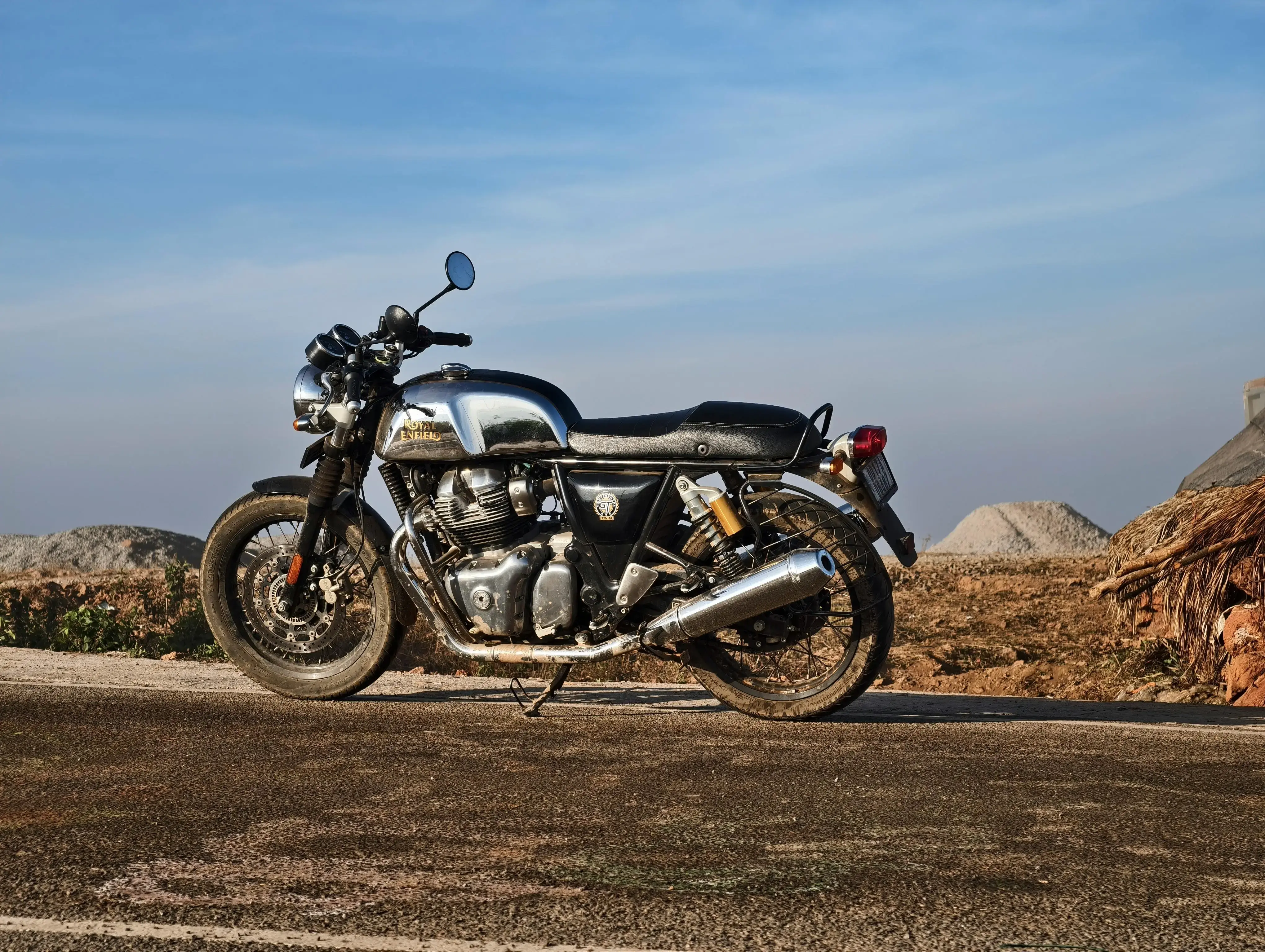
Ghana Motorcycle Duties 2026: Tema Cost Calculator Guide
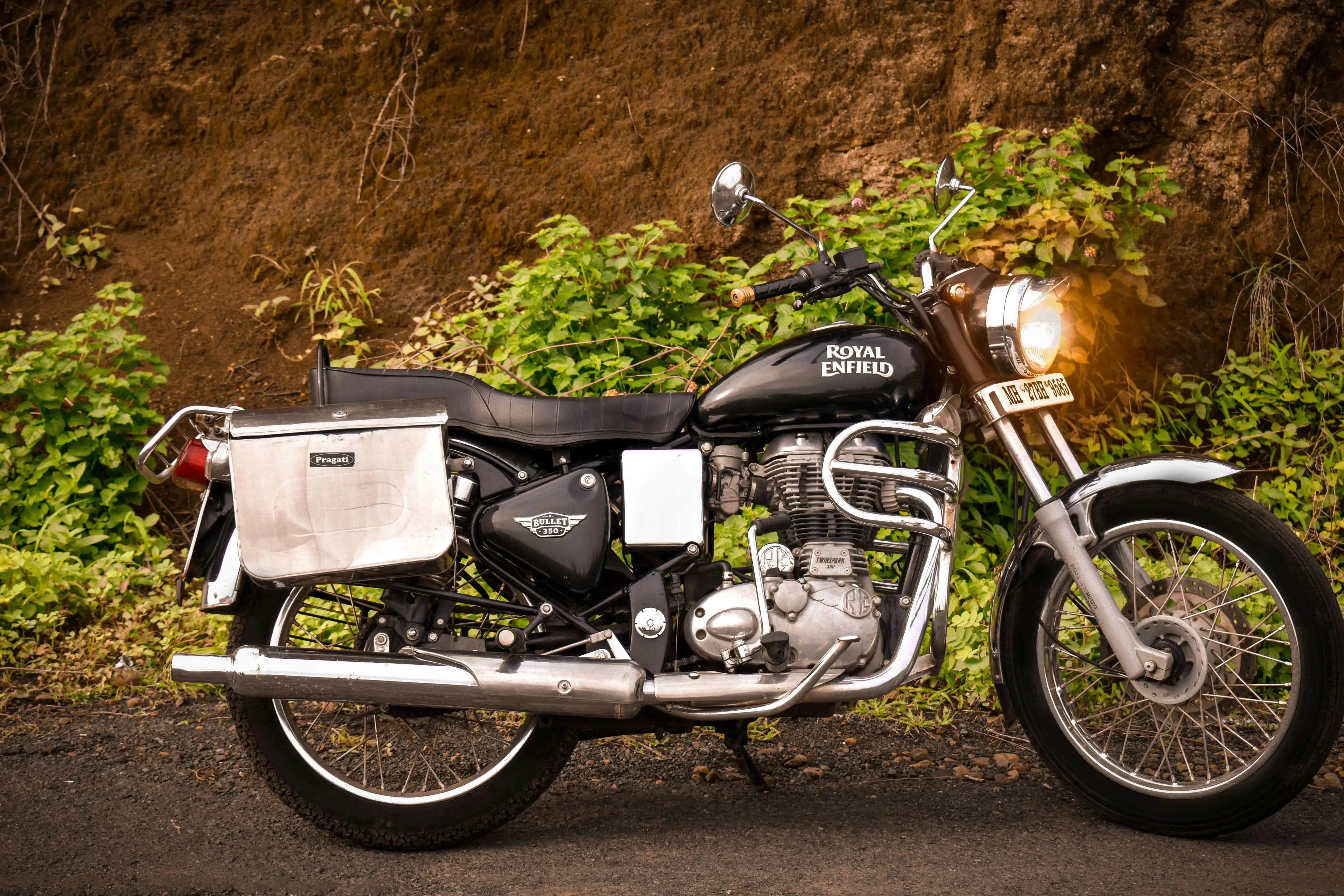
Tema Motorcycle Customs: ICUMS, DVLA & Delays
