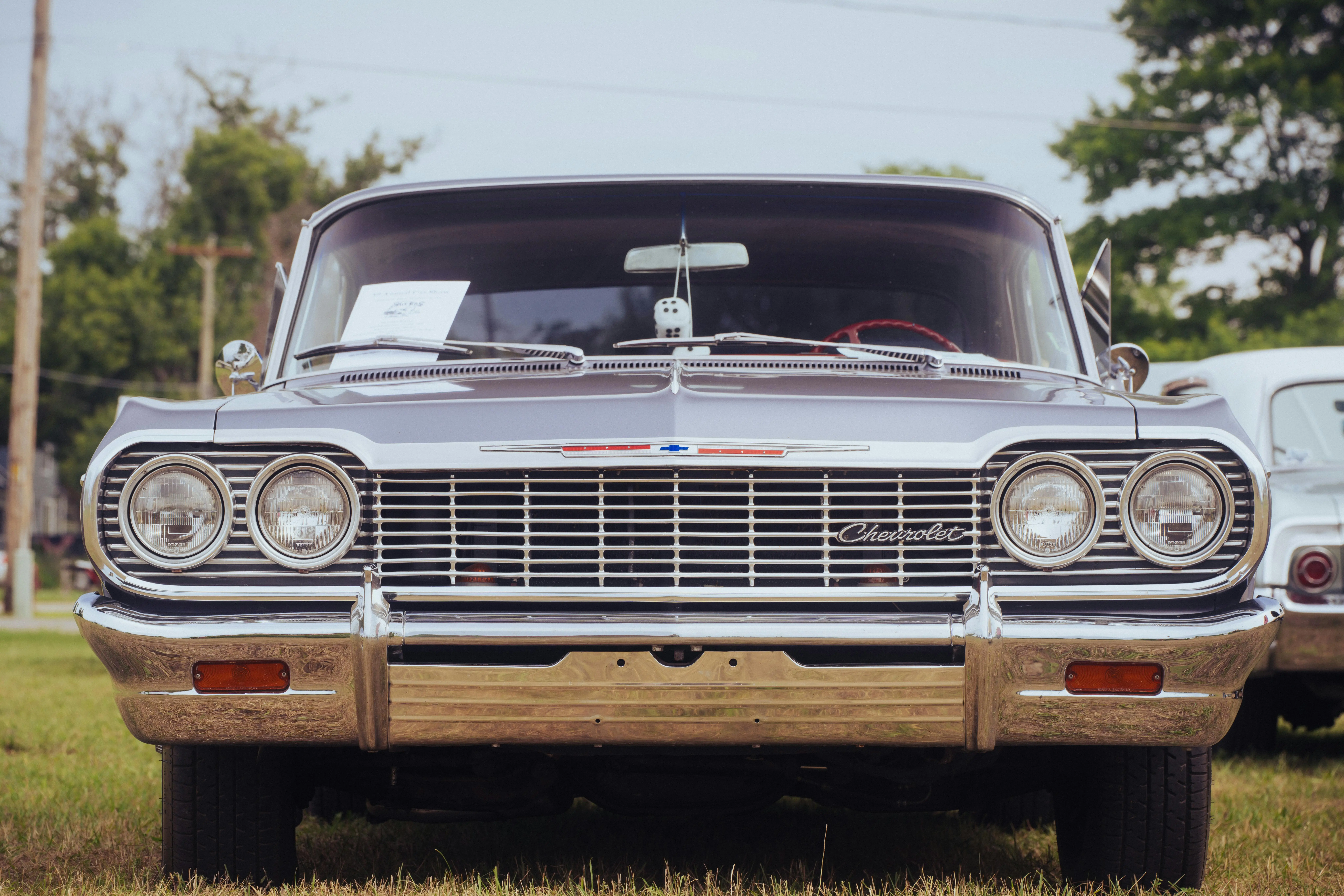

Some British cars sit in US classifieds for months. Others are chased so hard that buyers go to the UK to find the right example, and the same nameplates keep coming off WCS containers in New Jersey and Oakland: Land Rover Defenders, classic Minis, Jaguar XJS and XJ saloons, Triumph TRs, early Range Rovers, and a handful of Lotus and TVR models.
This guide covers those models, what makes an individual example worth the crossing, and a short check to run before you wire a deposit. For the wider imported-versus-domestic question, see are UK classic cars worth importing; for the numbers, the car import calculator gives freight and duty for a UK origin in about a minute.
Why These British Classics Keep Showing Up on U.S. Docks
Three things overlap for the models below:
-
U.S. demand exceeds local supply: Enthusiasts want more trucks and coupes than the domestic market can provide.
-
UK depth and variety: The UK still has more configurations, trims, and well‑documented examples for many British models.
-
25‑year rule alignment: Once a car hits 25 years old, importing it to the U.S. becomes much simpler from a federal compliance standpoint.
For the models below, those three factors overlap, making them repeat visitors in U.S. ports.
Land Rover Defender 90 & 110
If there is one British classic that defines the UK‑to‑U.S. import wave, it is the Land Rover Defender.
Why U.S. buyers chase Defenders
Four reasons the Defender leads:
-
Defenders combine classic styling, genuine off‑road capability, and strong lifestyle appeal.
-
The UK offers far more variety in body styles (90 and 110; hard tops, station wagons, pick‑ups), engines (especially diesels), and commercial or utility specs than the U.S. ever saw.
-
Many trucks have been maintained by Land Rover specialists, making it easier to find a mechanically sorted example.
The 25‑year import rule has opened the door for U.S. buyers to import Defenders in original form rather than chasing heavily modified or questionably documented trucks.
What makes a Defender worth importing
A UK‑sourced Defender tends to be popular with U.S. importers when it offers:
-
Desirable spec: diesel engines, interesting body configurations, or rare factory options.
-
Strong documentation: service records, restoration invoices, and thorough photos of chassis and bulkhead condition.
-
Realistic total costs: once you combine purchase price, UK inland transport, shipping, and duty.
Because Defenders are high‑interest vehicles, running exact numbers with the car import calculator is essential before committing.
Classic Mini (Including Coopers and Special Editions)
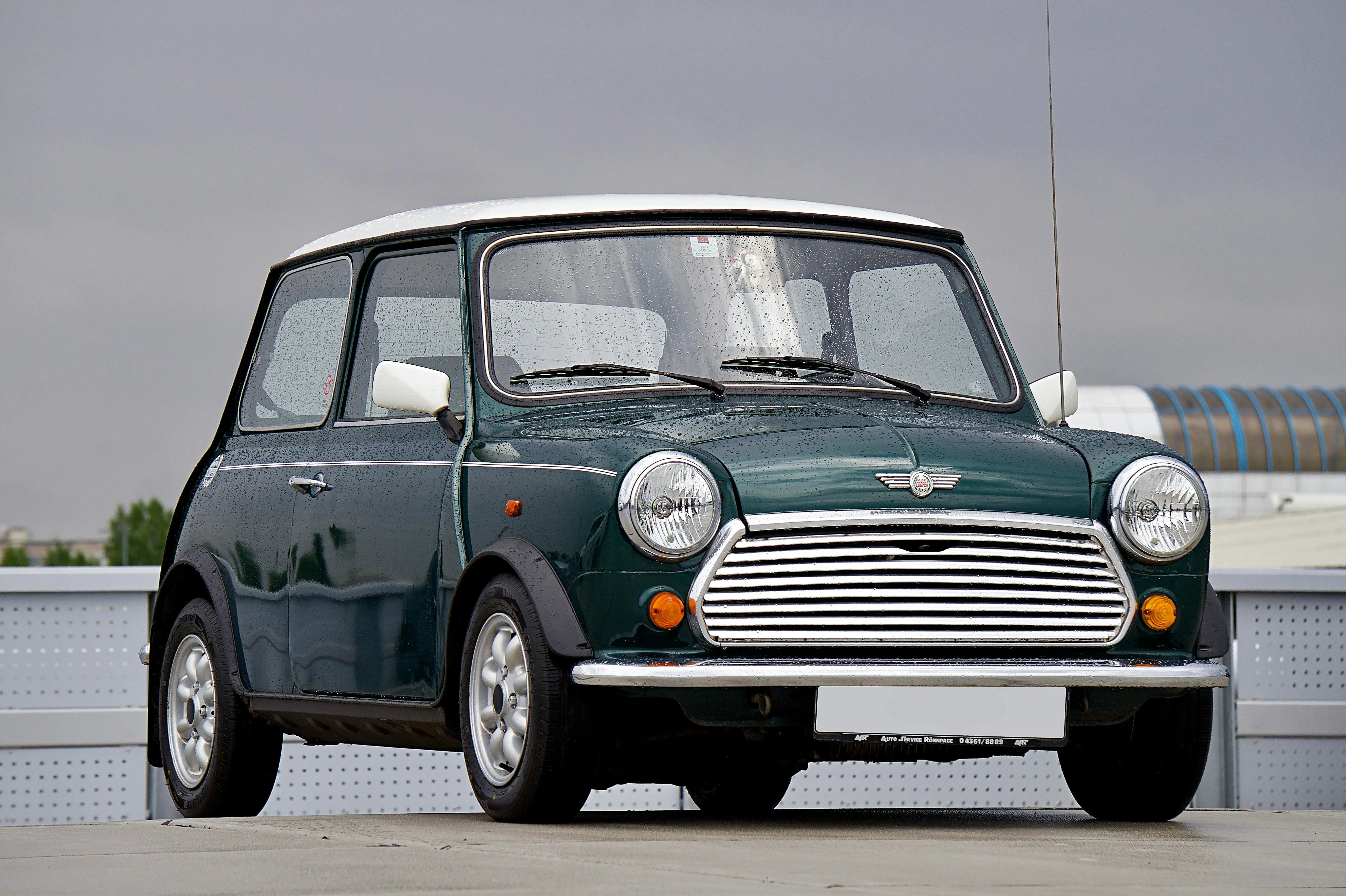
The classic Mini is another fixture of UK‑to‑U.S. imports.
Why Minis stay in import demand
West Coast Shipping’s UK classic and auction articles highlight Minis because:
-
They deliver a huge character‑to‑size ratio, making them perfect for U.S. city driving and cars‑and‑coffee meets.
-
The UK still has large numbers of standard and special‑edition Minis, especially later cars that are now crossing the 25‑year threshold.
-
Many cars carry MOT histories and detailed restoration notes, which helps overseas buyers understand what they are paying for.
From basic city cars to Cooper‑flavored editions, Minis keep appearing in U.S. containers because supply in Britain remains deeper and more varied than in North America.
Which Minis U.S. importers target most
Patterns WCS highlights include:
-
Late‑production Minis that have modernized features but are now age‑eligible.
-
Cooper and performance trims with stronger engines and sportier appearance packages.
-
Limited editions with special colors, interiors, or anniversary badging.
When the car you want simply never sold in the U.S. in meaningful numbers, the UK becomes the natural hunting ground.
Jaguar XJS and XJ6/XJ12
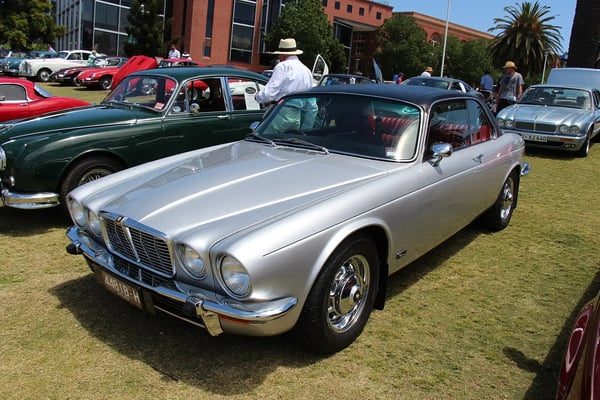
While the Jaguar E‑Type gets the headlines, West Coast Shipping’s UK content shows a steady flow of XJS coupes/convertibles and XJ saloons heading to the U.S.
Why later Jaguars are popular imports
These Jaguars hit a sweet spot where:
-
Many U.S. examples suffered neglected maintenance or long storage, making clean cars harder to find.
-
The UK retains enthusiast‑owned cars with attractive colors and trim combinations, often with specialist history and club involvement.
-
Values remain accessible enough that import costs can be justified when the car is clearly better than local options.
With more of these cars passing the 25‑year threshold, demand from U.S. buyers looking for “the one good XJS” continues to grow.
What importers look for
Popular XJS and XJ imports tend to offer:
-
Low or well‑documented mileage, with regular servicing by specialists.
-
Desirable specs—V12 or high‑spec six‑cylinder cars, interesting colors, clean interiors.
-
Solid structural condition backed by many photos and inspection notes.
When an example checks those boxes, WCS sees U.S. buyers willing to take on the UK‑to‑U.S. journey.
Triumph TR4/TR5/TR6 and Other Roadsters
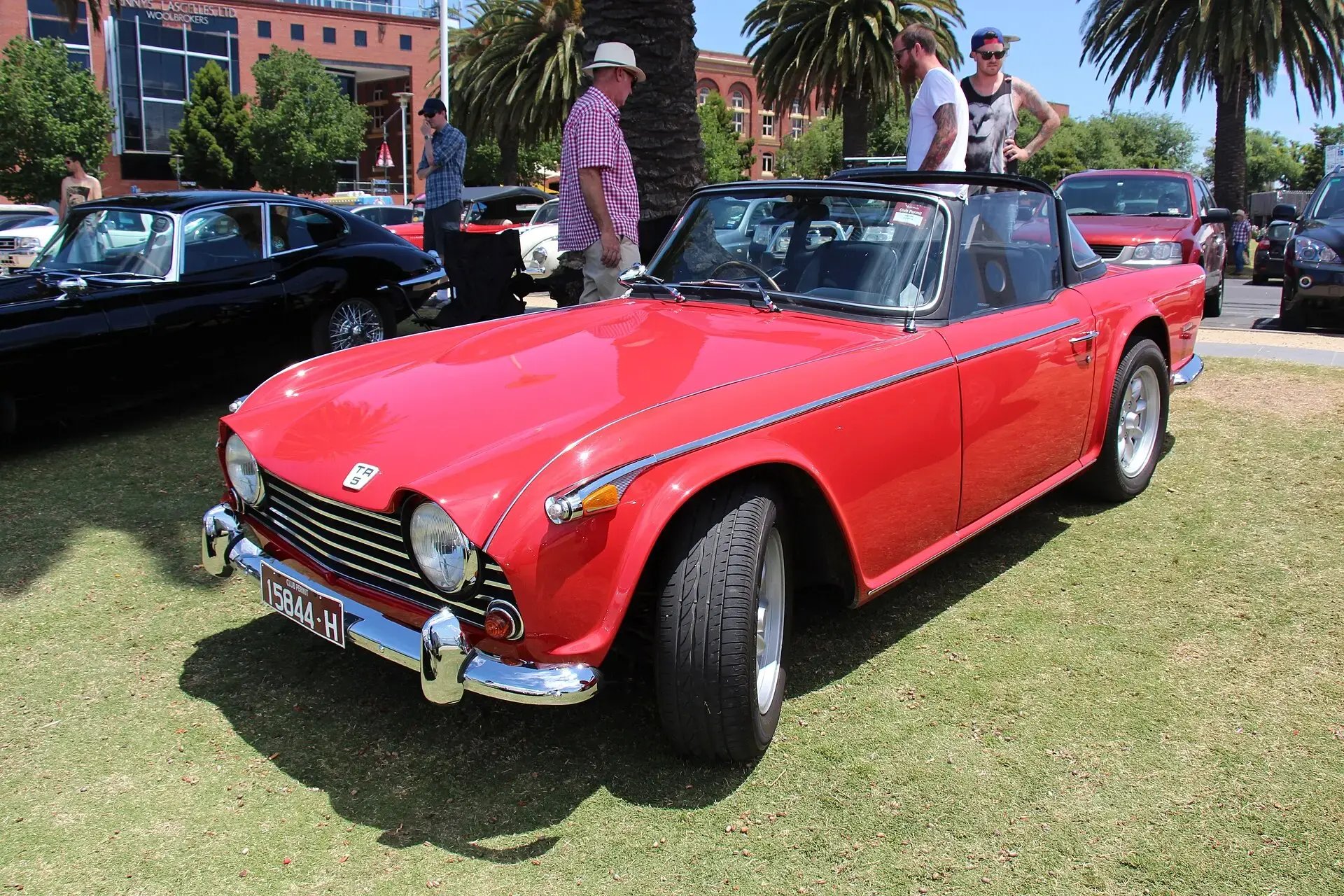
Triumph roadsters remain classic fixtures of UK and U.S. car culture. For many U.S. importers, the UK is still the best place to find TR‑series cars with the right mix of condition and price.
Why TR‑series cars are import regulars
West Coast Shipping’s UK guides note that:
-
The UK has long had a dense Triumph club and specialist network, which translates into well‑documented restorations and upgrades.
-
TR4, TR5, and TR6 examples from UK sellers often show chassis repairs, suspension work, and engine rebuilds carried out with marque knowledge.
-
U.S. buyers who want a car to drive immediately often prefer sorted UK examples to local projects with unknown histories.
As more classic roadsters appreciate in value, buyers are increasingly comfortable layering shipping onto a high‑quality UK purchase.
Other Triumphs U.S. buyers pursue
Beyond TRs, importers sometimes chase:
-
Triumph Stags with carefully documented engine and cooling work.
-
Less common models where a UK car’s history and condition simply outperform what is available in the U.S.
These are the scenarios where running a full landed‑cost estimate is key to confirming that the UK route is still attractive.
Range Rover Classic and Early Land Rover Variants
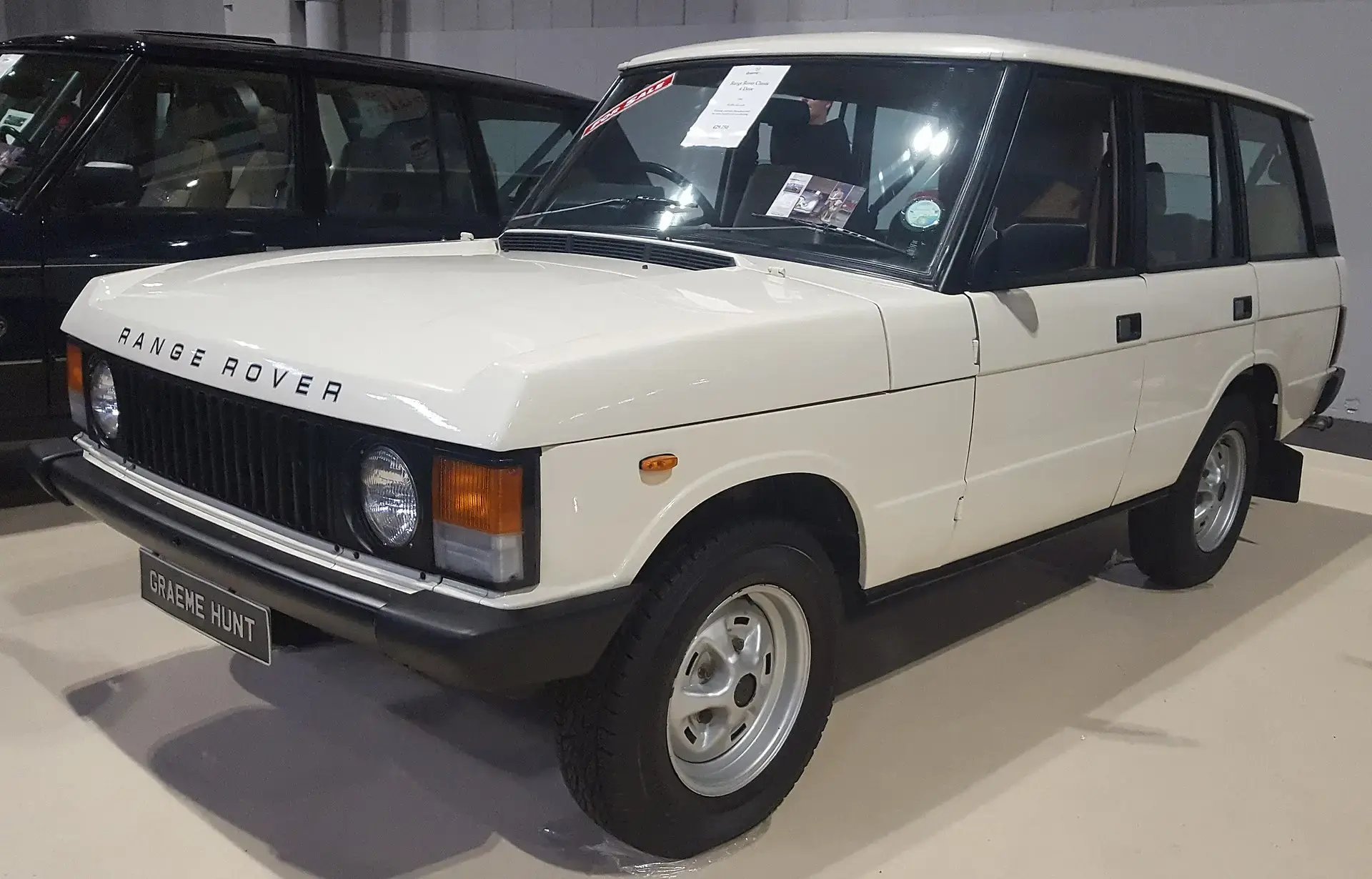
Early Range Rover Classics and Series Land Rovers have grown into key players in trans‑Atlantic trade.
Why early Range Rovers and Series trucks are popular imports
WCS’s UK classic‑car reporting highlights these trends:
-
The UK retains a higher concentration of early two‑door Range Rovers and interesting factory specifications than the U.S. market.
-
Series I/II/III Land Rovers often show up in configurations that never reached North America, including certain diesels and utility builds.
-
Enthusiast owners and specialist shops have kept many of these trucks on the road, with detailed records that matter greatly to U.S. buyers.
Because these vehicles occupy a mix of collectible and usable, demand from U.S. enthusiasts remains strong.
What import‑worthy examples look like
Popular imports typically combine:
-
Sound chassis and bulkhead, verified with detailed photos or inspections.
-
Original or period‑appropriate specs, with clear documentation for major repairs.
-
Realistic UK pricing that still makes sense after freight and duty are added.
When a Range Rover Classic or Series truck ticks these boxes, U.S. importers are quick to move.
Niche British Sports Cars: Lotus, TVR, and More
Beyond the big names, West Coast Shipping’s UK content notes continuous U.S. interest in niche British sports cars, especially as more 1990s and early‑2000s models reach 25‑year eligibility.
Lotus: Elan, Europa, Esprit, Elise/Exige
For Lotus, U.S. importers often focus on:
-
Early Elan and Europa models with strong provenance and specialist histories.
-
Esprits that combine iconic wedge styling with documented care.
-
Elise and Exige variants as they cross the 25‑year mark, particularly UK‑spec versions that never landed in U.S. showrooms in significant numbers.
The UK’s concentration of Lotus specialists and clubs gives buyers more confidence in what they are getting.
TVR and other low‑volume British brands
For TVR and similar low‑volume marques:
-
The UK is effectively the primary market; very few true equivalents exist in the U.S. at any price.
-
Specialist knowledge, parts support, and owner communities are concentrated in Britain, making UK‑to‑U.S. imports the natural path for serious enthusiasts.
These cars remain a smaller slice of total volume but a highly visible one among dedicated collectors.
Beyond the British Badges: What Else Comes Out of the UK
The UK is also a second-stage market for cars that were never British to begin with, and US buyers use it for three things in particular.
JDM cars via the UK
Britain imported Japanese-market cars for decades under open rules, so many Skylines, Silvias, kei cars and limited-run tuner editions have spent their last ten years in the UK with specialist support and MOT history behind them. By the time they turn 25 and become eligible for the US, a UK example is often better documented than one bought directly from a Japanese auction, and it ships in the same container as a British classic.
UK-stored American classics
The flow runs both ways. Muscle, pony and mid-century American cars that went to the UK decades ago come back with restoration invoices, club history and auction records, sometimes with period right-hand-drive conversions. They clear as US-origin vehicles, which simplifies the entry, and the same 25-year exemption applies.
Project-grade 4x4s and non-runners
Some of the best Defender and Series finds are farm survivors: mechanically maintained, cosmetically tired, sometimes long-stored or partly disassembled. A car that cannot start, steer and brake on its own is a container job, winched or forklifted in at the UK end and blocked in place; see how to ship a non-runner or project car from the UK. Non-standard chassis lengths, roof racks and loose parts all need to be on the booking.
One compliance note that catches modified cars: the 25-year rule covers the DOT side. The EPA exemption runs from 21 years and requires the car to be in its original, unmodified engine configuration (Form 3520-1, code E). A 1990s car with a swapped engine can pass DOT and fail EPA, so check the engine bay before you check the price.
Is This UK Car Worth Importing? Four Questions
The badge does not settle it. A specific UK car earns the crossing when it clears these four, and you can answer them from the listing, the history file and the calculator.
-
Uniqueness: is the spec, trim or drivetrain hard to find in the US? A diesel 110 station wagon, a V12 XJS in a colour never sold here, a UK-spec Elise. If the same configuration is easy to find locally, the UK premium is hard to justify.
-
Condition and documentation: does the file reduce your risk? MOT history, specialist invoices, photos of chassis, bulkhead and sills, and evidence that known weak points were repaired by someone who knows the marque. If US examples are mostly tired projects and this one is documented, the case is strong. If you can find a sound, documented car at home, the UK one has to be clearly better, not slightly nicer.
-
The numbers: compare total landed cost, not the hammer price. UK purchase, buyer's premium, collection to Southampton, shared-container freight (about $2,750 to New York), 2.5% duty on a 25-year car, port fees and delivery. Set that against a realistic price for a comparable US car plus what it would cost to bring a rougher local example up to the same standard.
-
Your plan: a long-term keeper spreads the extra cost over years and gets exactly the car it wanted. An occasional-use car still works if it is meaningfully better than local options, with resale in a left-hand-drive market kept in mind. A short-term flip rarely works: fees, timelines and a smaller buyer pool for RHD cars eat the margin.
Yes on uniqueness, documentation and numbers, with a long-term plan, is the profile of nearly every British classic WCS moves. A no on two of the four usually means the domestic car wins.
How These Popular Imports Fit into the Bigger “Imported vs Domestic” Decision
Seeing which British classics are most commonly imported helps frame a bigger decision: when does importing from the UK beat buying a domestic example?
The main pillar article on imported vs domestic UK classics and whether they’re worth it outlines the core framework:
-
Importing usually makes sense when the UK car offers specs, condition, or provenance that are hard to replicate in the U.S.
-
Domestic cars often win when the model was widely sold here, and your priority is simplicity, left‑hand‑drive, and easy resale.
The models covered in this article—Defenders, Minis, Jaguars, Triumphs, early Range Rovers, Lotus, and TVR—show up in WCS reporting precisely because they sit on the “import‑makes‑sense” side of that equation for many buyers.
Run the Numbers on Your British Classic Import
Knowing which British classics are popular imports is only the first step. The decision to move forward should still come down to actual costs and your specific car.
West Coast Shipping’s US car import cost calculator lets you:
-
Enter your UK origin, chosen U.S. port, vehicle type, and value.
-
See instant estimates for container freight, duties, and key fees.
-
Compare different scenarios—Defender vs Mini, Jaguar vs Triumph—before committing to a purchase.
For more context on when UK‑spec imports beat domestic options overall, revisit the main guide on imported vs domestic UK classics and whether they’re worth it.
Calculate UK-to-USA Import Costs
Use the button below to open the calculator, plug in your British classic of choice, and see how a UK import stacks up against buying locally. Ready to begin your UK car import journey? Contact West Coast Shipping's UK import specialists today for a personalized consultation and discover how simple bringing your dream car home can be.

Imported vs Domestic: Are UK-Spec Classics Worth It?

UK vs U.S. British Classic Cars: Which Are Worth Importing?