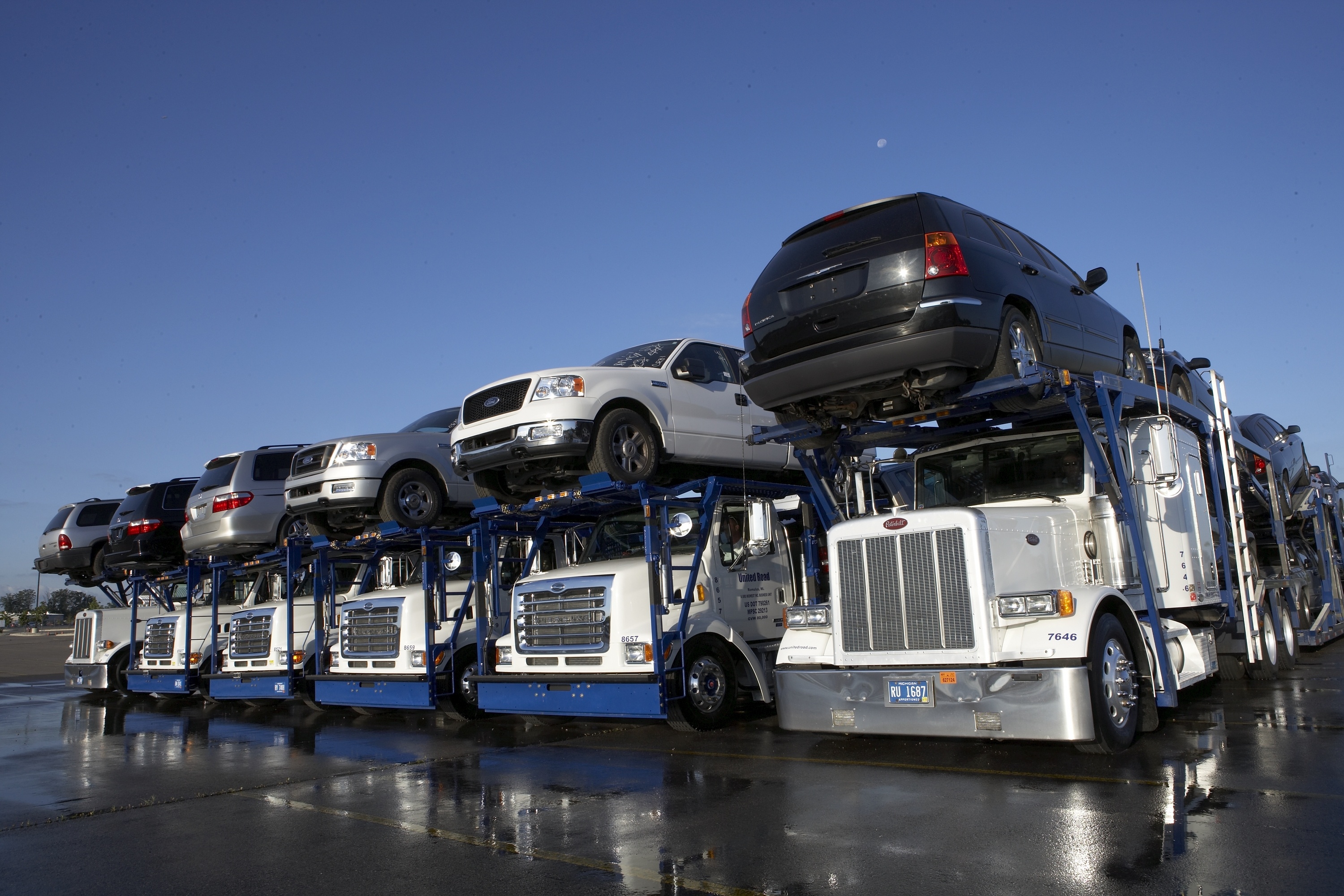

Buying a used car from the USA opens access to exceptional value, rare models, and inventory that may not exist in your home market—but it also requires careful scrutiny to avoid costly mistakes that distance and unfamiliarity can create. Whether you're an international buyer targeting a classic American muscle car, a dealer sourcing inventory for resale, or an enthusiast pursuing a specific model unavailable locally, understanding what to inspect, verify, and question before committing to a U.S. used car purchase protects both your investment and your expectations.
The American used car market's sheer size creates opportunities alongside risks. With millions of vehicles changing hands annually through dealerships, auctions, and private sales, buyers who know what warning signs to watch for can identify genuine deals while avoiding problem vehicles that sellers may misrepresent or fail to disclose fully. For international buyers especially, the inability to physically inspect vehicles makes systematic verification through documentation, professional inspections, and thorough research essential rather than optional.
West Coast Shipping works with used car buyers worldwide, providing international car shipping from major U.S. ports alongside guidance on pre‑purchase verification, documentation requirements, and export procedures that ensure smooth transactions from winning bid through delivered vehicle.
Understanding Vehicle History Reports and Title Status
Before any serious consideration of a U.S. used car, obtaining and carefully reviewing a comprehensive vehicle history report represents your first and most important protection against hidden problems. These reports compile data from state DMVs, auction houses, and other sources to reveal a vehicle's documented past—information sellers may not volunteer or even know themselves.
Carfax- or AutoCheck‑style reports typically show accident records and damage entries, odometer readings across the vehicle’s life to flag potential rollbacks, prior ownership count and registration locations, service entries from participating shops, and title history including whether branding was ever applied. However, not every incident is reported and updates can lag, so history reports are essential but not sufficient on their own.
Title status then determines both value and import eligibility. A clean title generally means the title itself is not branded—no salvage, rebuilt, flood, or similar notation—not that the vehicle has never been damaged or repaired at some point in its life. Branded titles indicate prior severe issues and can limit where and how the car can be registered or imported, especially in markets that restrict salvage or heavily damaged vehicles. International buyers should confirm their destination country’s rules on salvage and rebuilt titles before considering these cars.
Pre‑Purchase Inspections: Essential Protection for Distant Buyers
When buying locally, you can test drive and inspect a car yourself; when buying from another country, a professional pre‑purchase inspection becomes your eyes and ears on the ground. This modest upfront cost regularly prevents far larger losses later.
Typical Costs and What You Get
Pre-purchase inspections often run a few hundred dollars depending on location and depth; specialty/classic evaluations can cost more.
A solid inspection usually includes:
-
Mechanical checks of engine, transmission, brakes, suspension, and major driveline components.
-
Structural and cosmetic assessment, looking for frame damage, rust, poorly repaired accidents, and paintwork.
-
For classics, verification of key numbers, originality of major components, and quality of any restoration work.
Many mobile inspectors can turn reports around in 24–48 hours, depending on location, scheduling, and how close the car is to their usual service area, which is particularly helpful when you are facing auction deadlines.
Inspection Red Flags
Certain findings should trigger either walking away or a serious price adjustment: clear frame repairs or structural damage, significant rust in structural areas, evidence of major flood exposure, or wear that doesn’t match claimed mileage. Just as important: sellers who resist or delay reasonable inspections signal risks by their behavior alone.
Verifying Mileage, Documentation, and Seller Credibility
Beyond mechanical condition, international buyers must confirm that the car’s mileage, paperwork, and seller all hold up under scrutiny.
Mileage and Odometer Reality Checks
History reports create a mileage timeline that can reveal rollbacks or gaps. On‑site inspectors then compare claimed mileage against wear on pedals, steering wheels, seats, and controls, looking for obvious mismatches that suggest tampering. Any inconsistency between documented readings and physical wear demands explanation and, often, walking away.
Paperwork That Actually Works for Export
For export and registration, you need a clear, transferable title that matches the car’s VIN in multiple locations, plus a proper bill of sale showing sale price, seller details, and buyer information. Export rules can require specific documentation to be presented to U.S. Customs in advance (often 72 hours for vessel/air exports), so confirm exactly what your shipment needs (original title vs acceptable alternatives) before paying.
Assessing Seller Legitimacy
When dealing with dealers, verify that the business address, licensing, and contact details match their public presence and reviews. For private sellers, request ID, match the name to the title, and be wary of sellers unwilling to show the title or work with third‑party inspectors. Avoid rushed payments, complicated storylines about “titles in the mail,” and any refusal to provide basic documentation.
Auction-Specific Issues for International Buyers
Auctions are a popular path for overseas buyers seeking value or specific models, but they introduce timing and documentation pressures that differ from dealer or private purchases.
Reading Auction Descriptions and Reports
On salvage platforms like Copart and IAA, buyers must learn how each auction describes damage and operability, since shorthand terms such as “runs and drives,” “enhanced,” or “stationary” carry real implications for repair costs and shipping logistics. West Coast Shipping’s salvage car guides and Copart vs. IAA comparison explain these terms and how they affect transport and import decisions.
Premium collector auctions supply glossier photos and detailed write‑ups, but they still require independent verification; marketing language naturally highlights strengths and underplays flaws.
Storage Windows and Pickup Deadlines
One of the biggest traps for international buyers is storage. Free storage windows are short and vary by auction platform and location, and policies can differ even between yards in the same network. Copart’s pickup/storage rules vary by purchase type and yard. For example, Copart notes different timing windows for online bids vs Buy It Now purchases, and storage fees can start soon after the included window — so confirm the exact yard policy before bidding.
The practical takeaway: arrange shipping and domestic transport plans before bidding, not after winning. Guides like shipping vehicles from salvage auctions and shipping salvage auction cars overseas walk through how to avoid unnecessary storage charges by coordinating carriers early.
Matching Condition to Your Market and Use Case
The “right” used car from the USA depends not just on condition but on how you plan to use or resell it and where it will be registered.
Rust, Climate, and Regional Differences
Cars from dry Western states often have far less rust than those from snow‑belt regions, which matters hugely for structural integrity and long‑term value. International buyers often accept longer domestic transport distances in the USA in exchange for a rust‑free shell, especially for classic or enthusiast vehicles. Conversely, very hot climates can accelerate interior wear and UV damage, so interior condition should be checked just as closely as the underside.
Originality vs. Modifications
For collector markets, originality—correct engine, transmission, and key components—often matters more than cosmetic perfection. Heavy modifications can limit resale value or even clash with destination‑country technical inspections, especially in Europe where TÜV‑style inspections scrutinize non‑stock equipment. When importing classics under rules like the 25‑year rule for U.S. car imports, documentation proving build date and configuration also becomes important.
Planning Total Cost and Avoiding Budget Surprises
A used car that looks like a bargain in the listing can become expensive by the time it reaches your driveway if you ignore the full cost chain.
Key cost components typically include:
-
Purchase price plus auction fees or dealer/broker margins.
-
Pre‑purchase inspection (often about 100–300 dollars for many used cars, with specialized classic or high‑end inspections costing more depending on scope).
-
Inland transport to a U.S. port or consolidation warehouse.
-
International car shipping in a shared or dedicated container.
-
Destination port charges, duties, VAT, and registration costs as outlined in regional cost guides like the U.S. import cost breakdown and hidden U.S. import fees article.
Working from a realistic landed‑cost model rather than just the hammer price or advertised “buy it now” prevents the most common budget shock international buyers experience.
Ready to Ship the Used Car You Just Bought From the USA?
Once you’ve picked the right used car, verified its history, inspected its condition, and confirmed its paperwork, the final step is getting it safely from the seller or auction yard to your country. West Coast Shipping specializes in moving used and salvage vehicles from U.S. dealers, online marketplaces, and auctions to major ports worldwide, handling export documentation, consolidation, and container loading so you don’t have to.
From strict auction pickup windows to destination‑specific paperwork, our team understands the details that can make or break an international used car purchase. Use the international car shipping calculator to see route‑specific rates and timelines.


Top US Salvage Car Auctions for International Buyers in 2025

Buying Supercars from Salvage Car Auctions: Complete Guide 2025