

German cars are especially prominent in many US classic and collector import discussions, but there is no official government dataset that proves they are the single largest source of imported classics by volume. US trade statistics track total vehicle imports by country and category, not a dedicated “classic/collector imports by origin or model” table, so any detailed view of the classic niche necessarily relies on specialist datasets, industry analysis, and operational experience, rather than on public customs breakdowns.
Within that constraint, West Coast Shipping’s internal review of a classic‑oriented dataset for early 2025 suggests that German‑origin vehicles appeared more often than several other European origins in that particular sample and timeframe, with counts in the low four digits between January and October. This pattern indicates that German cars can be highly represented in some classic import data samples, which helps explain their visibility in conversations—but it does not establish nationwide volume leadership or decade‑long dominance.
Separately, widely cited trade statistics show that Germany is one of the largest European exporters of vehicles to the United States overall, with several hundred thousand German passenger cars shipped in 2024. That figure refers to total vehicle exports (primarily new cars) and does not isolate classics or private collector shipments. In this article, references to Germany’s export scale are therefore used only as context for brand presence, not as proof of classic‑segment leadership.
For a more data‑structured view of how German classics fit into US imports—including category examples and cost elements—you can use this article alongside the main guide, German Classic Car Imports to USA: 2026 Data, Models & Costs. To quickly estimate how a specific German car might land in the US from a cost perspective, the US car import cost calculator provides a consolidated starting point.
What Internal and Public Data Actually Support
Because official statistics do not isolate classics by origin, it is important to distinguish clearly between what is supported by data and what is inferred from limited samples or observed behavior.
Internal classic dataset: indicative, not definitive
In one classic‑focused import dataset examined internally by West Coast Shipping:
-
German‑origin classic‑category passenger vehicles showed a higher count than several other European origins during a January–October 2025 sample period.
-
The German portion of that dataset was in the low four digits, while some other European countries appeared with smaller counts.
To keep this compliant and clear:
-
These figures apply only to that internal, specialist dataset and that time window.
-
They should be read as relative representation within a sample, not as comprehensive US import totals.
-
They are not official US government data and do not represent a full picture of all classic imports nationwide.
In other words, the data support saying that German classics are prominent in at least some industry datasets and WCS’s own workflow, but they do not justify a blanket claim that German classics “dominate the US market” overall.
Public trade data: Germany’s broader export weight (not classic‑specific)
More general trade reporting shows that:
-
Germany is one of the biggest European exporters of vehicles to the US in overall terms, with roughly 400–450 thousand vehicles shipped in a recent year.
-
A significant share of Germany’s total vehicle exports goes to the US.
Those figures:
-
Confirm that German brands are structurally important in US vehicle trade.
-
Cover all vehicles (primarily new stock, fleet, and dealer inventory), not just classic or collector imports.
This is why this article deliberately separates “visibility and prominence in internal classic datasets and enthusiast circles” from any suggestion of official, classic‑only market dominance.
Why German Cars Attract US Enthusiasts (Qualitative Observations)
Many reasons US buyers look to German classics are qualitative and perception‑based. They come from owner experiences, reviews, and community sentiment, not from formal performance rankings.
Perceived engineering and driving character
Enthusiast‑oriented content such as European cars vs American muscle: the difference often notes that German cars are perceived to offer:
-
Stable, confidence‑inspiring behavior at higher speeds.
-
Predictable handling and strong braking characteristics.
-
Cabins that feel well‑suited to long, fast journeys.
These traits are impressions, not certified metrics, and not all German cars exhibit them equally. They are mentioned here because they help explain why many US drivers, when browsing European listings or planning imports via Import a Car from Europe to the US, naturally focus on German brands.
Broad catalogue of potentially collectible models
German manufacturers have produced a wide variety of vehicles over many decades, ranging from everyday economy cars to motorsport‑derived specials. Articles like The Most Popular German Cars Imported to the USA in 2025 and Top Cars Imported from Germany in 2025 highlight that import projects often involve:
-
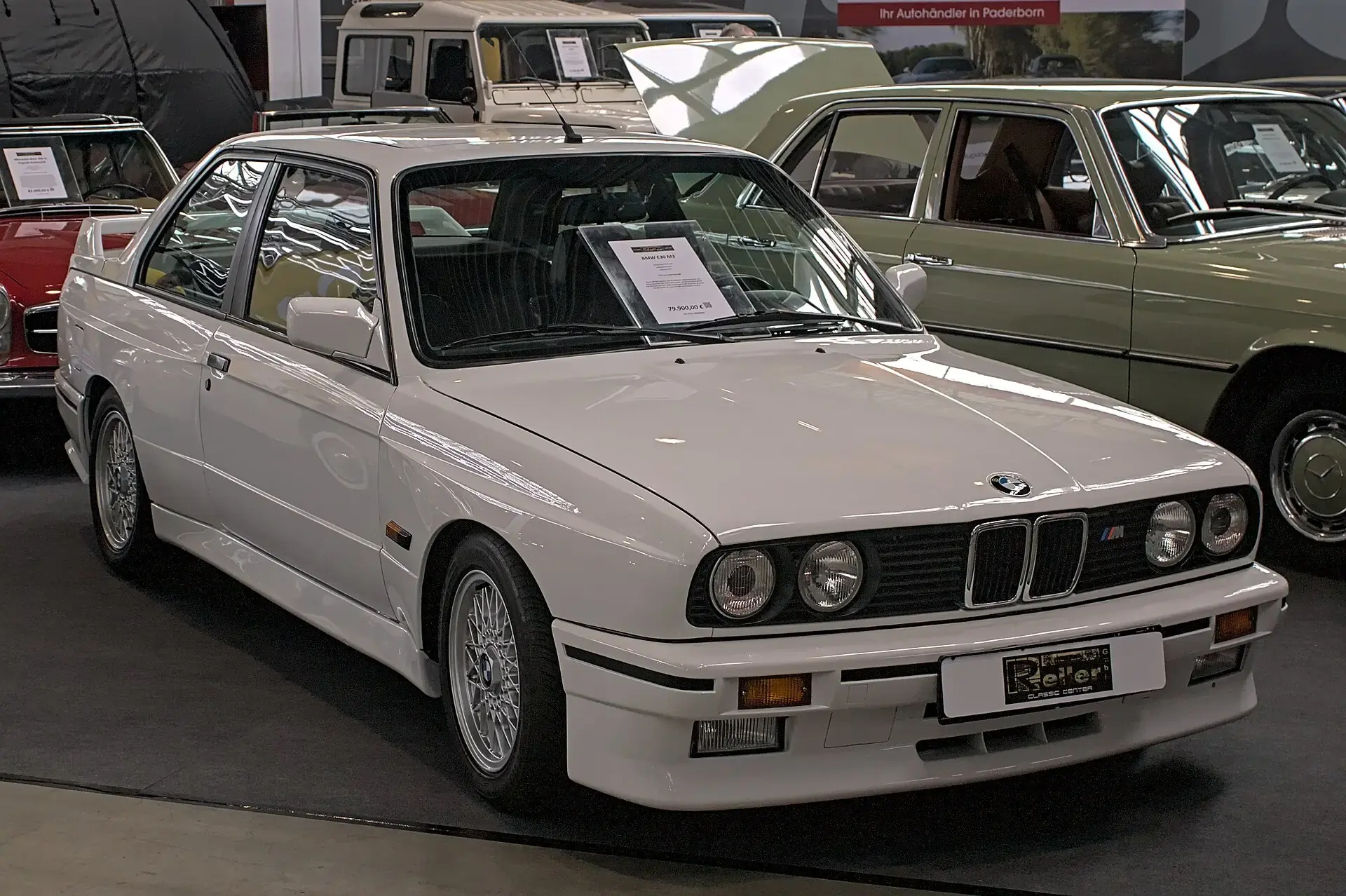
BMW M‑cars and other driver‑focused sedans and coupes.
-
Porsche sports cars, especially multiple generations of the 911.
-
Mercedes “youngtimer” sedans, coupes, and wagons.
-
Occasional niche or special‑edition models from several brands.
These pieces describe recurrent patterns WCS sees in its work, not ranked lists backed by national import counts. They show why German models often “stand out” in conversations among US enthusiasts and importers.
Developed online sourcing ecosystem (availability vs. volume)
Guides such as Best German car auction sites & how to import to USA and Buying cars in Germany to import to USA outline how German vehicles are widely listed on digital platforms and how US buyers can interact with dealers and auction houses.
These guides suggest that:
-
German cars are relatively easy to locate, evaluate, and purchase online.
-
Many German sellers and intermediaries are familiar with export workflows.
What they do not prove is how many of those listed cars actually end up in the US. The sourcing ecosystem supports availability; import volumes still depend on buyer decisions, regulations, and costs.
Policy Context: US 25‑Year Rule, EU/Germany “30‑Year” Practice, and 2025 Tariffs
Legal and policy frameworks strongly influence which German vehicles US buyers consider—and how cost‑effective they may be. The core regulatory ideas are well defined, but the tariff environment in particular has changed recently and should be treated carefully.
US 25‑year rule: compliance relief, not automatic duty relief
Under US federal law, a vehicle that was manufactured at least 25 years before the date of import (to the month) may be imported without needing to meet most current:
-
Federal Motor Vehicle Safety Standards (FMVSS), and
-
Certain EPA emissions requirements.
This framework is explained in detail in How to Import a Car from Germany to the USA and complemented by timelines like Classic Cars Eligible for 25‑Year Import in 2026.
Key compliance points:
-
Being 25+ years old simplifies regulatory compliance, especially for safety and emissions.
-
It does not automatically change how customs duties or trade‑related tariffs apply; those remain governed by the Harmonized Tariff Schedule and current policy.
In practice, older vehicles may still pay baseline duties and any applicable surcharges, depending on classification and origin. Any suggestion that “25‑year classics avoid tariffs” would be misleading without a specific, documented legal basis.
EU/Germany “30‑year” treatment: general practice, not a unified rule
European customs and tax frameworks, including those discussed in Germany Car Import Taxes, Duty‑Free Options & Regulations, indicate that some vehicles over about 30 years old that qualify as “collectors’ items” or historic vehicles can, under certain regimes:
-
Benefit from reduced or zero customs duty when entering the EU/Germany.
-
Be taxed at reduced VAT rates compared with modern vehicles.
However:
-
These provisions are implemented through specific EU customs headings and national VAT rules, and are interpreted by each member state.
-
There is no single, harmonized EU‑wide “30‑year rule” that functions exactly like the US 25‑year safety/emissions exemption.
-
The term “30‑year rule” is often used informally to describe general practice, not as a reference to a single codified law.
For US buyers, this matters mainly as background: Europe’s treatment of inbound classics can influence what is available for export, but it is not the same framework the US applies when those vehicles enter American ports.
2025 US tariffs: what changed and what remains uncertain
In 2025, US tariff policy on imported vehicles from certain origins—including parts of the EU—changed significantly. Industry and news coverage indicate that:
-
A presidential action in 2025 introduced higher tariffs (commonly reported as around 25%) on some imported passenger vehicles, including at least some foreign‑built cars from Europe.
-
These tariffs were layered on top of existing customs duties.
-
Follow‑up negotiations and trade discussions have explored potential adjustments, making the tariff landscape dynamic rather than fixed.
From a classic‑import standpoint:
-
Higher tariffs on newer vehicles may, according to some industry commentary, make older cars that are only subject to baseline duties relatively more attractive in certain cases.
-
This is market interpretation, not a formal rule, and specific effects depend heavily on how individual vehicles are classified and how current policy is written at the time they enter.
Because tariff treatment for older vehicles can vary based on HS code, origin, and evolving trade arrangements, the safest editorial position is:
-
Do not assume that being a classic or 25+ years old guarantees different or lower tariffs.
-
Consider tariff impacts as case‑by‑case and subject to confirmation by a licensed customs broker or legal professional familiar with current HTSUS provisions.
Buyer Profiles: How Different Importers Approach German Classics
Based on West Coast Shipping’s client work and content, several recurring buyer archetypes emerge around German classics. These are illustrative, anecdotal profiles, not statistically defined groups.
Classic collectors and data‑driven enthusiasts
These buyers tend to:
- Follow trend pieces such as Classic Car Import Trend: 2025 to 2026 Automotive Collector Boom.
- Monitor which model years cross the 25‑year threshold using guides like Classic Cars Eligible for 25‑Year Import in 2026.
- Pay attention to currency discussions in USD’s Growing Buying Power for Classic Cars in Europe.
They typically use the US car import cost calculator early in the process to check whether a seemingly good deal in euros still looks attractive once duties and freight are included.
Track‑day and performance‑focused drivers
Performance‑oriented importers often:
- Use Top Cars Imported from Germany in 2025 and Buying Cars in Germany to Import to USA to identify promising M, AMG, RS, and Porsche models.
- Look for European‑market specifications—manual transmissions, limited‑run performance packages—that were scarce or unavailable in US showrooms.
They may combine auction timing with currency‑strategy content and run multiple scenarios through the car import calculator before deciding which car and route make sense.
Returning expats and cross‑border professionals
These buyers:
- Purchased a German car while living abroad and are now considering bringing it to the US.
- Rely on Import a Car from Europe to the US and How to Import a Car from Germany to the USA to understand both regulatory requirements and cost implications.
Their decisions often blend personal attachment and cost: the car import calculator is typically used as a decision support tool rather than a pure cost‑minimization device.
Dealers, brokers, and small import businesses
Professional importers and dealers:
- Scan articles like Top Cars Imported from Germany in 2025, Top Cars to Import in 2025, and How 2025 Tariff Changes Create New Opportunities for Classic Cars.
- Look for German models with visible enthusiast demand and potentially favorable age/tariff combinations.
They frequently model multiple vehicles at once in the US car import cost calculator, adjusting ports, consolidation options, and value assumptions to see how margins might look under different scenarios.
Important Disclosure and Disclaimer (March 2026)
This article is general informational content about international vehicle logistics and West Coast Shipping’s services. It is not legal, tax, customs, financial, or investment advice, and it does not create any client, advisory, or fiduciary relationship.
Any discussion in this article of German vehicle import patterns, classic‑segment volumes, buyer profiles, exchange‑rate effects, tariffs, duties, the US 25‑year rule, or European classic‑vehicle treatment is based on publicly available information, specialist datasets used internally by West Coast Shipping, and the company’s operational experience as reflected in its blog content. References to buyer interest, popular categories, or emerging segments are observations or commentary, not official rankings or guarantees of future demand.
Import rules, tariff and duty rates, safety and environmental standards, and documentation requirements are determined solely by US Customs and Border Protection, the National Highway Traffic Safety Administration, the Environmental Protection Agency, and other competent regulators, and they may change at any time without notice. Any statement in this article may be incomplete, outdated, or inapplicable to your situation by the time you read it.
Before purchasing, shipping, importing, or registering any vehicle, you must verify current rules directly with US government agencies and other relevant authorities and consult qualified professional advisors, such as licensed customs brokers, tax professionals, and legal counsel. Professional consultation is required for any decisions involving import classifications, duties, taxes, regulatory compliance, or investment considerations. West Coast Shipping’s role is limited to arranging logistics services (export, transport, and related operational coordination) and providing general information; WCS does not provide legal, tax, financial, or customs classification services and cannot guarantee any particular customs, tax, regulatory, investment, or resale outcome.
Ready to Analyze a German Classic Import to the USA? Get Your Instant Cost Estimate
If you’re considering a German classic, youngtimer, or enthusiast model and want to understand how current exchange rates, tariffs, and logistics could affect your total cost, the next step is to run the numbers before you bid or buy. West Coast Shipping’s US car import cost calculator lets you enter origin (for example, Germany), destination, vehicle details, and expected value to generate an instant estimate of shipping and basic import charges.
Use it to compare different vehicles, ports, and timing assumptions, then request a tailored quote from the WCS team to align your budget, timeline, and regulatory strategy with your next German classic import project.

Top 5 German Cars to Import to the USA in 2026

German Classic Car Imports to USA: 2026 Data, Models & Costs