
Why Import Classic German Cars?
Germany is the largest single source of European classics entering the United States, and 2026 is a good year for it. Under the 25-year rule, anything built in 2001 or earlier now clears without EPA or DOT modifications, which brings the E46 M3, the 996 GT3 and the E39 M5 into play alongside the E30 M3s and 964s that have been crossing for years. Ocean freight from Bremerhaven to New York runs about $2,750 and duty on a 25-year-old car is 2.5%. Here are the cars that fill the most WCS containers on that lane, and the ones about to.
Three things keep German cars at the top of the import list. The depth of the catalogue: BMW, Mercedes-Benz, Porsche, Audi and Volkswagen cover everything from pre-war to modern future classics. The motorsport record, which is why homologation cars like the E30 M3 and 190E Evo II carry the premiums they do. And liquidity: these cars are known worldwide, so a well-chosen import resells easily. Add a sourcing ecosystem built for export, with mobile.de and AutoScout24 listing thousands of enthusiast-owned cars, and Germany is the easiest European market for a US buyer to work.
Key Reasons to Import Classic German Cars:
- Exclusivity: Many models were never officially sold in the U.S., making them rare and desirable.
- Build Quality: German manufacturers are known for their meticulous attention to detail and durability.
- Historical Significance: Owning a classic car allows you to preserve and celebrate automotive history.
For where to find them, see our guide to German car auction and listing sites. For what the whole move costs, see how much it costs to import a car from Germany.
Newly Eligible in 2026: The 2001 Cars
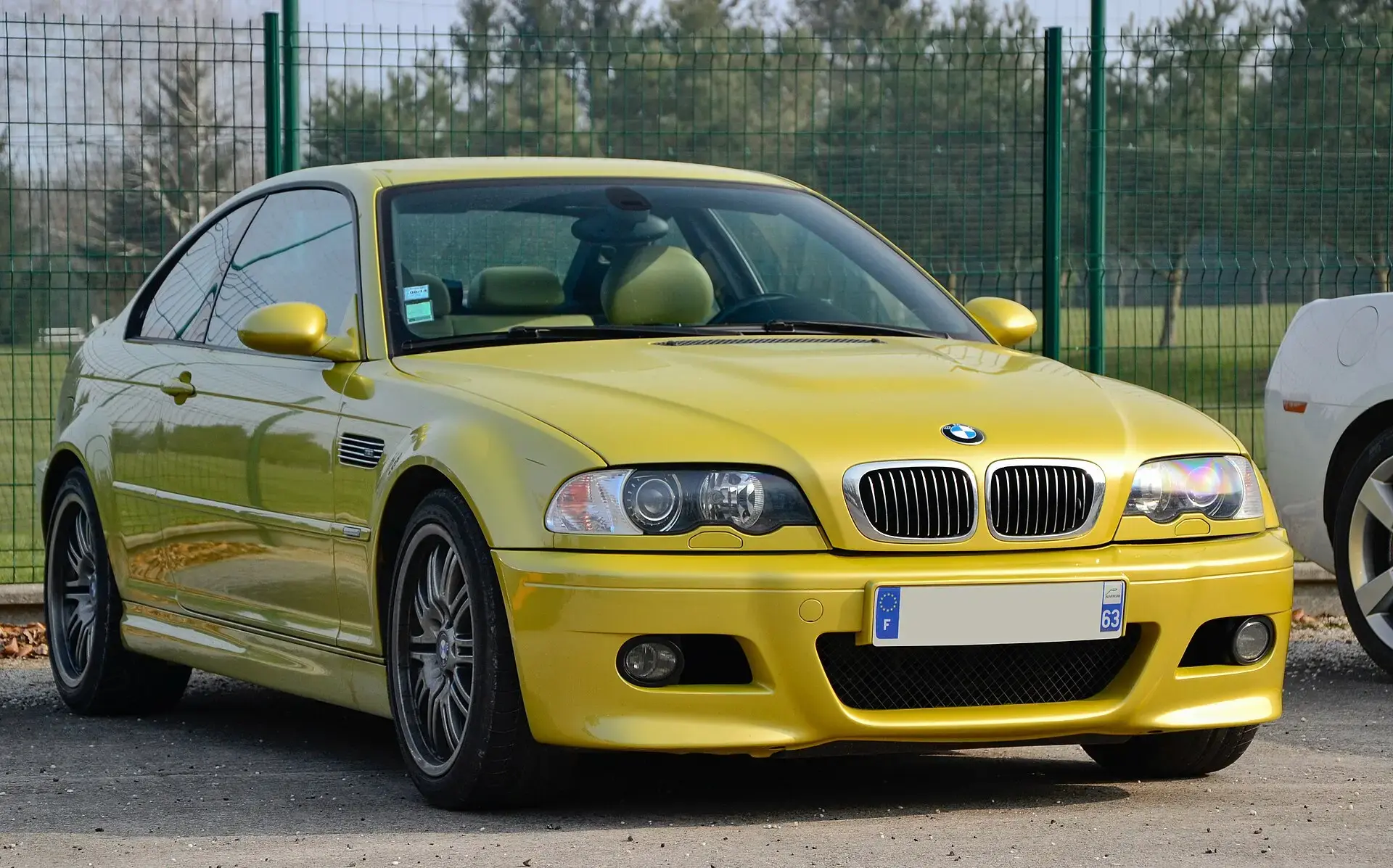
Each January another model year turns 25. In 2026 that is 2001, and it is a strong year. The BMW E46 M3 in European specification, with the S54 straight-six and the option combinations the US never received. The Porsche 996 GT3, the first GT3 and never sold new in America. The BMW E39 M5, a 400-horsepower V8 sedan with a manual gearbox. Eligibility runs by build month, so an early-2001 car clears before a late-2001 car does. The full list with build-date notes is in our guide to 2001 German cars now 25-year eligible.
The 1990s Wave
The cars that were the bargain a few years ago are the ones climbing now: the European-spec E36 M3 with the 321-horsepower engine the US version never got, the Mercedes C36 and C43 AMG, and the 993 Carrera, the last air-cooled 911. Our guides to 1990s German performance cars worth importing and the affordable German classics still under the radar cover that window in detail. German hot hatches of the same era, Golf VR6s and early Audi S-cars, ride along in the same containers.
The Established Favorites
1. BMW E30 M3 (1986–1991)
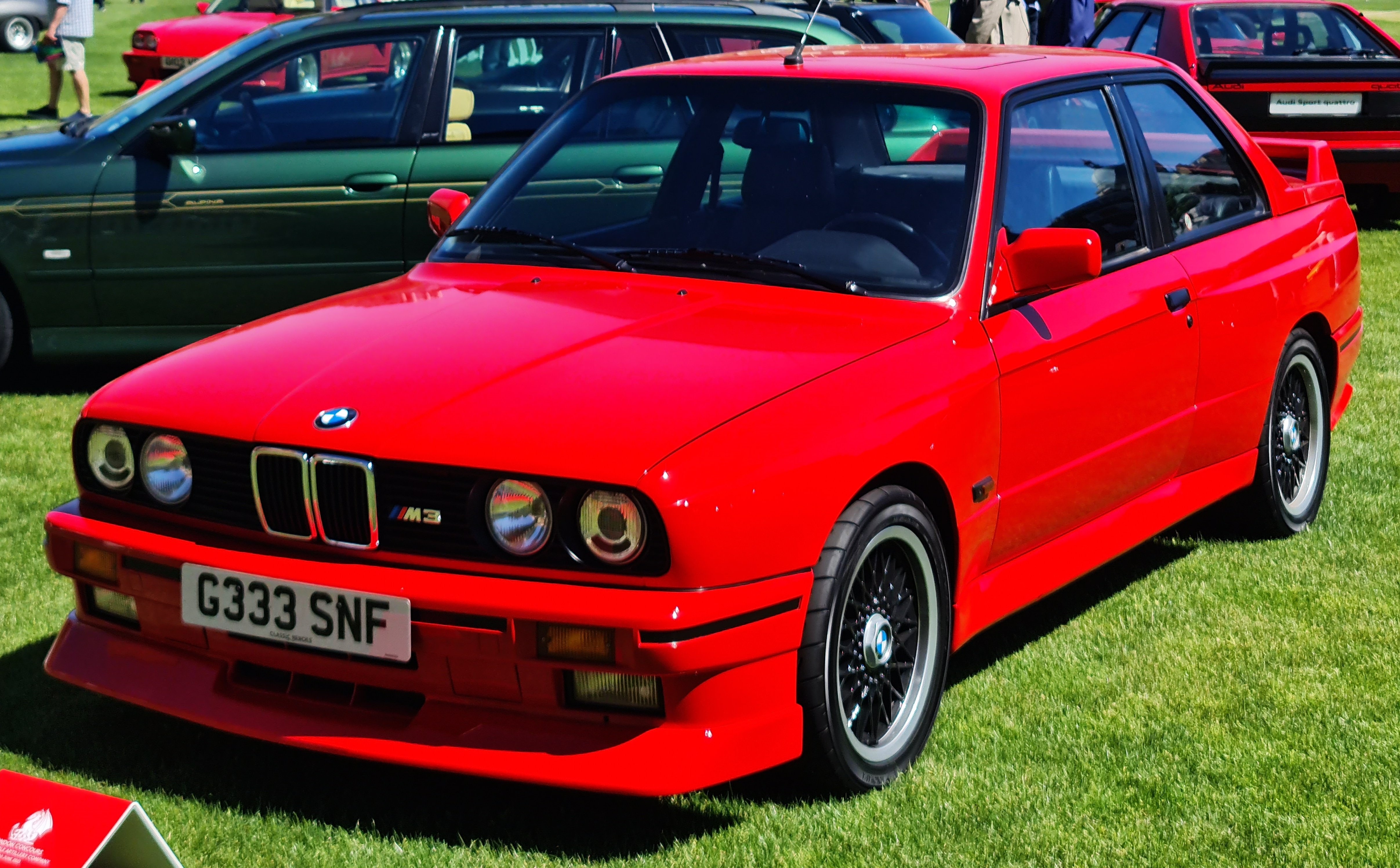
The BMW E30 M3 is arguably one of the most iconic sports sedans ever made. Built for homologation purposes in motorsport, it features a lightweight chassis, aggressive styling, and a high-revving inline-four engine.
Why It’s Popular:
- Legendary performance on both road and track.
- Limited production numbers make it highly collectible.
- Timeless design that appeals to enthusiasts worldwide.
Fun Fact: Prices for clean E30 M3s have skyrocketed over the years, with well-maintained examples fetching upwards of $80,000 today. Learn more about shipping BMW classics on our E30 M3 shipping guide.
2. Mercedes-Benz 190E 2.5-16 Evolution II (1990)
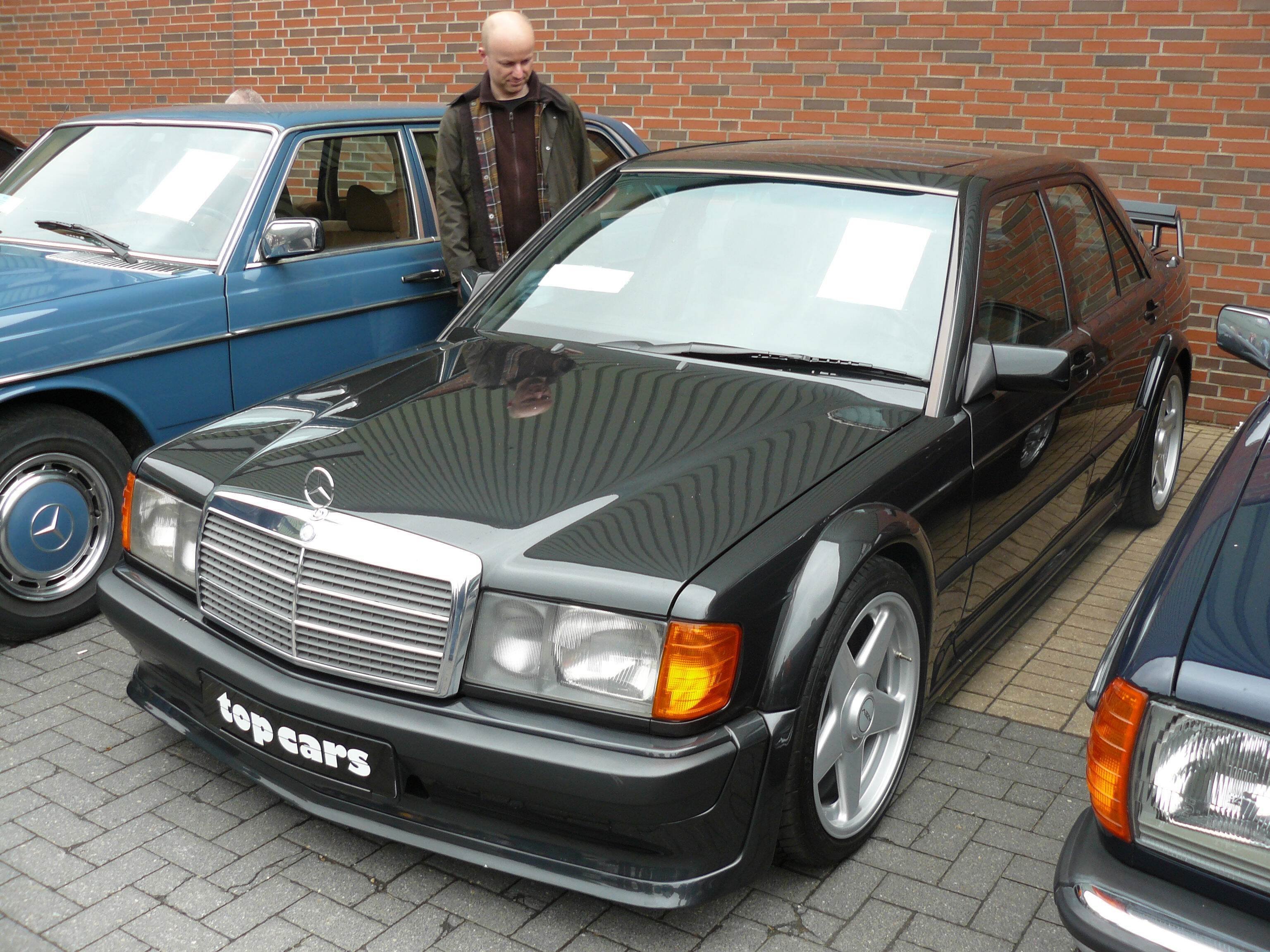
The Mercedes-Benz 190E Evolution II was built as a homologation car for DTM racing and is one of the most sought-after models in Mercedes’ history. With its aggressive bodywork, Cosworth-tuned engine, and track-ready suspension, this car is a masterpiece of engineering.
Why It’s Popular:
- Only 502 units were ever produced, making it extremely rare.
- Its motorsport pedigree adds significant appeal for collectors.
- Unique styling that stands out even today.
Pro Tip: Due to its rarity and high value, ensure your Evolution II is shipped securely using container shipping services like those offered by West Coast Shipping.
3. Porsche 911 (964) Carrera RS (1992)
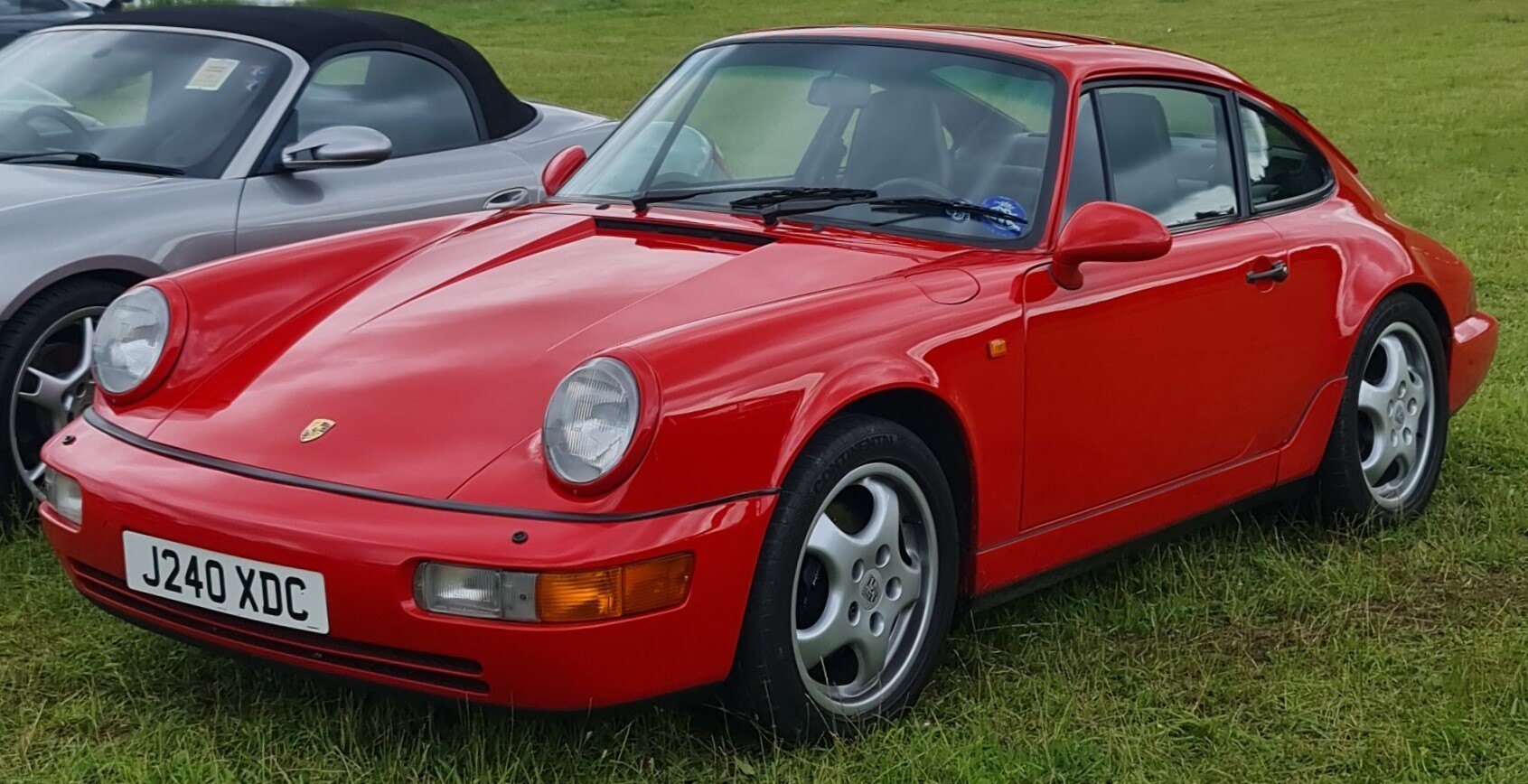
The Porsche 964 Carrera RS is a lightweight, high-performance version of the standard Carrera 2 model. Built for enthusiasts who valued raw driving dynamics over luxury features, it remains one of the most coveted air-cooled Porsches ever made.
Why It’s Popular:
- Stripped-down design focused on performance and handling.
- Limited production numbers enhance its collectibility.
- Represents an important chapter in Porsche’s motorsport history.
Fun Fact: The 964 Carrera RS was never officially sold in the U.S., making it a prime candidate for import under the 25-year rule. Learn more about importing Porsches on our classic car buying guide.
4. Volkswagen Corrado VR6 (1992–1995)
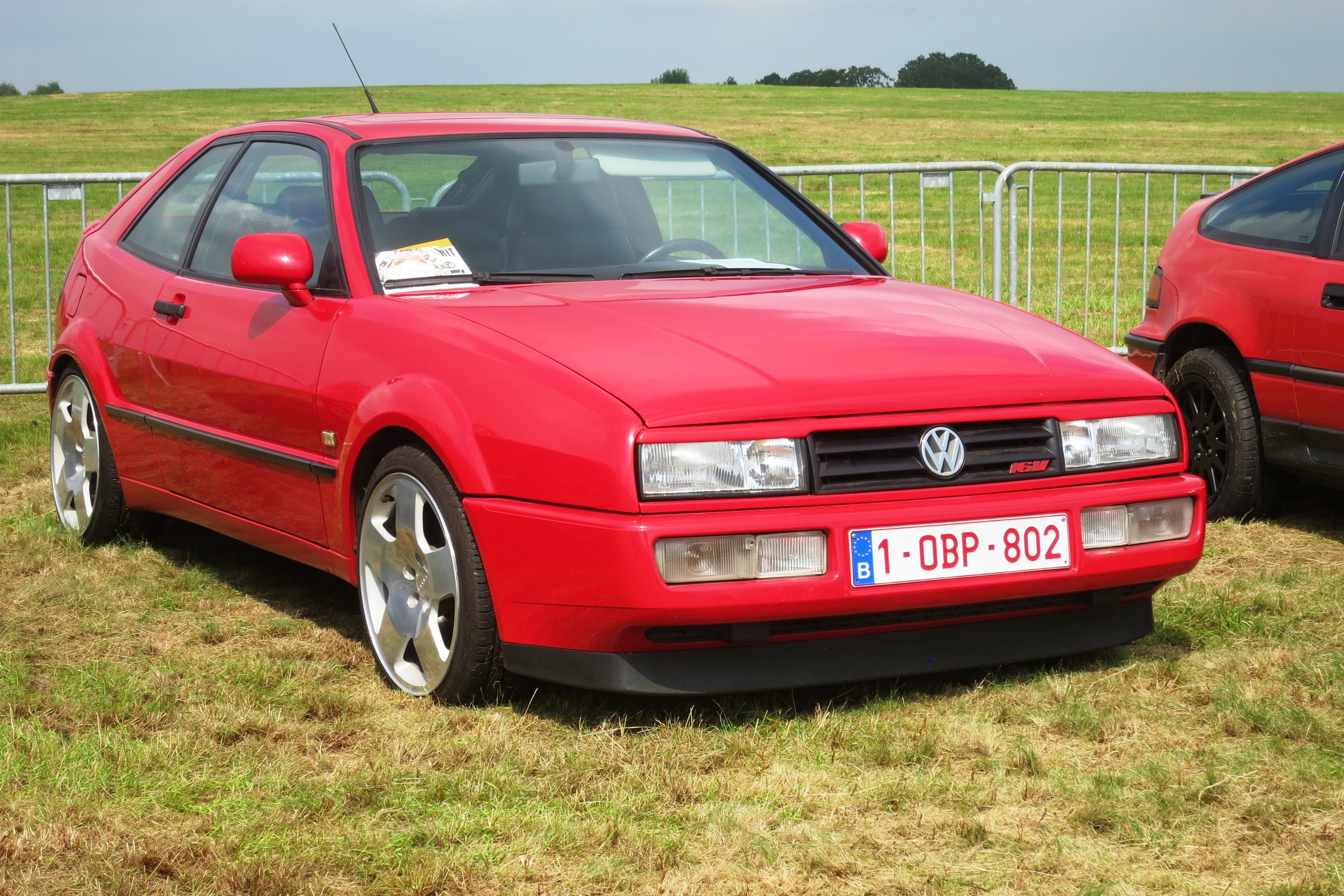
Often referred to as “the people’s Porsche,” the Volkswagen Corrado VR6 was a game-changer for VW enthusiasts when it debuted in the early ’90s. With its narrow-angle six-cylinder engine and sharp handling, it remains one of VW’s most beloved models.
Why It’s Popular:
- Exceptional handling praised by automotive journalists worldwide.
- Unique design that blends retro charm with modern practicality.
- Affordable entry point into classic German car ownership compared to other models on this list.
Pro Tip: The Corrado VR6 is perfect for enthusiasts looking for a fun-to-drive classic without breaking the bank.
5. Audi Quattro (1980–1991)
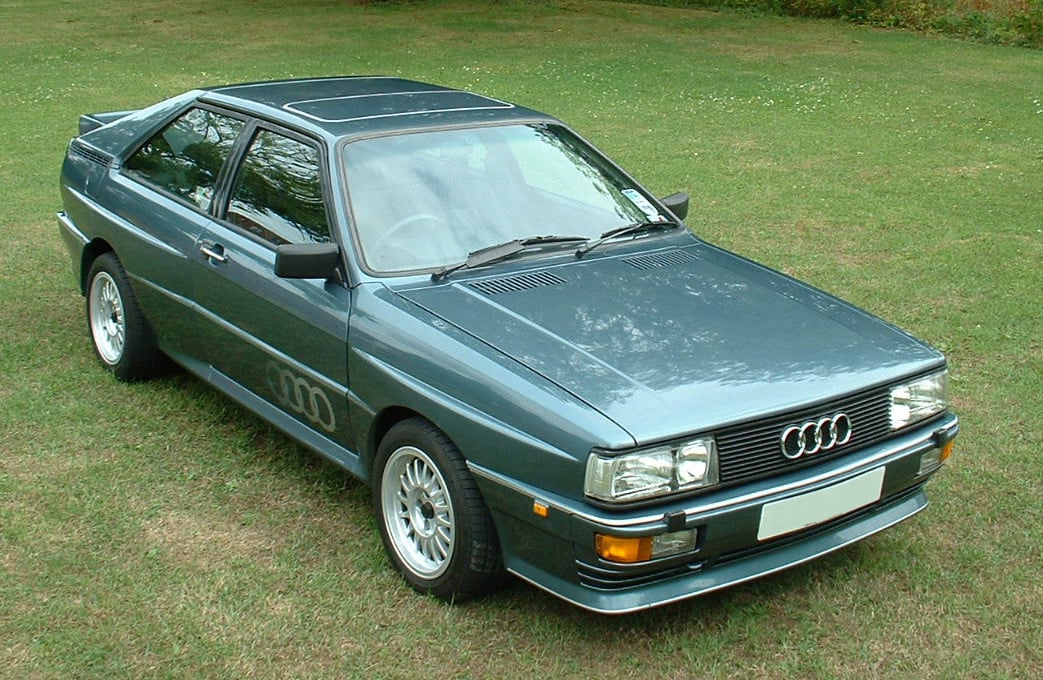
The Audi Quattro revolutionized rally racing with its innovative all-wheel-drive system and turbocharged engine. Its success on the world rally stage cemented Audi’s reputation as a leader in performance engineering.
Why It’s Popular:
- Groundbreaking AWD technology that influenced modern performance cars.
- Iconic boxy design that screams ’80s nostalgia.
- Limited availability makes it highly desirable among collectors.
6. Mercedes-Benz SL (R129) (1989–2001)
_IMG_3157.jpg?width=4961&height=2174&name=Mercedes-Benz_R129_(1998-2001)_IMG_3157.jpg)
The R129-generation Mercedes-Benz SL is celebrated for its blend of luxury, performance, and reliability. With advanced features like adaptive suspension and an automatic roll bar system, it was ahead of its time.
Why It’s Popular:
- Timeless design that still looks modern today.
- A wide range of engine options from inline-sixes to V12s.
- Exceptional build quality ensures longevity.
7. Porsche 928 GTS (1992–1995)
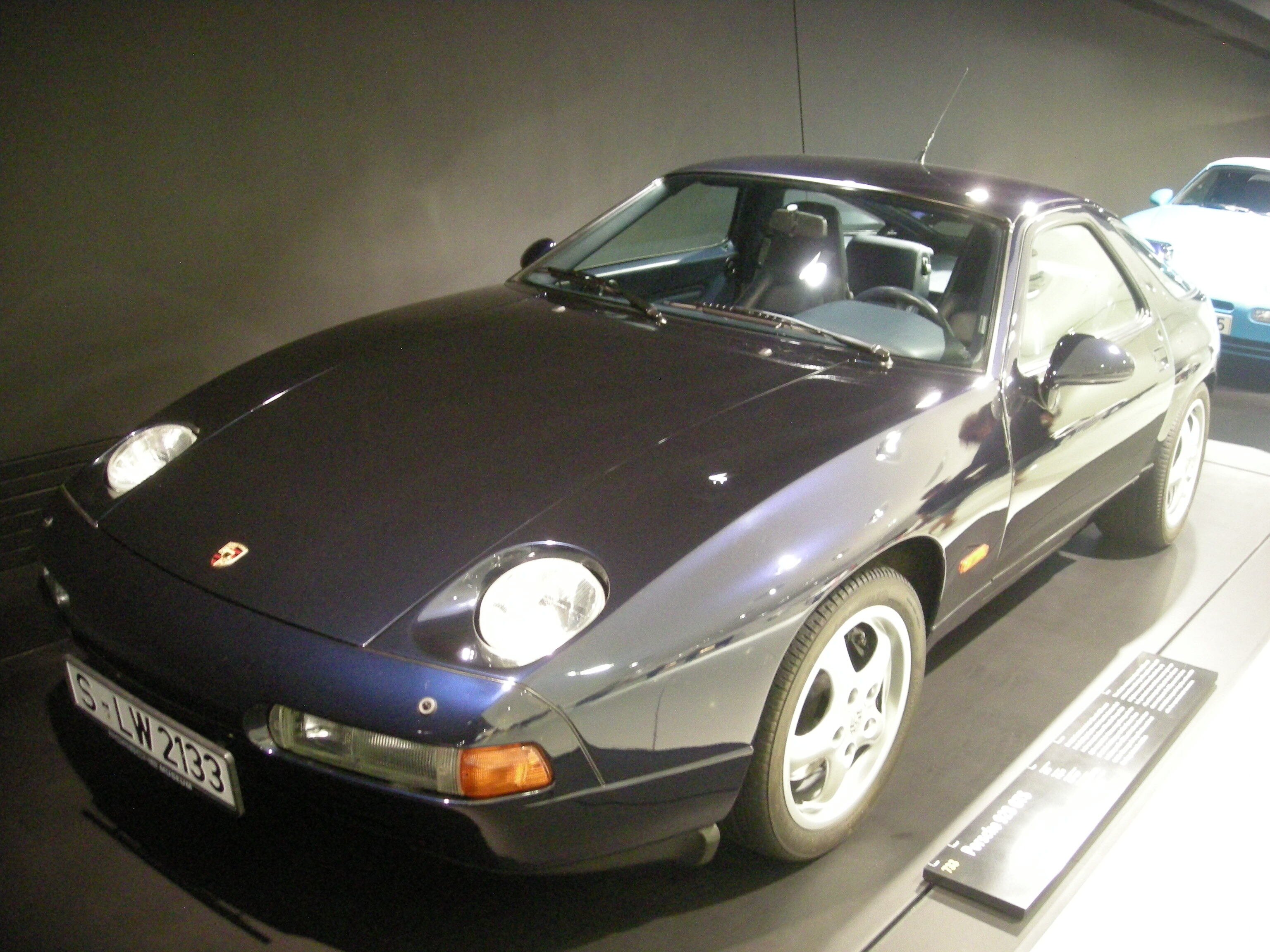
The Porsche 928 GTS was designed as a grand tourer with a focus on comfort and performance. Its powerful V8 engine and luxurious interior make it one of Porsche’s most unique offerings.
Why It’s Popular:
- Combines sports car performance with everyday usability.
- Increasingly rare due to limited production numbers.
- Represents Porsche’s attempt at redefining its brand image.
8. BMW Z1 (1989–1991)
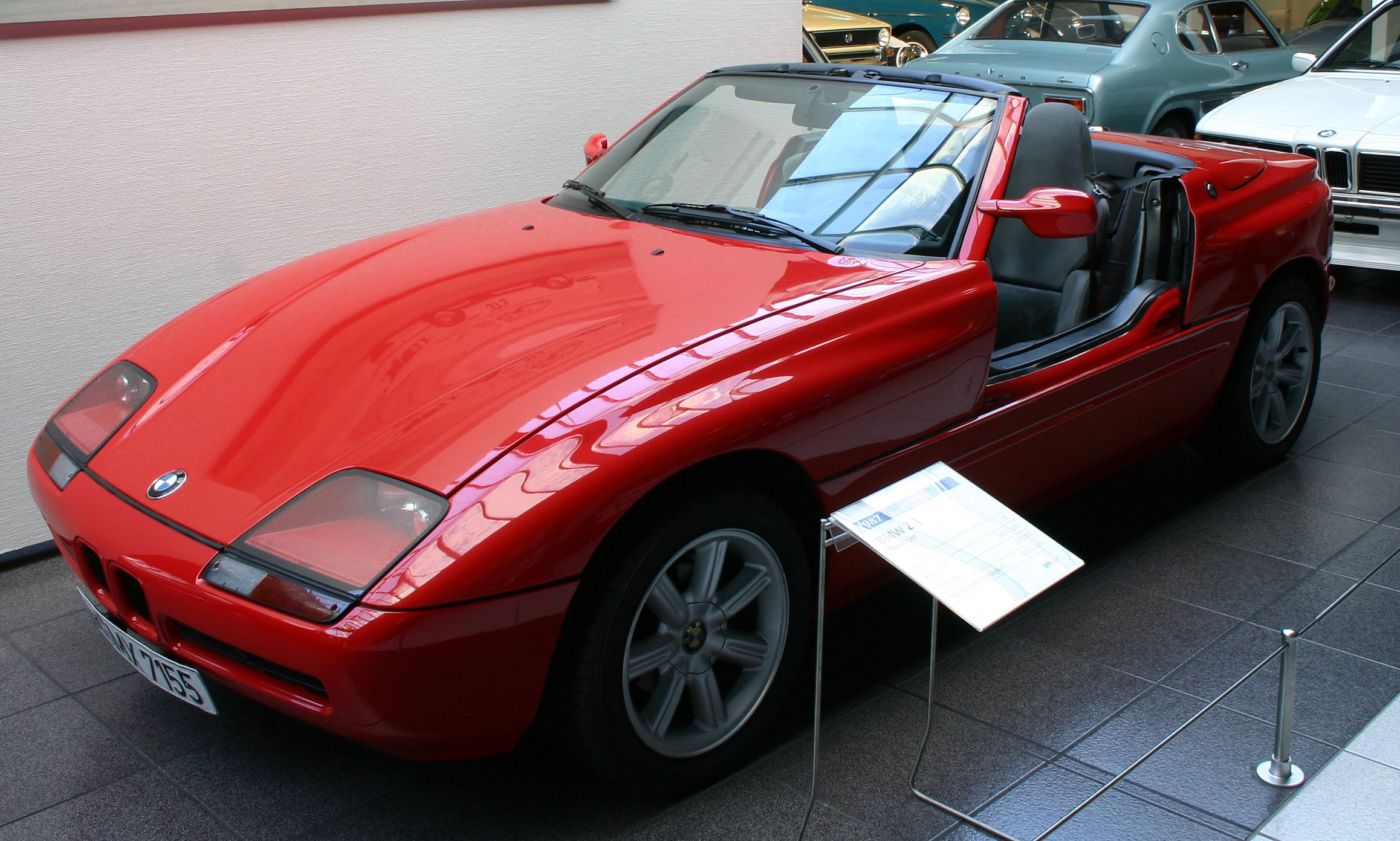
The BMW Z1 is one of BMW’s most innovative designs, featuring unique drop-down doors and a lightweight composite body.
Why It’s Popular:
- Quirky design elements that make it stand out.
- Limited production numbers add exclusivity.
- A fun-to-drive roadster perfect for collectors.
How to Import Classic German Cars to the USA
Importing classic cars requires careful planning and attention to detail:
- Verify Eligibility Under the 25-Year Rule: Ensure your vehicle was manufactured at least 25 years ago to bypass EPA/DOT compliance requirements.
- Choose Your Shipping Method: Container shipping is recommended for high-value classics due to added protection during transit.
- Prepare Documentation: Include proof of ownership, purchase invoice, customs declaration forms, and shipping documents.
- Clear Customs: Pay import duties (2.5% for passenger vehicles) and ensure all paperwork is accurate.
For the full step-by-step, from finding the car to registering it in your state, see our guide to buying a car in Germany and importing it to the USA.
Frequently Asked Questions
What are import costs for classic German cars?
Import costs include:
- Ocean freight, Bremerhaven or Hamburg to New York: $2,750 to $3,350 by container, about 18 days at sea.
- Import duty: 2.5% of vehicle value on a car 25 years or older.
- Port fees, customs bond and brokerage: roughly $600 to $1,500.
- Cargo damage protection during transit (optional).
A €25,000 E36 M3 lands at roughly $32,700 all in. Get an estimate for your car with the car import calculator.
Is it cheaper to buy a German car in Germany?
Often, for two reasons that have nothing to do with the sticker. The car exists in Germany in specifications and colors the US never received, so there is no US example to compare against. And when the dollar is strong against the euro, the same euro price converts to fewer dollars; on a €40,000 car a few cents of exchange rate is visible in the total. Freight and duty add $3,500 to $5,000 on a classic, which is usually less than the premium a US-market equivalent commands, where one exists.
Are there exemptions for importing classic cars?
Yes. Vehicles 25 years or older, counted from the build month, are exempt from EPA and DOT compliance and clear at the 2.5% base duty. Newer cars need a Registered Importer and $10,000 to $28,000 in modifications, which is why the list above stops at 2001.
Why should I use container shipping?
Container shipping offers maximum protection against weather damage or theft during transit—ideal for high-value classics like Porsches or BMWs.
Conclusion
Classic German cars remain some of the most desirable vehicles in automotive history due to their engineering excellence and timeless appeal. Whether you’re importing an E30 M3 or a Porsche Carrera RS, these vehicles offer unmatched driving experiences while serving as valuable investments.
Ready to begin your German car import journey?
Contact West Coast Shipping's German import specialists today for a personalized consultation and discover how simple bringing your dream car home can be.

How to Import a Car from Germany to the USA in 2025
German Car Imports to the USA in 2026: Best Cars to Buy Now