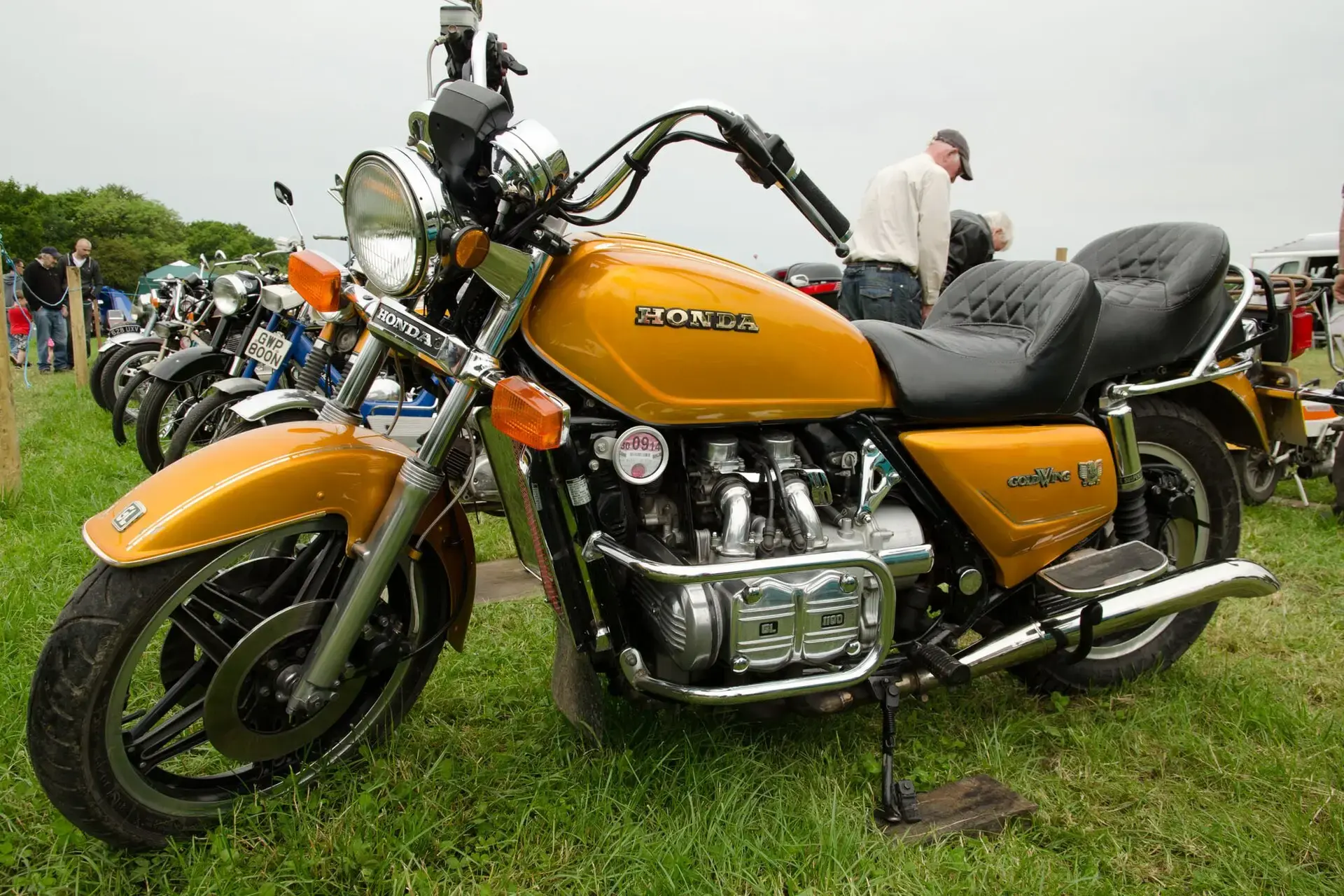

The Yamaha XS650 is one of those rare motorcycles that managed to stay relevant for two full decades with the same basic engine layout. Launched at the end of the 1960s to challenge British twins, it survived well into the late 1980s as a standard, commuter, and eventually a custom‑leaning “Special”—all built around the same rugged 653 cc parallel‑twin. Today it is a fixture in vintage paddocks, classic rallies, and custom garages from California to Europe and Australia.
This article traces how the XS650 evolved from early XS‑1 standards into later Special variants, why riders still prize it as a mechanical “sweet spot,” and what to consider if you are buying one for cross‑border projects. For a wider view of how the XS650 sits alongside other Japanese icons like the GSX‑R and Gold Wing, see the main feature on 50 years of Japanese motorcycle legends. When you are ready to move an XS650 between countries, West Coast Shipping’s international motorcycle shipping rates page explains how shared containers, dedicated containers, and air options are typically priced.
From XS‑1 to XS650: Yamaha’s Big‑Twin Answer to Britain
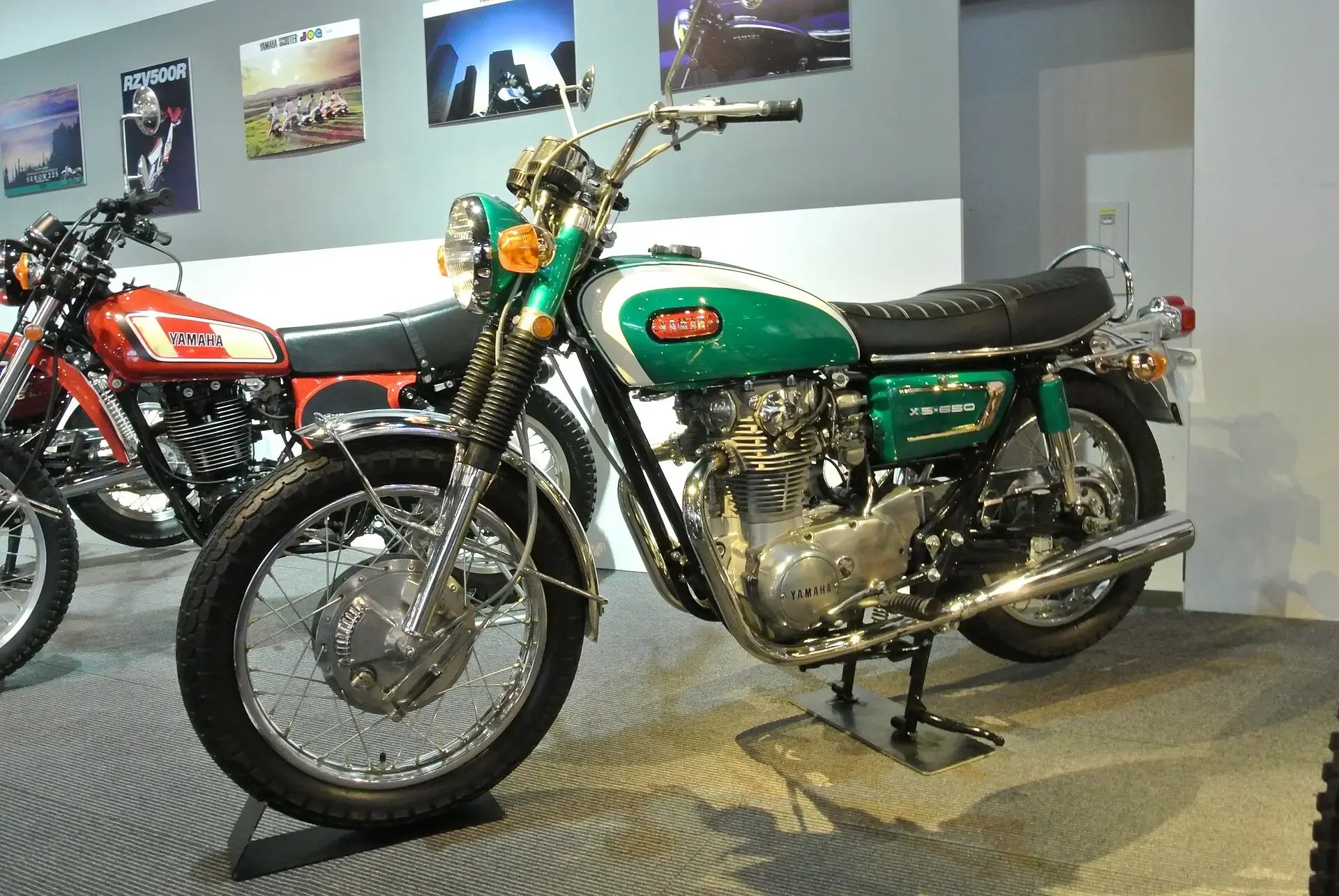
A Parallel Twin with Familiar Character
When Yamaha introduced the XS‑1 in 1968, the company clearly had British bikes like the Bonneville in its sights. The engine layout was familiar but forward‑looking:
-
653 cc air‑cooled parallel twin with a 360‑degree crank for a classic exhaust cadence.
-
Overhead‑cam design that provided more modern breathing than many pushrod rivals.
-
A strong, relatively compact unit‑construction engine that could take high mileage and tuning.
Period road tests and modern retrospectives often highlight how the XS‑1 felt like a more refined, less temperamental version of the British twins riders already knew. That combination made it attractive in markets like Australia and Europe, where WCS’s article on vintage motorcycles Australians love places the XS650 alongside heavy hitters like the CB750 and GSX‑R750.
Early Model Refinements
Through the late 1960s and early 1970s, Yamaha improved the basic formula rather than replacing it:
-
XS‑1 evolved into XS‑2 and later XS650 variants with better electrics and brakes.
-
Front disc brakes and incremental chassis tweaks arrived as the market moved toward higher speeds and better stopping power.
-
Styling remained that of a classic standard—upright seating, spoke wheels, and simple, clean lines.
These early standards are now among the most sought‑after XS650s for collectors who want the model in its purest form. They are also frequent candidates for cross‑border shipping under age‑based frameworks discussed in WCS’s 25‑year rule motorcycle guides.
Mid‑Run Evolution: From Everyday Standard to Global Workhorse
1970s: Commuter, Tourer, and All‑Rounder
As the 1970s progressed, the XS650 cemented its reputation as a reliable, do‑everything motorcycle:
-
Owners used them for commuting, light touring, and even desert racing and flat‑track conversions.
-
The engine’s broad torque spread and relatively simple maintenance made it suitable for markets with limited dealer networks.
-
Yamaha continued improving components such as charging systems, carburetion, and suspension without altering the core twin.
In WCS’s case studies on shipping vintage motorcycles between Europe and the U.S., mid‑’70s XS650s often appear as “rider” classics—bikes that owners are happy to rack up miles on after import rather than preserve as static collection pieces.
1980s: Specials, Customs, and the End of the Line
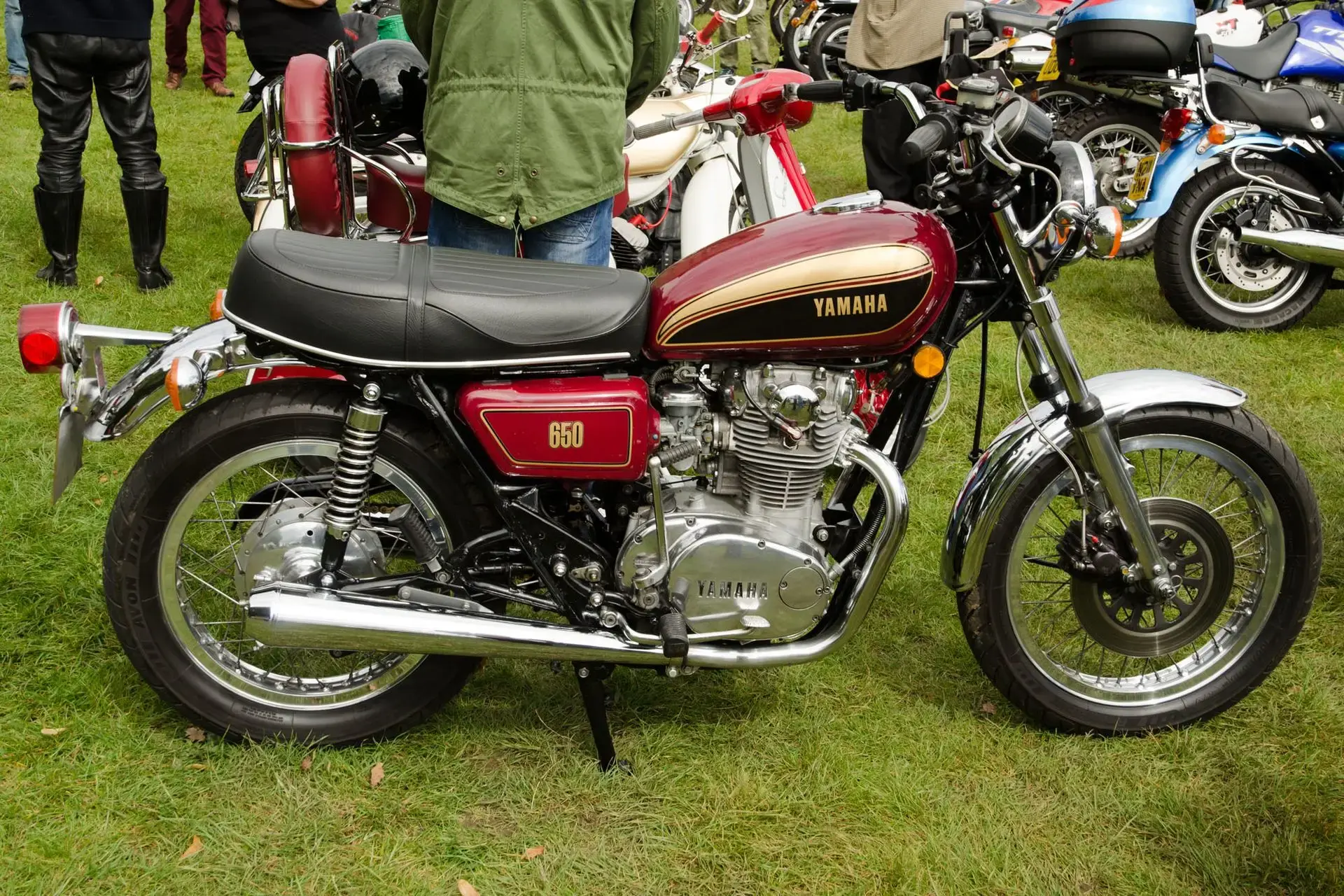
By the early 1980s, Yamaha responded to changing tastes with “Special” variants:
-
More pulled‑back handlebars and stepped seats aimed at the cruiser and custom segment.
-
Cosmetic changes such as different tanks, side covers, and exhaust layouts.
-
Ongoing improvements to reliability and ease of use even as the basic engine remained unchanged.
While purists sometimes favor earlier standards, Specials have become popular donor bikes for café racers, scramblers, and trackers. WCS’s vintage motorcycle shipping articles frequently highlight projects where riders import lightly tired Specials as starting points for full rebuilds.
By the late 1980s, the market had moved decisively toward multi‑cylinder and liquid‑cooled engines, and Yamaha finally retired the XS650 platform. Its two‑decade production run, however, left a deep parts supply and a global owner base.
Why the XS650 Endures: Simple, Strong, and Extremely Modifiable
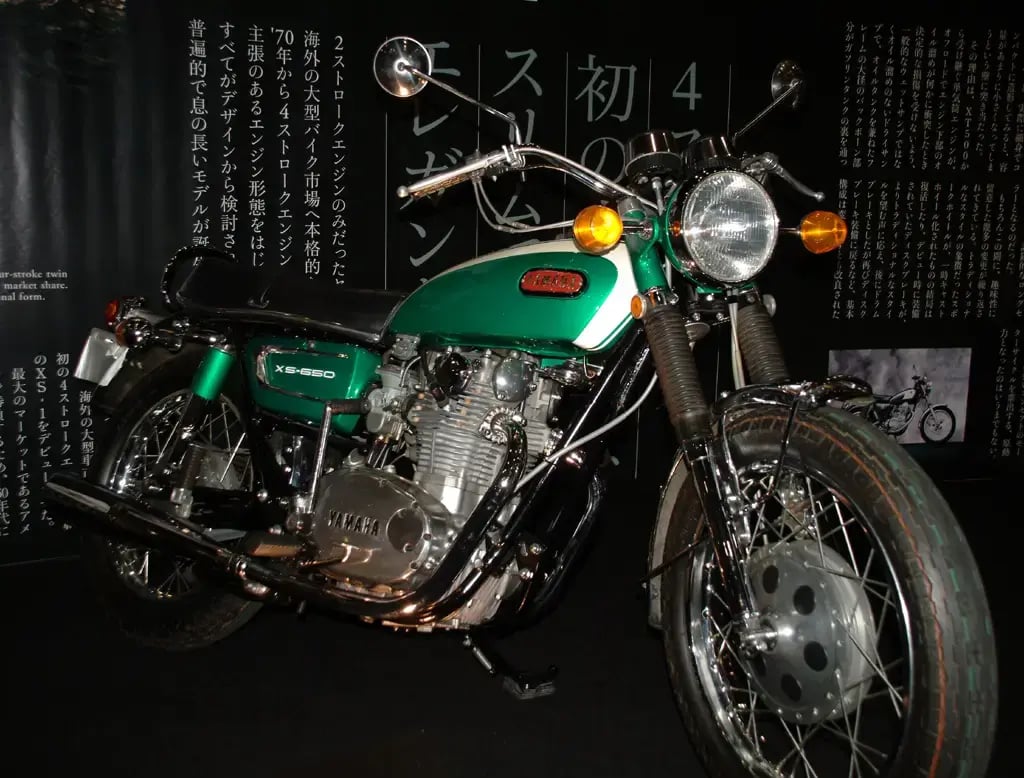
Mechanical Sweet Spot
Modern riders and builders continue to seek out XS650s because they hit a rare balance:
-
Simple enough for home mechanics to rebuild with hand tools and a manual.
-
Capable enough to handle modern traffic when properly refreshed and upgraded.
-
Characterful enough to feel special compared with newer, smoother twins.
As WCS’s article on why riders choose classic motorcycles notes, part of the appeal lies in the experience: the sound, vibration, and mechanical feedback that modern bikes often filter out.
Custom Culture and Parts Availability
The XS650 has become a staple in custom scenes worldwide:
-
A huge aftermarket exists for frames, suspension kits, ignition upgrades, and cosmetic parts.
-
Builders in places like Europe, Japan, and Australia often source U.S. bikes as donor machines when local supply shrinks.
-
Entire shops and parts brands have grown around the platform, keeping it viable for new generations of riders.
Because many projects now cross borders—for example, a U.S. builder selling a completed café XS650 to a European buyer—WCS increasingly sees XS650s in multi‑bike containers headed to ports covered in guides like Turkey motorcycle shipping basics and Panama motorcycle export routes.
International Buying Checklist for a Yamaha XS650
Verifying Models, Years, and Condition
Because XS650s were sold for so long and often modified, due diligence is key when buying for export:
-
Confirm the year and model via frame and engine numbers; some markets received distinct sub‑variants.
-
Assess the level of modification—stock, lightly tweaked, or heavily customized—since this affects both value and registration prospects.
-
Check structural condition including frame straightness, rust in critical areas, and wheel and fork alignment.
For buyers relying on remote purchases, WCS’s articles on cost breakdowns to France and Belgium motorcycle imports emphasize the importance of thorough photo sets and pre‑purchase inspections before committing to shipping.
Compliance and Destination Rules
Before you finalize a purchase with export in mind:
-
Check age‑based import thresholds in the destination country—many jurisdictions offer more flexible treatment for motorcycles over 25 or 30 years old.
-
Confirm lighting, noise, and emissions expectations with a local registration specialist; even older bikes sometimes need minor upgrades to pass.
-
Review documentation requirements such as titles, deregistration papers, and bills of sale; these must align across seller, shipper, and customs paperwork.
WCS’s global import taxes guide and region‑specific motorcycle pieces like Tema motorcycle customs in Ghana illustrate how rules vary and why coordination with local brokers matters.
How West Coast Shipping Moves XS650s Around the World
Crating, Skids, and Container Strategies
Because XS650s are compact and relatively light, they lend themselves well to flexible loading strategies:
-
Individual crates – Used for higher‑value restorations or when shipping by air, providing wooden‑box protection around each bike.
-
Stand‑ or skid‑based loading – Common for shared containers, where bikes are strapped to purpose‑built skids with wheel chocks and soft ties.
-
Multi‑bike layouts – Dealers or group buyers often place several XS650s (and other classics) in one container, spreading fixed costs across multiple units.
The California‑to‑Japan lane described in WCS’s vintage motorcycle crate and container guide is a typical example: crates or skids are loaded into shared containers at West Coast facilities, then shipped to ports like Yokohama or Kobe on regular sailings.
Using International Motorcycle Shipping Rates as a Planning Tool
The international motorcycle shipping rates page brings these options into a single, rate‑focused view:
- Shows
baseline container rates for common destinations such as the UK, Germany, France, Australia, and New Zealand.
-
Explains how shared vs. dedicated containers change per‑bike costs—particularly relevant when shipping multiple XS650s at once.
-
Connects to destination‑specific guides (France, Belgium, Turkey, Panama, and more) so you can see how local handling fees and taxes fit into the bigger picture.
Articles like motorcycle shipping quotes explained line‑by‑line walk through each cost component so XS650 buyers know what they are paying for at every stage.
Typical Lanes for XS650 Projects
Common patterns WCS sees with XS650 shipments include:
-
U.S. to Europe – Buyers in France, Belgium, Germany, and the Netherlands importing early standards or custom builds, often via consolidated containers outlined in the France and Belgium cost guides.
-
U.S. to Australia and New Zealand – Riders capitalizing on age‑based concessions and the XS650’s reputation for rugged simplicity in remote areas, as described in the Australian vintage motorcycle overview.
-
U.S. to Japan – Collectors and builders bringing back interesting export‑market XS650s for restoration or custom projects within Japan’s vibrant classic scene.
In each case, WCS ties domestic collection, export prep, ocean freight, and coordination with destination agents into a single plan built around the client’s budget and timeline.
Important Disclaimer and Information Limits
This article provides a general, enthusiast‑oriented overview of Yamaha XS650 evolution between 1968 and 1988, along with broad logistics patterns for international motorcycle shipping, as understood in early 2026. It is for informational and promotional purposes only and is not legal, tax, customs, regulatory, financial, or investment advice.
Please note:
-
Technical and historical details can vary
Model years, specifications, and regional differences for XS650 variants may differ between sources. Before purchasing or restoring a specific motorcycle, verify details such as production year, engine size, and frame codes using factory literature, marque registries, and recognized experts.
-
Import, export, and registration rules can change
Age thresholds, documentation requirements, duties, taxes, and technical standards are set by national and local authorities and may change without notice. Articles such as WCS’s 25‑year motorcycle guides and country‑specific cost breakdowns are high‑level references only.
-
No guarantee of eligibility, cost, or outcome
Any ranges or examples relating to transit times, costs, or tax treatment are illustrative. Whether a particular XS650 qualifies for a given import pathway, or falls within a certain cost range, depends on its condition, documentation, route, and the decisions of customs and registration authorities.
-
Professional consultation is essential
Always consult licensed customs brokers, local registration specialists, and, where appropriate, legal or tax professionals before buying a motorcycle abroad or booking international transport. Obtain written, bike‑specific guidance before making financial or regulatory commitments.
West Coast Shipping provides logistics services—domestic collection, export handling, container loading, ocean transport, and coordination with your chosen brokers and agents. It does not interpret or apply laws, represent clients before government bodies, or provide legal, tax, or financial advice. You remain solely responsible for your own due diligence and professional consultation.
For broader context on Japanese motorcycle icons, including the GSX‑R and Gold Wing, see the main article on 50 years of Japanese motorcycle legends.
Use West Coast Shipping’s Calculator for Your XS650 Project
Use West Coast Shipping’s tools, starting from the international motorcycle shipping rates page, to:
-
Estimate ocean‑freight and handling costs for your preferred route.
-
Compare shared versus dedicated container options, especially if you are moving multiple XS650s or combining bikes with parts.
-
Build a realistic budget and timeline you can share with your customs broker, workshop, and financial advisors as you plan your next Yamaha XS650 import or export.
Get a Shipping Quote for Your Yamaha XS650
Whether you are importing a first‑series XS‑1 from Europe, exporting a custom XS650 build to Australia, or consolidating several project bikes in one container, a clear logistics plan is as important as choosing the right machine.

Yamaha XS650, GSX‑R & Gold Wing: 50 Years of Japanese Icons
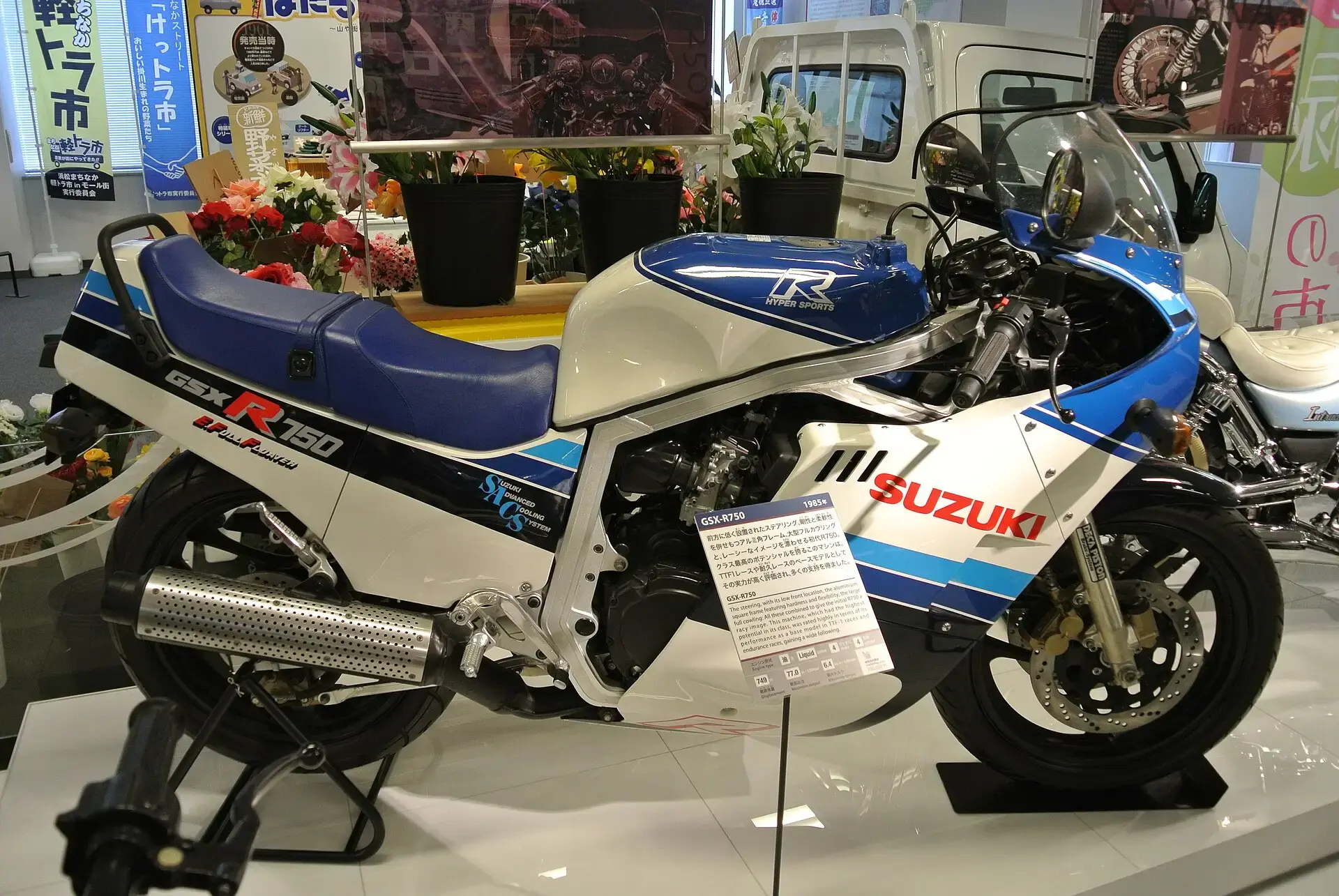
Suzuki GSX‑R Evolution: 40 Years of Race‑Replica Sportbikes