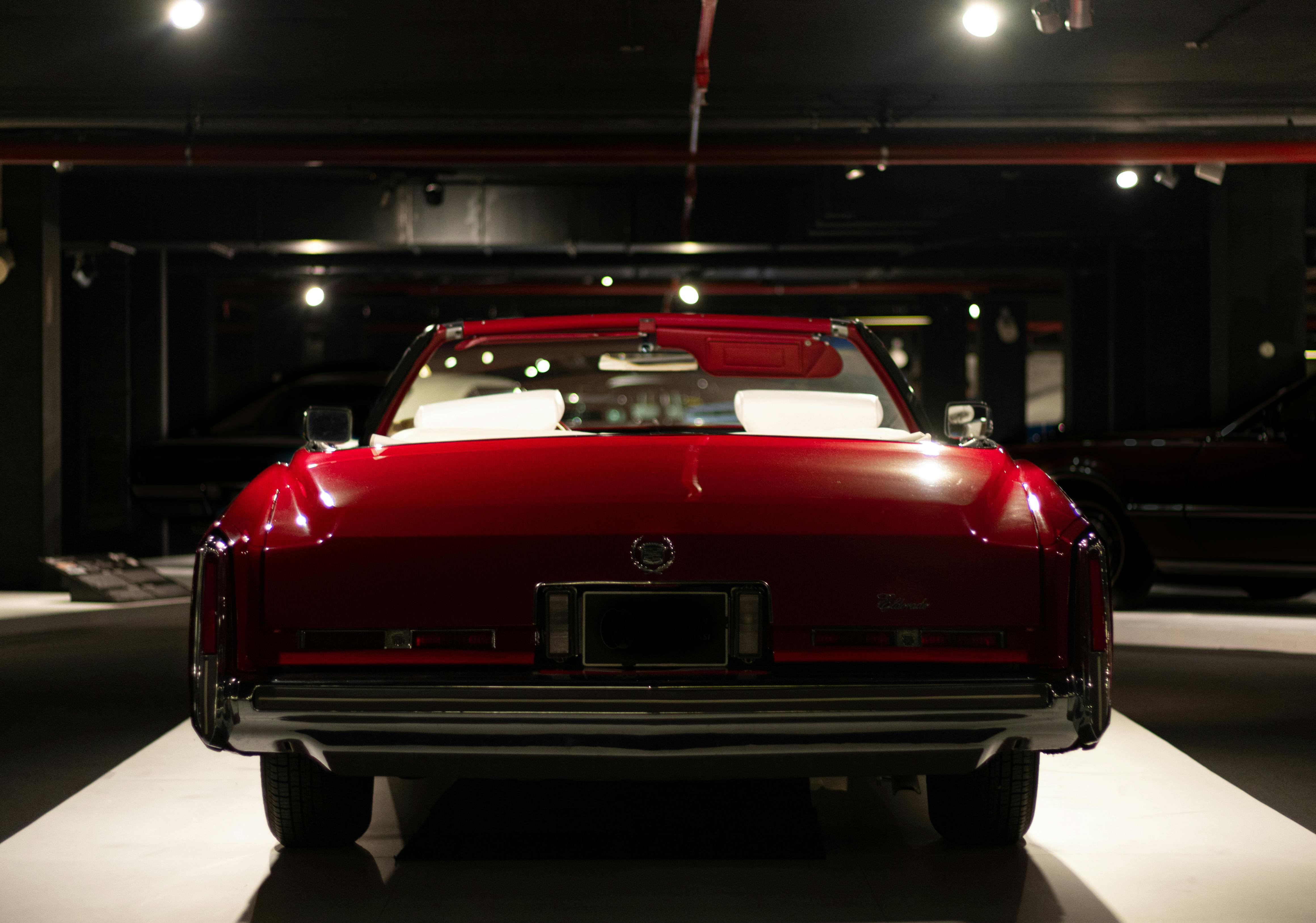

The 1990s collector wave for German performance cars is no longer a prediction—it is happening. Buyers who watched the E30 M3 and early 964 appreciate dramatically are now turning their attention to the decade that followed, identifying the next tier of benchmark German cars before prices catch up with their significance.
The window for finding exceptional 1990s German examples at reasonable cost is real, but it is narrowing. Condition is becoming the primary sorting mechanism, and the best cars are moving faster than they did two or three years ago.
This article covers the specific models worth targeting, what makes European sourcing the right approach for each of them, and what to check before you ship. For total landed-cost modeling, use our car import calculator before you bid. For the full picture of what is driving German import demand this year, see our main guide on German car imports to the USA in 2026.
Why the 1990s German Collector Window Is Opening Now
The pattern repeating itself
Every generation of German performance cars goes through a predictable cycle:
-
The cars are current and expensive.
-
They depreciate as newer models arrive.
-
A core group of enthusiasts keeps clean examples alive.
-
The 25-year rule makes import straightforward and cost-effective.
-
Collector demand builds, prices rise, and the best examples become scarce.
The E30 M3 and Porsche 964 are deep into stage five. The 1990s cohort—E36 M3, 993, C36 AMG, E34 M5, and others—is moving through stages three and four right now. Buyers who recognize the pattern and act on it are the ones who will own the best cars at the best prices.
What makes 1990s Germans specifically attractive
Several factors converge to make this decade of German engineering particularly compelling for US import:
-
Analog driving dynamics: Pre-drive-by-wire steering, naturally aspirated engines at or near their development peak, and mechanical feedback that later generations traded away for efficiency and electronics.
-
Specification gaps between US and European markets: Manual transmissions, higher-output engines, Touring body styles, and unique color combinations that either were not exported to the US or arrived in very small numbers.
-
Condition advantages of European sourcing: German-market cars often carry more complete service histories, have experienced fewer ownership changes, and may reflect lower lifetime mileage than comparable US examples of the same age.
-
25-year compliance clarity: All cars from 1999 and earlier are already fully eligible under the 25-year rule. Cars from 2000 and 2001 are either already eligible or within months of crossing the threshold.
BMW E36 M3: The European Specification Gap That Still Matters

Why the US-market E36 M3 is not the same car
The E36 M3 is one of the clearest examples of a US-European specification divergence that directly affects collector value. The US market received a version of the E36 M3 with a detuned straight-six, producing approximately 240 hp. The European-market car used the proper S50 engine family:
-
S50B30 (1992–1995): 286 hp, high-revving naturally aspirated six, individual throttle bodies on later variants.
-
S50B32 (1995–1999): 321 hp in final European specification, considered one of the finest naturally aspirated road-car engines BMW has produced.
That is a 33% power differential on the same chassis, with the European car also benefiting from a more direct throttle response and a higher-revving character that the US-market engine simply does not replicate.
Variants worth targeting
Beyond the standard coupe, the E36 M3 range offers several configurations that rarely surface in the US domestic market:
-
E36 M3 Sedan (4-door): Sold in Europe, never in the US. Practical enough for regular use, with the full S50 powertrain and M3-specific chassis tuning.
-
E36 M3 Touring (wagon): Never produced as a factory M3 Touring, but standard E36 Touring wagons with manual transmissions and sport packages are highly sought after and essentially absent from the US market.
-
Lightweight and competition packages: European M3s equipped with factory delete options—no air conditioning, no rear seats, carbon fiber trim—command significant premiums but represent some of the most authentic driving machines of the era.
What to check before buying a European E36 M3
Key inspection points for any E36 M3 sourced from Germany:
-
Subframe condition: The rear subframe is a known weak point, especially on cars that have seen track use. Look for cracks at mounting points or evidence of reinforcement or repair.
-
VANOS seals and function: Single-VANOS units on earlier S50s and double-VANOS on later cars both require periodic service. Verify condition or factor in replacement costs.
-
Rust in structural areas: Check sill edges, wheel arches, and trunk floor on cars that have spent time in salt-road environments.
-
S50 engine numbers: Confirm the engine number matches factory documentation. Engine swaps do occur, and a non-matching S50 affects both value and authenticity.
For the full import process, our guide to importing a BMW from Germany to the USA covers documentation, customs, and shipping steps in detail.
Mercedes-Benz C36 and C43 AMG: The Factory AMG Sedans Before AMG Went Mainstream
Why these models represent a transitional moment in Mercedes history
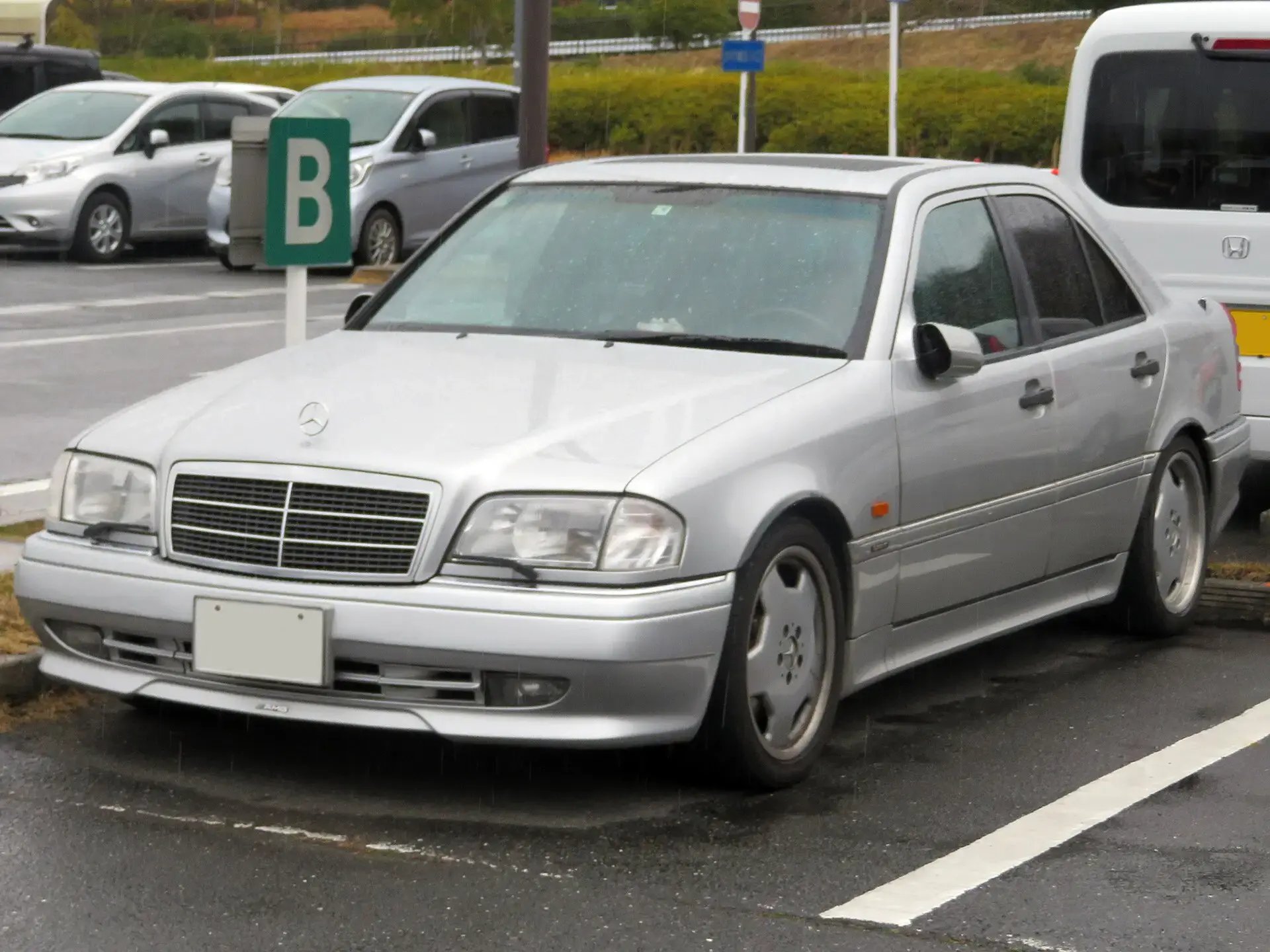
The C36 AMG (1994–1997) and C43 AMG (1997–2000) occupy a specific place in the Mercedes story: they are the first generation of AMG-enhanced cars produced after Mercedes-Benz acquired AMG and integrated it into the factory system, but before AMG became a wide-reaching sub-brand with dozens of variants across the lineup.
That context matters for collectors because:
-
These cars were produced in relatively small numbers compared to later AMG output.
-
They carry factory AMG credentials—not aftermarket conversions—with full dealer documentation and warranty histories.
-
Their visual restraint (conservative exterior styling with only subtle AMG badging) has aged far better than the more aggressive designs that followed.
C36 AMG vs C43 AMG: which to target
Both are worth attention, but they serve different collector profiles:
C36 AMG (1994–1997)
-
3.6-liter naturally aspirated inline-six producing 280 hp in European specification.
-
Manual transmission available in European markets—a combination that was not offered in the US, where only the automatic was sold.
-
Raw, mechanical character that later AMG products moved away from.
C43 AMG (1997–2000)
-
4.3-liter V8 producing 306 hp, a step up in sophistication and refinement.
-
Automatic only, but with a more complete AMG package including suspension, brakes, and interior upgrades.
-
Better daily usability than the C36, with strong documentation support from the official AMG partnership period.
For European-market manual C36s specifically, Germany is essentially the only sourcing market. US-delivered C36 AMGs came exclusively with the automatic, making a European manual example a genuinely different car.
Porsche 993: Still Collectible, Still Sourceable
Why the 993 remains relevant in a 2026 article
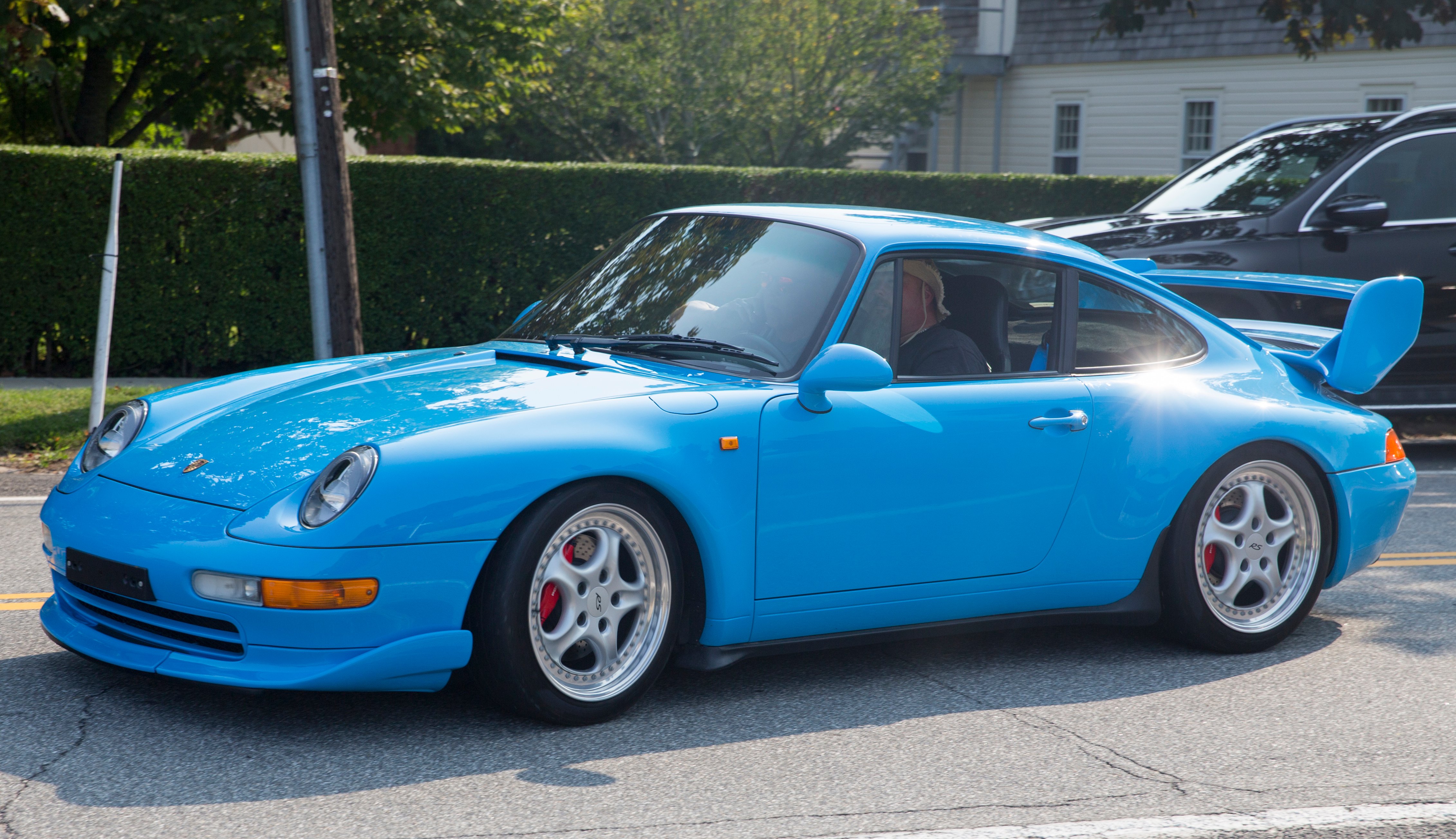
The 993-generation 911 (1994–1998) already has strong collector status globally. So why include it in a "new collector wave" article? Because the opportunity is not about discovering the 993—it is about the specific specification segments within the 993 range that remain undervalued relative to their long-term significance.
All 993-generation cars are fully 25-year eligible, making import straightforward. The practical question is where to find the best examples.
Undervalued 993 pockets worth targeting
-
Targa models: The 993 Targa uses a full-glass roof panel that tilts and slides—a unique design that differs from the later water-cooled Targa. Values have not fully converged with Cabriolet pricing despite similar rarity.
-
Carrera S (narrowbody): The 993 Carrera S brought widebody aesthetics to the narrowbody platform with a Turbo-derived suspension. It was sold in Europe but not in the US market, making it a genuine import-only option.
-
High-mileage driver examples: The top of the 993 market is already at strong collector pricing. Well-maintained, honestly represented high-mileage cars offer a legitimate way to own the last air-cooled 911 at lower cost—particularly for buyers who plan to drive rather than store.
For detailed buying guidance, our Porsche 993 Turbo buying guide provides a framework applicable across the 993 range, including inspection priorities and import considerations.
BMW E34 M5: The Touring That Doesn't Exist in the USA
A specific case for European-only sourcing
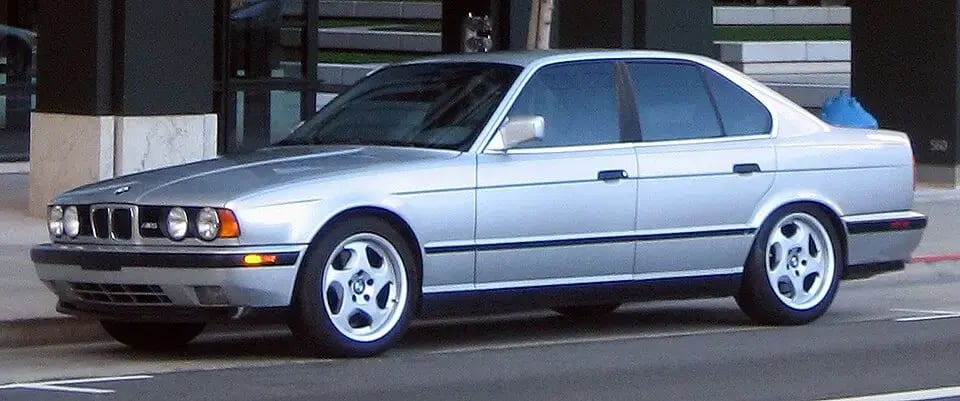
The E34 M5 Touring is perhaps the most straightforward example in this article of a car that simply cannot be sourced domestically. BMW built approximately 891 E34 M5 Touring wagons, all for the European market. Not one was sold in the United States.
The Touring combines:
-
The S38 inline-six from the E34 M5 sedan, producing 340 hp in final European specification.
-
Practical wagon bodywork with full boot space and rear seat usability.
-
M5 suspension, brakes, and chassis tuning underneath.
For a US buyer who wants this specific combination, importing from Germany is the only path. The cars are rare enough that finding one requires patience and a sourcing network, but common enough that examples do appear on major German platforms including Mobile.de and AutoScout24.
Key sourcing advice:
- Prioritize cars with complete service documentation, as the S38 engine requires regular maintenance and a documented history dramatically affects both confidence and value.
- Verify the factory build sheet against the car's actual specification—M5 Touring production was small enough that individual specifications vary considerably.
- Budget for a pre-purchase inspection by a BMW specialist with E34 M5 experience before committing to shipping costs.
Volkswagen Corrado VR6 and Golf VR5/R32: The Accessible Entry Point
Lower cost, strong appreciation trajectory
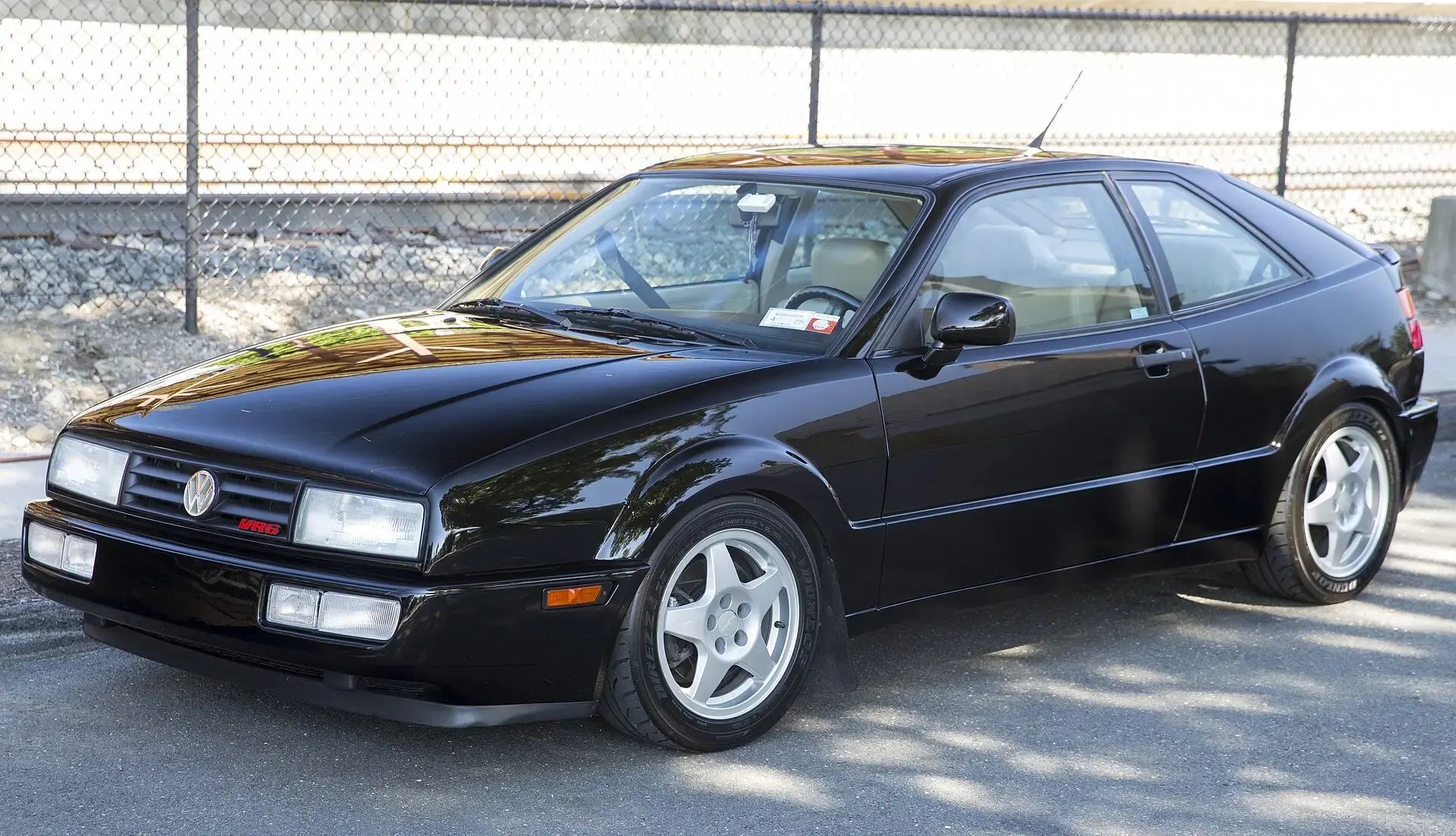
Not every 1990s German import needs to be a six-figure proposition. The Volkswagen Corrado VR6 and early Golf R32 represent an accessible tier of the same collector wave—cars with genuine driver appeal, European-spec advantages over US-market equivalents, and appreciation trajectories that are just beginning to steepen.
-
Corrado VR6: The Corrado was sold in the US but in limited numbers and with fewer specification options than European-market cars. A well-preserved, low-mileage German-market Corrado with documented history occupies a collector niche that is still reasonably priced.
-
Golf R32 (Mk4): The first-generation R32 with its 3.2-liter VR6 and Haldex all-wheel drive was sold in the US, but European examples—particularly those with DSG or in specific colors—offer documentation and condition quality that is hard to match domestically at comparable prices.
Both models are fully 25-year eligible (Corrado production ended in 1995; Mk4 R32 was produced in 2002–2003 and will cross the eligibility line in the next two years for earlier builds).
How to Source and Ship 1990s German Performance Cars
Where to find the right examples
The primary sourcing platforms for 1990s German cars remain:
-
Mobile.de and AutoScout24 for private seller and dealer listings across Germany and neighboring markets.
-
Collecting Cars and Classic Trader for curated specialist and collector-grade examples.
-
Established German dealers specializing in BMWs, Porsches, or Mercedes who maintain their own inventory and sourcing networks.
For guidance on navigating these platforms and identifying reliable sellers, our overview of top German car import websites and US shipping services is a practical starting point.
Modeling your full landed cost before you buy
The purchase price in Germany is only one component of what you will spend. Before bidding on any of the models above, run your numbers through our car import calculator to generate a cost estimate covering ocean freight from Bremerhaven or Hamburg, applicable duties under the current tariff structure for 25-year-eligible classics, and domestic US delivery.
For context on how tariffs and exchange rates affect the total picture, our article on how exchange rates and tariffs impact German car imports to the USA explains the mechanics in detail.
All cost estimates from the calculator are indicative and based on market conditions at the time of use. Freight rates, duty structures, and exchange rates are subject to change.
Get Your German Car Import Quote

Poor Man's Ferrari from the 1990s: Best Affordable Classics to Import
Forgotten Fast: 10 Underrated 1990s Muscle Cars Worth Shipping