

Japanese domestic market cars have moved from niche curiosity to a mainstream part of the US classic landscape. The 25-year rule has turned once-unobtainable JDM hero cars into realistic imports, provided you choose models that are actually legal and plan the logistics correctly.
Part of our guide to the best 90s cars.
From 2024 through 2026, the eligibility window has shifted from late 1990s icons to the first wave of 2000s performance cars and kei vehicles. At the same time, shipping from Japan has become more time-sensitive and cost-sensitive as global freight markets have tightened.
This guide looks at three core questions buyers keep asking. Which 1999-and-earlier JDM imports are now legal and interesting from a value perspective. How shipping from Japan to the USA actually works in practice, including port choices and RoRo versus container decisions. And what the Japanese export certificate and de-registration process involves for a vehicle leaving Japan permanently.
For a more general framework on using the 25-year rule for Japanese vehicles and motorcycles, see West Coast Shipping’s articles on importing a car from Japan to the US and on whether you can buy a car in Japan and bring it to the US.
1999 and Earlier JDM Imports Now Legal: 2024–2026 Eligible Models and Values
How the 25-year rule defines which JDM cars are legal
For Japanese imports, the 25-year rule remains the cleanest, least risky way to bring a car into the US. Vehicles that are at least 25 years old, measured from the month and year of manufacture, are exempt from NHTSA safety standards and are treated by the EPA as exempt from modern emissions requirements when in basically original configuration.
In practice, that means:
-
No Registered Importer is required
-
No crash testing or US-spec conversion is needed
-
Customs entry uses standard car classification with the 25-year exemption coding
By 2024, 1999 build-date cars began rolling into eligibility month by month. In 2025 and 2026, that window is moving through late 1999 and into 2000 and 2001 production, which is why buyer interest in late R34 Skylines, A80 Supras, Evos, and early GD STIs has intensified.
West Coast Shipping’s 25-year rule guide explains how eligibility is calculated and which forms are used at the port.
Curious which specific JDM models have actually become legal and how values are trending now that 1999 builds are 25‑year eligible? Take a closer look at our guide to 1999 JDM imports now legal in 2024–2026 for concrete model examples and value drivers
JDM categories that became eligible 2024–2026
The specific models shifting from “not yet legal” to “25-year eligible” between 2024 and 2026 fall broadly into four groups.
-
Halo performance cars These are the headline cars that drive most JDM conversation:
-
Nissan Skyline GT‑R R34 (early 1999 builds became eligible in 2024, later production continues into the 2026 window)
-
Late R33 GT‑R and GTS‑T variants
-
Toyota Supra A80 in JDM trims that differ from US-market models
-
Mitsubishi Lancer Evolution V and VI
-
Subaru Impreza WRX STI Version V and VI
These cars already had strong global demand before eligibility. The 25-year opening simply makes US buying more straightforward. It seems likely that the best documented, unmodified examples will continue to command premiums as more cars arrive.
-
-
High-spec sedans and wagons JDM only or JDM-favored sedans and wagons have been quietly attracting more attention:
-
Toyota Chaser and Mark II Tourer V
-
Toyota Crown Athlete and Majesta
-
Nissan Stagea performance variants
-
Subaru Legacy GT‑B and GT‑B E‑Tune
These cars appeal to buyers who want real performance with usable interiors and less obvious “import car” aesthetics. Many still trade at more approachable price points than halo coupes, but the spread between clean and average examples is widening.
-
-
Kei cars and compact lifestyle vehicles Kei cars and compact vans are no longer a novelty. They are a distinct micro-market:
-
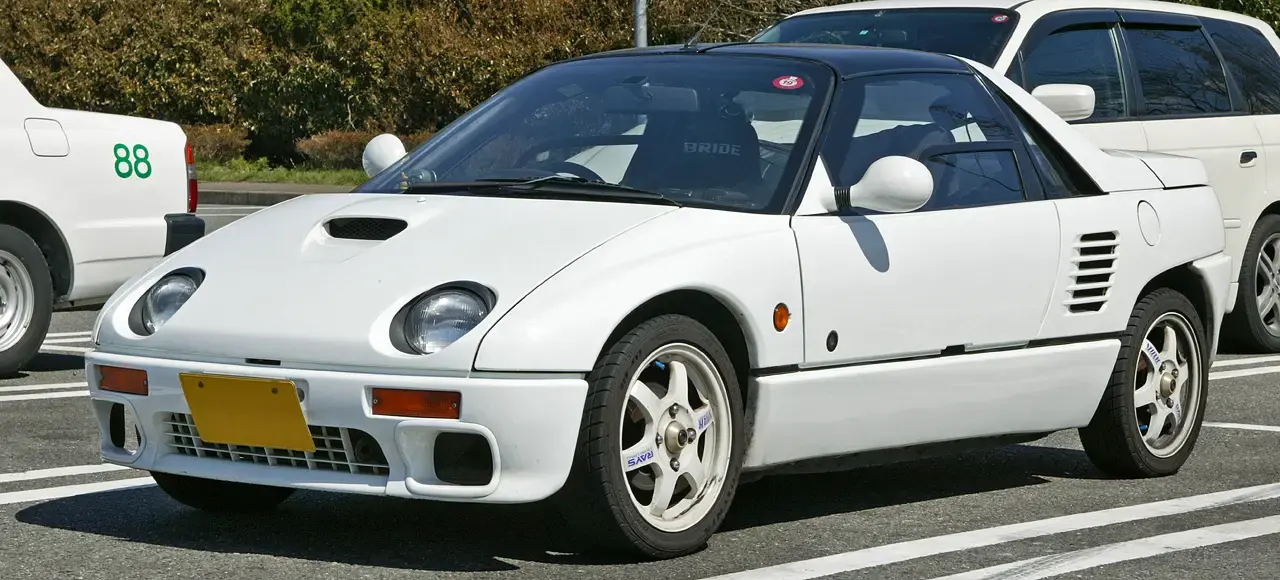
Honda Beat, Autozam AZ‑1, and Suzuki Cappuccino
-
Suzuki Jimny and kei vans
-
Daihatsu Hijet and Atrai variants
Values vary widely depending on condition and originality. A kei car imported as a cheap curiosity with rust and tired mechanicals is one thing. A low-mileage, original example with strong documentation is another entirely. West Coast Shipping’s vintage Japanese motorcycles guide shows the same pattern in two-wheel imports: originality and documentation pull values up for the best examples.
-
-
Everyday Japanese domestic models that age well Finally, there is a category of “ordinary” JDM cars that are quietly interesting:
-
JDM versions of Civic, Integra, and Prelude
-
Domestic-market Land Cruiser and Hilux Surf variants
-
Conservative sedans with unusual option packages or low mileage
These are often attractive when the US equivalent has been hard used or heavily modified. A 25-year‑old, low-mileage domestic Japanese car with full records can make more sense than an average US-market example of the same model.
-
Value considerations when choosing a 1999 or earlier JDM import
Thinking of a JDM import purely as an investment can be risky. Thinking of it as an expensive hobby with a chance of holding or improving its value is more realistic.
A few patterns keep appearing in the market:
- Originality is rewarded. Factory engines, unmodified wiring, original paint where possible, and OEM interiors make customs clearance and resale much easier.
- Documentation matters. Full Japanese service records, auction sheets, and a clean Japanese export certificate support valuation and smooth port processing.
- Market timing is nuanced. Buying the first legal month for a high-demand model may feel exciting, but pricing tends to be at its firmest. Waiting six to twelve months as more supply arrives can sometimes produce better value without sacrificing much in terms of choice.
West Coast Shipping’s JDM classic exports article reviews how the 25-year rule has affected the JDM export pipeline and where most of the demand has concentrated so far.
Shipping from Japan to USA: Port Options, Timelines, and RoRo vs Container Comparison
Main Japanese ports and typical US arrival options
Most Japan–USA car shipments move through a small set of well-established ports on each side. On the Japan side, departures are typically from:
-
Yokohama
-
Tokyo
-
Nagoya
-
Osaka or Kobe
On the US side, popular arrival ports include:
-
California
-
New York or Florida
Routing choice affects transit time and cost. West Coast arrivals from Japan are usually faster in sailing days than East Coast arrivals routed through the Panama Canal, while onward inland trucking can change the total door-to-door time and cost depending on where you live.
Want a clearer picture of how long Japan to USA shipping really takes and which ports make the most sense for your route? Take a look at our article on Japan to USA car shipping ports, timelines, and container versus RoRo for concrete examples and planning benchmarks
Typical transit times and shipping costs from Japan
Recent cost data from West Coast Shipping and its Japan shipping guides indicate that ocean freight from major Japanese ports to New York typically runs around 45 days of transit, with freight cost for a typical 25‑year‑eligible vehicle in the low‑to‑mid three‑figure range per cubic meter or a few thousand dollars per unit, depending on carrier, method, and season. West Coast arrivals are shorter in transit and can sometimes be comparable or slightly lower in freight cost.
Additional cost components usually include:
-
Harbor Maintenance Fee and Merchandise Processing Fee on arrival
-
Customs duty (2.5% base for most passenger cars, plus any applicable modern tariffs for non‑25‑year vehicles)
-
Customs brokerage fees
-
Domestic US transport from the port to your location
The car import calculator provides a practical way to plug in a specific Japan–USA route, vehicle value, and destination to estimate total landed cost before you commit to a purchase.
Note: Ocean freight rates, tariffs, and transit times are subject to change as carrier capacity and trade policy shift. Always confirm current pricing either through the calculator or directly with our team.
RoRo versus container shipping from Japan
For the majority of JDM cars and motorcycles headed to the USA, container shipping is the primary method and usually the better fit. Containers offer a controlled environment, flexible loading options, and predictable handling that aligns well with enthusiast vehicles and classics. RoRo still has a place, but mainly for vehicles that physically do not fit in a container.
Container shipping (the default for most JDM cars and bikes):
-
Vehicle is secured inside a sealed container, either in a sole-use or shared configuration
-
Suitable for standard passenger cars, sports cars, classics, and motorcycles
-
Allows spare parts, wheels, and other items to travel in the same box (subject to customs rules)
-
Provides better protection from port environments, weather, and casual contact
-
Works well for non-running vehicles, low‑clearance cars, and higher‑value imports where condition on arrival is critical
RoRo (primarily for oversized vehicles and heavy machinery):
-
Vehicle is driven onto and off the vessel on its own wheels or loaded as rolling cargo
-
Commonly used for trucks, buses, construction equipment, and vehicles too large or awkward to fit safely in a container
-
Less flexibility for loose parts or additional items
-
Handling focuses on moving large, self-propelled units efficiently rather than securing individual collector vehicles
In practice, RoRo is not automatically cheaper or more expensive than container shipping. Pricing can swing either way depending on route, season, and carrier capacity. This is one reason West Coast Shipping generally treats method selection as a fit question first and a price comparison second. For most JDM imports, container shipping provides the balance of protection, flexibility, and predictability that buyers want, while RoRo remains a useful specialist option for oversized units and heavy machinery rather than the default for passenger cars.
West Coast Shipping’s cost guides for importing a car from Japan to the US and for country-by-country import costs show typical container pricing bands from Japan and how they compare to other major export lanes.
Building a realistic shipping budget
Once you know whether the car is 25‑year‑eligible and have a target Japanese auction or dealer price in mind, a simplified planning framework looks like this:
-
Choose the most appropriate method for the vehicle type, which for most JDM cars and motorcycles will be container shipping
-
Estimate Japan–USA ocean freight for the relevant route and method
-
Add US port fees, HMF, and MPF
-
Apply customs duty and any applicable modern tariffs for non‑25‑year vehicles
-
Add customs brokerage and inland US transport
-
Compare that landed cost to US market prices for similar cars already in the country
The car import calculator is designed to make the core cost elements straightforward so you can focus on evaluating vehicles rather than manually assembling fee tables.
Note: All shipping and duty figures should be treated as estimates. Final costs depend on carrier selection, vehicle type, route specifics, and the tariff environment at the time of import.
Japanese Export Certificate and De-Registration Process for USA-Bound Vehicles
Why Japanese paperwork matters as much as the car itself
A JDM import is not just a physical vehicle on a ship. It is a bundle of documents that collectively prove the car has been legally de-registered in Japan, exported correctly, and qualifies for entry to the US under the 25‑year rule or another pathway.
Two documents form the backbone of this bundle for Japan–USA imports:
-
The Japanese registration document (shaken or 車検証), which shows the vehicle’s registration history in Japan
-
The Japanese export certificate (輸出抹消登録証明書), which proves that Japanese registration has been cancelled for export
West Coast Shipping’s Japan auction import guide explains how these documents are used in practice and why missing paperwork can delay or block a shipment at US customs.
Want to go deeper on the paperwork side and understand exactly how Japanese de‑registration and export certificates work for US imports? Take a look at our step‑by‑step guide on Japanese export certificates and the de‑registration process for USA‑bound vehicles to see how the documents fit together and what customs expects to see
Step 1: De-registering the vehicle in Japan
Before any vehicle can be exported from Japan, it must be de-registered domestically. This process typically involves:
-
The seller or export agent taking the shaken (registration document) to the local Transport Bureau
-
Completing the de-registration application, which formally removes the vehicle from the Japanese road registry
-
Returning the Japanese license plates as part of the de-registration process
-
Paying any applicable local fees associated with the de-registration
Once this is complete, the Transport Bureau issues a de-registration record that forms the basis for the export certificate. Export agents in Japan handle this process routinely; serious exporters treat correct de-registration as non-negotiable because failing to complete it correctly can block export or trigger tax issues in Japan.
Step 2: Obtaining the Japanese export certificate
The export certificate (often referred to as the export de-registration certificate) is the key document US customs expects to see for a Japanese import. It confirms that:
-
Japanese registration has been cancelled with the intention to export
-
The vehicle’s chassis number and other identifiers match the unit being shipped
-
The vehicle is legally permitted to leave Japan
For buyers, the export certificate serves multiple purposes:
-
It acts as proof of build date or at least provides data that helps confirm 25‑year eligibility when paired with manufacturer records
-
It supports the valuation declared on the bill of sale
-
It gives CBP confidence that the car is not stolen and is leaving Japan in compliance with local law
West Coast Shipping’s guides on importing a car from Japan to the US and on what documents customs expects to see both list the export certificate as a required item alongside the bill of lading, invoice, and EPA and DOT forms.
Step 3: Japanese customs export declaration and port handling
Once the vehicle is de-registered and the export certificate is ready, the export agent typically manages:
-
Delivery from auction, dealer, or storage yard to the chosen port (Yokohama, Tokyo, Nagoya, Osaka, or Kobe)
-
Filing the Japanese customs export declaration at the port, indicating permanent export
-
Preparing the vehicle for shipment (fuel level, cleaning, battery disconnection if required by carrier)
-
Coordinating RoRo booking or container loading with the ocean carrier
From the US buyer’s perspective, this is where a capable export partner in Japan matters most. The buyer cannot easily supervise these steps directly, so clear communication and timely provision of scanned documents become the main tools for staying informed.
Step 4: How the export certificate fits into US import documentation
When the vehicle arrives at a US port, customs will expect a coherent package that ties together Japanese and US paperwork. For a standard 25‑year‑eligible JDM car, that usually includes:
-
The original Japanese export certificate
-
The invoice or bill of sale showing purchase price and parties
-
The bill of lading from the ocean carrier
-
EPA Form 3520‑1 with Box E checked for the age-based exemption
-
DOT Form HS‑7 with Box 1 checked for the 25‑year safety exemption
-
Photo identification for the importer of record
If any of these are missing or inconsistent, CBP may place the vehicle on hold until the gaps are resolved. That can mean storage fees at the port and, in the worst case, missed entry windows that complicate the entire import.
West Coast Shipping’s Japan import guides and 25-year rule resources are built around reducing this kind of friction. They emphasise starting the documentation conversation early, often before the car has even left Japan, so that any discrepancies can be addressed in time.
Ready to Plan Your JDM Import from Japan to the USA?
1999-and-earlier JDM imports sit in a sweet spot where the 25-year rule simplifies federal compliance, Japanese documentation is still accessible, and shipping lanes from Japan to US ports remain well-established. The key is to treat legality, logistics, and paperwork as a single continuous process rather than three separate problems.
If you already have a specific JDM car in mind, use the car import calculator to build a landed-cost estimate for its route from Japan to your preferred US port. When you are ready to move, West Coast Shipping can coordinate export handling in Japan, ocean transport, and customs clearance in the US so that your focus stays on choosing the right car rather than managing every moving part of the journey.
Note: Shipping costs, tariffs, and transit times can shift with market conditions and policy changes. For current figures on your specific route and vehicle, use the calculator or contact our team directly.

1999 JDM Imports Now Legal: 2024–2026 Models, Values, Eligibility
Japan to USA Car Shipping: Ports, Timelines, Container vs RoRo