

Importing a car from Japan in 2026 can still be a smart move, but only in specific situations where rarity, condition, and long‑term value justify the extra cost and complexity. In other cases, a similar car already in the US will be cheaper, faster, and less stressful to own.
What “Worth It” Really Means in 2026
For 2026 buyers, the key question is not “Can I import a car from Japan?” but “Will this particular car still make sense once duties, freight, and timelines are included.” The answer depends on four core variables: model availability in the US, 25‑year eligibility, condition and history, and your tolerance for a one to three‑month process.
At West Coast Shipping, we see projects that are clear wins, such as low‑mileage classics never sold here, and others where the landed cost ends up higher than a comparable US car. This gap has widened slightly as tariffs have adjusted and as demand for clean JDM cars continues to push auction prices up.
When Importing from Japan Makes Strong Sense
1. You Want a Car the US Never Got
Importing shines when you are chasing something that was never sold in North America in any meaningful quantity. Think of:
-
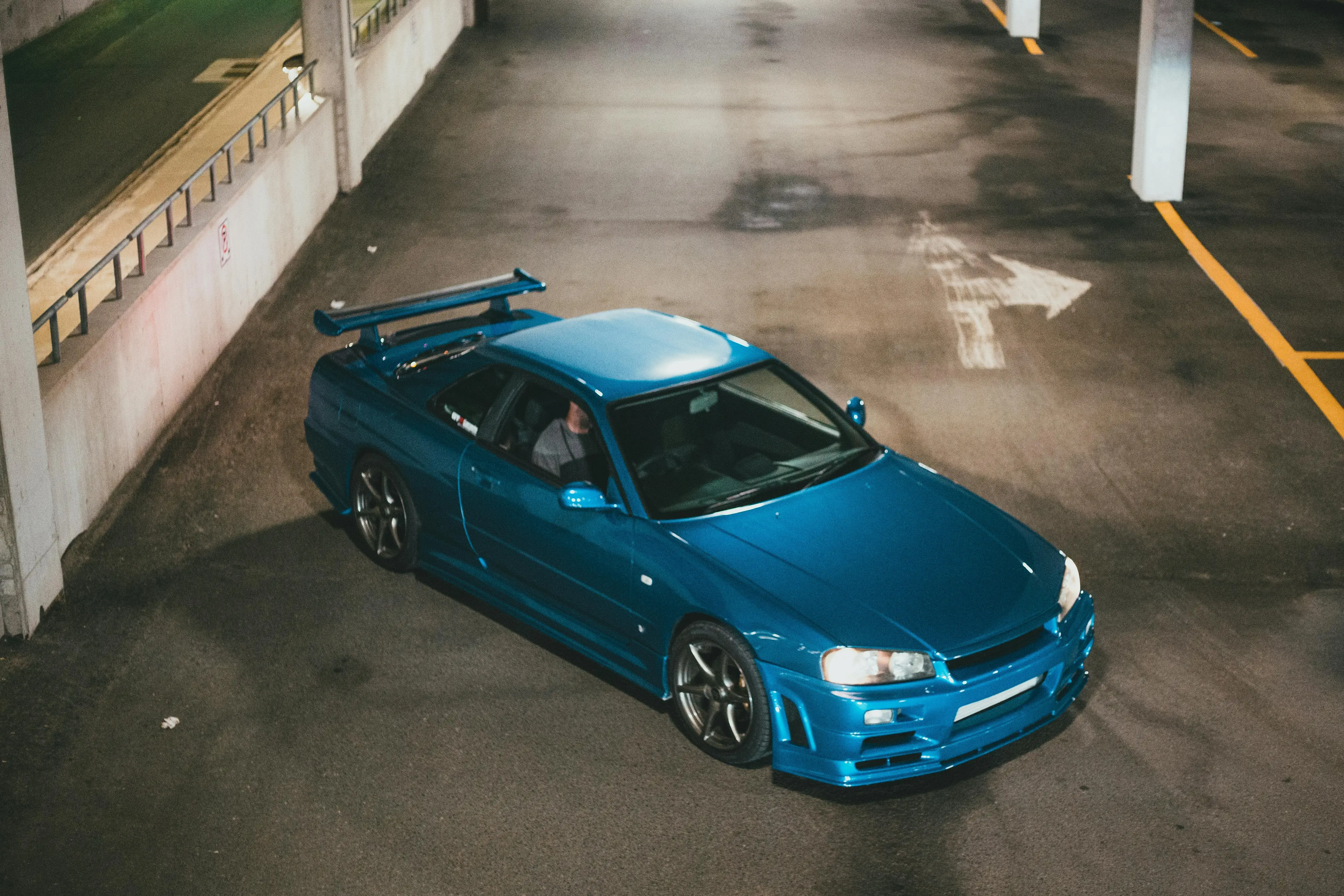
R32, R33, and certain R34 Skyline variants
-
Specific Silvia, Laurel, Chaser, and Crown trims
-
Kei cars and microvans like Honda Beat, Suzuki Jimny, or Subaru Sambar
In those cases, there is no domestic equivalent to compare against. Importing becomes less of a luxury and more of the only realistic path to legal ownership on US roads. That makes the higher transaction complexity easier to justify, especially if you plan to keep the car long term.
For a deeper breakdown of which models and years are most compelling in 2026, review West Coast Shipping’s main guide on how much it costs to import a car from Japan to the US in 2026.
2. The Car Is 25‑Year‑Eligible
The 25‑year rule continues to define the JDM market in 2026, because it simplifies compliance dramatically for eligible cars. When a vehicle is at least 25 years old based on its build date:
-
You avoid expensive DOT and EPA modifications through a Registered Importer
-
You sidestep highly restrictive “show or display” pathways
-
Customs documentation is more straightforward on EPA Form 3520‑1 (Box E) and DOT Form HS‑7 (Box 1)
This predictable compliance framework is one reason collectors deliberately target just‑eligible Japanese models each year. It may not be glamorous, but this legal simplicity often matters more than any single shipping quote.
3. Condition and History Beat US Options
Many Japanese domestic market cars left the factory with high specifications and were owned by careful drivers, particularly in metropolitan areas with good maintenance culture. When you compare a well‑documented 60,000 km R32 in original paint to a heavily modified US example with no clear history, the import premium can feel completely reasonable.
You often see:
-
Original‑paint Skylines with factory interiors and sensible upgrades
-
Land Cruisers, Pajeros, and similar SUVs that lived in mild climates and received regular dealer servicing
-
Kei trucks used gently in rural settings rather than overworked commercial fleets
In these scenarios, the extra freight and duties effectively buy you both rarity and a known past.
When Importing from Japan May Not Be Worth It
1. The Model Already Exists in the US
If you are targeting a car that was sold widely in North America, importing from Japan often stops making financial sense once you add all the line items. By the time you include:
-
Auction and export fees
-
Ocean freight from Japan to your chosen US port
-
US duties, tariffs, and port charges
-
Inland transport to your state
your landed cost may exceed the price of a similar or better car already for sale domestically.
A simple check helps: search US listings for your model and then run the same vehicle through the West Coast Shipping car import calculator using realistic purchase and shipping numbers. If the difference is small, especially once taxes and registration are included, buying locally is usually the calmer and cheaper choice.
2. You Are Chasing “Cheap” Auction Prices
Japanese auction listings can create the illusion of big savings, especially when a hammer price looks dramatically lower than US retail. However, once you factor in buyer’s fees, local transport to port, export charges, ocean freight, duties, and US handling, that early discount often shrinks.
One possible explanation is that more global buyers are watching the same auction feeds you are, which pushes high‑profile models closer to international market value before fees. If your only argument for importing is “the auction price seems low,” that is usually a sign to slow down and run the full landed‑cost math first.
3. You Need the Car Quickly
Even in well‑organized projects, Japan to US imports are rarely quick. Typical timelines look like:
-
1 to 2 weeks for purchase, deregistration, and port delivery in Japan
-
Around 17 days at sea from Tokyo to California
-
Roughly 45 days at sea from Yokohama to New York via Panama routing
-
Several days for customs clearance and container unloading
-
Additional time for inland trucking and state registration
Shipping schedules, port congestion, and seasonal demand can move these estimates in either direction. If you need a car on your driveway within a month, importing from Japan is unlikely to match that schedule.
Note: Transit times are planning estimates only and can change based on carrier schedules and port conditions.
2026 Cost Reality: How Much Are You Really Paying?
Typical Ocean Freight from Japan to the US
As of 2026, ocean freight from Japan to the United States remains a significant but manageable portion of your total budget. For example:
-
Yokohama to New York: approximately 3,050 dollars with an estimated transit time of about 45 days
-
Tokyo to California: approximately 2,850 dollars with an estimated transit time of about 17 days
-
Yokohama to Florida: approximately 3,050 dollars with an estimated transit time of about 41 days
These figures represent typical consolidated container scenarios rather than guaranteed quotes for any specific car. They provide a useful reference point when you start building a project budget.
Note: These example prices and timelines are approximate and subject to change based on vehicle type, service level, fuel surcharges, and market conditions.
How Duties and Fees Change the Equation
For many 2026 imports from Japan, the base 2.5 percent passenger vehicle duty still applies, and in some cases you may see additional baseline tariffs depending on trade developments. Mandatory fees such as the Harbor Maintenance Fee and Merchandise Processing Fee add small but noticeable amounts, especially on higher‑value cars.
Take a simple example. A Japanese performance car purchased for 25,000 dollars with a 3,050 dollar East Coast shipping cost will see its total project spend climb once you add duties, port fees, documentation, and inland transport. What started as a mid‑20s purchase on paper can land closer to the mid‑30s by the time the car is in your driveway.
For a deeper breakdown of every major cost category specific to Japan, refer back to the main article on importing a car from Japan to the US in 2026.
How the Yen and 2026 Market Conditions Affect Value
The yen‑to‑dollar exchange rate continues to play a quiet but important role in whether importing feels worthwhile. When the yen weakens, your dollar buys more car in Japan and can partially offset rising logistics costs. When the yen strengthens, that advantage fades quickly and can turn an attractive auction price into a more expensive landed cost.
West Coast Shipping’s yen‑to‑dollar exchange rate impact on JDM import costs article walks through concrete examples where changes in the rate move total cost by several thousand dollars on a single import project. Note that exchange rate conditions have continued to evolve since that analysis was published, so it is important to check current rates before making purchase decisions.
Serious buyers in 2026 should monitor both yen moves and US trade policy before committing to a purchase, because both can move a total project cost by several thousand dollars.
A Simple Framework: Is It Worth It for You?
Four Questions to Ask Before You Commit
A practical way to decide is to walk through four questions honestly:
-
Is the car truly unavailable or meaningfully better from Japan than what you can buy in the US
-
Is it at least 25 years old, so that compliance and paperwork are straightforward
-
Does the projected landed cost still make sense compared to US listings for similar cars
-
Are you comfortable with a one to three‑month process from purchase to delivery
If you can answer “yes” to all four, there is a strong chance importing is worth it in your specific case. If any of those answers are “no,” the project may still work, but you will want to be very clear about what you are trading off.
Use the Calculator to Ground Your Decision
Guessing rarely ends well with international vehicle exports. West Coast Shipping built its car import calculator to give you an instant, itemized estimate based on your origin, destination, vehicle type, and approximate value.
In under a minute, you can compare:
-
Different Japanese ports and US arrival options
-
Shipping to the West Coast versus East Coast
-
How changes in vehicle value or destination zip code affect duties and inland transport
If you then cross‑check those numbers against the cost ranges in West Coast Shipping’s guides on how much it costs to ship a car from Japan to the USA and US car import country‑by‑country pricing, you get a much clearer sense of whether your project sits on the “worth it” side of the line.
Why Working with a Specialist Matters in 2026
For Japanese imports, experience is not just about knowing the ports; it is about knowing how auctions, exporters, container consolidations, and US regulations fit together on a live project. West Coast Shipping has spent years building dedicated Japan‑to‑US lanes, including regular consolidated containers from major ports like Yokohama, Nagoya, and Osaka.
Their Japan‑focused resources, including the best Japan car auction sites import guide and the broader overview of classic car import trends from 2025 to 2026, highlight strategies collectors use to secure the right cars before price spikes. In practice, that can be the difference between paying top dollar for a hyped model and quietly landing a better‑spec example a few months earlier.
FAQ: Key Questions Buyers Ask in 2026
Is importing a car from Japan cheaper than buying in the US?
Sometimes, particularly for 25‑year‑old niche models with strong condition and lower purchase prices in yen. For common models or newer vehicles that require full compliance work, the landed cost often exceeds comparable US listings once you factor in duties, freight, and fees.
How long does it take to import a car from Japan in 2026?
A realistic project window is roughly 4 to 8 weeks for West Coast arrivals and 8 to 14 weeks for East Coast deliveries, from purchase through final transport. Individual timelines vary based on auction timing, sailing schedules, customs clearance, and domestic trucking availability.
What if tariffs change again?
US automotive trade policy has shifted several times in recent years, and 2026 is no exception. For that reason, West Coast Shipping’s cost content is updated as new policies take effect, and the car import calculator incorporates current duty structures when generating estimates.
Ready to See If Your Japan Import Is Worth It?
If you already have a specific car in mind, the fastest way to understand whether importing from Japan is worth it in 2026 is to run your scenario through West Coast Shipping’s car import calculator and then compare it with the benchmarks in the main guide on importing a car from Japan to the US in 2026. Once you see the full picture laid out in real numbers, the decision tends to become much clearer.

Cheapest Way To Import A Car From Japan: 4 Proven Strategies

Top British Classics U.S. Buyers Import Most