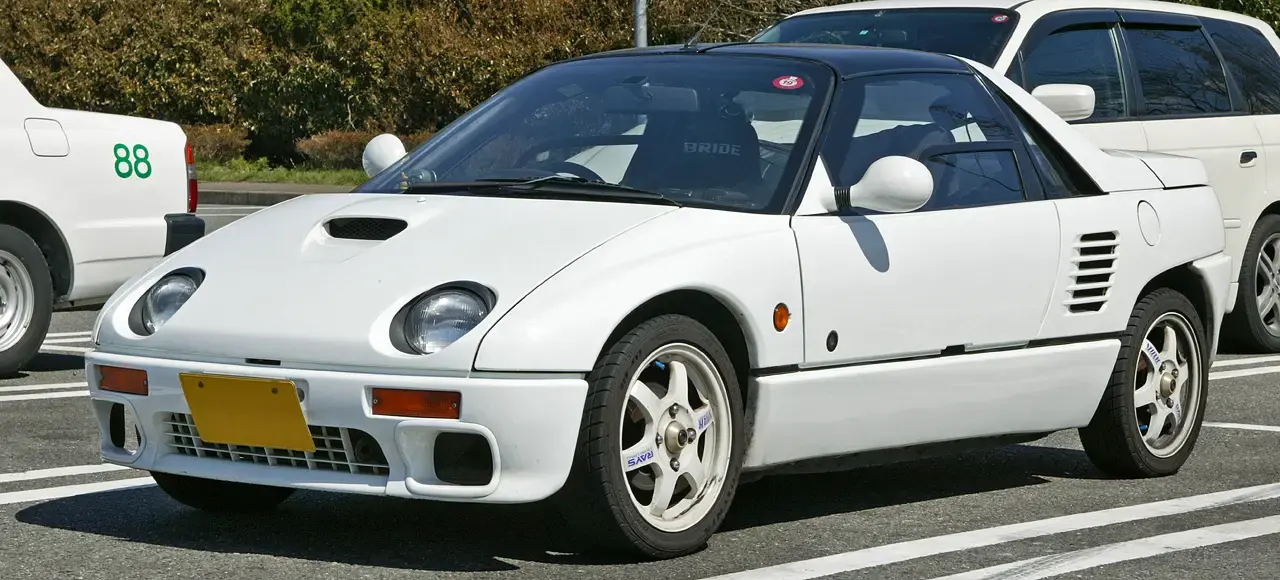

For American automotive enthusiasts, Japan represents the ultimate source for JDM (Japanese Domestic Market) vehicles—from legendary Nissan Skyline GT-Rs and Toyota Supras to rare Honda NSXs and Mazda RX-7s that never reached US shores in their original specifications. Whether you're targeting a 25-year-eligible classic, accessing Japan's unmatched auction system, or seeking right-hand-drive models with meticulous maintenance histories, understanding where to find these vehicles and how to navigate the Japan-to-US import process is essential.
This comprehensive guide explores the best Japanese car auction sites and platforms for American buyers, along with a detailed breakdown of the shipping and import process to bring your JDM find safely and legally across the Pacific. For Japan-specific routes, rates, and services, visit West Coast Shipping's dedicated Japan car shipping page.
Information current as of December 9, 2025.
Top Japanese Car Auction and Marketplace Platforms
Japan's automotive auction system is the largest and most structured in the world, moving hundreds of thousands of vehicles annually through a network of professional auction houses with strict grading standards.
USS Auto Auction
USS (United System Solutions) is Japan's largest auto auction network, operating dozens of sites throughout the country.
Why it matters for US importers:
-
Weekly auction volume commonly in the tens of thousands of vehicles across the USS network (often quoted around 50,000–60,000 lots in a typical week, though this fluctuates).
-
Strict grading system and transparent auction sheets providing detailed condition reports.
-
Multiple USS locations including Tokyo, Nagoya, Osaka, Fukuoka, and regional sites with different inventory profiles.
-
Strong representation of classic JDM sports cars now crossing the 25-year eligibility threshold.
USS auctions are widely considered the benchmark for Japanese vehicle quality and documentation, making them a primary hunting ground for serious JDM importers.
JU (Japan Used Motor Vehicle Dealers Association)
JU operates numerous regional auction houses throughout Japan, such as JU Aichi, JU Gifu, and other prefectural auctions.
Why it matters:
-
Regional focus often means less competition than headline USS Tokyo or Nagoya events.
-
Good source for locally-owned vehicles with simpler ownership histories.
-
Strong representation of kei cars, vans, and commercial vehicles alongside regular passenger cars.
-
Buyer fees and hammer prices can be more approachable for volume buyers.z
JU auctions are especially attractive to importers looking to build inventory rather than chase only halo models.
TAA (Toyota Auto Auction)
TAA specializes in Toyota and Lexus vehicles while also handling other Japanese marques.
Why it matters:
-
High concentration of well-maintained Toyota/Lexus vehicles, including JDM-only trims.
-
Strong presence of performance models like Supra, MR2, and Celica GT-Four as they age into 25-year eligibility.
-
Auction standards tailored around Toyota’s dealer network and expectations.
-
Multiple venues (TAA Kanto, TAA Chubu, etc.) serving different regions.
CAA (Car Auction Association)
CAA runs regional auction houses such as CAA Chubu and CAA Gifu with robust dealer participation.
Why it matters:
-
Mix of dealer trade-ins, off-lease stock, and local consignments.
-
Predictable schedules that help coordinate container departures.
-
Competitive pricing for modern daily drivers and less-hyped enthusiast cars.
-
Useful complement to USS and TAA when building multi-car containers.
IAA (Salvage and Damaged Vehicles)
IAA operates salvage and damaged-vehicle auctions in multiple countries; Japanese salvage inventory often shows up via partner networks.
Why it matters:
-
Source for project cars, parts donors, and rebuild candidates.
-
Significant auction price discounts relative to clean-title examples.
-
Damage documentation and photos aid remote evaluation.
-
Works well for experienced builders or track-car projects.
West Coast Shipping’s guide to top salvage car auctions explains how salvage documentation and shipping differ from clean-title cars.wcshipping
ASNET
ASNET aggregates listings from numerous Japanese auctions into a unified online interface.
Why it matters:
-
Single search portal spanning multiple auction houses.
-
Useful for spotting rare models and comparing grade/price patterns across venues.
-
Helps importers determine where specific models (e.g., Evo VI, R34 GT-T) most frequently appear.
-
Often used by export agents as a research tool.
Dedicated Online Auction Access Platforms
Online bidding platforms such as CIS/USS internet services and exporter-specific portals give remote access to live auctions for registered users.
Why they matter:
-
Allow overseas clients to view auction sheets, photos, and lane activities in real time.
-
Enable coordinated bidding strategies between US buyers and Japanese export agents.
-
Provide search and watchlist tools across multiple auction days.
Most US buyers access these platforms via their export agent, who holds the auction memberships and handles bidding.
Specialist JDM Export Companies
A large ecosystem of Japanese export companies exists specifically to serve overseas buyers:
Why they matter:
-
Provide auction access for non-residents and non-Japanese speakers.
-
Translate auction sheets and explain grading nuances.
-
Offer on-site inspections and condition verification.
-
Handle deregistration, customs export, and port delivery.
-
Consolidate vehicles into containers for efficient shipping.
Selecting a reputable exporter is one of the most important decisions in any Japan-to-USA import project.
Understanding the Japanese Auction System
Auction Grading and Auction Sheets
Japanese auction sheets (評価表) are the backbone of informed buying:
Overall grade (typical scale):
-
S / 6: Nearly new, extremely low mileage.
-
5: Excellent condition, minimal wear.
-
4.5: Very good used condition.
-
4: Average for age, normal wear.
-
3.5 / 3: Noticeable wear, cosmetic/mechanical issues.
-
2 / 1: Poor condition, extensive issues.
-
R / RA: Accident-repaired vehicle.
-
A / modified indicators: Non-standard modifications or significant changes.
Interior grade (A–D) indicates cabin wear, with A being best, D indicating heavy wear.
Auction sheets typically include:
-
Mileage and whether it is believed to be original.
-
Diagrams marking dents, scratches, rust, and prior repairs.
-
Notes about modifications, accident history, or mechanical concerns.
-
Inspector comments, often in handwritten Japanese.
Understanding these sheets—ideally with help from an experienced agent—is critical to avoiding costly surprises.
Seasonal Auction Patterns
Auction volume and buyer behavior fluctuate through the year:
-
March–April: High activity around Japan’s fiscal year-end.
-
May (Golden Week): Some auction disruptions and reduced schedules.
-
September–November: Strong inventory and active bidding.
-
Year-end/New Year: Reduced schedules and holiday effects.
These patterns influence both availability and pricing, so timing purchases strategically can make a meaningful difference.
How to Purchase From Japanese Auctions Safely
Working With Japanese Export Agents
Most US buyers cannot bid directly at Japanese auctions and instead work through export agents who:
-
Hold auction memberships (USS, JU, TAA, CAA, etc.).
-
Provide auction sheet translations and condition opinions.
-
Bid in real time on your behalf within pre-agreed price limits.
-
Invoice the winning vehicle, collect payment, and pay the auction house.
-
Handle deregistration, customs export, and port delivery.
Choosing an agent:
-
Look for long operating history and independent reviews.
-
Confirm which auction networks they have access to.
-
Clarify their fee structure (service fee, bidding fee, document fee, storage, etc.).
-
Ask for example translations and sample reports.
-
Join JDM import communities to compare experiences.
Payment and Currency
Common payment flow:
-
Deposit sent to export agent to enable bidding (often a few thousand dollars).
-
After a successful bid, full payment is required within a short timeframe (commonly 3–5 business days).
-
Payments are typically via international wire in JPY from US banks.
-
Exchange rate movements between USD and JPY can significantly affect final cost.
West Coast Shipping’s currency and auction timing guide explains how some importers watch FX trends and time big purchases accordingly.
Inspection and Verification
To reduce risk:
-
Have your agent translate the auction sheet fully, not just the grade.
-
Ask for additional photos of underbody, engine bay, and known rust spots.
-
Request on-site pre-bid inspections for higher-value purchases when available.
-
Check for “R” or repair flags indicating accident history.
-
Verify that mileage is marked as original where possible.
-
Confirm modifications and their quality level if noted.
Auction grades are a strong starting point, but agent expertise often makes the difference between buying a gem and buying a headache.
Understanding Japanese Vehicle Documentation
Key documentation used in Japan-to-US imports:
-
Export Certificate (輸出抹消登録証明書): Proof that Japanese registration has been cancelled for export and primary document used at US customs.
-
Previous registration title (車検証): Shows prior registration details.
-
Auction sheet: Condition and history snapshot used to support valuation and condition claims.
-
Invoice/bill of sale: Confirms purchase price, VIN/chassis number, and buyer/seller information.
-
Japanese customs export declaration: Shows the vehicle was legally exported from Japan.
For US 25-year rule purposes, you will need solid proof of build date—often a manufacturer letter, heritage certificate, or other acceptable documentation showing month and year of production.
The Import Process: Bringing Your Japanese Car to the USA
Step 1: Confirm US Eligibility (25-Year Rule and EPA/DOT)
Confirm that your vehicle meets federal import requirements:
-
25-year NHTSA exemption: Vehicles 25 years old or older (based on actual month/year of manufacture) are exempt from Federal Motor Vehicle Safety Standards. In 2025, that generally means vehicles built in 2000 or earlier as they pass their individual 25-year build anniversaries.
-
EPA emissions: Vehicles 21+ years old in original, unmodified configuration can usually use simplified treatment on EPA Form 3520-1, but the form still must be filed.
-
Right-hand drive (RHD): JDM cars are RHD; there is no federal requirement to convert to left-hand drive for 25+ year vehicles under this exemption.
-
Sub-25-year vehicles: Newer vehicles must be US-spec, qualify under “Show or Display,” or go through Registered Importer conversion—often costing tens of thousands of dollars and rarely economical for typical passenger cars.
West Coast Shipping’s 25-year rule guide and Japan cost guide explain the implications of these rules in depth.
Step 2: Japanese Export Formalities
Your export agent typically coordinates:
-
Deregistration at the Japanese licensing office and issuance of the export certificate.
-
Delivery of the vehicle from auction or storage to the departure port (Yokohama, Nagoya, Osaka/Kobe, or Tokyo).
-
Filing of a Japanese customs export declaration at the port.
-
Preparing the car for shipment (fuel level, cleaning, battery disconnection if required).
These steps must be completed correctly to ensure smooth customs clearance on the US side.
Step 3: Choose Shipping Method (Container vs RoRo vs Air)
West Coast Shipping strongly favors container shipping for most JDM imports, with RoRo and air used selectively.
Container shipping (default):
-
Most common method for Japanese classic and enthusiast vehicles.
-
Vehicles travel in sealed containers with professional blocking and bracing.
-
Suitable for running and non-running vehicles alike.
-
Shared (consolidated) containers offer cost sharing; dedicated containers suit multiple vehicles or high-value collections.
-
Allows parts or spares to travel with the car, within carrier rules.
RoRo:
-
Mainly for oversize or commercial vehicles that don’t fit efficiently in containers.
-
Requires the vehicle to be drivable.
-
Less protection and flexibility than container shipping.
-
Typically not the first-choice method for collectible JDM cars.
Air freight:
-
3–10 day transit including handling, at a significant premium over ocean freight.
-
Used rarely for ultra-high-value vehicles or time-critical movements.
West Coast Shipping’s container shipping guide and Japan shipping cost articles help compare options.
Step 4: US Arrival and Customs Clearance
At the US port, your customs broker (or West Coast Shipping in coordination with a broker) will typically need:
-
Bill of Lading.
-
Japanese export certificate and deregistration proof.
-
Bill of sale/invoice showing purchase price.
-
Proof of build date for 25-year exemption.
-
EPA Form 3520-1.
-
DOT Form HS-7.
-
CBP Entry Form 7501.
-
Any supporting documents (auction sheet, export declaration, agent documentation).
West Coast Shipping’s 2025 US import policy guide outlines how these forms fit into CBP, EPA, and DOT processes.
2025 US Duties, Tariffs, and Fees for Japanese Vehicles
Import duty and tariff treatment for Japanese vehicles changed in 2025, particularly for modern cars, though 25-year-eligible classics still enjoy strong advantages.
Duty and Tariffs for 25-Year-Eligible JDM Cars
For vehicles that meet the 25-year rule and are correctly classified:
-
Base customs duty: Typically 2.5% of customs value for standard passenger cars.
-
Section 232 tariffs: Many 25-year vehicles can be classified under special HTS headings (such as classic or collector car codes) that are not subject to the 25% Section 232 auto tariff layer, depending on HS code and proper use of 9903.94.xx lines.
-
Effective total: Often around 2.5% duty for correctly-coded classic imports, plus MPF and HMF.
Because precise treatment depends on HS classification and current trade actions, working with a customs broker who understands the intersection of the 25-year rule and tariff codes is essential.
Duty and Tariffs for Modern (Under 25-Year) Japanese Vehicles
For newer vehicles that do not qualify under the 25-year exemption:
-
Base duty: 2.5% of customs value.
-
Section 232 tariffs: Additional 25% may apply to non-exempt finished vehicles from Japan, depending on current policy and HS code used at entry.
-
Compliance conversion: If not originally built to US specs, most under-25-year vehicles require import via Registered Importer with extensive modifications; real-world RI quotes can run well into five figures, and while $9,500–$28,500+ is a realistic warning range, actual costs can be higher or lower depending on the model and shop.
In practice, these combined costs are why the vast majority of JDM imports target the 25-year exemption rather than attempting to bring in newer vehicles.
Important caveat: Tariff and Section 232 treatment can change with new trade actions; always confirm the current HTS classification, any applicable 9903.94.xx line, and tariff treatment with your customs broker before shipping.
MPF and HMF
-
Merchandise Processing Fee (MPF): Typically 0.3464% of declared value for formal entries, subject to annually updated minimum and maximum caps.
-
Harbor Maintenance Fee (HMF): Usually 0.125% of cargo value on ocean shipments.
These percentages are stable, but the dollar caps on MPF adjust yearly, so brokers and current-year guides should be consulted rather than relying on fixed numbers.
Routes and Timelines: Japan to USA
Common Departure Ports
-
Yokohama (near Tokyo) – primary export hub for JDM vehicles.
-
Nagoya – central Japan export point with strong auction links.
-
Osaka/Kobe – Kansai region exports.
-
Tokyo – additional capacity for Kanto region.
Typical Transit and Project Durations
Real-world transit times vary by carrier, routing, season, and congestion, but typical patterns look like:
-
Japan → US West Coast: Roughly 2–3 weeks at sea.
-
Japan → US East Coast: Roughly 5–10 weeks at sea via Panama or transshipment.
Door-to-door, most JDM imports fall into these ranges:
-
Auction win, payment, and export prep: about 2–3 weeks.
-
Ocean transit: 2–3 weeks (West Coast) or 5–10 weeks (East Coast).
-
US clearance and domestic trucking: 1–3 weeks.
Total project windows of 4–8 weeks to West Coast and 8–14 weeks to East Coast are realistic planning estimates, though specific sailings and peak-season congestion can move these up or down.
Popular Japanese Vehicle Categories for US Import
Halo JDM Performance Cars
-
Nissan Skyline GT-R (R32, R33, R34).
-
Toyota Supra (A70/A80).
-
Mazda RX-7 (FC/FD).
-
Honda NSX.
-
Mitsubishi Lancer Evolution I–VI.
-
Subaru Impreza WRX STI (early GC/GDB).
Classic and Early Performance Generations
-
Nissan Silvia/180SX/200SX.
-
Toyota MR2 and Celica GT-Four.
-
Mazda early RX-7 generations.
-
Civic and Integra Type R (JDM variants).
-
S-chassis drift icons.
Kei Cars and Vans
-
Honda Beat, Suzuki Cappuccino, Autozam AZ-1.
-
Suzuki Jimny and kei 4x4s.
-
Kei vans and trucks used for camping and small business conversions.good-loop
Kei vehicles can face extra scrutiny or confusion at some DMVs due to their small size, emissions, and safety differences; checking state rules ahead of time is important.
JDM Luxury and Executive Cars
-
Toyota Century, Crown, and Crown Majesta.
-
Nissan President and Cima.
-
High-spec domestic-market sedans and wagons.
Common Pitfalls and How to Avoid Them
Misreading Auction Grades
-
Do not assume a grade “4” means flawless; it usually indicates “good average used condition” with normal wear.
-
Comb through damage diagrams and handwritten notes with your agent.
-
When in doubt on a high-dollar car, pay for a pre-auction inspection.
Build Date vs. Model Year
-
US law focuses on build date, not model year.
-
A “2000 model” car built in early 2001 will not qualify for the 25-year rule in 2025.
-
Obtain acceptable proof of build date (manufacturer letter, heritage report, or other documentation showing month/year).
State Registration Surprises
-
Federal import approval does not guarantee state registration.
-
California and a handful of other states have stricter emissions and inspection rules; kei cars and highly modified vehicles can face additional hurdles.
-
RHD is generally registerable in most states, but some DMV staff may be unfamiliar.
-
Always check your state DMV rules—and where possible, talk with local owners of imported Japanese cars—before buying.
Underestimating Total Cost
-
Winning bid is only the starting point; add agent fees, auction fees, inland transport, ocean freight, duties, MPF/HMF, brokerage, domestic transport, and state tax.
-
Registered Importer conversion for sub-25-year vehicles can run into the tens of thousands; ranges like $9,500–$28,500+ are warning-level ballparks, not fixed ceilings.
-
Use a full landed-cost model before setting your maximum bid.
West Coast Shipping’s Japan cost guide and the calculator on the Japan page help build realistic budgets.
Why Work With West Coast Shipping on Japanese Imports
West Coast Shipping has built dedicated infrastructure around Japan-to-USA imports:
-
Auction-ready logistics: Integration with Japanese export agents and familiarity with major auction networks.
-
25-year rule expertise: Ensuring vehicles truly meet build-date requirements and are coded correctly at customs.
-
Container consolidation: Regular shared-container sailings from Yokohama, Nagoya, and Osaka, reducing per-car freight cost.
-
End-to-end management: From auction yard pickup in Japan through export, ocean transit, US customs, and final delivery.
-
JDM focus: Extensive experience with Skylines, Supras, NSXs, Evolutions, and kei vehicles documented across their Japan blog category.
Their broader US import policy and classic duty guides keep JDM projects aligned with evolving regulations.
Get Your Japan-to-USA Shipping Quote With 2025 Tariff Estimates
If you are ready to turn a Japanese auction win into a US‑titled car, the smartest next step is to see how current freight rates, 25-year rule eligibility, and 2025 duty/tariff treatment affect your specific vehicle and route. Use the calculator and route options on the Japan car shipping page to get live pricing and scenario planning, then coordinate with West Coast Shipping’s team to align your buying, shipping, and import strategy.


Best Netherlands Car Auction Sites: Import Guide To The USA | WCS
Yen‑to‑Dollar Exchange Rate Impact on JDM Import Costs