

As more late‑1990s and early‑2000s models cross key age milestones, a fresh wave of “modern classics” is moving into the window where age‑based import frameworks may become more accommodating. These frameworks generally focus on how old a vehicle is, rather than its popularity or nostalgia factor, which means cars many enthusiasts remember from new are now old enough to be considered potential classics.
Below are five example models that illustrate the kinds of vehicles moving toward age‑based eligibility as of February 2026, along with why their era and configuration make them interesting to enthusiasts planning future international purchases. Each example is illustrative only; buyers should always verify build dates and regulations for any specific car they are considering.
1. Late-1990s Japanese Performance Sedans (Example: Nissan Skyline R34 25GT-T)

Many performance‑oriented Japanese sedans built in the late 1990s are reaching or have reached the age where some countries offer more flexible import treatment for older vehicles. As of February 2026, certain examples of the Nissan Skyline R34 25GT‑T sedan fall into that aging bracket, depending on their exact month and year of production.
Enthusiasts are drawn to cars like the 25GT‑T sedan because they combine four‑door practicality with a turbocharged straight‑six, rear‑wheel drive, and styling tied closely to Japan’s performance heritage. In markets that use age‑based exemptions, such vehicles may be eligible for certain import pathways once they meet the required age, but buyers must always confirm current regulations with the relevant authorities in the country where the car will be registered and ensure that the individual vehicle’s build date satisfies those rules. For a deeper overview of how age is calculated and why build dates matter, see West Coast Shipping’s 25-year rule for US car imports guide.
2. European Compact Hot Hatches from the Early 2000s (Example: Renault Clio RS 172)

Compact hot hatches from the early 2000s are also edging toward key age thresholds in markets that rely on 25‑year rules or similar frameworks. The Renault Clio RS 172 is one representative example from this era: a light, three‑door hatch with a naturally aspirated performance engine and focused chassis tuning.
As individual Clio RS 172 examples reach 25 years from their build date, they may become eligible for age‑based import options in some countries, subject to each jurisdiction’s specific rules. For enthusiasts in regions where such cars were never officially sold, that timing creates an opportunity to consider factory‑spec vehicles that previously faced more stringent import barriers. However, importability depends on the precise build date, documentation, and current local regulations, all of which should be checked with customs or registration authorities and, ideally, an experienced import specialist. WCS’s broader classic‑import coverage, including the HS code guide for classic cars, illustrates how age interacts with customs classification.
3. Early-2000s European Wagons with Enthusiast Specs (Example: BMW E39 540i Touring)

Performance‑oriented European wagons from around the turn of the millennium are gaining attention as they progress toward age‑based eligibility in various markets. The BMW E39 540i Touring is a strong example: it offers a V8 powertrain, rear‑wheel drive, and the driving feel of BMW’s sport sedans, combined with the practicality of a wagon body.
As 2000‑ and 2001‑built 540i Touring models approach or reach key age thresholds, some jurisdictions may treat them differently under classic‑vehicle frameworks, potentially changing the import route compared with newer vehicles. That said, whether a particular 540i Touring qualifies depends on its exact build date and the rules in the destination country as they stand when the import process begins. Prospective buyers should obtain the precise production date (often available from manufacturer records or VIN‑based tools) and confirm how it interacts with the applicable age‑based rules before committing to a purchase. West Coast Shipping’s model‑specific article on the Volkswagen Passat B5 classic import in 2026 shows how similar wagons are already being evaluated through this lens.
4. Late-1990s American Luxury Sedans Under 30-Year Frameworks (Example: Cadillac DeVille Concours)
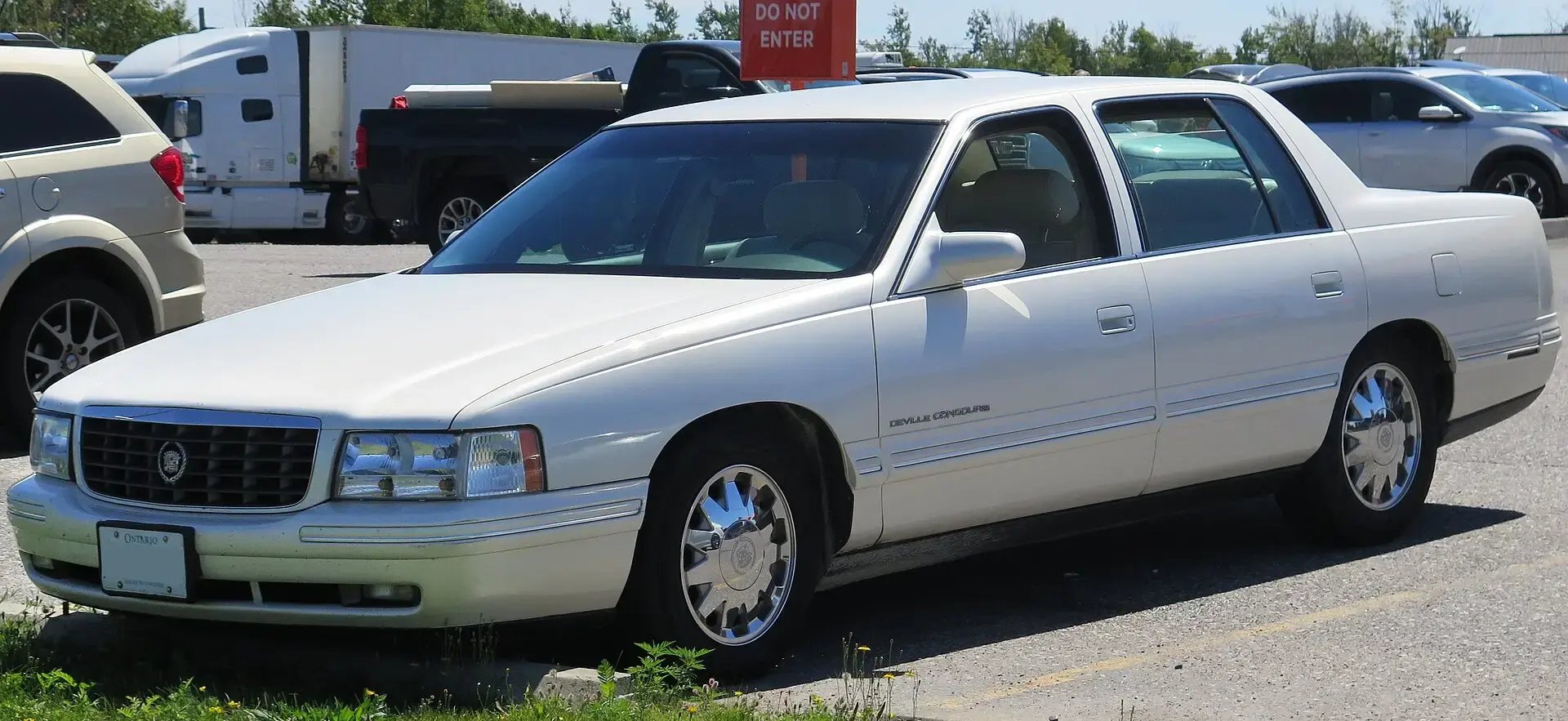
In regions that use approximately 30‑year benchmarks for classic‑vehicle treatment, late‑1990s American luxury sedans are beginning to move into classic‑age territory. The Cadillac DeVille Concours from this period exemplifies the appeal: traditional American comfort, a smooth V8, and a presence that contrasts with typical local sedans in many overseas markets.
As specific DeVille Concours vehicles reach 30 years from their build date, some countries may categorize them differently for purposes such as taxation or technical inspections. However, these changes are not automatic or universal. Regulations differ widely between countries, and are subject to revision, so anyone considering importing a late‑1990s American sedan should consult current guidance from the relevant customs, transport, or registration authorities, confirm how 30‑year classic frameworks are applied in practice, and ensure their particular vehicle meets any additional requirements beyond age. WCS country‑focused guides, like the article on shipping classic cars to Germany under the 30-year rule, provide examples of how such frameworks can work in practice
5. Emerging “Future Classics” from Early 1990s Muscle and GT Lines (Example: Chevrolet Camaro Z28, 4th Gen)
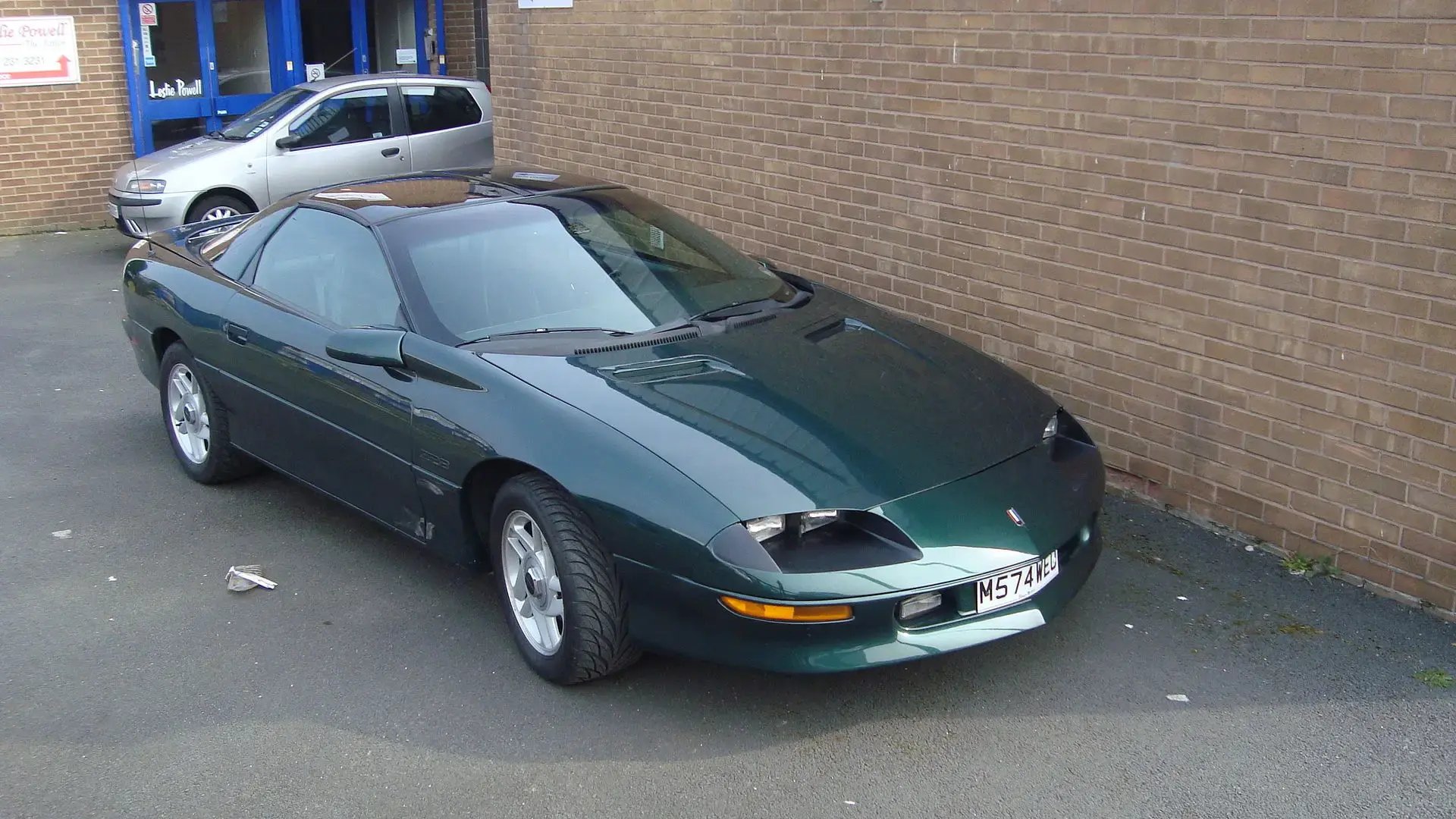
Early‑1990s performance coupes and GT cars have been steadily aging into classic‑car categories for some time, and later examples within these lines continue to move through key age thresholds. The Chevrolet Camaro Z28 (4th generation, early 1990s) illustrates the kind of vehicle that can benefit from evolving age‑based rules: it offers V8 power, comparatively modern ergonomics for its era, and robust parts support.
For markets that apply age‑based exemptions around the 25‑ or 30‑year mark, individual Camaro Z28s may qualify for more flexible treatment once their build date meets the relevant threshold. As with the other examples here, though, the details matter: a car built in one month of a given year may be treated differently from a car built later that same year, and regulations can change over time. Prospective importers should confirm build dates from reliable sources and seek up‑to‑date guidance from customs authorities or experienced import professionals in their intended destination. For a broader look at this era, WCS’s guide to 1990s American muscle cars and 30‑year rule classics explores how similar vehicles are already moving across borders.
Planning Your Next Import
Whether you are considering a Japanese performance sedan, a European hot hatch, a practical V8 wagon, or an American luxury sedan, age-based rules are only one part of the import equation. As of February 2026, the safest approach is to treat age as a starting point, then layer in detailed checks on build dates, documentation, technical condition, and the current regulations in your target market. Understanding how these elements come together is a core part of planning international car shipping.
West Coast Shipping can help you align the car you want with the logistics you need, from export handling at origin to delivery at the destination port as part of a coordinated international car shipping process. Before you buy, it is wise to gather the vehicle’s VIN, decode its production information, and speak with customs authorities or professional import agents in your country so that you understand the requirements that will apply to your specific case. For more on how age and classification affect costs and paperwork, you can also review WCS’s classic car duty and HS code guide.
Disclosure and disclaimer (February 2026)
This article is provided by West Coast Shipping (WCS) for general informational and promotional purposes only. Vehicle examples, specifications, and historical context are based on third‑party sources, enthusiast research, and publicly available information, which may differ between publications and may be updated or corrected over time. References to age‑based import frameworks (including 25‑year and 30‑year rules) are general in nature and do not describe the full set of requirements for any specific country or vehicle.
Import regulations, tax rules, and compliance standards vary by jurisdiction and are subject to change without notice. Nothing in this article should be interpreted as legal, regulatory, customs, tax, or financial advice. Eligibility for import always depends on the specific vehicle’s build date, configuration, documentation, and the rules in force at the time of import, not just its model name or model year. For a broader overview of how these factors interact across different countries, readers should refer to professional international car shipping resources.
Always verify a vehicle’s exact build date and technical specification with the manufacturer, official records, or marque specialists. Before making purchasing or import decisions, consult the relevant customs or transport authorities, review current regulations from official government sources, and consider working with qualified import professionals experienced in international car shipping in your jurisdiction. As of February 2026, all information in this article should be treated as indicative, subject to independent verification, and not a substitute for professional advice.
Ready to Ship Your Next Eligible Classic?
When you are ready to move from research to action, West Coast Shipping’s international car shipping tools make it easier to compare routes, timelines, and transport options for aging classics—so you can focus on choosing the right vehicle while WCS manages the logistics of getting it from the seller’s location to your destination.


Can Modern US V8 Muscle Cars Pass EU Emissions? Compliance Guide

UK Classic & Specialty Cars US Buyers Can’t Find Locally