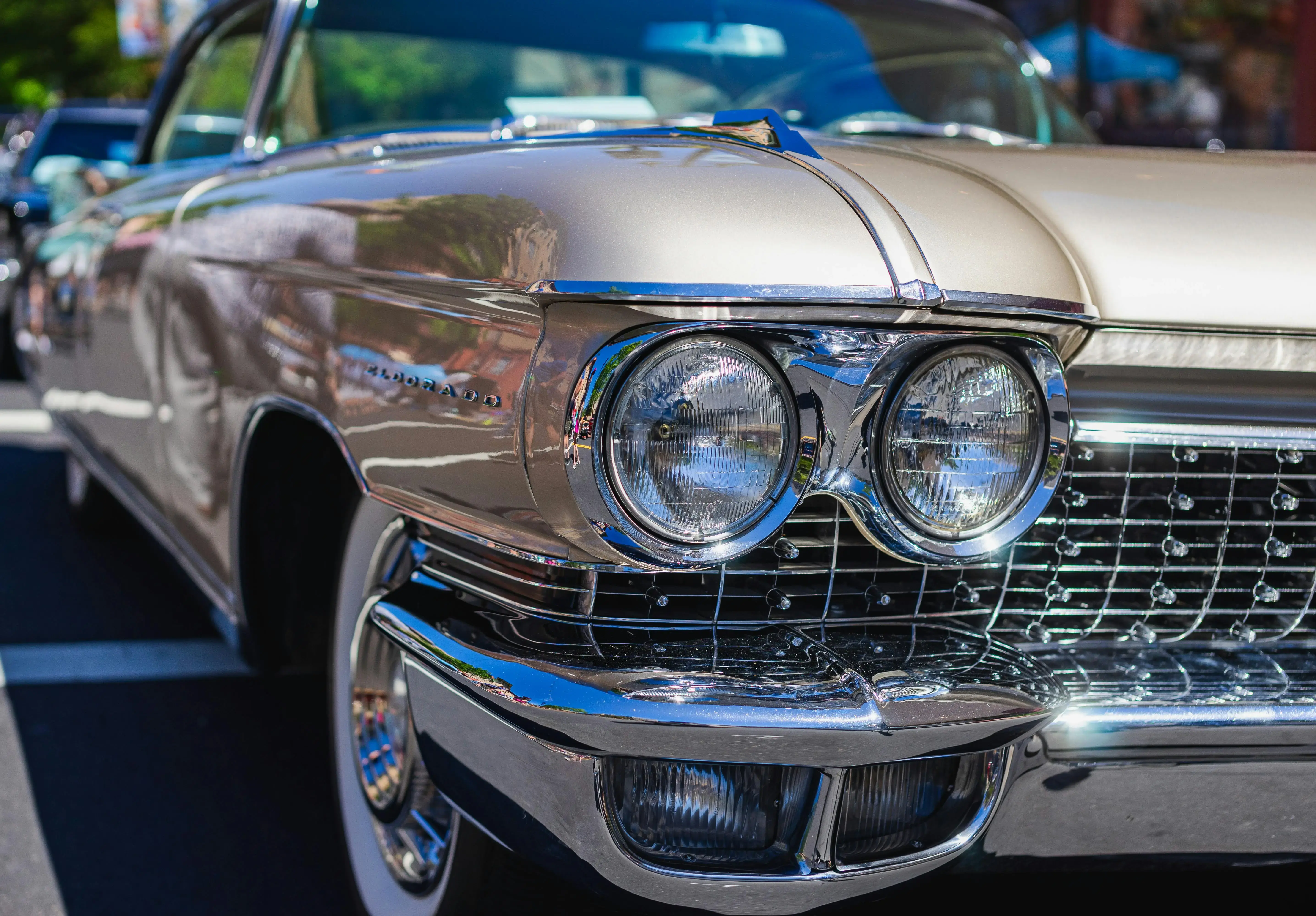

Germany is the strongest buyer of American classic cars in Europe, and it has been for years. That is not opinion. It shows up in shipping volumes, auction data, and the inquiry patterns that any serious transatlantic shipper observes over time.
What makes Germany different from other European markets is not just the volume of demand. It is the quality of the buyers. German collectors tend to arrive informed, apply genuine scrutiny to condition and documentation, and pay premiums for cars that can be properly verified. That combination means the market rewards sellers who prepare correctly and punishes those who assume enthusiasm alone is enough.
This article covers which American classic models are generating the strongest demand in Germany right now, what German collectors specifically look for, and how the 30-year import framework shapes which vehicles make commercial and financial sense to ship. For the broader European shipping context, the main guide on route disruptions, 1950s Americana and German classic demand in 2026 covers the wider landscape.
Why Germany Is the Most Important European Market for American Classics
The Scale and Seriousness of German Collector Demand
Germany has a larger registered historic vehicle population than any other European country, a position it has held consistently, with over 793,000 registered historic vehicles as of 2023 according to German automotive industry data. Its club infrastructure, show calendar and specialist workshop network are deeply established, and the country's approach to historic vehicle registration through TÜV and DEKRA provides a structured pathway that gives serious collectors confidence about what they are acquiring and how it will be maintained.
For American classics specifically, Germany offers something that many other markets cannot match: a buyer pool that combines genuine enthusiasm for US automotive culture with the technical knowledge to evaluate what they are looking at. A German collector interested in a 1969 Camaro Z28 is likely to know what a numbers-matching example means, why a correct VIN tag matters, and what the difference between a genuine SS and a clone looks like. Selling to that buyer is a different proposition than selling to a less informed market.
The practical result is that well-documented, correct examples of desirable American models consistently find buyers in Germany at prices that reflect their quality. Conversely, poorly documented or misrepresented cars face more scrutiny here than almost anywhere else in Europe.
How the 30-Year Framework Shapes Demand
Germany's 30-year Oldtimer rule creates a structural incentive that directly influences which models attract the most active buying interest at any given time. Vehicles that have just crossed the 30-year threshold become eligible for H-Kennzeichen historic registration, reduced 7 percent VAT on import rather than the standard 19 percent, zero EU import duty, and exemption from emissions testing requirements. That combination of financial and regulatory benefits can represent savings of several thousand euros on a single import transaction, as documented in the classic car market trends and collector demand guide.
This means that German collector demand is not static. It shifts with the calendar as new model years become eligible. In 2025 and into 2026, mid-1990s American vehicles have been entering the 30-year zone, bringing a wave of interest in models that were previously treated as modern used cars rather than collectibles. A 1995 Ford Mustang SVT Cobra or a 1995 Chevrolet Impala SS is now viewed through a completely different lens by a German collector than it was five years ago.
Understanding which models are currently in or approaching the eligible zone is genuinely useful for anyone planning a sale or shipment to the German market. The best American cars to ship to Germany guide covers the current eligibility picture in detail, including which specific configurations attract the most attention.
The Models German Collectors Want Most
Ford Mustang: The Benchmark and the Entry Point
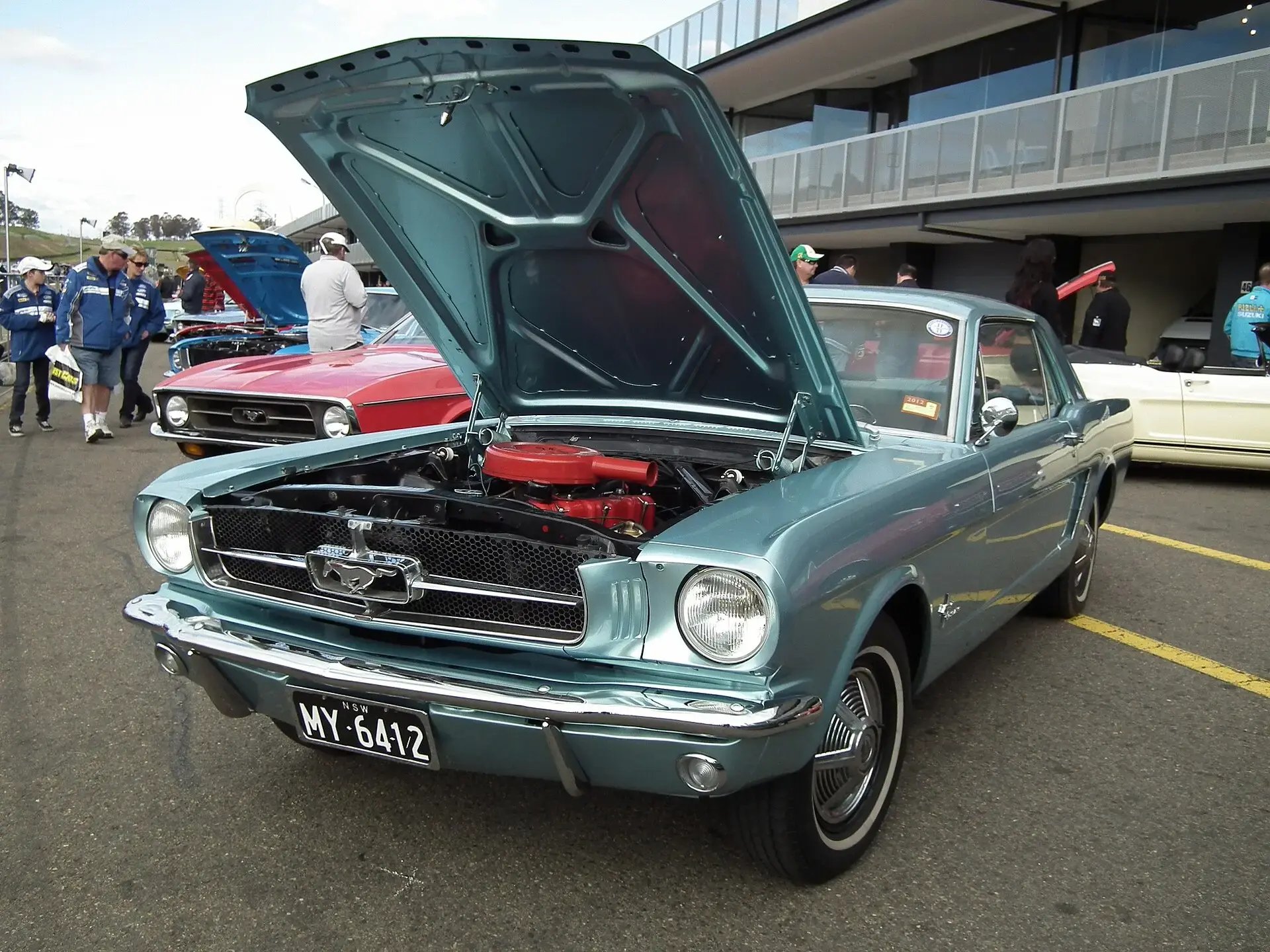
The Ford Mustang is the most consistently requested American classic in the German market, across multiple generations and multiple price points. It functions as both the benchmark against which other American classics are measured and the entry point through which many German collectors first engage with the US import market.
First-generation Mustangs from 1964½ through 1973 remain the core of demand. Fastback configurations attract the strongest premiums, particularly 1968 and 1969 model years with correct big-block or high-performance small-block drivetrains. Two-door hardtops in well-documented, largely original condition find buyers steadily across a wider price range. German collectors in this segment tend to prioritize documentation and originality over cosmetic presentation. A correctly optioned car with a credible paper trail will typically outperform a more striking-looking example that cannot be verified.
The Fox-body generation from the late 1980s and early 1990s has developed a parallel following among younger German collectors, and the SVT Cobra variants from the mid-1990s are currently benefiting directly from the 30-year threshold effect. These cars were not long ago treated as affordable used performance vehicles in Germany. They are now being acquired specifically as collector pieces, and supply of genuine, well-preserved US examples is tightening as that recognition spreads.
Chevrolet Camaro: The Direct Competitor with Equally Strong Appeal
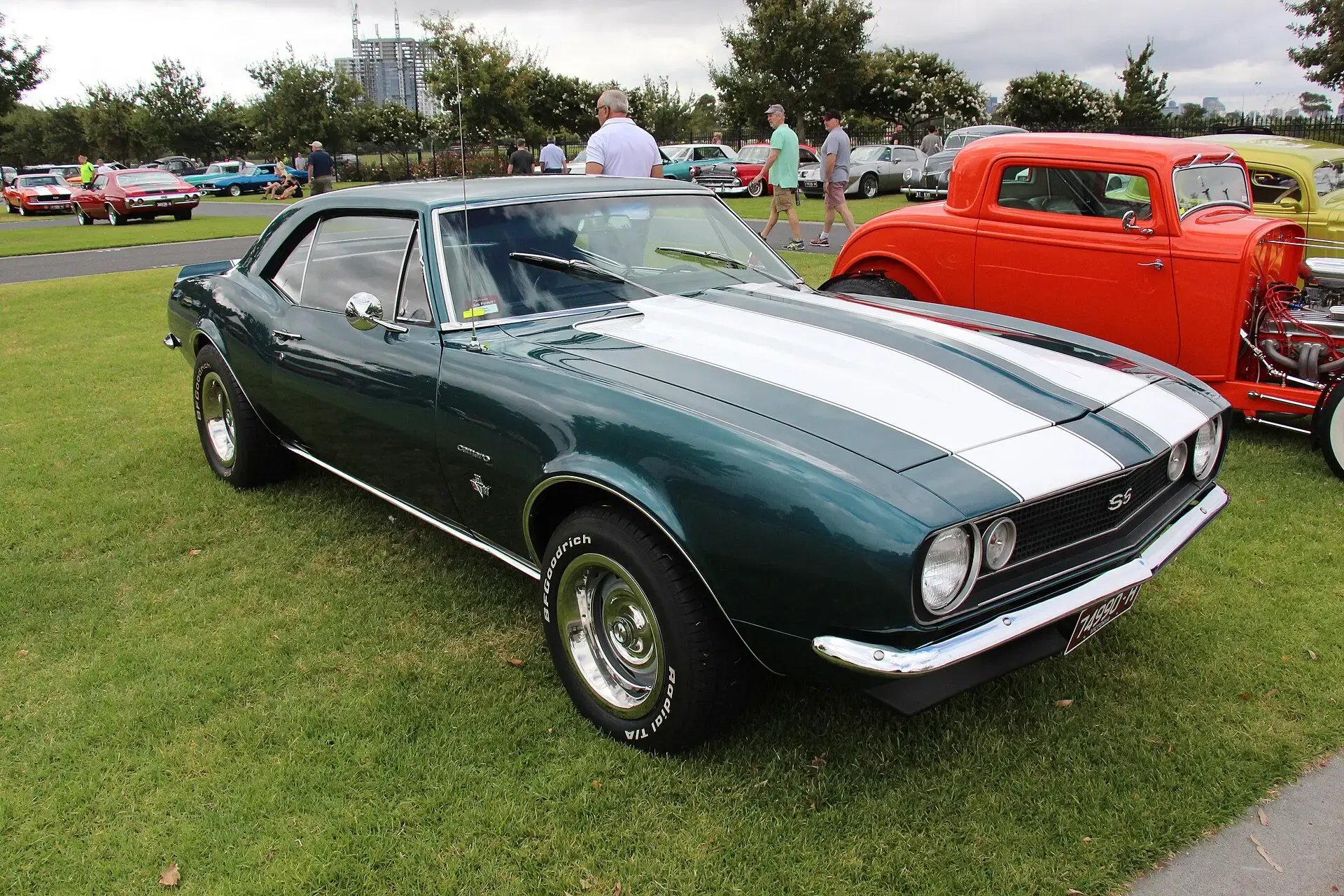
The first-generation Camaro from 1967 through 1969 competes directly with the early Mustang for German collector attention, and the rivalry mirrors what existed between the two cars when they were new. RS, SS and Z28 variants with correct documentation and matching-numbers status carry meaningful premiums. German buyers in this segment are among the most knowledgeable in the European market, and authentic examples are valued significantly above clones or tribute cars.
Second-generation Camaros from 1970 through 1981 have a dedicated following in Germany as well, particularly the 1970 and 1971 model years before styling changes that divided opinion among collectors. The split-bumper nose of the 1970 model is widely considered the most visually distinctive of the second generation and commands the strongest prices within it.
Among more recent models, the fourth-generation Camaro SS and Z28 from the 1990s are following the same trajectory as the contemporary Mustang SVT Cobra. German collectors who grew up with these cars in automotive media are now acquiring them as classics rather than waiting for them to become genuinely rare.
Dodge Charger and Plymouth Muscle: The Most Culturally Resonant Category
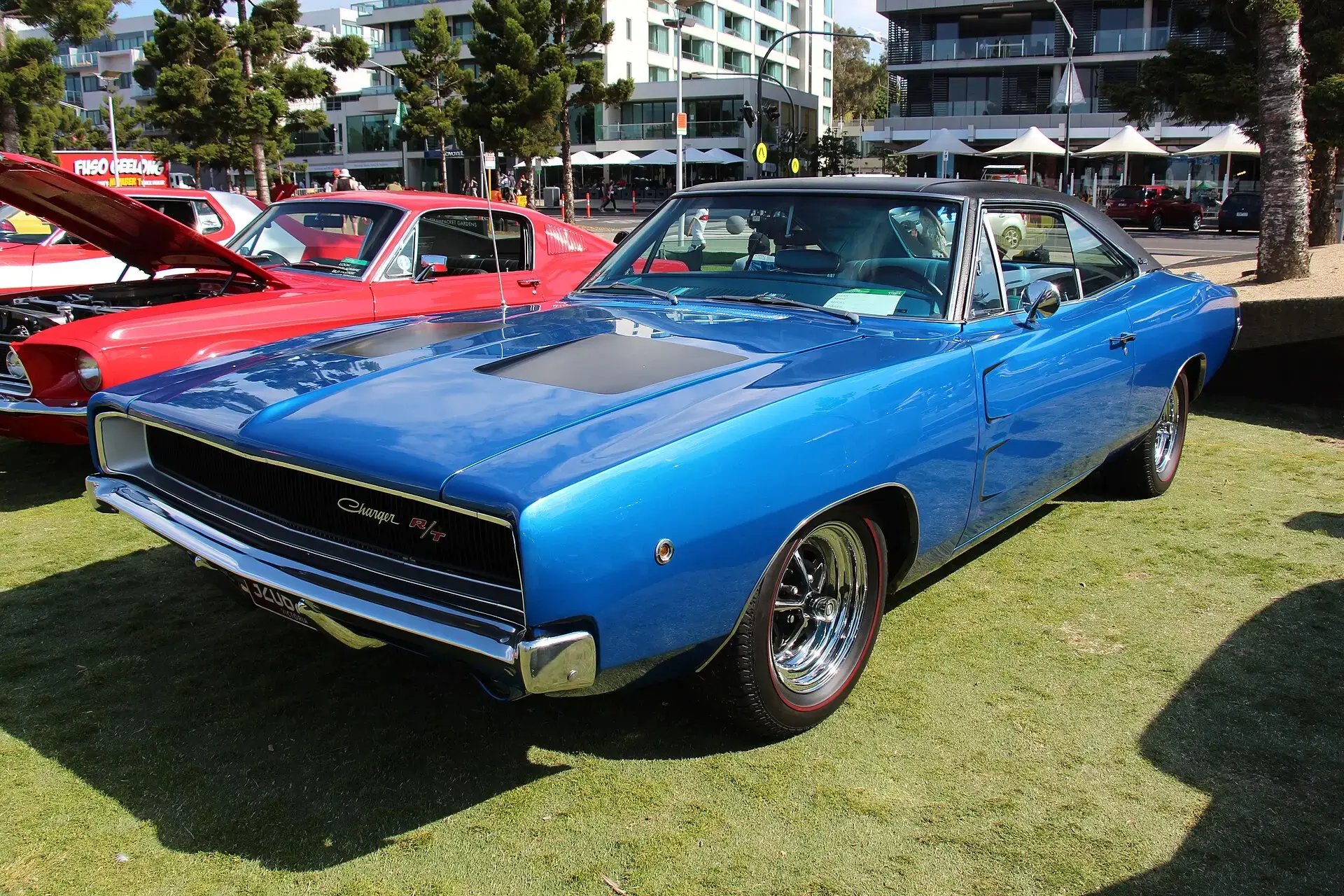
The cultural weight of B-body Mopar muscle in European popular imagination is difficult to overstate. The Dodge Charger in particular occupies a specific place in German collector desire that goes beyond the car's mechanical merits, though those are considerable. The 1968 through 1970 Charger is widely regarded as one of the most visually complete American muscle car designs, and German collectors who pursue genuine examples tend to do so with serious intent and serious budgets.
Plymouth 'Cuda models from 1970 and 1971 attract equally committed buyers in Germany, particularly convertible configurations and high-option examples with correct engine codes. Supply of authentic big-block 'Cudas is genuinely limited, and German collectors are accustomed to competing with US domestic buyers for the best examples.
One important observation for sellers approaching this segment: German buyers in the Mopar space are particularly attentive to build sheet documentation and VIN decoding. A car that cannot be thoroughly verified faces significant skepticism regardless of its apparent condition. Assembling complete documentation before offering a Mopar classic to the German market is not optional. It is a prerequisite for achieving market-rate pricing.
Chevrolet Corvette: America's Sports Car Finds Its German Audience
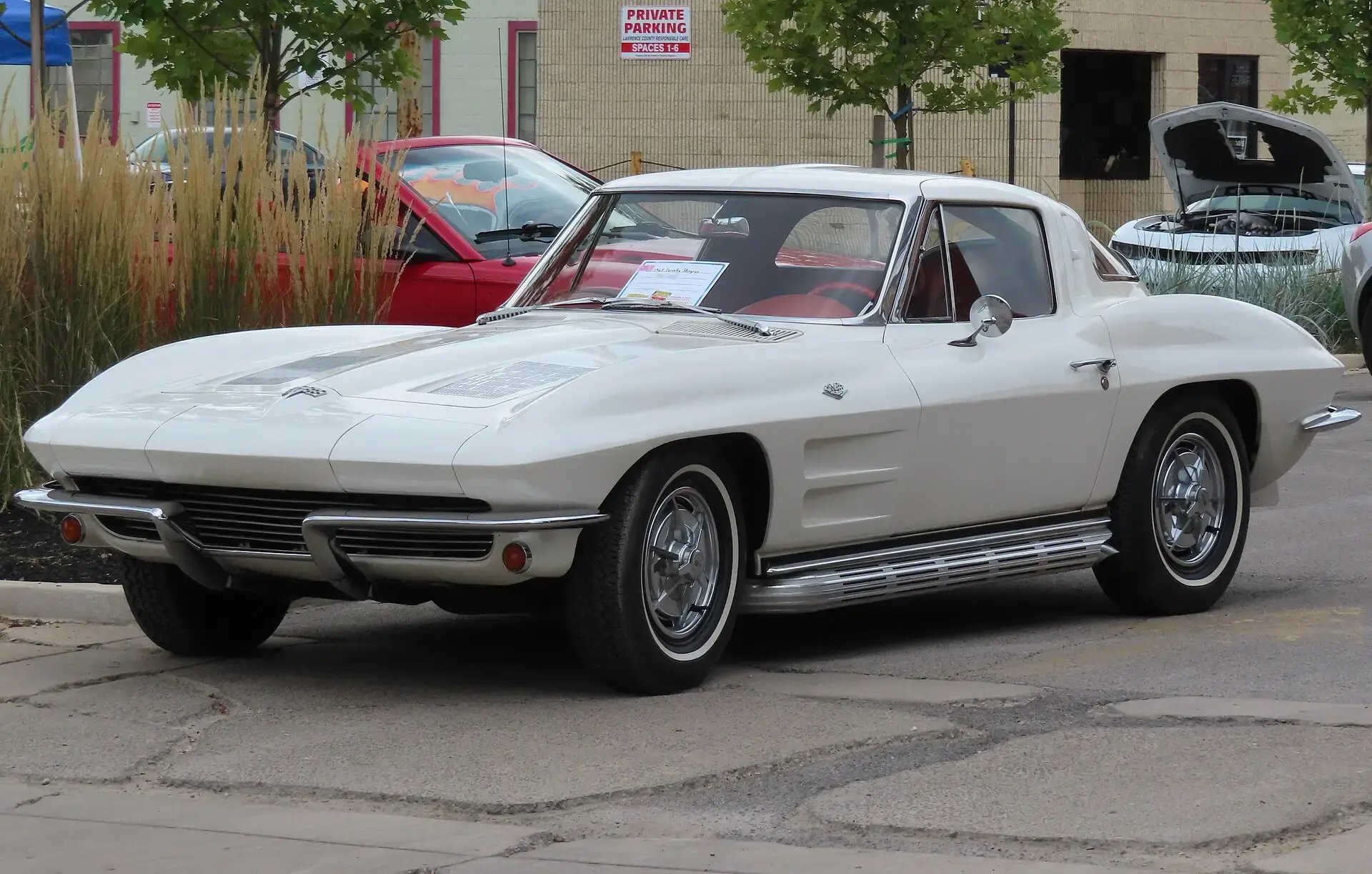
The Corvette occupies a distinct position in the German collector market, somewhat separate from the muscle car conversation. German buyers approaching a Corvette are often car people in a broader sense, interested in the engineering story and the performance history rather than purely the cultural iconography.
C2 Corvettes from 1963 through 1967 attract the strongest prices in Germany, with the 1963 split-window coupe representing the benchmark. C3 examples from 1968 through 1982 offer a wider price range and more accessible entry points. Later C4 and C5 models from the 1990s are increasingly appearing in German collector garages, particularly ZR-1 and Z06 variants where the performance specification justifies the classification as a serious sports car rather than a boulevard cruiser.
The top American muscle cars for import to Germany guide covers the Corvette alongside the muscle car segment in more detail, including which specific configurations align best with current German buyer preferences.
American Pickup Trucks and SUVs: A Growing and Underserved Category
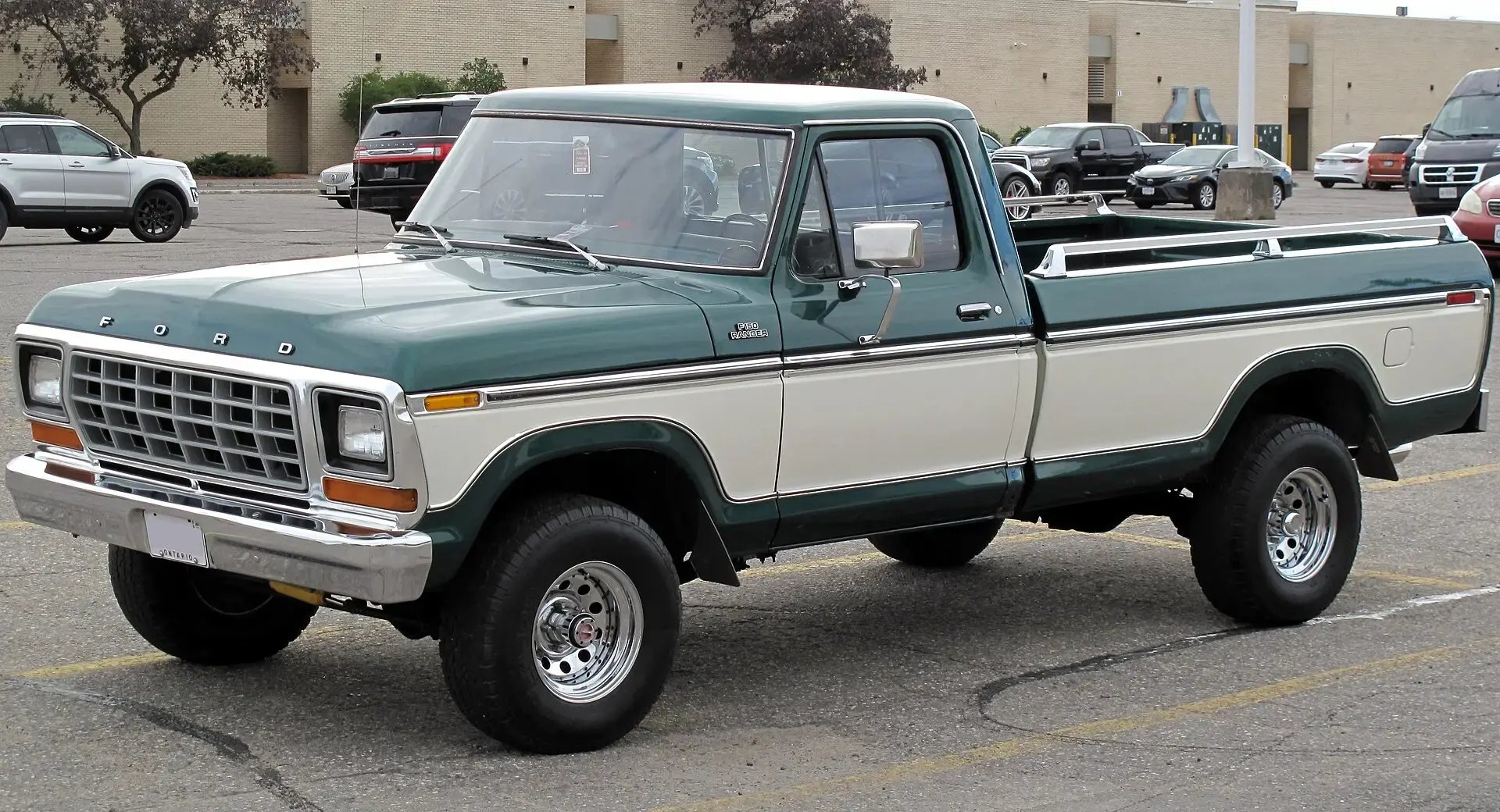
One of the more interesting developments in the German collector market over the past several years is the growing appetite for classic American pickup trucks and full-size SUVs. These vehicles are virtually absent from European roads, which gives them an exotic quality that even the most desirable muscle cars cannot fully replicate in a country where a 1969 Mustang has become a relatively familiar sight at weekend shows.
Models generating consistent German interest include:
-
Ford F-Series trucks from the late 1970s through early 1990s particularly clean examples with original bodywork and period-correct powertrain configurations
-
Chevrolet C10 and K10 pickups from the same era, valued for their clean styling and the relative abundance of good preservation candidates in dry US western states
-
Chevrolet Blazer and GMC Jimmy full-size variants from the early 1990s which have developed a specific following among German collectors seeking classic American SUVs
-
Jeep Grand Cherokee ZJ from 1993 to 1995 which hits the 30-year threshold now and is attracting attention from collectors who associate it with a specific moment in American vehicle design
The common thread across this category is rarity in the European context. A German collector who parks a clean 1979 Ford F-150 Ranger at a local car meet is not competing with dozens of similar vehicles for attention. These trucks represent a genuine differentiation opportunity for collectors who have already acquired the obvious muscle cars.
Station Wagons: The Category That Keeps Surprising the Market
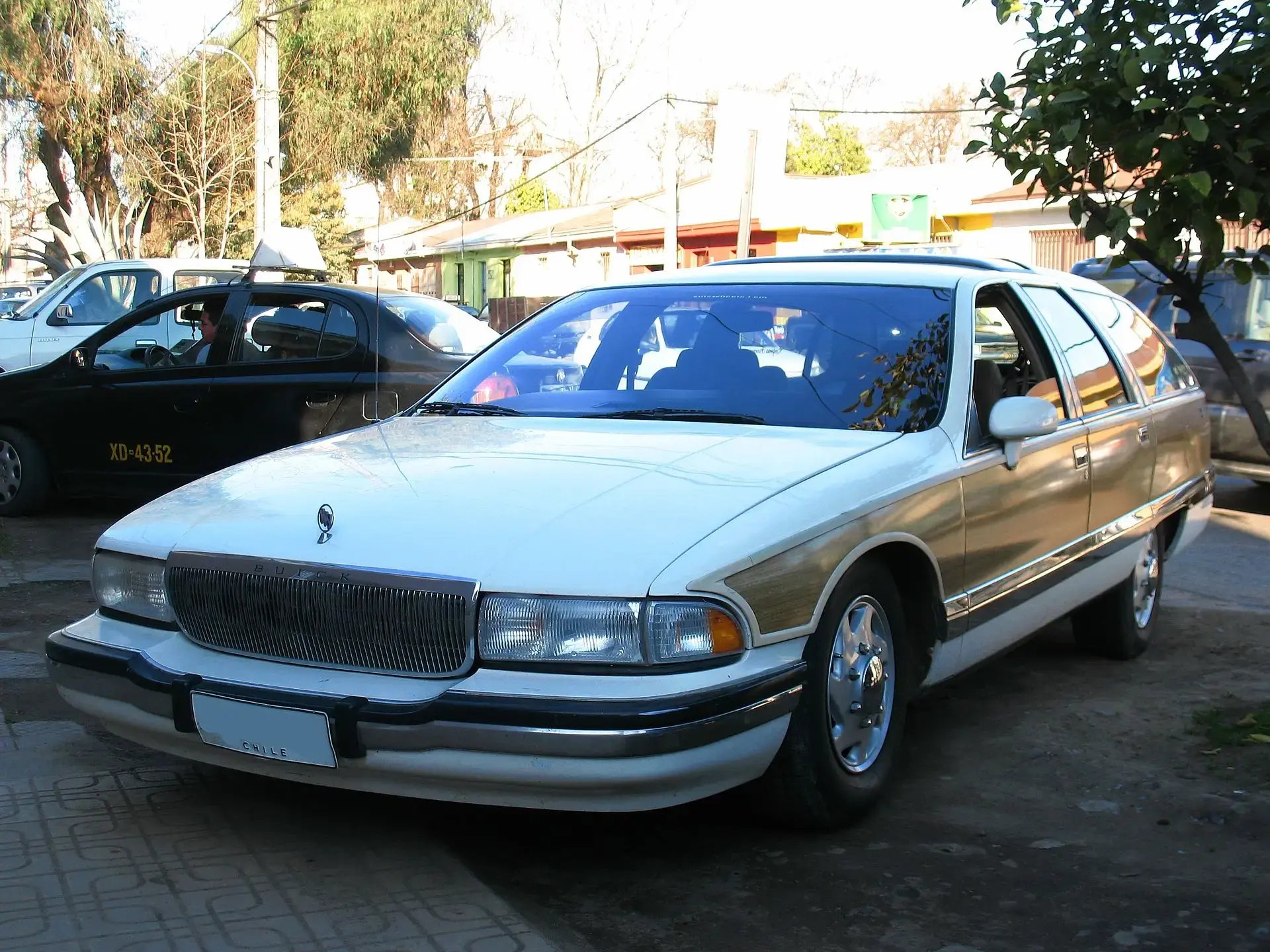
The classic American station wagon has gone from afterthought to genuinely sought-after in the German collector market over a relatively short period. The Buick Roadmaster Estate Wagon, produced from 1991 to 1996 and particularly the 1994 and 1995 LT1-equipped models featuring the Corvette-derived 5.7-liter V8, is cited in West Coast Shipping's most popular American imports data as generating consistent German inquiry. Collectors who know the model seek out those later LT1 examples specifically, recognizing the performance and specification step-up they represent over the earlier 1991 to 1993 units.
Chevrolet Caprice Estate wagons, 1970s and early 1980s Ford Country Squire models, and period Oldsmobile wagons have all developed followings among German collectors who want something authentic and visually commanding without competing directly in the most crowded muscle car segments. Market values for these cars remain below comparable muscle cars, which may indicate that broader collector recognition is still catching up to the enthusiasm of the specialist buyers who have been quietly acquiring them for several years.
What German Collectors Actually Pay Attention To
Originality and Numbers-Matching Status
German collectors apply a higher standard of originality scrutiny than most other European markets. A car that appears original but cannot be documented as such will consistently trade at a discount relative to a genuinely verified example. Numbers-matching status, where the engine, transmission and drivetrain components can be confirmed against the VIN and build documentation, is valued significantly more in Germany than in markets where condition and visual presentation dominate the evaluation.
This matters practically for US sellers. A 1969 Camaro with a replacement engine that has been correctly refitted with period-correct components but lacks documentation will be viewed with more skepticism by a knowledgeable German buyer than a 1969 Camaro with a correct but tired original drivetrain that can be thoroughly documented. The paper trail often matters more than the physical condition in this market.
TÜV Readiness and Registration Path
German collectors factor the TÜV registration path into their acquisition decisions. A car that a specialist has already assessed as likely to pass the historic vehicle inspection without significant remediation is worth more than a similarly original car that requires months of compliance preparation before it can be registered and driven.
For US sellers, this means that cars arriving with comprehensive documentation, a condition inspection report from a recognized specialist, and no known compliance issues are easier to sell and command stronger prices. The EU homologation guide for American classics explains in detail how the German individual approval and historic vehicle inspection process works, which is useful context for any seller preparing a car for the German market.
Salvage and Rebuilt Title Complications
Salvage or rebuilt title history creates meaningful complications in the German market. TÜV inspectors may require detailed repair documentation, professional condition assessments and additional inspections before a salvage-history vehicle can be registered, and some may ultimately decline registration regardless of apparent condition. German buyers are generally aware of this and will factor it into their offer price or decline entirely.
US sellers with salvage-history classics should address this transparently before approaching German buyers, rather than discovering mid-transaction that the title history affects the registration pathway. The shipping guide for cars to Germany covers how German customs and registration authorities approach imported vehicles with complex title histories.
Shipping American Classics to Germany: The Practical Side
Container Shipping to Bremerhaven
For American classics heading to German collectors, Bremerhaven is the natural destination port. It is purpose-built for vehicle handling, has well-established customs procedures for historic vehicle imports, and provides efficient onward road transport to all major German cities and regions. Hamburg is a secondary option for certain routing configurations.
Container shipping is the appropriate method for virtually all American classics in collector condition. A sealed container protects original paint, chrome and interior materials during ocean transit in a way that open-deck RoRo services cannot match for vehicles at this value level. West Coast Shipping operates from New Jersey, Florida and California, with regular container services to Bremerhaven and other key European ports.
For current pricing and route options, West Coast Shipping's Europe car shipping page provides the shipping calculator and access to the team for route-specific questions.
Note: Prices and transit times are approximate and subject to change based on vehicle type, shipping method, carrier schedules and market conditions. For an accurate quote, use the shipping calculator or contact the team directly.
Documentation That Opens Doors in Germany
The documentation package assembled before a classic ships to Germany directly affects how smoothly the import and registration process goes. German customs authorities and TÜV inspectors work best when the paper trail is clear and complete. Key items to prepare include:
-
Original US title with unencumbered ownership history
-
Bill of sale reflecting the actual transaction price for customs valuation
-
Factory build documentation such as broadcast sheets for GM vehicles or Marti Report for Ford products
-
Full-color photographs documenting condition before shipping
-
Any available service history and restoration records
The ultimate guide to selling classic cars overseas covers documentation preparation in detail from both the seller and buyer perspectives, including how to structure a transaction that protects both parties through the international sale and import process.
Ready to Ship Your American Classic to Germany?
Whether you are a US seller with a vehicle that fits the German market, a collector who has sourced the right car and needs to move it across the Atlantic, or someone still deciding which model makes the most sense to ship, the logistics side of the decision can be planned and priced now.
West Coast Shipping's Europe car shipping page gives you access to the shipping calculator, current container route pricing from US East and West Coast ports to Bremerhaven and other European destinations, and direct access to the team for questions about documentation, compliance and timing for your specific vehicle.

German Classic Car Imports to USA: 2026 Data, Models & Costs

Germany’s 30-Year Exemptions for Classic Motorcycle Imports