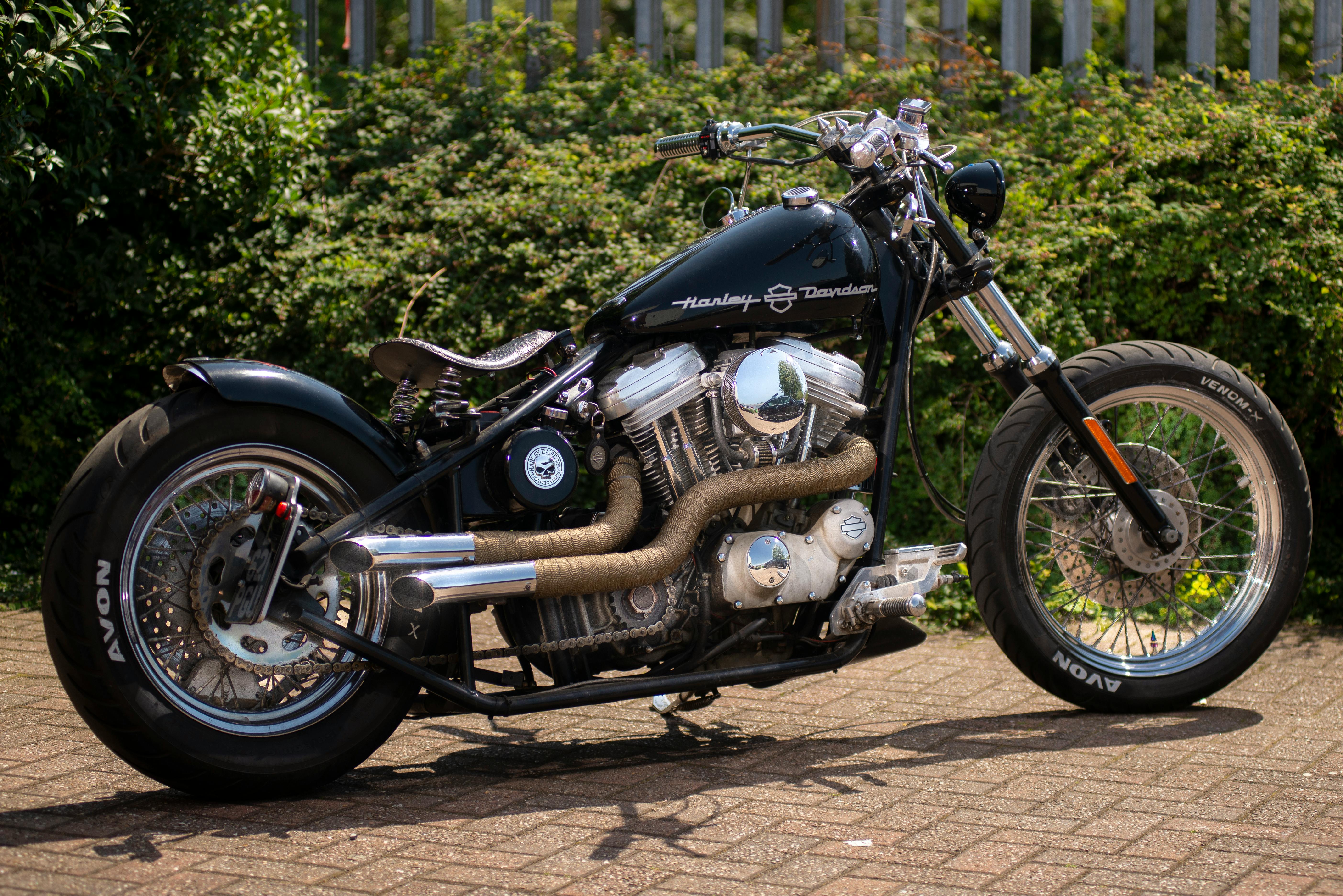
The U.S. motorcycle industry is facing a historic shakeup in 2025. With the 25% import tariff on vehicles and parts now in effect, the price and availability of imported motorcycles have changed overnight. While the spotlight has often been on cars, this new trade policy is dramatically impacting European and Asian motorcycle brands, U.S. dealerships, and riders alike. Meanwhile, Harley-Davidson and other domestic brands are seizing an unexpected advantage.
The New Tariff Landscape for Motorcycles
What Changed in 2025?
-
25% Tariff on Imported Motorcycles: As of April 3, 2025, all new motorcycles and powersports vehicles imported into the U.S. are subject to a 25% duty, up from the previous 2.4%–2.5%.
-
Parts and Accessories: From May 2025, the same 25% tariff applies to imported engines, transmissions, electronics, and even many aftermarket parts.
-
Classic Motorcycle Exemption: Bikes 25 years and older remain at the original 2.5% duty, fueling a surge in vintage imports (see our classic car exemption guide).
Who’s Affected?
-
EU and Asian Brands: Royal Enfield, KTM, BMW Motorrad, Ducati, Triumph, Honda, and Yamaha are among the hardest hit.
-
U.S. Manufacturers: Harley-Davidson, Indian, and Zero Motorcycles benefit from their domestic production and supply chain.
Market Impact: Prices, Supply Chains, and Dealer Response
Price Increases and Dealer Inventory
| Model | Pre-Tariff Price | Post-Tariff Price | Increase |
|---|---|---|---|
| BMW R 1250 GS | $20,345 | $25,431 | +25% |
| KTM 890 Adventure R | $14,699 | $18,374 | +25% |
| Royal Enfield Super Meteor 650 | $7,999 | $9,999 | +25% |
-
Dealer Inventory Shifts: Many dealers are reporting shortages of new European and Japanese models, with some holding back inventory in hopes of a policy change.
-
Used Bike Market Surge: Demand for 2020–2024 models has spiked, with prices up 10–20% as buyers look to avoid tariffed new bikes.
-
Parts Delays: The Motorcycle Industry Council warns of longer wait times for parts, with some dealers stockpiling critical components ahead of the May tariff expansion.
Supply Chain Disruptions
-
Component Sourcing: Many brands source engines, electronics, and frames from Asia or Europe, making it difficult to avoid tariffs without major supply chain overhauls.
-
Production Relocation: BMW and KTM are exploring increased U.S. assembly of popular models to bypass tariffs, but these shifts take time and investment.
Manufacturer Strategies: How Brands Are Adapting
European and Asian Manufacturers
-
Localized Production: KTM and BMW are accelerating plans to assemble more bikes in the U.S. using CKD (completely knocked down) kits.
-
Niche Exemptions: Some brands are focusing on importing vintage or 25-year-old models under the classic exemption, which remains at just 2.5% duty.
Harley-Davidson’s Domestic Advantage
-
No Tariff on U.S.-Made Bikes: Harley-Davidson’s Milwaukee and York plants allow the brand to avoid the 25% duty, giving it a pricing and supply advantage.
-
Export Strategy: Harley continues to use its Thailand plant to serve the EU, where retaliatory tariffs on American bikes have reached 56% (BizJournals).
-
Parts Sourcing: Harley’s USMCA-compliant supply chain means most parts are sourced from the U.S., Mexico, or Canada, avoiding the steepest tariffs.
Consumer Impact: What Riders Need to Know
Higher Prices and Fewer Choices
-
Sticker Shock: New imported motorcycles now cost $2,000–$5,000 more, with some high-end models seeing even steeper increases.
-
Limited Selection: Dealers are reducing orders for lower-margin imported bikes, focusing instead on U.S.-made or tariff-exempt models.
The Classic & Vintage Bike Boom
-
25-Year Exemption: Imports of 1999–2000 classics like the Honda CBR900RR, Ducati 996, and BMW R1100GS are surging, as they remain tariffed at just 2.5%.
-
Investment Potential: Vintage models are appreciating rapidly, with some rare bikes up 40% in value since January 2025 (see our classic import surge analysis).
Parts and Maintenance
-
Repair Costs Rising: The 25% duty on imported parts means higher costs for routine maintenance and repairs, especially for European and Japanese bikes.
-
Alternative Sourcing: Riders are increasingly seeking USMCA-sourced or aftermarket parts, and some are turning to 3D printing for hard-to-find components.
International Trade & Retaliation
-
EU Retaliation: The EU has raised tariffs on American-made motorcycles (notably Harley-Davidson) to 56%, impacting U.S. exports and further complicating the global market (BizJournals).
-
Global Supply Chain Shifts: Manufacturers are exploring new assembly plants and alternative shipping routes to minimize tariff exposure.
Best Practices for Importing Motorcycles in 2025
-
Look at Bikes 25 Years and Older: Focus on importing 25-year-old or older bikes to avoid the 25% duty.
-
Prioritize USMCA Sourcing: Seek out models or parts assembled in North America to benefit from tariff exemptions.
-
Have the Documents Ready Before Booking: The title, bill of sale and manufacture date decide how fast a bike clears, more than the ship or the plane does.
How West Coast Shipping Can Help
We ship motorcycles door to door, by ocean or by air, from our own warehouses in California, Florida and New Jersey, covering all of the US for imports and exports. Our view on the tariff years: the paperwork decides how fast a bike moves, so that is where we put our own people.
-
Documents: Our own team loads every bike and handles every document. A licensed customs broker files the US entry, and for an export your import agent clears the bike at the destination.
-
Classic Bikes: We check the manufacture date on the frame and the title before the bike ships, because the 25-year rule turns on that date (see our vintage motorcycle import guide).
-
Ocean or Air: A shared container suits most bikes. Air suits a bike bought at an overseas event or auction that has to make a date. Rates by lane are on our motorcycle shipping page.
Navigating the New Motorcycle Market
The 25% tariff has upended the U.S. motorcycle import market, but with the right strategies, riders and dealers can still access the world’s best bikes. By focusing on classic exemptions and working with logistics experts, enthusiasts can ride out the tariff storm and continue enjoying their passion for motorcycles.
Ready to import your next motorcycle or need help navigating tariffs?
Bought in the US or at an auction overseas, your bike ships door to door, by ocean or by air. Contact West Coast Shipping for a quote on your lane. It's your dream car. Let's bring her home.

Harley-Davidson and the EU Tariff Paradox: How 50% Duties Backfired

Motorcycle Import Tariffs & Classic Loopholes: Complete US Guide