-093789-edited.png?width=220&height=79&name=wcs_final_logo_(1)-093789-edited.png "wcs_final_logo_(1)-093789-edited")

Successfully acquiring vehicles at Retro Classics Essen—Germany's premier classic and youngtimer marketplace held annually at Messe Essen's sprawling fairgrounds—requires navigating unique challenges that distinguish international car purchases from domestic transactions: understanding German business culture and negotiation expectations that differ substantially from American car-buying norms, managing secure payment mechanisms across international banking systems while protecting against fraud, coordinating complex export documentation including VAT exemptions that can save thousands of Euros, and conducting thorough vehicle due diligence in crowded exhibition environments lacking test drive opportunities or comprehensive inspection facilities. American collectors targeting European-specification BMW M3s, Mercedes AMG variants, Porsche air-cooled classics, or rare Volkswagen homologation specials must approach Essen acquisitions systematically rather than impulsively, with pre-show research identifying target vehicles and establishing realistic budgets, strategic booth navigation maximizing limited time across multiple exhibition halls, professional dealer engagement demonstrating serious buyer intent, and meticulous documentation ensuring clean title transfer and export compliance. Understanding these acquisition mechanics—from initial target identification through final payment and export documentation—transforms what could be overwhelming international transaction into straightforward purchase process enabling American collectors to source exceptional European vehicles while avoiding common pitfalls that derail cross-border classic car acquisitions.
This comprehensive guide examines pre-show research strategies for identifying target vehicles and understanding market valuations, practical navigation techniques for Essen's massive exhibition halls and dealer network, vehicle inspection protocols adapted to exhibition floor limitations, German negotiation culture and realistic price expectation frameworks, secure international payment mechanisms balancing buyer protection against seller requirements, comprehensive documentation requirements for purchase agreements and export compliance, VAT exemption procedures enabling substantial savings for US-bound vehicles, and post-purchase logistics coordinating storage and export terminal transport. Whether you're acquiring your first European classic or adding to established collection, understanding Retro Classics Essen buying procedures ensures successful transactions while protecting against fraud, overpayment, and documentation failures that complicate US import and domestic registration. For complete context on Retro Classics Essen including youngtimer market trends and shipping logistics, see our comprehensive guide to buying and shipping from Retro Classics Essen. West Coast Shipping provides international car shipping services coordinating pickup from Essen-area locations, export documentation, and container shipping from German ports to US destinations.
Pre-Show Research and Strategic Preparation
Effective Retro Classics Essen acquisition begins weeks before the show opens, with comprehensive research establishing clear targets, realistic budgets, and strategic acquisition priorities that prevent impulsive decisions in the excitement of exhibition floor environments:
Target Vehicle Identification and Specification Research
Successful buyers arrive at Essen knowing exactly which vehicles they're seeking, with detailed specification knowledge enabling quick verification that candidate vehicles actually possess desirable features justifying international acquisition:
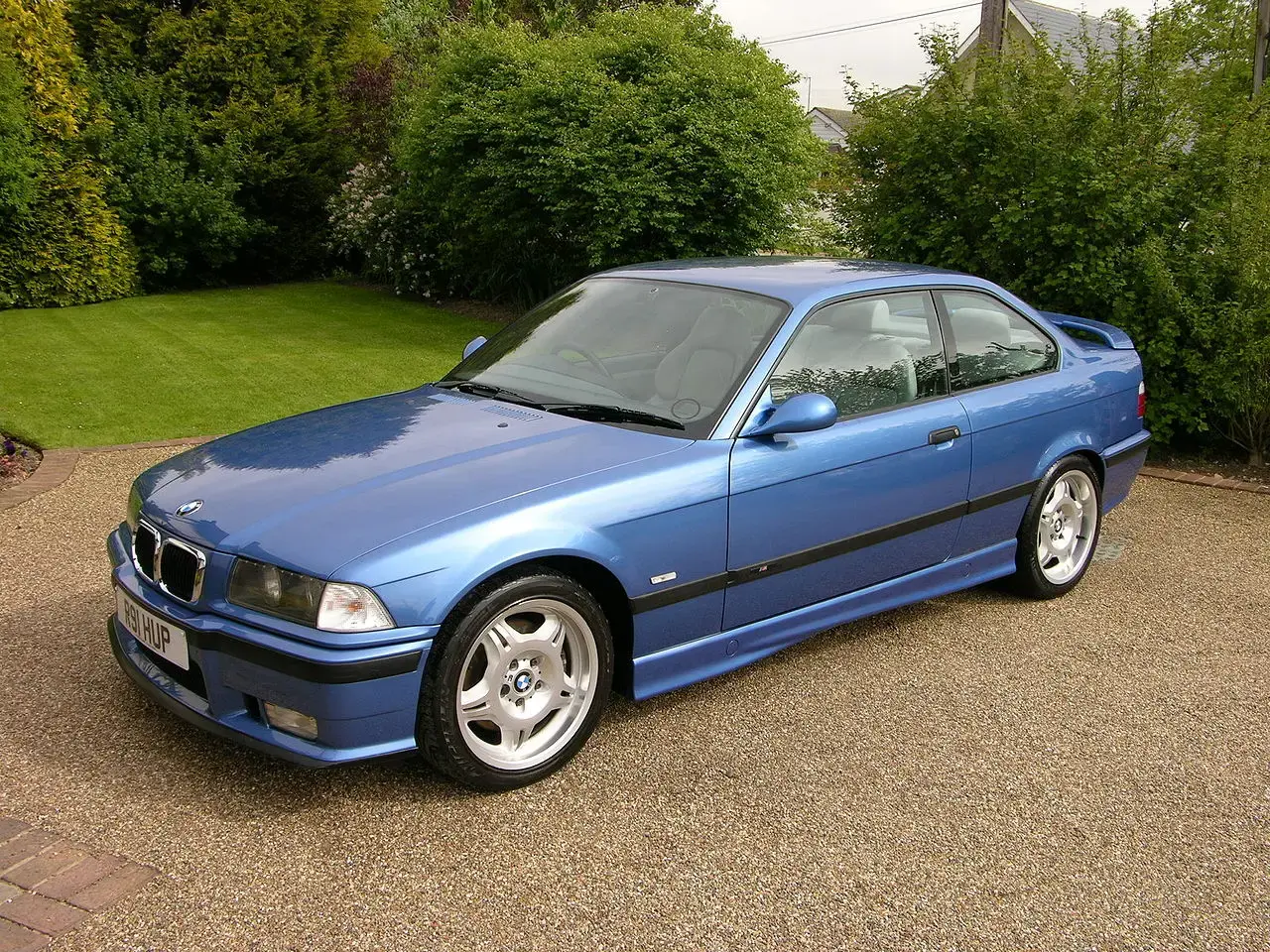
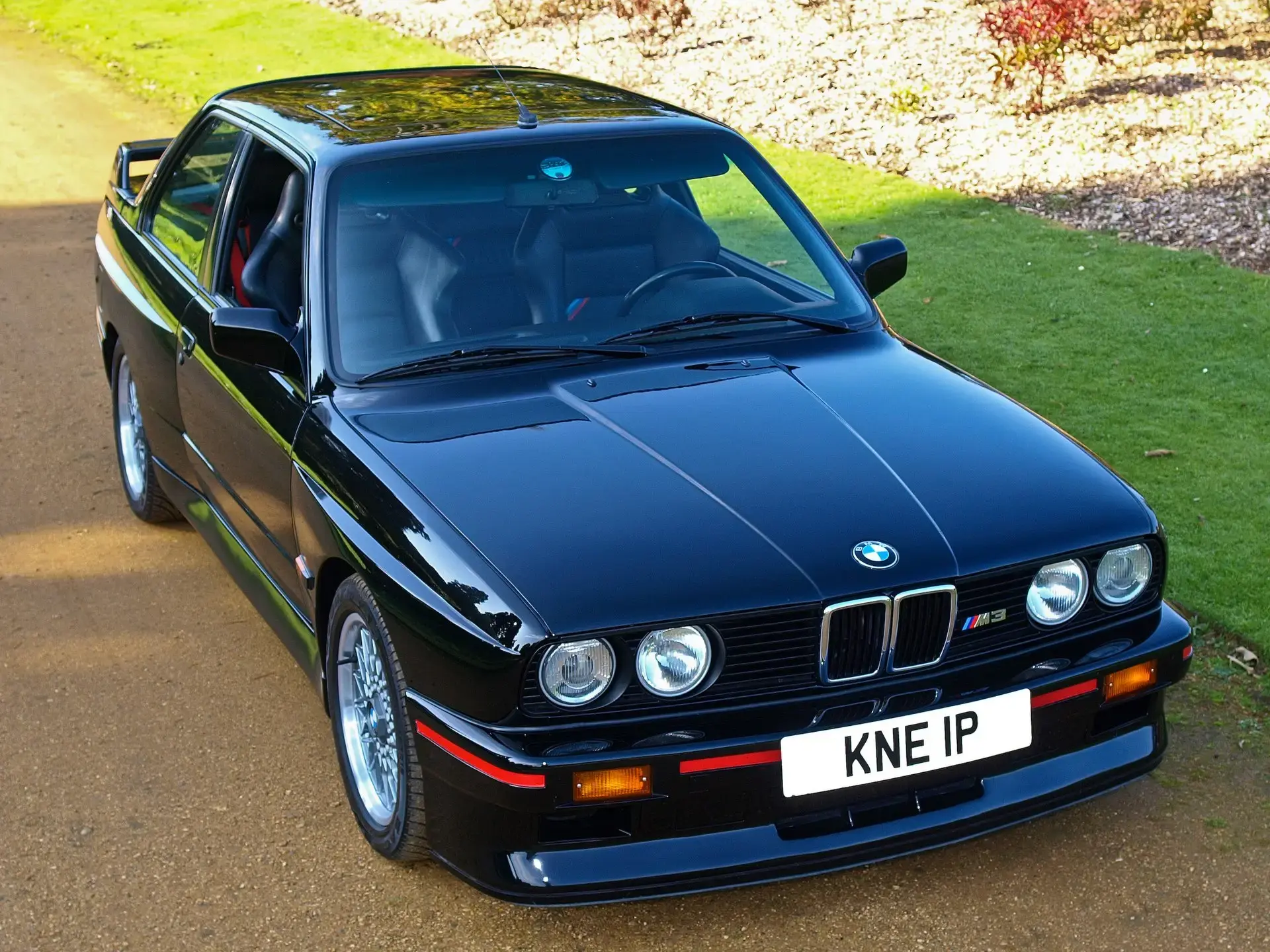
Specification Differences Between Markets: Many American collectors specifically target European-market vehicles for specifications unavailable domestically—unrestricted engines, manual transmissions, lightweight variants, unique color combinations, and equipment packages never offered in US markets. Understanding exact specification differences between European and US-market variants prevents acquiring vehicles that don't actually deliver the advantages justifying import costs and complexity. For BMW E30 and E36 M3s, this means verifying proper European S14, S50, or S52 engines with correct power outputs rather than detuned US specifications; for Mercedes 190E models, confirming Cosworth engines and proper Evolution bodywork; for Porsches, validating unrestricted power outputs and European-market options absent from federalized US versions.
Comprehensive specification research requires consulting original factory literature, enthusiast forums documenting market-specific variations, and VIN decoding resources identifying build specifications from chassis numbers. Arriving at Essen without this knowledge creates vulnerability to misrepresentation, as not all dealers possess deep specification expertise and some may incorrectly describe vehicles or fail to recognize uncommon variants.
Production Numbers and Rarity Verification: Understanding production volumes for target models prevents overpaying for common variants misrepresented as rare or overlooking genuinely scarce examples priced as ordinary models. BMW E30 M3 Sport Evolution production totaled just 600 units, Mercedes 190E Evolution II numbered 502 examples, and Porsche 964 RS reached 2,276 units worldwide—these limited production runs justify premium pricing when properly documented. However, standard E30 M3s with 18,000+ units produced or Porsche 964 Carreras with 60,000+ examples don't warrant rarity premiums regardless of dealer marketing claims.
Rarity research extends beyond headline production numbers to encompass option combinations, color specifications, and year-specific variations that create collectible subsets within broader model ranges. Certain color combinations, factory-installed performance options, or early/late production examples may achieve premiums among knowledgeable collectors even when overall model production was substantial.
Market Valuation Research and Budget Establishment
Understanding current market pricing prevents overpaying while establishing realistic negotiation parameters and total acquisition budgets:
German Market Pricing Analysis: Monitoring German online marketplaces provides comprehensive pricing data showing asking prices across condition ranges, mileage brackets, and specification variations. Mobile.de, AutoScout24, and Classic Trader listings reveal dealer and private party asking prices for comparable vehicles, while filtering by recent listings shows current market conditions rather than stale advertisements that no longer reflect active inventory. Collectors should research pricing for target models during the 4-8 weeks preceding Retro Classics, noting price distributions and identifying outliers suggesting either exceptional value or unrealistic seller expectations.
European auction results from RM Sotheby's, Bonhams, Broad Arrow, and regional auction houses establish upper-market valuations for exceptional examples with strong provenance and pristine condition. These hammer prices plus buyer's premiums (typically 12-15% at major European auctions) represent realistic retail pricing for investment-grade vehicles, while dealer asking prices typically fall modestly below auction results reflecting wholesale acquisition costs and overhead.
Total Cost Analysis Including Import Expenses: American buyers must budget beyond purchase price to account for shipping, import duties, and domestic transport creating total landed costs determining true acquisition economics. For vehicles qualifying under the 25-year import exemption, comprehensive cost calculation includes purchase price in Euros converted to Dollars at current exchange rates, German export transport to Bremerhaven or Hamburg (typically €200-400), container shipping to US East Coast ports (approximately $2,750 per vehicle for consolidated shipping), US import duties at 2.5% of CIF value, customs fees and broker charges ($400-600), and domestic transport from port to final destination ($400-2,500 depending on distance and transport method).
A €35,000 BMW E36 M3 ($38,300 at current exchange rates) creates approximately $43,000 total landed cost including all shipping and import expenses, meaning American collectors should compare this total against US domestic market pricing for equivalent vehicles (typically $40,000-50,000 for European-specification E36 M3s when available domestically) to assess whether import represents genuine value versus simply accessing otherwise unavailable specification. Understanding these complete cost structures prevents acquiring vehicles where total expenses exceed domestic alternatives or create negative arbitrage.
Pre-Show Dealer Contact and Appointment Scheduling
Many Retro Classics exhibitors advertise specific vehicles they'll display through online listings and dealer websites during weeks preceding the show, enabling pre-show contact and appointment scheduling:
Online Pre-Show Inventory Research: German dealers frequently list Retro Classics inventory on Mobile.de, AutoScout24, and Classic Trader with notes indicating "Available at Retro Classics Essen" or "View at Stand [number]" providing advance notice of vehicles they'll exhibit. Systematic searching during the 4-6 weeks before the show reveals dealer inventory, pricing expectations, and contact information enabling preliminary discussions before traveling to Germany. Collectors targeting specific models benefit from identifying multiple examples from different dealers, creating fallback options if preferred vehicles sell or inspection reveals disqualifying conditions.
Appointment Scheduling for Serious Inquiries: Emailing dealers expressing serious interest and requesting viewing appointments during Retro Classics demonstrates professional approach that dealers appreciate. These pre-arranged appointments ensure dealers expect your arrival, can answer questions without distraction from casual browsers, and may prepare additional documentation or arrange vehicle positioning for easier inspection. Appointment requests should clearly state your target vehicle from their inventory, mention US destination and export intent, and propose specific Retro Classics dates and times for viewing. German business culture values punctuality and planning, making scheduled appointments far more productive than unannounced booth visits during peak crowd periods.
Strategic Navigation of Retro Classics Essen
Retro Classics Essen sprawls across multiple exhibition halls at Messe Essen's fairgrounds, with hundreds of dealers, private sellers, parts vendors, and automotive service providers creating overwhelming environment requiring strategic navigation:
Exhibition Layout and Hall Organization
Understanding Retro Classics organizational structure enables efficient targeting of relevant sections:
Hall Categorization and Dealer Clustering: Exhibition organizers loosely group vendors by category and vehicle specialization—high-end classic dealers occupying premium locations in certain halls, youngtimer specialists concentrated in others, and parts vendors and restoration services in dedicated sections. Official show maps available at entrance and through Retro Classics mobile app identify hall layouts and general vendor categories, while exhibitor directories list dealer names, locations, and specializations enabling advance planning of navigation routes visiting target dealers systematically rather than wandering randomly hoping to encounter desired vehicles.
Premium dealers offering six-figure Porsches, Mercedes, and BMWs typically cluster in prominent locations with professional booth presentations including raised platforms, professional lighting, and comprehensive signage. These established dealers generally maintain higher quality standards, provide more complete documentation, and offer better post-sale support than smaller operators, though pricing typically reflects this professionalism through reduced negotiation margins compared to lesser-known sellers.
Optimal Timing and Crowd Management
Strategic timing maximizes productive inspection and negotiation opportunities:
Thursday Opening Day Advantage: Retro Classics typically opens Thursday morning for its four-day run (Thursday-Sunday), with serious buyers arriving at opening to access best inventory before weekend crowds congest aisles and before other collectors secure exceptional vehicles. Dealers expect genuine inquiries opening day and appreciate buyers demonstrating serious intent through early arrival and professional approach. Weekend attendance attracts primarily casual enthusiasts and browsers creating crowd conditions that make detailed vehicle inspection and serious negotiation difficult as dealers split attention across multiple visitors, while weekday attendance enables focused discussions and leisurely examination without constant interruption.
Early morning arrival each day provides optimal conditions, with afternoon periods experiencing peak crowds especially on Saturday and Sunday when general public attendance overwhelms dealer capacity for individual attention. Collectors should plan critical inspections and negotiations for Thursday-Friday mornings, reserving afternoon and weekend periods for secondary research, parts shopping, and lower-priority vehicle examination.
Professional Presentation and Dealer Engagement
German business culture values professional demeanor and direct communication:
Appropriate Business Approach: Presenting as serious buyer rather than casual browser improves dealer reception and willingness to negotiate. Professional presentation includes business-casual attire appropriate for substantial financial transactions (avoid shorts, flip-flops, or excessively casual clothing suggesting tourist rather than buyer), prepared questions demonstrating research and specification knowledge, and direct approach clearly stating interest in specific vehicles rather than vague browsing. International buyers should explicitly communicate US destination and import intent, as dealers familiar with export sales understand documentation requirements and often provide assistance with export paperwork as part of professional service offerings.
German business interactions emphasize directness and efficiency over the casual rapport-building common in American sales contexts. Dealers appreciate buyers who state their requirements clearly, ask specific questions about vehicle specifications and history, and discuss transaction terms directly rather than extensive preliminary conversation about unrelated topics. This doesn't mean rudeness—courtesy and respect remain essential—but efficiency and clarity in communication align with German cultural expectations.
Vehicle Inspection and Condition Assessment
Exhibition hall environments limit comprehensive inspection capability, requiring adaptation of standard pre-purchase evaluation procedures:
Documentation Review and Provenance Verification
Thorough documentation examination often reveals more about vehicle condition and history than limited physical inspection enables:
Service History and Maintenance Documentation: German vehicle documentation typically proves exceptionally comprehensive when properly maintained, with dealer service stamps, detailed invoices listing specific work performed, and parts receipts providing complete maintenance history. Request and carefully review all available documentation, paying particular attention to consistency in recorded mileage showing appropriate progression over years, regular service intervals at proper mileage points (typically every 10,000-15,000 km for German manufacturers), and major service completions including timing belt/chain maintenance, brake system overhauls, and engine component replacements indicating proper preventive maintenance rather than deferred repairs.
Gaps in service records raise immediate questions about maintenance history and potential deferred maintenance requiring expensive correction after purchase. Vehicles showing irregular service patterns with long gaps, inconsistent mileage progression, or missing records during critical periods may have experienced neglect, odometer manipulation, or undocumented issues that subsequent owners attempted hiding. Original owner documentation provides strongest confidence, as single-owner vehicles with complete dealer service history from new typically represent best condition examples with unambiguous history.
Ownership Documentation and Title Verification: German vehicle registration documents (Fahrzeugbrief serving as title certificate and Fahrzeugschein as registration card) provide official ownership verification and detailed vehicle specifications useful for export documentation and US import procedures. Verify these documents present correct VIN matching physical vehicle identification plates, confirm seller name matches registration ownership, and examine for any notations indicating liens, restrictions, or complications that could prevent clean title transfer. Sellers should provide original documents rather than copies, as German export procedures require presenting originals to registration authorities for proper de-registration and export plate issuance.
Inspection Reports and Technical Assessments: Many serious German sellers obtain pre-sale inspections from TÜV, DEKRA, or independent specialists providing professional condition assessments that buyers can review as part of due diligence. These inspection reports typically document mechanical condition, chassis integrity, body condition, and identify deferred maintenance or needed repairs with cost estimates. While sellers naturally obtain inspections primarily for vehicles in good condition, presence of recent professional inspection report provides valuable independent assessment supplementing buyer's own evaluation and reducing uncertainty about significant hidden issues.
Physical Inspection Protocols
Limited exhibition floor access restricts inspection capability but careful evaluation identifies major red flags:
Bodywork and Paint Assessment: Examine bodywork carefully for rust, accident damage, and paint repairs indicating previous collision repair or corrosion remediation. German youngtimers from dry southern regions (Bavaria, Baden-Württemberg) typically show minimal rust compared to northern German or coastal vehicles exposed to road salt and maritime humidity. Check common rust locations specific to each model—for BMW E30s, examine jack points, rear shock towers, and battery tray; for Porsche 964s, inspect front suspension mounting areas and floor panels; for Mercedes 190E models, check rear wheel arches and door bottoms where corrosion typically initiates.
Panel gaps and paint thickness variations suggest bodywork from accident repairs, with misaligned panels, inconsistent gaps between body components, and visible paint edges or overspray indicating refinishing work. While quality paint restoration doesn't necessarily disqualify vehicles, understanding extent and quality of previous bodywork helps assess whether pricing reflects condition accurately and whether additional structural concerns may exist beyond visible cosmetic repairs.
Interior Condition and Usage Indicators: Interior condition reveals usage patterns and overall care level often more accurately than mechanically refreshed exteriors. Seat wear patterns, steering wheel condition, pedal wear, and carpet condition indicate genuine mileage and usage, with excessive wear suggesting higher use than odometer displays or alternatively gentle wear despite high mileage indicating careful ownership. Dashboard condition shows climate exposure history, as cracked dashboards suggest prolonged sun exposure or poor storage while pristine dashboards indicate garaged storage and sun protection. Examine all interior functions including power windows, climate controls, instrumentation, and audio systems, as electrical problems create expensive repairs often exceeding initial estimates.
Engine Bay and Mechanical Condition: Engine bay cleanliness and condition suggest maintenance attention and reveal fluid leaks, worn components, and deferred maintenance. Excessively clean engine bays may indicate recent detailing hiding issues, while moderately dirty but well-maintained bays show honest condition without cosmetic coverup. Check for oil leaks at valve covers, oil pan gaskets, and rear main seals; coolant leaks at hoses, water pump, and radiator connections; and power steering or brake fluid leaks indicating deferred seal replacements. Examine condition of hoses, belts, and wiring harnesses for age-related deterioration requiring replacement, and assess fluid conditions checking oil for proper level and color, coolant for cleanliness and proper mixture, and brake fluid for moisture contamination indicated by dark coloration.
Test Drive Limitations and Alternatives
Exhibition floors prohibit test driving, eliminating primary vehicle evaluation method and requiring alternative assessment strategies:
Static Functional Testing: While driving proves impossible, static functional testing assesses critical systems. Request permission to start engine (dealers may accommodate for serious buyers), listening for unusual noises, smooth idle quality, and responsive throttle. Check that all warning lights illuminate during ignition-on cycle before starting, then extinguish after engine starts, as permanent warning lights indicate system faults requiring diagnostic assessment. Test all electrical systems including lights, turn signals, climate controls, power windows, and audio, as electrical faults create complicated diagnosis and expensive repairs in German vehicles with complex wiring harnesses and specialized components.
Post-Show Inspection Arrangements: For significant purchases justifying additional effort, arrange comprehensive post-show inspection at dealer location or independent inspection facility. Many dealers accommodate serious buyers requesting professional inspection before final purchase commitment, particularly for high-value vehicles where thorough evaluation justifies inspection costs. German inspection services including TÜV, DEKRA, and independent specialists offer comprehensive pre-purchase inspections including lift examination of underbody condition, diagnostic scans identifying stored fault codes, compression testing assessing engine condition, and detailed condition reports documenting findings with repair cost estimates. While this adds expense (typically €200-500 depending on inspection depth) and potentially delays transaction completion, professional inspection mitigates risk of expensive surprises discovered after shipping to America eliminates practical recourse.
Negotiation Strategies and German Business Culture
German negotiation culture differs substantially from American car-buying experiences, requiring adapted approaches and realistic expectations:
Understanding German Pricing Philosophy
German dealers typically price vehicles closer to actual market value than American dealers who often inflate asking prices anticipating substantial negotiation:
Fair Pricing as Starting Point: Research-based pricing reflecting actual market values means dramatic discounts rarely materialize—expect negotiation margins of 5-10% on well-priced vehicles rather than 20-30% reductions common in American dealership transactions. Dealers may resist negotiation entirely on exceptional vehicles with strong demand, particularly rare specifications or pristine examples where multiple buyers compete. Attempting aggressive negotiation tactics expecting substantial discounts creates poor impression suggesting buyer unfamiliarity with German market norms and may offend dealers accustomed to professional business conduct.
This pricing approach actually benefits serious buyers by reducing time wasted examining overpriced vehicles or negotiating from unrealistic starting points. When dealers price fairly initially, buyers can assess whether asking prices align with their budgets and market research, making acquisition decisions efficiently rather than engaging in extended negotiation theatrics that German business culture finds distasteful.
Effective Negotiation Approaches
Within German business norms, several legitimate negotiation approaches create modest price improvements:
Cash Payment and Transaction Speed: Offering immediate payment through wire transfer executed quickly (within 24-48 hours) provides negotiation leverage, as dealers value certainty and rapid transaction completion. Clearly stating ability to complete payment promptly, coordinate export logistics efficiently, and close transaction without extended financing approvals or complicated contingencies demonstrates professional buyer capability that dealers appreciate. This certainty may warrant modest pricing concession (typically 3-7%) compared to buyers requiring extended time for funding arrangements or uncertain about completing transaction.
Condition-Based Adjustments: When inspection reveals maintenance needs, deferred service, or condition issues not reflected in asking price, legitimate negotiation addresses required expenditures. Document specific concerns including worn tires requiring replacement, upcoming major service intervals, needed cosmetic repairs, or functionality issues with supportable cost estimates, then request pricing adjustment reflecting buyer's assumption of these correction costs. German dealers respond professionally to factual, documented concerns with reasonable cost estimates, while rejecting vague complaints or exaggerated repair projections appearing as negotiation tactics rather than legitimate condition assessment.
Multiple Vehicle Purchases: Dealers may offer modest discounts when buyers acquire multiple vehicles in single transaction, as consolidated sale reduces dealer time investment and accelerates inventory turnover. Collectors traveling to Retro Classics with flexible acquisition targets might negotiate better pricing by committing to multiple purchases rather than single vehicle transaction, though savings typically remain modest (5-8% across total purchase) rather than dramatic volume discounts.
VAT Exemption Discussions
Vehicles exported from Germany to non-EU destinations qualify for VAT exemption creating substantial savings opportunity:
VAT Exemption Framework: EU VAT regulations allow exemption for goods exported outside the European Union, meaning vehicles sold to American buyers shipping directly to United States qualify for VAT-exempt pricing. Germany's standard VAT rate of 19% means VAT exemption creates potential price reduction of approximately 16% on pre-VAT pricing (19% VAT calculated on net price creates roughly 16% differential on gross price including VAT). For €40,000 purchase, VAT exemption saves approximately €6,400—substantial amount offsetting significant shipping costs and improving total acquisition economics.
However, VAT exemption requires proper documentation proving export completion, creating administrative requirements some dealers prefer avoiding. Dealers experienced with export sales understand VAT exemption procedures and incorporate exempt pricing in negotiations, either offering initial pricing excluding VAT or adjusting quotes when buyers confirm US export destination. Dealers unfamiliar with export procedures may require education about exemption eligibility and documentation requirements, potentially creating negotiation opportunity when sellers initially quote VAT-inclusive pricing assuming domestic German sale.
Documentation Requirements for VAT Exemption: VAT exemption eligibility requires German customs export declaration (Ausfuhranmeldung), shipping documentation proving transport outside EU, and buyer declarations confirming non-EU destination. Sellers must retain copies supporting VAT exemption claims when filing tax returns, creating incentive for comprehensive documentation. Buyers working with experienced shipping companies typically have export documentation managed as part of shipping services, with customs brokers filing required declarations and providing necessary proof to dealers supporting their exemption claims.
Secure Payment Methods and Transaction Protection
International vehicle purchases require payment mechanisms balancing buyer security concerns against seller expectations for rapid payment and fund verification:
Wire Transfer Procedures
Bank wire transfer represents standard payment method for international vehicle purchases, offering security through banking system verification while providing sellers confirmed funds:
Advance Banking Preparation: Establish wire transfer capability with your bank before traveling to Germany, confirming international transfer procedures, required beneficiary information (German bank details, SWIFT codes, IBAN numbers, account holder names), transfer limits or holds that might delay fund availability, and any fees charged for international transfers. Most US banks charge $25-50 for outgoing international wires, while receiving German banks may assess incoming transfer fees that buyers or sellers pay depending on negotiated transaction terms.
Prefer Euro-denominated transfers when possible to avoid currency conversion complications and ensure sellers receive expected amounts without exchange rate fluctuations between transaction agreement and fund receipt. Request detailed wire transfer instructions from dealers including exact beneficiary names matching business registration, complete IBAN and SWIFT codes, and reference numbers or notes to include with transfers ensuring proper payment allocation.
Transfer Timing and Confirmation: International wire transfers typically complete within 1-3 business days, with same-day transfers possible when both banks maintain correspondent relationships and processing occurs during overlapping business hours. Initiate transfers early in US business day (morning hours Eastern time) to maximize processing time before European banks close for the day, potentially enabling same-day or next-day receipt. Request wire transfer confirmation from your bank providing transfer reference numbers for tracking, then coordinate with sellers confirming receipt before proceeding with vehicle pickup or export arrangements.
Cash Transaction Considerations
Cash payments offer immediate transaction certainty but create security concerns and regulatory requirements:
Currency Regulations and Declaration Requirements: EU regulations require declaration of cash amounts exceeding €10,000 when entering or leaving European Union territory, creating customs declaration obligations for buyers carrying substantial cash. Failing to declare large cash amounts creates serious legal complications including potential seizure, fines, and criminal charges for customs violations. For purchases below €10,000, cash provides immediate payment certainty dealers appreciate, while higher-value transactions typically require wire transfers given security concerns transporting large cash sums and practical difficulties managing substantial currency volumes.
Counterfeit and Security Risks: Cash transactions create counterfeit currency risks and personal security concerns carrying substantial sums. German dealers may inspect large cash payments carefully or request meeting at banks where cash can be verified and immediately deposited, adding transaction complexity that wire transfers avoid while providing equivalent payment certainty after transfer confirmation.
Escrow Services for Large Transactions
International escrow services provide security for both buyers and sellers by holding funds until conditions satisfy both parties:
Escrow Framework and Provider Selection: Escrow services hold buyer funds in secure accounts, releasing payment to sellers only after buyers confirm satisfactory vehicle delivery and documentation transfer. This protects buyers against seller fraud or misrepresentation while assuring sellers that funds exist and will transfer upon meeting agreed conditions. However, German sellers often resist escrow given additional complexity, cost (typically 1-3% of transaction value split between parties), and perception that escrow requests indicate buyer uncertainty or distrust.
Escrow works best when established through reputable providers both parties accept, with clearly defined release conditions including vehicle delivery timeline, documentation requirements, and inspection parameters. For significant purchases from unfamiliar sellers without established reputations, escrow provides valuable protection justifying additional expense and complexity despite seller resistance. For purchases from established dealers with verifiable business credentials and industry reputations, direct wire transfer often proves more practical than escrow arrangements dealers view as unnecessary complication.
Documentation and Legal Compliance
Proper documentation protects both parties and facilitates smooth export and US import processes:
Purchase Agreement Essentials
German vehicle sales require written purchase agreements documenting transaction terms:
Kaufvertrag (Purchase Contract) Requirements: German law requires written contracts for vehicle sales exceeding certain values, with standard forms available for private party transactions while dealers use their own templates. Comprehensive purchase agreements document vehicle identification (VIN, make, model, year, color), mileage at purchase, purchase price in Euros, payment terms and timeline, included equipment and accessories, condition disclosures and warranty terms if applicable, and seller/buyer identification with signatures and dates.
For export sales, agreements should explicitly state vehicle's US export destination, VAT exemption status when applicable, export documentation responsibilities, and any dealer services including export terminal delivery or customs documentation assistance. Review contracts carefully before signing, requesting English translations if German language proficiency proves insufficient for understanding legal terms, and clarifying any ambiguous provisions before committing to binding purchase obligations.
Title Transfer and Registration Documents
German registration systems require specific procedures for title transfer and export de-registration:
Fahrzeugbrief and Fahrzeugschein: German vehicles have two primary registration documents—Fahrzeugbrief serving as title certificate with complete vehicle specifications and ownership history, and Fahrzeugschein as registration card for current registration period. Sellers must provide original Fahrzeugbrief enabling export registration and eventual US import documentation, while Fahrzeugschein may be retained by seller for de-registration processing. Verify these documents match vehicle VIN and seller identity, contain no notations indicating liens or encumbrances, and show consistent ownership history without gaps or suspicious transfers suggesting title washing or fraud.
De-Registration (Abmeldung) Procedures: German vehicles must formally de-register from licensing systems before export, requiring seller (or buyer with power of attorney) to present documentation to German registration office (Zulassungsstelle) including Fahrzeugbrief, proof of export intent, and valid identification. Registration authorities issue export license plates (Ausfuhrkennzeichen) or transit plates valid for limited periods enabling legal vehicle operation during transport to export terminals. Many dealers handle de-registration as part of sales services particularly when experienced with export transactions, while inexperienced sellers may require buyer assistance coordinating proper procedures. For detailed guidance on German vehicle export procedures, see our article on importing cars from Germany to the USA.
Export Declaration Documentation
German customs requires formal export declarations for vehicles leaving the European Union:
Ausfuhranmeldung Filing: Export declarations document vehicle details, value, destination, and exporter information through electronic filing with German customs authorities. Export agents or customs brokers typically handle filing requirements as part of shipping services, though buyers arranging independent shipping may need to engage German export agents ensuring proper declaration completion. Export declarations create official records enabling VAT exemption claims and satisfying German customs requirements for goods departing EU territory.
Shipping Documentation for VAT Exemption: Bills of lading from shipping companies proving transport outside EU, combined with US import documents showing vehicle arrival in United States, provide necessary proof for VAT exemption verification. Sellers require copies of this documentation supporting exemption claims when filing German tax returns, creating mutual incentive for comprehensive documentation enabling both buyer's smooth import process and seller's tax compliance.
Post-Purchase Logistics Coordination
Vehicle acquisition triggers immediate logistics requirements determining whether purchase transitions smoothly to shipping or encounters complications:
Storage and Transport to Export Terminal
Vehicles acquired at Retro Classics Essen require storage and transport arrangements pending shipping:
Immediate Storage Solutions: Container shipping doesn't occur directly from Messe Essen's exhibition venue, requiring vehicle storage between purchase and export terminal delivery. Dealers may offer temporary storage at their facilities for brief periods (typically 1-2 weeks maximum) when transactions occur during show but shipping arrangements require additional coordination time. Clarify storage availability, duration limitations, and any associated costs during purchase negotiations, as extended storage creates expense and potential liability complications if vehicles remain in unsuitable facilities or lack comprehensive coverage protecting against damage or theft.
Export Terminal Transport: Vehicles must reach German export terminals—typically Bremerhaven or Hamburg—for container loading and ocean shipping. Professional transport services specializing in classic car handling coordinate this movement using enclosed trailers providing weather protection and secure transport. Distance from Essen to Bremerhaven spans approximately 220 km while Hamburg lies roughly 340 km distant, with transport costs typically €200-400 depending on exact routing, vehicle specifications, and scheduling urgency. Some dealers include export terminal delivery as part of purchase service packages, particularly for established export-oriented operations, while others expect buyers to coordinate and fund transport independently. West Coast Shipping arranges professional pickup from Essen-area locations or directly from Retro Classics exhibitors when coordinated in advance, managing transport to Bremerhaven or Hamburg terminals for container loading and ocean shipping to US destinations.
Disclaimer: This article is provided by West Coast Shipping as general informational content. It is not legal, financial, or professional automotive advice. All information regarding Retro Classics Essen vehicle acquisition procedures, German business practices, negotiation strategies, payment methods, documentation requirements, VAT exemption procedures, and export logistics represents West Coast Shipping's industry experience and publicly available information as of early 2026. German business customs, VAT regulations, export procedures, customs requirements, and dealer practices can vary substantially based on specific circumstances, individual sellers, transaction details, and changing regulatory frameworks. Vehicle conditions, pricing, seller reliability, and documentation completeness at Retro Classics Essen vary substantially between dealers and cannot be guaranteed. Buyers assume all risks associated with international vehicle purchases including potential misrepresentation, undisclosed damage, mechanical issues not apparent during limited exhibition floor inspection, title complications, documentation deficiencies, and payment fraud. German VAT exemption eligibility depends on proper export documentation and compliance with German tax regulations subject to authorities' interpretation and verification, with exemption denial possible if documentation proves insufficient or procedures incomplete. Payment security varies by method chosen, with wire transfers offering banking system protections but limited recourse after transfer execution, cash transactions creating physical security risks and counterfeit concerns, and escrow services adding cost and complexity that may not suit all transactions. Before making vehicle purchase commitments, executing international payments, or signing binding purchase agreements, consult qualified professionals including international business attorneys regarding cross-border transaction structures and legal protections, licensed customs brokers regarding export procedures and documentation requirements, German tax advisors regarding VAT exemption eligibility and compliance obligations, automotive inspection specialists regarding vehicle condition assessment and valuation, and financial advisors regarding payment security and fraud prevention. Nothing in this article should be treated as guarantee of vehicle condition, seller honesty, transaction success, VAT exemption approval, or total cost accuracy. West Coast Shipping provides shipping logistics services but does not guarantee vehicle condition, seller performance, successful transaction completion, or positive outcomes for vehicles purchased independently at Retro Classics Essen or through other European sources. All purchase decisions, payment commitments, and export arrangements remain the sole responsibility of individual buyers.
Calculate Your Germany to USA Shipping Costs

Ship Retro Classics Essen Cars to USA: Complete Logistics Guide

Retro Classics Essen: Buy & Ship German Cars to USA | Complete Guide