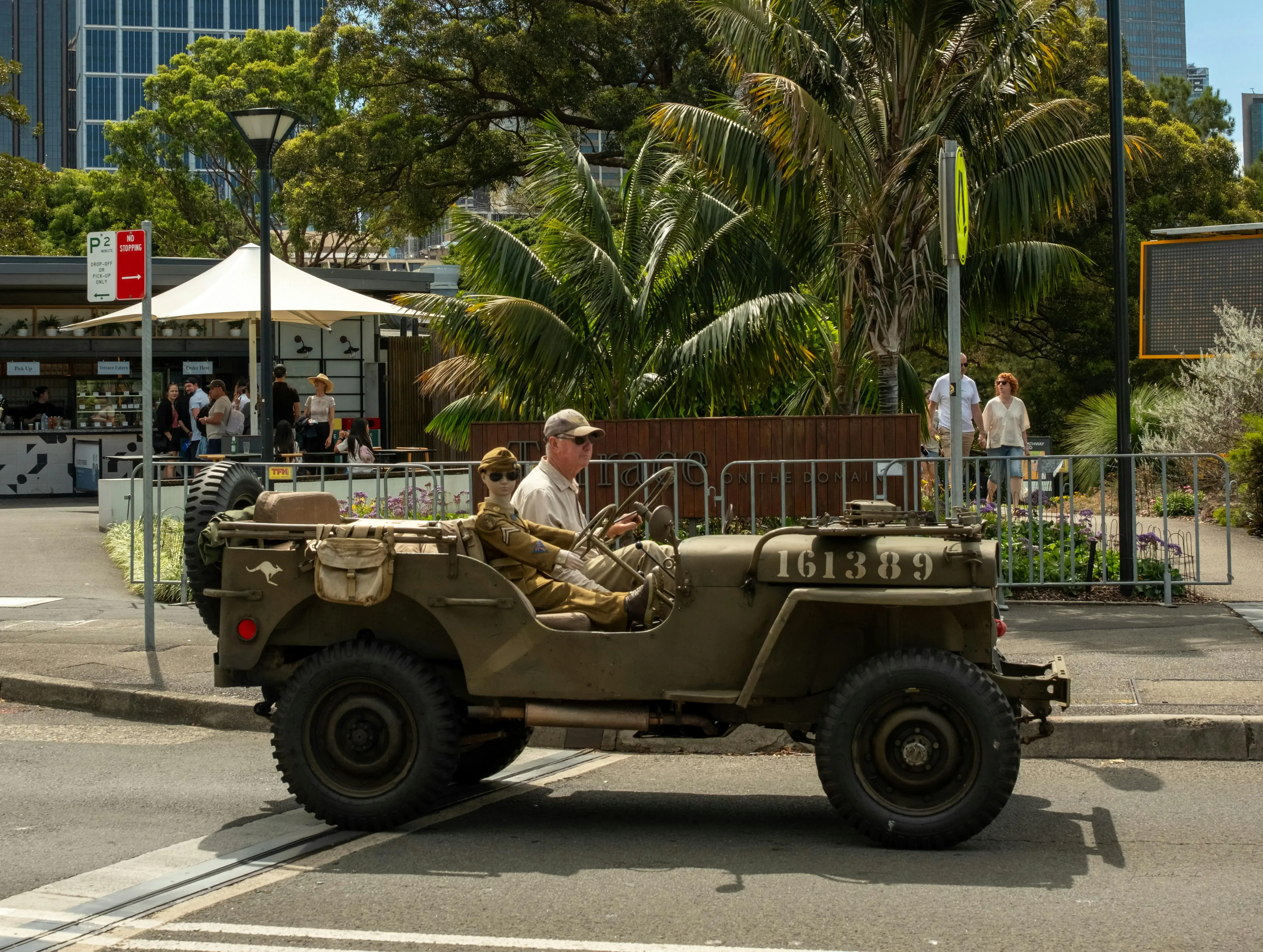

Many military families rely on two vehicles. One might be a family SUV, the other a compact commuter. When PCS orders arrive, the obvious question follows. Will the military ship both POVs, or do you have to choose.
Most regulations quietly assume a single‑car household, which rarely matches reality. This article explains how the “one POV” rule usually works, what that means for dual‑car families and how a commercial shipper like West Coast Shipping fits into the picture. For the broader context around POV definitions and OCONUS moves, see our main military POV and OCONUS car shipping PCS guide.
Does The Military Ship More Than One POV On PCS Orders?
The short answer most families encounter
In most OCONUS PCS scenarios, you will see language that looks very similar across branches. Your entitlement typically covers:
- Shipment of
one privately owned vehicle per service member or household under PCS orders
-
Movement of that POV through the Vehicle Processing Center system
-
Storage or other arrangements only in specific circumstances
This structure appears again and again in official guidance and in West Coast Shipping’s regional PCS content, such as our military car shipping to Italy guide and our military car shipping to Japan tips.
There can be narrow exceptions, but as a planning baseline it is safer to assume one government‑shipped POV and treat any additional vehicles as your responsibility.
Why the entitlement is usually limited to one POV
There are several reasons the system is built around a single POV.
-
Cost control: moving vehicles overseas is expensive, particularly when fuel and capacity tighten
-
Logistics simplicity: standardizing on one POV per family makes scheduling and documentation more predictable
-
Local conditions: many OCONUS locations have limited parking, narrow roads or good public transport, which reduces the need for multiple cars
This does not mean your second car is unimportant. It only means the government is less likely to fund its shipment. Understanding that helps you make realistic plans before you are standing at the VPC with two sets of keys.
Common Two‑Car PCS Scenarios For Military Households
Scenario 1: One POV shipped under orders, one shipped privately
For many dual‑car families, the most balanced answer is:
-
Use your official entitlement to ship the vehicle that best fits the new duty station
-
Ship the second POV privately using a commercial international car carrier
Imagine a family stationed CONUS to OCONUS with:
-
A three‑row SUV used for kids, groceries and base life
-
A compact sedan the non‑military spouse uses to commute
They might decide to:
-
Ship the SUV through the VPC under orders
-
Ship the sedan in a consolidated container with West Coast Shipping
In that case, the sedan is still a POV in the normal sense. It is simply not an entitled POV. Our international car shipping relocation services are designed for exactly this sort of “extra” vehicle.
Scenario 2: One POV shipped, one sold or stored
Another common scenario is to accept the one‑POV entitlement and build your plan around that. Here:
-
You ship the POV that makes the most sense at destination
-
You sell or long‑term store the second car in the United States
Families often choose this path when:
-
Parking at the new duty station is tight or expensive
-
Public transportation is strong enough that a second car would sit unused
-
They plan to reassess their needs and possibly buy again during or after the tour
If you are unsure which vehicle is the better fit to ship, our article on shipping your car to Germany for a PCS gives practical examples of how road size, local fuel prices and parts availability can influence that choice.
Scenario 3: Both cars sold or stored, none shipped
This scenario is less common but still relevant for some OCONUS moves. In a few locations:
-
Base transport and local transit options are strong
-
Parking is extremely limited near on‑base housing
-
The tour length is short enough that managing cars feels like more hassle than benefit
In those cases, some families choose to:
-
Sell one or both cars before the move
-
Delay any vehicle purchase until they understand their new environment
-
Plan a fresh purchase when they return to the United States
West Coast Shipping’s broader moving overseas vehicle guide notes that this can simplify logistics, though it may not be comfortable for families with longer commutes or specific mobility needs.
When Does It Make Sense To Ship A Second POV Privately?
Signs that a second car is genuinely useful, not just nice to have
It can help to step back from entitlement rules and ask whether a second car will meaningfully improve life at the new duty station. Indicators that a privately shipped second POV may be worth the cost include:
-
Both spouses will work or study in different places with limited shared commuting options
-
Children will have activities or schools at distances poorly served by base transport or public transit
-
The base is in a rural or spread‑out area where distances are significant
If none of these apply, a single POV may be enough. If several do, a second vehicle can quickly move from “luxury” to “practical tool.”
Vehicles that are especially strong candidates for private shipping
When families choose to ship a second POV privately, it is often because that vehicle has traits that are difficult to replace at destination. Examples include:
-
A reliable compact commuter with low running costs that would be expensive to buy locally
-
A well‑maintained older vehicle you know inside and out, which seems likely to be more trustworthy than a quick local purchase
-
A special‑interest car or motorcycle that you would want to keep regardless of location
West Coast Shipping’s PCS guides for Australia, South Korea and Japan all point out that local vehicle prices and options vary widely. A small, efficient car you already own may be more cost‑effective to ship than to replace.
How To Use A Commercial Shipper For A Second POV
How private POV shipping fits in alongside your PCS
A privately shipped second POV usually follows the same broad steps as any international car shipment. The difference is that you plan it around your PCS timeline and duty station.
For a dual‑car family, the combined plan might look like this:
-
Ship one POV through the VPC under PCS entitlement
-
Ship the second POV in a container with West Coast Shipping
-
Align delivery at destination so both vehicles arrive in a manageable window
Our military overseas shipping overview and international services checklist describe how these commercial shipments slot into your broader move.
Container shipping versus other methods for a second POV
For privately shipped POVs on OCONUS PCS moves, container shipping is often the default for several reasons. It:
-
Provides secure, enclosed transport that protects the vehicle from port exposure
-
Allows you to combine vehicles or mix a car with household goods, depending on regulations and your chosen service
-
Offers flexible routing and schedules that can be tuned to your PCS dates
On some routes, RoRo may also be an option, particularly for standard, unmodified vehicles. If you are deciding between methods, our article on how to use the car shipping cost calculator for international shipping explains how to compare scenarios.
Using the car import calculator to see if a second POV is realistic
The easiest way to check whether shipping a second POV is financially sensible is to run real numbers. West Coast Shipping’s car import calculator lets you:
-
Choose your origin country and preferred US or foreign port
-
Enter an estimated vehicle value
-
See estimated freight, duties and key fees for that lane
You can then compare:
-
The cost of shipping your second POV
-
The likely cost of selling it and buying a comparable vehicle at your duty station or on return
Please note that these are approximate estimates and should not be considered final prices. Actual costs may vary depending on vehicle type, shipping method, and market conditions. For an accurate quote, use our car import calculator or contact our team directly.
Questions To Ask Before Deciding On A Second POV Shipment
Questions for your transportation office
Before you commit to any plan, it is worth clarifying your entitlements. Your transportation office or personal property office can help you understand:
-
Whether your orders authorise one POV or include any special provisions
-
Which vehicle types and sizes they will accept under your orders
-
Deadlines for scheduling and turning in an entitled POV
Bringing concrete details such as make, model, weight and photos of any modifications can make that conversation more productive.
Questions for a commercial shipper
Once you know what the government will and will not cover, the next step is to talk with a shipper about the second vehicle. West Coast Shipping can answer questions such as:
-
Which ports and lanes are most cost‑effective for your second POV
-
Whether container sharing with other vehicles can reduce your costs
-
How long the transit will likely take on your route
Our military vehicle shipping PCS guide provides a useful framework if you want to think through those questions before you call.
How This Fits Into Your Larger POV And OCONUS Strategy
Connecting one article to the full POV and OCONUS picture
Thinking about a second POV in isolation can make the decision feel larger than it really is. In reality, it sits inside a much wider set of questions about:
-
What counts as a POV in the first place
-
How OCONUS status changes vehicle rules and options
-
Whether you plan to bring vehicles back at the end of your tour
Our main military POV and OCONUS car shipping PCS guide covers those issues in more depth so that this article can stay focused on the specific “Can I ship more than one POV” question. Reading them together can give you a more complete roadmap.
Get A PCS‑Ready Cost Estimate For A Second POV
Multiple vehicles are a fact of life for many military families, even though PCS regulations still largely assume a one‑car household. Once you understand that your orders are likely to cover one POV, not two, the key questions become practical rather than theoretical. Which car should move under entitlement. Which, if any, is worth shipping privately. Which might be better sold or stored.
If you are weighing those options for your household, the next step is to move from guesses to numbers. You can start by running your second POV’s route and estimated value through West Coast Shipping’s car import calculator to see approximate freight and fee ranges. From there, our team can help you compare shipping versus selling, choose ports and methods, and build a PCS‑aligned timeline so that your vehicles support your new posting rather than complicate it.

What Counts As A POV In The Military For PCS Car Shipping

Military POV & OCONUS Car Shipping: PCS Guide 2026