
PCS orders always bring a lot of moving parts. You have to think about dates, housing, family routines and paperwork, often all at once. Right behind those decisions comes a more practical concern. What happens to your cars.
Military acronyms and entitlements can make it difficult to see clearly where your privately owned vehicle sits in the plan, especially when you own more than one car or you are headed overseas under OCONUS orders. This article breaks down three of the most common questions West Coast Shipping hears from service members and spouses and shows how official POV benefits and private car shipping can work together rather than against each other.
What Does POV Mean In The Military (And What Counts As A POV For Shipping)?
In everyday conversation, a car is a car. In military logistics, it becomes a POV, and that small change in language can have big implications for what the government will ship for you and what you may need to move privately.
What “POV” Means In Military Context
Within the military, POV stands for privately owned vehicle. It refers to the car, truck, SUV or motorcycle that belongs to you or your command‑sponsored dependents, and which you use for personal and family transportation, not for official missions.
Typically, a POV:
-
Is titled or registered to you, your spouse or another command‑sponsored dependent
-
Is used for day‑to‑day commuting, errands and family trips
-
Falls within size and weight limits set by your branch and regulations
West Coast Shipping’s military vehicle shipping guide uses the term POV consistently because it is the language your transportation office and the Defense Transportation Regulation use when describing entitlements.
Still not totally sure whether your vehicle actually qualifies as a POV under PCS rules. Take a closer look at our guide on what counts as a POV in the military for PCS car shipping for clear definitions and examples
What Usually Counts As A POV For Shipping
In practice, transportation offices tend to recognize the following as POVs when they review PCS orders and entitlements:
-
Sedans, hatchbacks and wagons used as primary family vehicles
-
SUVs and crossovers within normal size and weight limits
-
Pickup trucks that meet length and weight thresholds
-
Motorcycles and scooters registered for on‑road use
The common thread is that these vehicles are roadworthy, legally registered and used as part of normal family life. They are the cars you would want at your new duty station for commuting and everyday tasks.
West Coast Shipping’s military overseas shipping overview reflects this pattern when it explains how PCS car shipment typically focuses on the one vehicle your family relies on most.
What Usually Does Not Count As A POV
On the other side are vehicles that you own, but which often sit outside formal POV shipment rules. These can include:
-
Project cars that do not currently run or pass inspection
-
Track‑only cars without registration or plates
-
Oversized commercial trucks or vans above weight or dimension limits
-
Additional vehicles beyond the number your orders or branch regulations allow
It is still possible to move these vehicles when you relocate. The difference is that they are usually treated as privately shipped cargo rather than as part of your government‑funded POV entitlement. That is where commercial international car shipping, and tools like West Coast Shipping’s car import calculator, start to matter alongside your official PCS logistics.
Can I Ship More Than One POV On A PCS? Options For Dual‑Car Military Families
Many military households rely on two vehicles. One spouse may commute in a compact car while the other uses a larger SUV for kids and errands. When PCS orders arrive, it is natural to ask whether the military will ship both cars or only one, and what options exist for the second vehicle.
Why Most Entitlements Assume One POV
Although exact rules vary by branch and orders, most overseas PCS entitlements are built around one POV per service member or per family. That structure reflects a long‑standing assumption that the government will:
-
Pay to ship one primary privately owned vehicle to or from an OCONUS duty station
-
Expect families to drive or otherwise move additional vehicles at their own expense
-
Provide local or on‑base transportation options that reduce dependence on multiple cars
Within CONUS, the default expectation is often that you will drive your own POV to the new duty station. Overseas is where shipping a car becomes unavoidable and where the “one POV” rule shows up most clearly.
Articles like West Coast Shipping’s military car shipping to Italy PCS guide and military car shipping to Japan tips take that structure for granted when they explain how your official POV shipment works and how to prepare for it.
Want to see how other families handle one government‑shipped POV plus a second car moved privately. Check out our step‑by‑step dual‑car military family PCS guide on shipping two POVs to understand your options
Common Multi‑Vehicle Scenarios For Military Families
The regulations might imagine a one‑car household. Everyday life often looks different. In practice, families tend to fall into a few common patterns when they own more than one POV.
Scenario 1: One POV Shipped Under Entitlement, One Shipped Privately
In this scenario:
-
The military ships the most practical or regulation‑friendly vehicle under your PCS orders
-
You decide the second car is important enough to move at your own expense
Examples include:
-
Shipping the family SUV under entitlement and privately shipping a small commuter car
-
Using your entitlement on a daily driver and hiring a commercial shipper like West Coast Shipping for a classic or performance car
This arrangement is common for dual‑car families headed to long OCONUS tours where going down to one car would feel restrictive.
Scenario 2: One POV Shipped, One Sold Or Stored
Some families look at the numbers and local conditions and decide that one car is enough. In that case:
-
The government ships the vehicle that best fits your new duty station
-
You sell the second vehicle before departure or store it in the United States
Service members often choose this route when they are moving to dense urban posts with limited parking or when they plan to rethink their vehicle mix once they understand the new area.
Scenario 3: No POV Shipped, Both Sold Or Stored
This is less common, but it does appear in certain locations. Some OCONUS assignments offer strong public transportation or on‑base options that reduce the need for a car altogether. In those cases:
-
Families sometimes sell or store all vehicles before departure
-
They plan to buy locally if needed, or to purchase again after they return to the United States
West Coast Shipping’s broader international relocation guide notes that this approach can simplify logistics but will not suit everyone, particularly families with children or off‑base housing.
When A Commercial Shipper Makes Sense For The Second POV
If your entitlement is limited to one POV but you know two vehicles will genuinely make life easier at your next duty station, bringing in a commercial shipper can be a practical compromise.
In that setup:
-
You use your official PCS shipment for one POV
-
You treat the second vehicle as a standard international car shipment and pay for that move directly
West Coast Shipping’s international car shipping and relocation services are designed to sit alongside official shipments, not to replace them. They can:
-
Route the second car from the same origin area to the same or a nearby port
-
Use container shipping or RoRo depending on vehicle type and budget
-
Time the shipment to arrive near your PCS window rather than months before or after
If you are unsure whether a second POV is realistic within your PCS budget, you can use the car import calculator to:
-
Enter origin, destination and vehicle value
-
Compare containers versus other options on key routes
-
Get a first pass at freight, duty and fee ranges
Please note that these are approximate estimates and should not be considered final prices. Actual costs may vary depending on vehicle type, shipping method, and market conditions. For an accurate quote, use our car import calculator or contact our team directly.
OCONUS Meaning In The Military: What It Means For Your Car, Not Just Your Orders
Most service members quickly learn that OCONUS stands for “outside the continental United States.” It is easy to treat that acronym as strictly about people and orders. In practice, OCONUS status also shapes how your POV moves, what rules it faces at destination and how you might bring a car back at the end of your tour.
What OCONUS Actually Means For Vehicle Shipping
When your assignment is OCONUS, your car moves from a simple road‑trip asset to an international shipment. That shift brings several practical changes.
For your vehicle, OCONUS orders usually mean:
-
You will rely on ocean or, in some cases, air freight rather than driving to the new post
-
Shipping timelines will include port handling, vessel schedules and customs steps
-
Destination‑country regulations on registration, inspections and taxes will matter alongside US rules
West Coast Shipping’s military overseas shipping overview and country‑specific guides for South Korea, Japan and Australia show how the same POV concept interacts with different local regulations in each location.
If you are trying to decide whether your current POVs make sense for narrow European streets, Pacific island posts or other overseas bases, you can walk through practical examples in our article on OCONUS meaning in the military and what it means for your car.
How OCONUS Status Affects Which Car You Should Ship
OCONUS orders can change not just how you ship a car, but which car you should ship. It seems obvious, but many families only realise this after looking at photos of their new area or talking to others who have served there.
Useful questions to ask include:
-
What are the roads like near my new duty station
-
How tight is parking in nearby cities or housing areas
-
Are fuel prices significantly higher than what I am used to
-
Are parts and service readily available for my current vehicles
For instance:
-
A large full‑size truck might be difficult to park and maneuver in some European or Japanese cities
-
A compact sedan or hatchback may be ideal in dense urban postings
-
In rural posts with long drives, an SUV or truck can still make sense, especially if you regularly carry gear or family members
West Coast Shipping’s general moving overseas vehicle guide suggests thinking about your next three years of daily drives, not just the shipping cost, when deciding which POV to send on OCONUS orders.
OCONUS, Buying A Car Overseas And Bringing It Back
OCONUS tours often expose you to vehicles that were never sold in the United States or that are configured differently from US‑market models. That exposure raises a new question. If you buy a car overseas while on orders, can you bring it home later.
There are two broad categories here.
Bringing Back A US‑Spec Vehicle
If the car you bring back is a US‑spec vehicle that originally met US standards:
-
It typically returns under a more straightforward import process
-
You still need export paperwork from the foreign country and import filings when you arrive back in the US
-
You may need to address any modifications that would affect emissions or safety before re‑registration
West Coast Shipping handles this kind of “returning US vehicle” frequently in its international relocation services.
Bringing Back A Foreign‑Market Vehicle
If you buy a foreign‑market car while OCONUS, the rules are stricter. Often, your options are:
- Wait until the car is at least 25 years old so it qualifies under the 25‑year rule
- Investigate whether it has a US‑equivalent model that could qualify under more complex compliance pathways
The classic cars eligible in 2026 guide and the buy now or wait timing guide show why some OCONUS service members intentionally target older, soon‑to‑be‑eligible cars when they are thinking ahead to their eventual return to the United States.
Using A Commercial Shipper Alongside OCONUS Entitlements
Your OCONUS orders will specify what the military will cover. In many cases, that includes:
-
One POV shipped under entitlement
-
Household goods within weight limits
-
Travel arrangements for you and your family
If your real‑world needs go beyond that, a commercial shipper becomes a useful complement to your entitlements. For example, you might:
-
Ship one POV under orders and another privately
-
Move a motorcycle or classic that the government will not ship
-
Time a privately shipped vehicle to arrive earlier or later than your official shipment, depending on housing and storage plans
West Coast Shipping’s international car shipping services checklist and car shipping calculator guides explain how to:
-
Choose between container and RoRo for your particular vehicle
-
Read and interpret calculator results
-
Ask the right questions about ports, transit times and delivery options
By combining official PCS benefits with private shipping where it adds real value, you can tailor your OCONUS move to your actual household, not just to the most basic entitlement structure.
Get A PCS‑Ready Cost Estimate For Your Military POV Or OCONUS Vehicle
Once you know how many vehicles your orders will cover and which ones you actually want at your next duty station, the remaining questions are mostly practical. What route should each car take. Which method of transport is best for its value and use. How does a privately shipped second POV fit into your PCS budget.
You can start answering those questions by running your lane and vehicle value through West Coast Shipping’s car import calculator. That will give you an estimated range for freight, duty and key fees on privately shipped vehicles, alongside your official POV entitlement. From there, the West Coast Shipping team can help you choose ports, methods and timelines so your vehicles arrive where you need them, in a way that supports both your orders and your family’s day‑to‑day life at the new duty station.

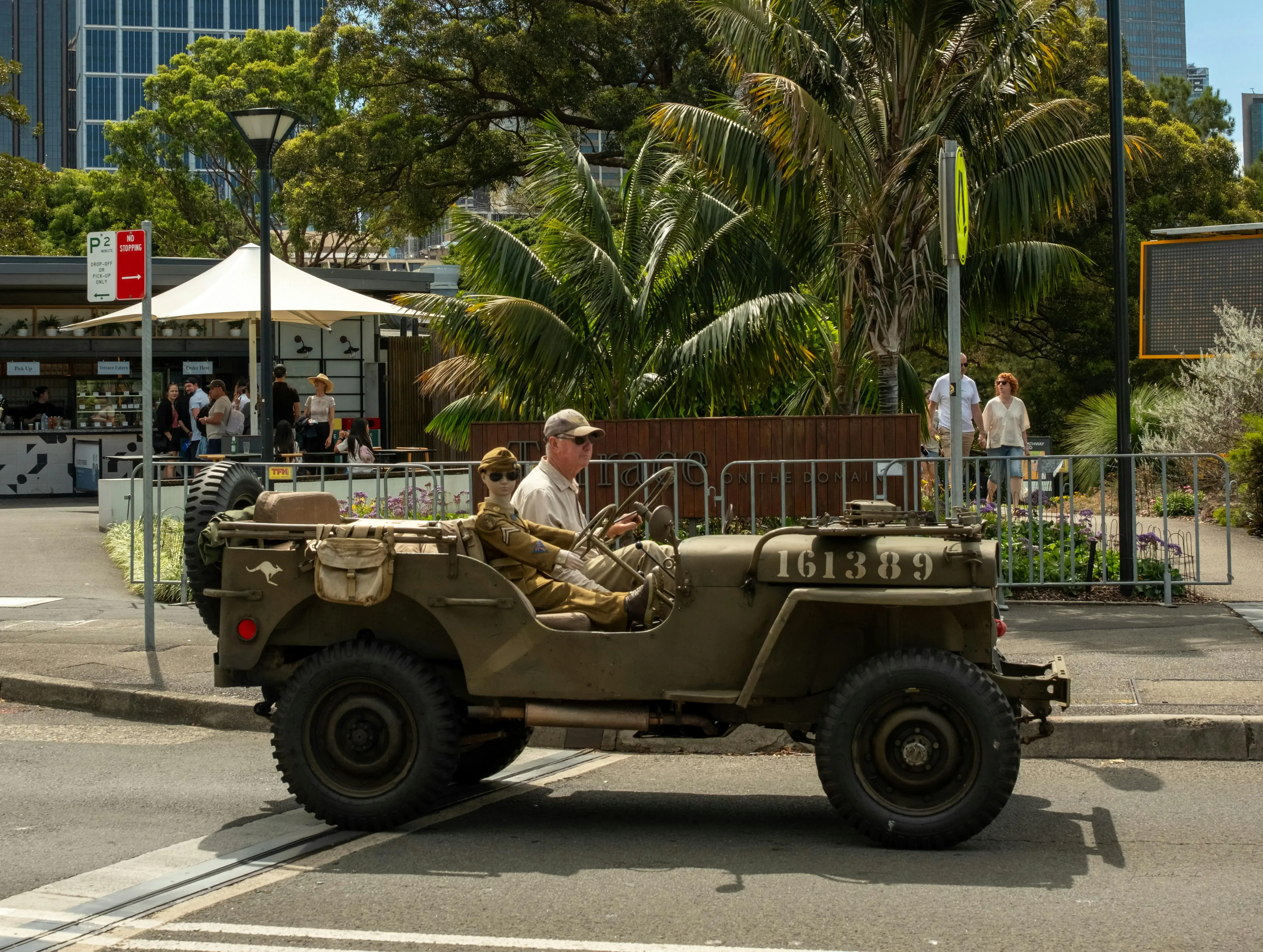
OCONUS Meaning For Your Car: Military PCS Vehicle Guide
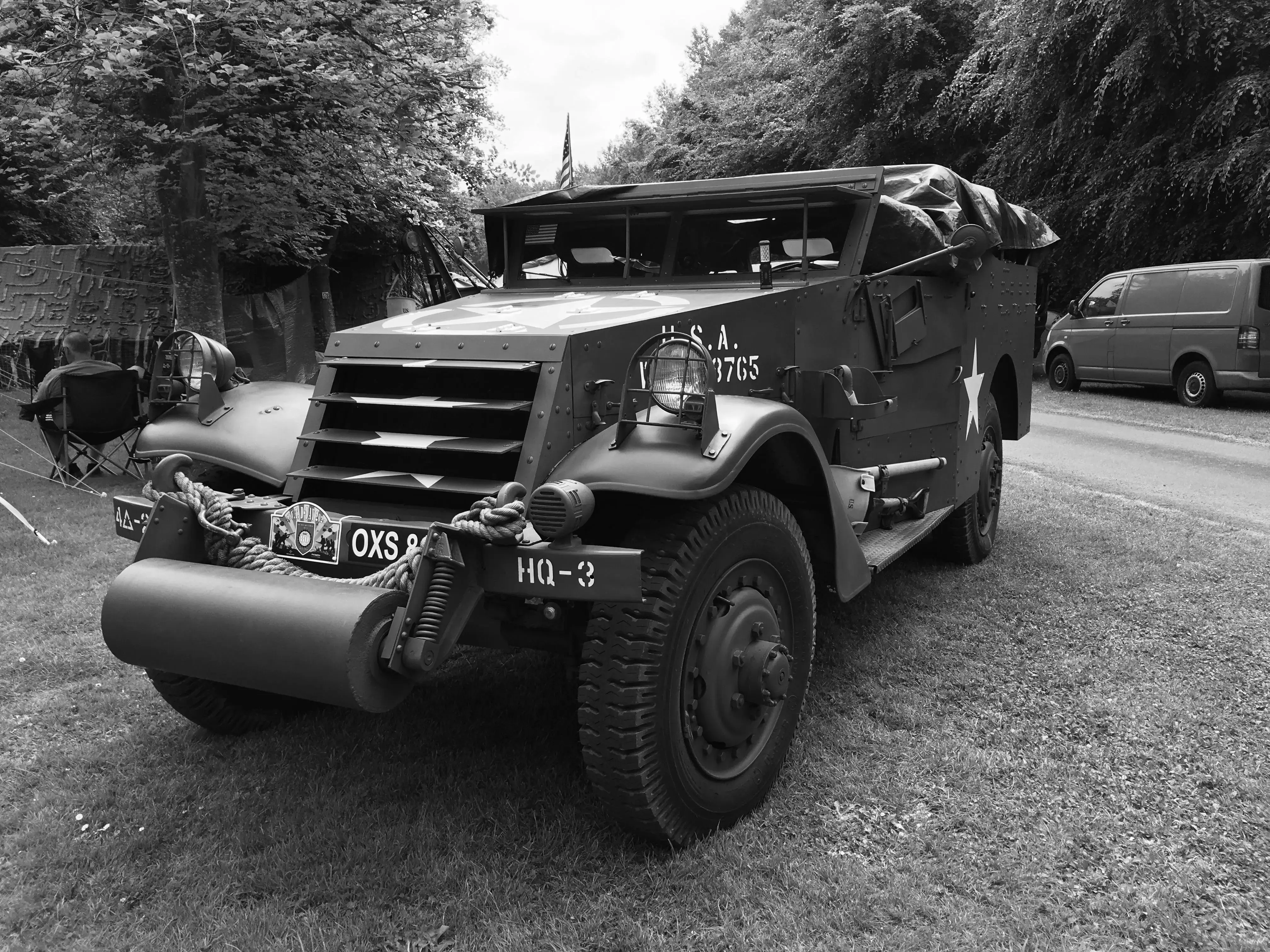
What Counts As A POV In The Military For PCS Car Shipping