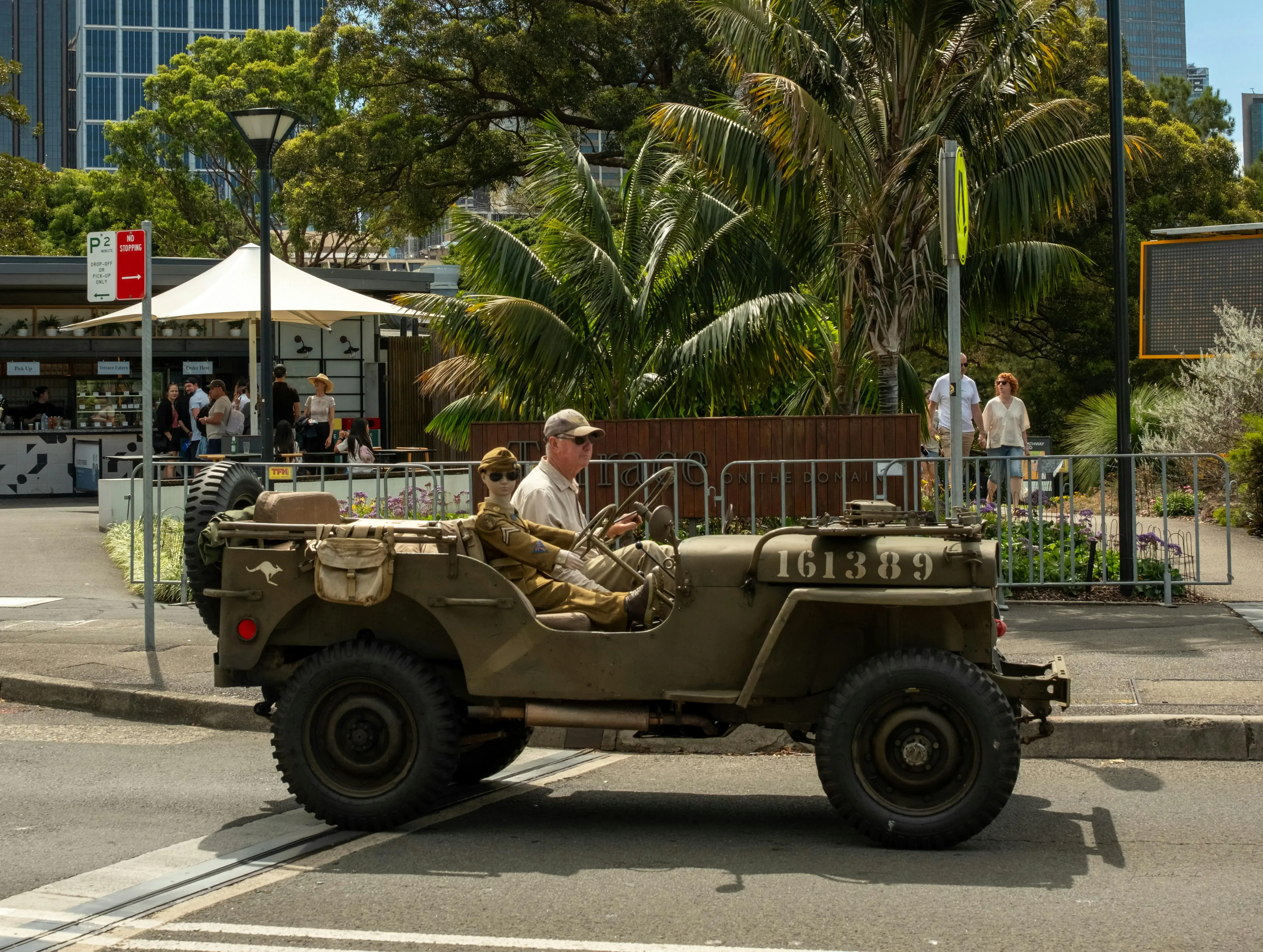

When PCS orders arrive, the acronyms come fast. POV sits near the top of that list, and understanding it early can save you time, stress and money.
If you know exactly what the military treats as a privately owned vehicle, it becomes much easier to see which car the government will ship, which one it will not, and where a commercial shipper like West Coast Shipping fits into your PCS plan. For the bigger picture on POVs, OCONUS moves and dual‑car families, this article connects directly to our main military POV and OCONUS car shipping PCS guide.
What “POV” Means In Military Language
Basic definition: privately owned vehicle
In military logistics, POV stands for privately owned vehicle. It is the car, truck, SUV or motorcycle that belongs to you or your command‑sponsored dependents and that you use for personal and family transportation.
In practical terms, a POV is usually:
-
Titled or registered to you, your spouse or another dependent listed on your orders
-
Roadworthy and legal to operate at your current duty station
-
Used primarily for commuting, errands and family travel, not as a mission asset
This definition underpins how the Vehicle Processing Center (VPC) system and your transportation office talk about entitlements. West Coast Shipping’s military vehicle shipping guide uses the same language because it matches how the Defense Transportation Regulation describes POV shipments.
Why the POV definition matters for shipping
Understanding what POV means is not just academic. It directly affects:
-
Whether the government will ship your car under PCS orders
-
Whether you need to arrange separate transport for additional or unusual vehicles
-
Which rules and timelines apply to your car at the VPC
For example, a sedan titled to your spouse and used as the family daily driver fits cleanly inside the POV category. A track‑only project car you store on base does not, even though you own both.
What Typically Counts As A POV For PCS Shipping
Everyday vehicles that usually qualify
Most of the time, the following vehicle types are treated as POVs for PCS shipping when they meet size and weight limits:
-
Passenger cars: sedans, hatchbacks and wagons
-
SUVs and crossovers used as primary family vehicles
-
Light pickup trucks within branch length and weight limits
-
Motorcycles and scooters that are registered for on‑road use
The common pattern is simple. If you can legally drive it on public roads, use it for everyday transportation and it is tied to you or your dependents on paper, it likely qualifies as a POV in the way your orders use that term.
West Coast Shipping’s regional PCS articles, such as ship your car to Germany (military guide) and military car shipping to Japan, assume this standard mix of cars, SUVs and light trucks when they outline documents and timelines.
Basic conditions most POVs must meet
Different branches phrase it in different ways, but most POV shipping programs expect the vehicle to be:
-
Operational: it should start, run and stop under its own power
-
Safe: no major leaks, broken glass or obvious safety defects
-
Clean: interior and exterior cleaned for customs and agricultural checks
-
Documented: proper title, registration and ID to prove ownership
Pre‑shipment checklists like West Coast Shipping’s prepping your car for military shipment echo these points, because they are common reasons for delays at VPCs and ports.
What Usually Does Not Count As A POV For Entitled Shipping
Vehicles that tend to fall outside standard POV rules
There are plenty of vehicles you might own that do not comfortably fit inside the POV definition for government‑funded shipment. These often include:
-
Non‑running project cars or restoration shells
-
Track‑only or race cars without registration
-
Oversized commercial trucks or vans beyond POV size limits
-
Extra vehicles beyond the one POV entitlement your orders allow
You may still be able to ship these vehicles, but they usually sit outside the government’s budget and timeline. In those cases, they are treated more like regular international cargo, and you decide whether they are worth shipping at your own expense.
West Coast Shipping’s shipping motorcycles, ATVs and more on military orders guide shows how some smaller vehicles can sometimes be combined with POV entitlements, but it also makes clear where the line tends to fall.
Why some “borderline” vehicles are rejected as POVs
Even if a vehicle is technically yours and can move, it may still fall outside what the military will handle as a POV. Common reasons include:
-
Weight above the program’s limit for a light passenger vehicle
-
Extensive lift kits or oversize tyres that move the vehicle out of spec
-
Cargo or commercial configurations that make it more like a work truck than a family car
In those cases, you might still ship the vehicle, but you would likely use a commercial carrier for that leg. West Coast Shipping’s international car shipping relocation services are designed to sit alongside, not replace, what the government does for your primary POV.
One POV Versus Multiple Vehicles: How The Definition Plays Out
Why entitlements usually cover one POV
The formal definition of POV interacts with a second rule that matters just as much. For OCONUS PCS moves, current guidance usually provides for:
-
One POV per service member or household at government expense
-
Additional POVs only at your expense, even if they meet all other POV criteria
West Coast Shipping’s military overseas shipping guide summarises this as “government‑sponsored transport” for a single vehicle, with private options available for any others.
This means:
-
Your daily driver SUV might ship under your orders
-
Your spouse’s compact car is still a POV, but it probably is not a government‑funded POV
-
A privately shipped POV is still a POV, just not an entitled one
Multi‑car families and practical decisions
Once you know only one POV is likely to ship under your orders, the definition of POV becomes partly a planning tool. You can ask:
-
Which vehicle makes the most sense to send through the VPC under entitlement
-
Which one, if any, should be shipped privately alongside your move
-
Which vehicles would be better sold or stored in the United States
Our main military POV and OCONUS PCS guide walks through those decisions across different posting types, from small European bases to Pacific island assignments.
POV Status And How The Vehicle Is Shipped
Government‑sponsored POV shipments
When your vehicle is treated as an entitled POV under PCS orders, the move typically runs through the VPC network. In that model:
-
The government books space with its contracted carrier
-
You turn your POV in at a designated processing center
-
Transit timelines follow standard military shipping windows
That approach is cost‑effective for the government but less flexible for you. Timings, ports and methods are largely pre‑set.
Commercial POV shipping alongside your PCS
A vehicle does not stop being a POV just because the government is not paying to move it. Within standard military shipping terms, a Privately Owned Vehicle (POV) can still be shipped outside of your entitlement. If you decide to ship an additional POV privately, it will usually move like any other international car shipment.
West Coast Shipping can:
-
Arrange container shipping from a US port to your overseas duty location or back to the US when you rotate home
-
Coordinate pickup from your base or off‑base residence where feasible
-
Work around your PCS timeline rather than only the standard VPC schedule, aligning with flexible military shipping needs
For example, you might:
-
Use your entitlement to ship a family SUV through the VPC
-
Ship a second POV, such as a sports car or motorcycle, in a shared container through West Coast Shipping
If you want to see whether shipping that second POV is realistic within your PCS budget, you can plug your origin, destination and estimated vehicle value into the car import calculator to get an instant estimate of freight and fees.
Please note that these are approximate estimates and should not be considered final prices. Actual costs may vary depending on vehicle type, shipping method, and market conditions. For an accurate quote, use our car import calculator or contact our team directly.
How To Check Whether Your Vehicle Qualifies As A POV
Questions to ask your transportation office
If you are not sure whether a specific vehicle counts as a POV under your orders, a short, focused conversation with your transportation office or personal property office can help. Understanding how your situation fits within military shipping terms POV guidelines can clarify eligibility. Consider asking:
-
Does this vehicle fall within current POV size and weight limits
-
Will the VPC accept this type of vehicle for shipment under my orders
-
Do my orders authorise one POV or more, and are there any restrictions noted
It may be useful to bring:
-
Basic specs such as length, weight and height
-
Photos that show modifications, if any
-
Registration and title details
Answers to those questions will tell you whether your vehicle is eligible under the government’s POV rules, and whether it can be shipped as your entitled POV or only as a privately arranged shipment.
How West Coast Shipping can help confirm the practical side
Once you know how your command views the vehicle, a second conversation with a commercial shipper can clarify the rest. West Coast Shipping can:
-
Confirm which ports and shipping methods fit your vehicle and duty station
-
Explain how a given vehicle size or configuration affects container loading
-
Provide transit‑time expectations based on recent military and civilian shipments to similar destinations
Our military vehicle shipping guide and regional PCS articles can give you an initial sense of how your vehicle compares with common POVs already moving on those routes.
Get A PCS‑Ready Estimate For Your POV Or Extra Vehicle
When you strip away the acronyms, a POV in the military is simply your privately owned vehicle as the regulations define it. Knowing what falls inside that definition, and what sits outside, is the key to understanding which car will ship under your orders and which one will need a separate plan.
If you already have orders in hand and at least one vehicle in mind, you can begin by running your route through West Coast Shipping’s car import calculator. That will give you an estimated cost range for privately shipped vehicles, whether they are additional POVs or non‑standard cars that fall outside official programs.
From there, our team can help you align your entitled POV shipment with any private moves, choose ports and methods that match your new duty station, and build a timeline that keeps your vehicles and your family on the same PCS page.

.webp)
Can I Ship Two POVs On A PCS? Dual‑Car Military Family Guide
Military POV & OCONUS Car Shipping: PCS Guide 2026