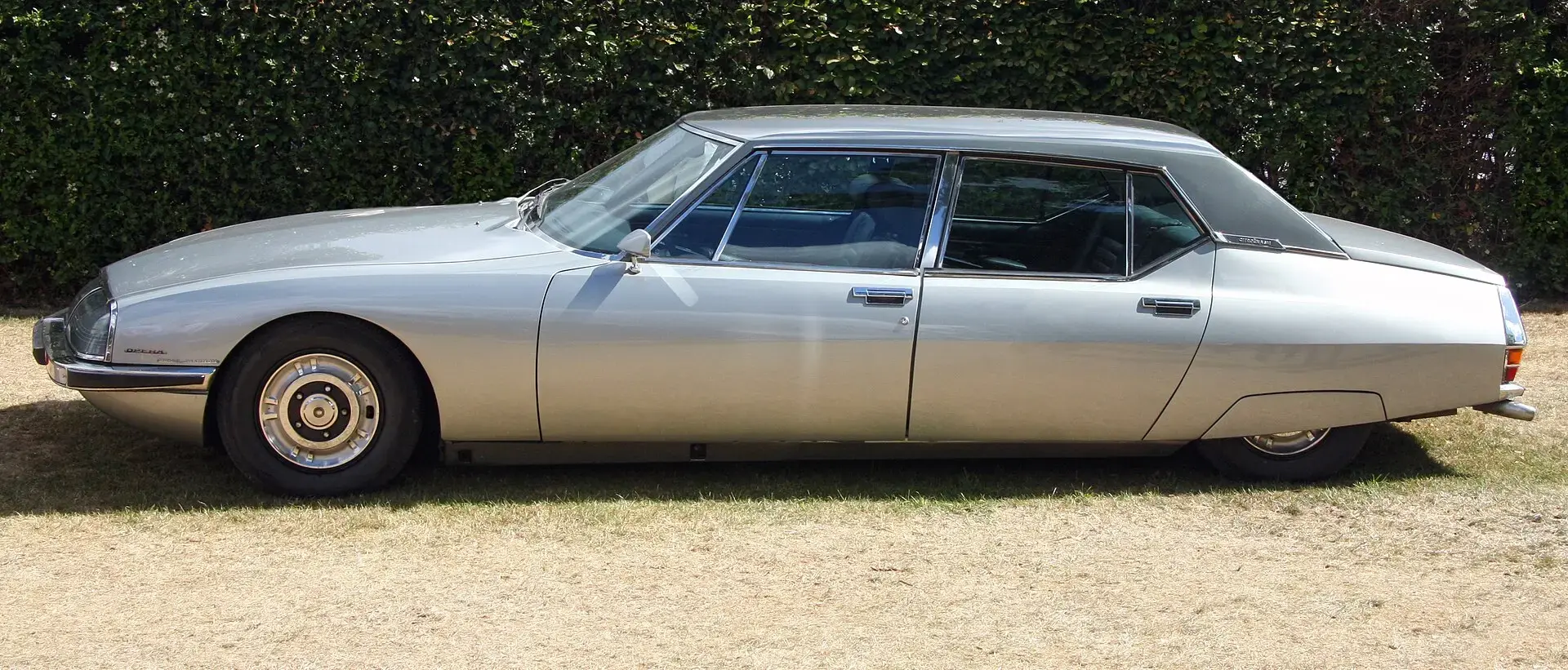

Citroën’s DS and SM are two of the most distinctive hydraulic classics available to US buyers under the 25‑year rule. Both combine the brand’s signature hydropneumatic suspension with avant‑garde styling, and both are now firmly age‑eligible for US import. Yet they occupy very different positions on the spectrum of cost, complexity, rarity, and everyday usability.
This article compares DS and SM specifically from a 2026 US‑import perspective: acquisition and running costs, mechanical risk, parts and specialist support, and how each car behaves once it is on American roads. For a fuller backstory on how the DS evolved and how the SM fits alongside it, refer to the main feature on Citroën DS & SM imports, evolution, specs, and US value in 2026. When you are ready to plan logistics, the international car shipping page outlines how West Coast Shipping moves French hydraulic classics from Europe to the US.
The Basics: What Sets DS and SM Apart?
Citroën DS: Hydropneumatic Sedan, Comfort‑First
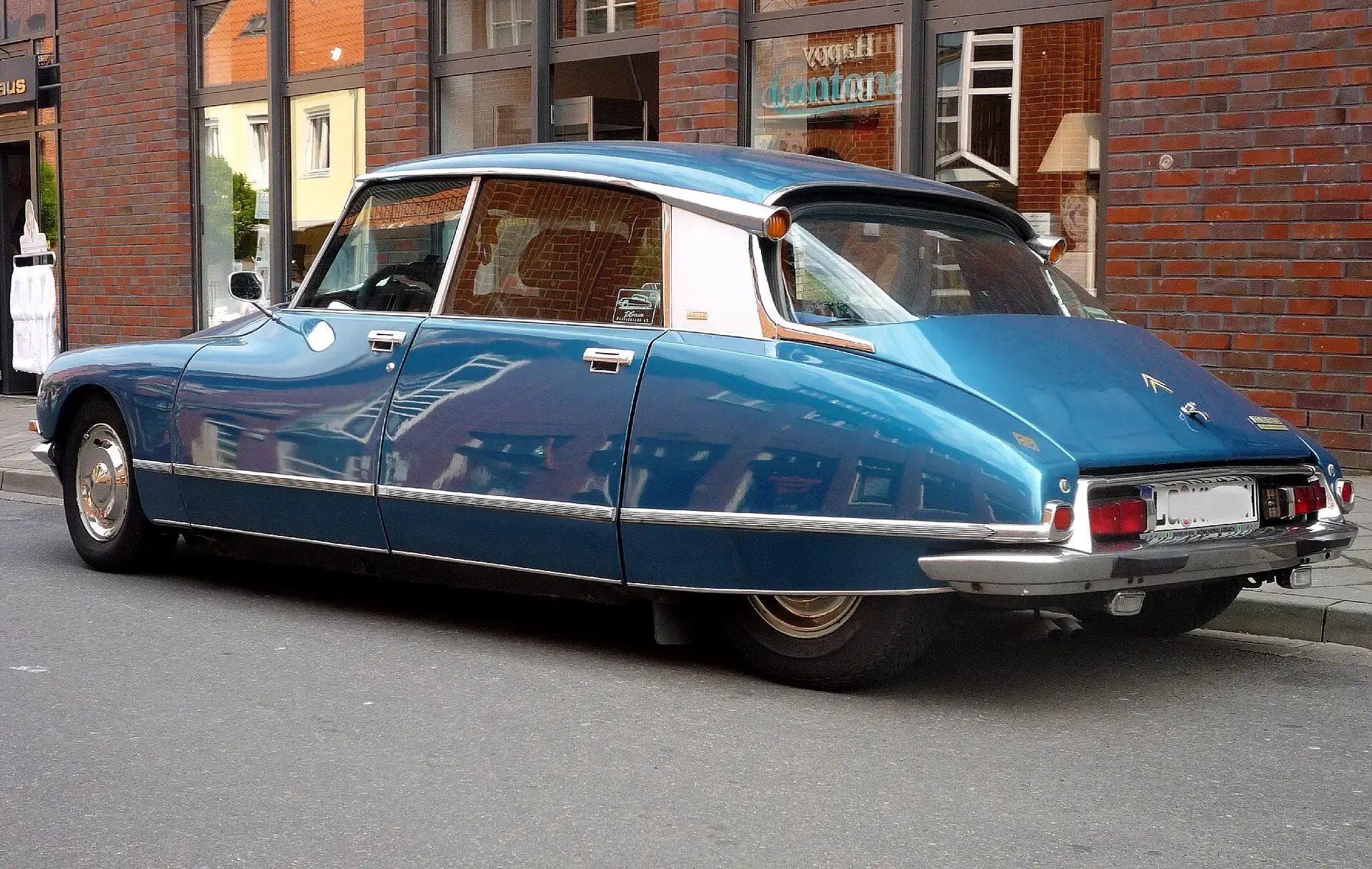
The DS (1955–1975) is a front‑wheel‑drive, four‑door (plus wagon) platform that built Citroën’s hydropneumatic reputation:
-
Self‑leveling hydropneumatic suspension prioritizing comfort and stability.
-
Engines that, while not fast by modern standards, are sufficient for relaxed touring when you choose later DS21 or DS23 variants.
-
A cabin layout and seating position that make the car feel like a long‑distance cruiser rather than a sharp‑edged GT.
For US buyers, the DS—especially in later DS 23 Pallas form—is usually considered the “usable luxury classic” in the Citroën hydropneumatic family, something the WCS article Why You Should Find & Import a Citroën DS to the States emphasizes repeatedly.
Citroën SM: Maserati‑Powered GT, Performance‑First
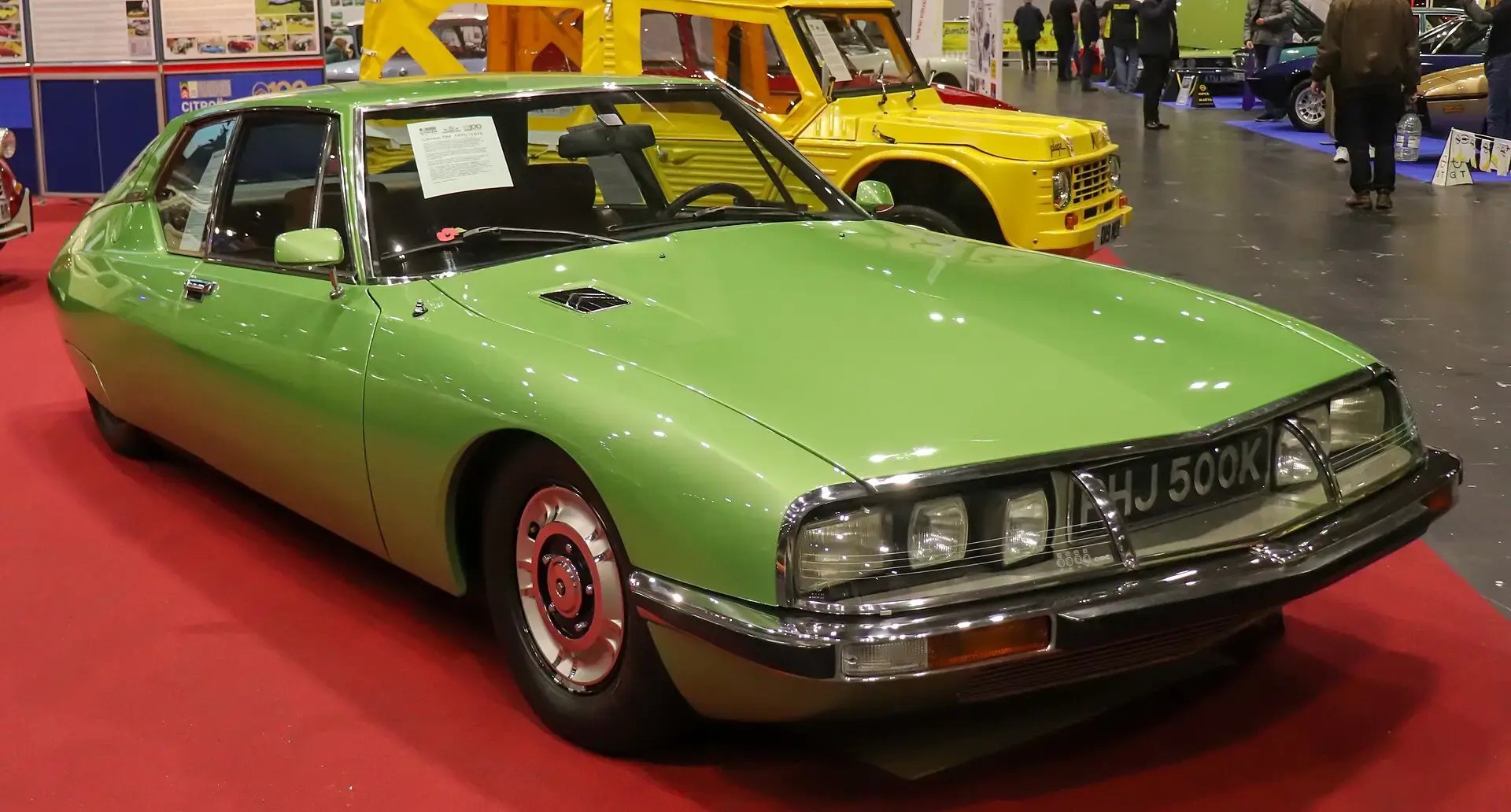
The SM (early 1970s) takes that same hydraulic DNA and combines it with a Maserati‑derived V6 in a sleek coupé body:
-
A more powerful engine and GT gearing aimed at high‑speed European touring.
-
Advanced steering and braking systems that build on DS principles but add complexity.
-
A more exotic profile and lower production numbers, putting it firmly in the “headline car” category at US shows and events.
Where the DS aims to float down the road, the SM aims to cover ground quickly while still feeling distinctly Citroën. That dual nature is exactly what makes it appealing—and more demanding—than the DS from an ownership standpoint.
Purchase Price and Market Position in 2026
DS: Still Undervalued Relative to Its Design and Comfort
In 2026, the DS remains relatively affordable compared with its cultural and historical significance:
-
Good driver‑grade DS21 and DS23 sedans from France and Western Europe often sit in the mid‑five‑figure range, depending on condition and trim.
-
Top‑tier DS 23 Pallas cars with documented hydraulic and body restoration can climb higher, but still undercut many German, British, and Italian peers.
-
Wagons and rare coachbuilt cars command premiums but offer unique practicality or style.
WCS’s coverage of European sourcing in pieces like Import a Car from France: Your Guide to International Shipping and How Much Does It Cost to Import a Car from France to the US consistently notes that DS pricing leaves room for restoration and shipping while still making sense overall.
SM: Higher Buy‑In and Thinner Market
By contrast, SMs:
-
Typically start higher than comparable DS cars when condition and originality are similar.
-
Show a wider spread between driver‑grade cars needing work and fully sorted examples from specialist restorers.
-
Have a smaller market, which can make both buying and selling more sensitive to timing and venue (for example, European vs US auctions).
For buyers, this means the SM tends to be a “second or third” classic in a collection rather than a first plunge into French hydraulics. It is best approached when budget and time are available to deal with the extra complexity.
Complexity, Risk, and Running Costs
DS: Complex Suspension, Manageable Overall Package
The DS is not a simple car, but its complexity is concentrated:
-
Hydropneumatic suspension, brakes, and steering demand good maintenance; neglect here can become expensive.
-
Engines and gearboxes, while quirky, are fundamentally robust and well understood by specialists.
-
Parts support for DS and ID variants is strong, with multiple European suppliers focused on hydraulic components and body panels.
For US owners, this generally translates into:
-
Predictable running costs once the hydraulic system is brought up to a solid baseline.
-
Access to parts and knowledge through global DS clubs and European specialists.
-
The option to treat a DS as a regular weekend car rather than a fragile museum object, provided maintenance is kept current.
SM: Hydraulics Plus Maserati V6
The SM adds an additional layer of complexity:
-
The same basic Citroën hydraulic philosophy (suspension, steering, brakes), with SM‑specific tuning and components.
-
A Maserati V6 with timing‑chain and lubrication needs that must not be ignored.
-
Unique body, interior, and glass components that can be harder and more expensive to source than equivalent DS parts.
For US buyers, this leads to:
-
Higher risk of large, surprise bills if the car arrives with unknown or poorly documented history.
-
The necessity of having either:
-
A trusted SM specialist within reach, or
-
A willingness to ship the car to one for major work.
-
-
A running‑cost profile that usually makes the SM more of a special‑occasion GT than an every‑weekend cruiser.
In short: every SM is a statement car. It can be spectacular when right, but it demands more caution at the buying stage and more contingency in the ownership budget.
Everyday Usability and Driving Experience in the US
DS: Comfortable, Versatile, and People‑Friendly
On US roads:
-
A well‑sorted DS 21 or DS 23 Pallas can comfortably run at typical interstate speeds without feeling strained.
-
The ride quality remains unusually good even by modern standards, especially on poor pavement.
-
The four‑door layout and generous seating make it easy to share with family and friends.
That practicality is why WCS’s DS‑focused guide encourages many first‑time French‑classic importers to start with a DS rather than jump straight into an SM. It lets owners enjoy the hydropneumatic experience in a more forgiving package.
SM: Faster, Sharper, and More Demanding
The SM rewards a different kind of use:
-
Stronger acceleration and higher‑speed stability make it more at home on open highways and sweeping roads.
-
The cockpit feels more focused and GT‑like, with a lower seating position and more intimate cabin.
-
It tends to be less practical for family use and city errands, leaning instead toward special drives and events.
For some buyers, that focus is precisely the point. For others, it makes the SM a better “second Citroën” after gaining experience with a DS.
Value Comparison: Which Offers Better Value for US Import in 2026?
When the DS Is the Better Value
A DS—especially a late DS 23 Pallas—offers better value when:
-
You want maximum comfort and character per dollar spent.
-
You plan to drive the car regularly, not just show it.
-
You prefer predictable running costs and wider access to parts and expertise.
In this scenario, the DS delivers:
-
Unique design and engineering.
-
Manageable complexity.
-
A market that still has room to grow as more US enthusiasts discover the car through imports and events.
The main Citroën DS & SM imports, evolution, specs, and US value in 2026 article leans heavily toward the DS 23 Pallas as the “default recommendation” when budget allows.
When the SM Is the Better Value
An SM can offer compelling value if:
-
You are seeking a halo car—something rare and conversation‑stopping at any gathering.
-
You already have access to (or are willing to build a relationship with) a specialist familiar with Maserati V6 Citroëns.
-
You are comfortable with the idea that running costs and risk are higher, but so is the potential upside in terms of rarity and long‑term desirability.
In other words, the SM is best value for:
-
Experienced collectors.
-
Enthusiasts who explicitly want the challenge and reward of an exotic GT.
-
People who have already “graduated” from owning more straightforward classics and are ready for something more involved.
A Simple Rule of Thumb
-
First French hydraulic classic? Start with a DS, ideally a DS 21 or DS 23, with strong documentation and hydraulic work already done.
-
Already own a DS or similar? Consider an SM as a higher‑risk, higher‑reward addition if you have the budget and support network.
Shipping Considerations: DS vs SM
Shared Realities: Age‑Eligible and Container‑Friendly
For both DS and SM:
-
All models are long past the 25‑year threshold, so they generally enter the US using age‑based exemptions when documentation is correct.
-
Container shipping is strongly preferred due to ride‑height considerations, value, and the need for careful handling.
-
Most buyers source cars in France or Western Europe and move them via the same routes described in Import a Car from France: Your Guide to International Shipping.
The international car shipping hub explains how West Coast Shipping:
-
Collects vehicles from sellers and transports them to private warehouses in California, Florida, and New Jersey.
-
Loads and secures cars in shared or dedicated containers, depending on project size and value.
-
Coordinates with your chosen customs broker for clearance and domestic delivery.
DS vs SM: When to Consider Dedicated Containers
While both cars can be shipped in shared containers, there are scenarios where a dedicated container makes more sense:
-
High‑value SM with extensive recent restoration, where minimizing third‑party contact is a priority.
-
Multi‑car shipments—such as a DS plus SM, or an SM plus a parts pallet—where a 40‑foot container can be fully utilized.
-
Projects aligned with major events or auctions where timing and presentation are critical.
The International Car Shipping Services Checklist (2026 Guide) provides a useful framework for deciding when to invest in a dedicated container and when shared service is sufficient.
Important Disclaimer and Information Limits
This article compares Citroën DS and SM models from a high‑level, enthusiast and logistics perspective as of early 2026. It is for informational and promotional purposes only and does not constitute legal, tax, customs, regulatory, financial, or investment advice.
Before buying or importing a DS or SM:
-
Verify technical specifications, model years, and originality with factory documentation, marque clubs, and recognized Citroën specialists.
-
Confirm import eligibility, duties, and any tariffs with a licensed customs broker, using WCS resources like the 25‑Year Rule for US Car Imports: Complete Classic Import Guide and the International Car Shipping Costs: Country‑by‑Country Breakdown as general references only.
-
Check state‑level registration and emissions requirements at your destination, as these can vary significantly and may affect your ability to title and drive the car.
-
Treat any discussion of values or appreciation as descriptive, not predictive; market conditions can change rapidly.
West Coast Shipping provides logistics services—vehicle collection, export handling, container loading, ocean freight, and coordination with your chosen customs broker and local agents. It does not interpret or apply laws, represent clients before government agencies, or provide legal, tax, or financial advice. You are solely responsible for your own due diligence and for engaging qualified professionals.
For a deeper narrative on how DS and SM evolved and how they sit in today’s market, visit the main article on Citroën DS & SM imports, evolution, specs, and US value in 2026.
Use West Coast Shipping’s Calculator for Your Citroën Project
Start from West Coast Shipping’s international car shipping page to:
-
Generate instant container‑shipping estimates from key European ports to your preferred US destination.
-
Compare shared versus dedicated container options based on whether you are importing a DS, an SM, or both together.
-
Build a complete, duty‑ and freight‑aware budget you can review with your customs broker and financial advisors before committing to your next Citroën hydraulic classic.
Get a Shipping Quote for Your Citroën DS or SM
Whether you decide that a DS offers the best mix of comfort and practicality, or that an SM’s rarity and presence justify the extra complexity, the real world of US importing begins with a clear logistics plan.


Citroën DS 23 Pallas: Best French Classic to Import (1973–1975)

Citroën DS Evolution 1955–1975: Hydraulics & US Import Basics