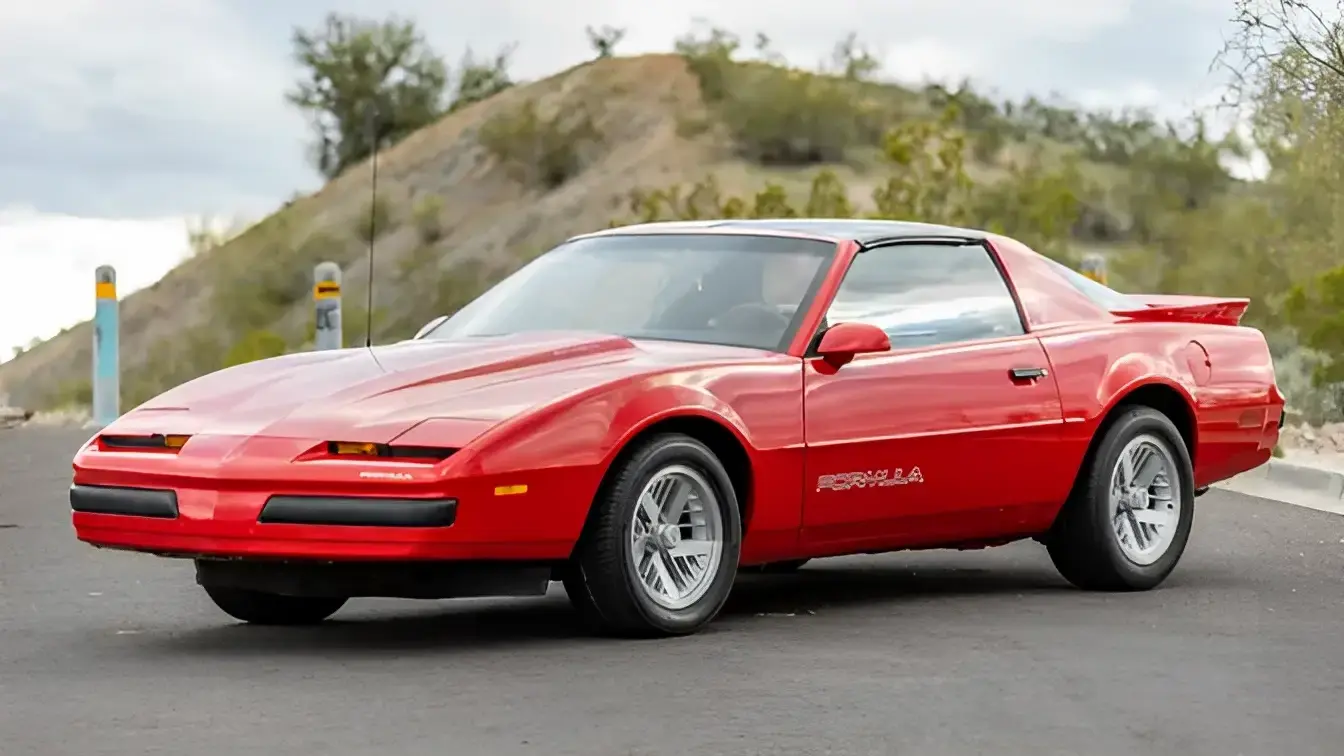

If you follow American‑car forums in Europe, you have probably seen posts claiming that “the EU dropped tariffs on US cars to 0%” or that “pre‑2000 muscle is now duty‑free.” Those headlines sound great if you are eyeing a 1990s Camaro or Mustang—but they do not tell the whole story.
In the main WCS feature on EU tariffs, 90s muscle, Camaro vs Mustang and hidden heroes, we looked at this topic in the context of specific cars and export trends. Here, the focus is narrower: what that “0% tariff” promise actually meant, how it intersects with historic‑vehicle rules, and what muscle‑car buyers still need to verify before they ship a car to Europe.
Where the “0% EU Tariff on US Cars” Idea Came From
The idea of 0% tariffs on US‑built vehicles in Europe emerged from a mix of:
-
Historic‑vehicle rules in individual EU countries. Long before recent negotiations, some EU markets offered favorable treatment—sometimes including 0% customs duty—for vehicles classified as historic, often around 30 years old and in original condition. That meant certain pre‑1995 or pre‑2000 American classics already enjoyed lower effective duty if they met those criteria.
-
High‑profile trade discussions and deals. Over the past few years, EU–US talks have repeatedly floated the goal of reducing or eliminating auto tariffs. West Coast Shipping has covered these developments in articles on global tariff challenges, potential EU tariff cuts, and the idea of “zero‑for‑zero” auto deals. Some of these discussions pointed toward scenarios where standard EU tariffs on qualifying US‑built vehicles could be lowered substantially, possibly to zero, but details and implementation timelines have shifted with each round of negotiations.
As of February 2026, the safest way to read “0% tariffs on US cars” is as a shorthand for a combination of trade talks and historic‑vehicle pathways—not as a blanket guarantee that any American car will enter any EU country at zero duty.
What Has Actually Changed for Muscle Car Buyers?
Even though trade headlines can be confusing, several practical shifts are real and relevant for buyers:
-
More attention on classic‑car trade. EU–US negotiations and global tariff debates have pushed classic and performance vehicles into the spotlight, with policy discussions increasingly recognizing that older cars are a niche separate from new‑car trade.
-
Clearer age‑based frameworks. In some markets, definitions around “historic” or classic vehicles have been clarified or updated, giving 25‑ and 30‑year‑old cars more predictable treatment. West Coast Shipping’s articles on classic‑car import trends into 2026 and country‑specific export guides for muscle cars explain how these shifts affect destinations like Germany, Spain, and the Nordic countries.
-
Growing shipments of 1990s American cars. With more 1990s models crossing 25‑ and 30‑year thresholds, WCS has seen increasing interest in shipping 4th‑gen Camaros, SN95 and New Edge Mustangs, Impala SS sedans, and other 90s icons to Europe.
However, none of this removes the need to check current duty rates and tax rules with the customs or tax authorities in your specific destination. It simply means that the regulatory environment is, in many cases, more welcoming than it was a decade ago.
What “0% Tariff” Might—and Might Not—Mean for Your Car
For a specific muscle car, “0% tariff” can mean different things depending on the combination of age, classification, and trade framework:
-
Historic‑vehicle 0% duty. In some EU countries, a car that meets strict historic‑vehicle criteria (age, originality, and sometimes club or authority certification) may be eligible for 0% customs duty. VAT and registration‑related costs can still apply.
-
Reduced or zero duty under trade frameworks. Depending on how current EU–US arrangements are implemented, certain categories of US‑built vehicles may benefit from reduced or eliminated customs duty. The practical details—vehicle type, origin, and documentation requirements—need to be confirmed with customs in your destination country.
-
Standard modern‑car duty. If a car does not meet historic‑vehicle criteria and is not covered by any reduced‑duty framework, it may still be charged at a standard rate. That is why West Coast Shipping treats “0%” as a possibility to investigate, not a baseline assumption.
The important point is that tariff treatment is not determined by the badge on the car alone. It is determined by how that car fits into your destination’s current rules.
Key Questions Every EU‑Bound Muscle Buyer Should Ask
Before you buy a US muscle car with the goal of shipping it to Europe, it is worth walking through a short checklist. The main WCS article on EU tariffs, 90s muscle and hidden heroes goes into more detail; at a minimum, you should ask:
-
What are the current duty and VAT rules for US‑built cars in my destination country? Check customs and tax authority websites or speak directly with officials; do not rely on outdated forum posts.
-
Does my country have a historic‑vehicle classification, and what are the criteria? Age alone may not be enough; originality, condition, and documentation can matter.
-
How old is the specific car I’m considering—based on build date, not just model year? Use VIN decoding, manufacturer data, or marque specialists to confirm.
-
Does any EU‑level or bilateral framework apply specifically to my type of vehicle? Policy articles and official communications can provide clues, but for real decisions, confirm with customs or a professional broker.
If you can answer those questions with up‑to‑date information, the “0% tariff” headlines become far less confusing—and you can decide whether they realistically apply to your case.
How 1990s Muscle Fits into the Current EU Landscape
For 1990s muscle‑car buyers, the timing is significant:
-
Many late‑80s and early‑90s cars already sit clearly in the historic‑vehicle age range for several European markets.
-
Later 1990s examples—such as certain Camaro and Mustang variants—are now crossing 25‑year thresholds and will reach 30‑year milestones in the coming years.
-
WCS’s guide to 1990s American muscle imports shows how age‑based rules in Europe, Japan, and other regions have driven a second wave of exports for this era of cars.
Combined with a more favorable conversation around US–EU tariffs, that means many 1990s cars are better positioned for export to Europe than they were when they were simply “used cars.” But, again, it does not eliminate the need to confirm your specific duty and tax exposure before buying.
Why Logistics Planning Matters as Much as Tariff Headlines
Even if your car qualifies for 0% or reduced duty, the rest of the logistics chain still needs careful planning:
-
Route and port selection. Certain EU ports may offer smoother processing for classic and performance vehicles, or have more experience dealing with US titles and documentation. WCS’s muscle car export market guide outlines how different countries handle imports in practice.
-
Shipping method. Container shipping, consolidated containers, RoRo, or even air freight each come with trade‑offs in cost, transit time, and vehicle handling. These trade‑offs are summarized on West Coast Shipping’s international car shipping page.
-
Documentation and timing. A smooth import requires a clear title, accurate bill of sale, and any supporting documents your destination requires for classic‑vehicle or reduced‑duty treatment. In some cases, it can be advantageous to time your shipment so that the car clearly meets age thresholds when it arrives.
If you want a more model‑specific perspective—especially for late‑90s Camaros, Mustangs, and other “forgotten fast” 1990s cars—the main article on EU tariffs, 90s muscle, and shipping strategies connects policy trends directly to real cars.
Disclosure and disclaimer (February 2026)
This article is provided by West Coast Shipping (WCS) for general informational and promotional purposes only. Vehicle examples, historical context, and references to tariffs, duties, or trade frameworks are based on third‑party sources, industry reporting, and enthusiast research, which may differ between publications and may be updated or corrected over time. Any discussion of EU–US trade negotiations, tariff percentages, or age‑based import rules is general in nature and does not describe the full set of requirements for any specific country or vehicle.
Trade policies, import regulations, tax rules, and compliance standards vary by jurisdiction and are subject to change without notice. Nothing in this article should be interpreted as legal, regulatory, customs, tax, financial, or investment advice. Eligibility for import, and any duty or tax treatment, always depends on the specific vehicle’s build date, configuration, documentation, and the rules in force at the time of import in the relevant jurisdiction.
Always verify a vehicle’s exact build date and technical specification with the manufacturer, official records, or marque specialists. Before making purchasing or import decisions, consult the relevant customs or tax authorities, review current regulations from official government sources, and consider working with qualified import professionals in your jurisdiction. Classic and collector car markets are volatile; values and demand can change quickly. As of February 2026, all information in this article should be treated as indicative, subject to independent verification, and not a substitute for professional advice.
Ready to Plan Your EU Muscle Car Shipment?
If you are considering sending a 1990s Camaro, Mustang, Impala SS or other American muscle car to Europe, the best approach is to combine up‑to‑date tariff verification with a solid shipping plan. West Coast Shipping’s international car shipping tools and services help you compare routes, timing, and methods for your specific car and destination—so once you have confirmed how your country treats tariffs and taxes, you can focus on choosing the right vehicle while WCS handles the logistics.

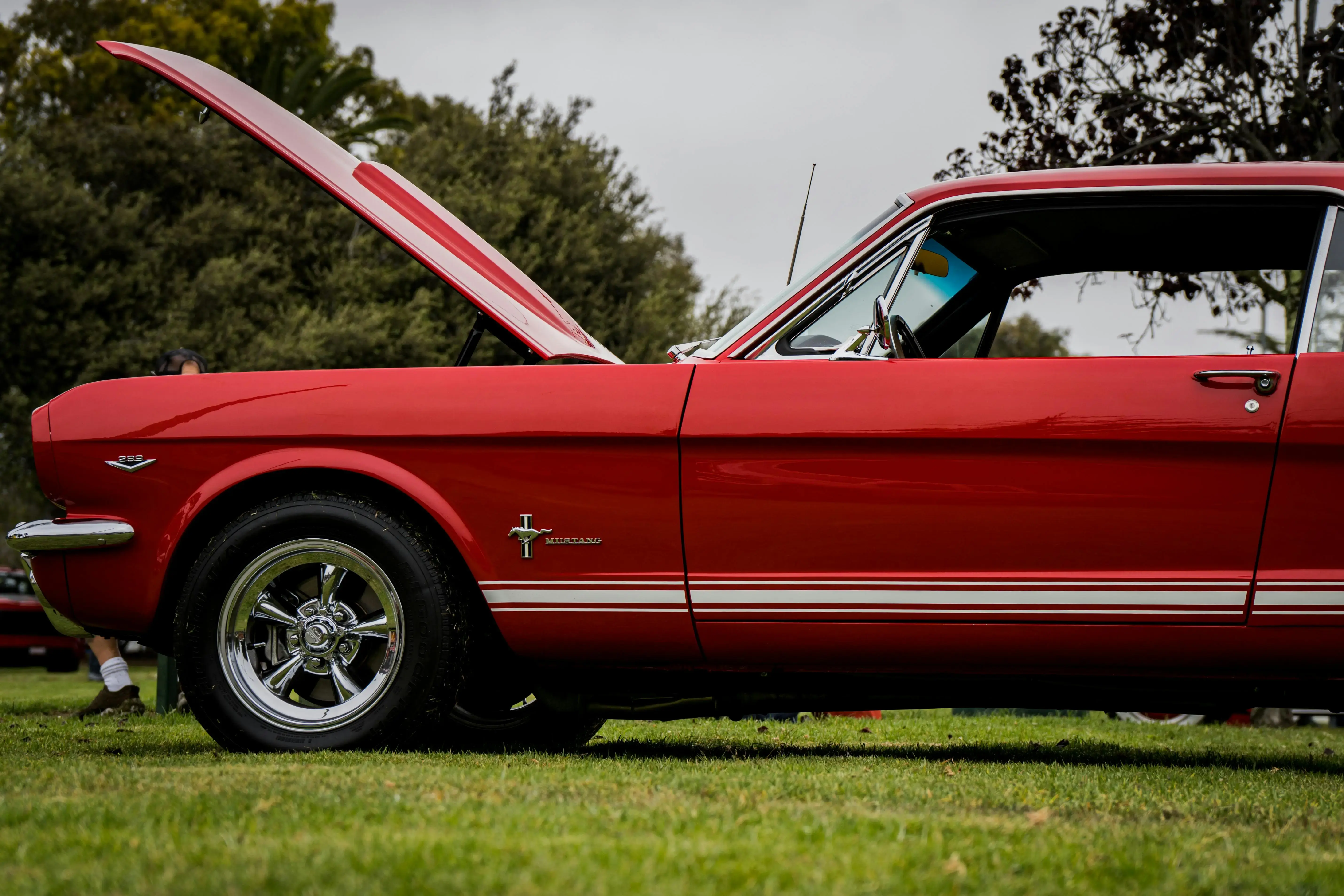
Import-Legal Camaros vs Mustangs: Best Late-90s Muscle for Europe

EU Tariffs, 90s Muscle & Shipping: Camaro vs Mustang & Hidden Heroes