

The 1990s marked a true performance comeback—but beyond the headline cars lies a deeper roster of underrated machines that delivered real speed, everyday usability, and long-term collector potential. As many of these “forgotten fast” models now cross key 25- and 30-year import thresholds, they are emerging as smart export candidates for international enthusiasts. This guide from West Coast Shipping highlights ten overlooked 1990s muscle and performance cars that combine accessibility, historical significance, and growing global appeal.
EU's Promised 0% Tariff on US Cars: What Happened and What Muscle Car Buyers Need to Know
Over the last decade, European buyers of American muscle cars have watched tariff headlines swing from “trade war” to “tariff cuts” and back again. For anyone trying to send a 1990s Camaro or Mustang across the Atlantic, it can be hard to know what actually changed and what still needs to be checked with customs.
Rather than focusing on a specific deal or a single percentage rate, it is more useful—as of February 2026—to understand the direction of travel: discussions about reducing EU tariffs on U.S.‑built vehicles, long‑standing historic‑vehicle relief for older classics in some countries, and a growing recognition that classic car trade is its own niche within broader auto policy.
What Enthusiasts Mean by “0% Tariff” Headlines
Enthusiast discussions about “0% EU tariffs on U.S. cars” usually combine two ideas:
-
General tariff cuts or proposed trade deals. Over the last few years, EU and U.S. negotiators have publicly discussed lowering or eliminating certain auto tariffs. Public reports and policy analysis have highlighted scenarios where duties on qualifying U.S.‑built vehicles could be reduced or removed, especially in the context of broader trade talks. As of February 2026, however, importers still need to verify current duty rates with EU customs or national authorities rather than relying on past announcements.
-
Historic‑vehicle treatment at the national level. Separate from any transatlantic deal, several European countries have long offered special treatment for older vehicles—often around the 30‑year mark—which can mean reduced or zero duty and different VAT handling for cars meeting strict “historic” criteria. These frameworks, explained in many official national tax and customs guides and echoed in West Coast Shipping’s classic‑focused content, can apply regardless of trade negotiations.
When enthusiasts say “0% tariff,” they are often talking about specific combinations of age, classification, and nationality that may qualify a car for favorable treatment—not a blanket rule that applies to every U.S. car of any age. That distinction is critical when you are planning a real import.
Want to learn more about what the EU’s “0% tariff” headlines really mean in practice? Take a look at our in‑depth guide, EU 0% tariff on US cars: what 90s muscle buyers must verify.
What a 90s Muscle Car Buyer Actually Needs to Check
If you are considering a late‑1990s American muscle car for Europe, the key questions are less about headline percentages and more about practical details you can verify:
-
What are today’s duty and VAT rates on U.S.‑built passenger cars entering your specific EU country? As of February 2026, you should confirm these directly with customs authorities or through their official websites, as they can differ by category and change over time.
-
Does your target country recognize historic‑vehicle status, and at what age? Many European markets use an age threshold (often around 30 years) for special historic classification, which can influence duty, VAT, and registration requirements. Government transport or tax authorities are the best source for current definitions.
-
Does your chosen car meet those criteria? A late‑90s Camaro or Mustang might be close to, or just beyond, the threshold in some markets; in others, it may still be treated as a “youngtimer” with more modern‑car rules.
Seen this way, “0% tariff” becomes less of a promise and more of a potential outcome if your specific car and country match the right combination of rules.
Why Strategy Still Matters in a Post‑Tariff‑Cut World
Even if duty rates drop or certain cars qualify for favorable treatment, muscle‑car buyers still benefit from a deliberate plan:
-
Align age and timing. It can make sense to wait until your car clearly qualifies under a historic‑vehicle or age‑based framework in your destination, especially if that timing is only months away.
-
Match car choice to country. Some countries favor older classics, others are more flexible with younger performance cars, and the balance of duty, VAT, and registration costs can make the same car more attractive in one market than another.
-
Build logistics around the rules. Choice of arrival port, shipping method, and documentation preparation all work better when they are mapped to the regulatory environment you have confirmed in advance.
West Coast Shipping’s broader coverage of classic car import trends and best countries to export American classics emphasizes the same message: tariffs are one piece of the puzzle, but they are not the whole picture.
Import-Legal Camaros vs. Mustangs: Which Late-90s Muscle Car Ships Better to Europe?
With EU duty discussions evolving and 30‑year thresholds now within reach for many 1990s cars, European buyers often narrow their choices to two familiar names: Camaro and Mustang. Both represent the 1990s American performance revival, both can qualify for more favorable treatment as they age, and both have dedicated fan bases overseas.
So when you look beyond personal brand loyalty, how do late‑90s Camaros and Mustangs compare as candidates for European import?
Documentation, Age Rules, and Compliance
On the regulatory side, these two rivals have more in common than not:
-
Clear build‑date verification. Both families have robust VIN decoding and factory record support, which is important because age‑based rules—like the 25‑year framework discussed in WCS’s US 25‑year import guide—depend on exact build dates, not just model years.
-
Approaching classic thresholds. As more late‑90s examples cross 25 or 30 years from their build date, they become candidates for classic‑vehicle treatment in some markets, in line with the patterns explored in WCS’s articles on Germany’s 30‑year rule and other country‑specific guides.
-
Similar basic classification. In most European systems, both are viewed as petrol‑powered, rear‑wheel‑drive coupes in the same general size and emissions categories, meaning neither enjoys a clear built‑in regulatory advantage.
For a typical buyer, this means compliance often comes down to finding a well‑documented, largely original example, rather than choosing one badge over the other.
Want to dig deeper into how these two rivals compare in the real world? Check out our detailed breakdown, Import‑legal Camaros vs. Mustangs: best late‑90s muscle for Europe.
Parts and Expertise: Mustang Familiarity vs. Camaro Distinctiveness
When WCS looks at which American classics find homes overseas, certain patterns emerge:
-
Articles like Which American classic cars are most popular overseas? and Most popular American classic muscle cars overseas consistently place Mustangs at or near the top of export lists. That visibility translates into more local workshops that understand the platform and, often, better on‑the‑ground parts availability.
-
Camaros also appear frequently in West Coast Shipping’s export data but in smaller quantities than Mustangs, especially outside dedicated GM enthusiast circles. For some buyers, that relative rarity is exactly the appeal: a Camaro can be the only one of its kind at a regional meet.
If you value maximum convenience and a ready‑made network, a late‑90s Mustang may offer fewer practical headaches once it lands in Europe. If you prefer to stand out and are comfortable sourcing more parts directly from the U.S., a Camaro can feel like the more individual choice.
Shipping, Packaging, and Route Planning
From a logistics standpoint, late‑90s Camaros and Mustangs behave almost identically:
-
Dimensions and loading. Both fit comfortably into standard shipping containers, which are the preferred option for standard passenger vehicles due to enclosed protection and controlled loading.
While roll-on/roll-off (RoRo) services are generally intended for oversized vehicles or heavy machinery, these models do not require RoRo handling. Their ride height and overhangs are easily accommodated within container loading specifications. -
Port options. The main decision points are origin and destination ports, consolidation options, and whether you want added services like pre‑shipment inspections or photo documentation. These considerations are covered in WCS’s complete overseas muscle‑car shipping guide.
-
Method choice. Many 1990s muscle‑car buyers choose container shipping, especially when they are sending higher‑spec or particularly clean cars. Others opt for more cost‑optimized solutions when the priority is getting a solid driver to Europe at the lowest possible overall landed cost.
The international car shipping hub is where most WCS clients begin modeling these choices, comparing methods and routes for a specific vehicle and destination.
Which One “Ships Better” in Real Life?
Putting it all together:
-
If you want maximum support and familiarity once the car arrives, a late‑90s Mustang is often the smoother ownership experience, especially for first‑time importers.
-
If you want a less common badge and enjoy being the only person in your town with a particular spec, a late‑90s Camaro can be more satisfying, provided you are comfortable relying more heavily on U.S. parts pipelines and online communities.
In both cases, the most important factors for shipping are condition, documentation, and the quality of your logistics planning—not the badge on the grille.
Forgotten Fast: 10 Underrated Muscle Cars from the 1990s Renaissance
The 1990s are increasingly recognized as a “second wave” of American performance, but attention still clusters around a few headline models. Behind those, there is a deeper roster of cars that blended power, character, and everyday usability—and many are now reaching age thresholds that make them more attractive for international buyers.
Below are 10 examples enthusiasts often overlook. They span coupes, sedans, and GT‑style cars that fit within the broader 1990s muscle narrative explored in WCS’s 1990s American muscle cars import guide and classic‑trend coverage. This is not investment advice; it is a reminder of how wide the 1990s performance landscape really was.
Want to explore the deeper end of the 90s performance pool? Check out our dedicated guide, Forgotten Fast: 10 underrated 1990s muscle cars worth shipping.
1. Chevrolet Camaro Z28 (Early 4th Gen)
Early 4th‑generation Camaro Z28s combine V8 power with unmistakably 1990s styling, yet they remain overshadowed by both first‑generation icons and later special editions. For overseas buyers, they offer:
-
A relatively modern driving environment compared with 1960s cars.
-
Strong aftermarket and OEM‑style parts support.
-
A clear place in the muscle‑car story documented in WCS’s American muscle history overview.
As more of these cars cross 30‑year thresholds, they begin to fit more comfortably into historic‑vehicle frameworks abroad.
2. Pontiac Firebird Formula
The Firebird Formula often sits in the shadow of the more visually aggressive Trans Am, but under the skin it shares much of the same hardware. Buyers who prefer subtler styling can get:
-
Period‑correct powertrains without all the wings and graphics.
-
A cabin and driving feel aligned with other GM F‑body cars from the era.
For international owners, a Formula offers the essence of 1990s GM performance without drawing quite as much attention on the street.
3. Buick Regal GS (Supercharged)
In an era dominated by coupes and pony cars, the supercharged Buick Regal GS quietly delivered torque‑rich performance in a mid‑size sedan body. It appeals to buyers who want:
-
A sleeper that does not advertise its capabilities at first glance.
-
Comfortable long‑distance manners suited to European or Australian highway cruising.
Because it was never a headline hero car, the Regal GS represents the “hidden in plain sight” side of 1990s American performance.
4. Chevrolet Impala SS (Mid‑90s)
The mid‑1990s Impala SS has gained recognition in North America, but remains relatively uncommon in many overseas markets. For international enthusiasts, it offers:
-
Full‑size presence and comfort.
-
Rear‑wheel drive and a V8 under the hood.
-
A link between muscle‑era values and 1990s daily usability.
This combination has already made it a feature in country‑focused content like WCS’s look at top muscle imports to Germany.
5. Mercury Cougar XR‑7 (MN12 Platform)
The 1990s Cougar XR‑7, built on Ford’s MN12 platform, brought independent rear suspension and a choice of V6 or V8 power. Its strengths include:
-
A long‑wheelbase grand‑touring feel suited to long distances.
-
Styling that clearly belongs to the 1990s without echoing earlier Mustangs.
For overseas buyers who want a Ford product that is not a Mustang, the Cougar offers a distinct flavor of American 1990s performance.
6. Pontiac Grand Prix GTP (Supercharged V6)
The supercharged Pontiac Grand Prix GTP embodied the “fast family car” idea at the end of the decade. WCS’s dedicated Grand Prix GTP import guide dives into why it works so well as a 25‑year‑rule candidate for some markets. Highlights include:
-
Strong straight‑line performance from a factory‑supercharged V6.
-
Sedan and coupe options for different lifestyle needs.
For international buyers, the GTP offers a way to enjoy American performance without committing to a traditional coupe.
7. Oldsmobile Aurora (First Generation)
The first‑generation Oldsmobile Aurora was positioned as a near‑luxury sedan, but its engineering and V8 powerplant give it more character than the marketing suggested. It appeals to:
-
Drivers who appreciate clean, period‑correct design.
-
Enthusiasts who want a car that will be rare at European or Asian events.
As Oldsmobile’s history becomes more of an enthusiast talking point—explored in WCS’s 442 evolution article—the Aurora looks more and more like a key missing piece.
8. Dodge Intrepid ES and Chrysler 300M
These front‑wheel‑drive sedans may not fit the textbook definition of muscle cars, but in the 1990s they represented a push toward higher‑output, design‑led American sedans. For international markets, they offer:
-
Spacious cabins and striking styling distinct from local brands.
-
Highway‑friendly dynamics that suit longer drives and larger countries.
They are good examples of how the 1990s performance conversation extended beyond coupes and pony cars.
9. Ford Thunderbird LX (V8)
The 1990s Thunderbird LX carried over Ford’s emphasis on ride quality and long‑distance comfort, adding V8 power in some trims. It stands out for:
-
Independent rear suspension and a grand‑touring feel.
-
A connection to a historic nameplate without mimicking earlier designs.
For overseas buyers, it fills the space between traditional muscle coupes and pure luxury sedans.
10. Chevrolet Monte Carlo Z34 (DOHC V6)
The Monte Carlo Z34, with its high‑revving DOHC V6 and NASCAR‑inspired lines, represents a different branch of 1990s performance thinking. It offers:
-
A unique sound and power delivery compared with pushrod V8 rivals.
-
Period‑correct styling cues that resonate with motorsport fans.
On international show fields, a Z34 is likely to be one of only a handful present—if not the only one.
Together, these 10 cars illustrate how varied the 1990s American performance scene really was. Many of them are now moving into the same age brackets discussed in WCS’s classic‑import trends from 2025 to 2026, making this a natural time for overseas buyers to take a closer look—after verifying regulations and costs in their own markets.
Disclosure and disclaimer (February 2026)
This article is provided by West Coast Shipping (WCS) for general informational and promotional purposes only. Vehicle examples, historical context, and references to tariffs or trade frameworks are based on third‑party sources, industry reporting, and enthusiast research, which may differ between publications and may be updated or corrected over time. Any discussion of age‑based import rules, tariffs, duties, VAT, or trade agreements is general in nature and does not describe the full set of requirements for any specific country or vehicle.
Trade policies, import regulations, tax rules, and compliance standards vary by jurisdiction and are subject to change without notice. Nothing in this article should be interpreted as legal, regulatory, customs, tax, financial, or investment advice. Eligibility for import, and any duty or tax treatment, always depends on the specific vehicle’s build date, configuration, documentation, and the rules in force at the time of import in the relevant jurisdiction.
Always verify a vehicle’s exact build date and technical specification with the manufacturer, official records, or marque specialists. Before making purchasing or import decisions, consult the relevant customs or tax authorities, review current regulations from official government sources, and consider working with qualified import professionals in your jurisdiction. Classic and collector car markets are volatile; values can rise or fall quickly, and any references to popularity or collectability are illustrative only. As of February 2026, all information in this article should be treated as indicative, subject to independent verification, and not a substitute for professional advice.
Ready to Ship Your 1990s Muscle Car to Europe?
Whether you are drawn to a late‑90s Mustang, a 4th‑gen Camaro, or one of the “forgotten fast” 1990s models above, success comes from combining the right car with the right shipping and regulatory plan. West Coast Shipping’s international car shipping tools and guides help you compare routes, timing, and methods—so you can focus on choosing the car that fits your vision while WCS handles the logistics from the seller’s driveway to your destination.

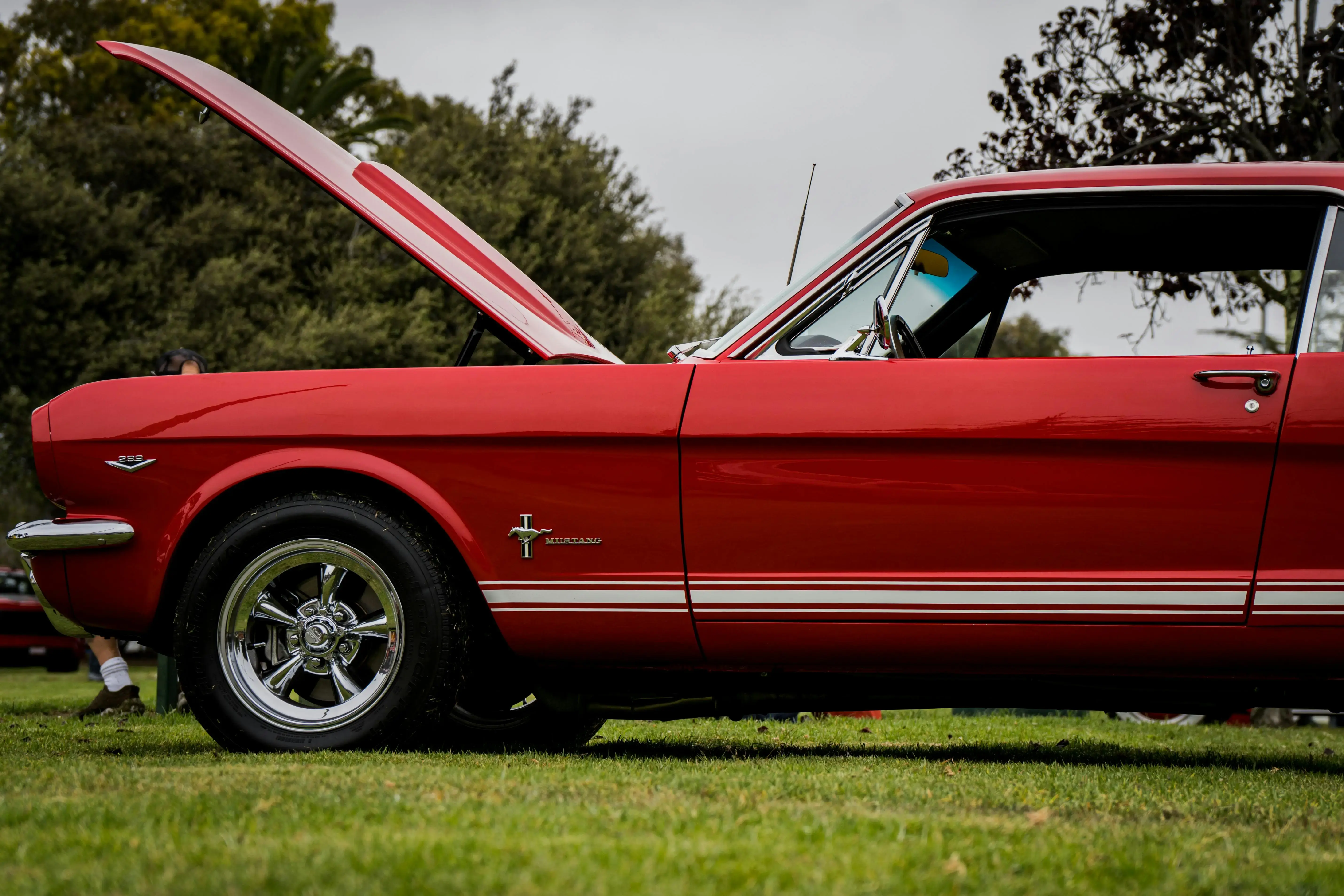
Import-Legal Camaros vs Mustangs: Best Late-90s Muscle for Europe
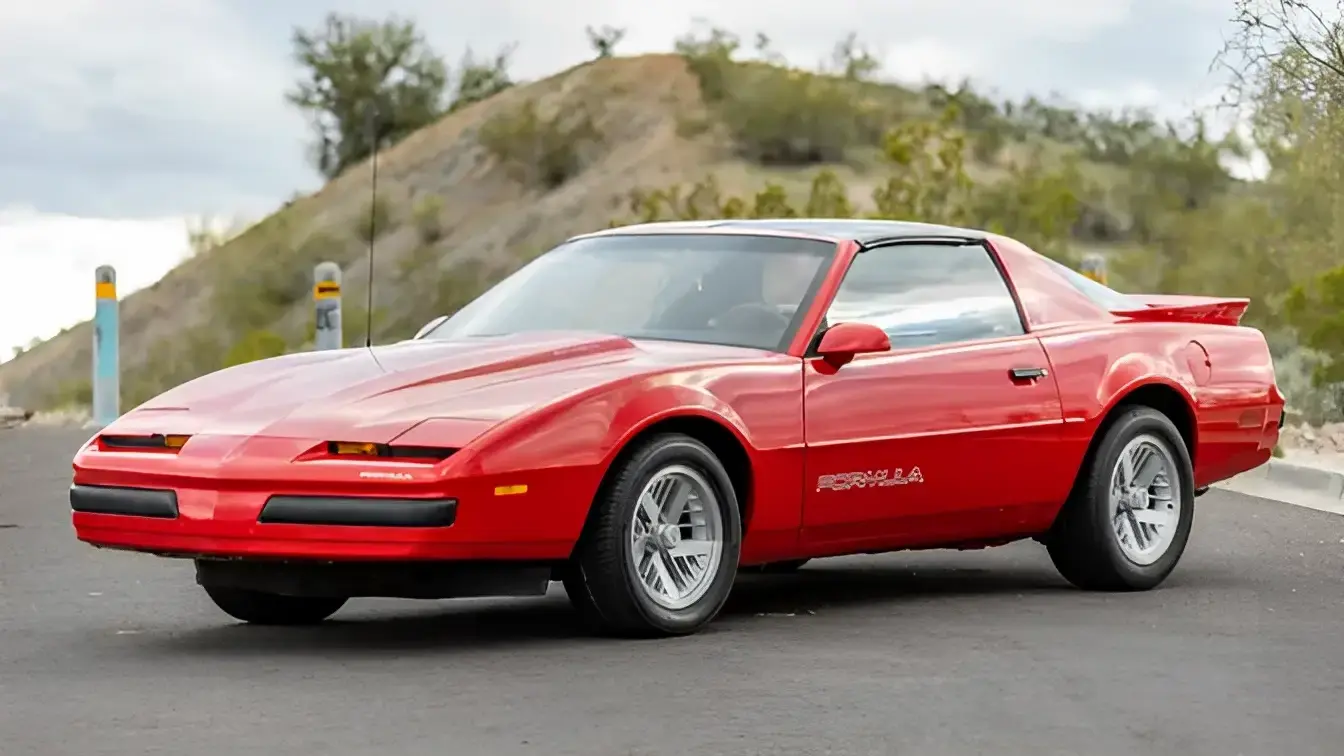
Forgotten Fast: 10 Underrated 1990s Muscle Cars Worth Shipping
.webp)