

Some muscle cars were never meant to be mass-produced. Built in tiny numbers for racing homologation, experimental engineering, or elite buyers, these “factory freaks” represent the rarest and most valuable machines of the muscle-car era. This guide highlights seven of the most extreme factory-built muscle cars ever produced—and explains how collectors worldwide can safely ship these irreplaceable icons with West Coast Shipping.
Factory Freak Shows: The 7 Rarest Factory-Built Muscle Cars Ever Produced
Every muscle‑car fan knows the big names—Mustang, Camaro, Charger, GTO. But at the edges of that history sit a handful of “factory freaks”: cars built in tiny numbers, often to satisfy racing rules, test radical ideas, or serve a very small group of determined customers. These machines blur the line between production car and race car, and today they sit at the very top of the collector pyramid.
West Coast Shipping has profiled these “unicorns” in depth in its guide to the rarest American muscle cars of all time and its feature on one‑year‑only muscle cars and collector potential. This article brings those insights together into one focused list of seven factory‑built freak shows—and looks at what it takes to move them safely around the world.
1. 1971 Plymouth Hemi ’Cuda Convertible
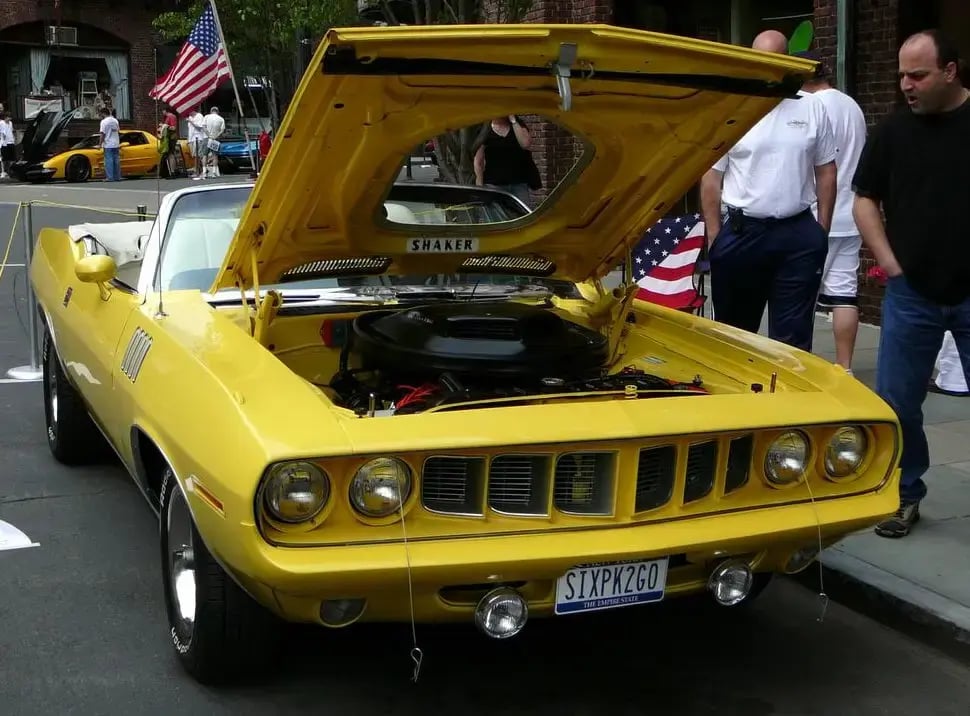
If there is a single car that defines “factory freak,” it is the 1971 Plymouth Hemi ’Cuda convertible. It pairs one of the wildest street V8s of the muscle era—the 426 Hemi—with a body style almost nobody ordered at the time.
Why it sits at the top:
-
Extremely low production, with only a handful built and even fewer surviving in original condition
-
Combination of E‑body styling, Hemi power, and open‑air driving unmatched by other Mopar models
-
Multi‑million‑dollar auction sales that place it at the peak of the muscle‑car value hierarchy
In WCS’s rarest muscle cars guide, the Hemi ’Cuda convertible consistently appears as the “holy grail” of American muscle. For overseas collectors, it is less a car and more a movable work of art that demands flawless shipping and documentation.
2. 1967 Chevrolet Corvette L88
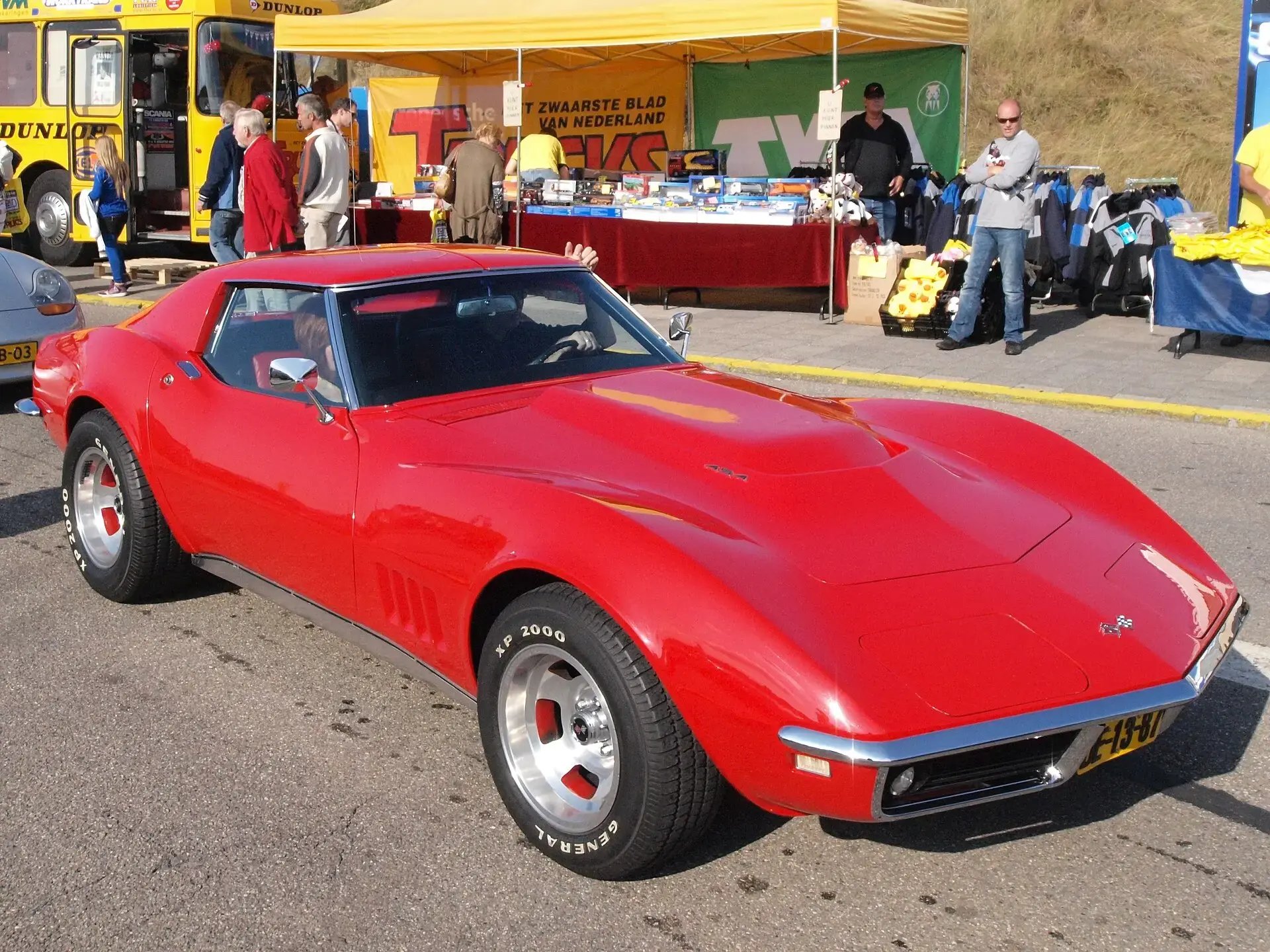
The 1967 Corvette L88 is what happens when a manufacturer sneaks a race car out the front door disguised as a street option. Chevrolet designed the L88 package for serious competition, not casual boulevard cruising.
Factory freak credentials:
-
A race‑spec big‑block V8 with a deliberately underrated power figure and fuel requirements that discouraged ordinary buyers
-
Deletion of comfort items like heaters and radios from the factory to signal its competition focus
-
Tiny production run that makes genuine L88s some of the most closely documented Corvettes on earth
West Coast Shipping’s article on the most expensive muscle cars ever sold notes that L88s regularly reach seven‑figure prices at auction. Exporting one safely requires the same level of care you would devote to any blue‑chip collectible.
3. 1969 Chevrolet Camaro ZL1
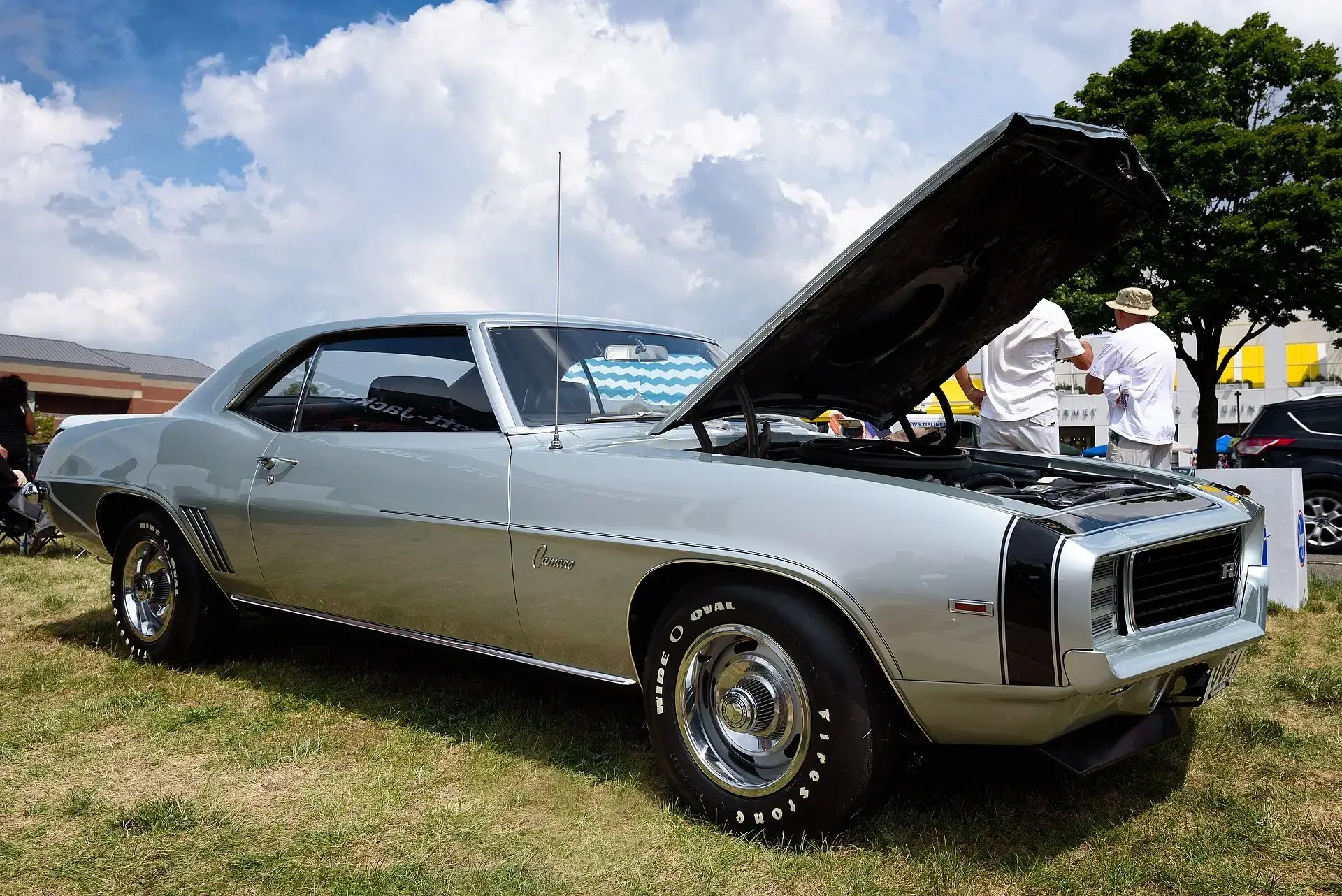
Born from Chevrolet’s COPO program, the 1969 Camaro ZL1 dropped an all‑aluminum 427 into a first‑gen F‑body shell, creating a drag‑strip weapon with a VIN plate.
Why it qualifies as a factory freak:
-
All‑aluminum big‑block engine originally developed for racing, installed from the factory
-
Production limited to a small number of cars ordered primarily by performance‑focused dealers
-
Real‑world performance that justified its reputation as the most extreme first‑gen Camaro
The modern ZL1 Camaro covered in WCS’s modern muscle powerhouses guide pays homage to this legend, but original 1969 ZL1s operate in a different realm of rarity. For international buyers, any potential purchase should be accompanied by meticulous documentation and expert authentication.
4. 1969 Dodge Charger Daytona
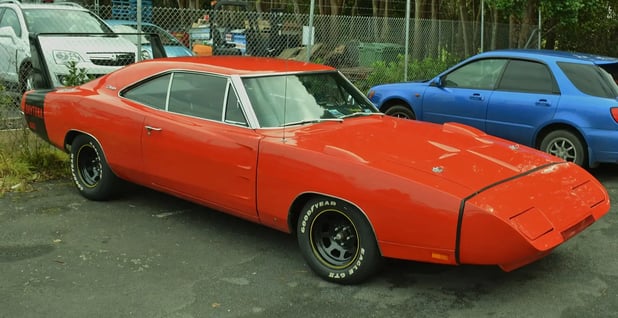
The Dodge Charger Daytona was not built to cruise; it was built to win on NASCAR’s high‑speed ovals. Its pointed nose cone and towering rear wing turned the already‑bold Charger into a full‑blown aero special.
Factory freak highlights:
-
Aerodynamic bodywork developed primarily for racing, then adapted just enough to pass as a road car
-
Limited production to satisfy NASCAR homologation rules
-
Iconic styling that still looks extreme even by modern standards
The Daytona’s close relative, the Plymouth Superbird, is also covered in WCS’s rarest muscle cars article. Between the two, they represent the most audacious factory aero experiments of the muscle era, and they command strong attention in export markets where NASCAR history is valued.
5. 1970 Plymouth Superbird
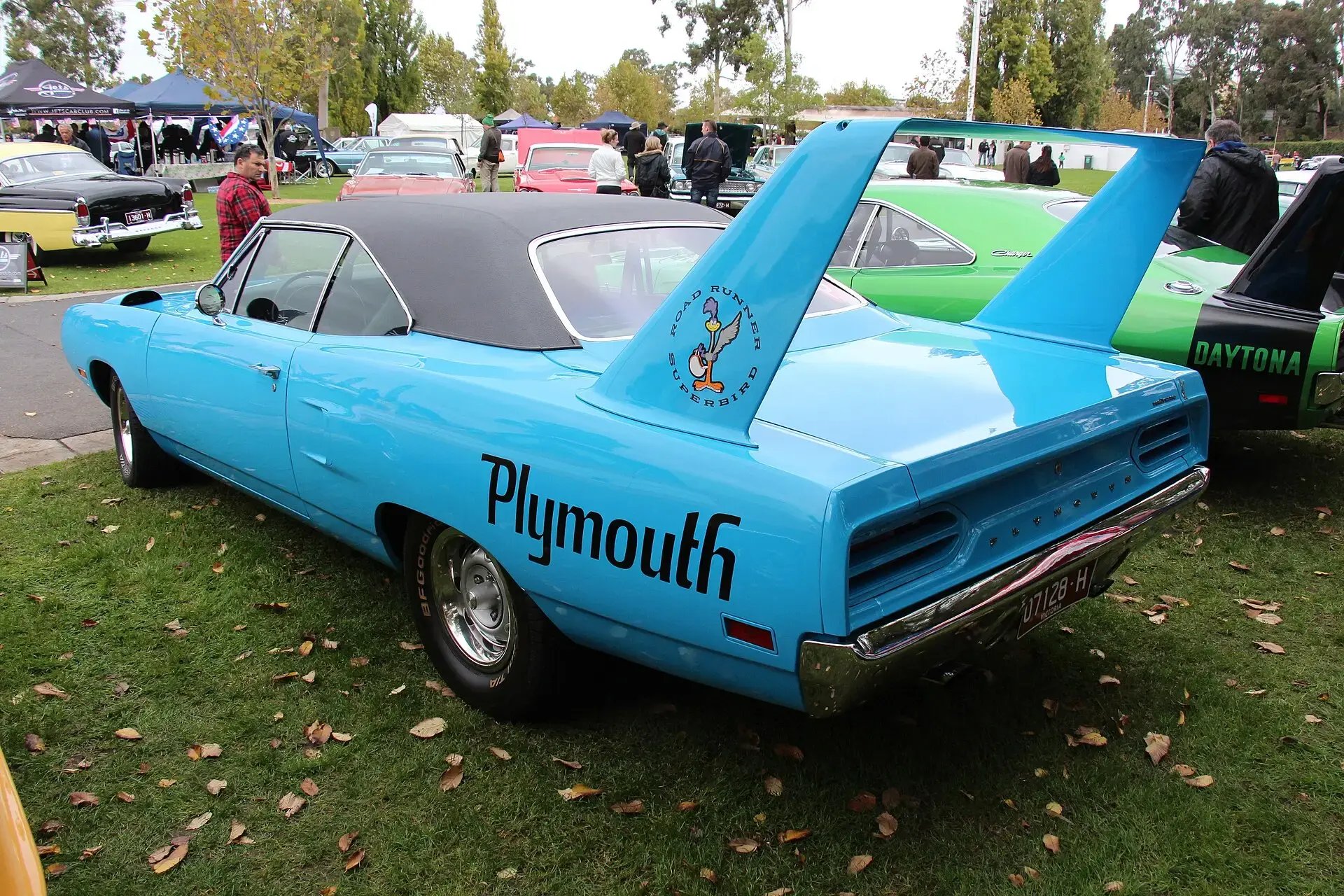
Plymouth’s Superbird pushed the homologation concept even further, adding a longer nose, higher wing, and distinctive graphics. It built on the Daytona’s achievements and became a rolling statement of how far manufacturers would go to win races.
Why the Superbird is a factory freak:
-
Purpose‑built to lure a star driver back to Plymouth and gain a competitive edge on the track
-
Limited production run tied directly to racing regulations and market realities
-
Styling so extreme that it polarized buyers then and remains unforgettable now
In WCS’s one‑year‑only muscle car feature, the Superbird is a textbook example of how regulatory changes can create short‑lived, highly collectible models. Shipping one overseas is as much about preserving its story as its sheet metal.
6. 1970 Buick GSX Stage 1
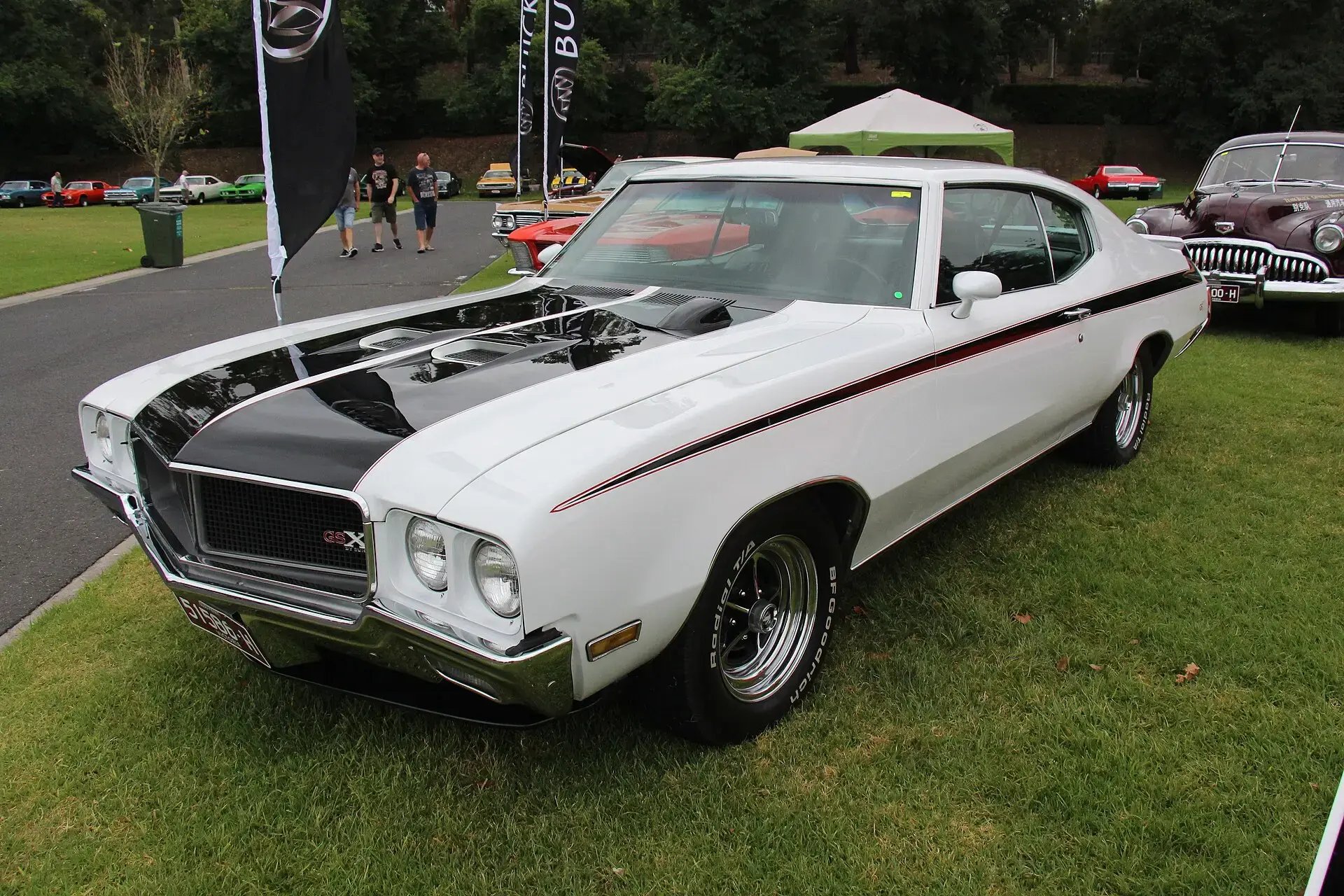
The Buick GSX Stage 1 is a different kind of factory freak—one that hides enormous torque behind a relatively restrained luxury‑car image. It was built for buyers who wanted Chevelle‑level performance without shouting about it.
Factory freak attributes:
-
High‑output 455 V8, tuned for massive low‑end torque and surprising straight‑line speed
-
Limited production, especially in specific color and stripe combinations
-
Under‑the‑radar status that still leaves room for appreciation compared with more obvious halo cars
WCS’s coverage of undervalued American performance cars and Oldsmobile 442 evolution shows how “luxury muscle” from GM is finally getting its due. For overseas collectors who enjoy subtlety, a GSX Stage 1 offers factory freak performance with more reserved styling.
7. One-Year-Only Homologation and Special-Run Muscle Cars
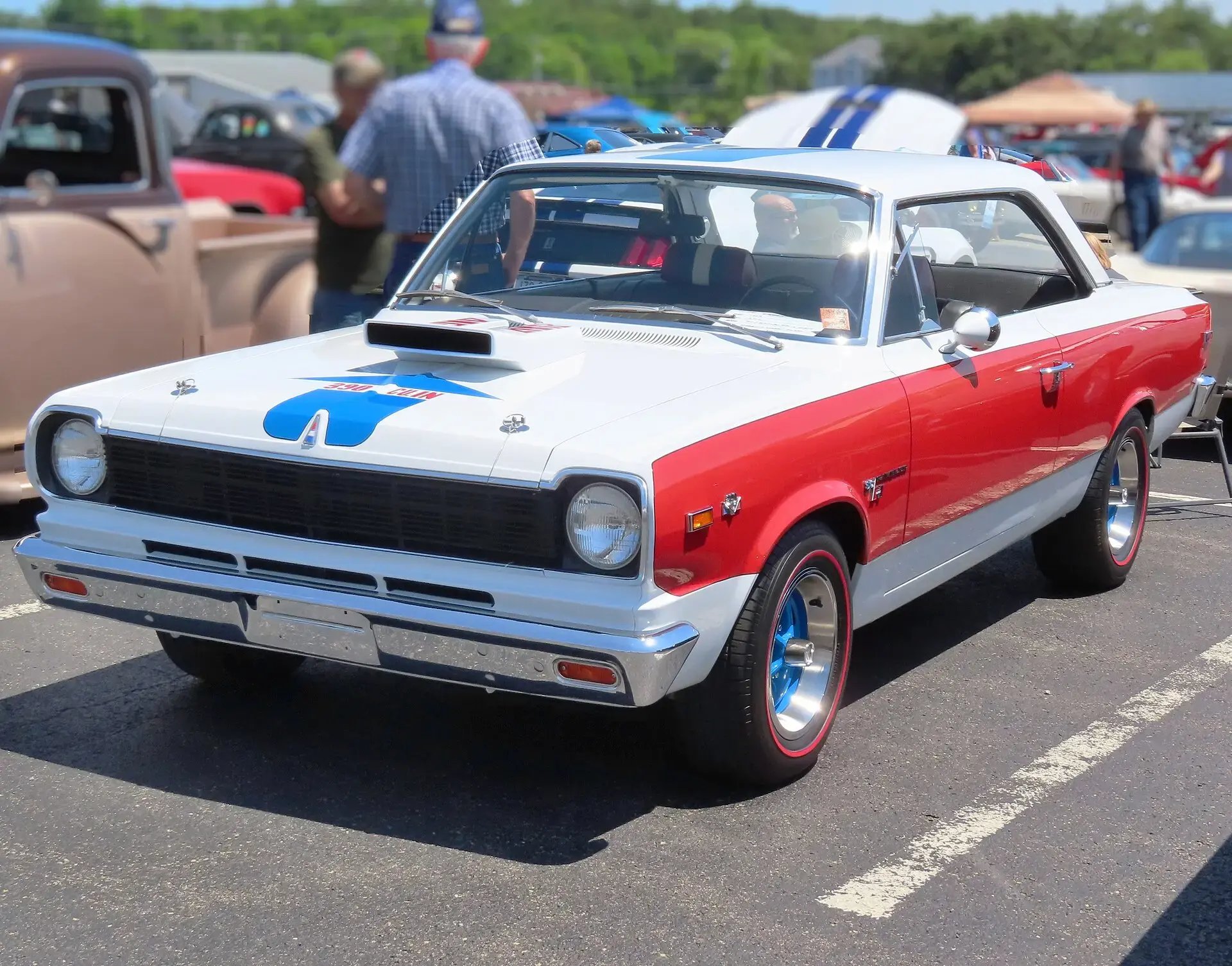
Beyond headline models, there is an entire subset of factory freaks defined by extremely short production runs—often just one model year. These cars existed because of racing rules, marketing experiments, or rapidly changing regulations.
Examples explored in WCS’s one‑year‑only muscle cars guide and related features include:
-
AAR ’Cudas and other Trans‑Am specials, built to take on road‑course racing with unique engines, exhausts, and graphics
-
Short‑run aero coupes like certain Pontiac Grand Prix variants that were designed around specific NASCAR rulesets
-
Dealer‑driven specials and oddball packages that never made it into large‑scale production
What these cars share is documented scarcity and a clear narrative: they existed for a specific reason, often for just a single year, and then disappeared. For collectors—and especially for international buyers—their appeal lies in owning something that even seasoned enthusiasts may have never seen in person.
If you want to go deeper into this theme, the article on underrated muscle cars and the Olds 442 is a natural companion read.
Why Factory Freaks Are a Different Shipping Challenge
Shipping any classic car internationally requires planning, but ultra‑rare factory freaks raise the stakes. These cars often combine:
-
High monetary value, with auction results in the six‑ or seven‑figure range
-
High historical value, meaning originality and documentation matter as much as condition
-
Low tolerance for risk, because many parts are difficult or impossible to replace
West Coast Shipping’s international muscle‑car shipping documentation guide and the clearing‑customs checklist for muscle cars outline the core steps collectors should follow. For factory freaks, a few additional practices become essential:
-
Provenance paperwork.
-
Build sheets, window stickers, factory correspondence, old photos, and registry entries should travel separately from the car but be fully documented.
-
Copies of key documents can be used to support customs declarations and help protect against title disputes down the line.
-
-
Detailed pre‑shipment inspection.
-
High‑resolution photos and condition reports taken at WCS’s facility before loading help establish baseline condition.
-
Special attention is given to rare body panels, aero components, and original paint or interior surfaces.
-
-
Container selection and loading strategy.
-
Most factory freaks travel in dedicated 20‑ or 40‑foot containers, with tailored blocking, bracing, and soft‑strap tie‑downs.
-
Cars with low front spoilers, long overhangs, or fragile trim may require specialized ramps and loading angles.
-
For a broader context on how these halo cars fit alongside malaise‑era survivors and modern monsters like the Demon 170, the pillar article on malaise survivors, factory freaks and Demon 170 global shipping ties all three layers together.
Choosing Routes and Methods for High-Value Muscle Cars
The rarer the car, the more important route and method selection becomes. West Coast Shipping’s international car shipping page details core options, including:
-
Enclosed inland transport from the seller, auction, or museum to WCS’s port facility
-
Dedicated container shipping for maximum protection, with the option to ship spare parts or display materials in the same container
-
Careful port selection, favoring destinations with strong customs broker networks and experience handling high‑value classics
For some collectors, especially those managing a portfolio of rare cars, WCS also supports repeat shipping frameworks and coordination with trusted import agents, as described on the main international shipping overview.
If a car is being acquired at auction, WCS recommends contacting a logistics partner before bidding so that shipping feasibility, customs classification, and approximate costs are already understood when the hammer falls.
Disclosure and disclaimer (February 2026)
This article is provided by West Coast Shipping (WCS) for general informational and promotional purposes only. Vehicle examples, production estimates, and performance figures are based on manufacturer data, period publications, auction reports, and enthusiast research, which may differ between sources and may be updated or corrected over time. Any discussion of import regulations, duties, VAT, emissions standards, or compliance frameworks is general in nature and does not describe the full set of requirements for any specific country or vehicle.
Trade policies, import regulations, tax rules, and technical inspection requirements vary by jurisdiction and are subject to change without notice. Nothing in this article should be interpreted as legal, regulatory, customs, tax, financial, or investment advice. Eligibility for import, and any duty, tax, or emissions treatment, always depends on the specific vehicle’s build date, configuration, documentation, and the rules in force at the time of import in the relevant jurisdiction.
Always verify a vehicle’s exact specifications, build date, originality, and production numbers with the manufacturer, marque historians, registries, or trusted experts. Before making purchasing or import decisions, consult the relevant customs, transport, and environmental authorities, review current regulations from official government sources, and consider working with qualified import and compliance professionals in your jurisdiction. Classic and collector car markets are volatile; values and demand can change quickly. As of February 2026, all information in this article should be treated as indicative, subject to independent verification, and not a substitute for professional advice.
Ready to Ship a Factory Freak Muscle Car?
Whether your target is a Hemi ’Cuda convertible, an L88 Corvette, a ZL1 Camaro, or a one‑year‑only homologation special, moving it safely is just as important as buying the right example. West Coast Shipping’s international car shipping tools and services let you compare routes, methods, and timelines for your specific origin and destination, so you can focus on securing the right factory freak while WCS manages the logistics from U.S. seller to your garage.

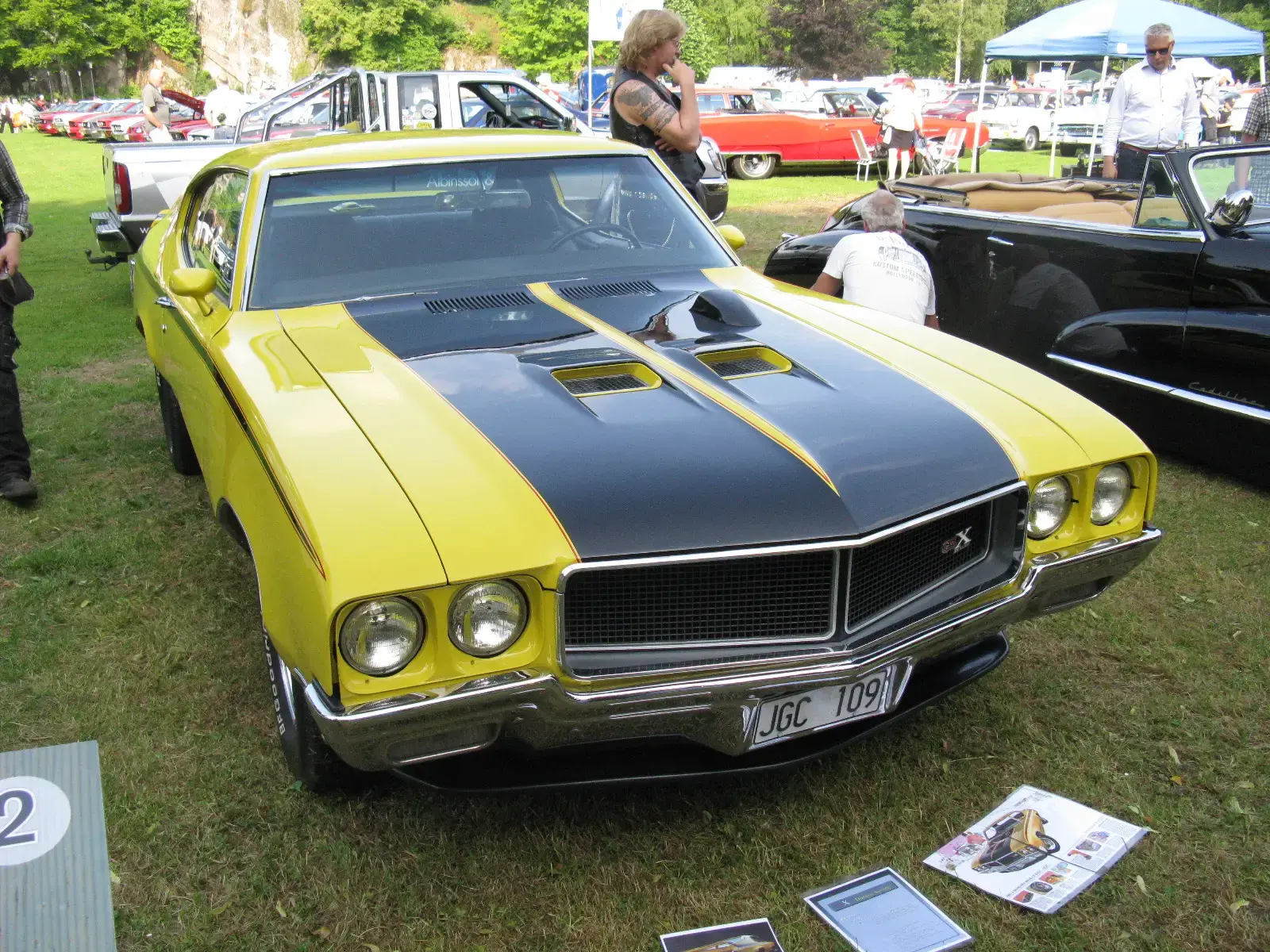
1970 Buick GSX Stage 1: Forgotten Factory Freak Muscle Car
Malaise Survivors, Factory Freaks & Demon 170 Global Shipping
.webp)