
The muscle‑car era is full of legends that lived long, multi‑year lives: the Mustang, Camaro, Chevelle, Charger, and GTO all evolved over multiple generations. But some of the most fascinating cars from this period appeared once and vanished, produced for a single model year and never repeated. Built to satisfy racing rules, test marketing ideas, or bridge odd gaps in a lineup, these one‑year‑only muscle cars now occupy a special corner of the collector world.
This article looks at one‑year‑only muscle models that disappeared after a single production run, why they existed in the first place, and how their rarity shapes today’s market. It expands on the overview in Underrated Muscle Cars, the Olds 442 & One‑Year‑Only Legends and connects these stories to the realities of buying and shipping such cars internationally. When you are ready to move from reading to owning, West Coast Shipping’s international car shipping page explains how we move rare muscle cars safely around the world.
What Makes a “One‑Year‑Only” Muscle Car?
More than just a low‑production trim
Not every limited‑production variant counts as “one‑year‑only.” In this article, we focus on models and packages that:
-
Were offered for only a single model year in essentially the same specification.
-
Represented a meaningful performance or homologation step, not just a paint‑and‑stripe option.
-
Left behind a small but coherent group of cars that collectors can identify as a distinct chapter.
Some were born from racing homologation rules, which required manufacturers to build street versions of their race cars. Others were marketing experiments that proved too extreme, too expensive, or too poorly timed to survive beyond one year.
Why they disappeared so quickly
Common reasons why these muscle cars never saw year two include:
-
Regulatory changes: Shifting emissions or racing rules made the concept obsolete.
-
Market misreads: The car hit the market just as demand for big power collapsed.
-
Brand politics: Internal competition and limited budgets pushed resources back toward mainstream models.
The result is a set of cars that now feel like time capsules—snapshot responses to specific pressures that make sense once you understand the context of the late 1960s and early 1970s. WCS’s broader overview in The Golden Age of American Muscle Cars (1964–1973) provides that backdrop.
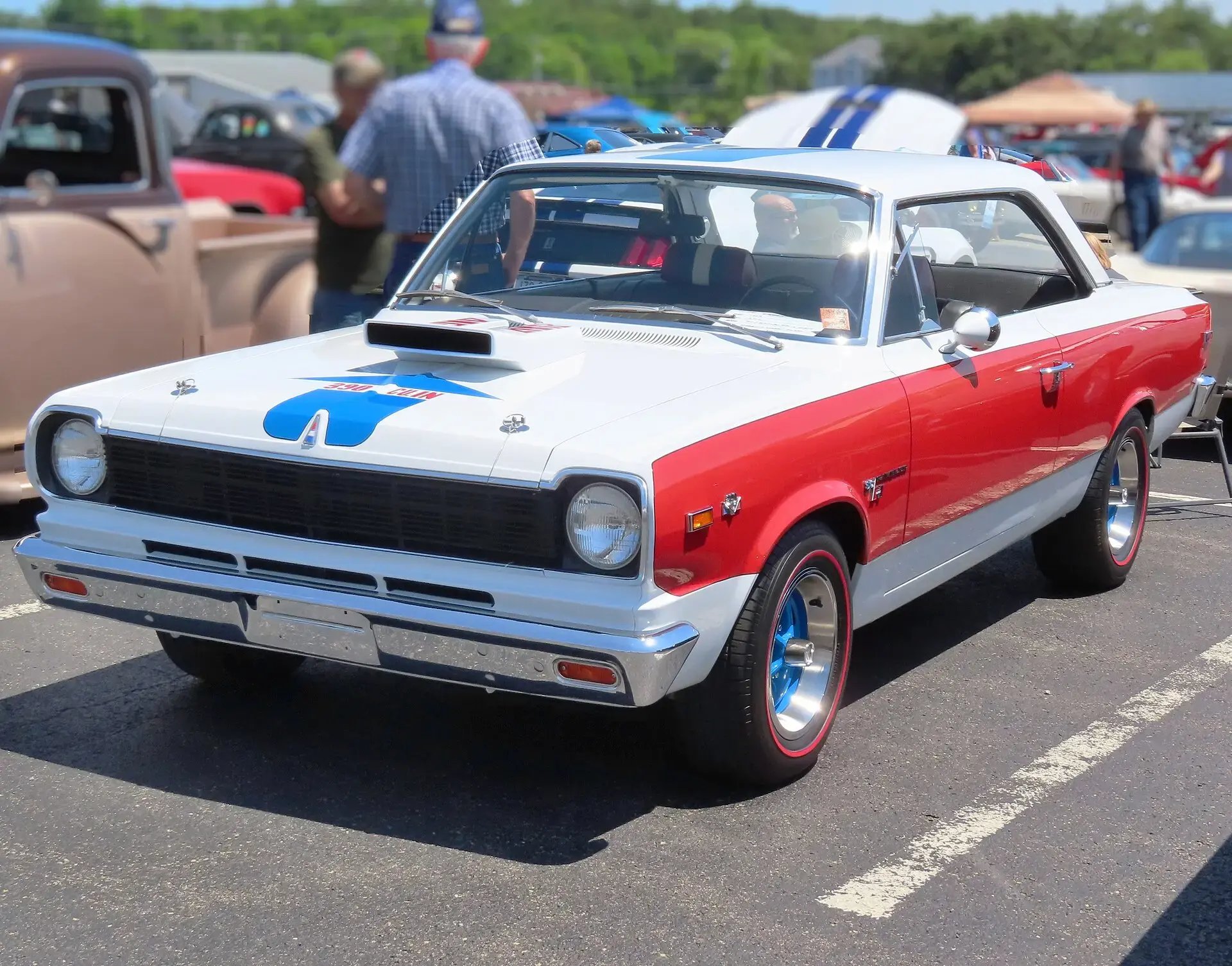
1969 AMC Hurst SC/Rambler: Budget Drag Weapon
Purpose‑built for the quarter mile
The 1969 AMC Hurst SC/Rambler, often nicknamed the “Scrambler,” turned AMC’s compact Rambler Rogue into a factory‑backed drag car. Key ingredients included:
-
A 390‑cubic‑inch V8 rated around 315 gross horsepower.
-
Hurst‑supplied shifters and drag‑ready suspension tweaks.
-
A massive hood scoop feeding cold air to the engine.
-
Striking red, white, and blue paint schemes that left no doubt about its intentions.
According to commonly cited AMC registries and reference sources, 1,512 SC/Ramblers were built for 1969. That production run was enough to satisfy racing interests and create a legend, but not enough to make the car a mainstream presence.
Performance and reputation
Period tests typically placed the SC/Rambler among the quickest factory muscle cars of its time for the money, with:
- 0–60 mph times reported in the mid‑6‑second range.
- Quarter‑mile passes clustered in the mid‑14s on contemporary tyres.
Enthusiasts and historians often describe it as one of the purest expressions of the “cheap, fast, and loud” formula—minimal frills, maximum impact.
Why it ended after one year
Several factors combined to make the SC/Rambler a one‑year car:
-
The Rambler nameplate itself was being phased out after 1969.
-
AMC shifted performance focus to the Javelin and AMX.
-
The market for bare‑bones drag specials was already narrowing by 1970.
Today, as WCS notes in coverage of affordable classic muscle from the USA, surviving SC/Ramblers carry strong demand from AMC fans and drag‑racing historians, but they remain less expensive than some GM and Chrysler homologation specials with similar production numbers.
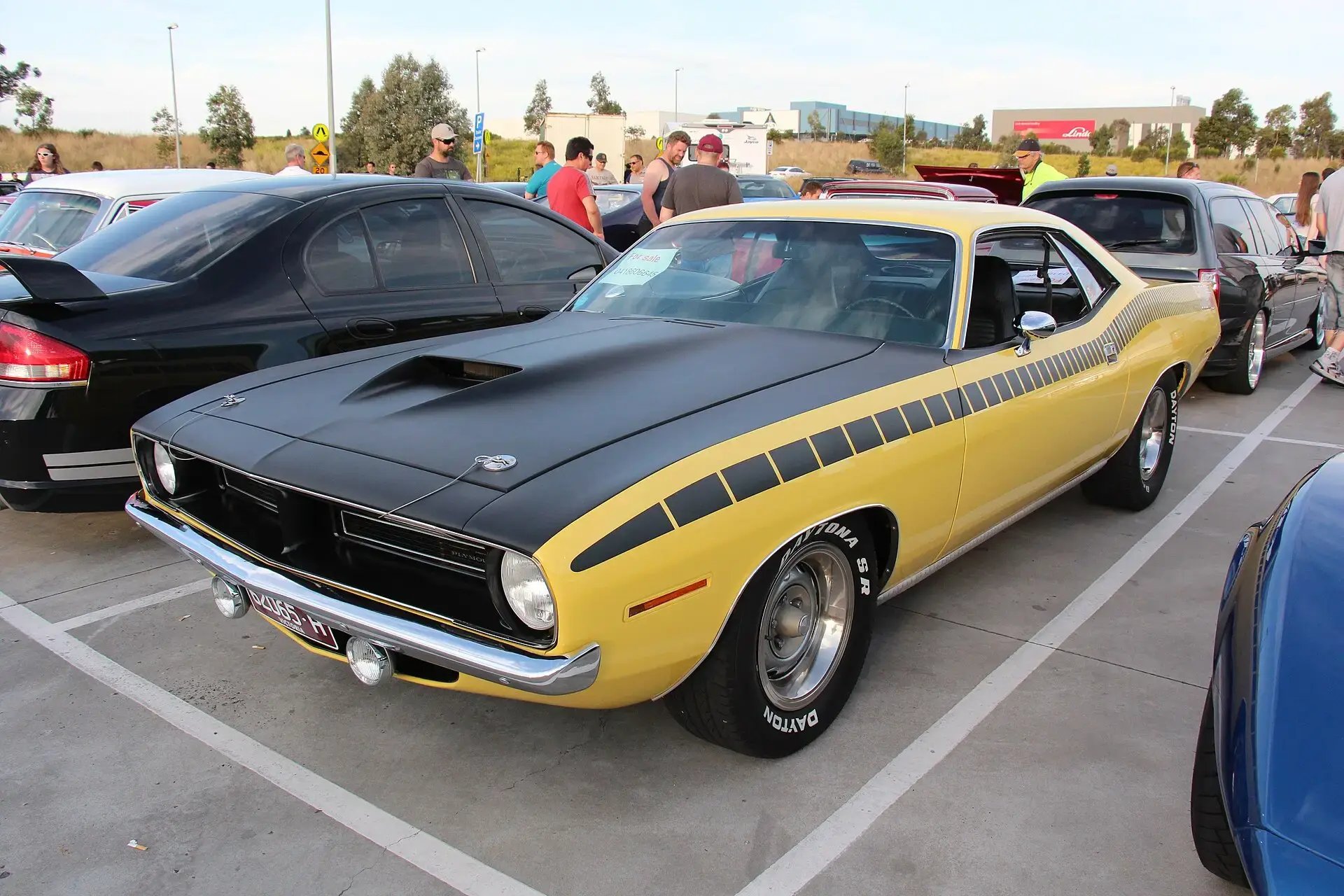
1970 Plymouth AAR ’Cuda: Trans‑Am Homologation Hero
Built for road racing, not just stoplights
The 1970 Plymouth AAR ’Cuda (All American Racers) was created to homologate Plymouth’s Trans‑Am entry under Dan Gurney’s AAR team. Rather than a big‑block drag monster, it was a road‑course tool with:
-
A 340‑cubic‑inch “Six Barrel” V8 using three two‑barrel carburetors.
-
Fiberglass hood with a forward‑mounted scoop feeding the carburetors.
-
Side‑exit exhaust tuned for high‑rpm performance.
-
Unique suspension, ride height, and wheel/tire setup optimised for cornering.
Production estimates from Chrysler historians generally converge around 2,724 units for the 1970 AAR ’Cuda. That makes it rare, but not impossibly so—enough cars exist that collectors can still find driver‑grade examples with patience.
On‑track and on‑street performance
Period road tests typically reported:
-
0–60 mph in roughly 6.0–6.5 seconds.
-
Quarter‑mile times in the high‑14‑second to low‑15‑second range.
Those numbers undersell the car’s appeal; its real talent was sustained high‑rpm work and handling balance, not just straight‑line sprints. On a twisty road or track, the AAR ’Cuda felt more like an American interpretation of a European GT than a traditional muscle coupe.
Why there was no 1971 AAR
The AAR ’Cuda bowed out after just one model year because:
-
Trans‑Am rules and Chrysler’s racing strategy changed for 1971.
-
The broader muscle‑car market was already shifting away from specialised high‑performance variants.
-
Emissions and insurance pressures made low‑volume, high‑spec packages harder to justify.
As detailed in WCS’s piece on the rarest American muscle cars ever built, AAR ’Cudas now command strong prices, though still below the astronomical levels of Hemi ’Cuda coupes and convertibles.
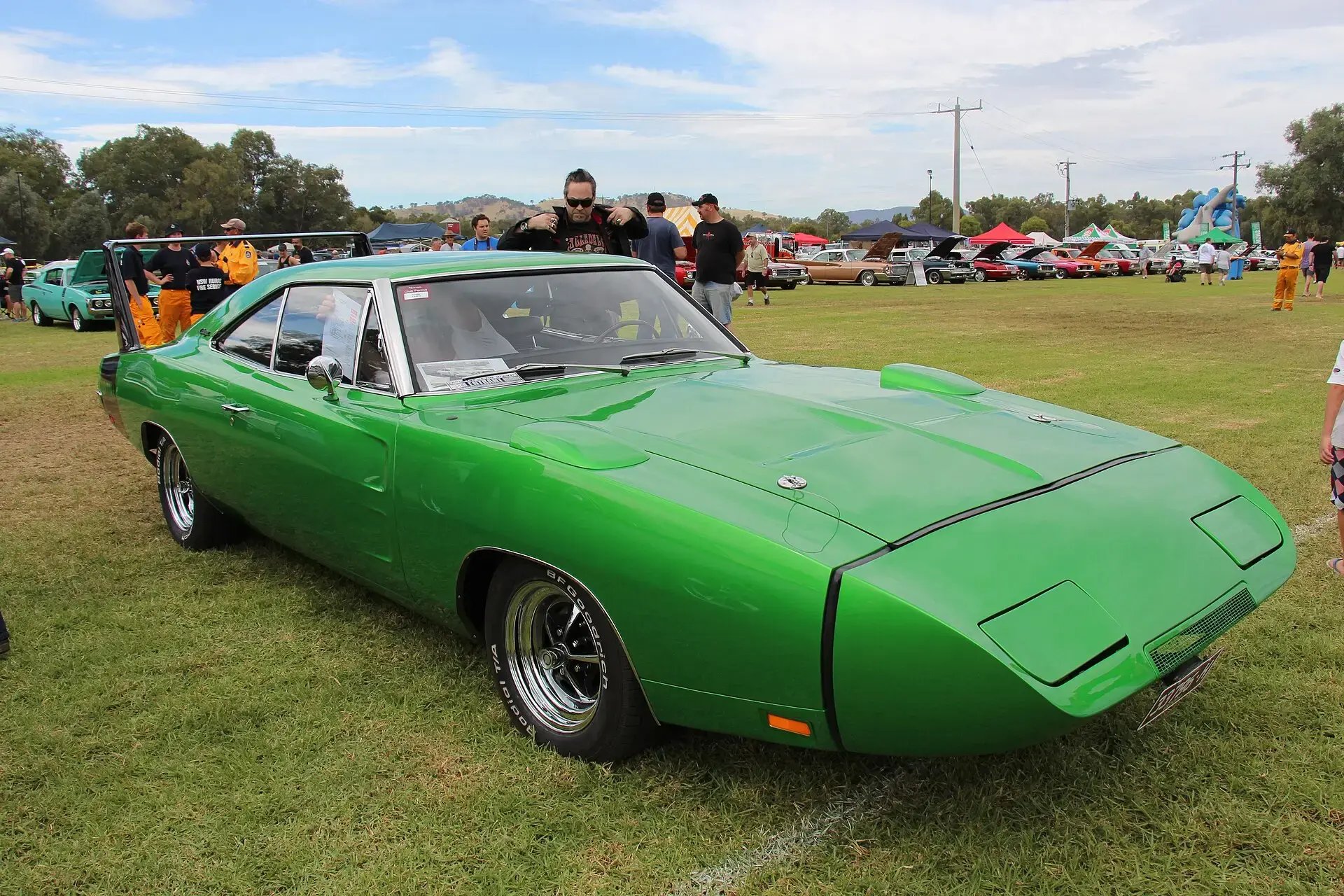
1969 Dodge Charger Daytona: The Winged Homologation Special
Aero engineering for NASCAR domination
The 1969 Dodge Charger Daytona is one of the most visually extreme muscle cars ever sold to the public. Designed to win NASCAR races, it added:
-
A wind‑tunnel‑developed nose cone that extended the Charger’s front end.
-
A towering rear wing engineered to keep the rear tyres planted at over 200 mph.
-
Flush rear window plug and other subtle aero refinements.
To homologate the design, Dodge had to build street‑legal versions. Factory and registry data widely state 503 Daytonas produced for 1969, often explicitly noted as 503 “per factory records.”
Powertrains and real‑world pace
Most Daytonas left the factory with Chrysler’s 440 Magnum V8; a smaller number carried the legendary 426 Hemi. Period tests and modern re‑tests generally show:
-
0–60 mph times in roughly 5.5–6.0 seconds for Hemi cars.
-
Quarter‑mile times in the low‑13‑second range for Hemi examples and mid‑13s for 440‑equipped cars.
On track, the Daytona achieved the goal it was created for, with the aero package delivering a top‑speed advantage that forced NASCAR to rethink the entire category.
Why the Daytona was one‑and‑done
The Daytona’s street‑car life ended quickly due to:
-
NASCAR rule changes that limited or effectively banned such extreme aero devices.
-
The arrival of the 1970 Plymouth Superbird, which filled a similar role for Plymouth.
-
Limited showroom appeal; the radical styling thrilled some buyers but turned off others.
Daytonas now occupy the upper tier of the muscle‑car market. As highlighted in WCS’s article on the most expensive muscle cars ever sold, top‑condition, documented Hemi Daytonas sit alongside Hemi ’Cuda convertibles and L88 Corvettes in the collector hierarchy.
1971 AMC Hornet SC/360: Compact Power in the Wrong Year
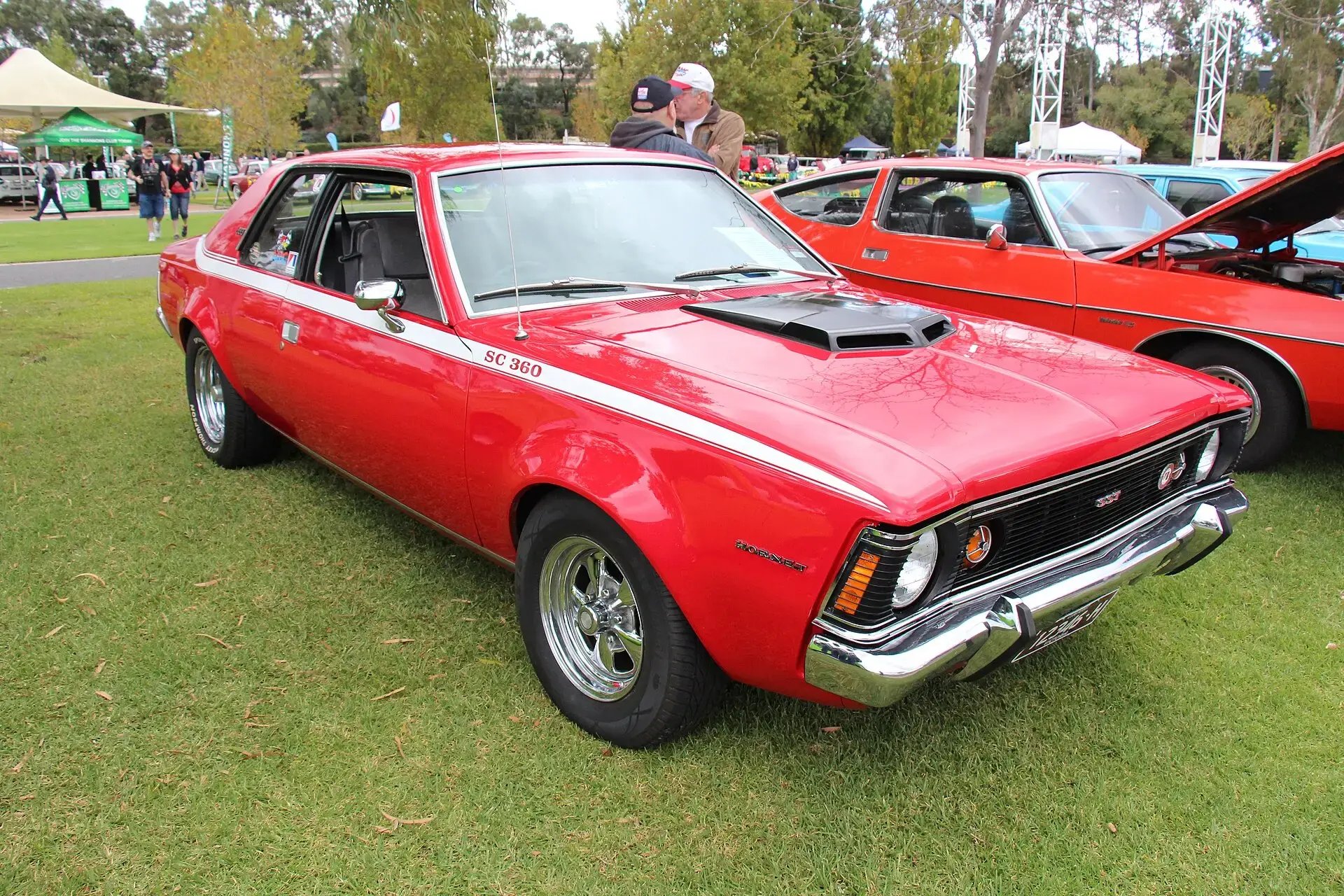
A last stand for AMC performance
The 1971 AMC Hornet SC/360 was AMC’s final attempt to apply the muscle formula to a compact car. Based on the Hornet, it offered:
-
A 360‑cubic‑inch V8 in either 2‑barrel (around 245 net horsepower) or 4‑barrel (around 285 net horsepower) form.
-
Optional four‑speed manual transmission and performance gearing.
-
Visual cues including stripes, hood scoops, and unique badging.
Enthusiast research and AMC registries commonly cite approximately 784 Hornet SC/360s built for 1971, placing it among AMC’s rarer V8 muscle offerings.
Performance and market reception
Period tests suggested:
-
0–60 mph times in the low‑7‑second range for well‑optioned 4‑barrel cars.
-
Quarter‑mile times in the high‑14s to low‑15s, depending on gearing and tune.
In isolation, those numbers were respectable, especially for a compact platform. But by 1971, the tide was turning—muscle‑car sales were falling, and AMC was already pivoting toward economy cars and later the 4x4‑focused Eagle.
Why it never saw a second year
The SC/360 disappeared because:
-
AMC needed to conserve resources and focus on broader market segments.
-
Emissions regulations and fuel‑cost fears were dampening demand for V8 performance.
-
The Hornet platform itself was being repositioned in AMC’s lineup.
Today, the SC/360 is a connoisseur’s car. It lacks the instant recognition of a Javelin AMX or Rebel Machine, but it offers genuine rarity and an appealing power‑to‑weight ratio for collectors who dig deeper than the surface‑level nameplates.
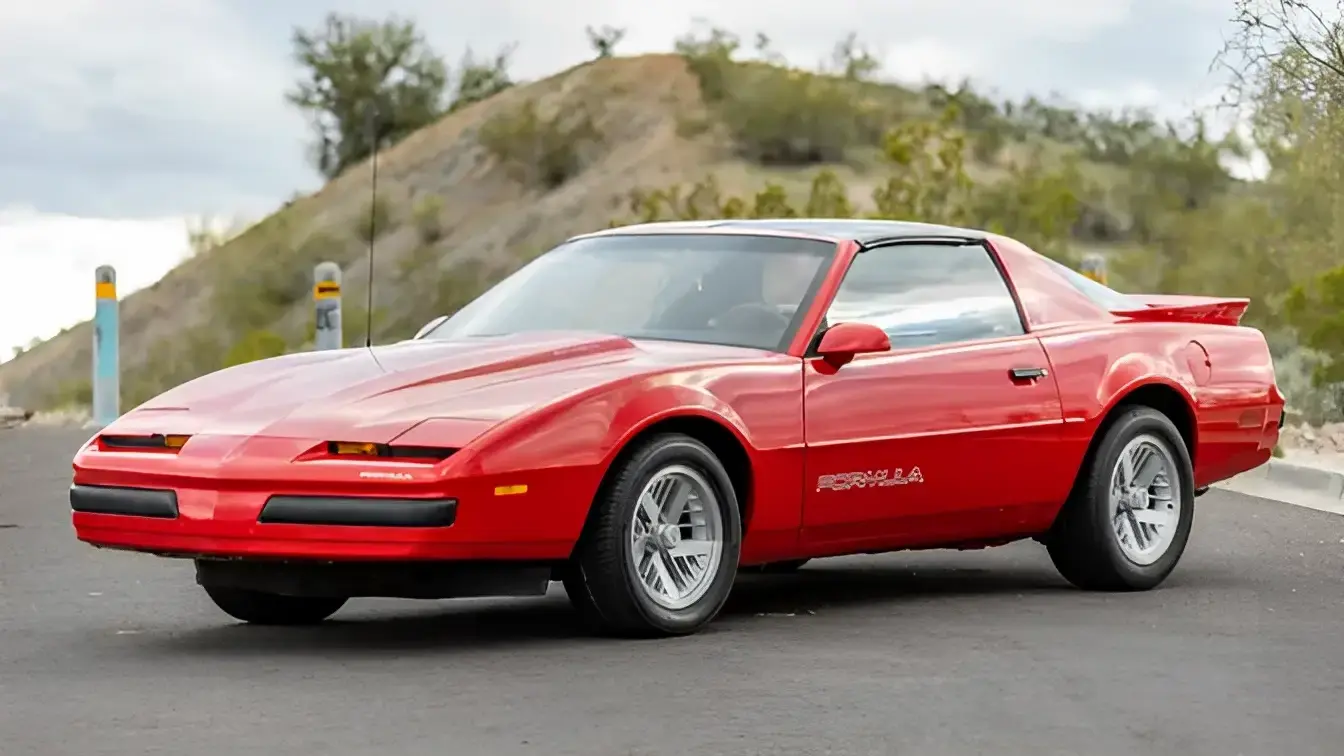
1986 Pontiac Grand Prix 2+2: Aero NASCAR Street Echo
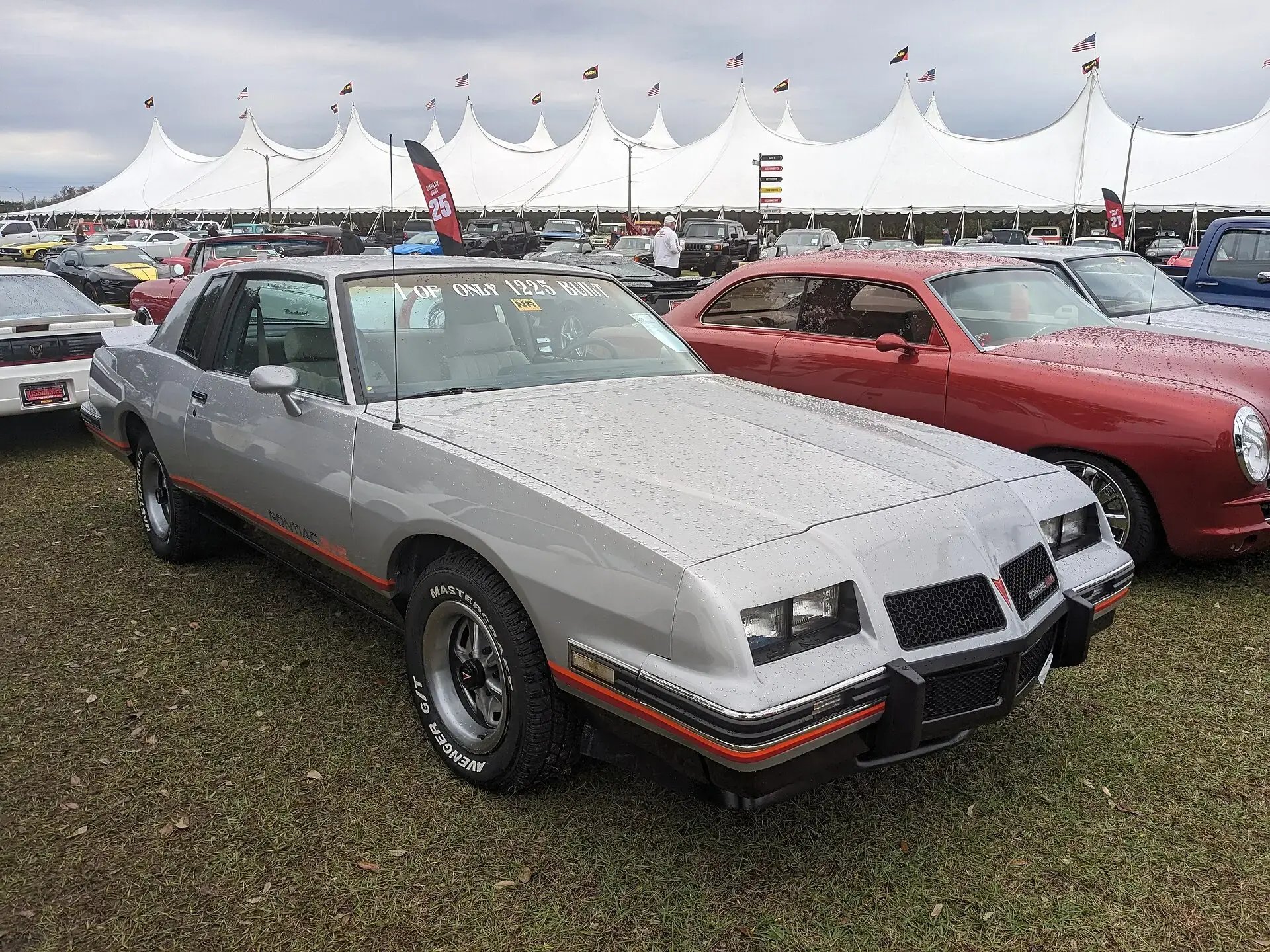
Street version of a NASCAR silhouette car
The 1986 Pontiac Grand Prix 2+2 is sometimes overlooked in lists of one‑year‑only muscle, but it fits our criteria as a performance‑oriented homologation car that appeared once and vanished. Built to support Pontiac’s NASCAR efforts, it featured:
-
A reshaped aero nose and bubble‑back rear glass to improve high‑speed stability.
-
Unique rear bumper and decklid treatments.
-
Suspension and gearing tailored toward highway and oval‑track performance.
Pontiac records and enthusiast sources generally agree on 1,225 Grand Prix 2+2s built for 1986. That volume is modest even by mid‑1980s standards, ensuring a small survivor pool decades later.
Performance relative to its era
Under the hood, the Grand Prix 2+2 used a 305‑cubic‑inch V8 with around 180 net horsepower paired with a four‑speed automatic. Period tests often recorded:
- 0–60 mph in roughly 9–10 seconds.
- Quarter‑mile times near the mid‑16‑second mark.
Those figures may not impress on a spec sheet today, but in the context of emissions‑constrained mid‑1980s performance, they were reasonable—especially for a personal‑luxury coupe.
Why it was limited to one year
The 2+2 bowed out after 1986 because:
-
NASCAR rules evolved, diminishing the need for such direct aero homologation.
-
Buyers seeking outright performance were gravitating toward the Camaro IROC‑Z and Trans Am, which offered more horsepower and sharper handling.
-
The 2+2’s unique styling was polarising even in its own day.
Now, as WCS’s classic car market trends 2025 article notes, 1980s homologation specials have started attracting new interest from collectors who grew up watching these shapes on TV.
Why One‑Year‑Only Muscle Cars Appeal to Collectors Today
Scarcity plus story
What sets one‑year‑only muscle cars apart is the combination of:
-
Documented scarcity: Production numbers are typically low and well‑known.
-
Clear narrative: Each model exists for a specific reason—racing rules, marketing experiment, or regulatory change.
-
Distinct identity: Styling and mechanical packages are often more extreme than the mainstream models they’re based on.
As of early 2026, market observers and valuation guides generally note that:
-
The most famous examples (Daytona, AAR ’Cuda) already command strong prices, though still with room to grow relative to the absolute top tier.
-
AMC one‑year cars (SC/Rambler, Hornet SC/360) remain undervalued relative to their rarity and motorsport history.
-
1980s homologation and aero specials like the Grand Prix 2+2 are emerging as neo‑classic niches, especially among buyers who prefer more modern driving manners.
The main Underrated Muscle Cars, the Olds 442 & One‑Year‑Only Legends article explores how these models fit into the broader spectrum of undervalued American performance cars.
Due diligence matters more when cars are rare
Because these models are both rare and increasingly valuable, buyers should:
-
Verify production claims using marque clubs, registries, and factory documentation where possible.
-
Confirm that the car’s VIN, build tags, and major components (engine, transmission, axle) match what one‑year‑only specs require.
-
Look for period documentation—dealer invoices, build sheets, and old photos—to support authenticity.
Articles like WCS’s clearing customs and documentation for shipping muscle cars internationally explain how good paperwork not only protects value but also smooths customs processes when these cars cross borders.
Disclosure and disclaimer (February 2026): This article is provided by West Coast Shipping (WCS) as general informational and promotional content about WCS services. It is not legal, tax, import, customs, financial, or compliance advice and does not create any client relationship. All production figures, performance specifications, and market values are based on commonly cited public sources—including manufacturer literature, enthusiast registries, period magazines, valuation guides, and auction reports—as understood in February 2026, and they may vary across sources. Performance figures from period road tests often differ between publications, production numbers can be revised as new archival data emerges, and market values are highly volatile. Before purchasing or importing any classic vehicle, always verify specifications and production numbers with marque specialists or factory documentation where available, and confirm current pricing with multiple up‑to‑date valuation sources and recent comparable sales.
Ship Your One‑Year‑Only Muscle Car Worldwide
Get a Shipping Strategy Before You Raise Your Hand at Auction
Securing a one‑year‑only muscle car—whether it is a 1969 SC/Rambler, a 1970 AAR ’Cuda, a 1969 Charger Daytona, a 1971 Hornet SC/360, or a 1986 Grand Prix 2+2—is only the first step. The next is getting it home without compromising originality or value.
West Coast Shipping specialises in classic and muscle‑car logistics, offering:
-
Containerised shipping from major US ports for maximum protection of rare and high‑value vehicles.
-
Classic‑sensitive loading and securing, including low‑clearance ramps and soft‑strap tie‑downs.
-
Export and import documentation support tailored to the needs of collectors and their brokers.
Before you bid on a one‑year‑only muscle car or finalise a private purchase, visit the international car shipping page to explore routes, see example rates, and request a tailored quote. With your shipping plan in place, you can focus on finding the right car—then let West Coast Shipping handle the journey from a US auction lane to your garage.

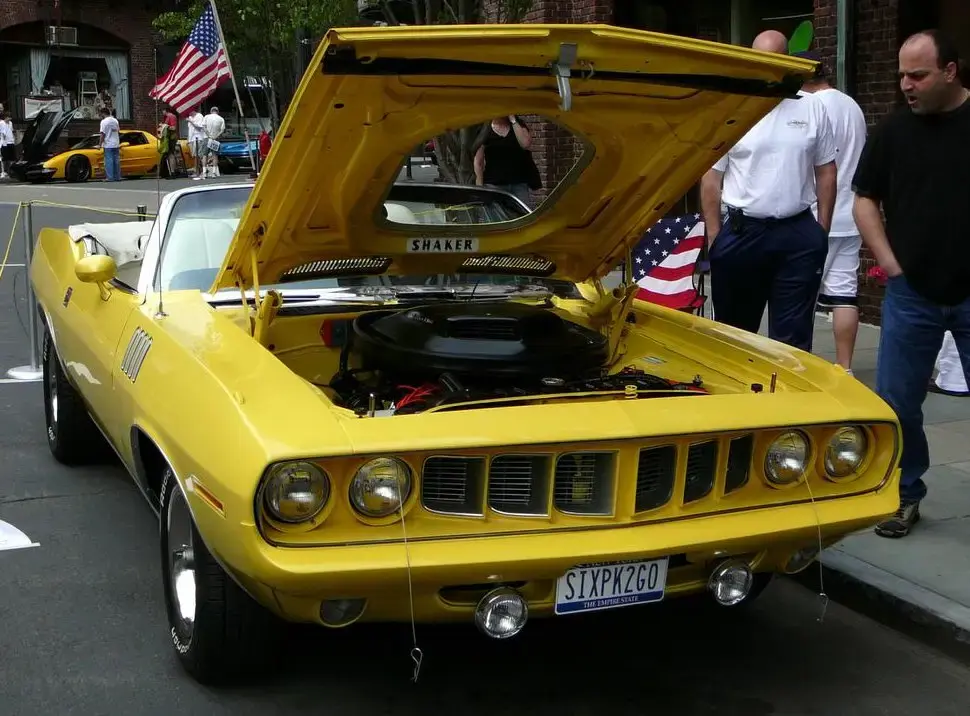
Factory Freak Shows: 7 Rarest Factory-Built Muscle Cars Ever
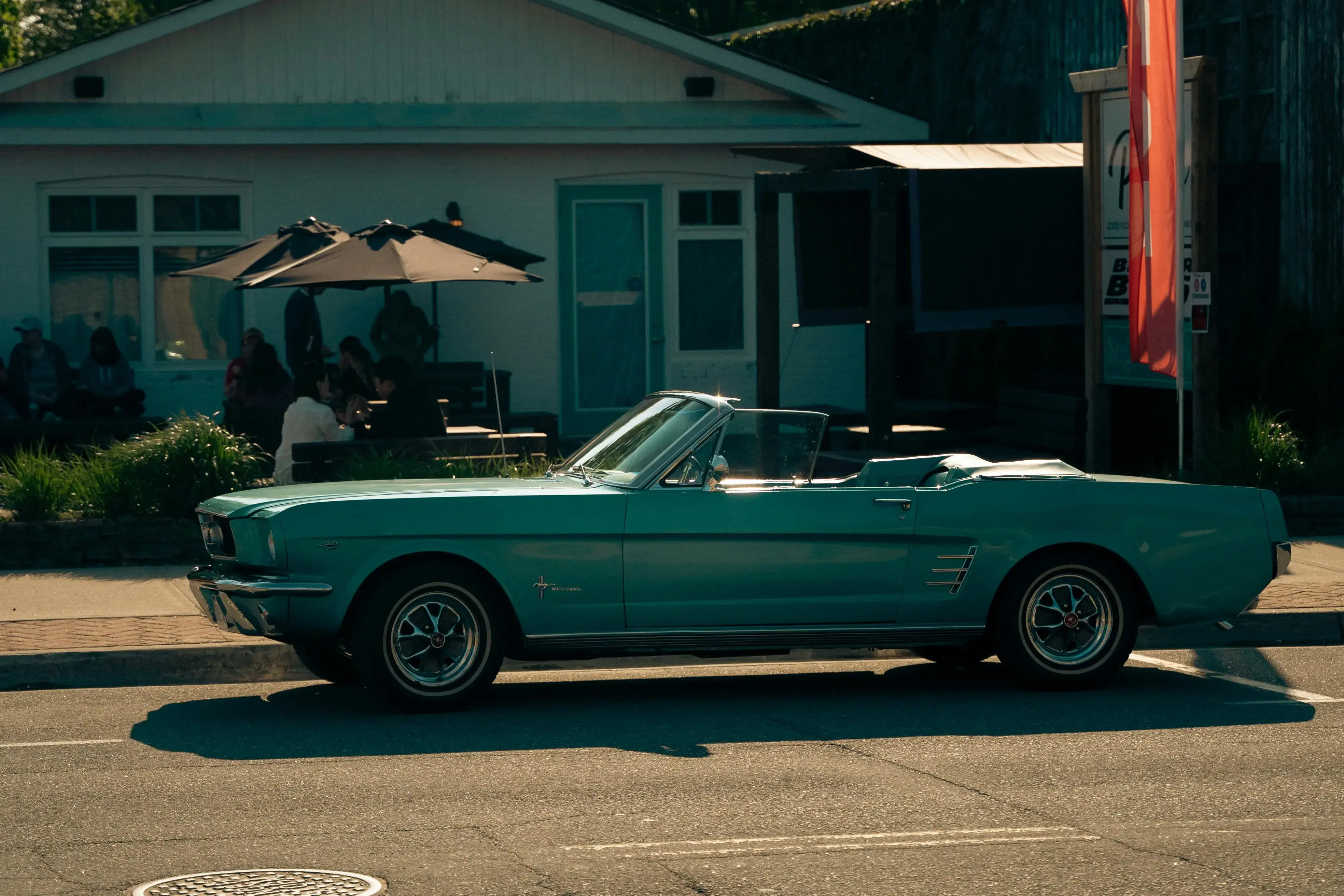
Convertible Muscle Rarity: Why Drop-Tops Cost a Premium