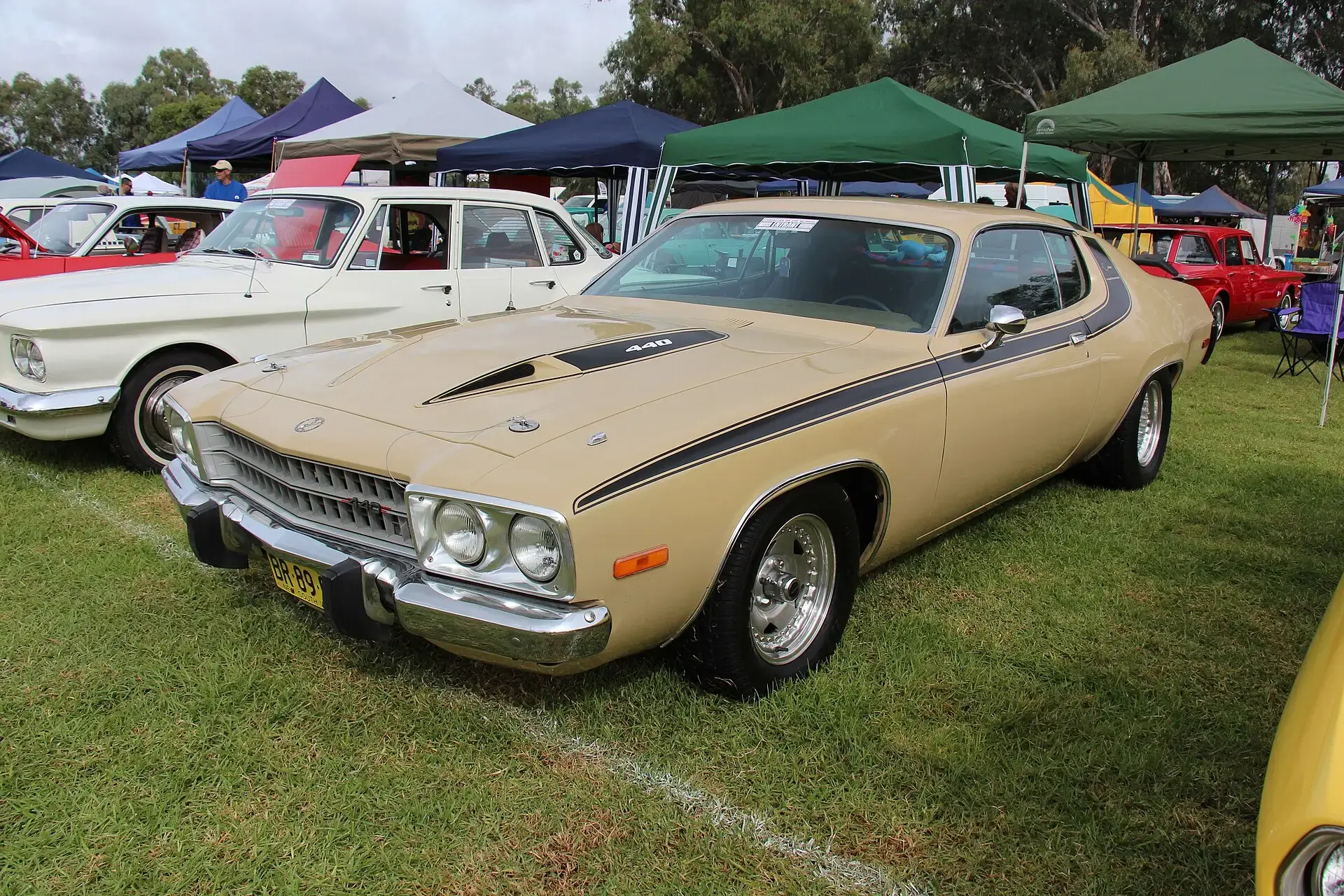

Everyone knows the headline heroes of American performance: big‑block Chevelles, Hemi ‘Cudas, early GTOs, and first‑gen Z/28s. But beneath that top layer is a deep bench of underrated American performance cars that delivered serious speed and engineering sophistication while missing the mass‑market spotlight. For collectors, those “missed” models are often where the most interesting opportunities still exist.
This article highlights five American performance cars that deserve more collector attention, why they were overshadowed, and how they fit into today’s global classic market. It serves as a companion to the main feature on underrated muscle cars, the Olds 442, and one‑year‑only legends. When you are ready to move from research to acquisition, West Coast Shipping’s international car shipping page explains how we move these hidden gems safely between continents.
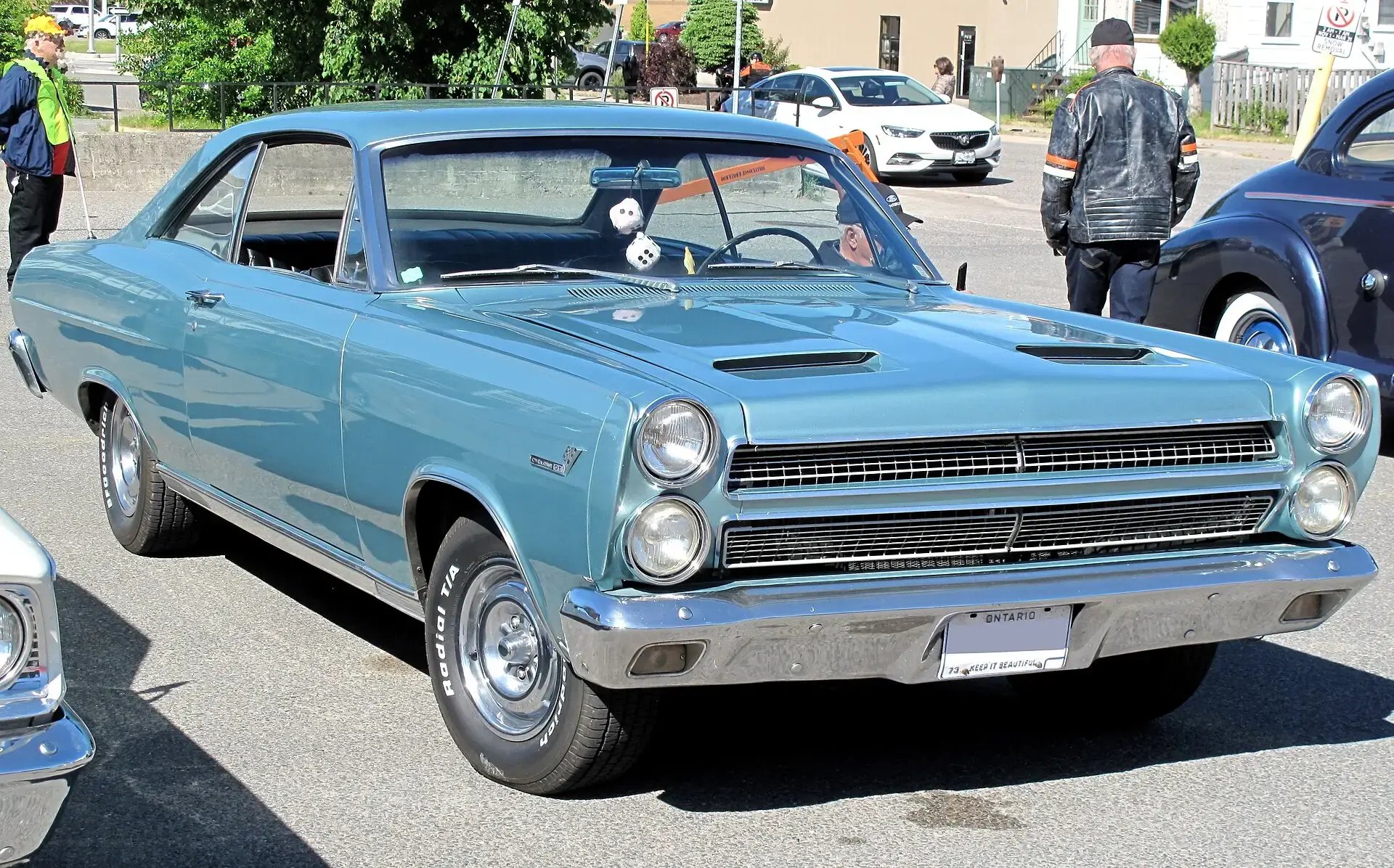
1. 1966 Mercury Comet Cyclone GT
Why it flew under the radar
The 1966 Comet Cyclone GT is a textbook example of a car that did almost everything right but never got its share of the spotlight. Built on Ford’s mid‑size platform alongside the Fairlane, it offered:
-
A 390‑cubic‑inch V8 commonly rated around 335 gross horsepower.
-
A choice of manual or automatic transmissions.
-
Mid‑size proportions with relatively good weight distribution.
The problem was branding and timing. In the mid‑1960s, Ford’s marketing focus was heavily concentrated on the Mustang and Fairlane. Mercury suffered from “middle‑child” syndrome inside Ford’s lineup: more upscale than Ford, less exotic than Lincoln, and rarely the first name in performance conversations.
Performance and driving character
Period road tests for big‑block mid‑size Fords and Mercurys of this era frequently reported:
-
0–60 mph in the mid‑7‑second range.
-
Quarter‑mile passes in the mid‑14‑second bracket, depending on gearing, driver, and track conditions.
Because not every magazine tested the Cyclone GT specifically, modern enthusiasts usually extrapolate from Fairlane GT and similar Mercury tests when quoting performance. In real‑world driving, owners report strong mid‑range torque, more refined road manners than some rivals, and a “Q‑car” character—subtle looks hiding substantial speed.
Collector upside today
As of early 2026, market observers note that:
-
Clean, well‑optioned Cyclone GTs generally sell for less than comparable Chevelle SS396 or Fairlane 390 GT examples of similar condition.
-
The pace‑car connection (Mercury used Cyclone GTs as 1966 Indy 500 pace and replica cars) adds provenance without yet commanding the premiums you see with some other pace‑car editions.
For collectors willing to look beyond the usual Chevelle/Mustang/Charger trio, the Cyclone GT offers big‑block fun, period racing cachet, and a relatively low entry price—especially in US‑domestic searches before exporting overseas.
2. 1970 AMC Rebel Machine
çA one‑year hammer from the “fourth” US automaker
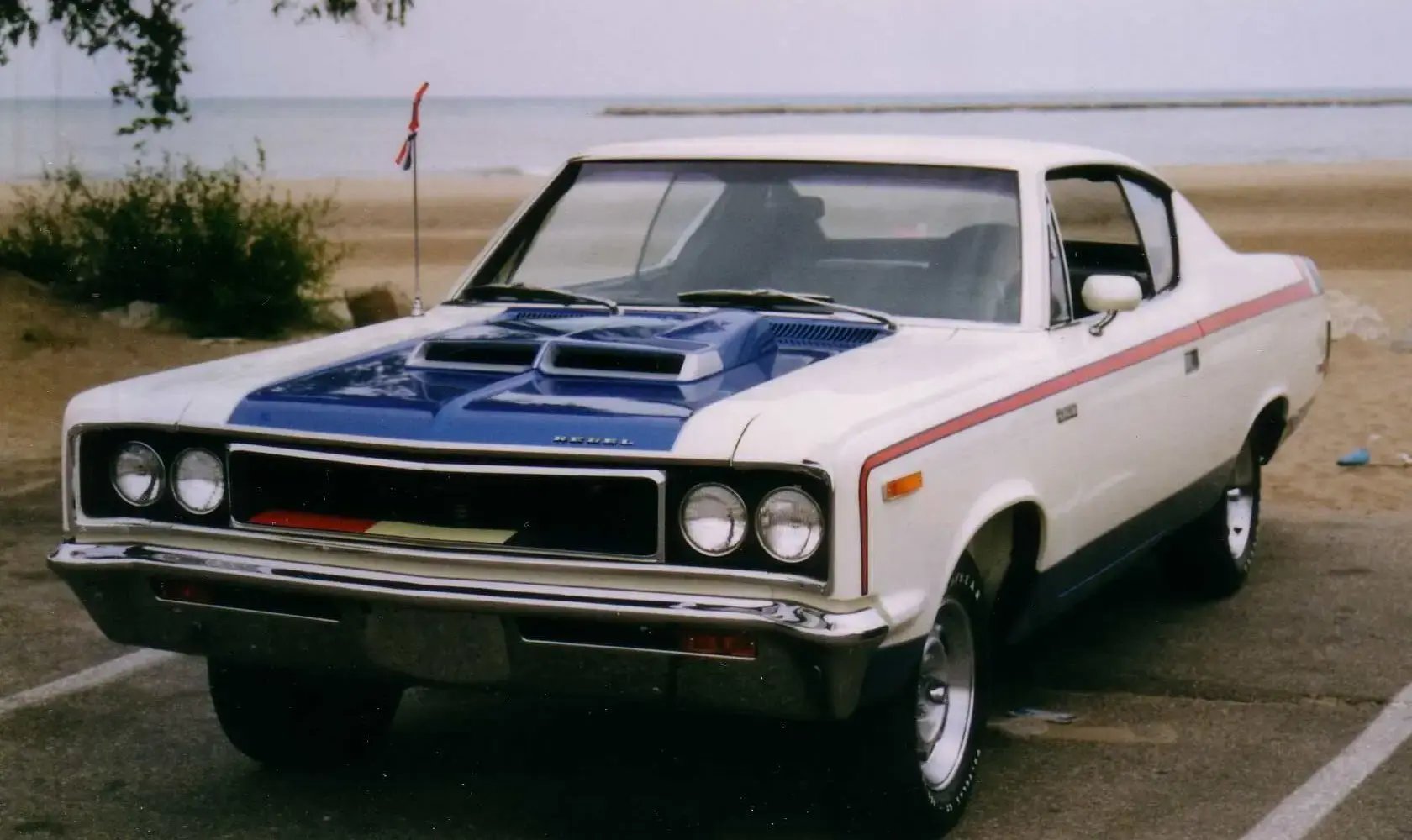
American Motors Corporation never had the marketing budgets or dealer network of the Big Three, but it produced some of the era’s most distinctive performance cars. The 1970 Rebel Machine is one of its boldest efforts:
-
A 390‑cubic‑inch V8 rated at roughly 340 gross horsepower.
-
Functional hood scoop and factory tachometer.
-
Optional wild red/white/blue graphics that made the car impossible to miss.
According to widely cited production data compiled from AMC records and enthusiast registries, approximately 1,936 Rebel Machines were built for 1970. That places it firmly in low‑production territory compared with mainstream GM and Ford muscle.
Real‑world performance
Period tests from US magazines reported a range of results, but broadly placed the Rebel Machine among the quicker factory street cars of its time, with:
-
0–60 mph times typically falling between about 6.3 and 6.8 seconds.
-
Quarter‑mile times in the mid‑14‑second range (often quoted around 14.7–14.9 seconds at 95–100 mph).
Differences between individual tests usually came down to gearing, driver technique, weather, and whether the car was running on contemporary bias‑ply tyres or modern radials.
Why it’s still underrated
Even now, many casual enthusiasts associate AMC mainly with Gremlins and Pacers. That lack of brand prestige means the Rebel Machine:
-
Is often priced below GM and Ford peers with similar performance and lower production.
-
Attracts a more knowledgeable buyer base that values rarity and engineering quirks over nameplate fame.
WCS’s broader coverage of AMC in articles like 6 affordable classic muscle cars from the USA and hidden undervalued classics highlights how often AMC metal appears in “sleeper” lists. For international buyers, that undervaluation can be especially attractive when shipping costs are a fixed component of the equation.
3. 1971 Dodge Demon 340
Compact size, serious small‑block
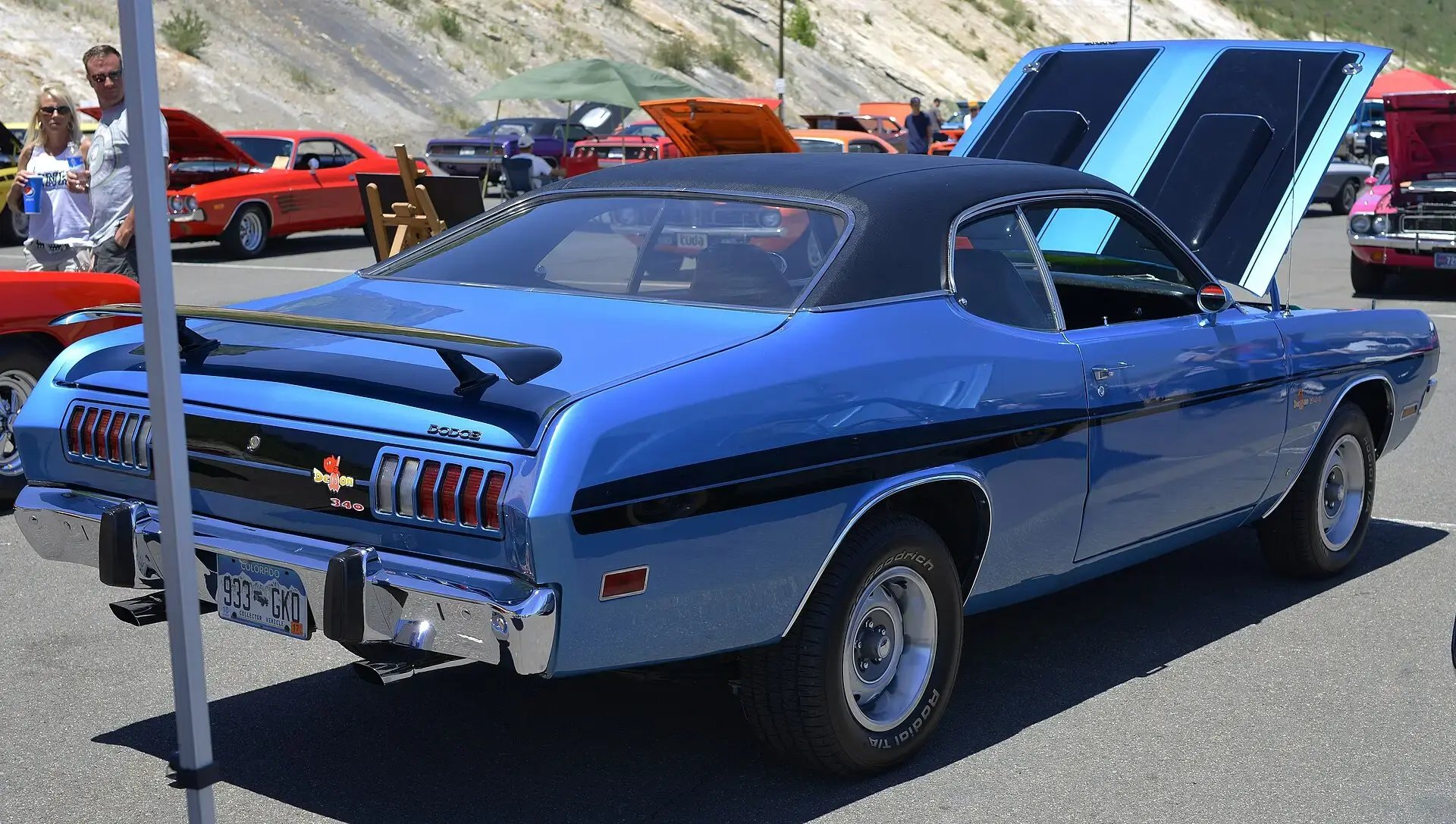
The Dodge Demon 340 was Dodge’s compact fastback response to cars like the Nova SS and Duster 340. Built on the A‑Body platform, it offered:
-
A 340‑cubic‑inch small‑block V8 with around 235 net horsepower (higher in pre‑1971 gross terms).
-
Light curb weight and short wheelbase.
-
Optional performance gearing, limited‑slip differential, and heavy‑duty suspension.
It delivered much of the straight‑line fun of larger B‑body Mopars in a more tossable, city‑friendly package.
Performance and reputation
Contemporary tests generally put the Demon 340’s:
-
0–60 mph times in the low‑7‑second range, sometimes quicker with aggressive launches.
-
Quarter‑mile times around the mid‑15s, with high‑14s possible in favourable conditions.
Those numbers compare well with many higher‑profile small‑block muscle cars of the era. Enthusiasts often praise the 340 engine for its rev‑happy character and durability, noting that it responds strongly to mild bolt‑on upgrades and careful tuning.
Why it remains a “below‑the‑headline” car
The Demon name attracted controversy from religious groups and was dropped after 1972, replaced by the more neutral “Dart Sport.” Combined with relatively modest production and later name changes, this kept the Demon out of the mainstream nostalgia loop that favoured Chargers, Road Runners, and 'Cudas.
As of 2026, buyers looking at Demon 340s often find:
-
Lower asking prices than comparable Duster 340s and far below E‑body Mopars, especially outside the US.
-
A loyal but still comparatively small fanbase, which can mean fewer bidding wars but also fewer truly top‑quality restorations on the market.
For overseas collectors seeking a “real Mopar” without paying E‑body money, a well‑sorted Demon 340 is one of the smartest ways to get genuine Chrysler performance and heritage in a manageable footprint.
4. 1970 Buick GSX Stage 1
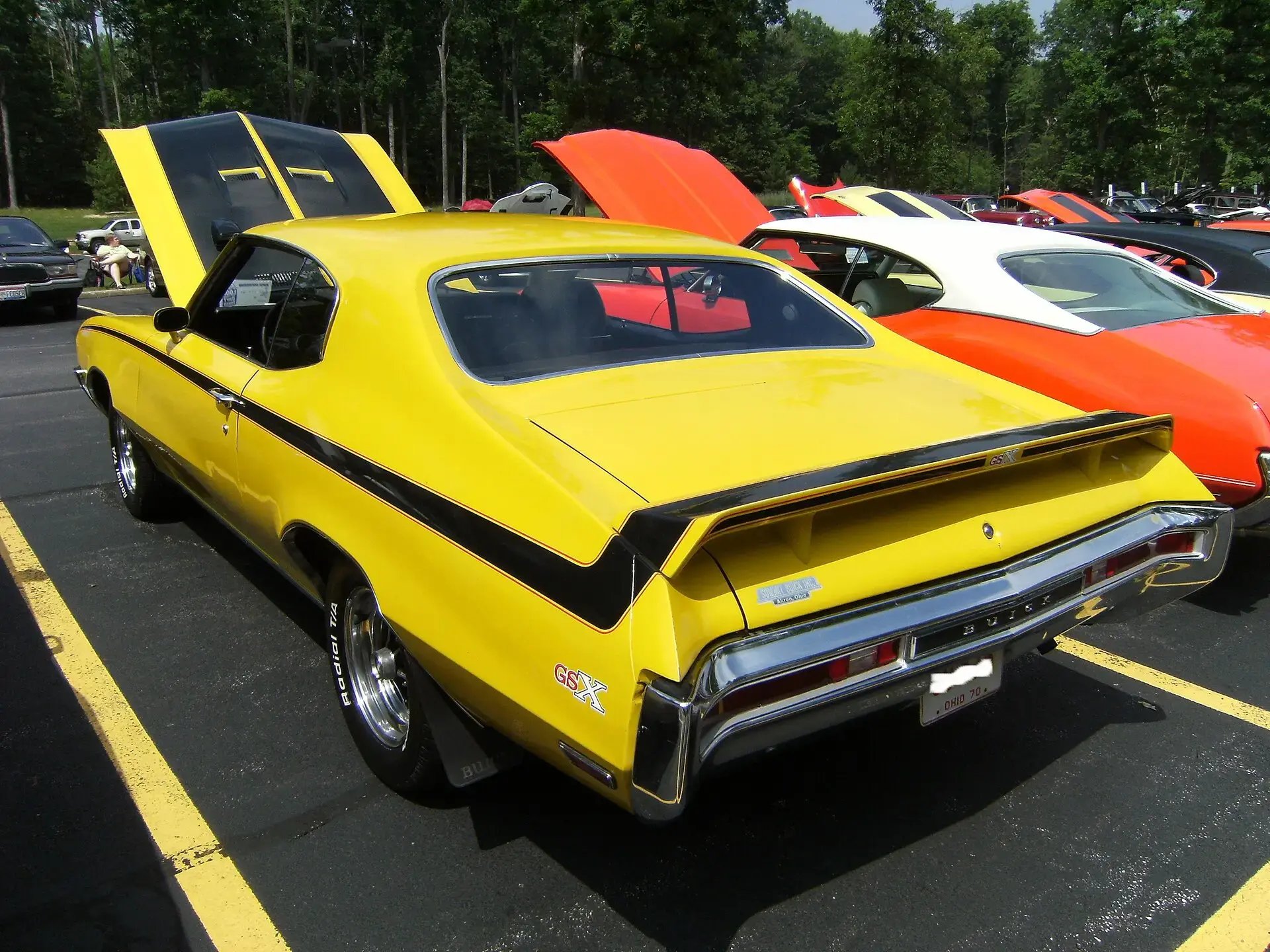
Luxury meets brute force
Buick’s 1970 GSX Stage 1 shattered the stereotype that Buicks were strictly for comfortable cruising. The Stage 1 package included:
-
A 455‑cubic‑inch V8 officially rated at 360 gross horsepower and a staggering 510 lb‑ft of torque.
-
Upgraded camshaft, cylinder heads, carburetion, and ignition.
-
Heavy‑duty suspension, quicker steering, and performance gearing.
-
Bold graphics and rear spoiler that made it unmistakable.
Period tests from major magazines often recorded:
-
0–60 mph in the mid‑5‑second range.
-
Quarter‑mile times around 13.4 seconds at just over 100 mph on factory tyres.
Those figures place the GSX Stage 1 firmly among the quickest factory muscle cars of its era—often outperforming more famous rivals in back‑to‑back tests.
Limited production, outsized capability
Production records and Buick historians generally cite around 678 GSX models built for 1970, with a fraction of those carrying the Stage 1 engine package. That combination of low volume, high torque, and luxury interior appointments makes the GSX unique in the segment.
As WCS notes in the article on the rarest American muscle cars ever built, top‑condition GSX Stage 1s have crossed the quarter‑million‑dollar threshold at major auctions, especially in correct colours and with original drivetrains.
Why it still feels underrated
Despite its performance credentials, the GSX often sits slightly outside the casual collector’s mental shortlist, which tends to be dominated by Chevelle SS, GTO, Charger, and Mustang names. For serious enthusiasts, that relative underexposure can be a benefit: the car still feels like a “discovery” even to people who have been around American classics for years.
From an international perspective, the GSX’s mix of European‑grade interior refinement and American torque makes it particularly appealing to buyers accustomed to Mercedes or Jaguar comfort but curious about American V8 drama.
5. 1968–1970 AMC AMX
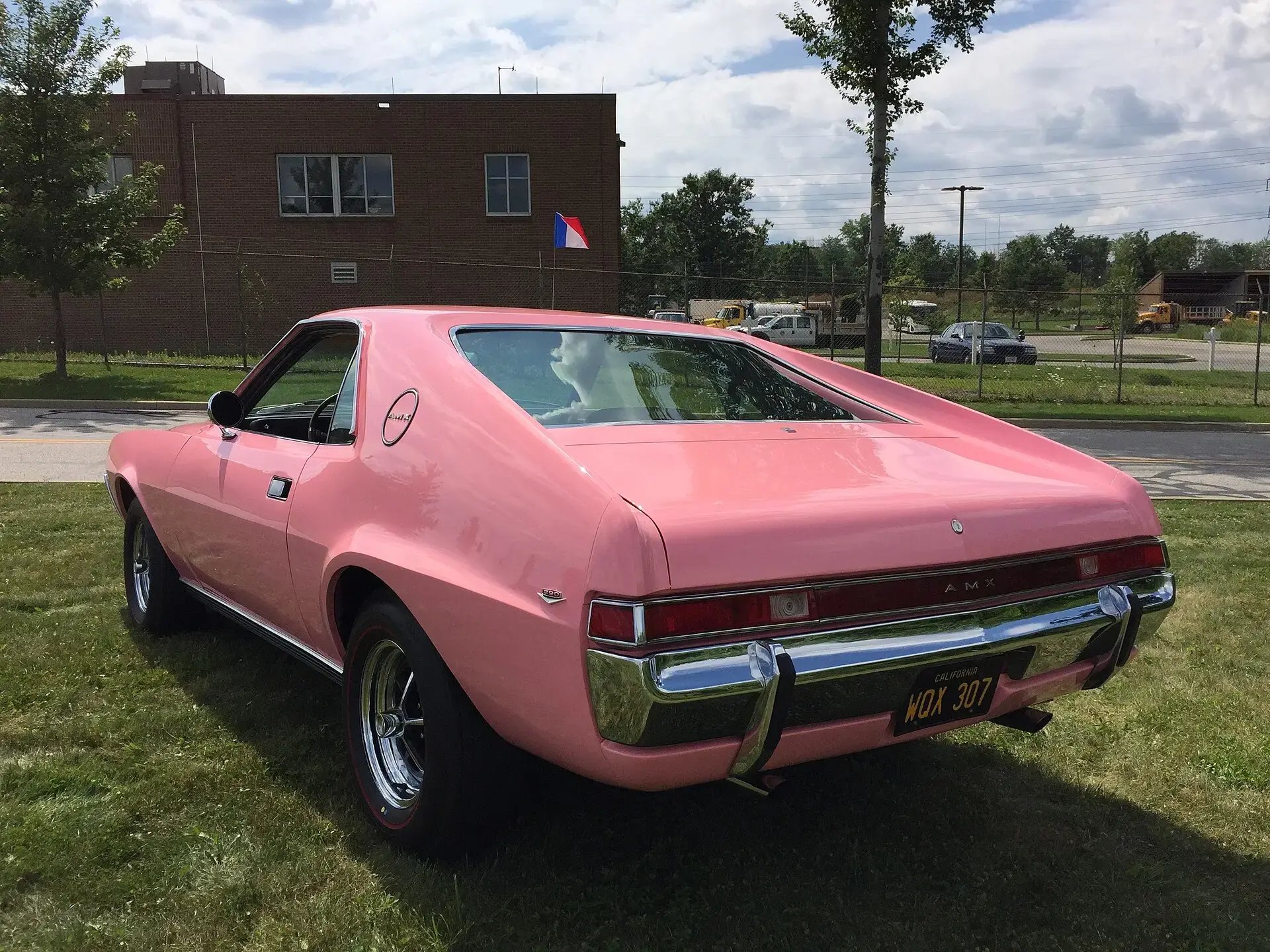
Two seats, serious intent
The AMC AMX occupies a unique niche in American performance history. Unlike most muscle cars, it was a true two‑seater—shorter and more agile than the Javelin on which it was based. Key ingredients included:
-
A 390‑cubic‑inch V8 making up to about 315 gross horsepower.
-
Shorter wheelbase and lower weight than most mid‑size muscle contemporaries.
-
Styling that balanced muscle‑car aggression with sports‑car proportions.
The AMX set multiple speed and endurance records and competed in SCCA events, giving it legitimate competition credentials beyond street drag racing.
Performance and collectibility
Period road tests often reported:
-
0–60 mph times in roughly the 6‑second range.
-
Quarter‑mile times in the mid‑14s, depending on gearing and options.
Production across the 1968–1970 run is commonly cited at around 19,000 units, making the AMX rarer than many contemporary Mustangs and Camaros. Yet, as highlighted in WCS’s coverage of affordable classic muscle, prices for driver‑grade AMXs remain accessible compared with equivalent‑performance Corvettes or big‑block pony cars.
Why it belongs on more shopping lists
For buyers who want:
-
Something visually distinct from the standard muscle‑car crowd.
-
A car with real motorsport credentials.
-
Manageable size for narrow European or Asian streets.
…the AMX checks boxes that many mainstream muscle cars do not. Its status as an AMC means fewer casual observers know exactly what they are looking at, which—for some owners—is part of the appeal.
How to Approach Underrated Performance Cars as a Collector
Focus on fundamentals, not just obscurity
“Underrated” should not be confused with “cheap for a reason.” When evaluating any of the cars above (or similar models), pay close attention to:
-
Rust and structural integrity: Many of these cars used shared platforms with known rust points; repairs can be expensive or difficult.
-
Parts availability: GM A‑bodied cars like the GSX benefit from robust reproduction support; AMC and some Mercury parts can require more hunting.
-
Documentation: Original build sheets, window stickers, old registrations, and service records add both value and confidence.
WCS’s broader muscle and classic coverage—including American muscle cars: complete guide to classic models and history and classic car transport guides—emphasises that documentation and condition matter as much as badge prestige when it comes to long‑term collectibility.
Verify performance, production, and pricing for your specific car
Because data on less‑famous models can be inconsistent, it is especially important to:
-
Cross‑check production numbers using marque clubs, registries, and specialist literature.
-
Treat performance claims as representative ranges rather than absolute numbers unless tied to a specific, cited road test.
-
Use multiple valuation sources (Hagerty, Classic.com, recent auction results) and, where possible, local market intel for the region where you plan to buy or sell.
The main article on underrated muscle cars, the Olds 442, and one‑year‑only legends goes deeper into how small discrepancies in reported production and test data can affect both perceived desirability and pricing.
Disclosure and disclaimer (February 2026): This article is provided by West Coast Shipping (WCS) as general informational and promotional content about WCS services. It is not legal, tax, import, customs, financial, or compliance advice and does not create any client relationship. All production figures, performance specifications, and market values are based on commonly cited public sources—including manufacturer literature, enthusiast registries, period magazines, valuation guides, and auction reports—as understood in February 2026, and they may vary across sources. Performance figures from period road tests often differ between publications, production numbers can be revised as new archival data emerges, and market values are highly volatile. Before purchasing or importing any classic vehicle, always verify specifications and production numbers with marque specialists or factory documentation where available, and confirm current pricing with multiple up‑to‑date valuation sources and recent comparable sales.
Ship Your Underrated American Performance Car Worldwide
Get an International Shipping Quote Before You Bid
Finding an underrated American performance car is only half the story; the other half is getting it home without compromising its condition or your budget. West Coast Shipping specialises in moving classic and muscle cars from the USA to collectors around the world, combining:
- Containerised shipping for maximum protection of rare or high‑value vehicles.
- Dedicated classic‑car handling, from low‑clearance loading ramps to soft‑strap tie‑downs.
- Export documentation expertise to keep customs surprises to a minimum on the receiving end.
Before you place a winning bid or sign a purchase agreement, visit the international car shipping page to see example routes and rates, then request a tailored quote. Knowing your shipping and paperwork costs up front helps you decide whether that Cyclone GT, Rebel Machine, Demon 340, GSX Stage 1, or AMX is just a tempting listing—or the right next addition to your collection.

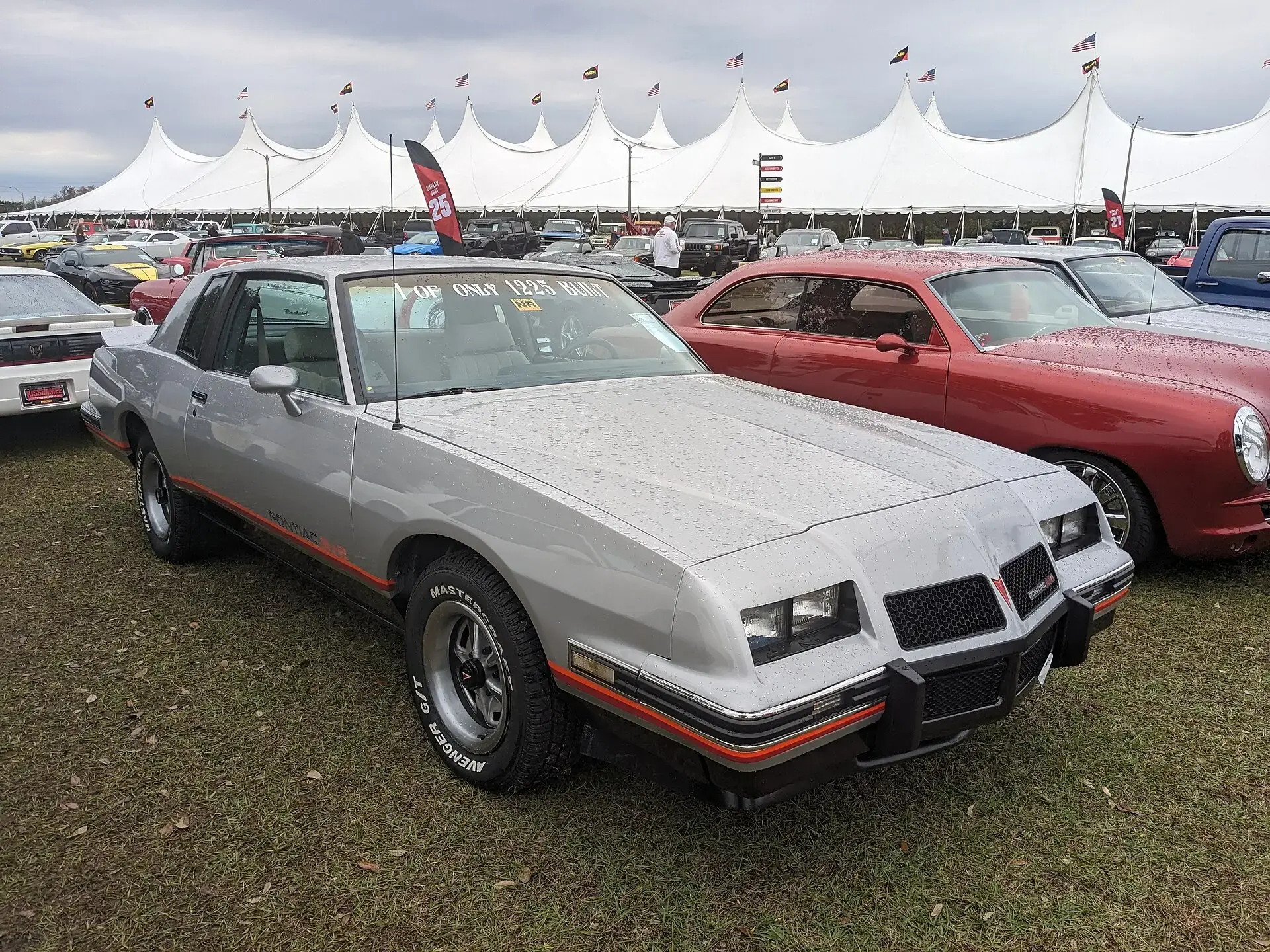
One‑Year‑Only Muscle Cars: Rare Legends & Collector Potential
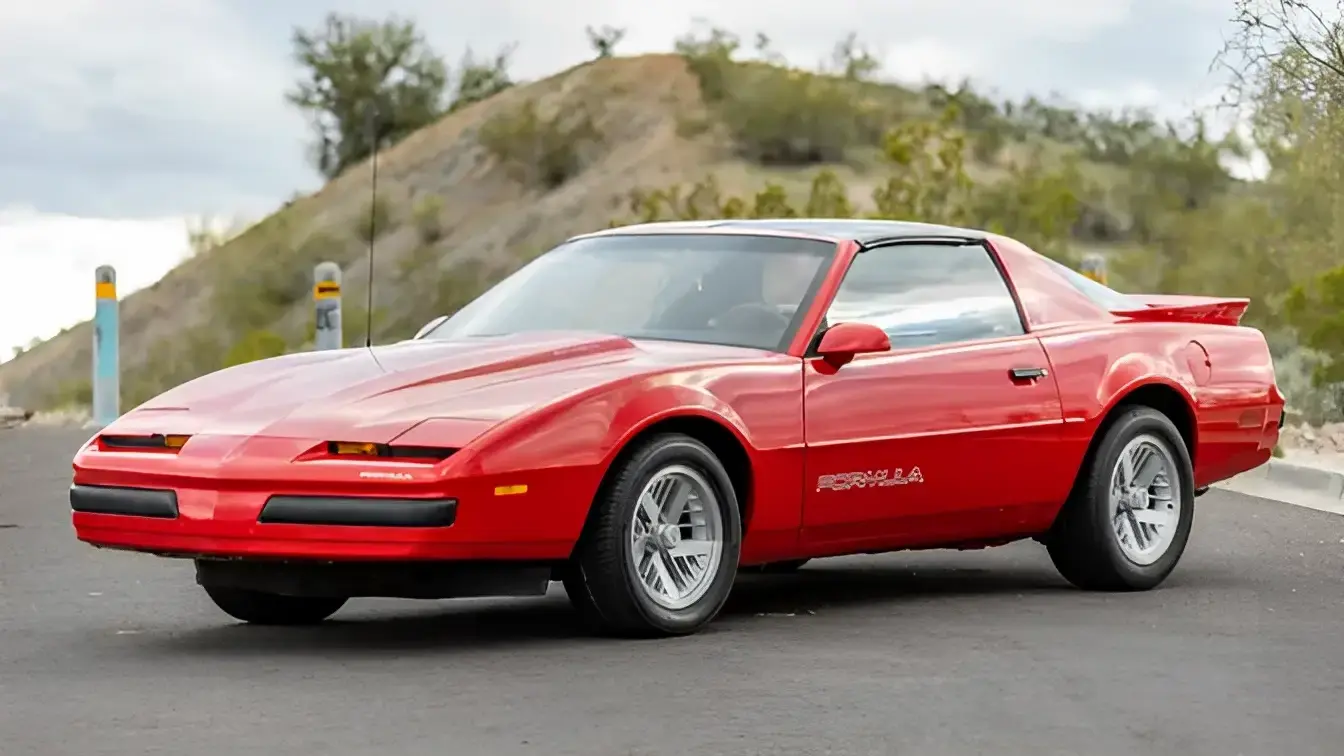
Forgotten Fast: 10 Underrated 1990s Muscle Cars Worth Shipping