

Export Locations
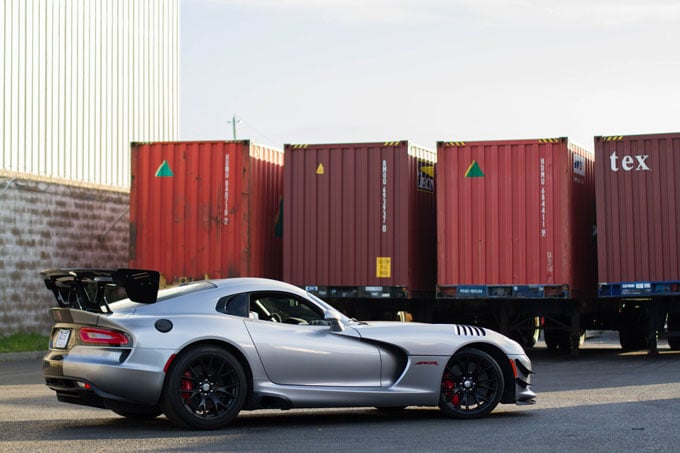
We ship cars to Poti port in Georgia from our US warehouses in California, Florida, and New Jersey. Free storage available before loading. Each week, we load container shipments to Georgia and can accommodate both shared and dedicated containers.

Vehicles
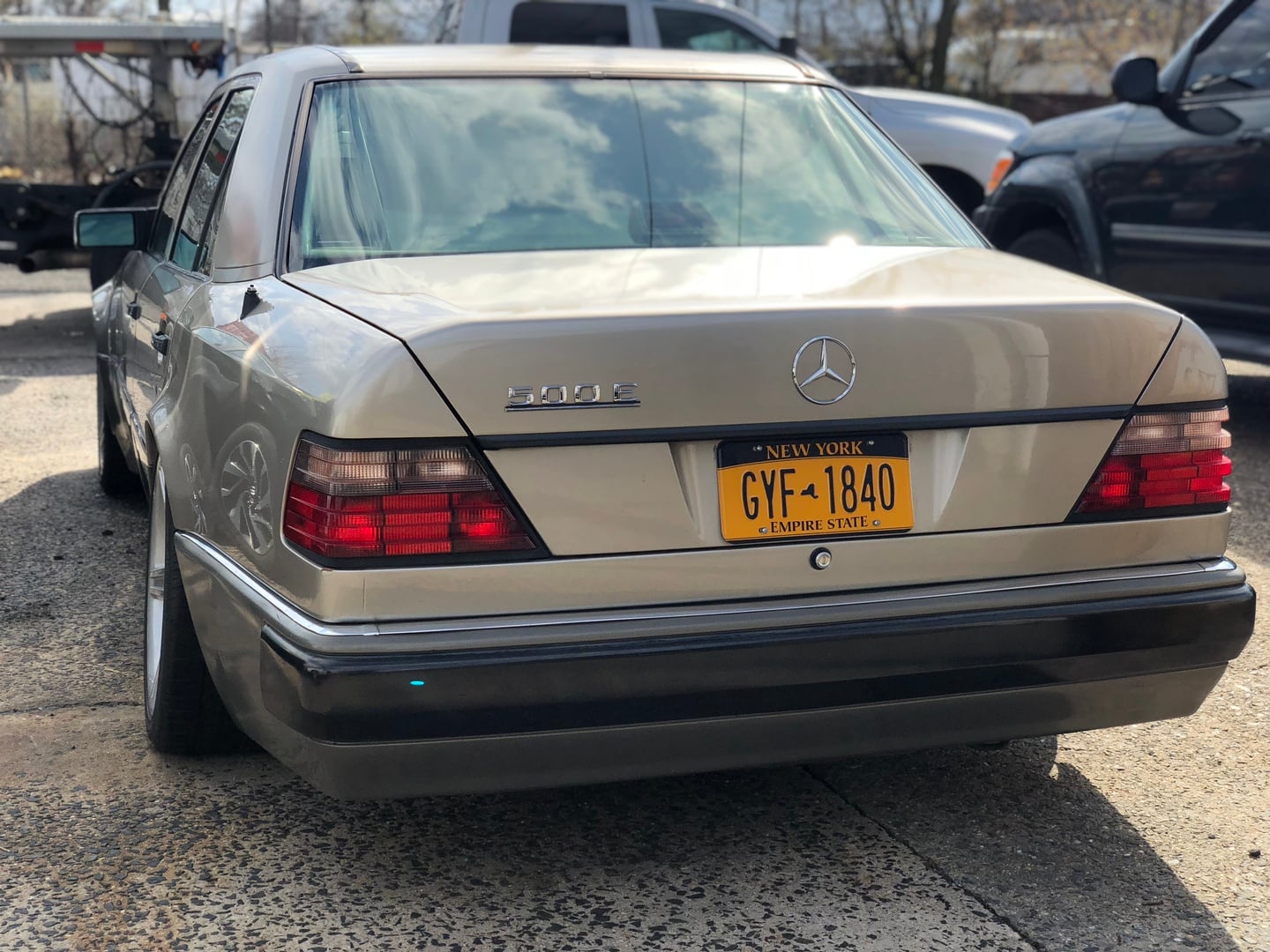
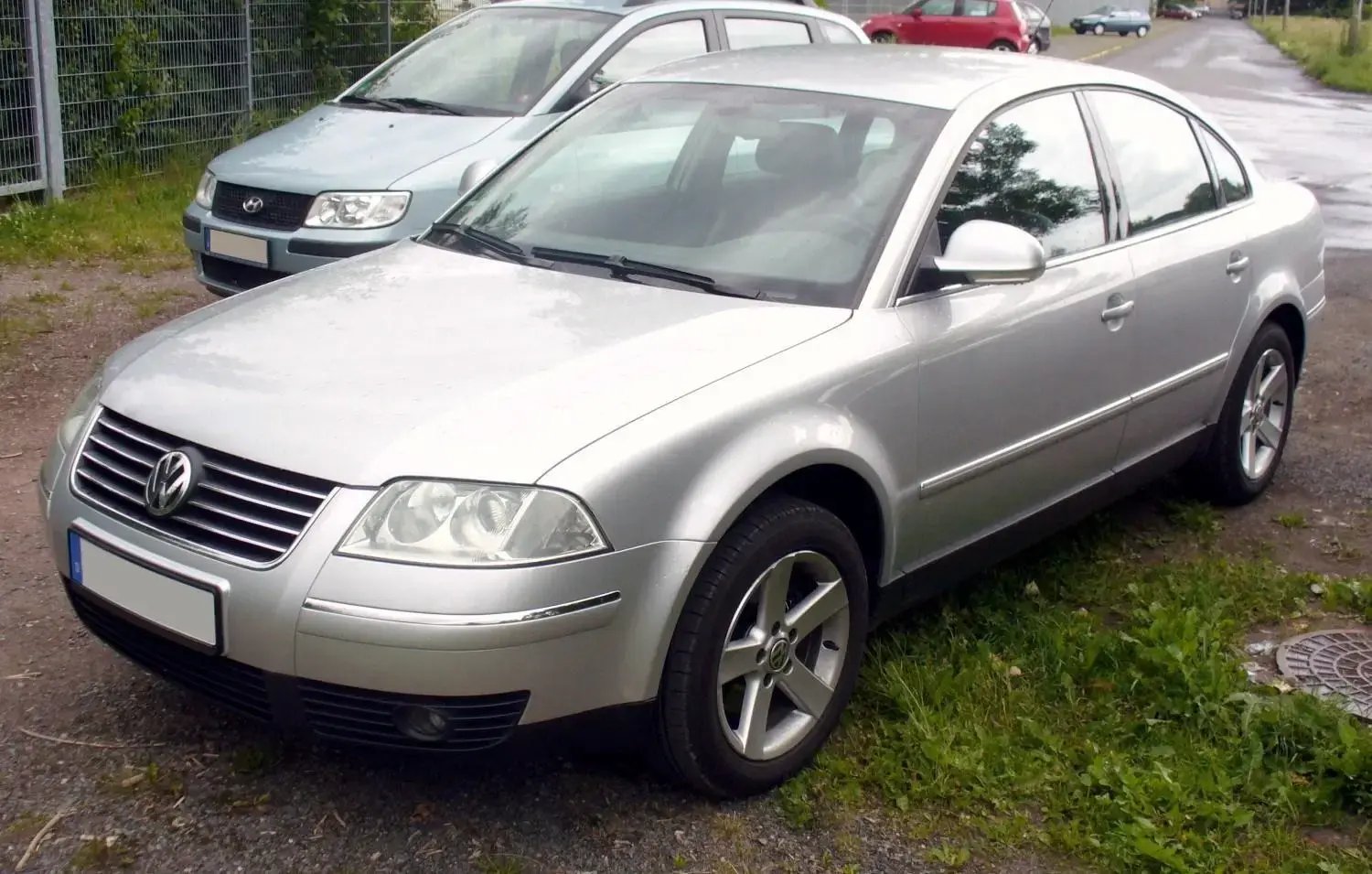
We safely ship sedans, hatchbacks, and SUVs from the USA to Poti, Georgia using consolidated and dedicated container service. Whether it’s a daily‑driver Toyota, Honda, BMW, or Mercedes, we load and secure your vehicle at our US facilities and handle export paperwork from start to finish.

Motocycle
We arrange enclosed container shipping for motorcycles, scooters, and ATVs heading to Georgia. Your bike is strapped to a custom pallet or crate, then loaded in a shared container so it arrives in Poti secure and ready for inspection and registration.
Electric & Hybrid Cars
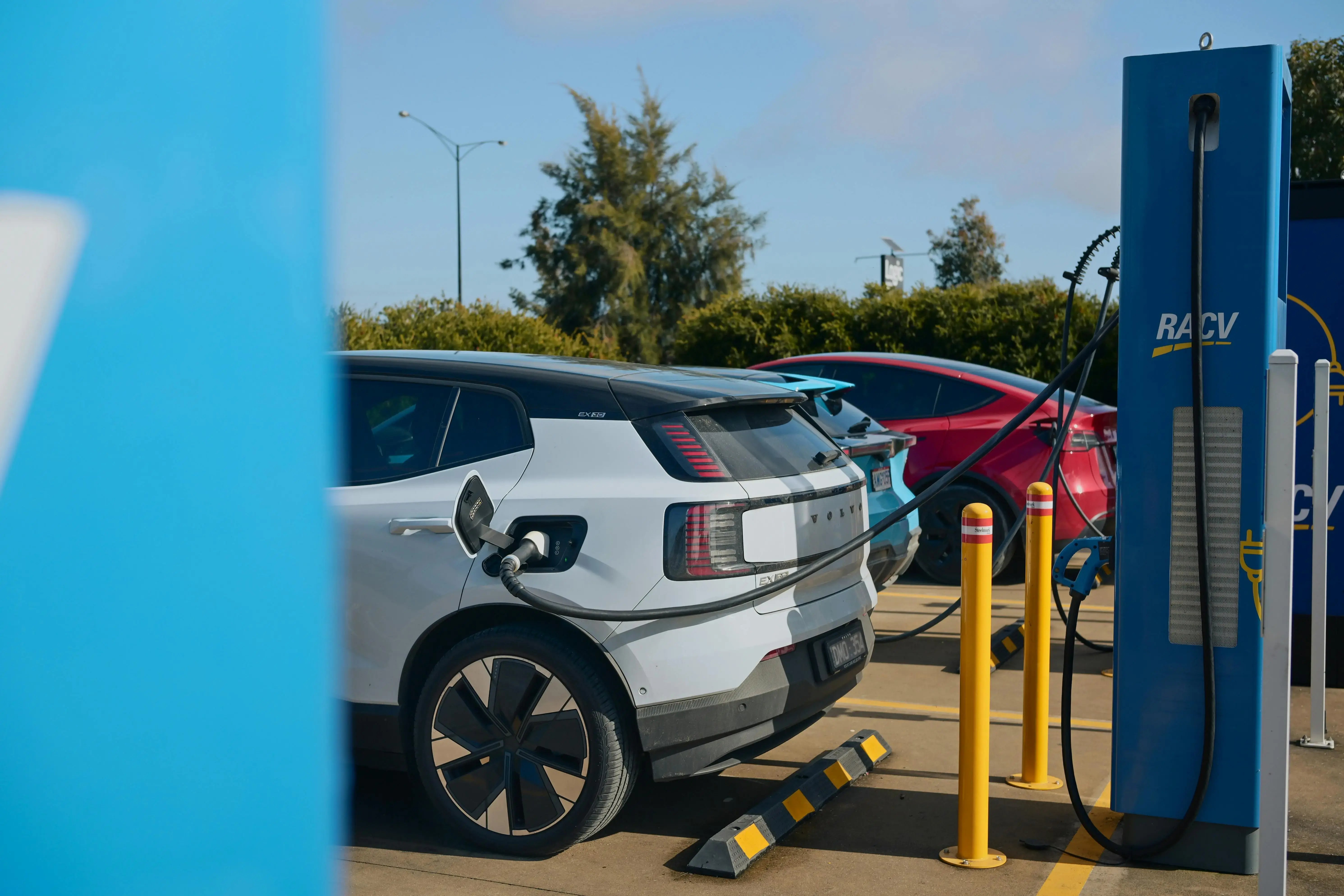
Electric and hybrid vehicles require special handling and documentation when shipping to Georgia. Our team regularly ships Tesla, Nissan Leaf, Toyota hybrids, and other EVs in containers, protecting the battery pack and ensuring all high‑voltage safety procedures are followed.

Race & Rally Cars
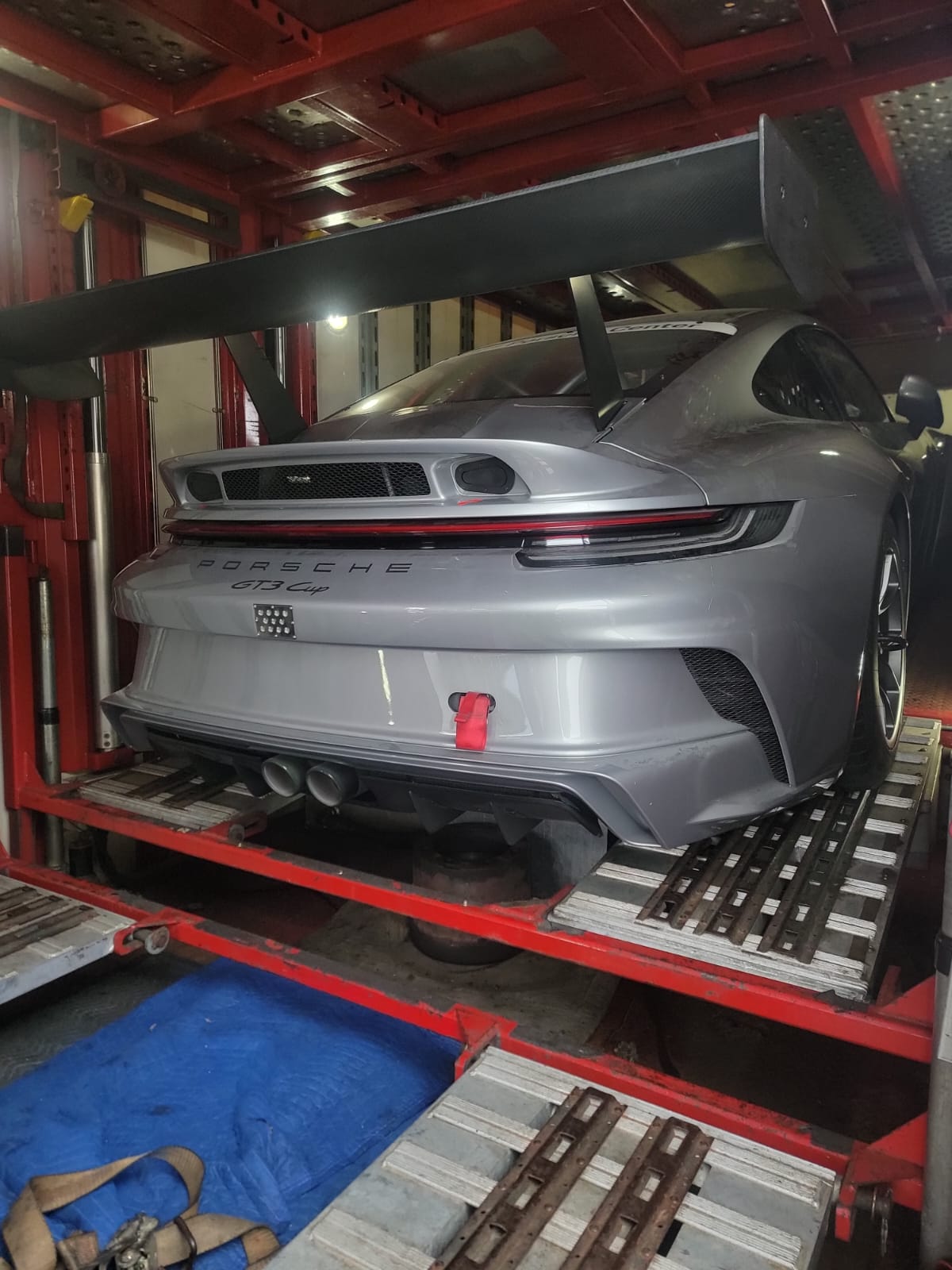
Georgia is a popular destination for race and rally builds sourced from US auctions and private sellers. We provide enclosed container loading, extra tie‑downs, and detailed condition photos to protect track and rally cars during the voyage to Poti.
Classic Cars
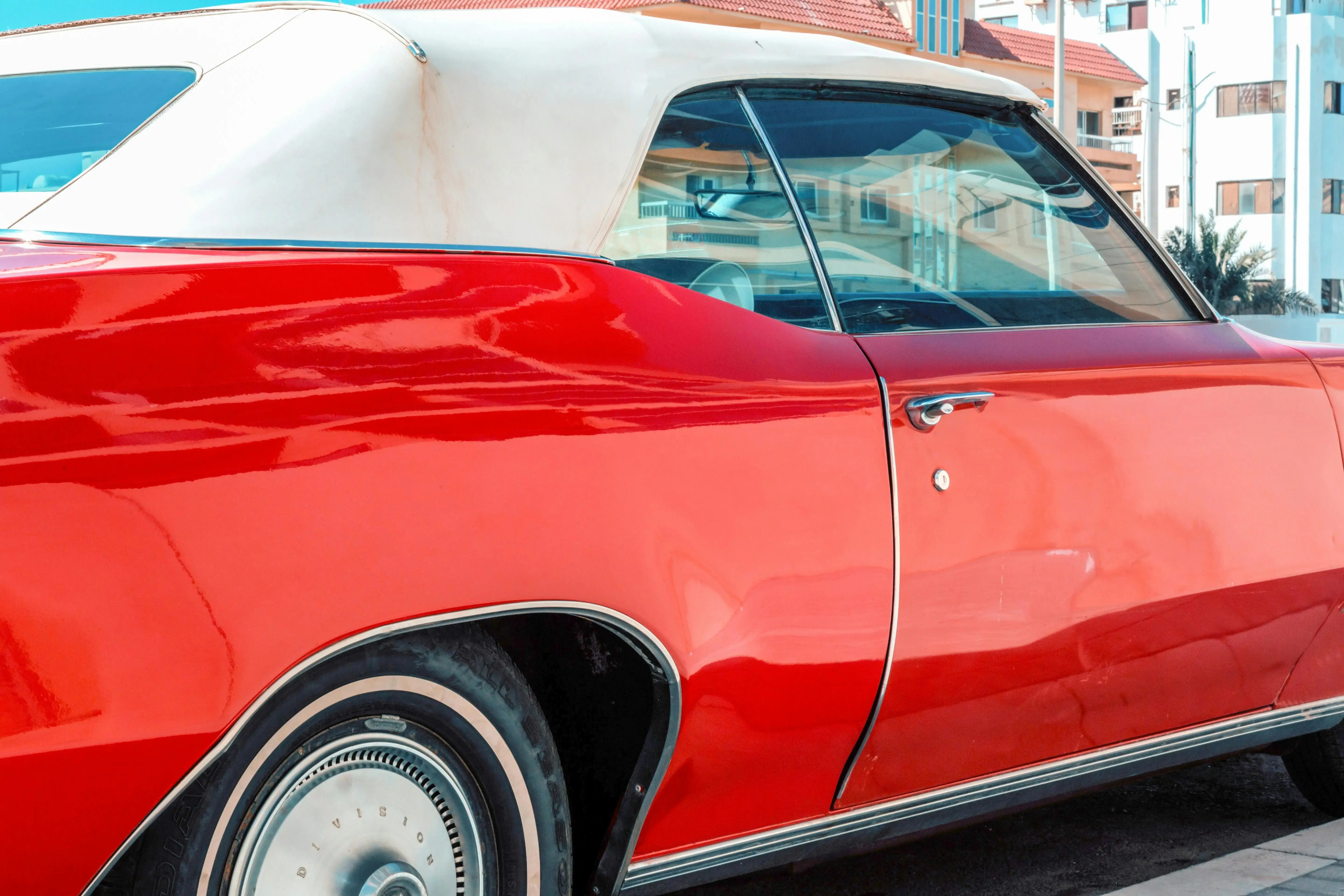
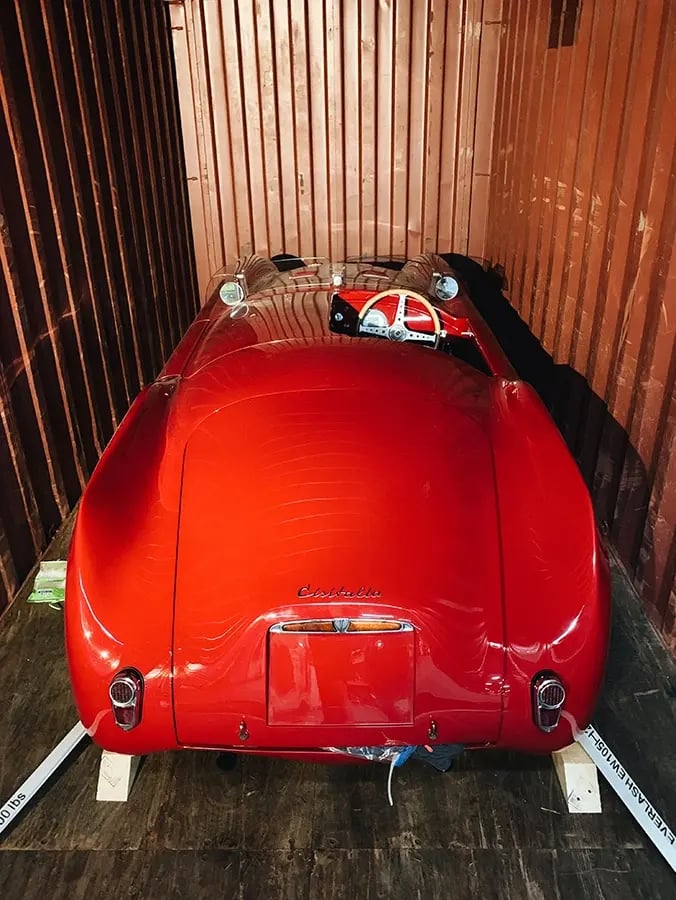
Classic and vintage cars deserve expert care when shipped from the USA to Georgia. We specialize in classic imports, using enclosed containers, soft straps, and careful bracing, and can guide you on duties, VAT, and registration options for older vehicles.

Luxury Cars
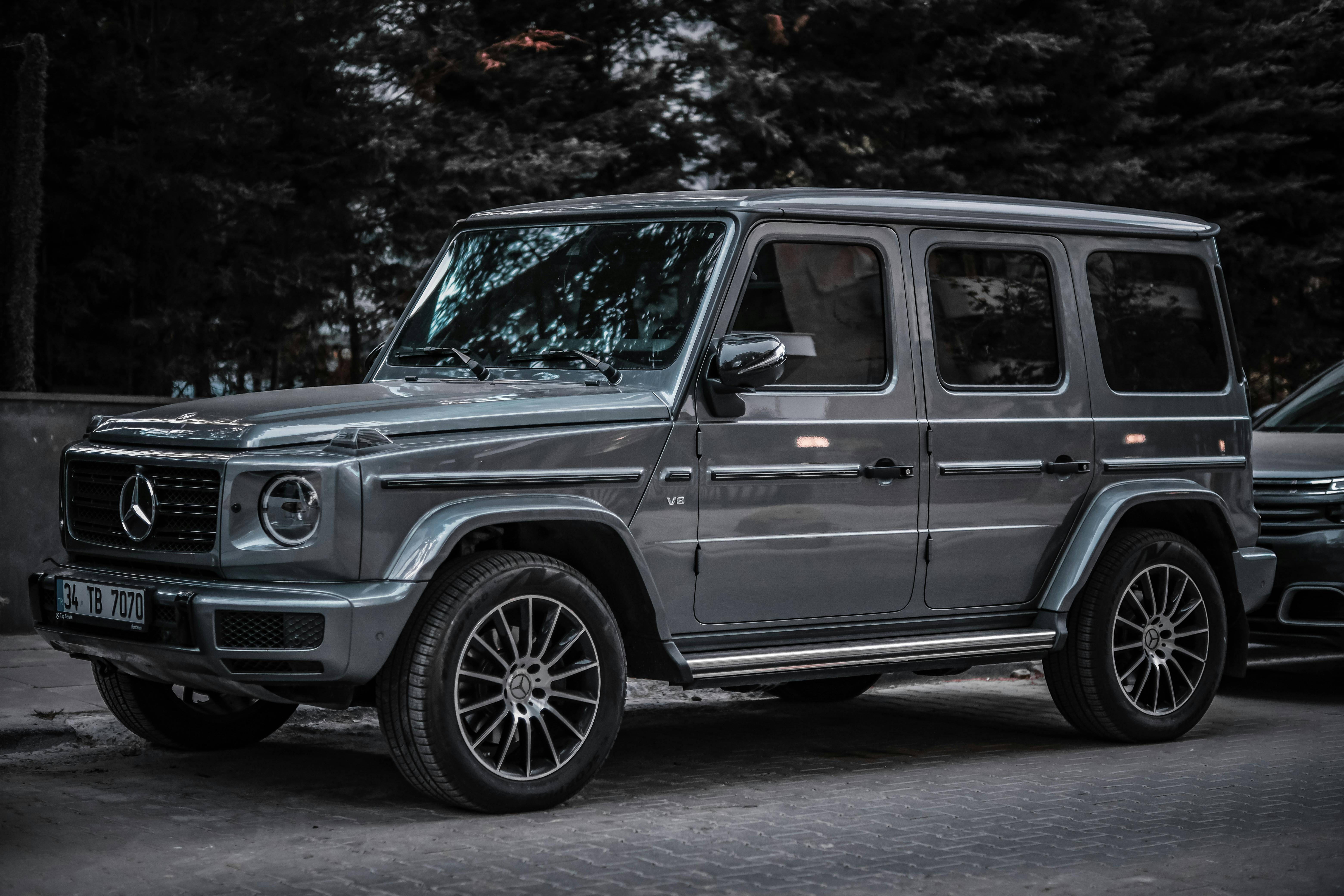
From high‑end sedans to exotic sports cars, we offer premium container shipping for luxury vehicles bound for Georgia. Porsche, BMW M, Mercedes‑AMG, and similar models travel in secure containers with optional damage protection for extra peace of mind.

Salvage & Project Cars
Georgia’s market is known for salvage and project vehicles imported from US auctions. We load non‑running and damaged cars into containers using winches and forklifts, work with your auction paperwork, and coordinate with your broker in Georgia for clearance.

Heavy Machinery
From construction and agricultural machinery to industrial equipment, we ship heavy units to Georgia using container, flat‑rack, or break‑bulk service when needed. Our team will recommend the best option based on your machine’s dimensions and weight.
Oversized Vehicles
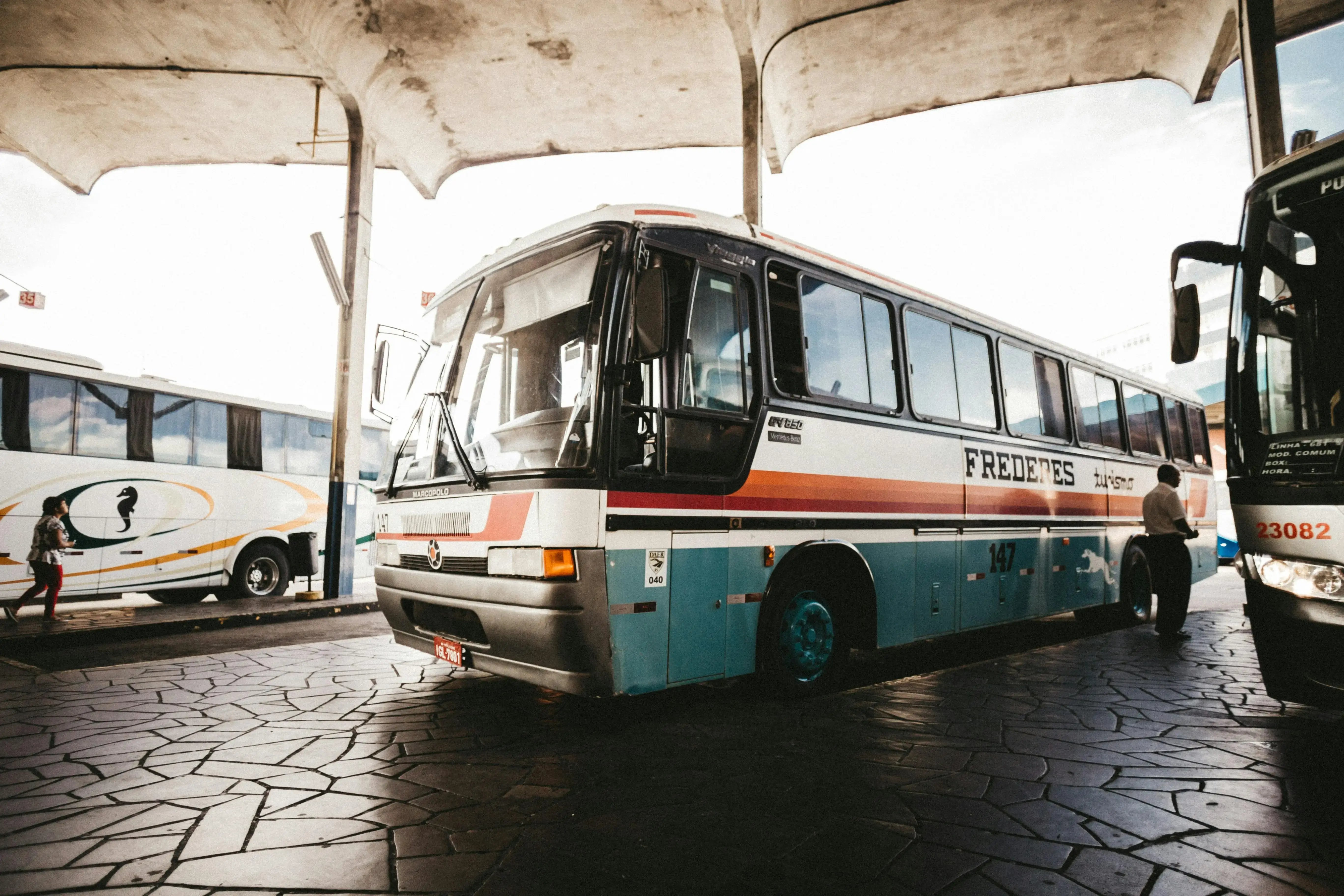
If your vehicle exceeds standard container dimensions, we can help you move it to Georgia using tailored solutions. Oversized shipping options handle buses, RVs, step vans, large SUVs, and custom‑built vehicles that need extra height or length.
Get Import Quote
Use our car shipping calculator to see current container rates from your ZIP code to Poti, Georgia. Your quote compares consolidated vs dedicated container prices and estimates key destination costs so you can plan for shipping, port fees, and import charges.

Ports We Serve in Georgia for USA Car Shipping
Georgia — Car Shipping to Poti Port
Poti is the primary gateway we use for USA car shipping to Georgia. We coordinate ocean freight by consolidated or dedicated container shipping, destination handling, and release so your vehicle can be collected at the port or moved onward after customs clearance.
Most vehicles route through Poti because it offers the most frequent sailings from major US ports like New York/New Jersey, Florida, and California, along with strong onward transport options across Georgia and the wider region. When your vehicle arrives, we’ll clarify what’s included in your shipping quote vs. what’s typically paid at destination (terminal handling, port documentation, customs procedures, and local release requirements).
Want to see what it would cost to ship your vehicle from the USA to Poti, Georgia?


Container Shipping Is the Best Option for Cars to Georgia
For regular cars, SUVs, and motorcycles shipping to Georgia, container shipping is still the recommended method. It offers full enclosure, increased security, and frequent departures from our US export hubs in New Jersey, Florida, and California. RoRo is primarily used for oversized vehicles, commercial trucks, buses, and heavy machinery.
RoRo Shipping from the USA to Georgia: Best for Oversized Vehicles & Heavy Machinery
RoRo (Roll‑on/Roll‑off) shipping is designed specifically for oversized vehicles, commercial trucks, buses, and heavy machinery that can be safely driven onto the vessel. For shipments from the USA to Poti, Georgia, RoRo is often similar in base price to container shipping but is the most practical solution for units that exceed standard container length, width, or height.
If you’re moving a large or heavy vehicle from the USA to Georgia, our team will review available RoRo and container sailings from major U.S. ports in New York, California, and Florida, and advise whether RoRo or container service is the most efficient option based on your vehicle’s size, weight, and delivery timeline.
RoRo is ideal for:
- Heavy machinery (excavators, loaders, tractors)
- Oversized vehicles and commercial trucks
- Units that can be driven onto the vessel
Need a RoRo price to ship an oversized vehicle or heavy machine from the USA to Georgia?
Visit our RoRo Shipping Calculator or our RoRo Services Page to get a personalized quote instantly.

.webp?width=900&height=1350&name=ford-shelby-international-car-shipping%20(1).webp)
Dedicated Export Team
Your dedicated account manager handles all US export paperwork, AES filing, and documentation checks for shipping your car to Georgia. We coordinate with experienced Georgian customs brokers to ensure full compliance with both US export regulations and Georgia car import rules, with special expertise in classic‑car shipments through Poti port.










Drove Into the US? Why Your Car May Not Ship Home | 2026

Retromobile New York 2026: Auction Preview & Shipping