<img height="1" width="1" alt="" style="display:none" src="https://www.facebook.com/tr?ev=6015199818423&amp;cd[value]=0.00&amp;cd[currency]=USD&amp;noscript=1">

Japan Motorcycle Tariffs on American Bikes: Key Concepts

February 18, 2026 at 8:38 AM

American motorcycles—especially Harley‑Davidsons and other large cruisers—have carved out a visible niche in Japan’s motorcycle culture. Behind every US‑to‑Japan shipment, however, sits a matrix of duties, taxes, and fees that shape the real landed cost of getting a bike from a US auction, dealer, or garage onto Japanese roads. Enthusiasts often talk about “duty‑free deals” or “friendly rates,” but the actual picture is more complex and always subject to change.

This article provides a high‑level, non‑legal overview of how Japan’s import duty structure is commonly described for American motorcycles, how it interacts with value, age, and configuration, and where West Coast Shipping fits into the logistics chain. For a broader, narrative view that ties culture, tariffs, and sourcing together, see the main guide on Japan’s Harley-Davidson culture, tariffs, and top US bike auctions. When you are ready to move from ideas to actual shipping, the Japan shipping page explains how WCS handles US–Japan vehicle lanes.

The Building Blocks of Japan’s Motorcycle Import Charges

When a motorcycle enters Japan, the total charges at the border usually reflect several layers. Exact percentages must always be confirmed with a Japanese customs broker, but conceptually the cost stack looks like this:

1. Customs Duty (Basic Import Duty)

Japan applies import duty based on:

  • HS classification (tariff code) for motorcycles and motorcycle parts.

  • Engine displacement and sometimes configuration.

  • Country of origin, including whether any applicable trade agreement affects that product category.

In some product areas, Japanese duty rates are low or even zero, while others carry modest ad valorem percentages. For motorcycles, commentators often describe Japan as generally “import‑friendly” compared to regions that apply very high motorcycle duties, but this is a broad generalization and not a rule. Only a customs broker using Japan’s current tariff schedule can say how a specific American V‑twin would be treated at the border.

2. Consumption Tax (Value-Added Tax)

In addition to customs duty, importers usually pay a national consumption tax calculated on the customs value plus duty and certain other costs. This is effectively a value‑added tax applied at import and is a significant part of the total government take, even when the basic duty rate is low.

Because consumption tax is calculated on the bike’s declared value plus freight and duty, choices about purchase price, shipping method, and declared additions (such as large parts shipments in the same crate) all influence the final bill.

3. Other Fees and Local Charges

Additional items can include:

  • Port and terminal handling charges.

  • Customs broker service fees.

  • Storage fees if clearance is delayed.

  • Inland transport costs from the port to the final destination or workshop.

These do not change the formal duty or tax rate but are important for calculating the true landed cost of importing an American motorcycle into Japan.

American-Origin Motorcycles and Trade Frameworks

Japan’s trade arrangements with the United States can influence how certain categories of US‑origin goods are treated at the border. In some sectors, these frameworks have historically reduced or eliminated base customs duty, but that does not necessarily mean “duty‑free Harleys” across the board.

Key themes to keep in mind:

  • Rules of origin and documentation

    Preferential treatment—where it exists—usually depends on being able to prove that the motorcycle qualifies as US‑origin under the specific rules of the agreement. That often requires origin documentation from the manufacturer or exporter.

  • Duty is only one piece of the puzzle

    Even when basic customs duty is reduced, consumption tax and local fees still apply based on the customs value. A bike with low duty but high declared value can still carry a substantial overall tax burden.

  • Trade policy can change

    As highlighted in various WCS articles on tariffs and reciprocal duties, global trade agreements can be renegotiated, creating new floors or ceilings for duty rates. An arrangement described in a 2025 car‑focused guide may not be identical in 2027, and motorcycle categories may be treated differently from cars.

Because of these variables, US exporters and Japanese buyers should treat any “zero duty” or “special rate” claim as a hypothesis to verify, not an automatic entitlement.

How Bike Value, Age, and Configuration Affect Japanese Duty Outcomes

Even within a stable legal framework, the profile of the motorcycle itself can influence how Japanese authorities and brokers approach classification and valuation.

Declared Value and Market Reality

Customs duties and consumption tax in Japan are generally calculated on a customs value derived from:

  • The purchase price documented in the bill of sale or invoice.

  • Adjustments where customs believes the declared value does not reflect fair market value (for example, unusually low prices between related parties).

For American cruisers sourced from top US auctions or high‑visibility dealers, customs may have ample market data for comparison. For private sales, it is particularly important to keep transparent records of payment, condition, and any known issues that would justify the agreed price.

Age and Category Perception

Some countries differentiate between “new,” “used,” and “classic” vehicles in policy and practice. While Japan’s tariff schedule is the authoritative source, enthusiasts and brokers often point out:

  • Older motorcycles can be treated differently for environmental or safety inspections, even when duty rates do not change dramatically.

  • Interest in older American V‑twins has grown in parallel with global appreciation for vintage bikes, influenced by concepts similar to the “25‑year” frameworks discussed in WCS’s article on the 25‑year rule for Japanese motorcycles and 2001 models.

These observations do not guarantee any special duty rate or inspection outcome. They simply underscore that age and historical significance are part of import planning discussions, alongside more technical tariff details.

Modifications and Classification Questions

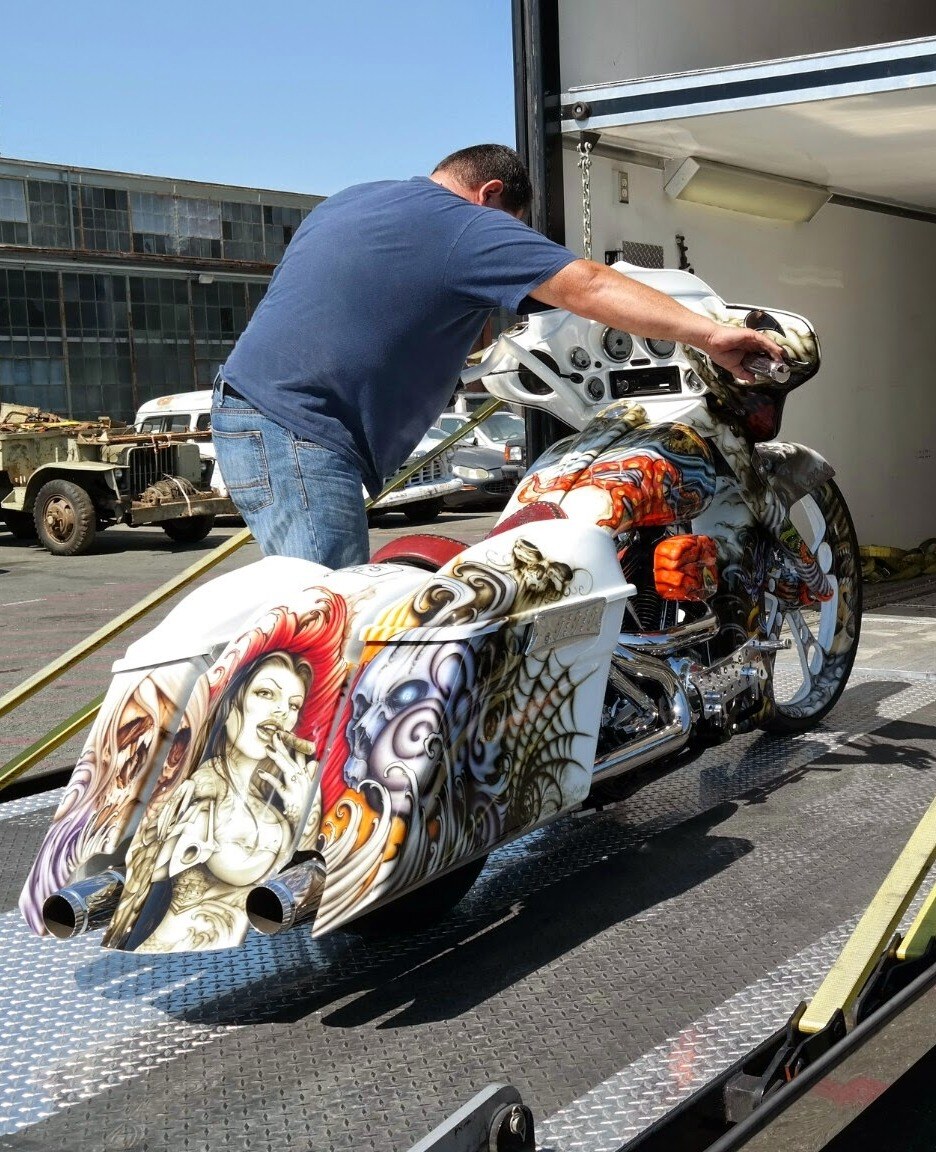
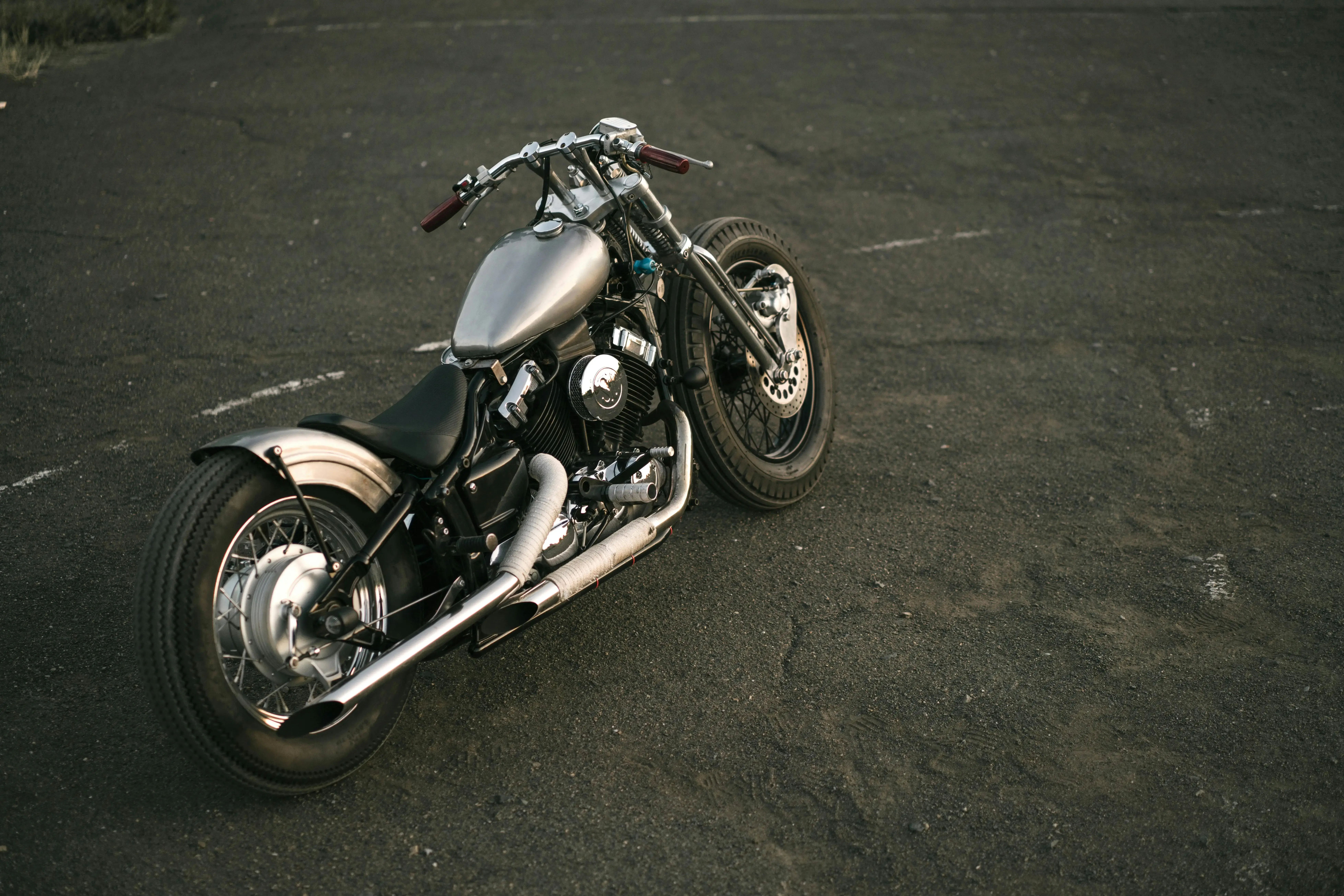
Heavily customized American cruisers—common in both the US and Japan—can raise practical questions for import classification and inspection:

  • Engine swaps and displacement changes may affect the HS code or inspection expectations.

  • Non‑standard exhaust systems, lighting, and controls may require additional checks to meet Japanese requirements.

  • Mixed parts from different models or years can complicate documentation if VIN and engine numbers do not match typical factory patterns.

A Japanese customs broker and vehicle inspection specialist should review photos and details of any modified Harley or American cruiser before it is shipped, to avoid surprises at the port.

How Duty and Tax Shape the Economics of US–Japan Motorcycle Projects

From a practical standpoint, Japan’s import duty structure for American motorcycles influences three main decision points in any cross‑border project:

1. Which Bikes Are Worth Importing?

Japanese dealers and private buyers often weigh:

  • Purchase price in the US.

  • Expected duty and consumption tax in Japan.

  • Domestic resale potential and cultural appeal.

  • Preparation and modification costs needed to pass Japanese inspections.

A modern Harley with a moderate US price but high declared value may end up more expensive than buying a similar bike already in Japan once all border charges are applied. In contrast, a rare US‑only model or uniquely customized bike might justify the extra cost.

2. How Many Bikes to Ship at Once

Because duty and consumption tax are calculated per unit, but ocean freight and port fees can be shared, combining multiple motorcycles in one container often improves the overall economics:

  • Dealers might import several Harleys or mixed American bikes together.

  • Clubs or buyer groups sometimes coordinate purchases to fill a shared container.

West Coast Shipping supports both approaches with shared and dedicated container options on the Japan lane, as described on the Japan shipping page.

3. When to Ship

Exchange rates, trade developments, and auction cycles all play a role in timing:

  • A favorable USD/JPY rate can partially offset duty and tax costs.

  • Seasonal patterns and event calendars in Japan may affect when buyers want bikes to arrive.

  • Changes in trade policy or tariff schedules can create short‑term windows where importers move quickly to secure known conditions.

Since WCS runs regular consolidations to major Japanese ports, logistics can often be aligned with these timing considerations once a broker has confirmed the regulatory landscape.

Planning a Japan Import: Questions to Ask Your Broker Before You Ship

Before an American motorcycle leaves the US, a structured conversation with a Japanese customs broker can prevent costly surprises. Key questions include:

  • Classification and rates

    • Under which HS code is my specific motorcycle likely to be classified?

    • What duty rate and consumption tax treatment currently apply to that classification and country of origin?

  • Documentation and proof of origin

    • What documents do you need to support any preferential treatment that might apply?

    • Do you require manufacturer letters, origin certificates, or specific invoice language?

  • Valuation and related‑party considerations

    • How should we document the sale price if the transaction is between related parties or involves a significant discount?

    • What market references does customs typically rely on for similar bikes?

  • Inspection and compliance

    • Are there known issues with this model or year in Japanese inspections (noise, emissions, lighting)?

    • Are any pre‑arrival modifications recommended or required?

Once the broker confirms feasibility and outlines expected charges, West Coast Shipping can design the logistics portion—from US pickup through container loading and ocean transport—as part of an integrated plan.

How West Coast Shipping Connects Duty Planning to Real-World Shipping

While WCS does not set or interpret Japanese duty rules, it builds shipping services around the realities that importers face.

Dedicated Japan Routes and Export Hubs

West Coast Shipping:

  • Operates export facilities in California, New Jersey, and Florida.

  • Consolidates motorcycles and vehicles into containers on regular Japan‑bound sailings.

  • Serves major Japanese ports including Yokohama, Kobe, Osaka, Nagoya, and others, as outlined on the Japan shipping page.

For American motorcycles, this means:

  • US buyers can have bikes transported from auctions or dealers to the nearest export hub.

  • Japanese buyers can plan container capacity around the number and type of bikes they’re importing.

Crating, Securing, and Documentation

WCS:

  • Works with crating partners to provide custom or modular motorcycle crates when needed.

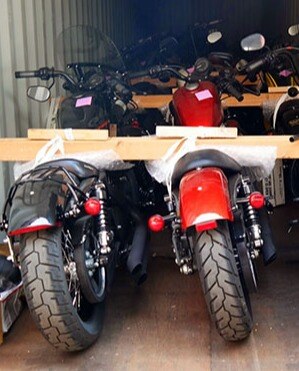
  • Offers stand‑based securing solutions inside containers for robust rider‑grade bikes.

  • Prepares export documentation based on the information you and your broker provide, ensuring that VINs, engine numbers, and descriptions align.

Clear, accurate export paperwork supports smoother customs processing in Japan—but classification, duty assessment, and tax calculation remain in the broker’s domain.

Important Disclaimer and Information Limits (February 2026)

This article is provided by West Coast Shipping for general informational and promotional purposes only. It is not customs, tax, legal, regulatory, financial, or investment advice, and it does not describe the full set of requirements for any specific motorcycle, jurisdiction, or import/export scenario.

Before acting on any ideas in this article:

  • Regulations and practices can change without noticeJapan’s customs duty rates, consumption taxes, trade arrangements, and import procedures are subject to updates and can be applied differently by port, by officer, and by case.

  • No guarantee of eligibility, rate, or outcomeAny references to “duty,” “tariff,” “preferential treatment,” or “age‑based concepts” are general and descriptive. Whether a specific American bike qualifies for any particular duty rate or treatment depends on current Japanese law, its exact classification, origin, and documentation. Nothing here guarantees any specific percentage, tax burden, or customs decision.

  • Professional consultation is mandatory

    • Always confirm current requirements directly with Japanese customs or through a licensed customs broker based in Japan.

    • Always consult a licensed customs broker, legal professional, or import/export compliance specialist before purchasing a motorcycle abroad or booking shipping.

    • Obtain written guidance on classification, duty, and tax treatment as they apply to your specific motorcycle and route.

  • Market and value comments are not investment adviceAny mentions of “demand,” “attractive pricing,” or “market reaction” are descriptive only. Values and trade flows can change quickly. Nothing in this article recommends buying, selling, or holding any vehicle.

West Coast Shipping focuses on logistics—pickup, export handling, ocean transport, and delivery—not on interpreting or applying Japanese tax or customs laws. You remain solely responsible for compliance decisions and professional advice.

Alignment with Broader Strategy

For importers looking to integrate tariffs, culture, and sourcing strategies, this article should be read alongside the main piece on Japan’s Harley-Davidson culture, tariffs, and top US bike auctions. That guide ties the conceptual duty landscape to real‑world sourcing patterns and event‑driven demand.

Explore More: Culture, Tariffs, and Auction Sourcing

This article has focused on how Japan’s duty and tax structure is conceptually discussed for American motorcycles. For a broader narrative that explains:

  • Why Harleys and American cruisers resonate so strongly in Japan.

  • How duty considerations shape which bikes make sense to ship.

  • Which US auctions often sit at the start of Japan‑bound projects.

Ready to Move from Research to Real Shipping?

visit the main guide on Japan’s Harley culture, tariffs, and top US bike auctions. When you are ready to discuss actual routes, ports, and container options, the Japan shipping page is the best place to start a conversation with West Coast Shipping’s dedicated Japan team.

Get Email Notifications