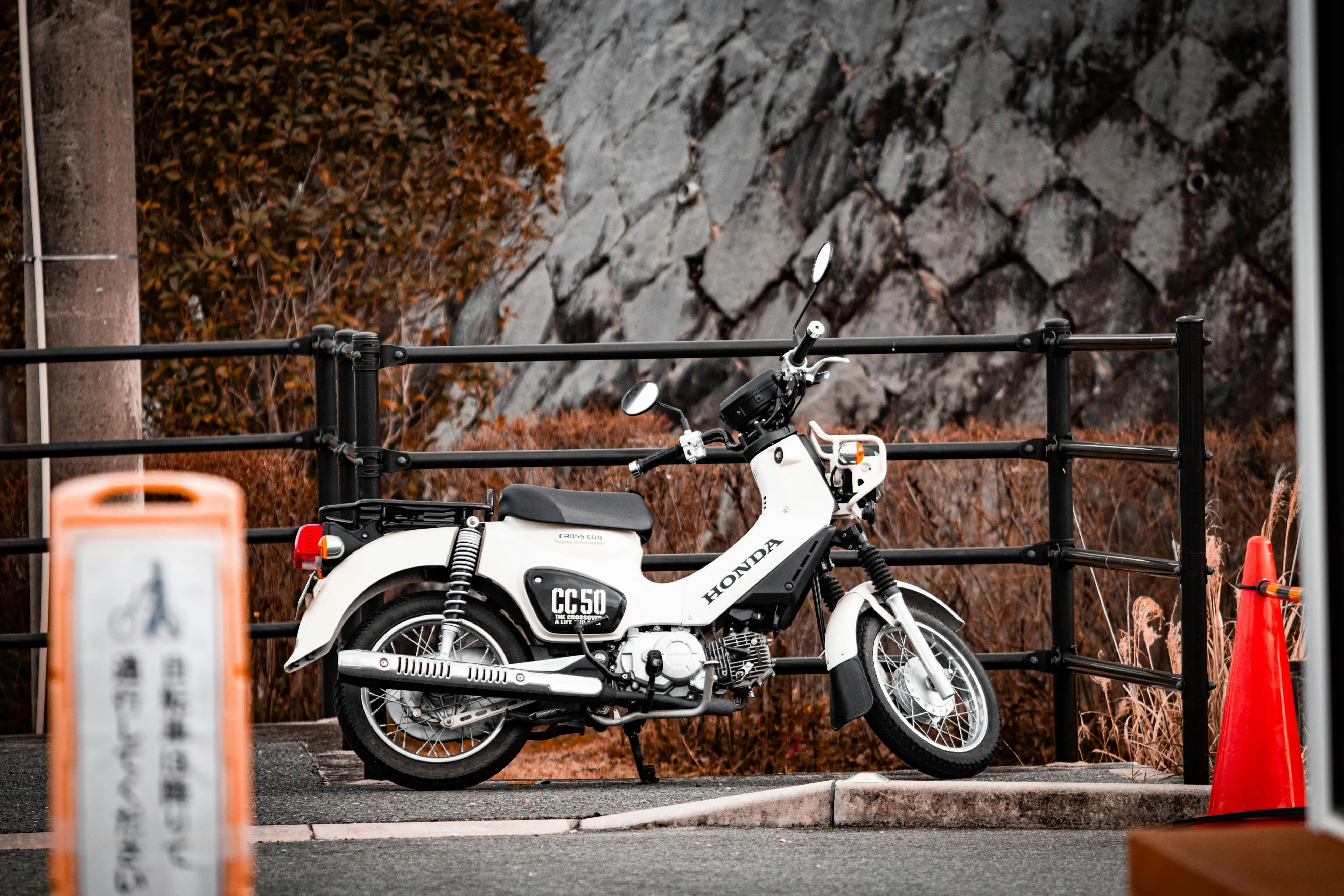

Walk through Tokyo’s Daikanyama or Yokohama’s bayside districts on a weekend and you will see something that doesn’t appear in registration statistics alone: clusters of American V‑twins parked outside cafés, idling under expressways, and rolling into late‑night meet‑ups. Japanese roads may be dominated by domestic brands on paper, but Harley‑Davidson and other American cruisers play an outsized role in the visible culture—especially in custom, club, and event scenes.
For owners and dealers in the US, that enthusiasm is more than a curiosity; it is a real driver of cross‑Pacific motorcycle movements. This article explains why American cruisers resonate so strongly in parts of Japan’s motorcycle culture, how that shapes demand for US‑sourced bikes, and where West Coast Shipping fits into the picture. It also links back to the broader context of Japan’s Harley culture, tariffs, and US auction sourcing, and to WCS’s dedicated Japan shipping services.
Why Harleys Feel “Different” in Japan
Contrast with Domestic Motorcycle Norms
Japanese riders grow up surrounded by domestic motorcycles: scooters packed around stations, commuter 250s parked outside apartments, and high‑revving sportbikes on weekend mountain runs. Against that backdrop, an American cruiser immediately stands out.
Several elements commonly highlighted by riders and commentators include:
-
Sound and presence
A big V‑twin’s exhaust note and low‑rpm torque curve create a very different sensory experience from inline‑four sportbikes or single‑cylinder commuters. In dense urban environments, that difference is highly noticeable.
-
Scale and stance
Many American cruisers have longer wheelbases, more relaxed rake, and heavier curb weight than typical domestic models. On narrow Japanese streets, this makes them visually and physically imposing.
-
Styling language
Chrome, deep paint, and traditional cruiser lines contrast with the sharper, more technical aesthetics of many Japanese sport and naked bikes. Riders who want to signal a particular identity often gravitate toward that contrast.
This difference is part of why Harley‑Davidson and other American V‑twins play such a visible role in events and custom shows even if they represent a small slice of total registrations.
Lifestyle and Community Appeal
Harley‑Davidson has spent decades positioning itself not only as a manufacturer, but as a lifestyle brand built on ideas of freedom, rebellion, and long‑distance travel. In Japan, that image intersects with:
-
Interest in American culture
US movies, music, and fashion have long showcased Harleys as symbols of road‑trip freedom. For some Japanese riders, owning and customizing a Harley is partly about participating in that narrative.
-
Tight‑knit club structures
Local Harley‑oriented groups organize rides, barbecues, and charity events. These communities often emphasize camaraderie, shared aesthetics, and deep loyalty to both brand and builder.
-
Event visibility
American cruisers feature prominently at multi‑brand events, where they often occupy dedicated rows or show classes. Photos from these gatherings circulate on social media and in magazines, reinforcing the idea that Harleys have a special place in Japan’s broader moto culture.
West Coast Shipping sees those community patterns reflected in real shipments: club members and shop owners in Japan commissioning US‑sourced Harleys and custom builds, sometimes in batches, for delivery through major ports such as Yokohama and Kobe via the lanes described on the Japan shipping page.
How Japanese Custom Culture Reinterprets American Cruisers
Precision Meets Heritage
Japan’s reputation for craftsmanship, detail, and thoughtful design strongly influences how American cruisers are customized locally. Builders often:
-
Blend old and new
Vintage frames and engines might receive modern brakes, suspension, and lighting integrated in a clean, minimalist way. The result is a bike that looks period‑correct on first glance but rides like a much newer machine.
-
Emphasize silhouette and stance
Subtle changes to ride height, wheel size, and handlebar shape are used to fine‑tune the bike’s proportions. Japanese builders are known for obsessing over details like tank angle and fender radius to achieve a balanced look.
-
Use curated, not overloaded, accessories
Rather than covering a bike in bolt‑on chrome, many shops prefer a tight, edited parts list: a specific seat, a particular exhaust, carefully chosen lighting, and a limited color palette.
This approach has gained international attention. Riders in other countries, including the US, follow Japanese shops for inspiration on how to evolve classic Harley platforms without losing their core character.
Choppers, Club‑Style, and FXR/Dyna Revival
Within Japan’s Harley scene, several sub‑styles have taken root:
-
Traditional choppers
Long forks, narrow tanks, and stripped‑down frames pay homage to classic US chopper culture but often incorporate Japanese aesthetic restraint.
-
Club‑style and performance builds
High‑bars, tall fairings, improved suspension, and strong brakes are common on Dyna and FXR builds aimed at spirited riding, not just cruising.
-
Show builds and art bikes
One‑off machines built for shows blur the line between motorcycle and sculpture, with meticulous paintwork and fabrication.
These trends influence which bikes Japanese buyers seek from the US. Frames and models that serve as good foundations for local styles—such as certain Dyna, Softail, and older big‑twin platforms—often show up in purchase lists sent to US agents and dealers.
Why Many Japan-Bound Harleys Start Their Journey in the US
Perceived Authenticity and Provenance
Even though Harley‑Davidson has sold bikes in Japan through official channels for many years, many Japanese buyers still prefer bikes sourced directly from the US. Commonly cited reasons include:
-
“From-the-source” appeal
Owning a bike that was originally sold and ridden in the US carries cultural cachet, especially when documented with photos, dealership records, or period accessories.
-
Greater model and year selection
The US market often offers broader choices in model years, trim levels, and used‑bike inventory, making it easier to find specific engines, frames, and special editions.
-
Restoration and custom history
Some Japanese collectors specifically seek US restorations or customs from particular builders, treating the bike as both a machine and a piece of workshop art.
Because of this, West Coast Shipping regularly handles projects where multiple Harleys are purchased from US dealers, private sellers, or auctions, then consolidated into containers for shipment to Japan as described in the broader article on Japan’s Harley culture, tariffs, and top US auctions.
Economics of Multi-Bike Shipments
While individual bike shipments do happen, dealers and high‑volume enthusiasts often build more efficient plans around:
-
Shared containers
Combining several Harleys with other motorcycles or vehicles in a shared container to Japan can reduce per‑unit shipping cost while maintaining strong protection.
-
Dedicated containers
Larger buyers may prefer dedicated containers tailored around 4–8 bikes (or more), plus associated parts and display items, as outlined for Japan routes on the Japan shipping page.
By structuring purchases around container capacity and sailing schedules, Japanese buyers can make the most of US inventory and freight economics while relying on WCS to manage the physical move.
Practical Considerations for US Owners Eyeing Japan
Cultural Fit and Bike Selection
Not every Harley or American cruiser is equally attractive to Japanese buyers or riding conditions. When US owners or dealers think about positioning bikes for potential Japan buyers, high‑level considerations include:
-
Size and usability
Very large, heavily customized machines can be challenging on narrow streets and in tight parking spaces. Many Japanese buyers favor bikes that balance presence with rideability.
-
Style trends
Period‑correct Shovelhead choppers, Evo Dynas, and certain modern touring models may align better with local tastes than extremely niche or region‑specific customs.
-
Condition and documentation
Clean titles, clear mechanical histories, and detailed condition photos help Japanese buyers feel confident about cross‑border purchases, especially when they cannot inspect in person.
These factors influence both the pool of bikes that are realistically export candidates and the price levels that overseas buyers are willing to consider.
Regulatory and Logistical Pre‑Checks
Before a US owner commits to sending a Harley to Japan—whether to keep or sell—it is essential to:
-
Work with a Japanese customs broker to understand how the specific model and year are likely to be treated under current regulations.
-
Confirm what modifications, if any, might be required to pass Japanese inspections.
-
Align timing with container departures and port availability on lanes outlined on the Japan shipping page.
West Coast Shipping can help map the logistics side of that plan—pickup, export, containerization, and ocean transport—once a broker has confirmed the regulatory path.
How West Coast Shipping Supports Japan’s Harley Culture Logistically
While rider communities and custom shops define the culture on the ground in Japan, West Coast Shipping focuses on making sure the bikes arrive safely and predictably.
Key logistics elements for US‑to‑Japan Harley projects include:
-
US export hubs and consolidation
Harleys from across the US can be transported to WCS export facilities in California, New Jersey, or Florida, then consolidated into Japan‑bound containers. This suits both single‑bike and multi‑bike shipments.
-
Crating and securing
High‑value or delicate customs can travel in custom wood crates or modular motorcycle crates, while robust riders may use stand‑based securing systems inside containers. The approach is selected based on value, fragility, and the number of bikes.
-
Japan port options
Most Harley shipments to Japan move via major ports such as Yokohama, Kobe, Nagoya, and Osaka, which offer consistent container schedules and access to key urban centers. The Japan shipping page outlines how these ports fit into WCS’s standard routes.
-
Documentation and coordination with brokers
WCS prepares export documentation and coordinates with your chosen customs broker and Japanese agent on timing and document transfer. Regulatory classification, tax calculation, and local registration remain with your professional advisors.
By combining this logistics structure with the cultural and market context covered in the main article on Japan’s Harley culture, tariffs, and top US bike auctions, buyers and sellers can design more coherent end‑to‑end plans.
Important Disclaimer (February 2026)
This article is provided by West Coast Shipping for general informational and promotional purposes only. It is not customs, tax, legal, regulatory, financial, or investment advice, and it does not describe the full set of requirements for any specific motorcycle, jurisdiction, or import/export scenario.
Before acting on any ideas in this article, please note:
-
Regulations and practices can change without noticeVehicle import and export rules, environmental and safety requirements, and customs procedures in the United States, Japan, and other countries are subject to change and can be applied differently by port and by case.
-
No guarantee of eligibility, duty treatment, or outcomeAny references to duties, tariffs, trade agreements, or age‑based frameworks for motorcycles are general and descriptive. Whether a specific Harley‑Davidson or American cruiser qualifies for any particular treatment depends on current law, its exact configuration, and how authorities apply the rules. Nothing here guarantees reduced charges or any particular customs outcome.
-
Professional consultation is mandatory
-
Always confirm current requirements directly with US Customs and Border Protection (CBP), the Environmental Protection Agency (EPA), the Department of Transportation (DOT), and relevant Japanese authorities.
-
Always consult a licensed customs broker, legal professional, or import/export compliance specialist before purchasing a motorcycle abroad or booking shipping.
-
Obtain written advice on how regulations and taxes apply to your specific motorcycle and route.
-
-
Market and cultural commentary is not investment adviceAny references to “demand,” “trend,” or “collector interest” are general observations. Motorcycle values and tastes can change quickly. Nothing in this article should be interpreted as a recommendation to buy, sell, or hold any vehicle.
West Coast Shipping focuses on logistics—pickup, export, ocean transport, and delivery—not on interpreting or applying import/export laws or providing financial advice. You remain solely responsible for due diligence and professional guidance.
Explore More: Harleys, Tariffs, and Auction Sourcing
This article focuses on why American cruisers resonate in Japan and how that shapes demand. For a broader strategic view that ties culture to economics and sourcing, read the full guide on Japan’s Harley-Davidson culture, tariffs, and top US bike auctions. It explains how Japan’s duty structure interacts with American bikes in concept, and which US auction formats often sit at the start of Japan‑bound shipping projects.
When you are ready to explore actual shipping options, ports, and lanes, the Japan shipping page is the best starting point for turning cultural interest into a concrete, well‑planned logistics project.

Top US Motorcycle Auctions for Global and Japan Buyers
Japan Motorcycle Tariffs on American Bikes: Key Concepts