Protecting Your Motorcycle Shipment To Turkey
Getting a motorcycle from the USA to Turkey safely is about more than just booking a container. The difference between a smooth delivery and a painful surprise often comes down to how well the bike is packed, how clearly its condition is documented, and what extra protection you choose on top of basic carrier liability. This article dives into those protection basics and complements the main guide on shipping a motorcycle to Turkey, including costs, customs, and protection.
West Coast Shipping ships motorcycles in containers worldwide, including regular consolidations into Istanbul, and offers an optional Cargo Damage Protection program designed specifically for vehicle shipments. When you are ready to estimate the shipping side of your project, the international motorcycle shipping rates page lets you model real routes and see how protection fits into your overall budget.
Why Protection Matters for Motorcycle Shipments
Motorcycles are inherently more exposed than cars: there is no body shell to shield fairings, bars, and controls, and small impacts can leave very visible marks. WCS’s container and Turkey guides, along with its cargo‑protection articles, highlight three realities riders should plan for:
-
Multiple handling points: warehouse intake, container loading, port moves, unloading at destination.
-
Maritime conditions: vibration, ship motion, and humidity can all affect cargo if not packed correctly.
-
Limited default liability: standard maritime rules and bill‑of‑lading terms usually cap compensation at low per‑package levels, often far below a motorcycle’s value.
That is why WCS frames protection as a stack: good method choice and packing, strong documentation, and optional Cargo Damage Protection layered on top.
Step 1: Choose a Protective Transport Method
The first protection decision is how your bike travels. For Turkey, WCS’s method comparison shows that enclosed containers are the default for vehicles and motorcycles:
-
Containers provide a sealed environment, reducing exposure to salt spray, weather, and casual contact.
-
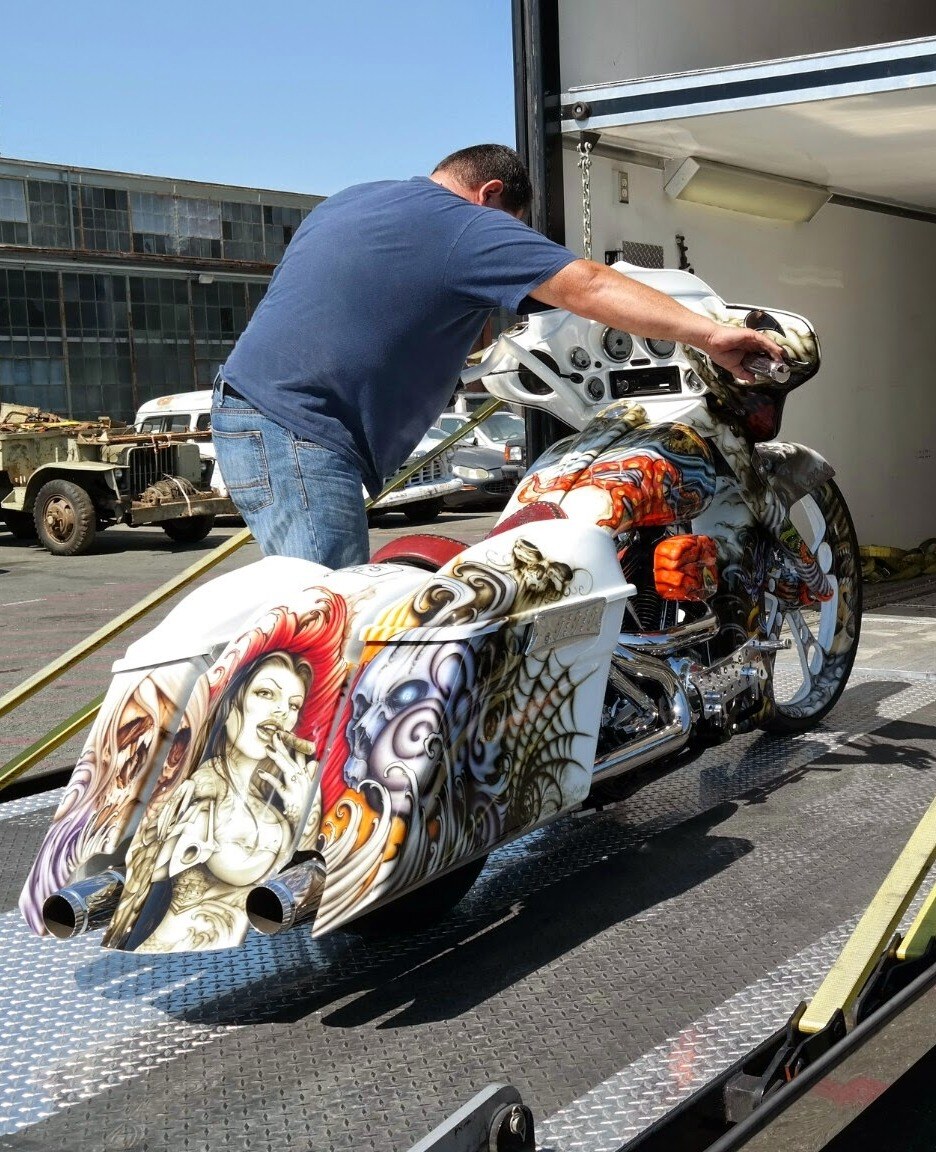
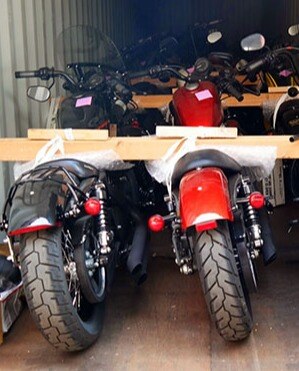
Motorcycles are typically shipped on skids or in crates inside the container, with professional lashing to prevent movement.
Compared with more open environments, a sealed container:
-
Limits environmental risks such as sea air, rain, and port dust.
-
Reduces the chance of incidental contact with other cargo and equipment.
-
Aligns with how WCS structures its Cargo Damage Protection window, which runs from warehouse intake through overseas unloading.
Air freight, as outlined on WCS’s air‑freight page, can be even more controlled but at significantly higher cost, and requires fully compliant crating. For most Turkey‑bound motorcycles, shared containers remain the practical protection‑first choice-
Step 2: Pack and Brace the Bike Correctly
Even inside a container, protection comes down to how the motorcycle is restrained. WCS’s vehicle‑transport and damage‑protection content describe a set of best practices that apply directly to bikes:
-
Secure front wheel:
-
Use a proper wheel chock or equivalent to lock the front wheel in place on the skid or crate floor.
-
-
Soft straps to solid points:
-
Attach straps to strong frame points or triple clamps, not fragile handlebars or controls.
-
Avoid sharp edges that could cut into straps under tension.
-
-
Slightly compressed suspension:
-
Pre‑load the suspension enough to keep constant tension in the tie‑downs.
-
Do not bottom out the forks or shock; allow some travel to absorb ship motion.
-
-
Padding for vulnerable parts:
-
Wrap mirrors, levers, bar ends, and fairing edges where contact is possible.
-
Use foam or blankets under straps where they touch painted or polished surfaces.
-
-
Non‑running bikes:
-
For project or non‑runner bikes, WCS plans winching, skids, or crating to avoid pushing or improvised handling.
-
By treating the bike like a classic car inside an enclosed transport—structured lashing, padding, and minimal movement—you dramatically reduce cosmetic and structural risk.
Step 3: Document the Motorcycle’s Condition Properly
Evidence is the backbone of protection. WCS’s Cargo Damage Protection Explained article emphasizes that pre‑ and post‑shipment documentation is central to evaluating any claim. The same applies to motorcycles heading to Turkey.
Before you hand the motorcycle to WCS:
-
Photograph every angle:
-
Left, right, front, rear, and top, plus close‑ups of existing scratches, chips, dents, or corrosion.
-
-
Capture key identifiers:
-
Odometer reading, VIN plate, and engine or frame numbers where visible.
-
-
Note accessories and modifications:
-
Record panniers, aftermarket exhausts, screens, and other add‑ons that are staying with the bike.
-
At the export warehouse and destination warehouse, WCS and its partners:
-
Take their own condition photos at intake and after unloading.
-
Record visible markings, panel condition, and any discrepancies.
This two‑stage record serves three purposes:
-
Helps address any customs valuation questions in Turkey (especially for classics and modified bikes).
-
Provides a clear “before/after” picture if you need to use Cargo Damage Protection.
-
Reduces disputes about whether a mark was pre‑existing or transit‑related.
Step 4: Understand Basic Liability vs Cargo Damage Protection
Many shippers assume that ocean carriers will fully cover any damage simply because the cargo is on board. WCS’s Cargo Damage Protection page and multiple risk‑management articles explain why that assumption is risky.
What basic liability usually looks like
Under typical maritime law and shipping terms:
-
Carrier liability is capped at a low amount per “package” (often around a few hundred dollars), regardless of actual vehicle value.
-
Certain types of events and losses are excluded outright.
-
Claims can be complex and slow, especially when relying solely on carrier terms.
For a modern, classic, or custom motorcycle, this can leave a large gap between the capped recovery and the real cost of repair or replacement.
How WCS Cargo Damage Protection works
West Coast Shipping’s Cargo Damage Protection (CDP) is an optional program designed to sit above those default limits and align better with the real value of the vehicle:
-
Declared value:
-
CDP is tied to a declared value intended to reflect a realistic repair or replacement amount for the bike.
-
-
Defined transit window:
-
CDP applies during a clearly defined window, typically from warehouse intake through unloading at the overseas warehouse, as set out in the program terms.
-
-
Physical damage focus:
-
It is structured around documented physical damage—dents, scrapes, panel deformation, broken parts—visible in post‑arrival photos and absent in pre‑shipment photos.
-
It does not apply to mechanical or electrical failures, wear‑and‑tear, mold, or listed exclusions.
-
-
Evidence‑based claims:
-
Claims rely on the photo sets, condition reports, and timelines recorded at both ends of the journey.
-
For high‑value motorcycles, classics, or custom builds heading to Turkey, WCS positions CDP as a way to turn a minimal legal cap into a more realistic protection level for the bike itself.
Step 5: Simple Things Riders Can Do to Reduce Risk
In addition to professional packing and CDP, there are small, practical steps every rider can take before shipping to Turkey:
-
Strip nonessential accessories:
-
Remove GPS units, phone mounts, soft luggage, tank bags, and anything that could be snagged or stolen.
-
-
Secure what must stay:
-
Lock hard cases and top boxes; ensure keys are managed per WCS instructions.
-
-
Protect fragile areas:
-
Add temporary tape or film to high‑impact zones and use soft wraps around mirrors and levers.
-
-
Back up documents and photos:
-
Store copies of your title, invoice, and condition photos in cloud storage so they are accessible from Turkey if needed.
-
WCS’s broader guides on learning from common shipping mistakes and classic car damage protection underline the same theme: careful preparation plus the right protection program reduces both the chance of damage and the stress if an issue occurs.
How Protection Fits into Your Total Shipping Plan
Protection is one piece of a bigger puzzle that includes freight costs and Turkish customs. A typical planning flow that WCS material suggests looks like this:
-
Use the international motorcycle shipping rates calculator to get an estimate for ocean freight and key charges from your ZIP code to Istanbul.
-
Decide whether your bike’s value and your risk tolerance justify adding Cargo Damage Protection on top of basic liability.
-
Share your freight estimate and bike details with a Turkey‑based customs broker to model duty, ÖTV, and VAT.
-
Combine all three—freight, protection, and taxes—into a single landed‑cost and risk picture before committing.
For a full overview of how shipping method, customs, and protection work together specifically for Turkey, go back to the main guide on shipping a motorcycle to Turkey: costs, customs, and protection.
Get Your Motorcycle Shipping & Protection Estimate
The best way to decide how much protection your motorcycle needs is to see what your real shipping costs and route look like first. Use West Coast Shipping’s international motorcycle shipping rates calculator to estimate ocean freight and typical fees to Istanbul, then talk to WCS about adding Cargo Damage Protection on top of standard carrier liability for extra peace of mind.
You May Also Like
These Related Stories

Marine Protection Vs WCS Damage Protection For Classic Cars

Ship A Motorcycle To Turkey: Costs, Customs, Protection

-093789-edited.png?width=220&height=79&name=wcs_final_logo_(1)-093789-edited.png)