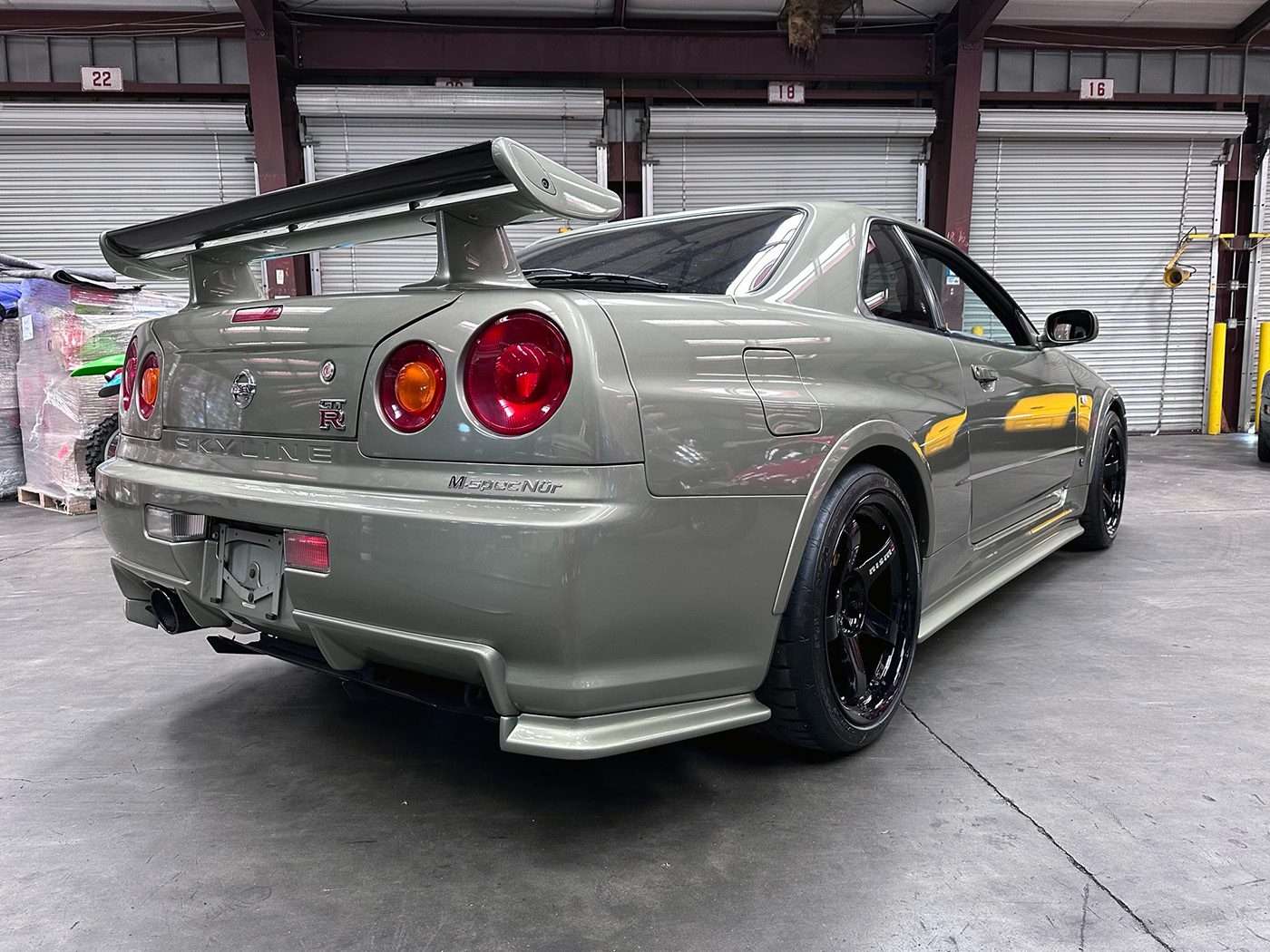

Importing a car to the United States involves significant costs beyond just international shipping, including customs duties, tariffs introduced in April 2025, fees, taxes, and compliance modifications that vary dramatically by country of origin and vehicle specifications. Understanding these complete cost structures helps importers budget accurately and avoid expensive surprises during the import process.
This comprehensive guide breaks down the total costs of importing vehicles from nine popular countries, covering shipping rates, import duties including Section 232 tariffs, required fees, and additional expenses that impact your final investment. Whether you are importing a classic European sports car, Japanese performance vehicle, or modern luxury automobile, these country-specific breakdowns provide essential financial planning information.
Important Update: As of April 3, 2025, the US introduced an additional 25% ad valorem tariff on passenger vehicles and light trucks under Section 232 measures, significantly increasing import costs beyond the traditional 2.5% base duty rate. For complete official information, see CBP Section 232 Automotive Tariff resources.
Use the WCS car import calculator to get personalized cost estimates based on your specific vehicle and current import requirements.
Understanding 2026 US Import Duties and Tariffs
Before the country-by-country costs, it is critical to understand the current tariff structure affecting many vehicles imported into the United States.
Tariff Framework Since April 2025
-
Base customs duty (most passenger cars): 2.5% (HTS 8703.x, subject to precise classification)
-
Section 232 tariff (national-security measure): 25% on finished vehicles from non-exempt countries. Trade-agreement partners (e.g., USMCA) can be exempt if the vehicle meets rules-of-origin.
What this means: Depending on the vehicle's origin, content, and HTS coding, importers may see only the 2.5% base duty, or the 2.5% base plus the 25% Section 232 tariff. Additional IEEPA reciprocal tariff measures announced in April 2025 introduced a potential 10% baseline layer for many origins, but these measures were subject to active negotiation, pauses, country-specific adjustments, and legal challenge throughout 2025 and 2026. The current applicable rate stack for any specific country of origin must be verified with a licensed customs broker before purchasing any vehicle for import. Correct HTS classification on CBP Form 7501 and rules-of-origin documentation are decisive in every case.
Exemptions and Special Categories
-
25-Year Import Rule: Vehicles 25 or more years old are exempt from EPA/DOT compliance and may also qualify for exemption from the 25% Section 232 tariff under applicable HTS provisions -- confirm the current provision number and eligibility with a licensed customs broker, as provision numbers in the 9903 chapter are established by proclamation and subject to change. The 2.5% base duty generally still applies.
-
Show or Display: Eases compliance obligations for approved models, but does not automatically eliminate customs duties or tariffs.
-
US-Origin Returns: US-made or previously US-titled vehicles may qualify for duty relief with thorough documentation.
-
Light Trucks ("Chicken Tax"): Pickups and light trucks (HTS 8704) pay a 25% base rate at any age. From the EU that is the total. From the UK add 10% Section 301 (35% total) for trucks 25 years or older, or 25% Section 232 (50% total) for newer ones.
Germany
Germany represents one of the most popular sources for vehicle imports to the United States, particularly for classic BMW, Mercedes-Benz, and Porsche models, though new tariff structures significantly impact total costs.
Shipping Costs from Germany:
Ocean freight from German ports (Bremerhaven) to New York costs $2,750 with 18-day transit times.
Prices are subject to change. Request a current quote from WCS for accurate figures.
Importing from Germany? Bremerhaven shipping costs, the current Section 232 tariff impact, RI compliance cost ranges for German marques, and full landed cost examples are all covered in our Germany car import cost guide.
Import Duties and Tariffs
-
Base import duty: 2.5% (HTS 8703.x). A 25% Section 232 tariff applies to non-exempt EU-origin vehicles. Vehicles qualifying under the 25-year exemption may avoid the Section 232 tariff -- confirm the current applicable HTS provision with a licensed customs broker. Additional tariff measures may apply depending on current trade policy; verify the complete rate stack with your customs broker before purchasing. Final treatment depends on HTS coding on CBP Form 7501.
-
Section 232 additional tariff: 25%
-
Total combined rate for sub-25-year EU-origin vehicles: 27.5% of declared value
-
Additional mandatory fees include Harbor Maintenance Fee (0.125% of value) and Merchandise Processing Fee (0.3464% of value, minimum $34.58, maximum $670.86)
Compliance Modifications
Modern German vehicles under 25 years require extensive modifications to meet EPA and DOT standards. Costs vary significantly by vehicle make, model, and required modifications -- confirm estimates with a licensed Registered Importer before planning:
- Registered Importer (RI) modifications: $8,000 to $20,000
- Independent Commercial Importer (ICI) compliance: $12,000 to $25,000
Total Cost Example
A €30,000 classic German sports car (approximately $33,000):
-
Shipping: $2,750
-
Combined duty (27.5%): $9,075
-
Harbor Maintenance Fee: $41.25
-
Merchandise Processing Fee: $114.31
-
Customs broker fees: $350 to $500
-
Total: $45,330 to $45,480 landed in the US
France
French vehicle imports to the United States focus on classic Citroën, Peugeot, and Renault models, with modern luxury vehicles from brands like Bugatti commanding premium import services but facing substantial new tariff costs.
Shipping Costs from France:
Ocean freight from French ports (Le Havre) to New York costs $2,750 with 18-day transit times.
Prices are subject to change. Request a current quote from WCS for accurate figures.
For France-specific shipping rates, the current duty structure, French export documentation requirements, and a complete landed cost breakdown, see our complete guide to importing a car from France to the US.
Import Duties and New Tariffs
- Base import duty: 2.5% (HTS 8703.x). A 25% Section 232 tariff applies to non-exempt EU-origin vehicles. Additional tariff measures may apply depending on current trade policy; verify the complete rate stack with a licensed customs broker before purchasing. Final treatment depends on HTS coding on CBP Form 7501.
Total Cost Example
A $45,000 modern French luxury vehicle:
-
Shipping: $2,750
-
Combined duty (27.5%): $12,375
-
Mandatory fees: $200
-
Compliance modifications: $15,000 to $20,000
- Total: $75,325 to $80,325 before state registration fees
Netherlands
The Netherlands serves as a significant entry point for European vehicle exports to the US, with many collectors and dealers utilizing Dutch ports for accessing European automotive markets, though new tariff structures dramatically increase costs.
Shipping Costs from Netherlands:
Ocean freight from Dutch ports (Amsterdam) to New York costs $2,750 with 18-day transit times.
Prices are subject to change. Request a current quote from WCS for accurate figures.
Importing from the Netherlands? Amsterdam shipping costs, current duty rates, Rotterdam's sailing frequency advantage, and a full landed cost breakdown are all covered in our Netherlands car import cost guide.
Import Duties and Processing
-
Base import duty: 2.5% (HTS 8703.x). A 25% Section 232 tariff applies to non-exempt EU-origin vehicles. Additional tariff measures may apply depending on current trade policy; verify the complete rate stack with a licensed customs broker before purchasing. Final treatment depends on HTS coding on CBP Form 7501.
-
Section 232 tariff: 25%
-
Total combined rate: 27.5% of vehicle value
-
Note: Pickup trucks and light trucks pay 25% at any age under the Chicken Tax. EU-built trucks stop at 25%; UK-built trucks pay 35% (25 years or older) or 50% (newer). Confirm by HTS coding on CBP Form 7501.
Total Cost Example
A $25,000 classic Dutch vehicle:
-
Shipping: $2,750
-
Combined duty (27.5%): $6,875
-
Mandatory fees: $125
-
Customs processing: $400
-
Total: $35,150 for complete import to the US
Spain
Spanish vehicle imports to the US include classic SEAT models, specialty vehicles, and European sports cars, though the new tariff structure significantly impacts total import costs.
Shipping Costs from Spain:
Ocean freight from Spanish ports (Barcelona) to New York costs $2,750 with 18-day transit times. Confirm the current departure port for your specific vehicle's location with WCS, as routing may vary.
Prices are subject to change. Request a current quote from WCS for accurate figures.
For Spain-specific shipping rates, the current duty structure, Spanish export paperwork requirements, and a complete landed cost breakdown, see our complete guide to importing a car from Spain to the US.
Import Duties and Requirements
-
Base import duty: 2.5% (HTS 8703.x). A 25% Section 232 tariff applies to non-exempt EU-origin vehicles. Additional tariff measures may apply; verify the complete rate stack with a licensed customs broker before purchasing. Final treatment depends on HTS coding on CBP Form 7501.
-
Section 232 additional tariff: 25%
-
Combined rate: 27.5% of declared value
-
Spain's EU membership ensures consistent documentation standards
Total Cost Example
A $35,000 Spanish sports car:
-
Shipping: $2,750
-
Combined duty (27.5%): $9,625
-
Mandatory fees: $150
-
Customs processing: $450
-
Total: $42,975 for complete US import
United Kingdom
UK vehicle imports remain popular despite Brexit complications and new US tariff structures, focusing on classic British sports cars, luxury vehicles, and right-hand drive specialty models, though costs have increased substantially.
Shipping Costs from UK:
Ocean freight from UK ports (Southampton) to New York costs $2,750 with 26-day transit times.
Prices are subject to change. Request a current quote from WCS for accurate figures.
Importing from the UK? The preferential 10% tariff rate, Southampton shipping costs, right-hand drive compliance, and full landed cost examples are all covered in our UK car import cost guide.
Import Duties and the US-UK Preferential Rate
UK vehicles benefit from a distinct tariff arrangement that differs significantly from EU-origin vehicles:
-
Base import duty: 2.5% (HTS 8703.x)
-
Section 232 rate for UK-origin vehicles: Under the US-UK Economic Prosperity Deal (Executive Order 14309, June 2025), UK-origin passenger vehicles benefit from a preferential 10% total tariff rate (2.5% MFN base + 7.5% Section 232) within an annual quota of 100,000 vehicles. Confirm current quota availability and the applicable rate with a licensed customs broker before shipping.
-
Total duty for qualifying UK-origin vehicles: approximately 10% (not 27.5%)
-
Right-hand drive vehicles may face additional state-specific restrictions and modification requirements
Total Cost Example
A $40,000 classic British sports car:
-
Shipping: $2,750
-
Duty at preferential 10% rate: $4,000
-
Mandatory fees: $175
-
Customs processing: $400
-
Total: approximately $47,325 for US delivery
Japan
Japan represents a major source of specialty vehicle imports to the US, particularly for 25-year-old performance cars and unique models never sold in the American market, though new tariff structures significantly impact costs.
Shipping Costs from Japan:
Ocean freight from Japanese ports (Kobe) to New York costs $3,050 with approximately 30 to 38 days transit time depending on routing and vessel schedule. Pacific routing to West Coast ports offers shorter transit times.
Prices are subject to change. Request a current quote from WCS for accurate figures.
For Japan-specific shipping costs, duty rates, and a full landed cost breakdown for JDM vehicles, see our complete guide to importing a car from Japan to the US.
Import Duties and JDM Considerations
-
Base import duty: 2.5% (HTS 8703.x). A 25% Section 232 tariff applies to non-exempt origins. Additional tariff measures may apply; verify the complete rate stack with a licensed customs broker before purchasing. Final treatment depends on HTS coding on CBP Form 7501.
-
Section 232 additional tariff: 25%
-
Combined duty: 27.5% of declared value
-
Right-hand drive vehicles may require state-specific modifications or face restrictions
Total Cost Example
A $25,000 Japanese performance car:
-
Shipping: $3,050
-
Combined duty (27.5%): $6,875
-
Mandatory fees: $115
-
Customs processing: $350
-
Total: $35,390 with East Coast processing
Italy
Italian vehicle imports focus heavily on classic Ferrari, Lamborghini, Alfa Romeo, and Fiat models, with Italy serving as a major source for European sports car imports to the US, though new tariffs substantially increase costs.
Shipping Costs from Italy:
Ocean freight from Italian ports (Genoa) to New York costs $2,750 with 18-day transit times.
Prices are subject to change. Request a current quote from WCS for accurate figures.
Importing from Italy? Genoa shipping costs, duty rates, specialist handling for high-value vehicles, and a full landed cost breakdown for Italian classics and exotics are all covered in our Italy car import cost guide.
Import Duties and Exotic Vehicle Considerations
-
Base import duty: 2.5% (HTS 8703.x). A 25% Section 232 tariff applies to non-exempt EU-origin vehicles. Additional tariff measures may apply; verify the complete rate stack with a licensed customs broker before purchasing. Final treatment depends on HTS coding on CBP Form 7501.
-
Section 232 additional tariff: 25%
-
Total combined rate: 27.5% of declared value
-
High-value exotic vehicles may require specialized handling, climate-controlled containers, and enhanced security adding $2,000 to $5,000 to shipping costs
Total Cost Example
An $85,000 classic Italian sports car:
-
Shipping: $2,750
-
Combined duty (27.5%): $23,375
-
Mandatory fees: $325
-
Specialized handling: $3,000
-
Total: $114,450 for premium import service
Belgium
Belgian vehicle imports often involve luxury vehicles, classic European models, and specialty cars that utilized Belgium's central European location for distribution, though new US tariffs significantly impact total costs.
Shipping Costs from Belgium:
Ocean freight from Antwerp to New York costs $2,750 with 26-day transit times via Rotterdam.
Prices are subject to change. Request a current quote from WCS for accurate figures.
For Belgium-specific shipping rates, the current duty structure, Antwerp port logistics, and a complete landed cost breakdown, see our complete guide to importing a car from Belgium to the US.
Import Duties and Processing
-
Base import duty: 2.5% (HTS 8703.x). A 25% Section 232 tariff applies to non-exempt EU-origin vehicles. Additional tariff measures may apply; verify the complete rate stack with a licensed customs broker before purchasing. Final treatment depends on HTS coding on CBP Form 7501.
-
Section 232 additional tariff: 25%
-
Combined rate: 27.5% of vehicle value
Total Cost Example
A $38,000 Belgian luxury vehicle:
-
Shipping: $2,750
-
Combined duty (27.5%): $10,450
-
Mandatory fees: $165
-
Customs processing: $400
-
Total: $43,765 for US delivery
Norway
Norwegian vehicle imports often involve unique Scandinavian models, electric vehicles, and specialty cars, though the new US tariff structure significantly increases import costs even for environmentally friendly vehicles.
Shipping Costs from Norway:
Ocean freight from Norwegian ports (Oslo) to New York costs $2,750 with 18-day transit times. North Sea routing provides service through Northern European ports to US destinations.
Prices are subject to change. Request a current quote from WCS for accurate figures.
Importing from Norway? Shipping costs, Norway's non-EU tariff status, EV battery handling requirements, and a full landed cost breakdown are all covered in our Norway car import cost guide.
Import Duties and EV Considerations:
Norwegian vehicles face the standard updated duty structure:
-
Base import duty: Import duties and tariffs: Start with the 2.5% base duty (HTS 8703.x). A 10% baseline tariff may also apply, and a 25% Section 232 may apply to non-exempt origins. Vehicles qualifying under USMCA or the 25-year exemption (HTS 9903.94.04) may avoid some or all additional tariffs. Final treatment depends on HTS coding on CBP Form 7501.
-
Section 232 additional tariff: 25%
-
Total duty: 27.5% of declared value
-
Electric vehicles require specialized handling and battery safety protocols that may add $1,000-2,000 to shipping costs
Total Cost Example: A $45,000 Norwegian electric vehicle would face:
-
Shipping: $2,750
-
Combined duty (27.5%): $12,375
-
Mandatory fees: $190
-
EV handling surcharge: $1,500
-
Total: $61,815 for complete US import
For detailed cost calculations specific to your vehicle and current import requirements, use our car import calculator to receive personalized estimates including all applicable duties, new tariffs, and additional costs.
Additional Cost Considerations
Mandatory Fees and Requirements
Customs Bond Requirements: Most vehicle imports require a customs bond as a financial guarantee. CBP typically sets the bond amount at approximately 10% of the vehicle's dutiable value -- confirm the current bond calculation methodology with your customs broker, as CBP requirements and methods can change. The cost of obtaining this bond through a licensed surety provider is a fraction of that amount -- typically $125 to $650 for standard vehicle imports depending on the bond type and vehicle value. These are two different figures: the bond amount (the guarantee) and the bond premium (what you actually pay).
Processing and Documentation: Professional customs brokerage services typically cost $350 to $800 depending on complexity, with additional fees for document preparation and clearance processing.
Compliance Modifications
Modern Vehicle Requirements: Vehicles under 25 years old typically require extensive modifications to meet EPA emissions and DOT safety standards:
Registered Importer (RI) Path:
-
Lighting system modifications: $1,500 to $4,000
-
Emissions system upgrades: $3,000 to $10,000
-
Safety system modifications: $2,000 to $8,000
-
Crash standard compliance: $5,000 to $15,000
Independent Commercial Importer (ICI) Path:
-
Generally higher costs due to more comprehensive requirements
-
Total compliance costs: $12,000 to $30,000 depending on vehicle complexity
Right-Hand Drive Considerations: RHD vehicles may face additional state restrictions and require specialized modifications, potentially adding $3,000 to $8,000 to total costs.
State-Level Costs
Registration and Taxes: Each state imposes different registration fees, sales taxes, and safety inspections that can add 5% to 12% to the vehicle's value.
Storage and Delivery: Port storage fees accrue if customs clearance delays occur, typically costing $75 to $200 per day. Final delivery from port to destination can add $800 to $3,000 depending on distance.
Important Disclaimers and Considerations
Rate Variability: All shipping rates provided represent estimates based on current market conditions and can vary significantly due to fuel surcharges, port congestion, seasonal demand, container availability, and route changes.
Duty Exemption Verification: Claims of duty exemptions or reduced rates require careful verification with customs authorities and professional import specialists, as qualification requirements are strictly enforced and documentation must be comprehensive.
Compliance Complexity: Modification requirements and costs vary dramatically based on specific vehicle characteristics, original market specifications, required changes to meet US standards, and chosen compliance pathway (RI vs. ICI).
What to Know Before and After You Import
Is It Worth Importing a Car to the USA? How to Know If the Math Makes Sense
The calculation depends on five core factors: the purchase price abroad, ocean freight, import duties, compliance modification costs, and final state registration. When all five line up favorably, importing can represent genuine value. When one or more factors are significantly unfavorable, the math can work against you quickly.
The vehicles where importing most consistently makes sense are 25-year classics and rare models. Under the 25-year rule, these vehicles are exempt from both the Section 232 tariff and EPA/DOT compliance requirements, which eliminates two of the five cost factors entirely. A 1969 Porsche 911 or a 1972 Alfa Romeo Spider sourced in Europe often lands in the US at a total cost well below what a comparable domestic example would sell for.
The math is harder for modern sub-25-year vehicles. Compliance modifications alone can run $10,000 to $30,000, and these costs apply on top of the combined duty rate. A $30,000 European car can cost $55,000 or more to land, clear, and register -- a premium that only makes sense if the vehicle is genuinely unavailable or significantly underpriced in the US market.
Not sure if importing is worth it for your vehicle? The five-factor financial framework, real arbitrage examples, exchange rate timing, and a clear decision checklist are all covered in our car import decision guide.
Use the WCS car import calculator as a starting point to estimate your specific vehicle's total landed cost before committing to a purchase.
What Happens After Your Imported Car Clears US Customs? State Registration, Title, and Inspection Guide
Customs clearance is not the finish line. It is the point where federal process ends and state process begins -- and the state process varies considerably depending on where you live.
Once US Customs releases your vehicle, the EPA and DOT must formally confirm that the vehicle either meets US standards or qualifies for an applicable exemption. For 25-year classics, this is typically straightforward. For modified vehicles that went through the RI or ICI compliance pathway, the release process involves presenting the compliance documentation to CBP for final sign-off.
After federal release, the vehicle moves to state-level registration. Most states require a title application, payment of state sales or use tax on the vehicle's declared customs value, and at minimum a VIN inspection confirming the vehicle's identity. Some states -- California being the most common example -- also require emissions testing and safety inspections for imported vehicles, regardless of whether the vehicle passed federal EPA standards.
The timeline from customs clearance to a fully registered, driveable vehicle typically runs two to six weeks depending on your state, the completeness of your documentation package, and whether any additional inspections are required. Requirements vary significantly by state -- confirm the specific process with your state DMV and customs broker before your vehicle arrives.
Just cleared customs? Port-to-home transport, VIN inspections, non-standard European VIN numbers, California CARB requirements, and which states are easiest for import registration are all covered in our post-customs registration and title guide.
What Is a Customs Bond and Do You Need One to Import a Car to the USA?
When you import a vehicle into the United States, US Customs and Border Protection may require a customs bond as a financial guarantee that all applicable duties, taxes, and fees will be paid. The bond is not an import duty itself -- it is a guarantee instrument held against the possibility that the import process is not completed correctly.
For most personal vehicle imports, a single-entry bond is the standard requirement. A single-entry bond covers one specific import transaction and is typically priced as a percentage of the bond amount, which CBP sets at approximately 10% of the shipment's total entered value. For a $25,000 vehicle, the bond amount would be roughly $2,500, with the bond premium costing a fraction of that through a licensed surety provider -- not $2,500 out of pocket.
Importers who bring in multiple vehicles regularly often use a continuous bond instead. A continuous bond covers all import transactions for a 12-month period and can be more cost-effective than purchasing single-entry bonds for each shipment. Not all personal vehicle imports trigger a mandatory bond requirement -- confirm the requirement for your specific situation with a licensed customs broker before your vehicle arrives at port.
Not sure what a customs bond costs or whether you need one? Real cost figures by vehicle value, the difference between single entry and continuous bonds, and the RI compliance bond risk are all covered in our customs bond guide for car imports.
Frequently Asked Questions About Importing Cars from Spain
How much does it cost to import a car from Spain to the US in 2025?
Total costs for importing a Spanish car to the US range from $18,990 for a classic vehicle qualifying for exemptions to $67,825+ for modern vehicles requiring full compliance. This includes $2,750 shipping, duties ranging from 2.5% (25+ year vehicles) to 27.5% (modern vehicles), processing fees, and compliance modifications of $7,800-$38,500.
Do 25-year-old Spanish cars qualify for import duty exemptions?
Yes, vehicles 25 years or older are explicitly exempt from the additional 25% Section 232 tariff under HTSUS section 9903.94.04, paying only the base 2.5% import duty. This represents significant savings - a $16,500 vehicle would pay only $413 in duties instead of $4,538, saving over $4,000 in tariff costs.
What compliance modifications are required for Spanish vehicles?
Modern Spanish vehicles under 25 years old require EPA emissions and DOT safety modifications costing $7,800-$38,500. Many Spanish SEAT vehicles benefit from Volkswagen Group compliance pathways, reducing costs through existing retrofit kits. Classic vehicles 25+ years old avoid all compliance requirements.
How long does shipping take from Spain to the US?
Ocean freight from Spanish ports (Barcelona, Valencia) to New York takes approximately 18 days. Mediterranean shipping routes provide reliable service with established schedules. West Coast destinations add 7-10 days due to routing requirements.
Are SEAT vehicles expensive to import due to compliance requirements?
SEAT vehicles often benefit from Volkswagen Group relationships, providing access to established compliance pathways and retrofit kits that significantly reduce modification costs. Many SEAT models share platforms with Volkswagen and Audi, making compliance more affordable than truly unique Spanish vehicles.
What are the main Spanish ports for vehicle exports to the US?
Barcelona and Valencia serve as Spain's premier automotive export hubs, offering frequent container services, competitive rates, and modern facilities. These ports provide the most reliable and cost-effective shipping options with 18-day transit times to New York.
Do Spanish diesel vehicles face additional import challenges?
Spanish diesel vehicles present variable compliance challenges depending on emissions standards. Euro 6 diesels may more easily align with EPA requirements, while older emissions families could require extensive modifications. In some cases, retrofit may be impractical or prohibited under EPA rules.
What additional costs should I expect beyond shipping and duties?
Additional costs include customs brokerage ($450-900), vehicle collection in Spain ($350-800), US delivery ($900-1,200), and state registration fees ($100-800 plus sales tax). Most states accept properly modified imported vehicles without significant additional penalties.
Can I save money by importing multiple Spanish vehicles together?
Yes, consolidated container shipping can reduce individual shipping costs by up to 50% when multiple vehicles share container space. This makes Spanish imports more economically viable for collectors or dealers importing multiple vehicles simultaneously.
Are there any ongoing trade negotiations that might reduce Spanish import costs?
Since September 2025, modern EU-built vehicles, including Spanish imports, pay 15% all-in under Section 232 (Federal Register 2025-18660).
Understanding these complete cost structures, including the significant impact of new 2025 tariffs, enables accurate budget planning and prevents expensive surprises during the import process. Professional import services can help navigate complex requirements while potentially reducing total costs through efficient processing and established relationships with shipping and compliance providers.
Cargo Damage Protection
Even with careful handling, unexpected issues can still happen during international shipping. West Coast Shipping offers Cargo Damage Protection to help protect your vehicle during transit.
This optional coverage adds extra peace of mind, especially for valuable Spanish vehicles like classic SEAT models or rare performance variants. For higher-value cars, it can be a smart extra layer of protection.
Understanding the full cost structure in 2026 helps you plan better and avoid surprises during import.
Get Your Personalized Import Cost Estimate Today
Contact our import specialists today to discuss your specific vehicle import requirements and receive detailed cost breakdowns based on current rates, new tariff structures, and applicable regulations. Our experienced team provides comprehensive support throughout the entire import process, from initial shipping cost assessment through final US registration and delivery.
Duty update, September 29, 2026: The IEEPA baseline and reciprocal tariffs described in earlier versions of this guide are no longer collected after the February 2026 Supreme Court ruling. Classics 25 years or older are outside the Section 232 auto tariff and pay the 2.5% base duty plus the Section 301 duty for the country where the car was built: 10% total for EU-built cars (HTS 9903.05.39), 12.5% total for UK-built cars (2.5% plus an additional 10%, HTS 9903.05.81) and 12.5% total for Japan-built cars (HTS 9903.05.49), per CBP CSMS #69326983. Modern cars pay 15% all-in from the EU and Japan, 10% from the UK within quota, and 27.5% from most other origins. Where a figure below shows a different rate, use these.


Buying A Car Abroad To Import To The US: Complete Purchase & Import Guide
How Much Does It Cost To Import A Car From The UK To The US In 2026?