
When deciding between roro vs container shipping, the right choice depends on your vehicle type, budget, and how much protection you want during transit and port handling. In most cases, container shipping to Panama is the preferred option for cars, SUVs, motorcycles, and parts because it reduces exposure to damage and theft and keeps the shipment sealed from loading to destination. RoRo can still be the practical solution for oversized vehicles or equipment that can’t fit standard dimensions—but the tradeoffs in handling, security, and scheduling matter when you’re comparing shipping container to Panama versus RoRo.

West Coast Shipping specializes in container shipping to Panama from our California, Florida, and New Jersey facilities, offering complete weather protection, cargo consolidation savings, and weekly departures serving the vast majority of Panama vehicle imports. This comprehensive comparison examines when each method applies, why container shipping serves standard vehicles optimally, and which rare situations justify RoRo consideration.
Understanding the Fundamental Differences
RoRo and container shipping utilize distinct vessel types, loading procedures, and cargo handling methods affecting protection levels, costs, and vehicle eligibility.
Container Shipping Overview
Method: Vehicles loaded into sealed 40-foot steel containers using professional equipment, then ocean-transported in container vessels.
Vessel Type: Dedicated container ships carrying standardized intermodal containers stacked systematically throughout vessel holds and decks.
Loading Process: Professional dock workers drive or winch vehicles into containers, secure them using marine-grade straps and wooden blocking, seal containers with tamper-evident customs seals.
Protection Level: Complete weather-tight enclosure preventing salt spray, rain, sun exposure throughout ocean crossing.
RoRo Shipping Overview
Method: Vehicles driven aboard specialized vessels featuring internal ramps connecting multiple vehicle decks, then secured in place for ocean transport.
Vessel Type: Purpose-built RoRo carriers with large stern or side ramps enabling vehicles to roll on/off independently.
Loading Process: Drivers operate vehicles aboard ship, park them on designated deck spaces, secure them with chains or straps directly to deck anchor points.
Protection Level: Minimal—vehicles exposed on open or semi-enclosed decks throughout voyage.
Transit Time: RoRo vessels to Panama typically follow similar maritime routes as container ships (both servicing Port of Cristobal), resulting in comparable ocean transit times rather than speed advantages. Total door-to-door timelines depend more on inland transport and port processing than shipping method selection.
Availability Consideration: RoRo service to Panama may not be available from all U.S. ports or on a weekly basis—check with your shipping provider for specific schedules. West Coast Shipping's container service offers weekly departures from California, Florida, and New Jersey providing consistent scheduling unavailable through limited RoRo sailings.
Why Container Shipping Excels for Standard Vehicles
For cars, SUVs, light trucks, and motorcycles shipping to Panama, container transport provides optimal value through superior protection, security, flexibility, and consolidation economics.
Complete Weather Protection
Panama's Caribbean routing and tropical climate make weather protection critical—container shipping delivers comprehensive environmental shielding unavailable through RoRo.
Weather-Tight Enclosure: Sealed steel containers prevent:
-
Salt spray exposure (corrosive to paint, undercarriage, mechanical components)
-
Direct rainfall during loading, transit, and unloading operations
-
Sun exposure causing interior fading and dashboard cracking
-
Humidity penetration affecting electrical systems and upholstery
Caribbean Routing Considerations: U.S.-Panama routes cross Caribbean waters with high humidity, frequent tropical storms during June-November hurricane season, and pervasive salt spray—container protection proves essential for maintaining vehicle condition.
Long-Term Value Preservation: Vehicles arriving in pristine condition command higher resale values and avoid reconditioning expenses addressing weather-related deterioration.
Superior Security Benefits
Container shipping provides multiple security layers protecting against theft and unauthorized access throughout international transport.
Security Features:
-
Tamper-Evident Seals: Customs-approved seals applied after loading reveal any unauthorized container opening
-
Minimal Handling: Loaded once at origin, sealed, then not reopened until Panama destination
-
Secure Facilities: Containers staged in secured port facilities versus open deck exposure
-
Reduced Theft Risk: Sealed containers dramatically reduce component theft (wheels, audio systems, spare tires) common with exposed alternatives
High-Value Vehicle Importance: Luxury vehicles, performance cars, and classic collectors particularly benefit from container security preventing theft and tampering.
Non-Running Vehicle Accommodation
Container shipping's professional loading equipment handles inoperable vehicles—critical flexibility unavailable through RoRo's drive-on requirement.
Non-Runner Applications:
-
Project cars and restoration candidates
-
Vehicles with mechanical issues or engine problems
-
Classic cars where driving unnecessary mileage avoided
-
Auction purchases requiring transport regardless of operational status
-
Vehicles damaged during prior transport or incidents
Loading Equipment: Professional dock workers use specialized car-moving dollies, hydraulic ramps, and winch systems moving non-operational vehicles into containers safely.
RoRo Limitation: Strict operational requirement—vehicles must drive aboard independently using own power, eliminating significant segment of import market.
Cargo Consolidation Advantages
Container shipping permits additional cargo alongside vehicles—valuable flexibility maximizing shipping investment.
Allowable Cargo:
-
Spare wheels and tires
-
Parts and accessories
-
Tools and equipment
-
Personal belongings (subject to Panama customs regulations)
-
Properly declared and documented items
Single Customs Declaration: All container contents process together through Panama customs simplifying clearance versus separate shipments requiring independent processing.
Cost Efficiency: Utilizing available container space for additional cargo provides substantial value impossible with RoRo's prohibition on loose items.
Consolidation Economics
Multiple vehicles sharing 40-foot containers splits ocean freight costs—dramatic per-vehicle savings versus dedicated transport.
Container Capacity:
-
2-4 standard vehicles depending on sizes
-
Multiple motorcycles (6-8 depending on models)
-
Combination of vehicles and cargo optimizing space utilization
Cost Sharing: West Coast Shipping's professional consolidation service reduces per-vehicle costs 40-60% versus dedicated containers—passing savings directly to clients.
Departure Port Pricing:
-
New York to Cristobal: $2,750 per vehicle (6-day ocean transit)
-
Florida to Cristobal: $4,475 per vehicle (5-day ocean transit)
-
California to Cristobal: $4,400 per vehicle (13-day ocean transit)
Economic Reality: Consolidated container shipping delivers equivalent or better value than RoRo for standard passenger vehicles while providing vastly superior protection.
When RoRo Makes Sense: Oversized Applications
RoRo service exists primarily for oversized vehicles and heavy machinery exceeding standard container dimensions—not as a general alternative to container shipping for typical passenger vehicles.
Ideal RoRo Applications
Commercial Trucks and Buses:
-
Large commercial trucks exceeding container door heights (9'6")
-
Transit buses and coach buses
-
Box trucks with tall cargo bodies
-
Delivery trucks with extended cab heights
Construction Equipment:
-
Excavators and backhoes
-
Bulldozers and graders
-
Wheel loaders and skid steers
-
Industrial forklifts and lift equipment
-
Compactors and pavers
Agricultural Machinery:
-
Commercial tractors (especially with large tires)
-
Combine harvesters
-
Agricultural sprayers and equipment
-
Farming implements requiring transport
Specialized Vehicles:
-
RVs and motorhomes (many exceed container dimensions)
-
Mobile cranes and boom trucks
-
Specialized industrial vehicles
-
Modified trucks with oversized equipment
Heavy Machinery:
-
Mining equipment
-
Industrial machinery on wheels or tracks
-
Port terminal equipment
-
Any wheeled or tracked equipment exceeding containerization limits
Container Dimensional Limits
Understanding standard container dimensions clarifies which vehicles require RoRo alternatives.
40-Foot Container Interior Dimensions:
-
Length: 39'5" (12 meters)
-
Width: 7'8" (2.35 meters)
-
Height: 7'10" (2.39 meters) for standard containers, 8'10" (2.69 meters) for high-cube containers
Standard Vehicle Fit: Nearly all passenger cars, SUVs, light trucks, and motorcycles fit comfortably within these dimensions—only genuinely oversized equipment requires RoRo consideration.
RoRo Limitations for Standard Vehicles
Choosing RoRo for standard passenger vehicles sacrifices protection and security without meaningful cost or convenience advantages.
No Cost or Speed Advantage: RoRo rates for standard passenger vehicles vary significantly based on routing, vessel availability, and scheduling—contact West Coast Shipping for personalized RoRo quotes if your vehicle genuinely requires this specialized service. However, consolidated container shipping typically delivers equal or better value for standard vehicles. Transit times prove comparable since both RoRo and container vessels service the same Port of Cristobal via similar Caribbean routes.
Environmental Exposure: Vehicles exposed to:
-
Direct salt spray during 5-13 day Caribbean ocean crossings
-
Tropical sun causing interior fading and exterior paint degradation
-
Potential rain exposure during loading/unloading operations
-
High humidity throughout journey affecting electronics and upholstery
Security Vulnerabilities:
-
Open deck access during vessel operations
-
Multiple handlers throughout loading and unloading
-
Higher theft risk for wheels, accessories, audio equipment
-
No tamper-evident sealing
Operational Requirements:
-
Vehicles must drive aboard independently
-
Functional steering and braking mandatory
-
No accommodation for non-runners or project vehicles
-
Fuel tank restrictions (typically ¼ tank maximum)
No Personal Items: Port security regulations prohibit personal belongings or loose cargo in RoRo vehicles—eliminates consolidation value.
Coverage Considerations: Container shipping's sealed enclosure often qualifies for more comprehensive cargo protection coverage compared to open-deck RoRo exposure—adding another layer of security for your vehicle investment.
Container Shipping: The Better Choice for Panama Imports
For the vast majority of Panama vehicle imports, container shipping provides superior value, protection, and service compared to RoRo alternatives.
Standard Vehicle Applications
Passenger Cars: Sedans, coupes, hatchbacks, wagons
Sports Cars: Porsche, Corvette, BMW M-series, performance vehicles
SUVs and Crossovers: Full-size and compact SUVs within dimensional limits
Light Trucks: Pickup trucks without excessive lift modifications
Luxury Vehicles: Mercedes-Benz, BMW, Audi, Lexus benefiting from maximum protection
Classic Cars: Collector vehicles requiring pristine condition preservation
Motorcycles: All standard motorcycles, sport bikes, touring bikes, cruisers
Project Vehicles: Non-operational vehicles requiring transport regardless of condition
Container Shipping Process
Understanding West Coast Shipping's professional container service demonstrates methodology ensuring optimal vehicle protection.
Step 1: Nationwide U.S. Pickup
-
Professional car carrier transport from any U.S. location to strategic departure port
-
GPS tracking throughout inland transport
-
Delivery to West Coast Shipping port facilities in California, Florida, or New Jersey
Step 2: Professional Container Loading
-
Vehicles driven or winched into sealed 40-foot containers
-
Professional securing using marine-grade soft straps (prevent finish damage)
-
Custom wooden blocking preventing fore/aft movement during ocean crossing
-
Pre-seal photographic documentation recording vehicle condition
-
Consolidation with other vehicles optimizing space and cost
Step 3: Container Sealing and Documentation
-
Tamper-evident customs seals applied
-
Complete commercial invoicing for Panama customs
-
Bill of lading preparation with accurate container contents
-
VIN verification across all documentation preventing customs delays
Step 4: Ocean Transport
-
Weekly departures from all three U.S. facilities
-
Direct routing to Panama's Port of Cristobal
-
Real-time GPS vessel tracking
-
Transit times: 5 days (Florida), 6 days (New York), 13 days (California)
Step 5: Panama Arrival and Customs
-
Container offloaded at Cristobal port terminal
-
Customs broker files complete import declarations
-
Physical inspection and duty assessment
-
Container unsealed only after customs clearance
-
Professional vehicle extraction from containers
Protection Value Quantified
Container shipping's protection advantages translate to tangible financial value preserving vehicle condition.
Avoided Weather Damage: Salt corrosion repair can cost $1,000-$5,000+ depending on severity—container protection prevents these expenses entirely.
Maintained Resale Value: Vehicles arriving in pristine condition command 5-10% higher resale values than weather-exposed alternatives.
Reconditioning Savings: Dealers receiving container-shipped inventory avoid detailing, paint correction, and interior cleaning costs addressing weather deterioration.
Long-Term Reliability: Preventing salt exposure protects electrical systems and mechanical components from corrosion-related failures reducing long-term ownership costs.
Cost Comparison Analysis
Understanding complete cost structures reveals container shipping's superior value proposition for standard vehicles.
Container Shipping Costs
Base Ocean Freight (Consolidated Service):
-
New York to Cristobal: $2,750
-
Florida to Cristobal: $4,475
-
California to Cristobal: $4,400
Additional Container Shipping Costs:
-
U.S. inland transport: $300-$800
-
Export documentation: $200-$400
-
Container loading (included in ocean freight)
-
Panama customs brokerage: $400-$800
-
Panama delivery: $200-$500
Total Container Shipping Budget: $4,000-$7,500 depending on origin and destination.
RoRo Cost Reality
RoRo rates vary significantly by routing, vehicle size, seasonal demand, and vessel availability—typically comparable to container shipping for standard vehicles rather than offering cost advantages.
RoRo Pricing Variables:
-
Vehicle dimensions and weight classifications
-
Departure port availability (limited RoRo sailings)
-
Seasonal demand fluctuations
-
Vessel scheduling and routing
-
Specific carrier and service level
Quote Recommendation: Contact West Coast Shipping for personalized RoRo quotes if you have genuinely oversized equipment requiring specialized transport. Our team will assess your specific cargo dimensions, provide honest guidance on whether RoRo is necessary, and deliver transparent pricing for your situation.
Additional RoRo Costs:
-
U.S. inland transport to RoRo port: $300-$800
-
RoRo port handling fees: $200-$500
-
Panama RoRo unloading: $300-$600
-
Customs brokerage: $400-$800
Cost Comparison Conclusion: When comparing complete door-to-door costs, container shipping typically delivers equal or better value than RoRo for standard passenger vehicles while providing vastly superior protection and more reliable weekly scheduling—making RoRo economically unjustifiable for cars, SUVs, and light trucks.
Cost-Benefit Framework
Container Shipping Value Proposition:
-
Equivalent or better per-vehicle costs through consolidation
-
Complete weather and salt protection worth $1,000-$5,000+ in avoided damage
-
Superior security reducing theft risk
-
Cargo consolidation flexibility adding value
-
Non-runner accommodation expanding applicability
-
Often more comprehensive cargo protection coverage options
RoRo Only Justified When:
-
Vehicle physically cannot fit in container due to height, length, or width
-
Oversized commercial equipment requiring specialized transport
-
Construction, agricultural, or industrial machinery exceeding container capacity
West Coast Shipping Container Service
We specialize in container shipping to Panama providing optimal protection, value, and service for standard vehicle imports.
Departure Port Options
California Facility:
-
Ocean freight: $4,400 per vehicle
-
Transit time: 13 days via Panama Canal
-
Best for: West Coast vehicle sources
Florida Facility:
-
Ocean freight: $4,475 per vehicle
-
Transit time: 5 days (fastest option)
-
Best for: Southeast U.S. origins
New Jersey Facility:
-
Ocean freight: $2,750 per vehicle
-
Transit time: 6 days
-
Best for: Northeast origins (most economical)
Professional Service Features
Complete Protection:
-
Weather-tight sealed containers
-
Soft strap securing preventing finish damage
-
Custom blocking and professional loading
-
Photographic documentation before/after
Consolidation Savings:
-
Multiple vehicles sharing container costs
-
40-60% savings versus dedicated containers
-
Weekly departures providing schedule flexibility
Non-Runner Capability:
-
Professional loading equipment handles inoperable vehicles
-
No drive-on requirement
-
Project cars and restoration candidates welcome
Cargo Consolidation:
-
Ship spare parts, wheels, equipment with vehicle
-
Single customs declaration for all contents
-
Maximize shipping investment value
Complete Documentation:
-
U.S. export declaration filing
-
Commercial invoice preparation
-
Bill of lading coordination
-
Panama customs documentation
-
VIN verification preventing delays
Explore our comprehensive Panama shipping services featuring professional container transport.
Making Your Selection
Choosing between RoRo and container shipping requires assessing vehicle characteristics against dimensional constraints.
Selection Decision Tree
Question 1: Does your vehicle exceed container dimensions?
-
No → Container shipping is optimal choice
-
Yes → Proceed to Question 2
Question 2: Is your vehicle oversized commercial equipment, construction machinery, agricultural machinery, or bus/large truck?
-
Yes → RoRo may be necessary
-
No → Verify measurements—most standard vehicles fit containers
Question 3: Is your vehicle non-operational?
-
Yes → Container shipping required (RoRo cannot accommodate)
-
No → Container shipping still recommended for protection
Reality Check: 95%+ of Panama vehicle imports consist of standard passenger cars, SUVs, light trucks, and motorcycles—all optimally served by container shipping. Only genuinely oversized equipment physically unable to fit containers justifies RoRo consideration.
Common Misconceptions
Myth: "RoRo is cheaper for all vehicles"
Reality: Container shipping costs typically match or beat RoRo rates for standard vehicles while providing complete protection. Contact us for personalized quotes comparing both methods for your specific situation.
Myth: "RoRo is faster"
Reality: Transit times comparable—both RoRo and container ships follow similar maritime routes to Panama's Port of Cristobal. Container shipping offers weekly departure consistency unavailable through limited RoRo sailings.
Myth: "RoRo is more convenient"
Reality: Container shipping's cargo consolidation, non-runner accommodation, complete protection, and consistent weekly scheduling provide superior convenience for standard vehicles.
Myth: "Container shipping only makes sense for expensive vehicles"
Reality: Even modest-value vehicles benefit from weather protection, security, cargo consolidation advantages, and often more favorable coverage options justifying container selection.
For complete information about shipping methods, costs, and selection guidance, reference our complete guide to shipping cars to Panama.
Calculate Your Panama Shipping Costs
Whether you're shipping standard passenger vehicles or oversized equipment, West Coast Shipping provides expert guidance and professional service.
Contact our Panama shipping specialists for:
-
Method selection consultation based on vehicle specifications
-
Dimensional assessment determining container compatibility
-
Complete cost comparisons for your specific situation
-
Container consolidation quotes saving 40-60%
-
Personalized RoRo quotes for genuinely oversized equipment
-
Weekly departure scheduling from three U.S. facilities
-
Professional handling ensuring pristine vehicle delivery
Our team helps standard vehicle shippers optimize value through container services while providing RoRo coordination for genuinely oversized equipment requiring specialized handling.

Share this
Shipping a Motorcycle to Panama from USA: 2025 Step-by-Step Guide
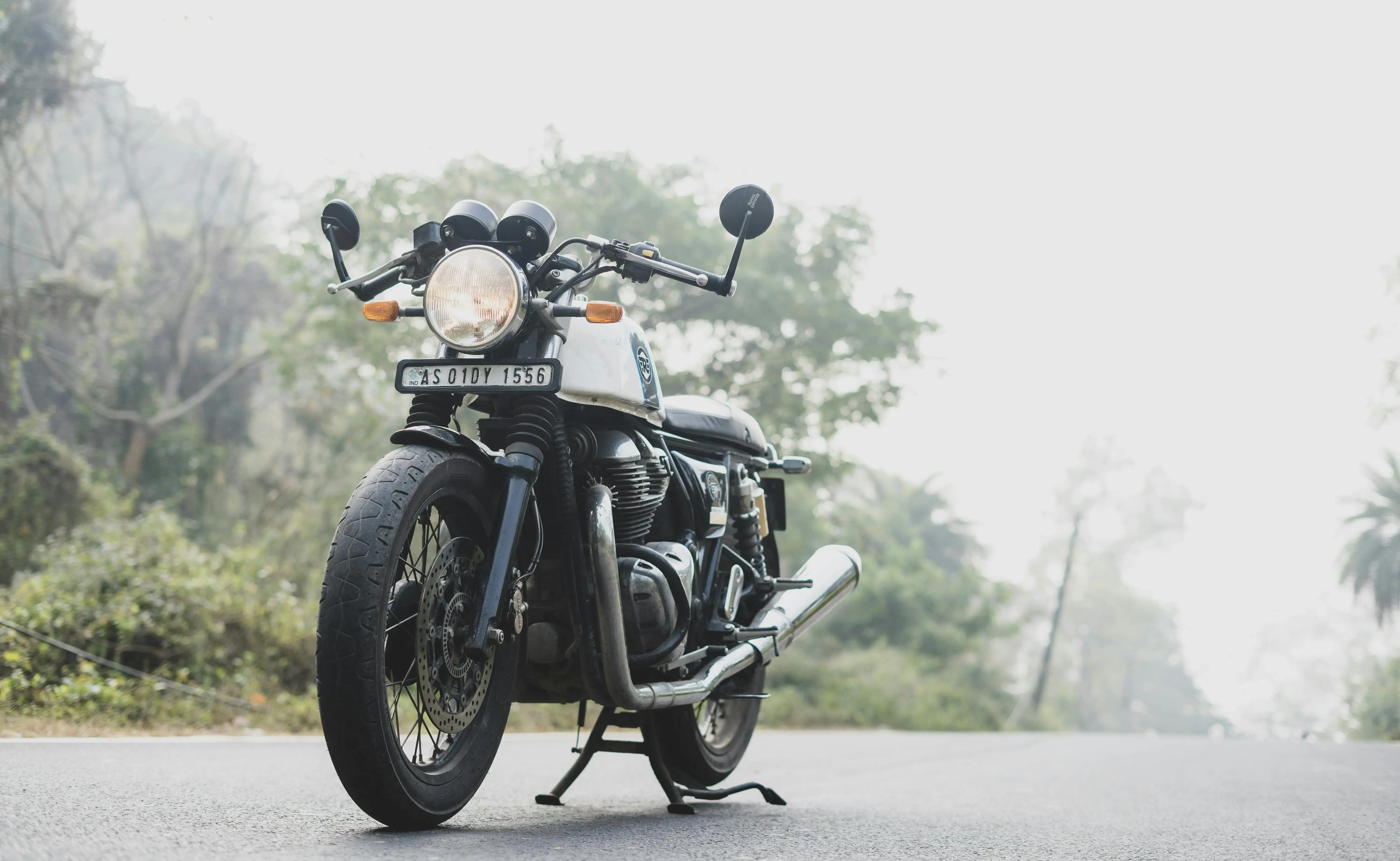
Shipping a Motorcycle to Panama from USA: 2025 Step-by-Step Guide
November 18, 2025 at 11:45 AM
Complete Guide to Shipping Cars to Panama: Methods, Costs & Timelines

Complete Guide to Shipping Cars to Panama: Methods, Costs & Timelines
October 20, 2025 at 12:00 AM
Shipping Pickup Trucks SUVs to Panama: Oversized Guide

Shipping Pickup Trucks SUVs to Panama: Oversized Guide
March 6, 2026 at 10:19 AM