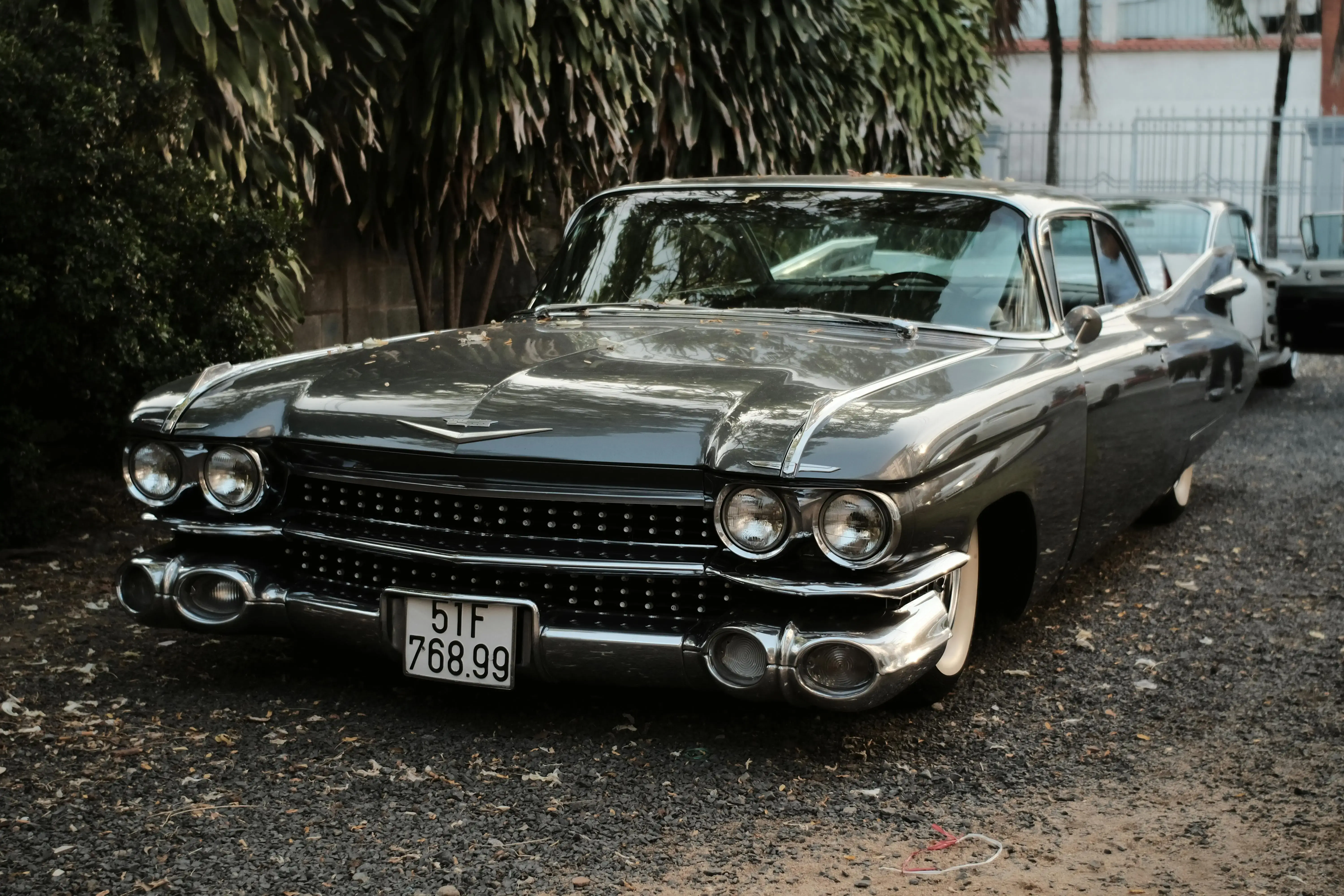

Full-size American trucks and SUVs—Ford F-150s, Ram 1500s, Chevrolet Silverados, Tahoes, Suburbans, and similar vehicles—are popular choices among relocators heading to Panama. The country's mix of urban highways, rural roads, and developing infrastructure makes a capable truck or SUV a practical choice for many expat lifestyles, particularly outside Panama City. However, these vehicles introduce logistical and regulatory considerations that standard sedans do not face when shipping your car to Panama.
This article covers the specific challenges and considerations that apply to oversized vehicles, including container sizing, shipping method selection, weight implications, duty calculations, and operational factors in Panama. Every figure and regulatory reference is illustrative and based on publicly available information—Panama's customs rules, tax rates, and enforcement practices can change without notice. Always verify requirements directly with a qualified Panamanian customs broker before committing to any shipment.
Container vs. RoRo: Which Method Works for Your Oversized Vehicle?
When shipping full-size trucks and SUVs to Panama, vehicle owners face a fundamental choice between container shipping and Roll-on/Roll-off (RoRo) vessel transport. Each method serves different vehicle types and presents distinct advantages and trade-offs.
Container Shipping: The Standard for Most Vehicles
Container shipping remains the standard method for most cars, SUVs, and light trucks heading to Panama. A standard 20-foot container can accommodate most sedans and mid-size SUVs comfortably. Full-size pickup trucks—particularly crew-cab models with long beds—may require a 40-foot container or a dedicated 20-foot container depending on the vehicle's overall length, height, and width.
Container shipping offers several advantages that make it the preferred choice for most relocators:
-
Complete protection from the elements during ocean transit, reducing exposure to salt air and weather
-
Ability to secure personal items within the vehicle under specific conditions
-
Enhanced security with a sealed, locked container
-
Flexible scheduling with weekly departures from West Coast Shipping facilities in California, Florida, and New Jersey
Crew-cab trucks with bed accessories like tonneau covers, toolboxes, or bed-mounted racks may need those items removed or adjusted before loading. Lifted trucks with aftermarket suspension may exceed standard container height limits, requiring either temporary modification or a high-cube container. West Coast Shipping's loading team assesses each vehicle individually and recommends the appropriate container configuration—our container shipping guide explains how vehicles of all sizes are measured, loaded, and secured.
RoRo Shipping: For Specialized Oversized Applications
RoRo shipping involves driving vehicles onto a specialized vessel where they are secured for ocean transit. This method is primarily used for oversized vehicles and heavy machinery that exceed standard container dimensions or weight limits—not as a cheaper alternative for regular-sized vehicles.
RoRo becomes relevant for Panama shipments when dealing with:
-
Heavy commercial trucks that exceed container weight capacity
-
Construction and agricultural equipment too large for container loading
-
Extremely large SUVs or modified trucks with dimensions that make container loading impractical
-
Multiple commercial vehicles being shipped together in volume
RoRo is not necessarily cheaper than container shipping—rates vary by vessel schedule, port availability, and vehicle specifications. For standard full-size pickup trucks and SUVs, container shipping typically offers better value when factoring in security, protection, and scheduling flexibility.
Important RoRo limitations for Panama:
-
Vehicles must be operational and able to drive on and off the vessel
-
Vehicles must be completely empty—no personal items, tools, or cargo allowed
-
Limited departure scheduling compared to container services
-
Vehicle exposed to salt air and weather during ocean transit
-
Higher risk of cosmetic damage during loading and transport
For most relocators shipping a personal-use pickup truck or SUV to Panama, container shipping provides the optimal balance of protection, flexibility, and cost. West Coast Shipping's Latin America services outline the container and freight options available for Panama-bound vehicles, including dedicated and shared container arrangements.
Container Sizing and Loading Considerations
Understanding container dimensions and loading logistics is essential when planning to ship a full-size truck or SUV to Panama. Not all containers can accommodate all vehicles, and improper planning can lead to delays, additional costs, or the need to find alternative shipping arrangements.
Standard Container Dimensions
A standard 20-foot shipping container offers these interior dimensions:
-
Length: 19 feet 4 inches (5.9 meters)
-
Width: 7 feet 8 inches (2.35 meters)
-
Height: 7 feet 10 inches (2.39 meters)
A standard 40-foot container provides:
-
Length: 39 feet 5 inches (12.03 meters)
-
Width: 7 feet 8 inches (2.35 meters)
-
Height: 7 feet 10 inches (2.39 meters)
High-cube containers add an additional 12 inches of height, providing critical clearance for lifted trucks or vehicles with roof racks.
Vehicle Measurement Considerations
Before booking container shipping, accurate measurements of your truck or SUV are essential. Key dimensions include:
Overall length: Measured from the front bumper to the rear bumper, including any aftermarket additions like winches, bull bars, or trailer hitches. A crew-cab Ford F-150 with a 6.5-foot bed measures approximately 243 inches (20.25 feet), while a SuperCrew with an 8-foot bed can exceed 250 inches (20.8 feet).
Height with load: Factory ride height plus any suspension lift, roof racks, light bars, antennas, or cargo boxes. A stock F-150 stands around 77 inches tall, but a 6-inch lift kit pushes that to 83 inches—approaching the container height limit.
Width including mirrors: Container width must accommodate side mirrors, running boards, and any aftermarket fender flares. Most full-size trucks measure 80-85 inches wide with mirrors extended.
Loading Configurations
West Coast Shipping's loading specialists evaluate each vehicle and determine the most efficient container configuration:
Single vehicle in 20-foot container: Works for most standard crew-cab pickups and full-size SUVs without extreme modifications. Provides maximum protection and security for high-value vehicles.
Single vehicle in 40-foot container: Required for extended-cab trucks with 8-foot beds, vehicles with significant length modifications, or when the owner wants to include additional cargo or a second smaller vehicle.
Shared container arrangements: When dimensions allow, two mid-size vehicles or a truck with a motorcycle can share a 40-foot container, reducing per-vehicle shipping costs. West Coast Shipping coordinates shared containers for compatible vehicles heading to Panama.
High-cube containers: Necessary for lifted trucks, vehicles with roof-mounted accessories, or SUVs with cargo boxes. The additional 12 inches of height accommodates most aftermarket modifications without requiring disassembly.
Bed accessories like tonneau covers generally do not create loading issues, but truck camper shells, bed-mounted tool chests, and oversized spare tire carriers may need removal or special accommodation. Communicate all modifications and accessories to West Coast Shipping during the quote process to ensure proper container selection.
Weight and Shipping Cost Implications
Container shipping costs are influenced not just by container size, but by the total loaded weight. Full-size trucks and SUVs weigh significantly more than passenger cars, and this weight difference affects both shipping pricing and logistics planning.
Typical Vehicle Weights
-
Full-size pickup trucks: 4,500 to 6,500 pounds curb weight (empty)
-
Full-size SUVs: 5,000 to 7,500 pounds curb weight
-
Mid-size sedans (for comparison): 3,000 to 3,800 pounds
A crew-cab F-150 or Ram 1500 weighs considerably more than a Toyota Camry or Honda Accord, and shipping quotes should reflect the actual vehicle weight rather than a generic sedan estimate. When multiple vehicles share a container, total container weight must be managed carefully to stay within shipping line weight limits and road transport regulations.
Weight-Related Cost Factors
Ocean freight pricing: While container shipping is typically quoted per container rather than per pound, extremely heavy vehicles may trigger surcharges or require dedicated container arrangements. Carriers impose maximum weight limits per container (commonly 45,000-50,000 pounds gross weight including the container itself), and exceeding these limits can result in additional fees or rejected bookings.
Inland transport costs: Moving your vehicle from its current location to a West Coast Shipping facility in California, Florida, or New Jersey involves ground transport on car carriers. Heavier vehicles may affect transport pricing, particularly for enclosed carrier service.
Port handling charges: Some destination ports apply weight-based handling fees. Panama's Cristobal port charges are typically structured around container type and size, but extreme weight can occasionally trigger additional assessments.
For dedicated containers, weight is less of a concern provided the vehicle remains within standard limits. For shared container arrangements, West Coast Shipping balances vehicle weights to optimize container loading and ensure compliance with all carrier restrictions.
Duty and Tax Implications for Higher-Value Vehicles
Panama applies a graduated Selective Consumption Tax (ISC) on vehicle imports, with rates commonly ranging from 15% to 25% depending on the vehicle's CIF value (cost plus freight and associated charges). For trucks and SUVs with high US retail values, the combined duty and tax bill can represent a significant addition to the landed cost.
Tax Structure Overview
Selective Consumption Tax (ISC): Applied on a graduated scale based on CIF value. Lower-value vehicles may illustratively face ISC rates around 15%, while higher-value vehicles (those with CIF values above $25,000) commonly face rates approaching 25%.
ITBMS (Panama's VAT): A 7% tax applied to the duty-inclusive total, meaning ITBMS is calculated on the original CIF value plus the ISC amount.
For a fully equipped F-150 Platinum or Ram 1500 Limited with a CIF value above $25,000, the combined duty and tax bill illustratively could reach 30-35% of the vehicle's landed value when all taxes compound. A Chevrolet Silverado High Country or Tahoe Premier faces similar calculations.
Cost Example
Consider a 2022 Ford F-150 Lariat crew cab with a US purchase price of $55,000, illustrative shipping cost of $2,500, and associated fees of $500 for a total CIF value of $58,000:
-
ISC at 25%: $14,500
-
ITBMS at 7% of ($58,000 + $14,500): $5,075
-
Total import taxes: Approximately $19,575
Total landed cost would illustratively approach $77,575 before factoring in Panama-side customs broker fees, port handling, and final registration costs.
Running these numbers through a detailed cost model before purchasing or shipping is essential. Our Panama shipping cost guide provides port-by-port pricing and tax calculation examples. The complete Panama import guide walks through each aspect of the duty and tax structure.
Pensionado Visa Exemptions
Pensionado visa holders may qualify for an import duty exemption on one vehicle every two years for personal use. This exemption typically applies to the ISC only—the 7% ITBMS and other fees may still apply. Eligibility conditions, documentation requirements, and the specific scope of the exemption should be confirmed directly with a Panamanian customs broker, as details can vary and are subject to change.
Even with a Pensionado exemption, understanding the full cost structure helps avoid surprises during the import process.
Vehicle Modifications and Panama Customs Requirements
Heavily modified pickup trucks and SUVs face additional scrutiny at Panamanian customs. While tasteful upgrades and standard accessories generally pass without issue, significant modifications can trigger inspections, questions about declared value, or potential rejection.
Modifications That May Create Issues
Suspension lifts: Lifted trucks with aftermarket suspension systems significantly above factory specifications may face questions at customs inspection. While moderate lifts (2-3 inches) for practical ground clearance typically pass, extreme lifts that substantially alter the vehicle's profile can create complications.
Engine modifications: Non-original engine swaps, forced induction additions (turbochargers or superchargers not installed by the manufacturer), or deleted emissions equipment may be flagged during inspection. Panama's vehicle inspection standards increasingly align with environmental regulations, and vehicles that no longer match factory specifications as documented on the title may face additional review.
Structural modifications: Tube bumpers, aftermarket roll cages, bed modifications that alter cargo capacity, or body modifications that change the vehicle's fundamental structure may complicate the customs declaration process and trigger questions about the vehicle's classification and value.
Deleted safety equipment: Vehicles with removed airbags, modified seatbelts, or deleted safety systems face potential rejection. Panama requires imported vehicles to maintain their original safety equipment in functional condition.
Acceptable Modifications
Most trucks and SUVs arrive in Panama with common upgrades that do not create customs issues:
-
Bed liners and tonneau covers for cargo protection
-
Running boards and side steps for easier access
-
Towing packages and trailer hitches installed by the manufacturer or dealer
-
Upgraded wheels and all-terrain tires that maintain original diameter specifications
-
Roof racks and cargo carriers that can be easily removed if necessary
-
Aftermarket lighting that supplements rather than replaces factory lights
-
Audio system upgrades and interior accessories
When booking shipping with West Coast Shipping, communicate all modifications during the initial quote process. This allows the shipping team to flag any potential customs concerns before your vehicle departs the US, rather than discovering issues after arrival in Panama.
Fuel and Infrastructure Considerations in Panama
Operating a full-size American truck or SUV in Panama involves understanding local fuel availability, road infrastructure, and practical considerations that differ from the United States.
Fuel Availability and Pricing
Fuel in Panama is readily available throughout the country and generally less expensive than in the United States. However, the premium gasoline that many American V8 trucks require may not be available at every station outside Panama City. Panama's fuel stations commonly stock:
-
Regular gasoline (91 octane): Widely available nationwide
-
Premium gasoline (95 octane): Available at major stations in urban areas
-
Diesel fuel: Widely available and typically cheaper than gasoline
Buyers considering a diesel truck—such as an F-250 with the Power Stroke diesel or a Ram 2500 with the Cummins—may find operational cost advantages in Panama. Diesel is more readily available in rural areas than premium gasoline, and commercial diesel pricing often undercuts gasoline significantly. However, the higher purchase price, heavier weight, and increased shipping costs of diesel trucks affect the upfront import calculations.
Gasoline-powered trucks with engines designed for 87 octane (regular unleaded) will run without issue on Panama's 91-octane regular fuel. Trucks requiring 91 or 93 octane in the US should use Panama's 95-octane premium, though availability may require planning on rural trips.
Road Infrastructure and Driving Conditions
Panama's road network varies dramatically by region:
Panama City and metropolitan areas: Well-maintained highways, modern traffic signals, adequate parking infrastructure, and fuel stations that match US standards. Full-size trucks can navigate the capital comfortably, though parking in older neighborhoods and commercial districts can be tight.
Pan-American Highway: The main arterial highway connecting Panama to Costa Rica and Colombia offers good pavement quality and regular services, though tolls apply on some sections.
Rural and coastal areas: Road quality degrades significantly outside major population centers. Unpaved roads, steep grades, seasonal flooding, and minimal road maintenance make a truck's ground clearance, four-wheel drive capability, and durable construction genuinely useful rather than merely aesthetic.
Relocators planning to live in beach communities like Bocas del Toro or Pedasi, highland towns like Boquete or El Valle, or agricultural areas will find a full-size truck or SUV far more practical than a sedan. Those staying primarily in Panama City's urban core may find the vehicle's size more hindrance than help when navigating tight streets and competing for parking.
Parts and Service Availability
American trucks and SUVs sold in Latin American markets—Ford, Chevrolet, Ram—have established dealer networks in Panama. Parts availability for current-generation F-150s, Silverados, and Rams is generally good in Panama City. Suburban and Tahoe models share parts with their Silverado and Sierra pickup counterparts, improving service availability.
Older trucks, discontinued models, and specialty configurations may require ordering parts from the United States. Building a relationship with a trusted mechanic in Panama who has experience with American vehicles is essential for long-term ownership.
Electric Trucks and Alternative Fuel Vehicles
Panama offers significant tax incentives for electric vehicles through December 31, 2030, under the country's Electric Mobility Law (Law 162). This incentive can dramatically reduce import costs for electric trucks like the Ford F-150 Lightning or electric SUVs like the Rivian R1S.
Electric Vehicle Import Benefits
Zero percent Selective Consumption Tax: Electric vehicles are exempt from the ISC that would otherwise apply to equivalent gasoline vehicles. For a high-value electric truck, this exemption can represent savings of $10,000 or more compared to importing a gasoline equivalent.
ITBMS still applies: The 7% ITBMS tax is applied even to electric vehicles, calculated on the CIF value plus any other applicable fees.
Environmental registration incentives: Some provinces offer reduced registration fees or expedited registration processing for electric vehicles.
Electric Vehicle Shipping Requirements
Battery-electric vehicles have specific shipping requirements that differ from conventional vehicles:
-
Reduced state-of-charge limits (typically 20-30%) to minimize fire risk during ocean transit
-
Manufacturer safety documentation confirming battery specifications and shipping approval
-
Specialized container loading with battery disconnection in some cases
-
Extended loading preparation time to ensure compliance with International Maritime Dangerous Goods (IMDG) Code
West Coast Shipping handles electric vehicle logistics regularly and coordinates with the appropriate safety certifications for battery-electric trucks and SUVs. Our guide to shipping electric and hybrid vehicles to Panama covers the regulatory and practical details.
Charging Infrastructure in Panama
Panama's charging infrastructure is developing but remains concentrated in Panama City and major urban corridors. Public charging stations exist at shopping centers, hotels, and some fuel stations in the capital, but coverage drops dramatically in rural areas. Relocators considering an electric truck should:
-
Verify home charging installation capability at their Panama residence
-
Plan routes carefully when traveling outside Panama City
-
Consider range limitations given limited rural charging options
-
Research charging network expansion plans in their specific relocation area
For many relocators, a plug-in hybrid truck may offer the best compromise—electric range for daily urban driving with gasoline backup for rural travel and areas without charging infrastructure.
Practical Operational Considerations
Beyond the logistics of getting your truck or SUV to Panama, several practical operational factors should inform your decision.
Protection and Registration
Panama requires vehicle registration with the Autoridad del Tránsito y Transporte Terrestre (ATTT) before you can legally drive on public roads. Registration requires:
-
Customs clearance documentation proving all duties and taxes have been paid
-
Vehicle inspection certificate confirming the truck meets Panama's safety and emissions standards
-
Proof of ownership including clear title and bill of sale
-
Panama residency documentation for the vehicle owner
Annual registration fees are based on vehicle value, weight, and engine size. Full-size trucks with larger engines face higher registration costs than smaller vehicles, though fees remain modest compared to US registration in high-cost states.
Parking and Security
Panama City offers generally secure parking, but vehicle theft and break-ins occur. Full-size American trucks—particularly newer F-150s, Silverados, and Rams—are high-value targets. Relocators should:
-
Park in secured garage facilities whenever possible in urban areas
-
Install aftermarket security systems beyond factory equipment
-
Remove valuables and accessories when parking in public areas
-
Consider vehicle tracking systems for high-value trucks
Rural areas generally experience lower theft rates, though isolated properties may require more robust security measures.
Resale Value Considerations
Full-size American trucks hold value well in Panama's used vehicle market, particularly diesel models and four-wheel-drive configurations. Buyers appreciate the vehicles' capability and durability, and the limited supply of used American trucks maintains strong demand. However, modification-heavy trucks with extreme lifts, custom paint, or non-standard equipment face a smaller buyer pool and may be harder to sell when the time comes.
Transit Times and Shipping Process
Understanding the complete timeline for shipping your truck or SUV from the United States to Panama helps set realistic expectations and plan your relocation accordingly.
Port-to-Port Transit Times
Ocean transit times from US departure ports to Panama's Cristobal port (the primary vehicle import terminal on the Atlantic side) vary by departure location:
-
From New York/New Jersey: Approximately 5-7 days ocean transit
-
From Florida (Port Everglades/Miami): Approximately 3-5 days ocean transit
-
From California (Oakland/Long Beach): Approximately 12-15 days ocean transit via Panama Canal routing
Complete Door-to-Port Timeline
Total time from vehicle pickup in the US to arrival at Cristobal commonly ranges from 15 to 40 days depending on:
-
Inland transport time: Moving your truck from its current location to the nearest West Coast Shipping facility
-
Container consolidation scheduling: Shared containers may wait for compatible vehicles
-
Export documentation processing: Customs clearance and paperwork completion
-
Vessel sailing schedule: Departure frequency varies by route
-
Customs clearance in Panama: Processing time at destination port
Dedicated containers with pre-arranged shipping can accelerate timelines, while shared containers may require additional time for consolidation. West Coast Shipping provides detailed timeline estimates during the quote process based on your specific departure location and vehicle specifications.
Panama-Side Clearance and Delivery
After arrival at Cristobal, the vehicle clearance and delivery process involves:
-
Customs inspection and documentation review: 2-5 business days
-
Duty and tax payment processing: 1-2 business days
-
Container unloading and vehicle release: 1-2 business days
-
Inland transport to final destination: Varies by location within Panama
Working with an experienced Panamanian customs broker—which West Coast Shipping can coordinate—streamlines this process and helps avoid delays caused by documentation issues or unexpected requirements.
Disclaimer: This article is provided by West Coast Shipping as general informational content. It is not legal, tax, customs, or financial advice. All regulatory references, shipping methods, container specifications, duty rates, and cost illustrations are based on publicly available information and West Coast Shipping's industry experience as of early 2026. Panama's customs rules, tax rates, import requirements, and enforcement practices can change without notice and may vary by port, inspector, and individual circumstances. Container dimensions, weight limits, and shipping costs are illustrative and subject to change based on carrier agreements and market conditions. Before making any vehicle purchase, modification, or shipping decision, verify all requirements directly with West Coast Shipping, Panama's National Customs Authority (Autoridad Nacional de Aduanas), a qualified Panamanian customs broker, and any relevant technical or legal professionals. Nothing in this article should be treated as a quote, promise, guarantee, or endorsement of any specific outcome.
Calculate Your Shipping Cost for Pickup Trucks and SUVs to Panama

Shipping a Motorcycle to Panama from USA: 2025 Step-by-Step Guide
Importing a Car into Panama from the U.S.: Step-by-Step 2025 Guide