

On November 25, 2026, the US Trade Representative proposed new Section 301 tariffs, which it calls structural excess capacity tariffs, on goods from 14 economies, including the EU and Japan. Modern cars are left out, but classic cars 25 years and older and motorcycles of any age are not, and an EU-built classic would go from 10% to 15% US import duty.
Our view: this is a real cost for collectors importing European cars, a small one for Japanese imports, and none at all for British-built cars. It is also still a proposal, so nobody should rush a purchase or a shipment because of it. Below are the rates, worked examples and what we would do in your place.
The New Section 301 Tariffs at a Glance
| Item | What the notices say |
|---|---|
| Who | 14 economies, including the EU, Japan, South Korea, Switzerland, Taiwan, China, India and Vietnam. The UK, Canada and Mexico are not among them. |
| Rate for the EU | 15% in total, net of the base duty and existing Section 301 tariffs. Up to 20% if USTR finds talks unsatisfactory. |
| Rate for Japan | Up to 15% in total, on the same basis. Up to 20% if talks fail. |
| Left out | Goods under the Section 232 tariffs, which include passenger cars, light trucks and their parts. Collectors' pieces of historical interest (heading 9705) are also exempt. |
| Comments due | January 5, 2027 |
| Hearings start | January 25, 2027, in Washington |
| In force | Not yet. No start date is set. |
| Proposed end (EU) | December 1, 2028 |
Sources: the USTR announcement and the country notices for the EU and Japan.
Why Classic Cars Are Not Left Out
The new notices exempt "passenger vehicles" that are subject to the Section 232 auto tariff. A car built at least 25 years before the year it enters the US does not pay Section 232: it enters under its own heading in the US tariff schedule, chapter 99. Because it is outside Section 232, it is also outside the exemption.
The same thing already happened in July 2026. The Section 301 forced-labor tariff took effect on July 24 with the same Section 232 exemption, and classic cars have paid it since: 10% in total for EU-built cars, 12.5% for Japanese and British-built cars. The new proposal tops that rate up rather than stacking on top of it in full.
This is our reading of the notices, which do not mention classic cars by name. We think it is the correct one, but your licensed customs broker makes the call on each entry, and USTR can still change the final text after the hearings.
What Classic Cars Would Pay
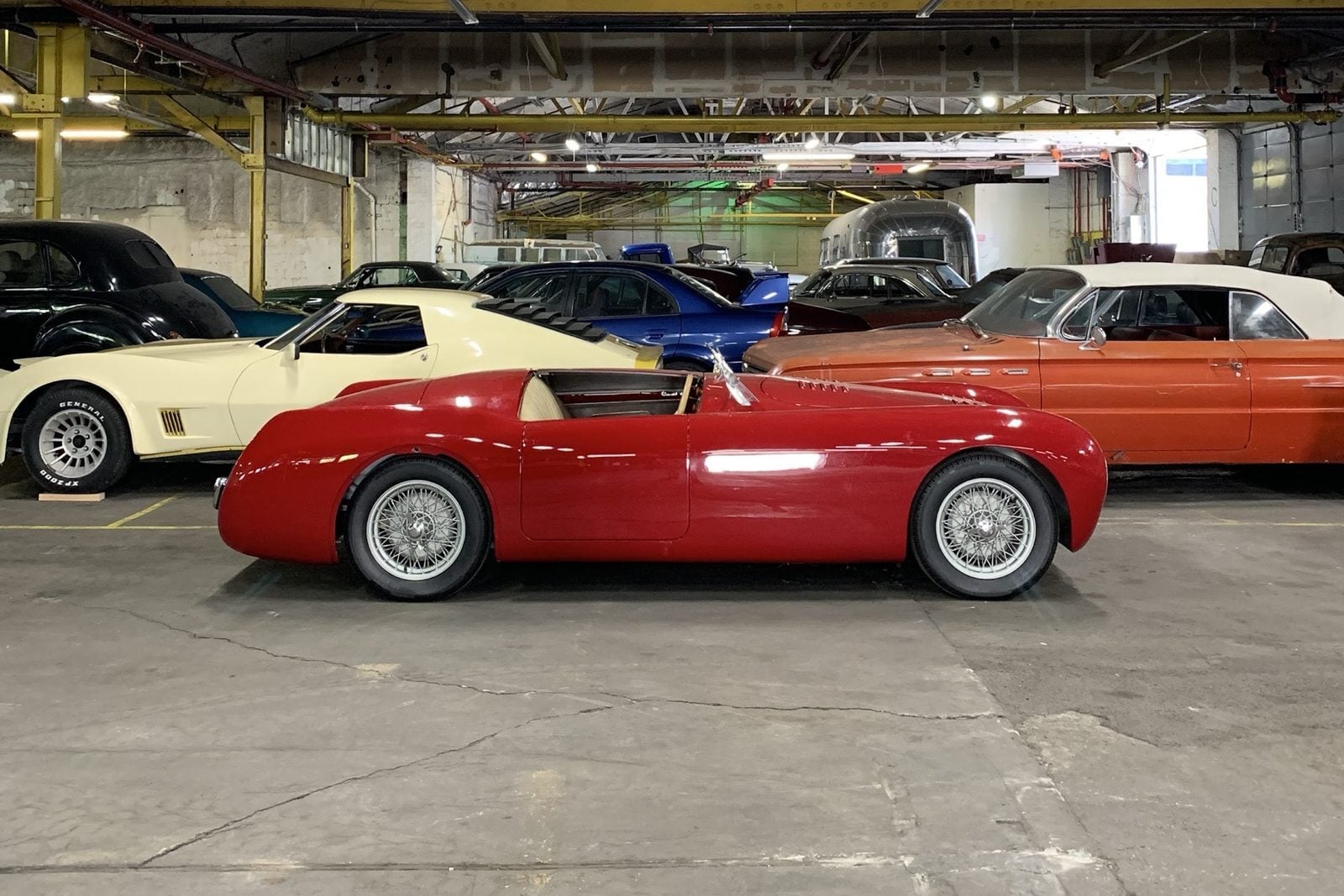
The build country sets the rate, not where you bought the car. A Porsche bought in London is a German-built car. All rates below are total US duty, including the 2.5% base rate, before the merchandise processing and harbor maintenance fees.
| Example | Duty now | Proposed |
|---|---|---|
| 1995 Porsche 911, German-built, $100,000 | $10,000 (10%) | $15,000 (15%) |
| 1995 Nissan Skyline, Japanese-built, $40,000 | $5,000 (12.5%) | up to $6,000 (up to 15%) |
| 1965 Jaguar E-Type, British-built, $90,000 | $11,250 (12.5%) | No change |
| 1970 Lamborghini Miura, Italian-built, $1,500,000 | $150,000 (10%) | $225,000 (15%) |
These are worked examples, not quotes. If talks fail, the EU and Japan totals could reach 20%.
Our take: for a $40,000 Skyline, the change is up to $1,000, less than the gap between two auction bids. For a $100,000 Porsche, it is $5,000, which is worth planning around. For a seven-figure Italian car, it is the largest single line on the import bill, and worth timing carefully with your broker once a start date is published.
Modern and Used Cars Under 25 Years
No change. Cars and light trucks under 25 years old pay the Section 232 auto tariff instead, so the new proposal leaves them out. These car tariffs stay as they are. New or used makes no difference: a 2012 BMW pays the same rate as a 2025 one. EU-built and Japanese-built cars pay 15% in total today. British-built cars pay 10% while the quarterly quota is open, and 27.5% once it fills.
Remember that a car under 25 years old also has to meet US safety and emissions rules before it can be imported. For most European and Japanese market cars that is the bigger obstacle, not the duty. Our 25-year rule guide explains how it works.
Motorcycle Tariffs
Motorcycles are not under Section 232 and not on the steel and aluminum lists, so the July Section 301 tariff already applies to them at any age. The proposal would raise it again.
| Example | Duty now | Proposed |
|---|---|---|
| Ducati, Italian-built, $20,000 | $2,000 (10%) | $3,000 (15%) |
| Honda, Japanese-built, $10,000 | $1,250 (12.5%) | up to $1,500 (up to 15%) |
| Norton over 700 cc, British-built, $15,000 | $1,860 (12.4%) | No change |
Motorcycle parts are on the same footing: they are outside the auto tariff, so they may be covered too. Car parts under the auto tariff are left out.
What Happens Next, and Our Outlook
The EU and Japan both reject USTR's finding that they run structural excess capacity. The EU has said it could respond if the US goes beyond the terms of their 2025 trade framework. Japan has protested and has signaled that it prefers to keep negotiating. Neither has announced countermeasures. A senior US official has said more agreements could be finalized at the G20 leaders' summit in Miami on December 14 and 15, before the comment deadline of January 5 and the hearings that start on January 25.
Our outlook: we expect the 15% rate for EU and Japanese goods to be the one that sticks. It matches the ceiling both already agreed with the US in 2025, and the 20% alternative reads as a bargaining position in the talks rather than the likely result. We don't expect anything to take effect before February, after the hearings. For EU-built and Japanese-built classics and motorcycles, we would plan on 15% for arrivals from early 2027 and treat anything lower as a bonus. The EU notice also proposes that the change ends on December 1, 2028.
For cars going the other way, one risk is worth watching. The EU can suspend the tariff cuts it gave US goods in 2026 if it decides the US has not kept its side of the deal. That would matter for US cars shipped to Europe. We see it as unlikely while both sides are still talking, and nothing has been announced.
What We Would Do Now
- Do ship cars you already own. There is no rule yet on cars already on the water when a new rate starts, so a car bought now is better shipped soon than held overseas.
- Check the build country. A British-built classic or motorcycle is now the cheaper import, and nothing in this proposal changes that.
What It Means for Imports Into the US
Census trade data on our US car import statistics page shows about 6,130 used Japanese-built cars arrived by sea or air from January to September 2026, at an average declared value of about $11,000. German-built cars averaged about $109,000. That split tells you who pays: the proposal adds a few hundred dollars to a typical Japanese import, and thousands to a typical German one.
The proposal does not touch US exports. It is a US import duty, so the duty or tax you pay when a car leaves the US for Europe, Japan or anywhere else stays the same.
FAQ
Are classic cars exempt from the new Section 301 tariffs?
No, based on our reading of the notices. Cars 25 years and older are outside the Section 232 auto tariff, so they are outside the exemption too. They already pay the July 2026 Section 301 tariff.
When do the new tariffs start?
No start date is set. Comments are due January 5, 2027, and hearings start January 25, 2027.
Do the tariffs stack on top of the current duty?
No. For the EU, Japan, South Korea, Switzerland and Taiwan, the proposal sets a total rate net of the base duty and existing Section 301 tariffs. An EU-built classic would pay 15% in total, not 10% plus 15%.
Are UK-built cars affected?
No. The UK is not one of the 14 economies in the proposal.
Could the rate go above 15%?
Yes. The notices allow up to 20% for EU and Japanese goods if USTR decides talks are not going well. In our view 15% is the more likely outcome.
Do the tariffs apply to motorcycles?
Yes. Motorcycles of any age pay Section 301 today and are not exempt from the new proposal.
Buying a car or motorcycle in Europe or Japan? Get an instant door to door import rate by ocean or air. We collect it overseas and bring it to our own warehouses in California, Florida or New Jersey, and our own team loads every car and handles every document.
It's your dream car. Let's bring her home.
